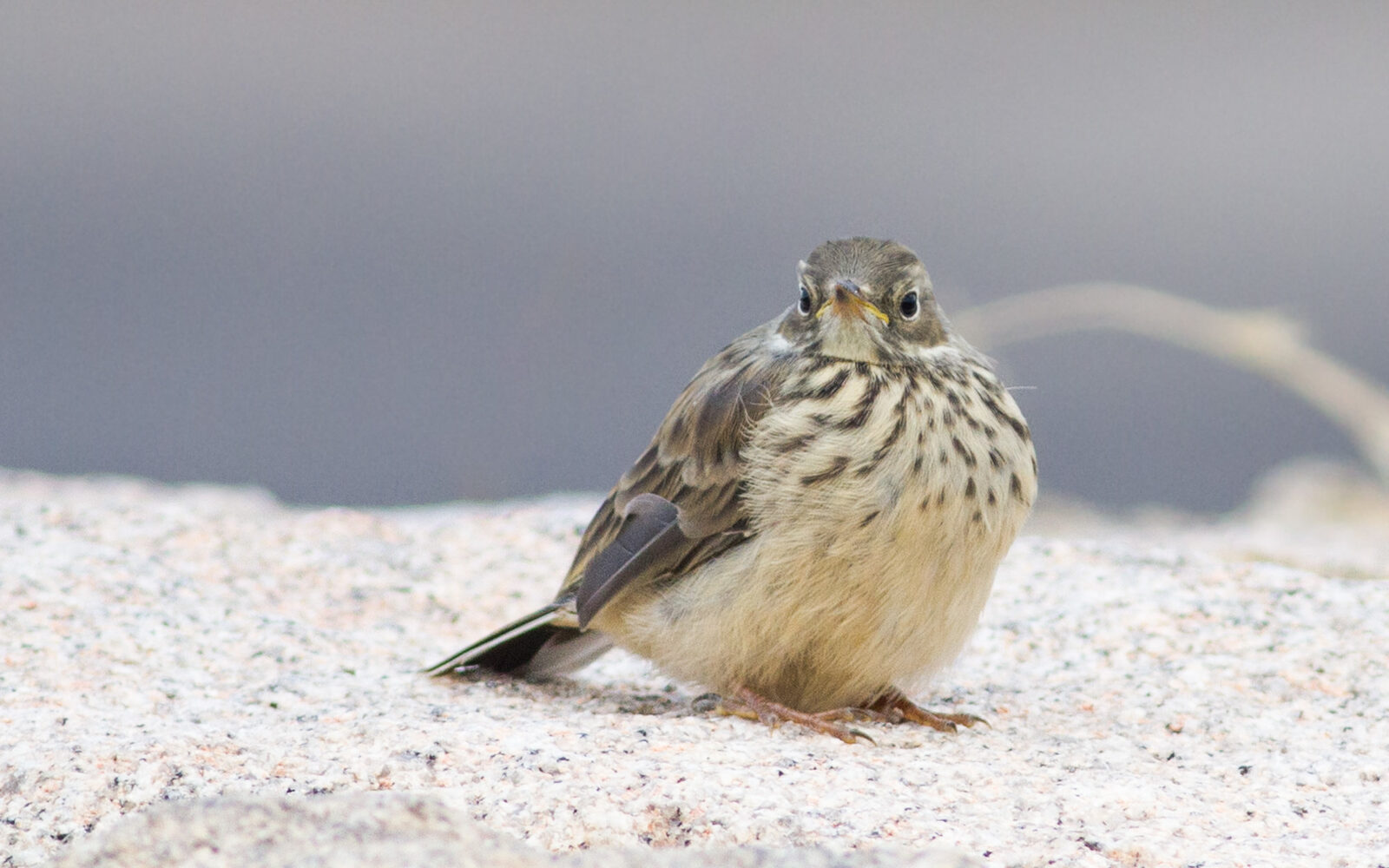
American pipit
Anthus rubescens
- Status
- Least Concern IUCN Red List
- Eats
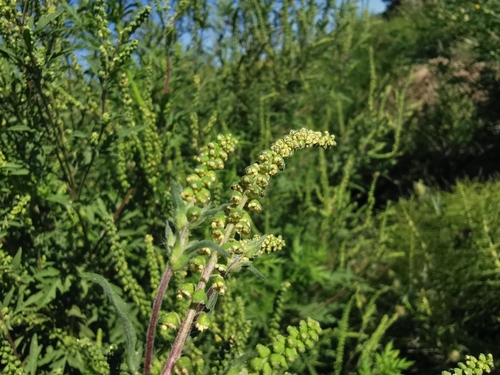
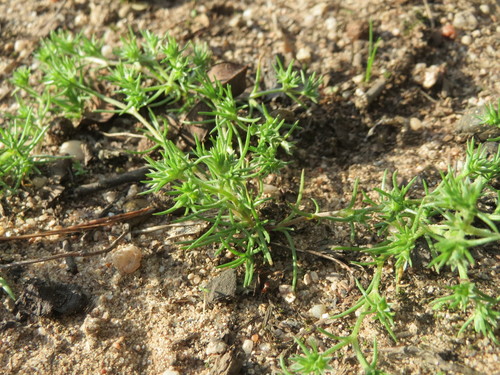
- common chickweed, ragweed, annual knawel and 86 more
- Where
- 25 countries
On 4Planet Atlas it is among the wildlife people record most around Dallas, Denver and Houston, and 7 more of the cities we cover.
People have shared 1,134,507 records of the American pipit with GBIF, from 25 countries, most of them from United States, Canada and Mexico. Records collected by GloBI show it eating 89 different kinds of animals and plants.
What the American pipit eats, and what eats it
Studies have recorded it eating 89 kinds of animals and plants. Tap any of them to follow the food chain.
- Insects 51
- Plants 26
American pipit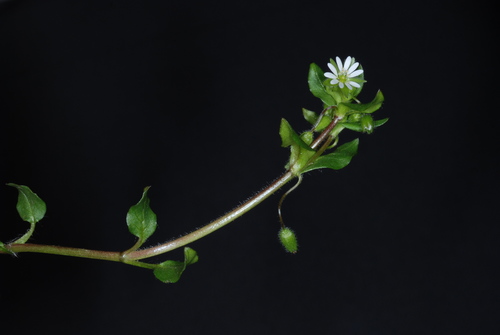

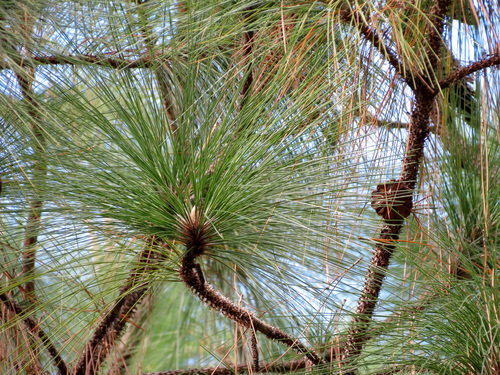
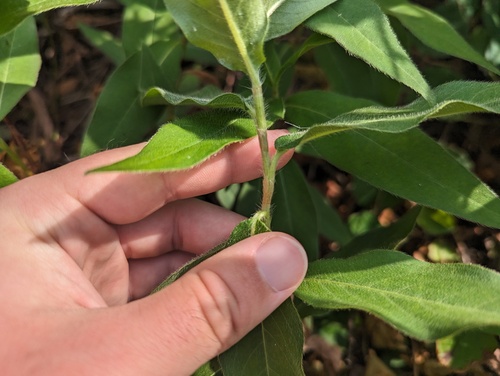
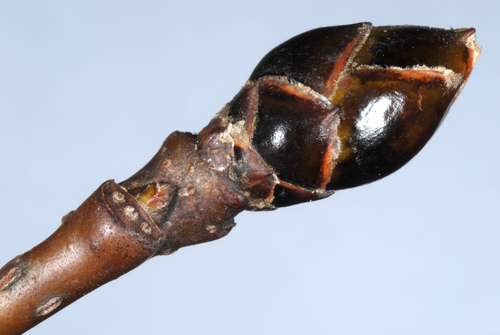

Records from studies worldwide, collected by GloBI. They include animals eaten as carrion, and they are not everything it eats in one place.
Where people see the American pipit
People have shared 1,134,507 records from 25 countries.
Near a city: Dallas, Denver, Houston, Las Vegas, Mexico City, Phoenix, San Diego, San Francisco, Seattle, Vancouver.
Records show where people have seen it and shared it, not its full range. Country names open their page in Atlas.
When it is seen
Records per month in the northern hemisphere. More people outdoors also means more records.
Watch and listen
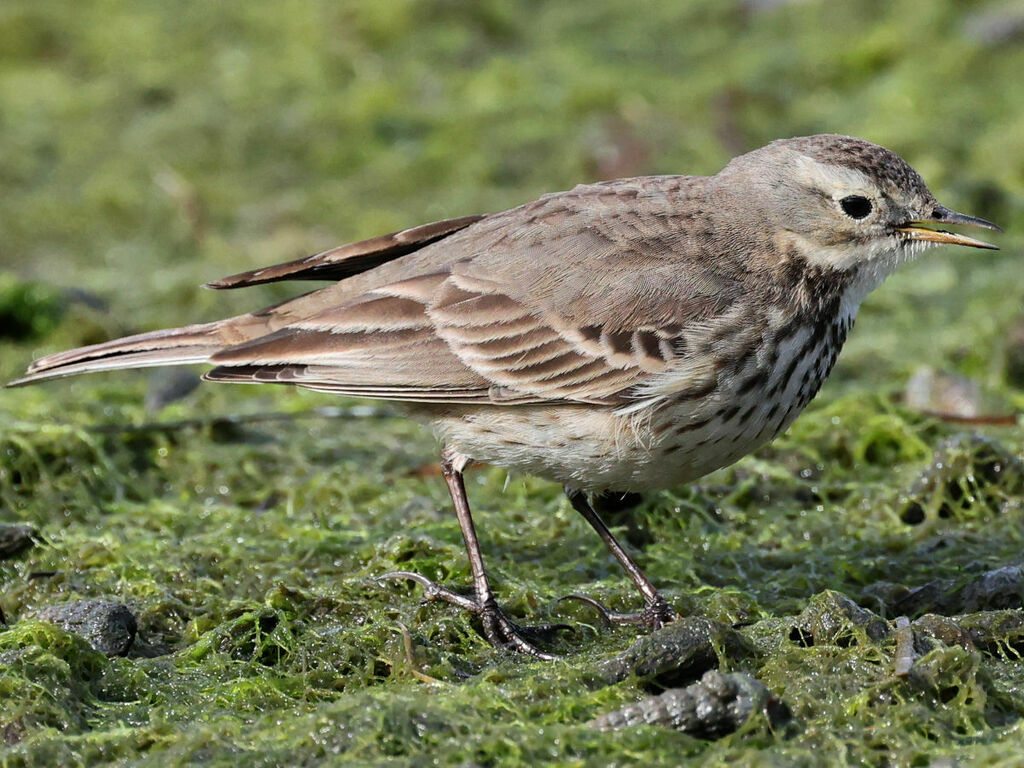
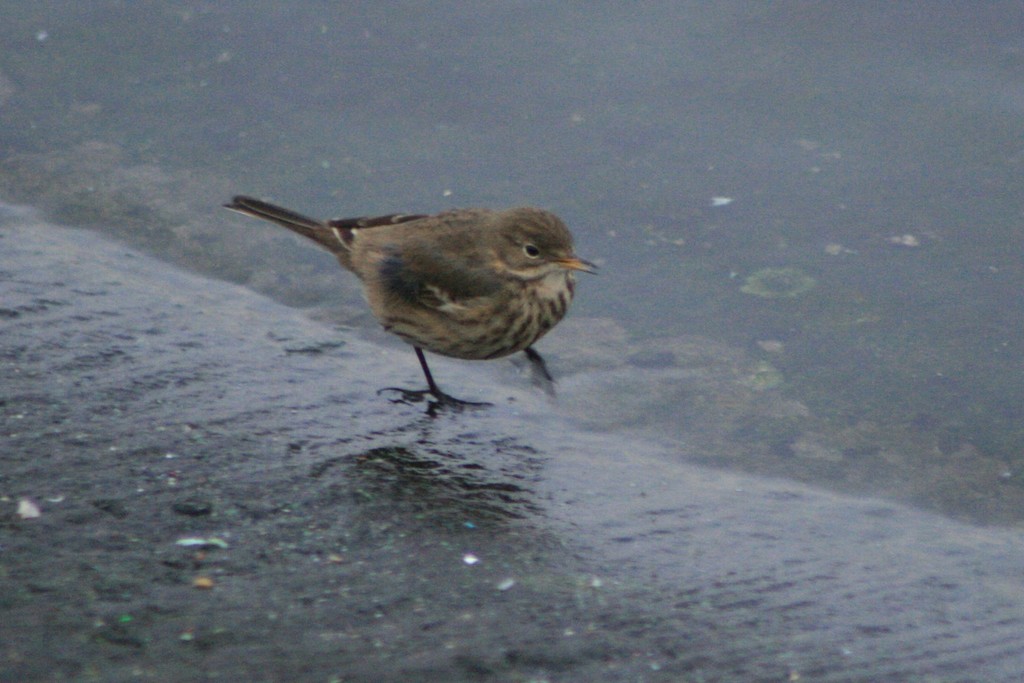
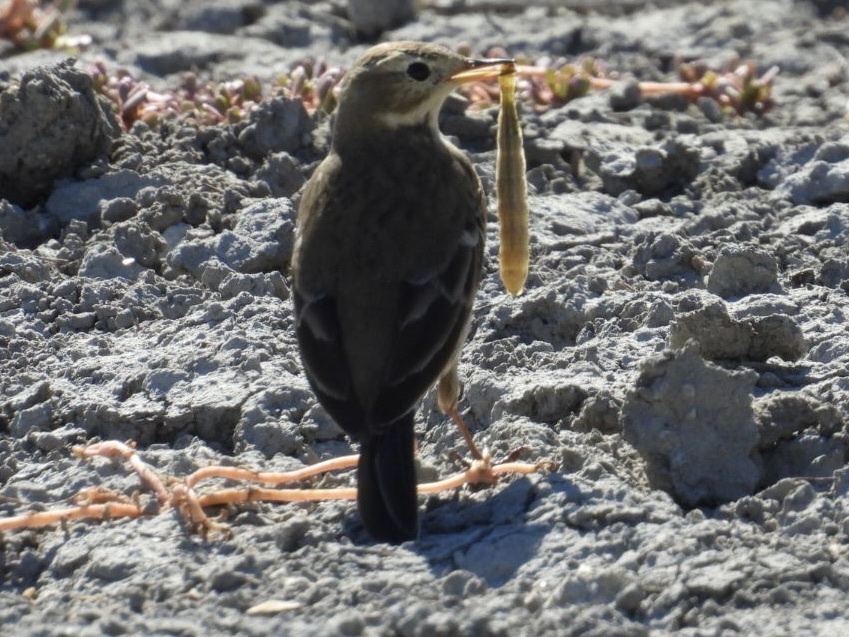
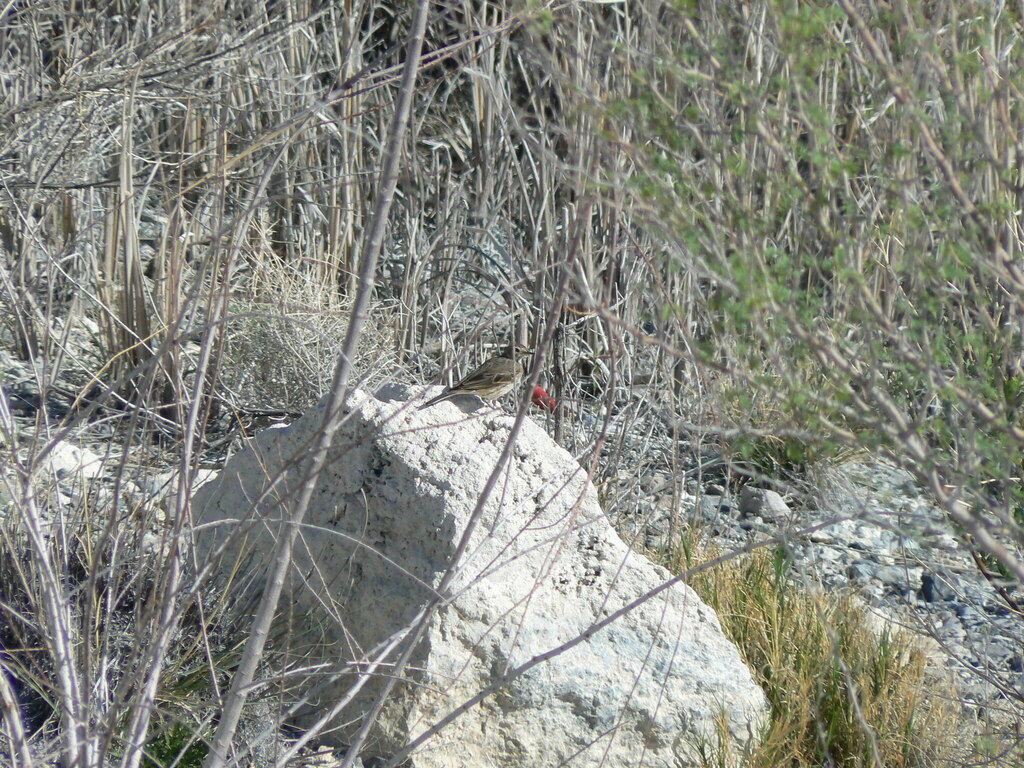
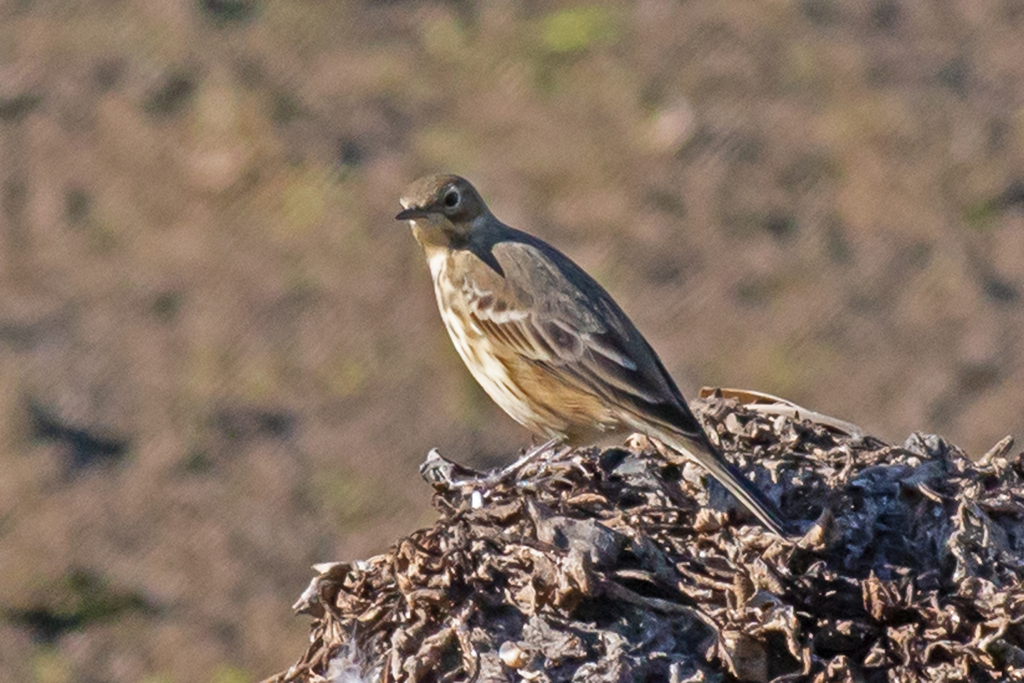
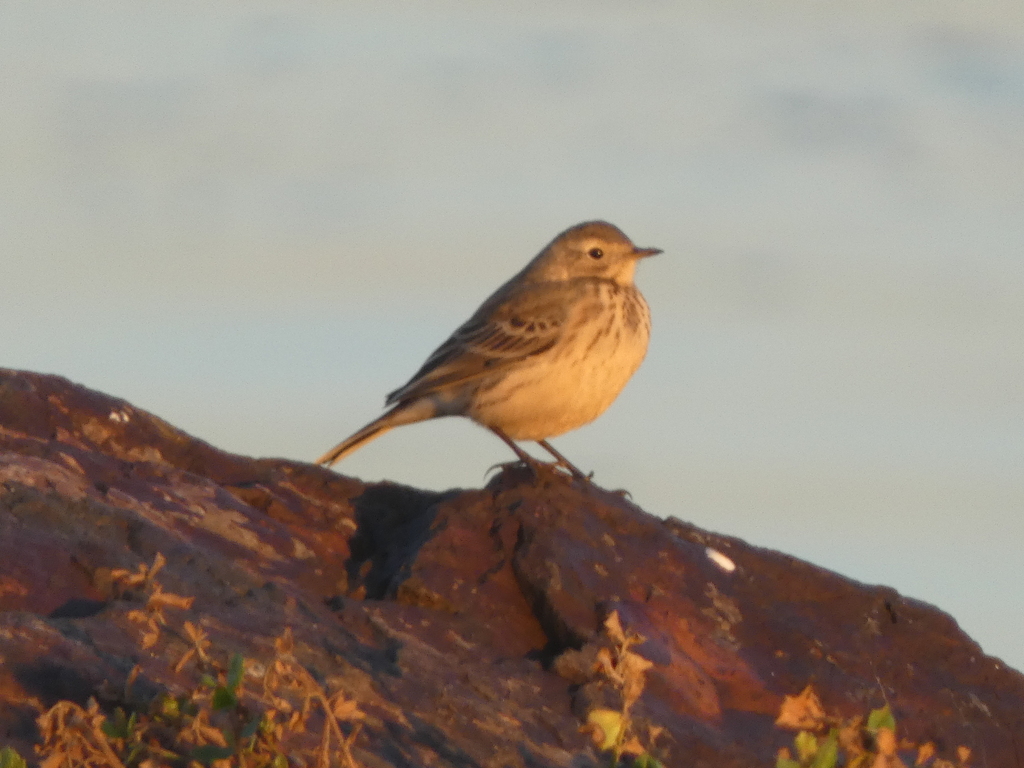
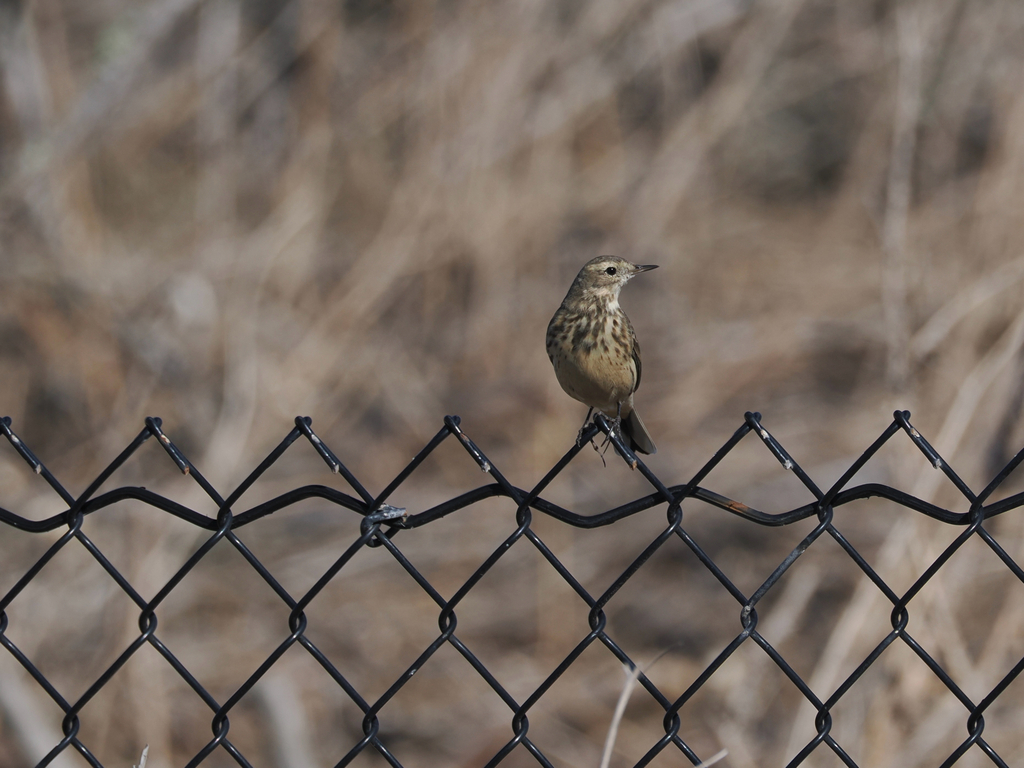
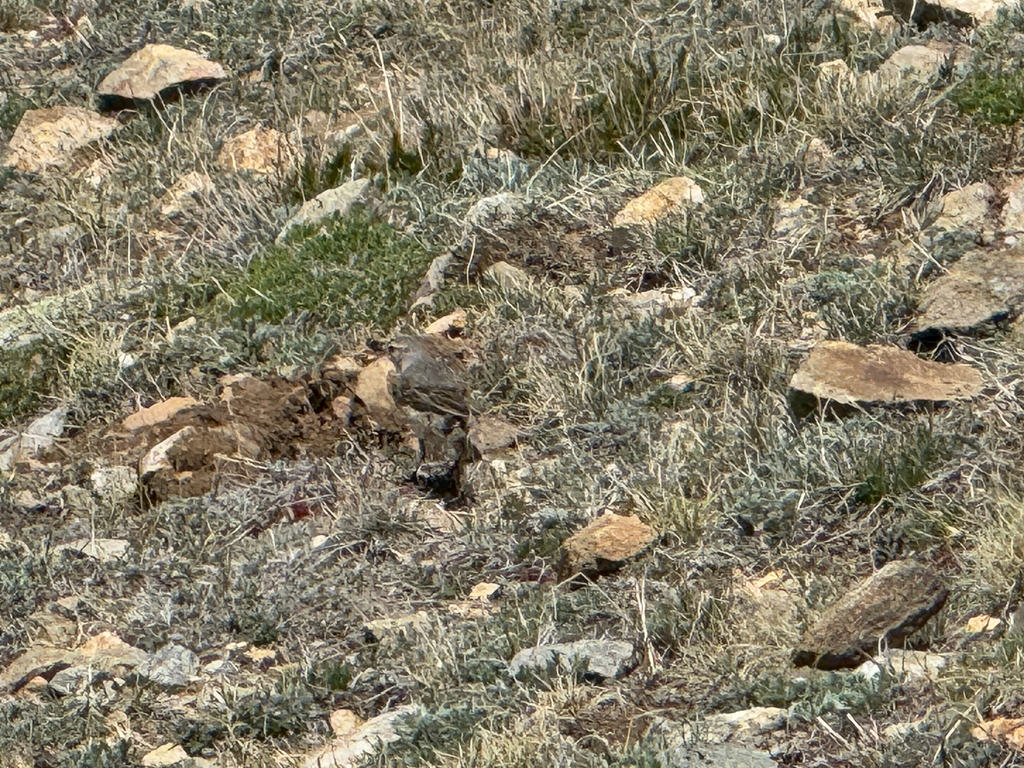
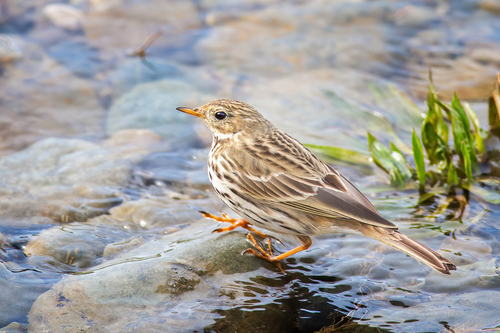
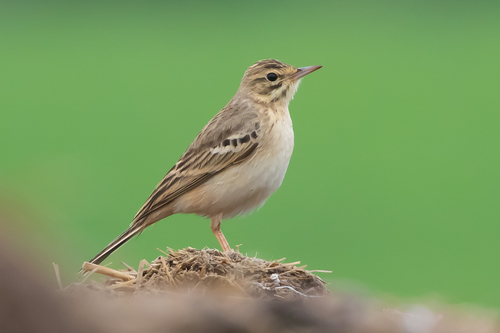
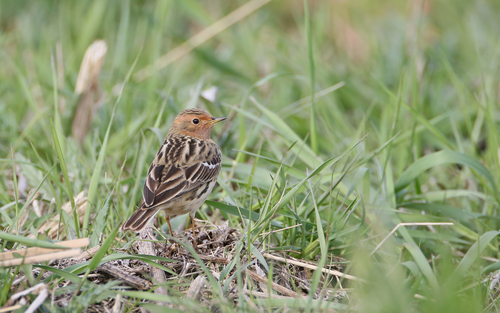
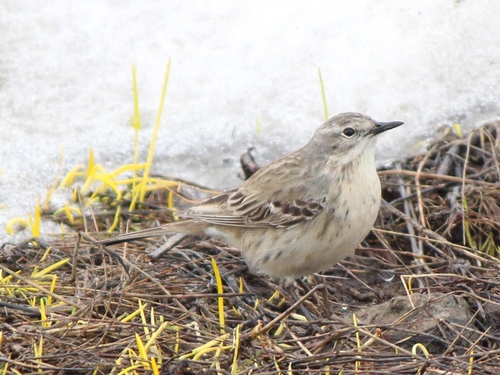
Its closest relatives
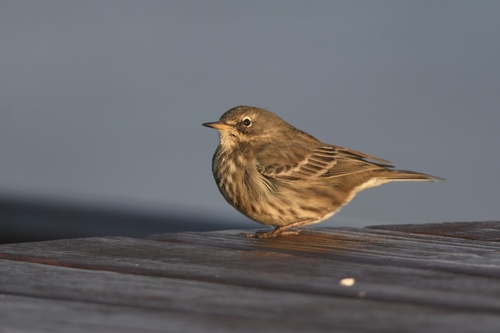
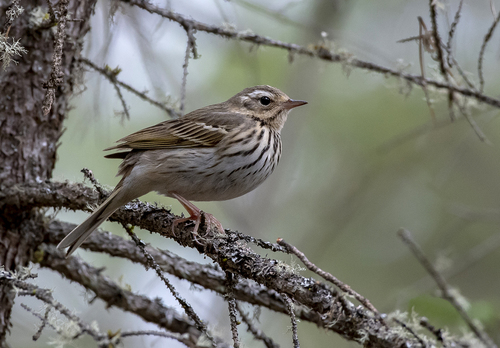
The other species of the genus Anthus.
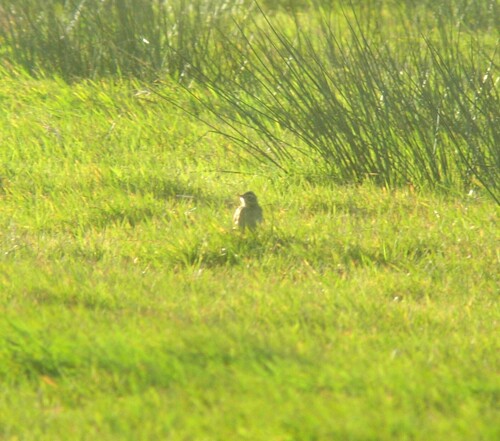
Seen an American pipit?
Share your photo on iNaturalist. Other naturalists help confirm it, and the record goes to GBIF, where scientists use it and where the maps on this page come from.
Put this species on your site
The card names every source and links back here.
<iframe src="https://4planetatlas.com/place/embed/species/american-pipit" title="American pipit (Anthus rubescens), 4PLANET Species" width="100%" height="600" style="border:0;max-width:640px" loading="lazy"></iframe>
<p><a href="https://4species.com/american-pipit">American pipit on 4PLANET Species</a></p>Questions people ask
What does the American pipit eat?
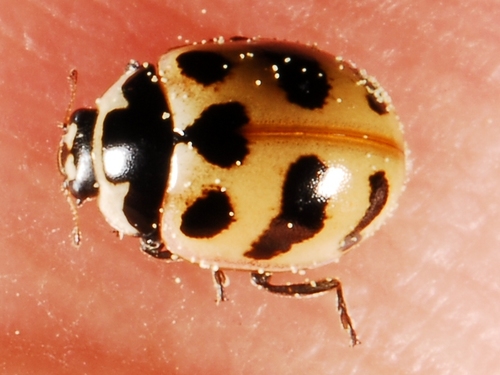
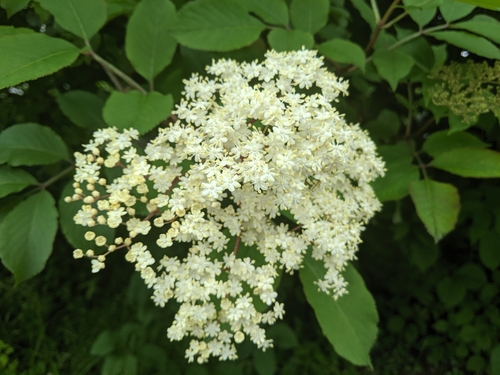
The American pipit has been recorded eating 89 different kinds of animals and plants, most of them insects and plants. The ones recorded most often are common chickweed, ragweed, annual knawel, three-banded lady beetle and elder; records include animals eaten as carrion. Source: GloBI.
Where does the American pipit live?
People have recorded it in 25 countries; the most records come from United States, Canada, Mexico, United Kingdom and Bermuda. Records show where people have seen it, not its full range.
When is the American pipit seen most?
In the northern hemisphere, the most records are made in October and the fewest in June. More people outdoors also means more records.
What are the American pipit's closest relatives?
It shares the genus Anthus with tree pipit, meadow pipit, tawny pipit, red-throated pipit and water pipit.
Sources and photo credits
- GBIF · Anthus rubescens, 1,134,507 human observations
- GloBI · recorded interactions of Anthus rubescens
- Wikidata · American pipit (Q871527)
- American pipit (Anthus rubescens): Fyn Kynd, CC BY-SA 4.0
- American pipit (Anthus rubescens), Ocean Beach Estuary, San Diego, CA, USA: Peter Chen 2.0, CC BY 4.0
- American pipit (Anthus rubescens), The Queen Mother Reservoir, Slough SL3, UK: Charlie Farrell, CC0
- American pipit (Anthus rubescens), Springs Preserve, Las Vegas, NV, US: Katrina Smith, CC BY 4.0
- American pipit (Anthus rubescens), Nye County, NV, USA: elik03, CC BY 4.0
- American pipit (Anthus rubescens), Warrington Township, Pennsylvania, United States: Bill Keim, CC BY 4.0
- American pipit (Anthus rubescens), Hayward, CA, USA: datadan, CC BY 4.0
- American pipit (Anthus rubescens), Shoreline Trail, Hayward, CA, US: snoozehawk, CC BY-SA 4.0
- American pipit (Anthus rubescens), Loveland Pass, Keystone, CO, US: Jared Lincenberg, CC BY 4.0
- Common chickweed: Douglas Goldman, CC BY-SA 4.0
- Ragweed: u101125, CC BY 4.0
- Annual knawel: Andreas Rockstein, CC BY-SA 4.0
- Three-banded lady beetle: Eddie Dunbar, CC BY-SA 4.0
- Elder: Attila Oláh, CC BY 4.0
- Wild oat: no rights reserved, uploaded by Jesse Rorabaugh, CC0
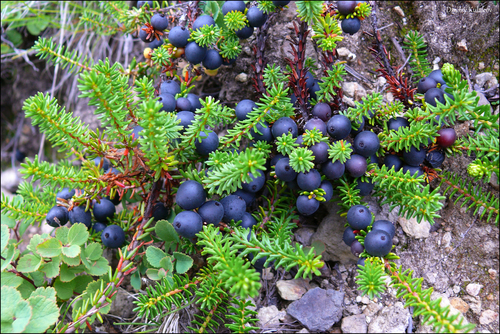
- Black crowberry: Dmitry Kulakov, CC BY 4.0
- Wire grass: no rights reserved, uploaded by 葉子, CC0
- Longleaf pine: Katja Schulz, CC BY 4.0
- Amphibious bistort: Ryan Sorrells, CC BY 4.0
- Sweetgum: Douglas Goldman, CC BY-SA 4.0
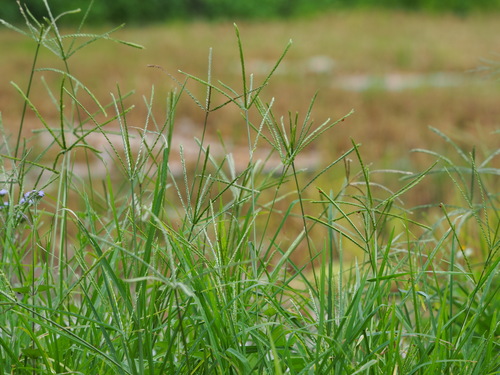
- Hairy crabgrass: Thomas Gyselinck, CC BY 4.0
- Tree pipit: SteveM4560, CC BY 4.0
- Meadow pipit: egorbirder, CC BY 4.0
- Tawny pipit: Johannes Anton Salcher, CC BY 4.0
- Red-throated pipit: Christoph Moning, CC BY 4.0
- Water pipit: Ani Sarkisyan, CC BY 4.0
- Richard's pipit: Stephen M., CC BY-SA 4.0
- European rock pipit: Stanley Davis, CC BY 4.0
- Olive-backed pipit: Griha Hasanov, CC BY 4.0
Records show where people have seen and shared the American pipit, not its full range, and some countries and months are recorded far more than others. The food web lists interactions that studies have recorded somewhere in the world (GloBI), not everything it eats in one place.
Checked 2026-11-27.