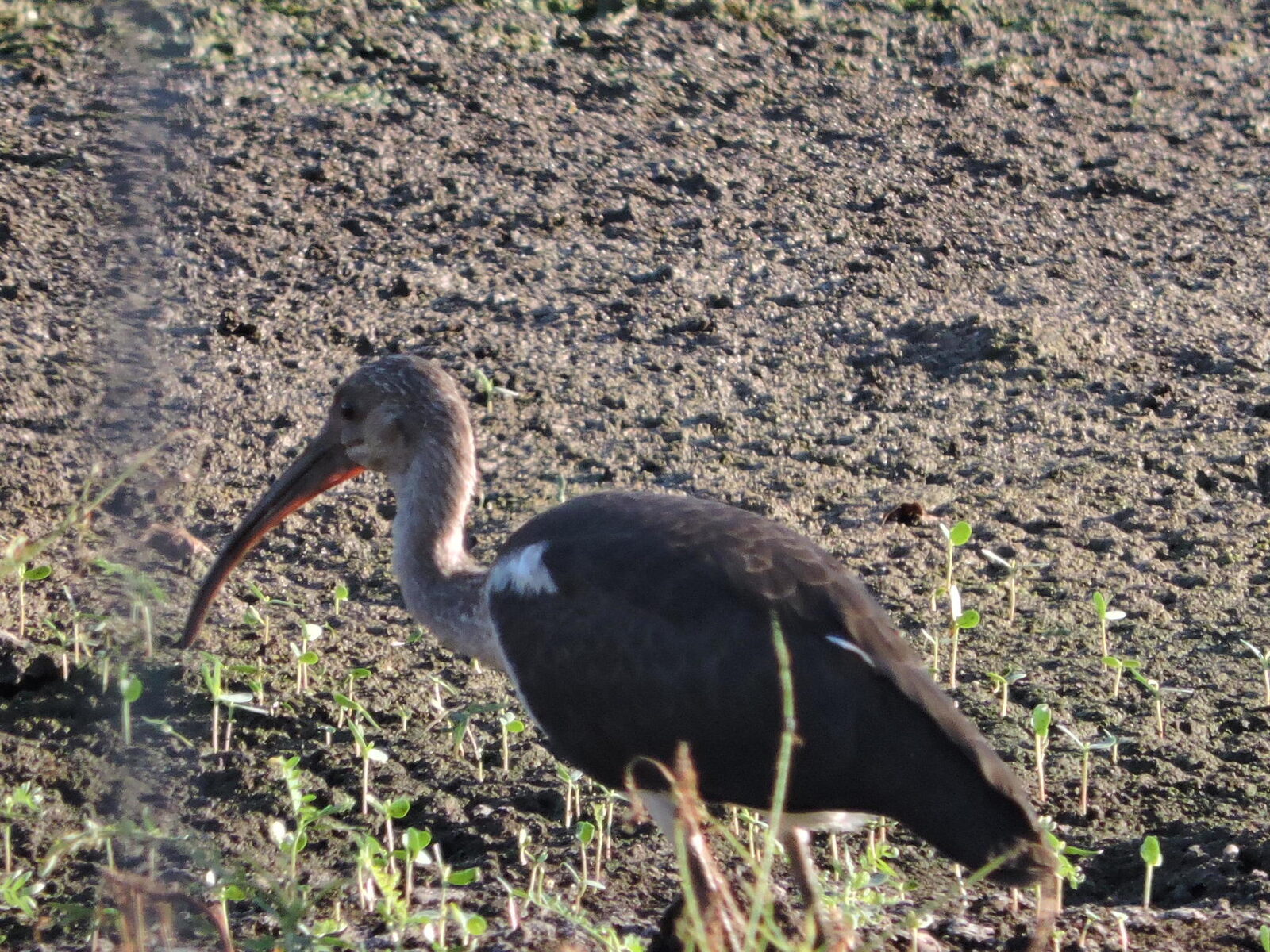
American white ibis
Eudocimus albus
- Status
- Least Concern IUCN Red List
- Eats
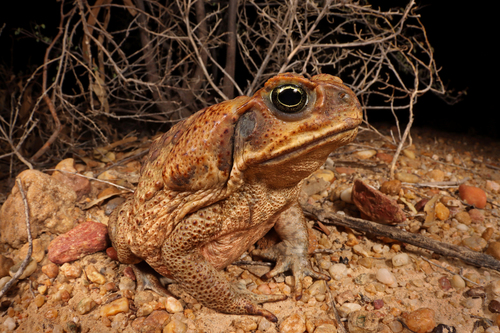
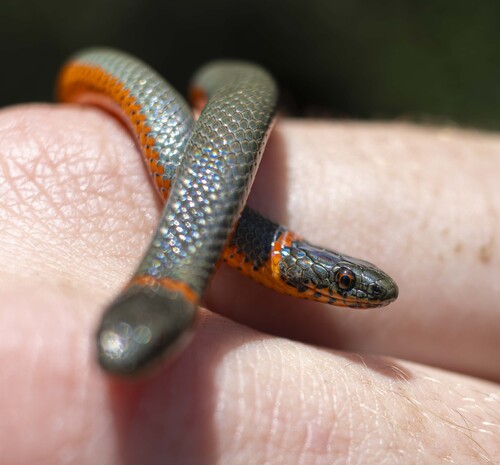
- cane toad, ring-necked snake, striped crayfish snake and 29 more
- Eaten by
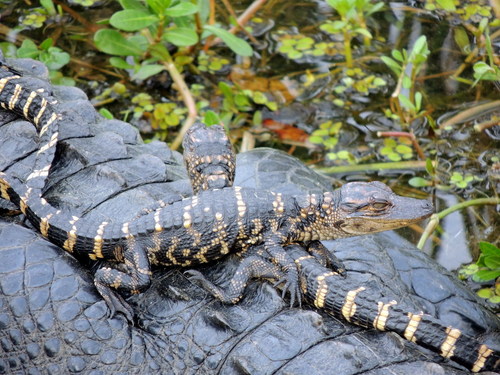
- American alligator
- Where
- 31 countries · mangroves, everglades
On 4Planet Atlas it is among the wildlife people record most around Havana, Kingston and Managua, and 3 more of the cities we cover.
People have shared 2,109,274 records of the American white ibis with GBIF, from 31 countries, most of them from United States, Mexico and Costa Rica. Records collected by GloBI show it eating 32 different kinds of animals and plants, and being eaten by 1.
Habitats
What the American white ibis eats, and what eats it
Studies have recorded it eating 32 kinds of animals and plants, and 1 kinds of animals eating it. Tap any of them to follow the food chain.
- Reptiles 15
- Crustaceans 5
- Fish 5
- Amphibians 4
- Insects 1
Eaten by
 American white ibis
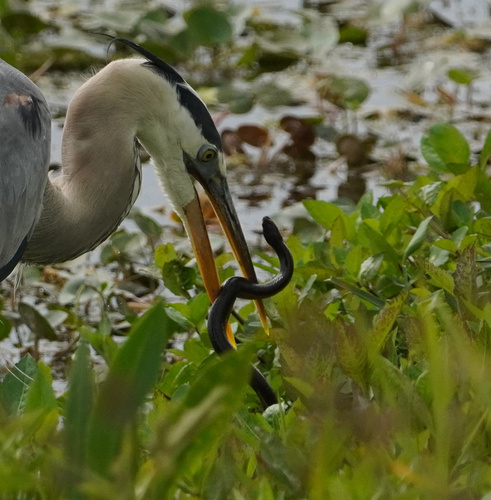
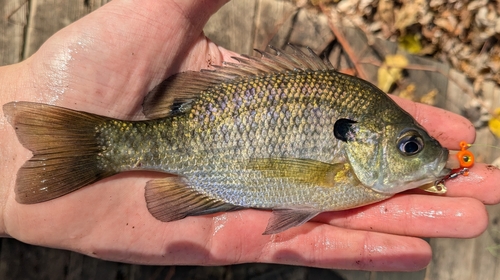
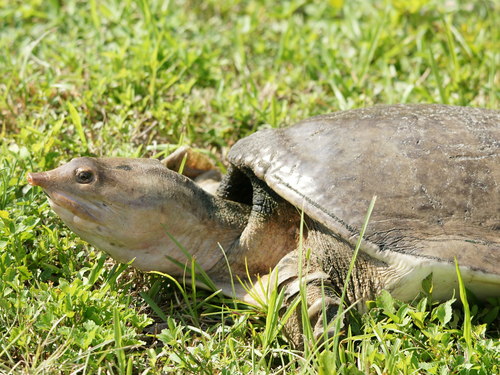
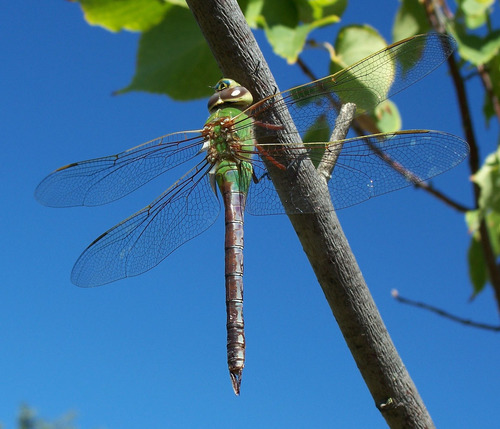
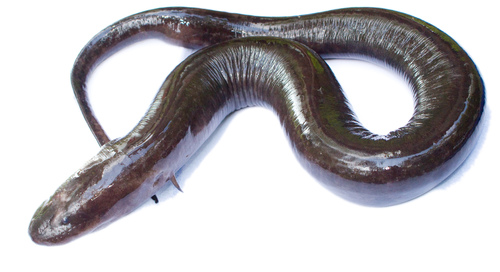

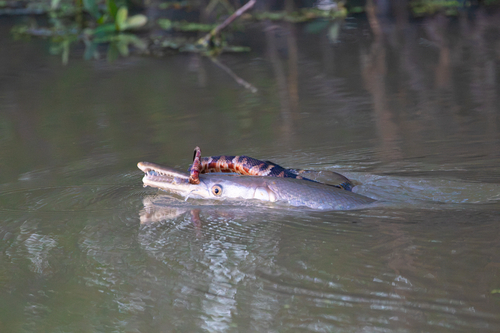
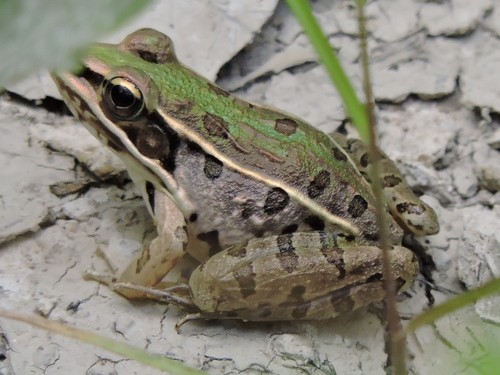
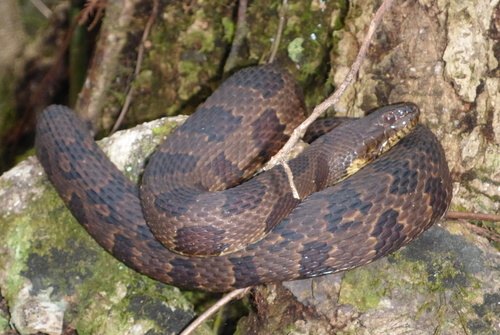
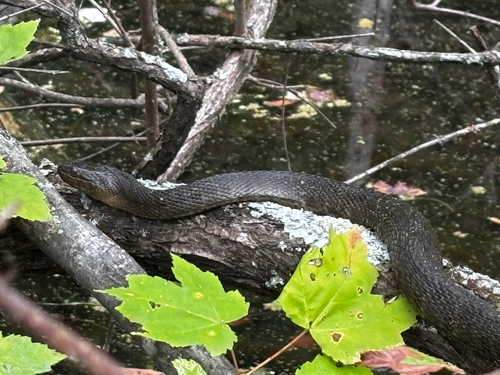
Records from studies worldwide, collected by GloBI. They include animals eaten as carrion, and they are not everything it eats in one place.
Where people see the American white ibis
People have shared 2,109,274 records from 31 countries.
Near a city: Havana, Kingston, Managua, Nassau, Panama City, Port-au-Prince.
Records show where people have seen it and shared it, not its full range. Country names open their page in Atlas.
When it is seen
Records per month in the northern hemisphere. More people outdoors also means more records.
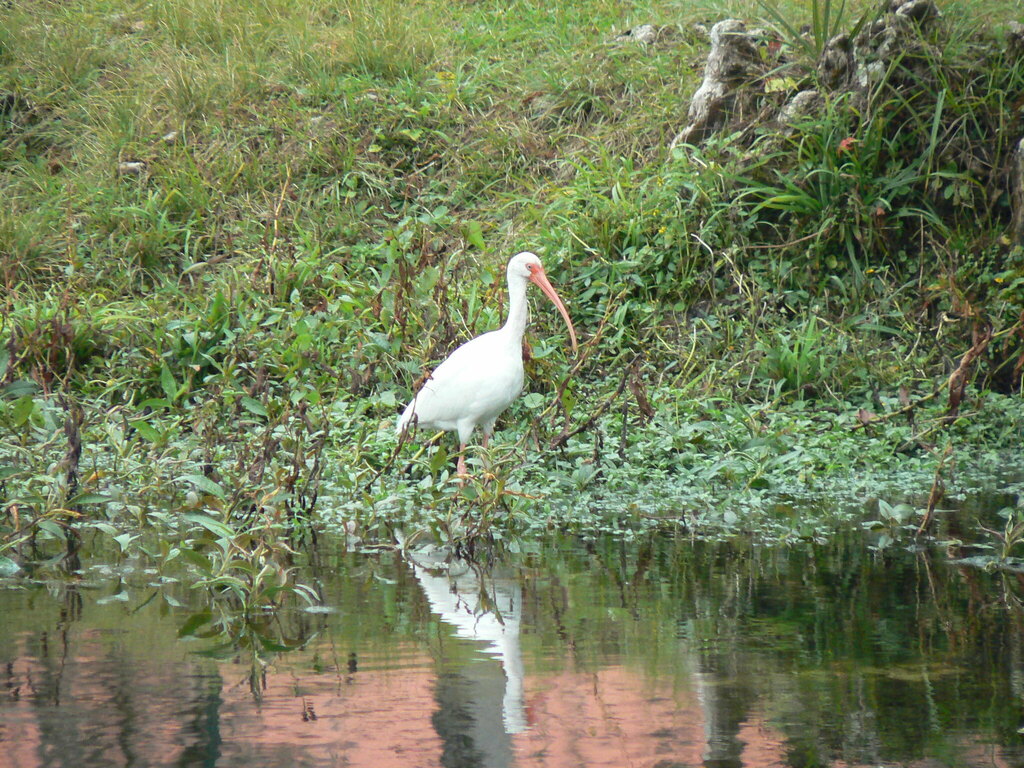
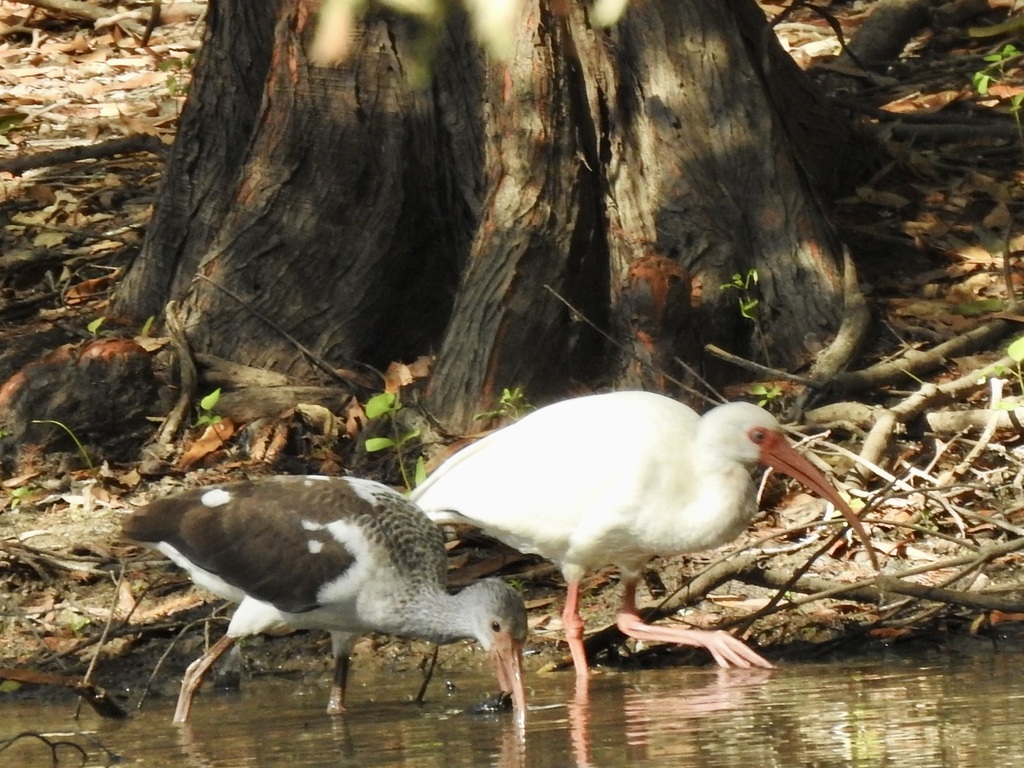
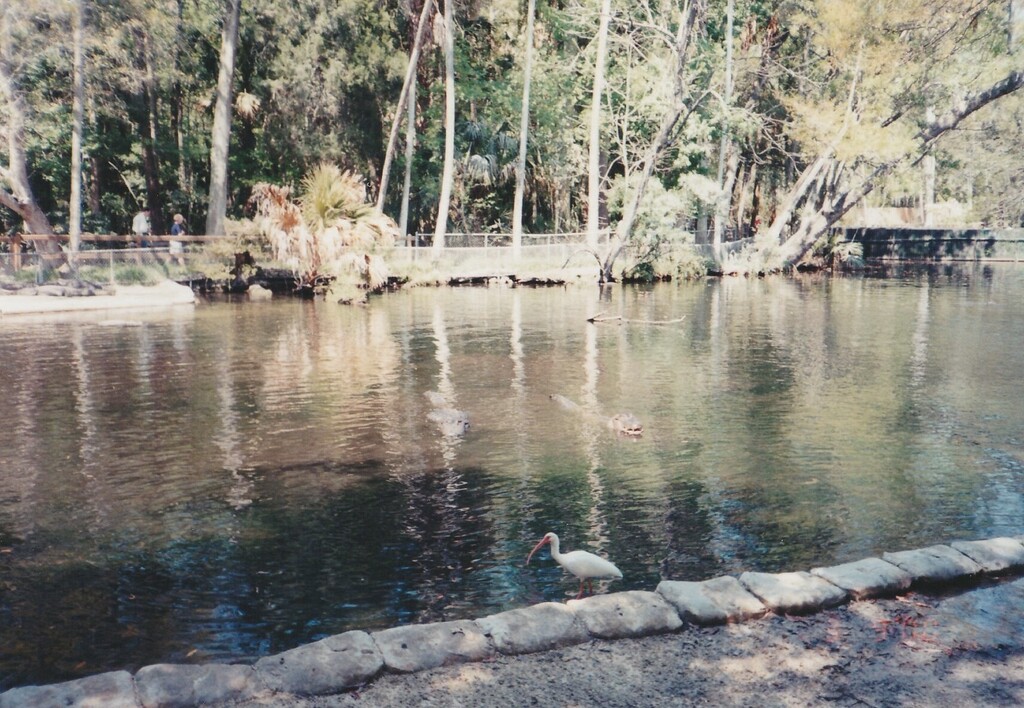
Watch and listen
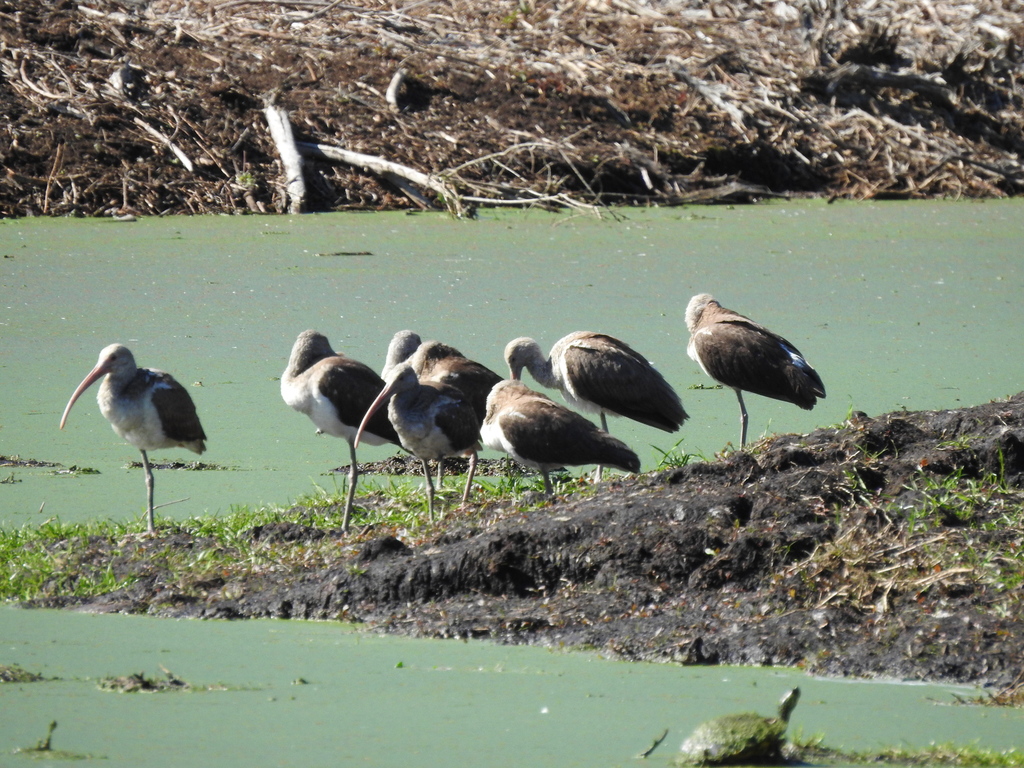
Its closest relatives
The other species of the genus Eudocimus.

Seen an American white ibis?
Share your photo on iNaturalist. Other naturalists help confirm it, and the record goes to GBIF, where scientists use it and where the maps on this page come from.
Put this species on your site
The card names every source and links back here.
<iframe src="https://4planetatlas.com/place/embed/species/american-white-ibis" title="American white ibis (Eudocimus albus), 4PLANET Species" width="100%" height="600" style="border:0;max-width:640px" loading="lazy"></iframe>
<p><a href="https://4species.com/american-white-ibis">American white ibis on 4PLANET Species</a></p>Explore next
What puts the American white ibis under pressure, what helps, and who works on it.




Questions people ask
What does the American white ibis eat?
The American white ibis has been recorded eating 32 different kinds of animals and plants, most of them reptiles, crustaceans, fish and amphibians. The ones recorded most often are cane toad, ring-necked snake, striped crayfish snake, bluegill and florida softshell turtle; records include animals eaten as carrion. Source: GloBI.
What eats the American white ibis?
Recorded predators include american alligator. Source: GloBI.
Where does the American white ibis live?
People have recorded it in 31 countries; the most records come from United States, Mexico, Costa Rica, Belize and Panama. Records show where people have seen it, not its full range.
When is the American white ibis seen most?
In the northern hemisphere, the most records are made in January and the fewest in June. More people outdoors also means more records.
What are the American white ibis's closest relatives?
It shares the genus Eudocimus with scarlet ibis.
Sources and photo credits
- GBIF · Eudocimus albus, 2,109,274 human observations
- GloBI · recorded interactions of Eudocimus albus
- Wikidata · American white ibis (Q589171)
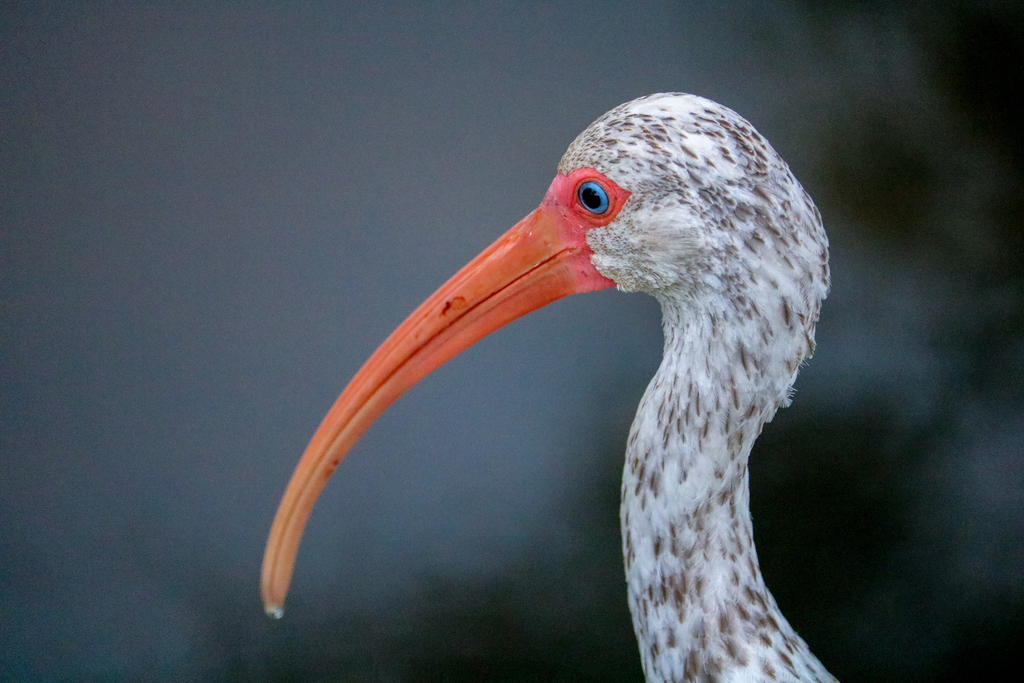
- American white ibis (Eudocimus albus): judykayreeves, CC0
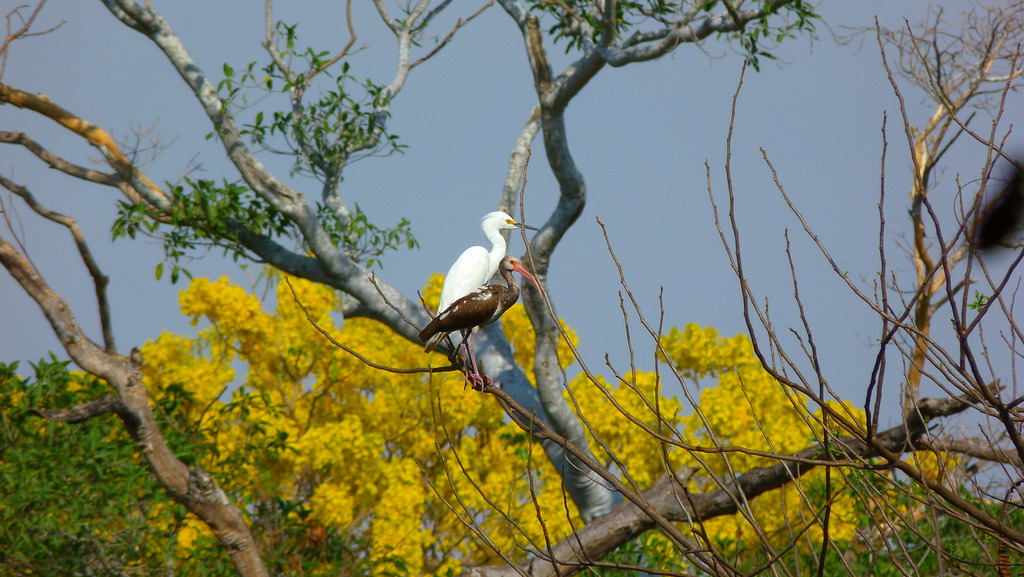
- American white ibis (Eudocimus albus), Wakulla County, FL, USA: elik03, CC BY 4.0
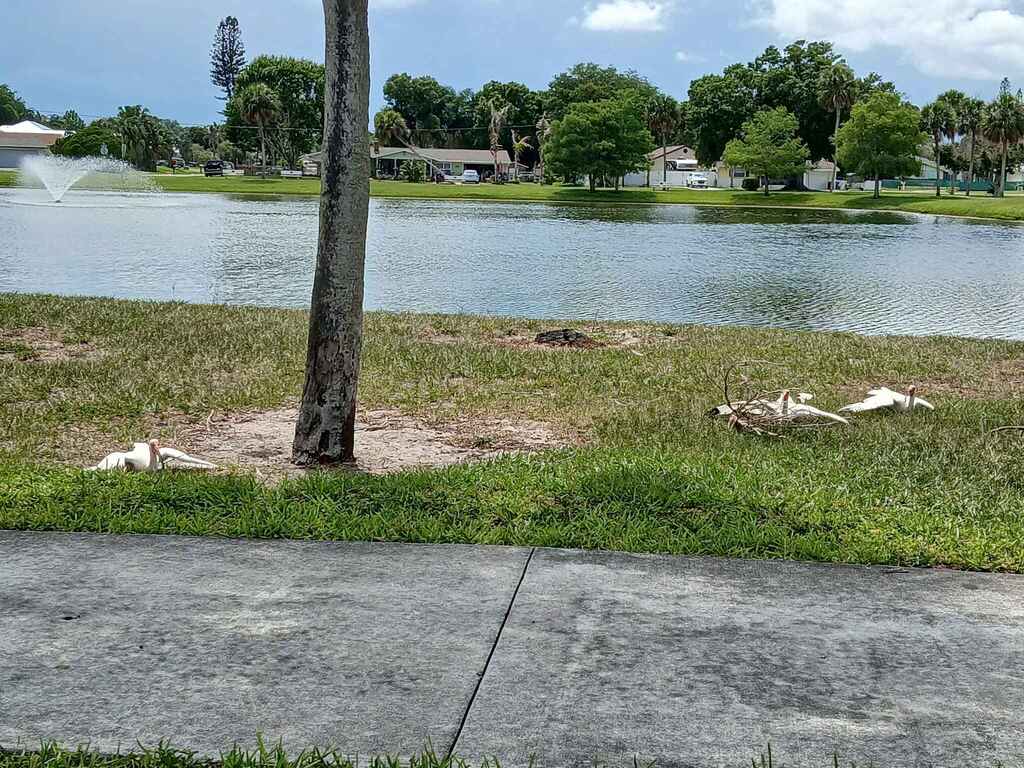
- American white ibis (Eudocimus albus), Tyler County, TX, USA: Laura Clark, CC BY 4.0
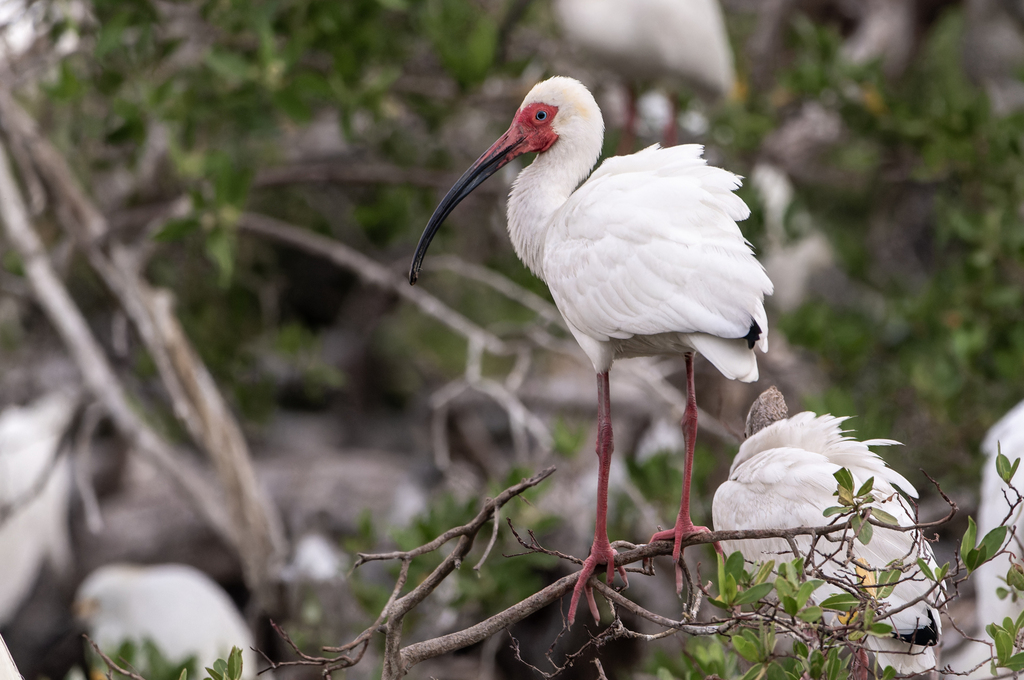
- American white ibis (Eudocimus albus), Homosassa, FL, USA: Matthew Inabinett, CC BY 4.0
- American white ibis (Eudocimus albus), Orlando, FL, US: charlie olson, CC BY 4.0
- American white ibis (Eudocimus albus), Cdad. de Villa de Álvarez, Col., México: nasua, CC BY 4.0
- American white ibis (Eudocimus albus), Sebastian, FL, USA: Lyndsey, CC BY 4.0
- American white ibis (Eudocimus albus), Club Lagos de Caujaral, Puerto Colombia, Atlántico, Colombia: David F. Belmonte, CC BY 4.0
- American white ibis (Eudocimus albus), Beaufort, South Carolina, United States: sudomir, CC BY 4.0
- Cane toad: Connor Margetts, CC BY 4.0
- Ring-necked snake: Brooke J., CC BY 4.0
- Striped crayfish snake: Kevin Anderson, CC BY 4.0
- Bluegill: Quinn, CC BY 4.0
- Florida softshell turtle: Hans Hillewaert, CC BY-SA 4.0
- Green darner: Eugene Zelenko, CC BY-SA 4.0
- Two-toed amphiuma: Brian Gratwicke, CC BY 4.0
- Mud snake: evangrimes, CC BY 4.0
- Southern watersnake: Hannah von Suskil, CC BY 4.0
- Southern leopard frog: Sam Kieschnick, CC BY 4.0
- Brown water snake: mfeaver, CC BY 4.0
- Green water snake: Chris Stahl, CC BY 4.0
- American alligator: no rights reserved, uploaded by Vijay Barve, CC0
- Scarlet ibis: Dick Daniels, CC BY-SA 4.0
Records show where people have seen and shared the American white ibis, not its full range, and some countries and months are recorded far more than others. The food web lists interactions that studies have recorded somewhere in the world (GloBI), not everything it eats in one place.
Checked 2026-11-23.