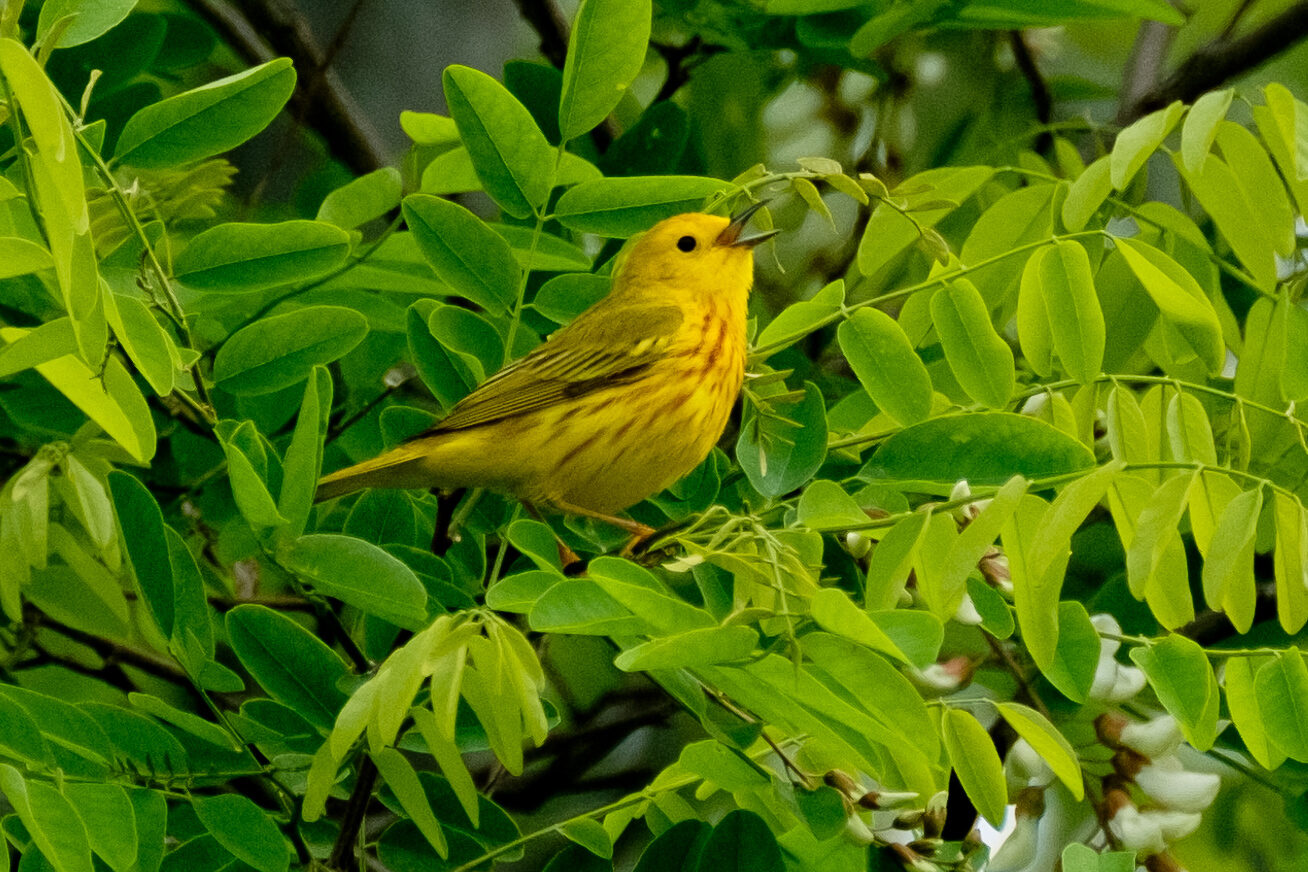
American yellow warbler
Setophaga aestiva
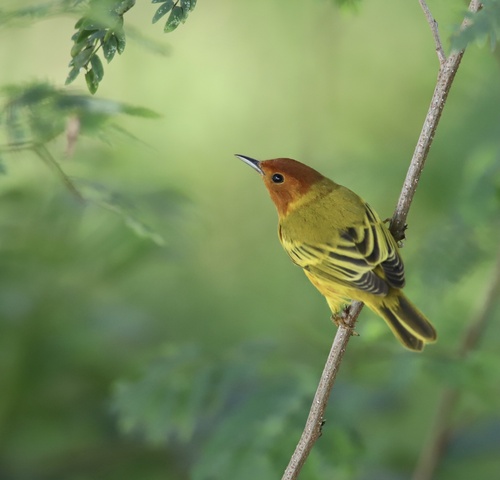
A bright yellow warbler; the male has reddish streaks on his breast.
- Status
- IUCN Red List
- Eats
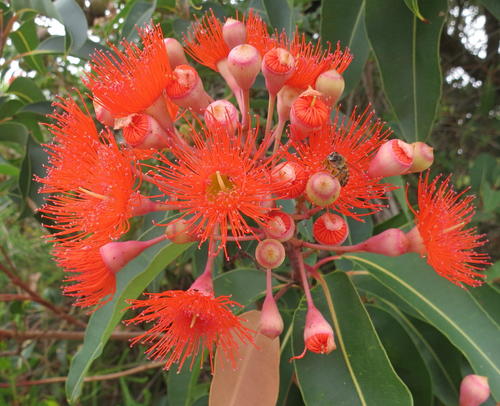
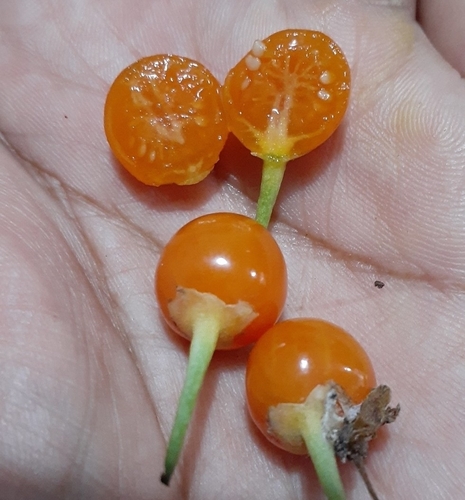
- common honeylocust, silky oak, redflower gum and 4 more
- Eaten by
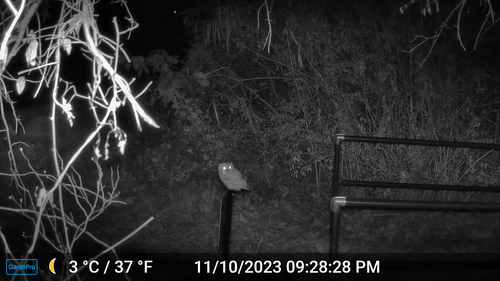
- eastern screech owl
- Where
- 40 countries
On 4Planet Atlas it is among the wildlife people record most around Bogotá, Mexico City and New York, and 5 more of the cities we cover.
People have shared 6,209,237 records of the american yellow warbler with GBIF, from 40 countries, most of them from United States, Canada and Costa Rica. Records collected by GloBI show it eating 7 different kinds of animals and plants, and being eaten by 2.
What the American yellow warbler eats, and what eats it
Studies have recorded it eating 7 kinds of animals and plants, and 2 kinds of animals eating it. Tap any of them to follow the food chain.
- Plants 5
- Insects 2
Eaten by
 American yellow warbler


Records from studies worldwide, collected by GloBI. They include animals eaten as carrion, and they are not everything it eats in one place.
Where people see the American yellow warbler
People have shared 6,209,237 records from 40 countries.
Near a city: Bogotá, Mexico City, New York, Ottawa, Paramaribo, Toronto, Vancouver, Washington, D.C..
Records show where people have seen it and shared it, not its full range. Country names open their page in Atlas.
When it is seen
Records per month in the northern hemisphere. More people outdoors also means more records.
Watch and listen
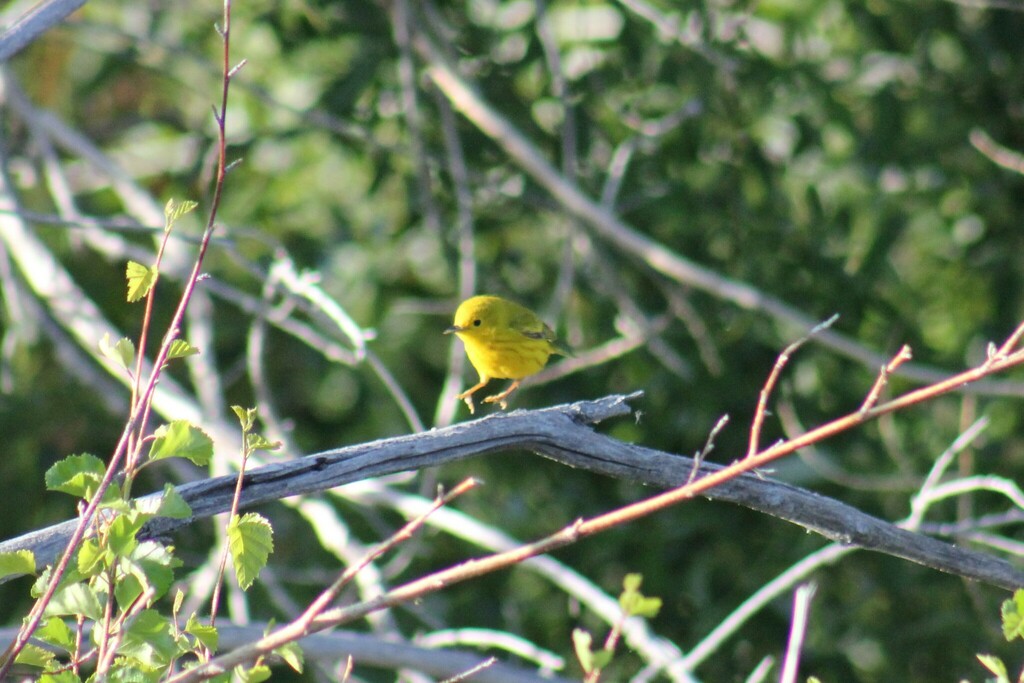
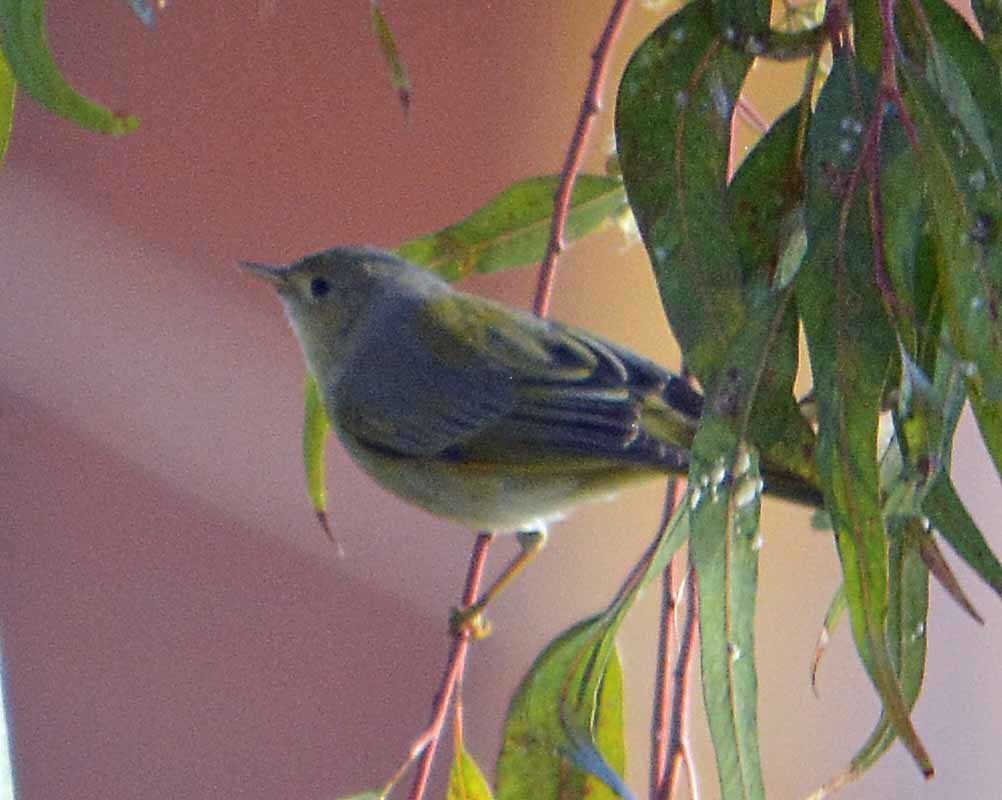
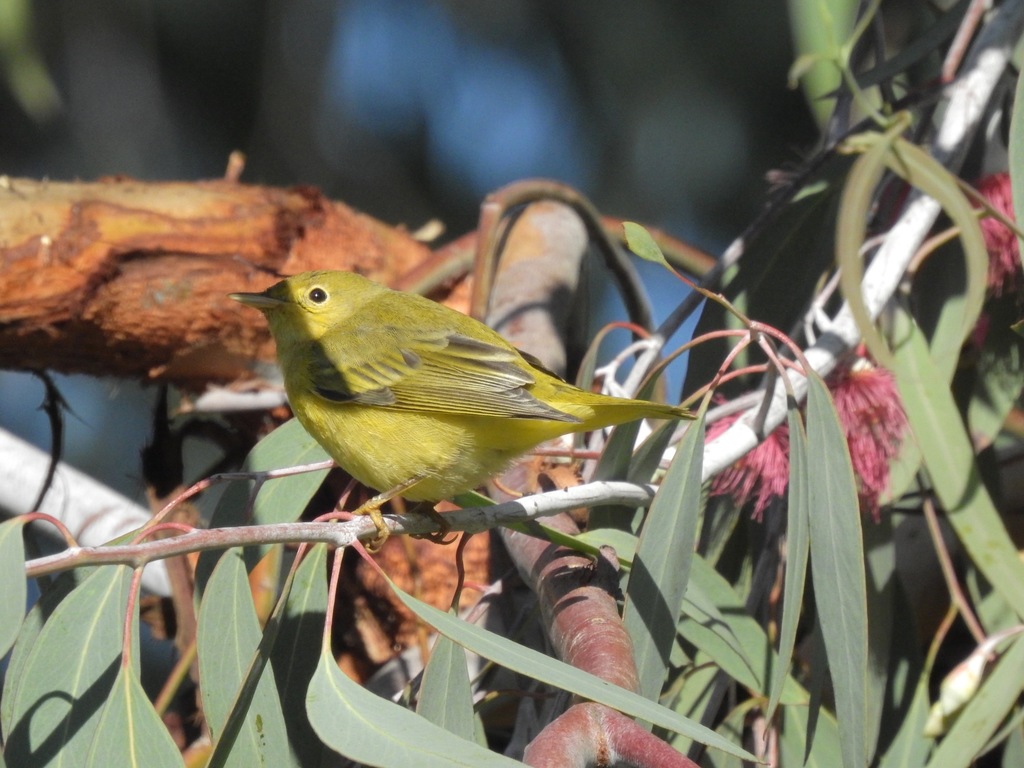
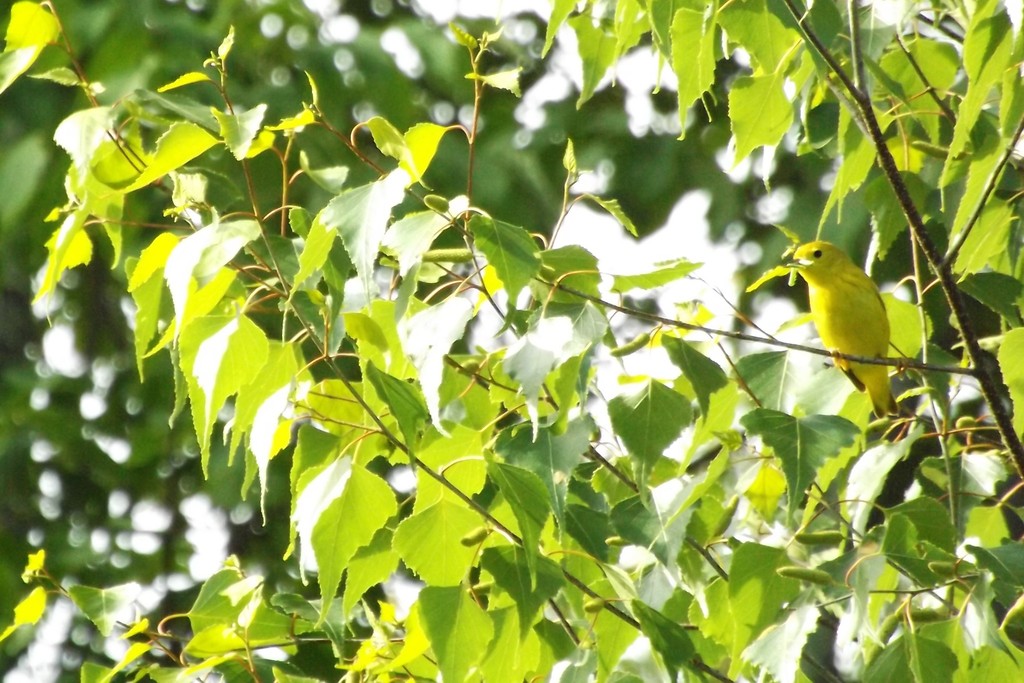
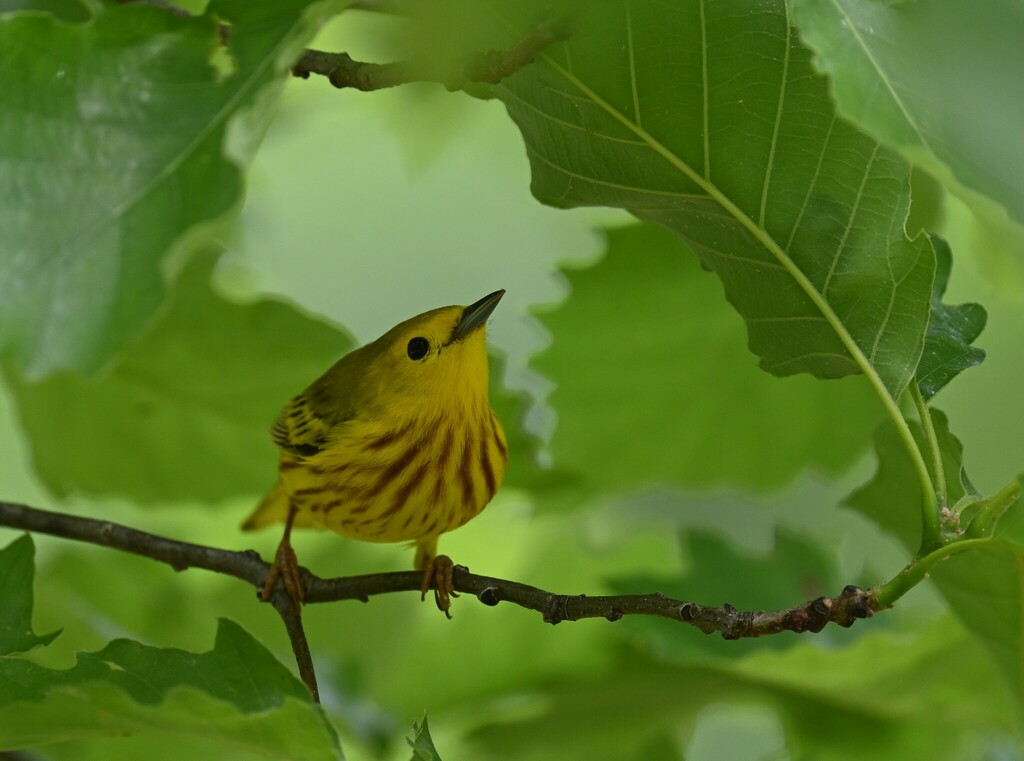
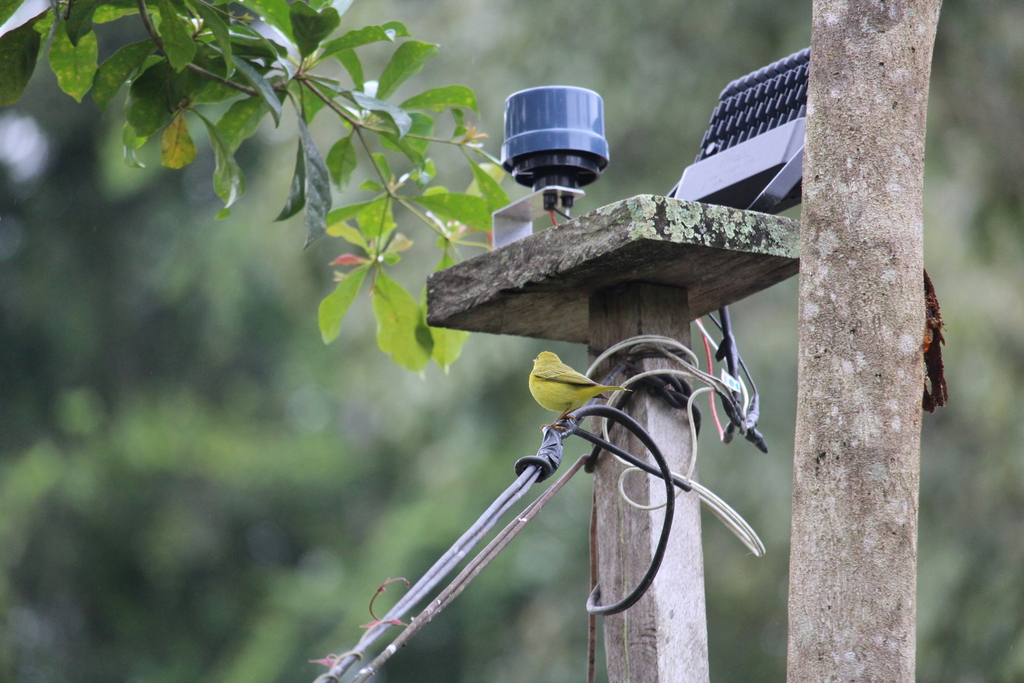
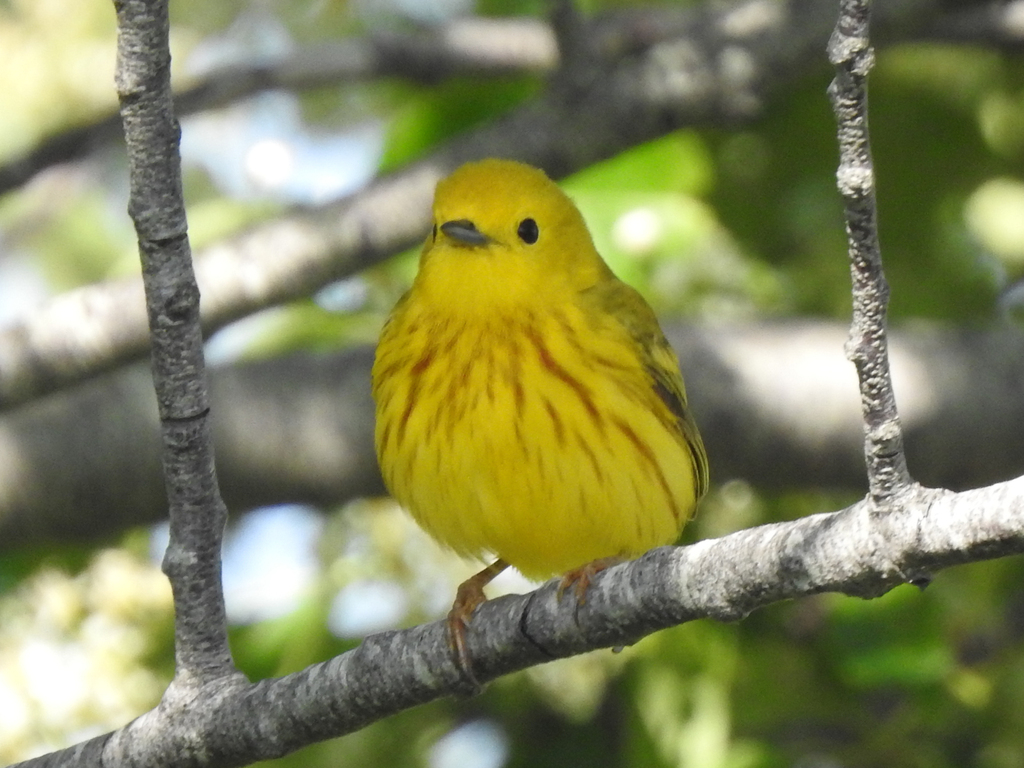
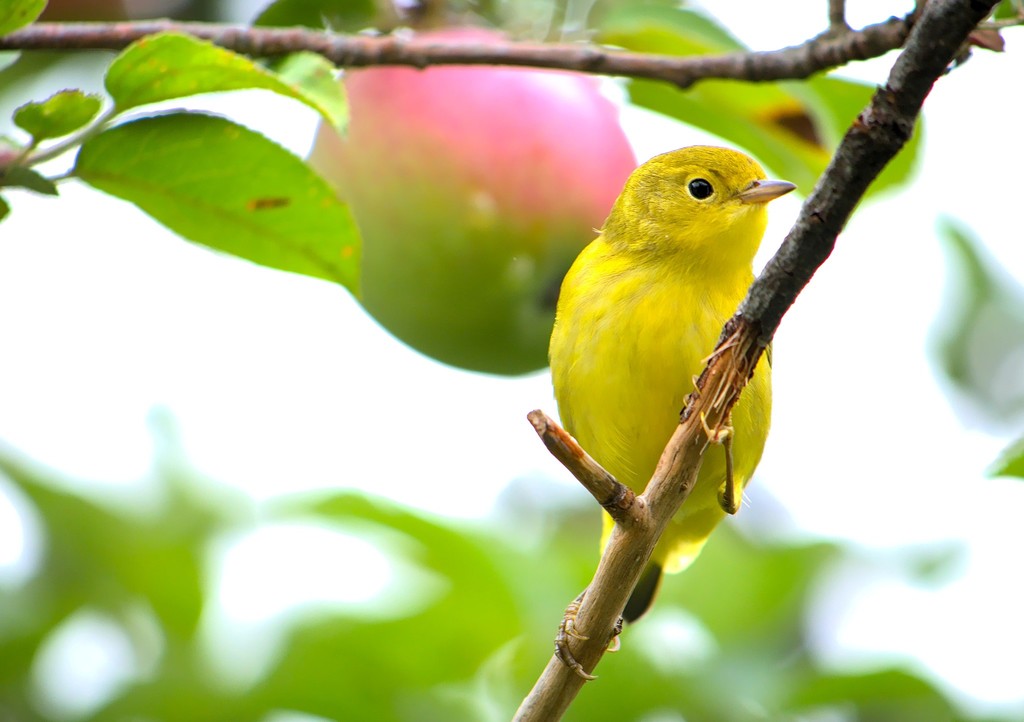
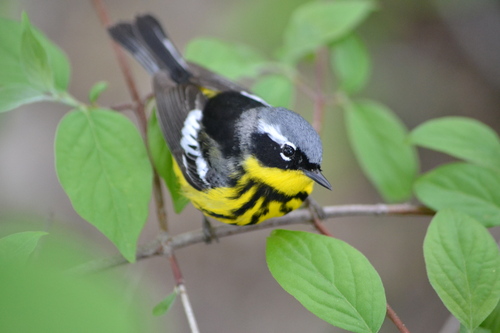
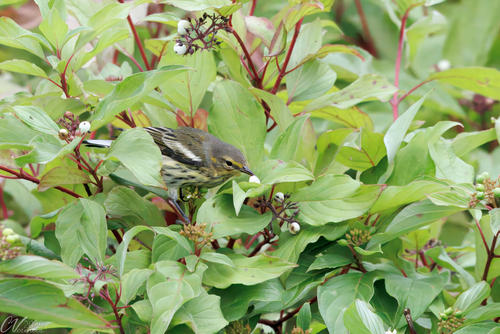
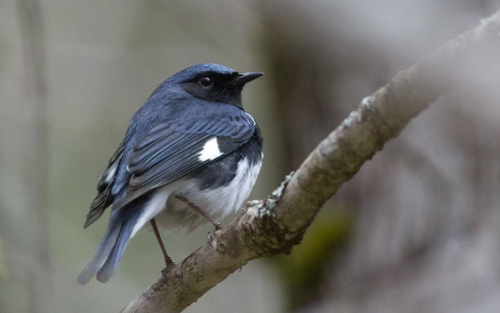
Its closest relatives
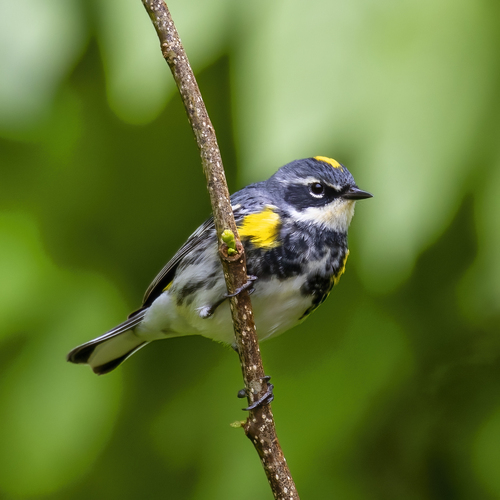
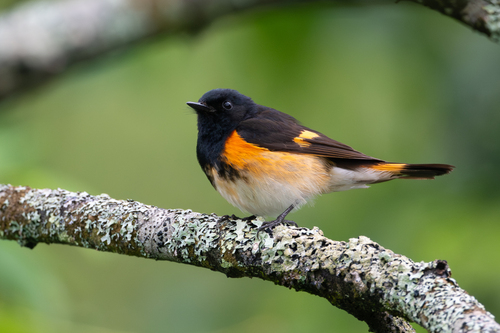
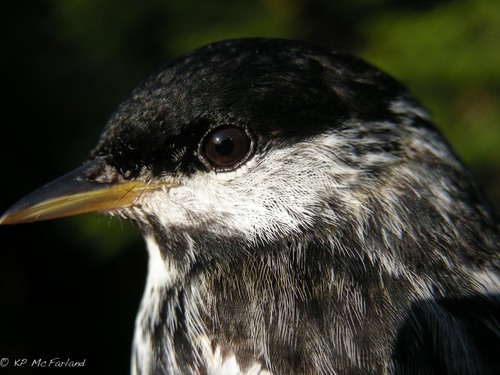
The other species of the genus Setophaga.

Seen a American yellow warbler?
Share your photo on iNaturalist. Other naturalists help confirm it, and the record goes to GBIF, where scientists use it and where the maps on this page come from.
Questions people ask
What does the american yellow warbler eat?
The american yellow warbler has been recorded eating 7 different kinds of animals and plants, most of them plants and insects. The ones recorded most often are common honeylocust, silky oak, redflower gum, myrtle family and wild tobacco; records include animals eaten as carrion. Source: GloBI.
What eats the american yellow warbler?
Recorded predators include eastern screech owl. Source: GloBI.
Where does the american yellow warbler live?
People have recorded it in 40 countries; the most records come from United States, Canada, Costa Rica, Mexico and Colombia. Records show where people have seen it, not its full range.
When is the american yellow warbler seen most?
In the northern hemisphere, the most records are made in May and the fewest in February. More people outdoors also means more records.
What are the american yellow warbler's closest relatives?
It shares the genus Setophaga with mangrove warbler, myrtle warbler, american redstart, blackpoll warbler and magnolia warbler.
Sources and photo credits
- GBIF · Setophaga aestiva, 6,209,237 human observations
- GloBI · recorded interactions of Setophaga aestiva
- Wikidata · American yellow warbler (Q12267348)
- American yellow warbler (Setophaga aestiva): no rights reserved, uploaded by Mirko Schoenitz, CC0
- American yellow warbler (Setophaga aestiva), Inyo County, CA, USA: Amelia Tauber, CC BY 4.0
- American yellow warbler (Setophaga aestiva), Canal Nacional (Sur): Gonzalo Zepeda Martínez, CC BY-SA 4.0
- American yellow warbler (Setophaga aestiva), Westchester, Los Angeles, CA, USA: Andy Kleinhesselink, CC0
- American yellow warbler (Setophaga aestiva), Swansea, MA, USA: David Robert, CC0
- American yellow warbler (Setophaga aestiva), Carondelet Park, St. Louis, MO, USA: Chrissy McClarren and Andy Reago, CC0
- American yellow warbler (Setophaga aestiva), San Pedro Carchá, Guatemala: Ricard Busquets Reverte, CC BY 4.0
- American yellow warbler (Setophaga aestiva), Essex, Massachusetts, United States: Erik Schiff, CC0
- American yellow warbler (Setophaga aestiva), St. Andrews, NB E5B, Canada: Blake Ross, CC BY 4.0
- Common honeylocust: Ayotte, Gilles, 1948-, CC BY-SA 4.0
- Silky oak: stinger, CC BY 4.0
- Redflower gum: no rights reserved, uploaded by Di Turner, CC0
- Wild tobacco: no rights reserved, uploaded by Ruth Gutiérrez Oliveros, CC0
- Eastern screech owl: Eric Bartkowski, CC0
- Mangrove warbler: Aitor, CC BY 4.0
- Myrtle warbler: Dan Vickers, CC BY 4.0
- American redstart: no rights reserved, uploaded by Adam Jackson, CC0
- Blackpoll warbler: no rights reserved, uploaded by Kent McFarland, CC0
- Magnolia warbler: Andrew C, CC BY 4.0
- Northern parula: Dan Pancamo, CC BY-SA 4.0
- Cape may warbler: Carol Ann Vermeer, CC BY 4.0
- Black-throated blue warbler: Fyn Kynd, CC BY-SA 4.0
Records show where people have seen and shared the american yellow warbler, not its full range, and some countries and months are recorded far more than others. The food web lists interactions that studies have recorded somewhere in the world (GloBI), not everything it eats in one place.
Checked 2026-11-21.