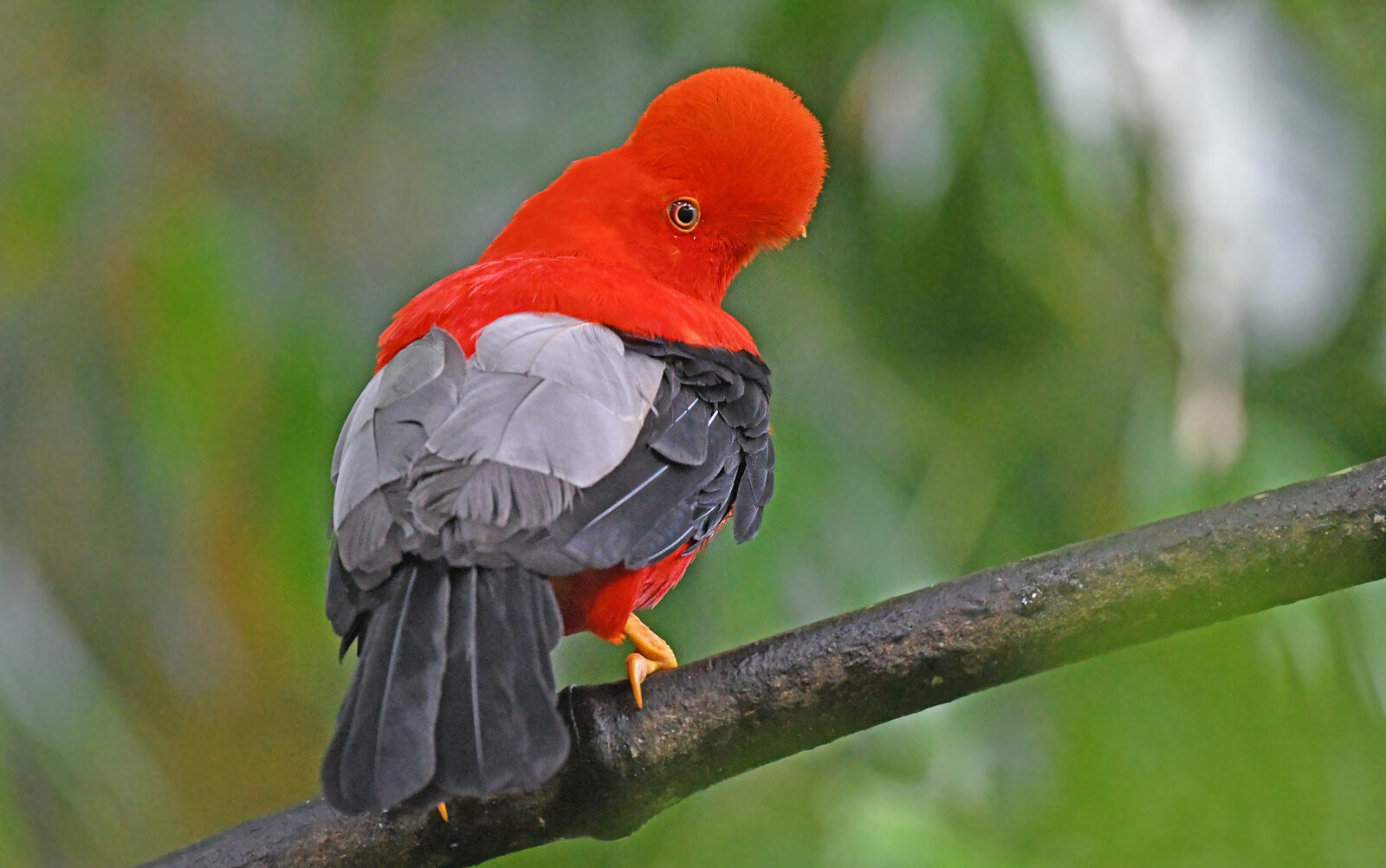
Andean cock-of-the-rock
Rupicola peruvianus
The national bird of Peru; males gather at dawn to dance and call for females in the cloud forest.
- Status
- Least Concern IUCN Red List
- Eats
- chilean cestrum, purple plague, amyruca and 79 more
- Where
- 5 countries
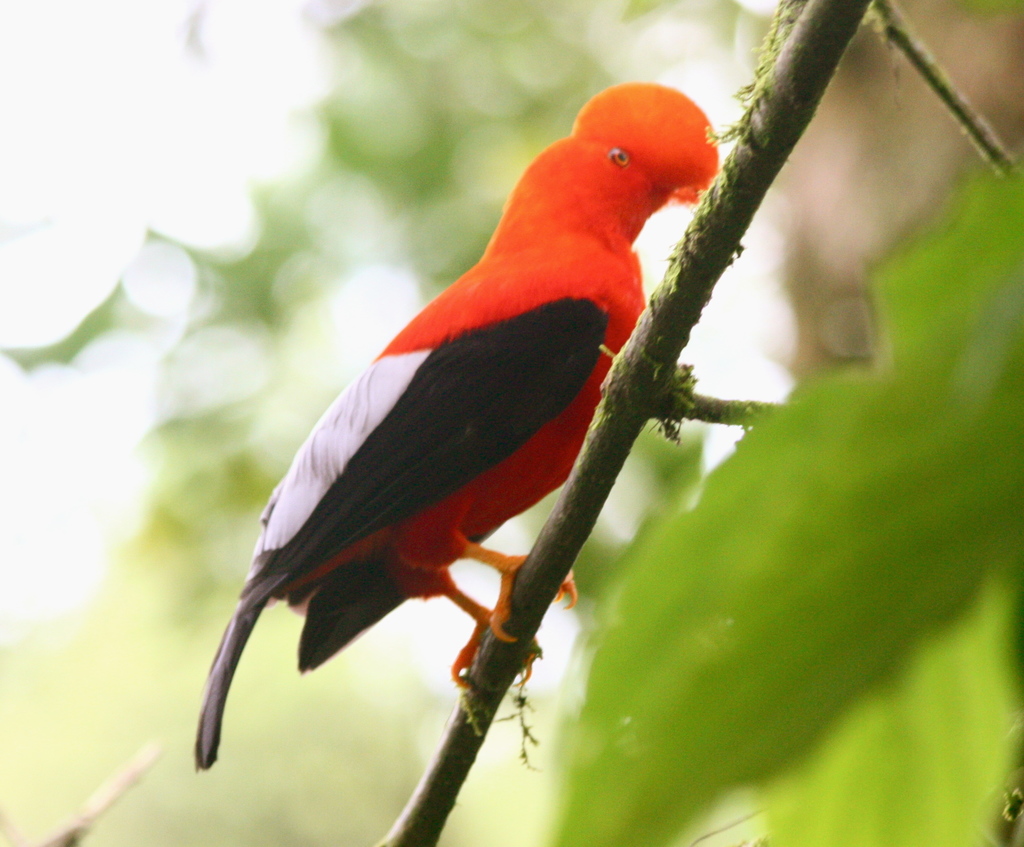
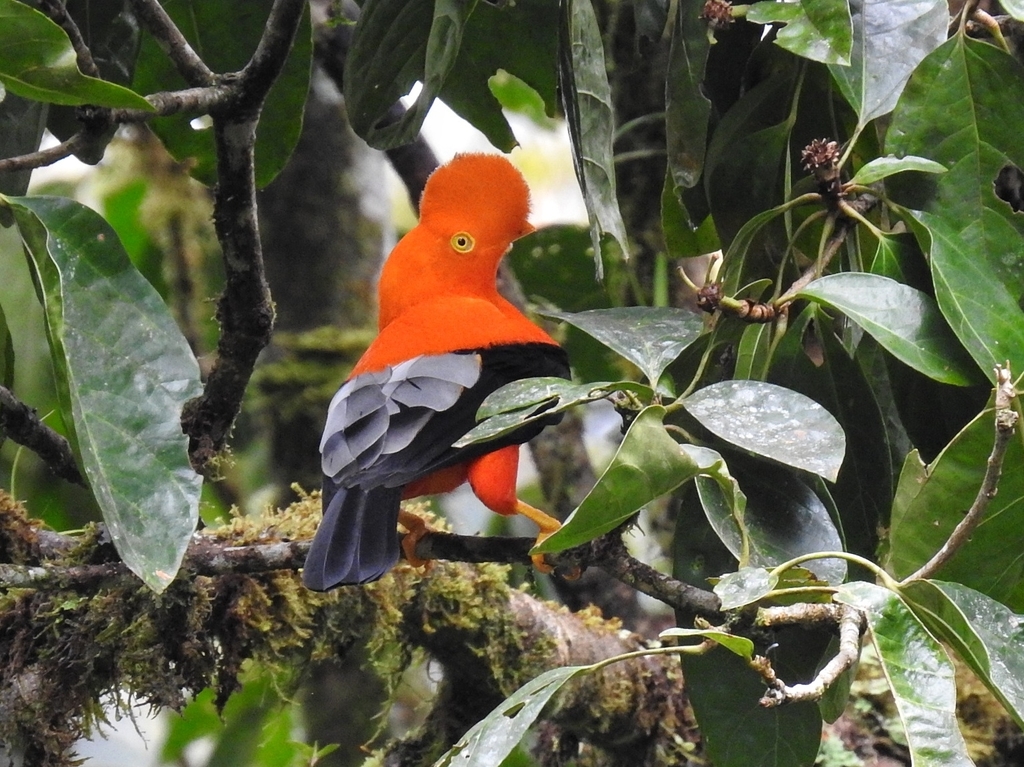
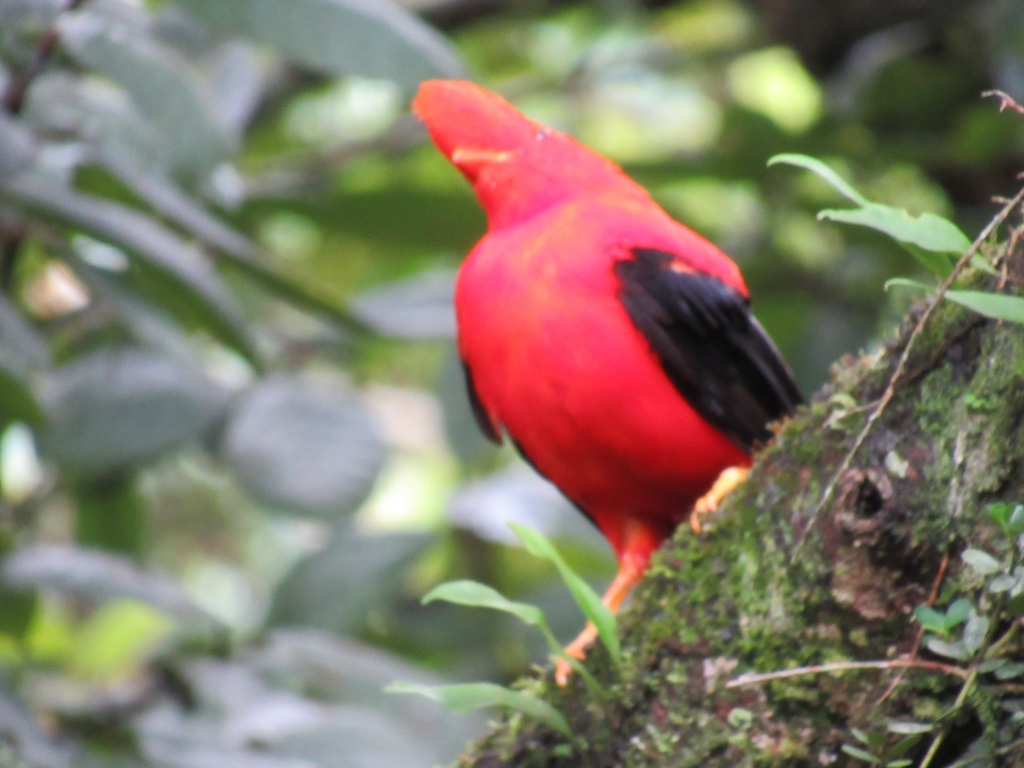
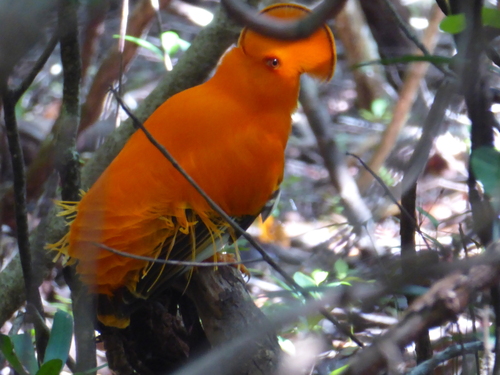
Males are bright orange-red with a disc-shaped crest that almost hides the beak; females are a duller brownish orange. Several males gather at a display ground, called a lek, where they bow, hop and call to win a female, who then builds a mud nest on a rock face in the forest alone.
People have shared 41,928 records of the andean cock-of-the-rock with GBIF, from 5 countries, most of them from Ecuador, Colombia and Peru. Records collected by GloBI show it eating 82 different kinds of animals and plants.
What the Andean cock-of-the-rock eats, and what eats it
Studies have recorded it eating 82 kinds of animals and plants. Tap any of them to follow the food chain.
- Plants 78
Andean cock-of-the-rock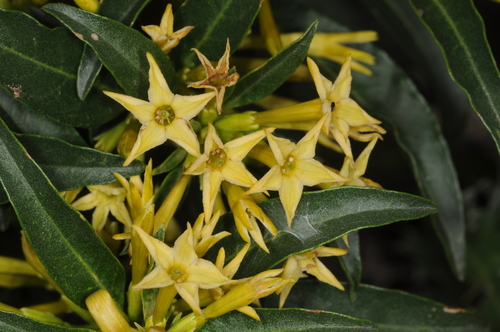
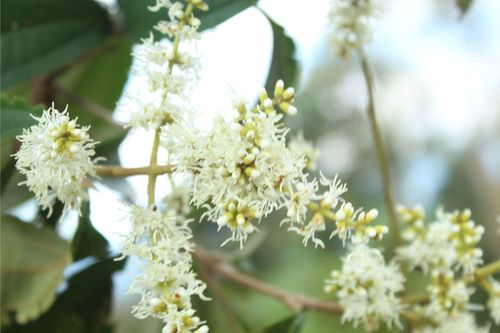
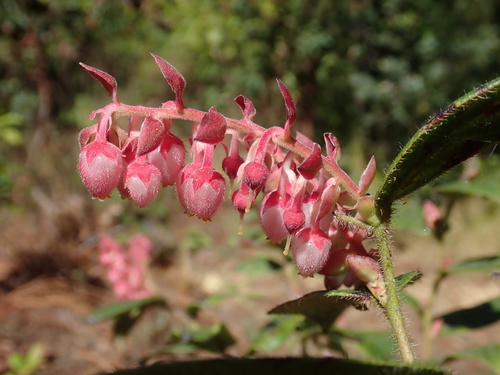
Records from studies worldwide, collected by GloBI. They include animals eaten as carrion, and they are not everything it eats in one place.
Where people see the Andean cock-of-the-rock
People have shared 41,928 records from 5 countries.
Records show where people have seen it and shared it, not its full range. Country names open their page in Atlas.
When it is seen
Records per month in the northern hemisphere. More people outdoors also means more records.
Watch and listen
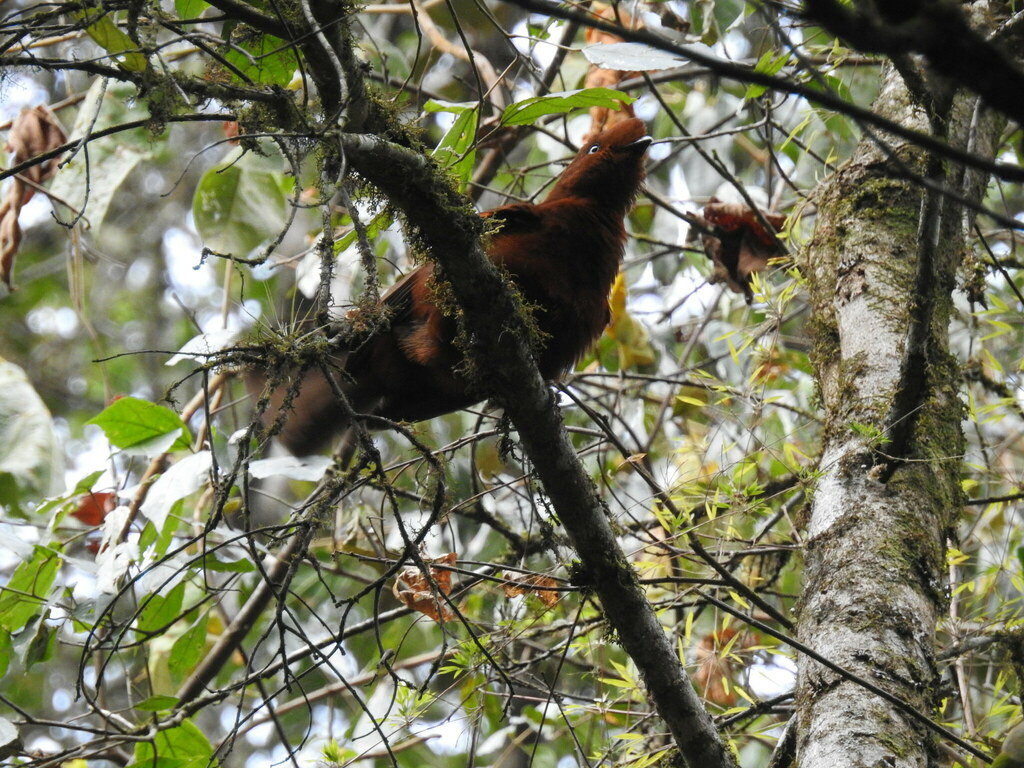
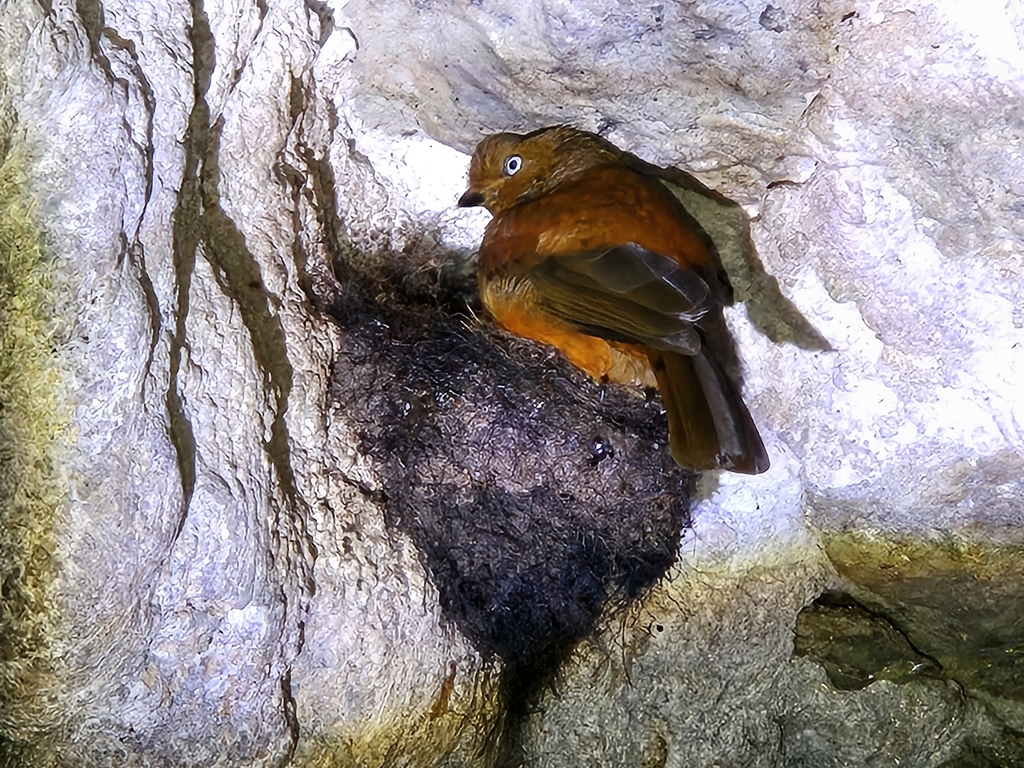
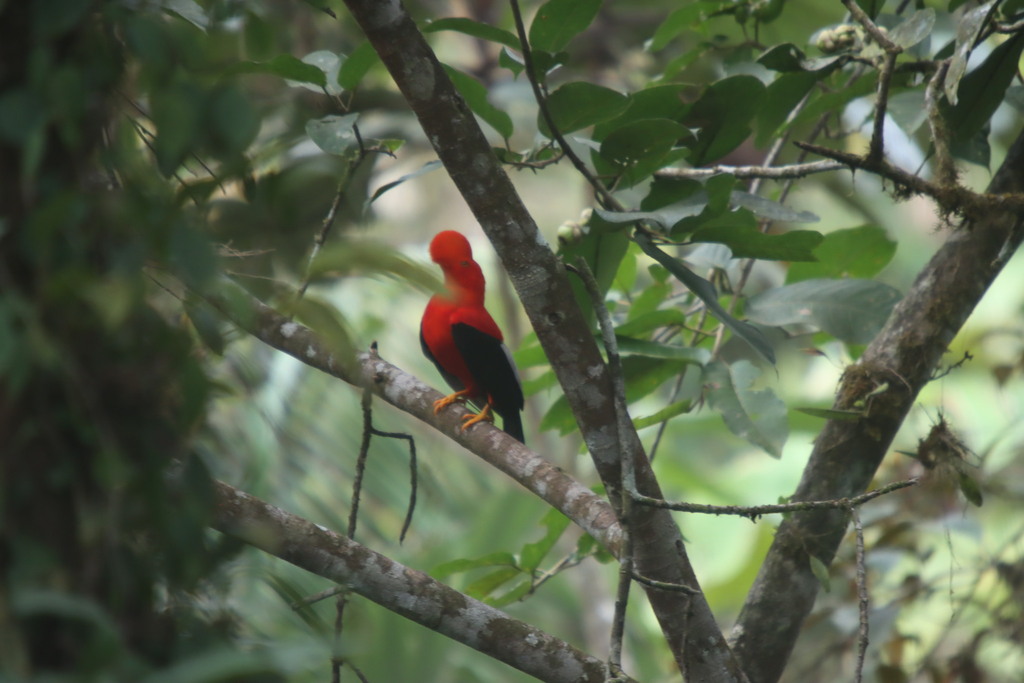
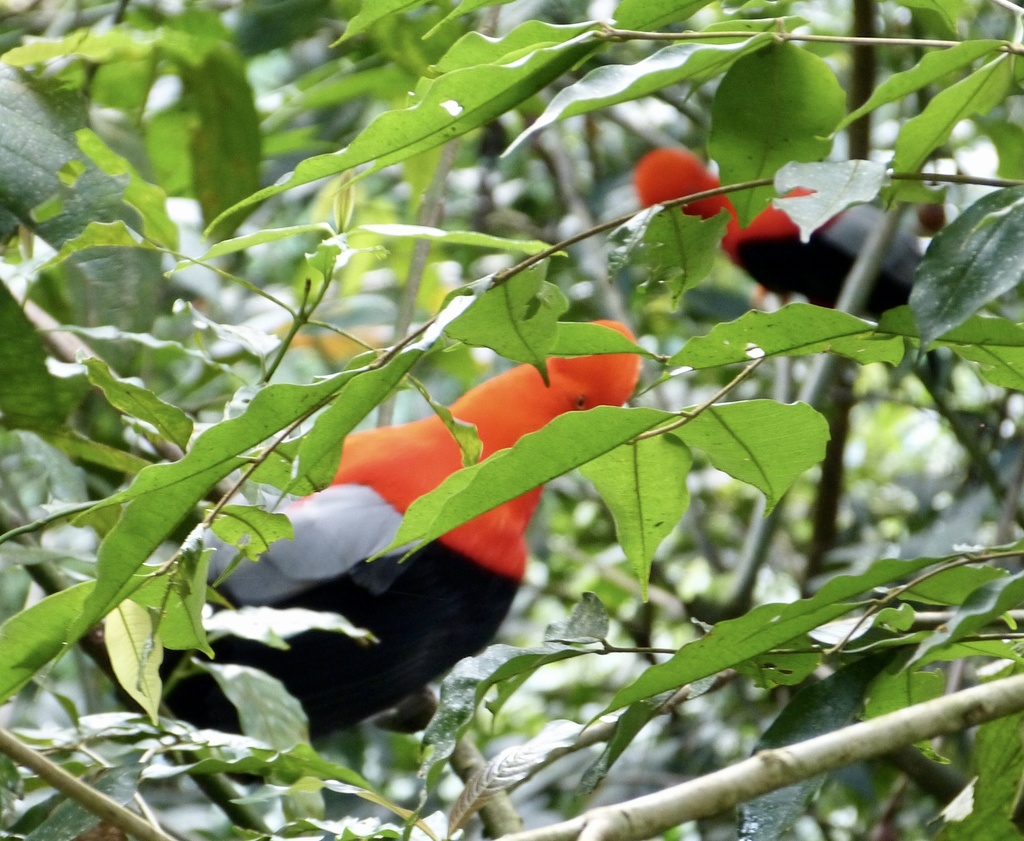
Its closest relatives
The other species of the genus Rupicola.
Seen a Andean cock-of-the-rock?
Share your photo on iNaturalist. Other naturalists help confirm it, and the record goes to GBIF, where scientists use it and where the maps on this page come from.
Questions people ask
What does the andean cock-of-the-rock eat?
The andean cock-of-the-rock has been recorded eating 82 different kinds of animals and plants, most of them plants. The ones recorded most often are chilean cestrum, purple plague, amyruca, jamaican cherry fig and ficus; records include animals eaten as carrion. Source: GloBI.
Where does the andean cock-of-the-rock live?
People have recorded it in 5 countries; the most records come from Ecuador, Colombia, Peru, Bolivia and Venezuela. Records show where people have seen it, not its full range.
When is the andean cock-of-the-rock seen most?
In the northern hemisphere, the most records are made in January and the fewest in April. More people outdoors also means more records.
What are the andean cock-of-the-rock's closest relatives?
It shares the genus Rupicola with guianan cock-of-the-rock.
Sources and photo credits
- Wikipedia · Andean cock-of-the-rock
- GBIF · Rupicola peruvianus, 41,928 human observations
- GloBI · recorded interactions of Rupicola peruvianus
- Wikidata · Andean cock-of-the-rock (Q490393)
- Andean cock-of-the-rock (Rupicola peruvianus): Christoph Moning, CC BY 4.0
- Andean cock-of-the-rock (Rupicola peruvianus), jardin, colombia: Scott Loarie, CC0
- Andean cock-of-the-rock (Rupicola peruvianus), Rio Negro, Ecuador: Esteban Poveda, CC BY 4.0
- Andean cock-of-the-rock (Rupicola peruvianus), Jardín, Antioquia, Colombia: felipe idrobo, CC0
- Andean cock-of-the-rock (Rupicola peruvianus), Jardín, Antioquia, Colombia: Daniel Mesa, CC BY 4.0
- Andean cock-of-the-rock (Rupicola peruvianus), Urubamba, Perú: Leonel Roget, CC BY 4.0
- Andean cock-of-the-rock (Rupicola peruvianus), Location: -1.424950, -78.036400: Alessandro Franchini, CC BY 4.0
- Andean cock-of-the-rock (Rupicola peruvianus), Refugio Paz de Las Aves, Refugio Paz de las aves, Nanegalito 170168, Ecuador: Bud Lensing, CC0
- Andean cock-of-the-rock (Rupicola peruvianus), Jardin, Antioquia, CO: Jean-Paul Boerekamps, CC0
- Chilean cestrum: aacocucci, CC BY 4.0
- Granadillo bobo: Andrés Ramírez-Barrera, CC BY 4.0
- Gaultheria erecta: no rights reserved, uploaded by Scott Yarger, CC0
- Guianan cock-of-the-rock: Manuel R Popp, CC BY 4.0
Records show where people have seen and shared the andean cock-of-the-rock, not its full range, and some countries and months are recorded far more than others. The food web lists interactions that studies have recorded somewhere in the world (GloBI), not everything it eats in one place.
Checked 2026-11-21.