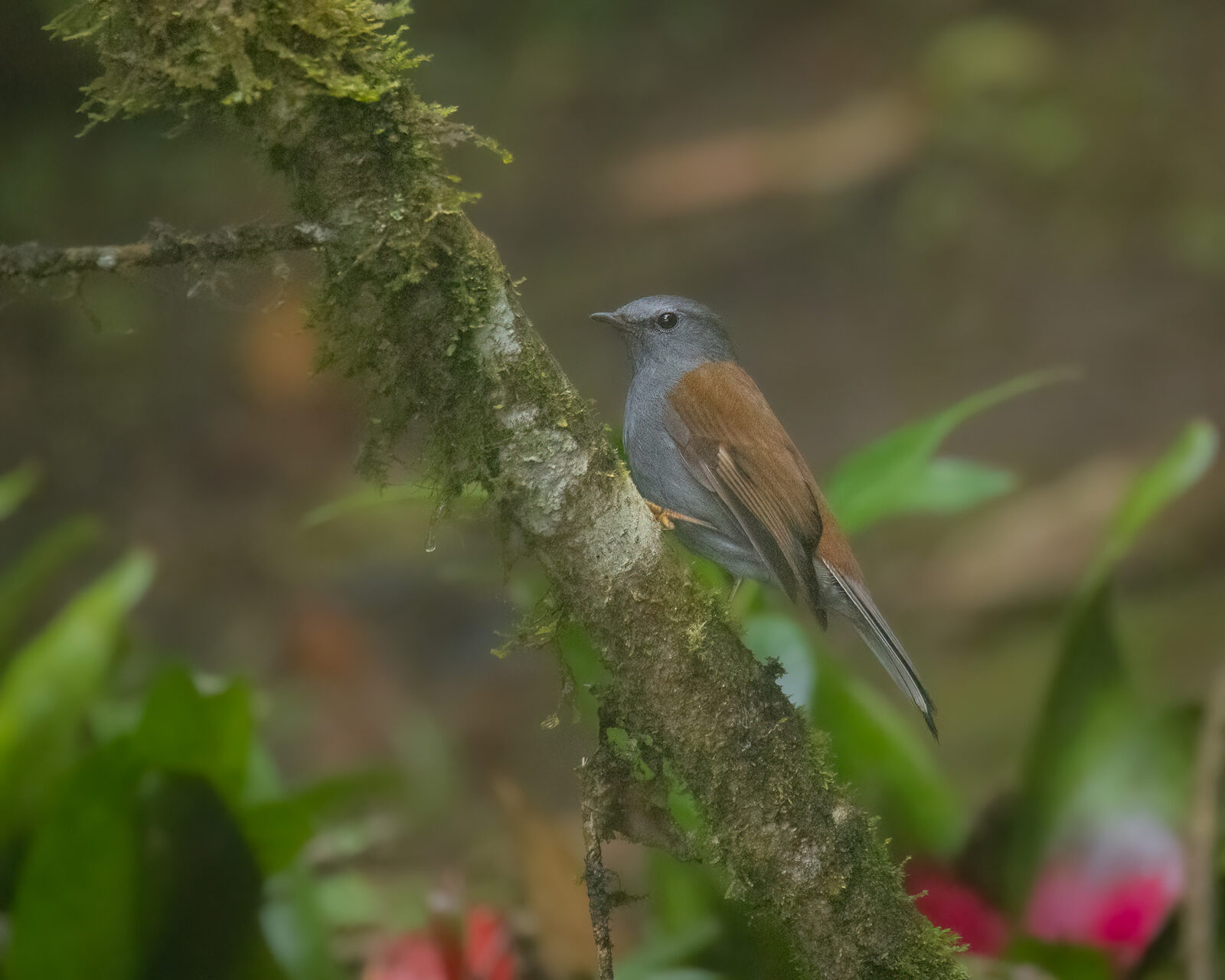
Andean solitaire
Myadestes ralloides
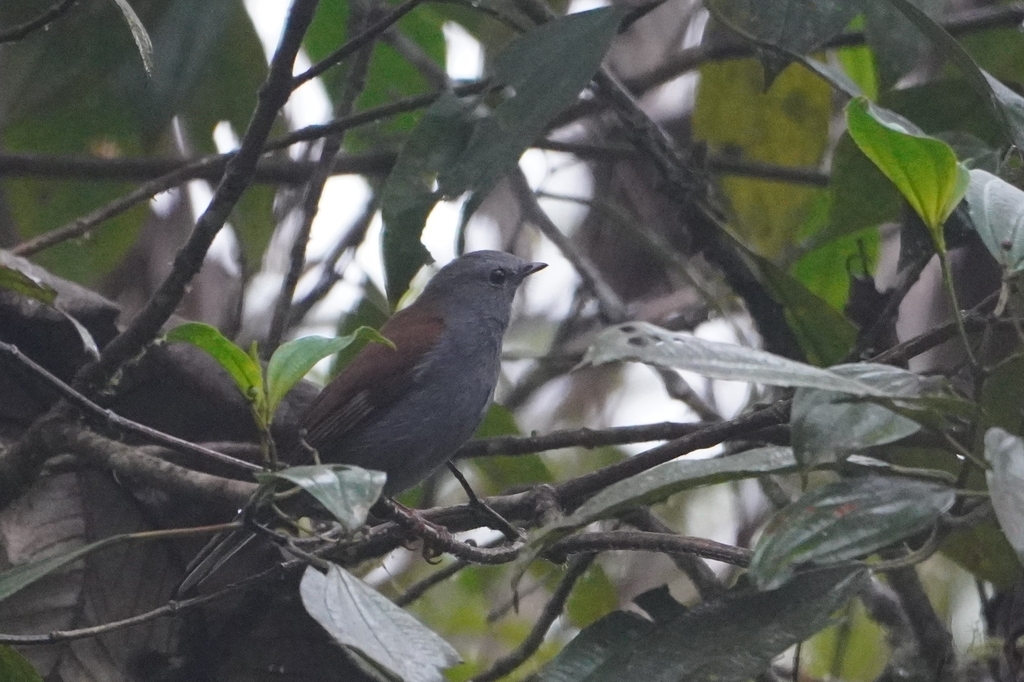
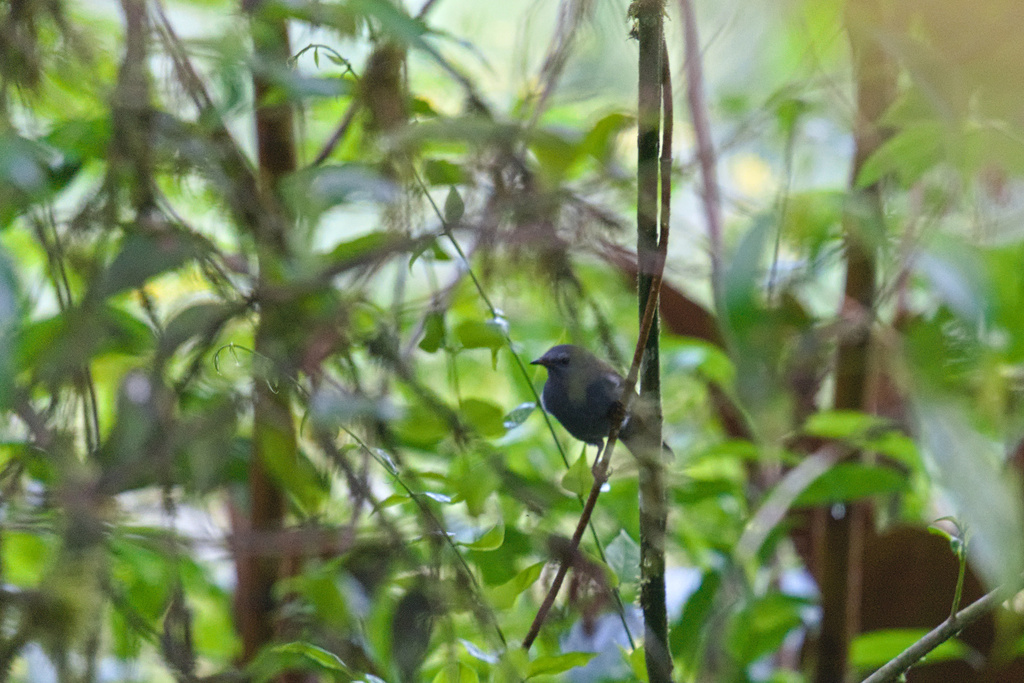
A soft grey bird of Andean cloud forests with a clear, flute-like song.
- Status
- Least Concern IUCN Red List
- Eats
- fuchsia lehmannii, spiked pepper, jamaican cherry fig and 126 more
- Where
- 5 countries
On 4Planet Atlas it is among the wildlife people record most around La Paz and Quito.
People have shared 71,807 records of the Andean solitaire with GBIF, from 5 countries, most of them from Colombia, Ecuador and Peru. Records collected by GloBI show it eating 129 different kinds of animals and plants.
What the Andean solitaire eats, and what eats it
Studies have recorded it eating 129 kinds of animals and plants. Tap any of them to follow the food chain.
- Plants 122
Andean solitaire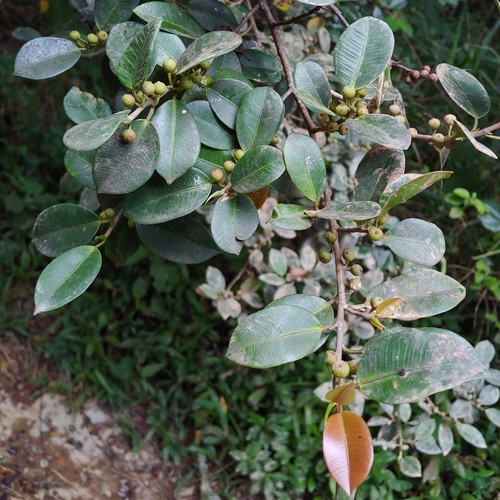
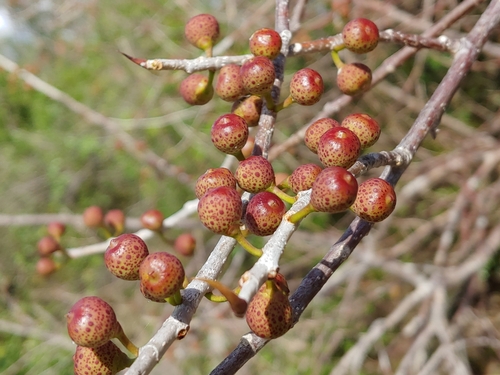
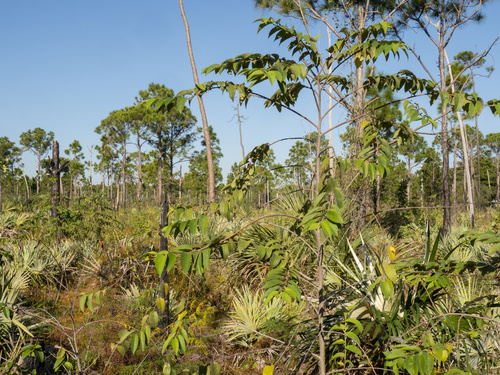
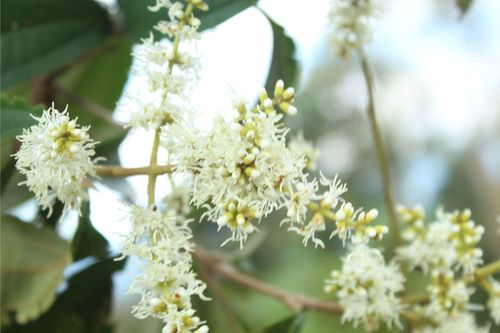
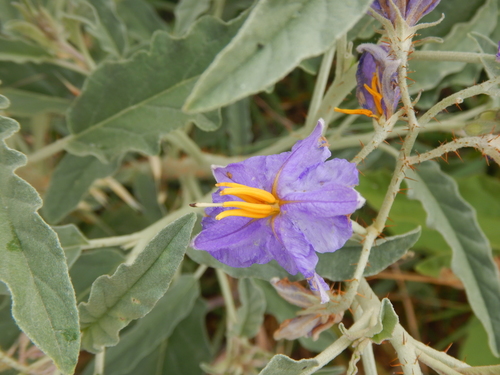
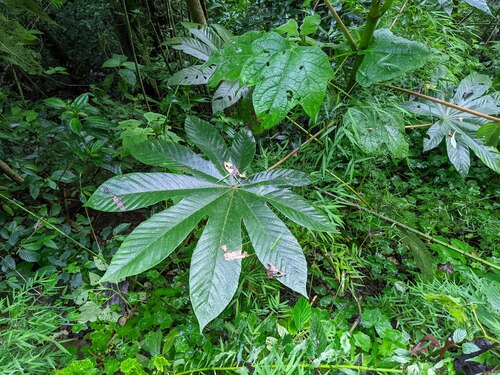
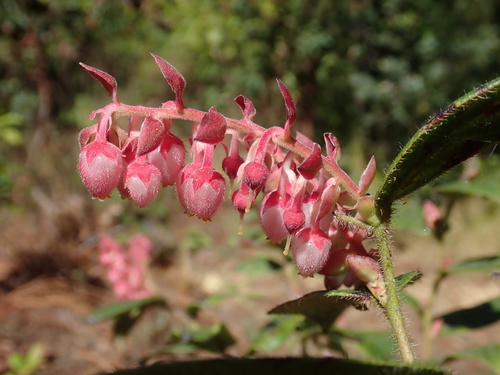
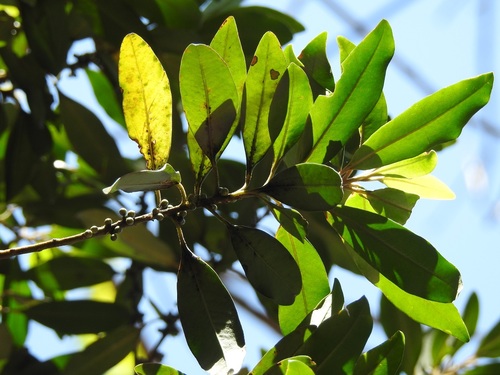
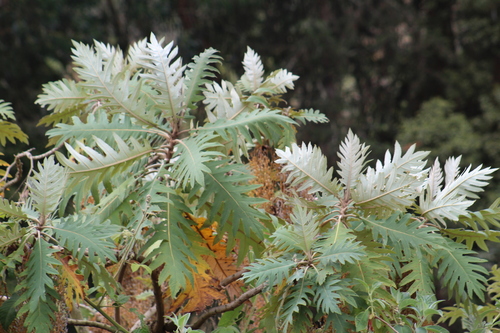
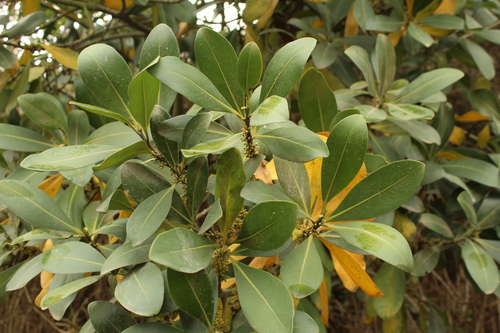
Records from studies worldwide, collected by GloBI. They include animals eaten as carrion, and they are not everything it eats in one place.
Where people see the Andean solitaire
People have shared 71,807 records from 5 countries.
Records show where people have seen it and shared it, not its full range. Country names open their page in Atlas.
When it is seen
Records per month in the northern hemisphere. More people outdoors also means more records.
Watch and listen
Its closest relatives
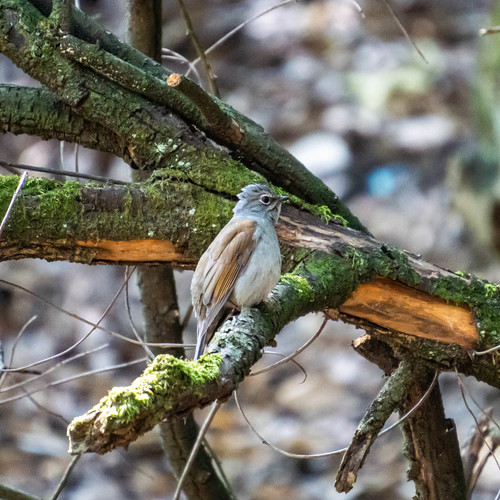
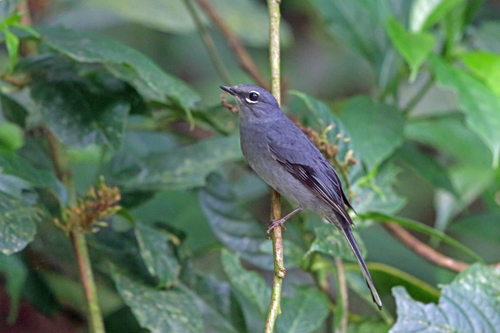
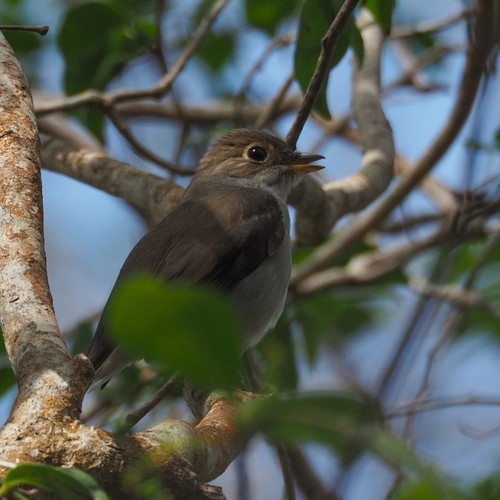
The other species of the genus Myadestes.
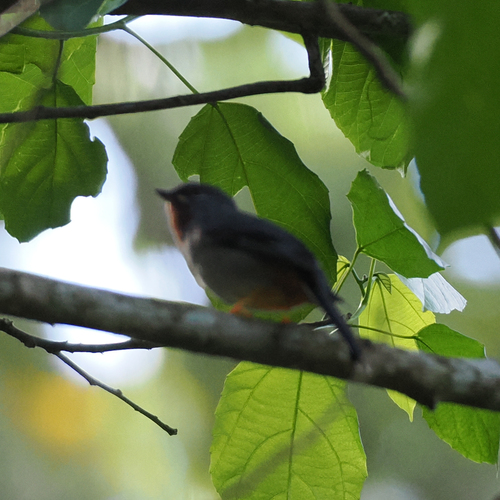
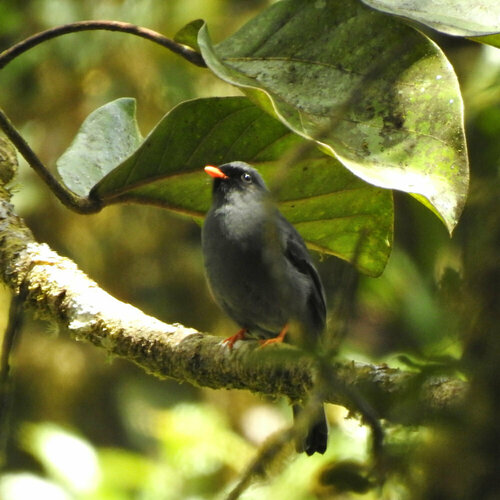
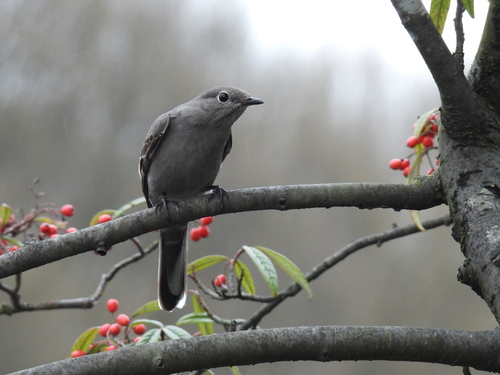
Seen an Andean solitaire?
Share your photo on iNaturalist. Other naturalists help confirm it, and the record goes to GBIF, where scientists use it and where the maps on this page come from.
Put this species on your site
The card names every source and links back here.
<iframe src="https://4planetatlas.com/place/embed/species/andean-solitaire" title="Andean solitaire (Myadestes ralloides), 4PLANET Species" width="100%" height="600" style="border:0;max-width:640px" loading="lazy"></iframe>
<p><a href="https://4species.com/andean-solitaire">Andean solitaire on 4PLANET Species</a></p>Questions people ask
What does the Andean solitaire eat?
The Andean solitaire has been recorded eating 129 different kinds of animals and plants, most of them plants. The ones recorded most often are fuchsia lehmannii, spiked pepper, jamaican cherry fig, ficus and jamaican nettletree; records include animals eaten as carrion. Source: GloBI.
Where does the Andean solitaire live?
People have recorded it in 5 countries; the most records come from Colombia, Ecuador, Peru, Venezuela and Bolivia. Records show where people have seen it, not its full range.
When is the Andean solitaire seen most?
In the northern hemisphere, the most records are made in February and the fewest in June. More people outdoors also means more records.
What are the Andean solitaire's closest relatives?
It shares the genus Myadestes with kāmaʻo, olomaʻo, brown-backed solitaire, slate-coloured solitaire and cuban solitaire.
Sources and photo credits
- GBIF · Myadestes ralloides, 71,807 human observations
- GloBI · recorded interactions of Myadestes ralloides
- Wikidata · Andean solitaire (Q3489509)
- Andean solitaire (Myadestes ralloides): Derek Spencer, CC BY 4.0
- Andean solitaire (Myadestes ralloides), Cali, Valle del Cauca, Colombia: Ben Costamagna, CC BY 4.0
- Andean solitaire (Myadestes ralloides), Metropolitan District of Quito, Ecuador: Attila Oláh, CC BY 4.0
- Jamaican cherry fig: Kurt Miller, CC BY-SA 4.0
- Ficus: Kurt Miller, CC BY-SA 4.0
- Jamaican nettletree: Turner Brockman, CC BY-SA 4.0
- Granadillo bobo: Andrés Ramírez-Barrera, CC BY 4.0
- Solanum grandiflorum: Chris Taklis, CC BY 4.0
- Cecropia angustifolia: Zac Peterson, CC BY 4.0
- Gaultheria erecta: no rights reserved, uploaded by Scott Yarger, CC0
- Myrsine coriacea: Neptalí Ramírez Marcial, CC BY 4.0
- Tree poppy: GERMAN LEONEL SARMIENTO CRUZ, CC BY 4.0
- South American myrsine: Andrés Ramírez-Barrera, CC BY 4.0
- Brown-backed solitaire: Alberto Sánchez, CC BY 4.0
- Slate-coloured solitaire: Nigel Voaden, CC BY 4.0
- Cuban solitaire: carnifex, CC BY 4.0
- Rufous-throated solitaire: steve b, CC0
- Black-faced solitaire: Reiner Jakubowski, CC BY-SA 4.0
- Townsend's solitaire: Pete Lypkie, CC BY 4.0
Records show where people have seen and shared the Andean solitaire, not its full range, and some countries and months are recorded far more than others. The food web lists interactions that studies have recorded somewhere in the world (GloBI), not everything it eats in one place.
Checked 2026-11-22.