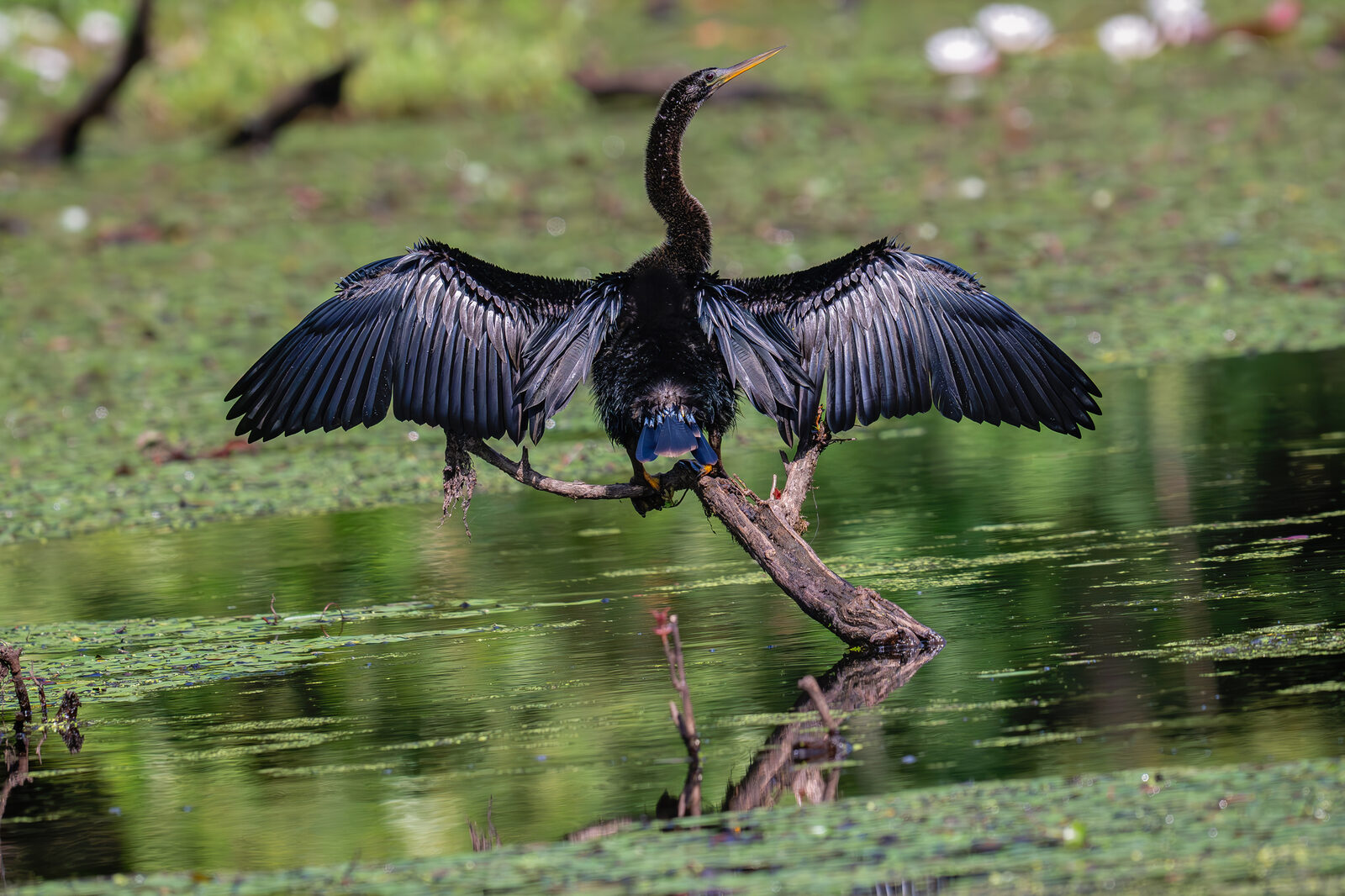
Anhinga
Anhinga anhinga
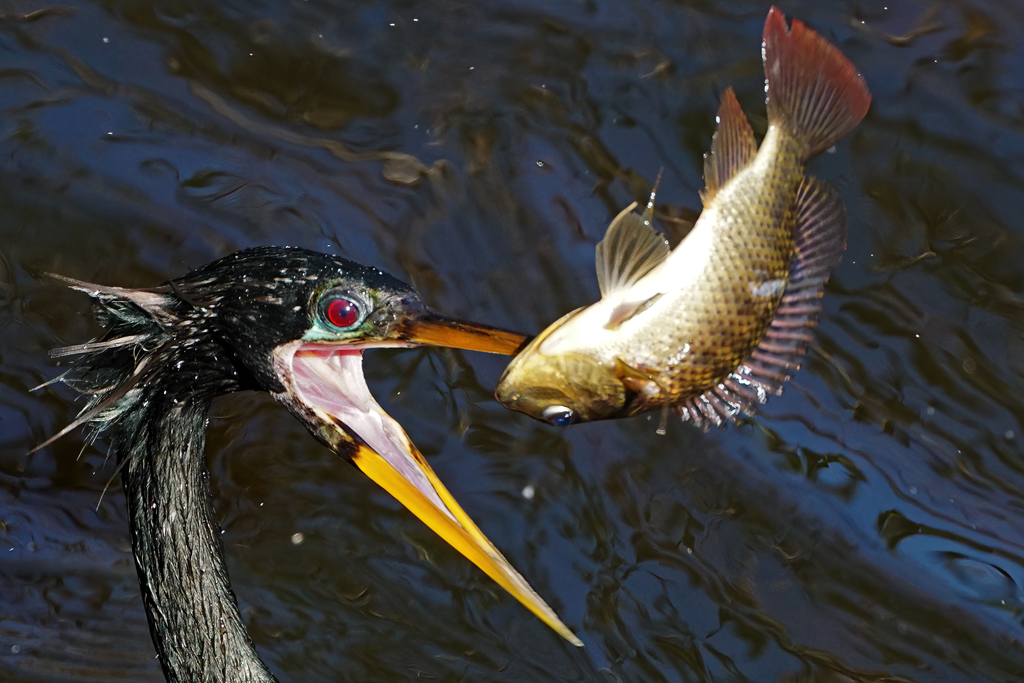
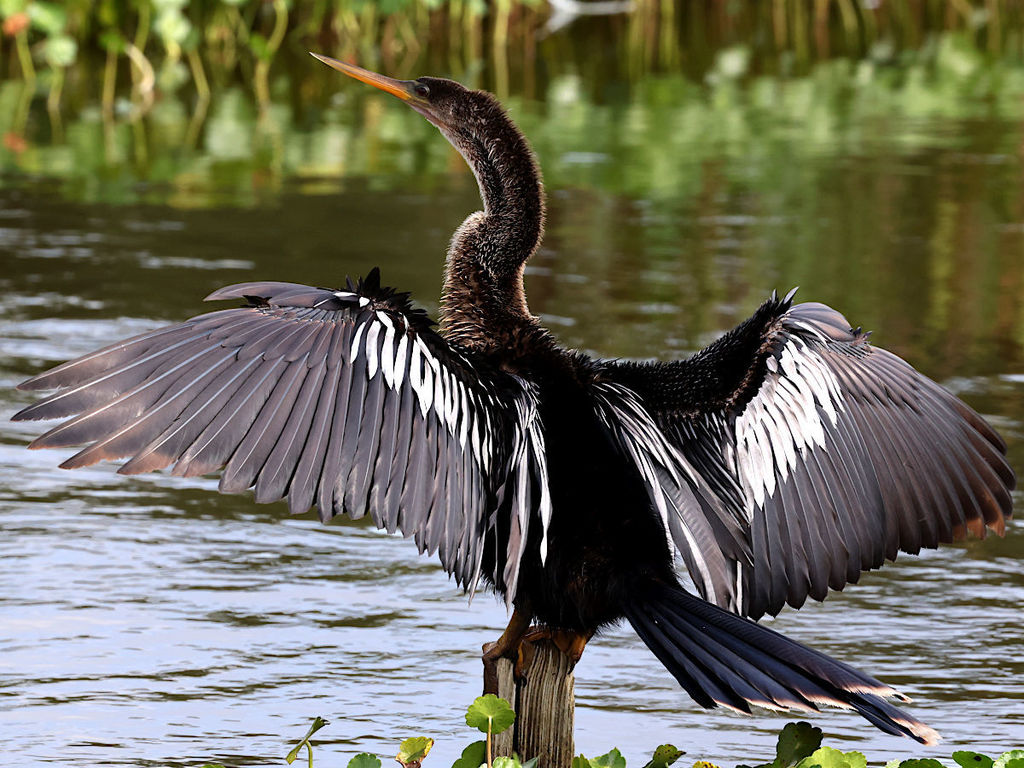
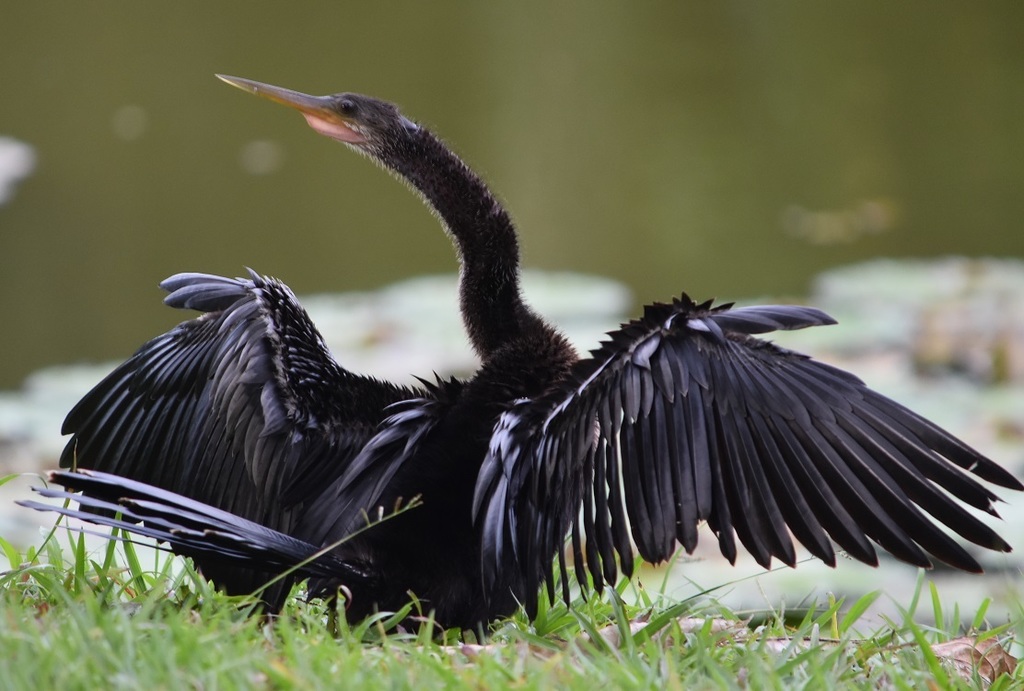
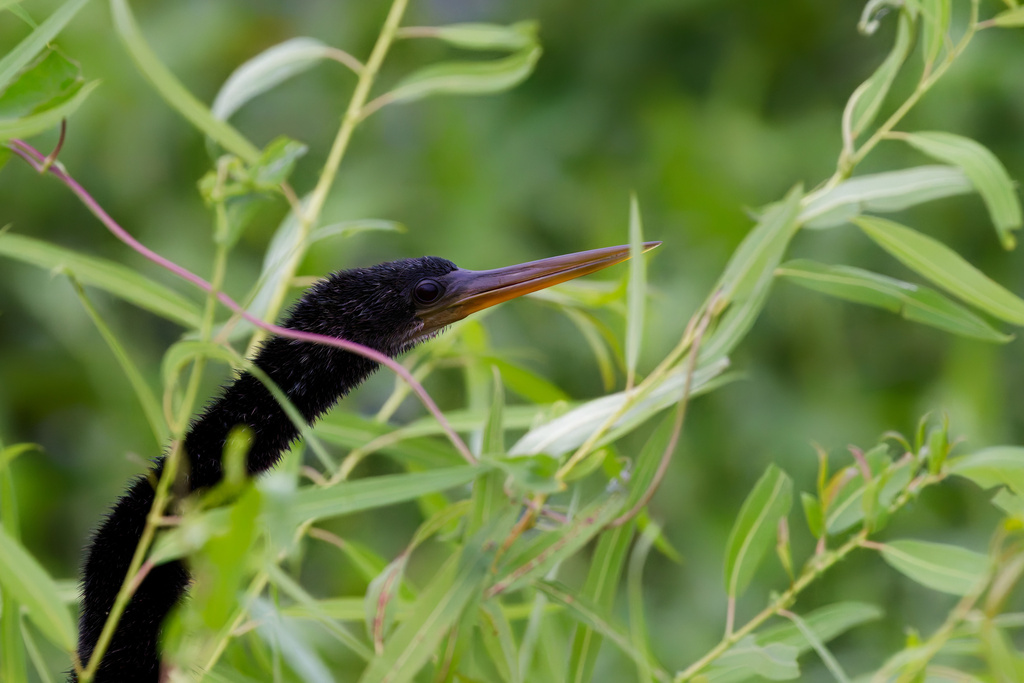
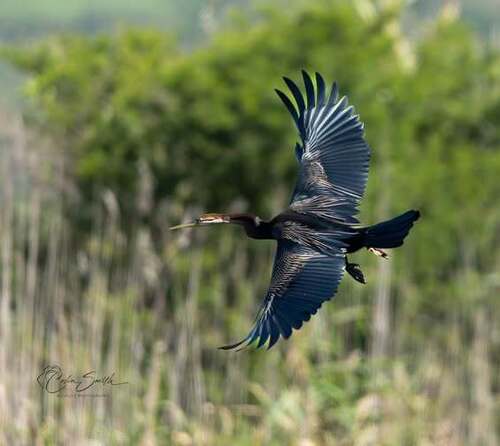
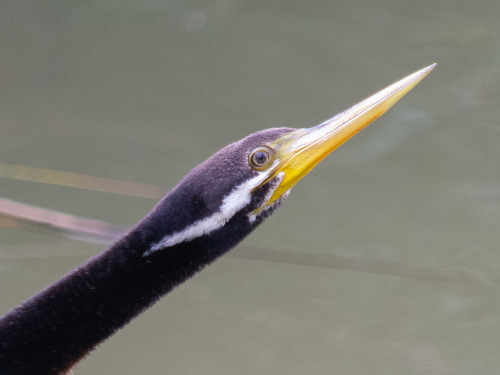
A water bird that swims with only its snake-like neck above the surface, then spreads its wings to dry.
- Status
- Least Concern IUCN Red List
- Eats
- florida bass, brown bullhead, bluegill and 51 more
- Eaten by
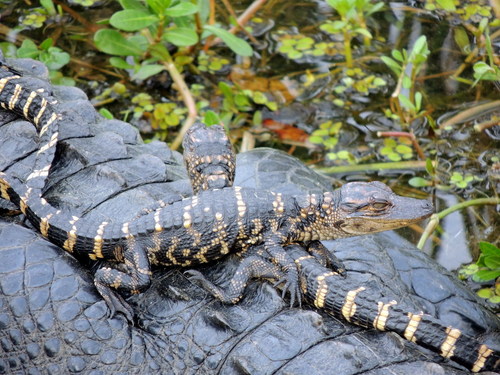
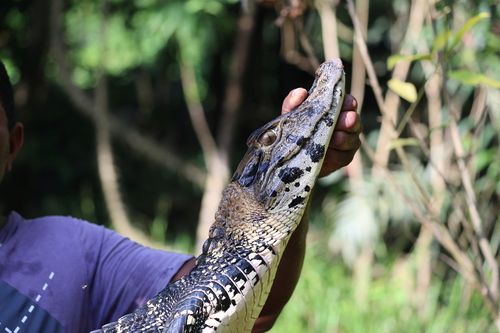
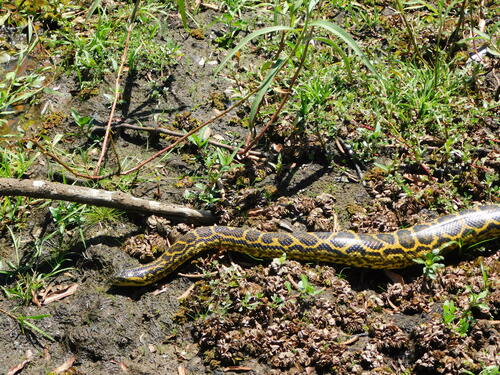
- American alligator, black caiman, yellow anaconda
- Where
- 27 countries
On 4Planet Atlas it is among the wildlife people record most around Buenos Aires and São Paulo.
People have shared 1,408,500 records of the anhinga with GBIF, from 27 countries, most of them from United States, Costa Rica and Mexico. Records collected by GloBI show it eating 54 different kinds of animals and plants, and being eaten by 4.
What the anhinga eats, and what eats it
Studies have recorded it eating 54 kinds of animals and plants, and 4 kinds of animals eating it. Tap any of them to follow the food chain.
- Fish 53
- Crustaceans 1
 Anhinga
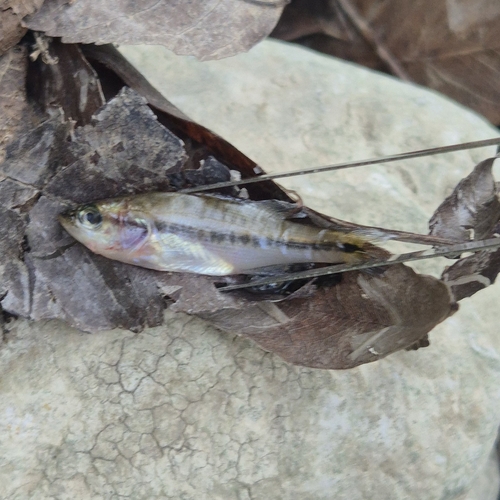


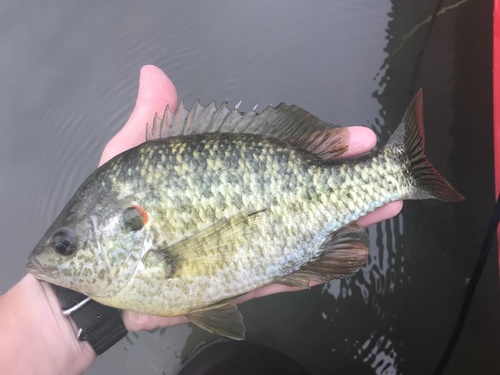
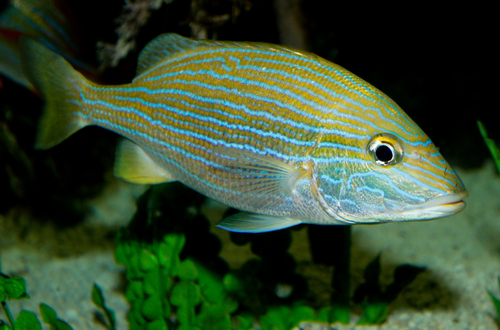
Records from studies worldwide, collected by GloBI. They include animals eaten as carrion, and they are not everything it eats in one place.
Where people see the anhinga
People have shared 1,408,500 records from 27 countries.
Near a city: Buenos Aires, São Paulo.
Records show where people have seen it and shared it, not its full range. Country names open their page in Atlas.
When it is seen
Records per month in the northern hemisphere. More people outdoors also means more records.
Watch and listen

Its closest relatives
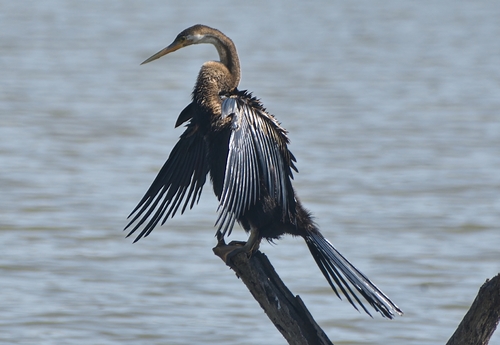
The other species of the genus Anhinga.
Seen a anhinga?
Share your photo on iNaturalist. Other naturalists help confirm it, and the record goes to GBIF, where scientists use it and where the maps on this page come from.
Questions people ask
What does the anhinga eat?
The anhinga has been recorded eating 54 different kinds of animals and plants, most of them fish and crustaceans. The ones recorded most often are florida bass, brown bullhead, bluegill, black crappie and sheepshead; records include animals eaten as carrion. Source: GloBI.
What eats the anhinga?
Recorded predators include american alligator, black caiman, yellow anaconda and warmouth. Source: GloBI.
Where does the anhinga live?
People have recorded it in 27 countries; the most records come from United States, Costa Rica, Mexico, Brazil and Panama. Records show where people have seen it, not its full range.
When is the anhinga seen most?
In the northern hemisphere, the most records are made in January and the fewest in July. More people outdoors also means more records.
What are the anhinga's closest relatives?
It shares the genus Anhinga with oriental darter, african darter and australasian darter.
Sources and photo credits
- GBIF · Anhinga anhinga, 1,408,500 human observations
- GloBI · recorded interactions of Anhinga anhinga
- Wikidata · Anhinga (Q469940)
- Anhinga (Anhinga anhinga): Karen Szafrajda, CC BY 4.0
- Anhinga (Anhinga anhinga), Palm Beach County, FL, USA: Eridan Xharahi, CC BY 4.0
- Anhinga (Anhinga anhinga), North Beach, Jacksonville, FL, USA: Elspeth Pierce, CC0
- Anhinga (Anhinga anhinga), Wakodahatchee Wetlands, Delray Beach, FL 33484, USA: Peter Chen 2.0, CC BY 4.0
- Anhinga (Anhinga anhinga), Provincia de Cartago, Turrialba, Costa Rica: Norman Salazar Arguedas, CC BY-SA 4.0
- Anhinga (Anhinga anhinga), Kissimmee Lakefront Park, 201 Lakeview Dr, Kissimmee, FL 34741, USA: Daughter Dad, CC BY 4.0
- Florida bass: Trevor Hollister, CC0
- Brown bullhead: Ken-ichi Ueda, CC BY 4.0
- Bluegill: Quinn, CC BY 4.0
- Black crappie: Quinn, CC BY 4.0
- Sheepshead: Quinn, CC BY 4.0
- Redear sunfish: no rights reserved, uploaded by Nick Loveland, CC0
- Warmouth: Nick Tobler (Cowturtle), CC BY 4.0
- Blue striped grunt: Brian Gratwicke, CC BY 4.0
- American alligator: no rights reserved, uploaded by Vijay Barve, CC0
- Black caiman: Matheus Oliveira, CC BY 4.0
- Yellow anaconda: Sebastián Gómez Barboza Silveira, CC0
- Oriental darter: Tejas M, CC BY 4.0
- African darter: Dave Brown, CC0
- Australasian darter: Terra Occ, CC BY 4.0
Records show where people have seen and shared the anhinga, not its full range, and some countries and months are recorded far more than others. The food web lists interactions that studies have recorded somewhere in the world (GloBI), not everything it eats in one place.
Checked 2026-11-22.