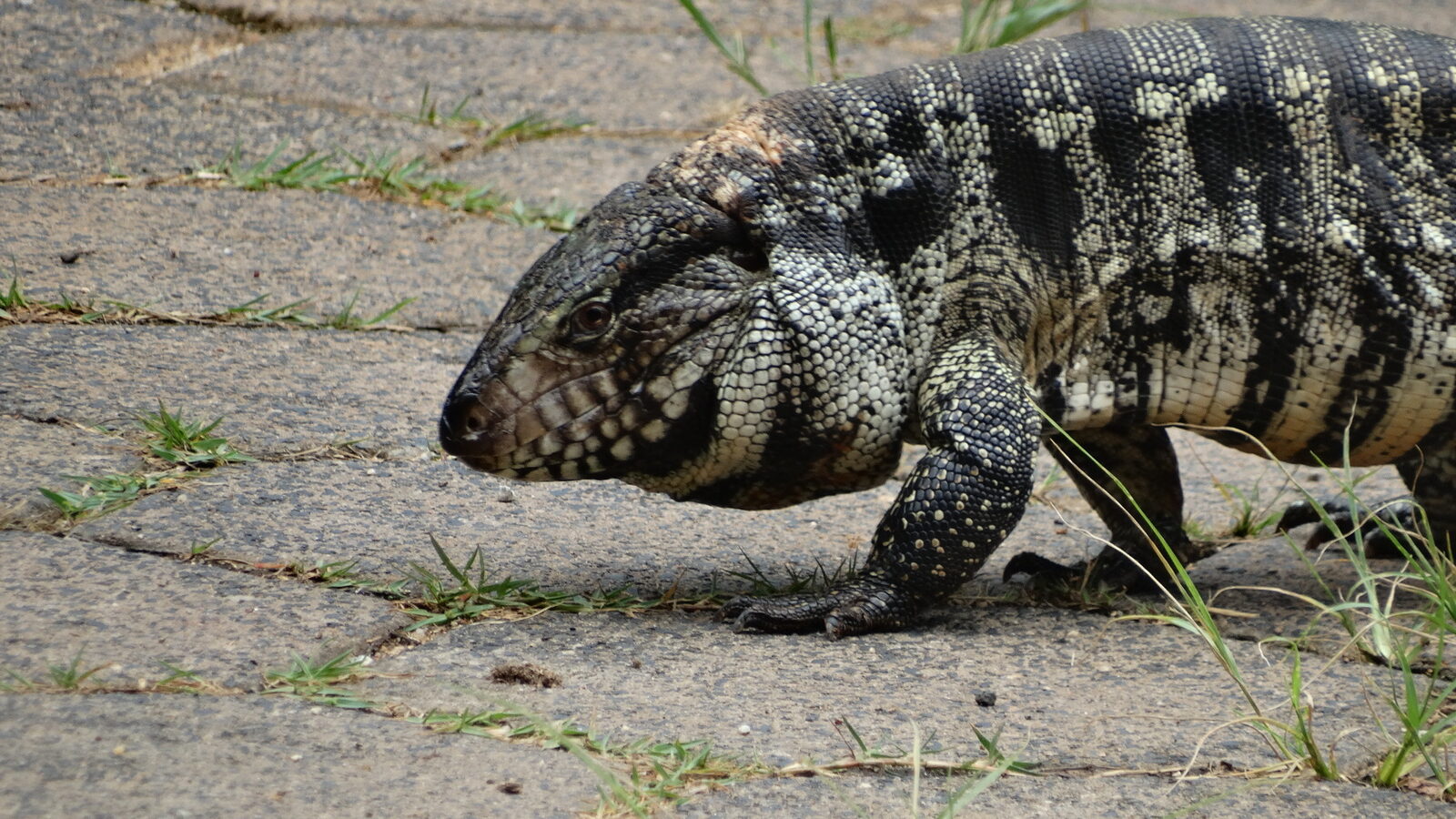
Argentine black and white tegu
Salvator merianae
- Status
- Least Concern IUCN Red List
- Eats
- jackfruit, sugar apple, black mulberry and 23 more
- Eaten by
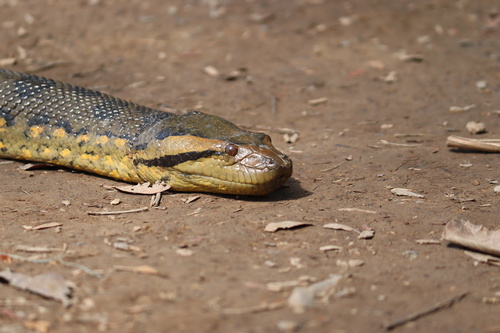
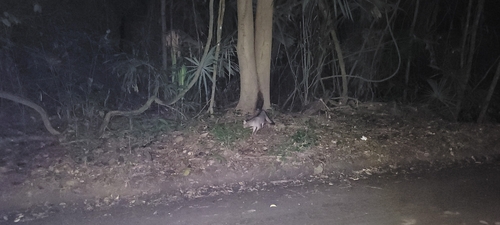
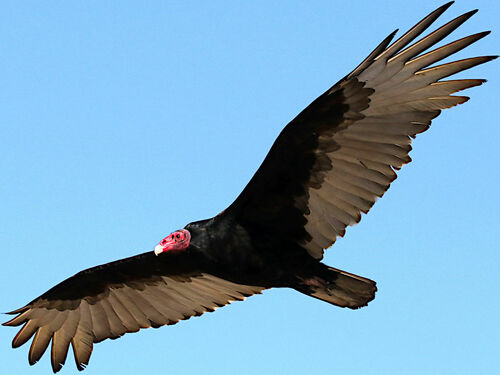
- green anaconda, crab-eating fox, turkey vulture
- Where
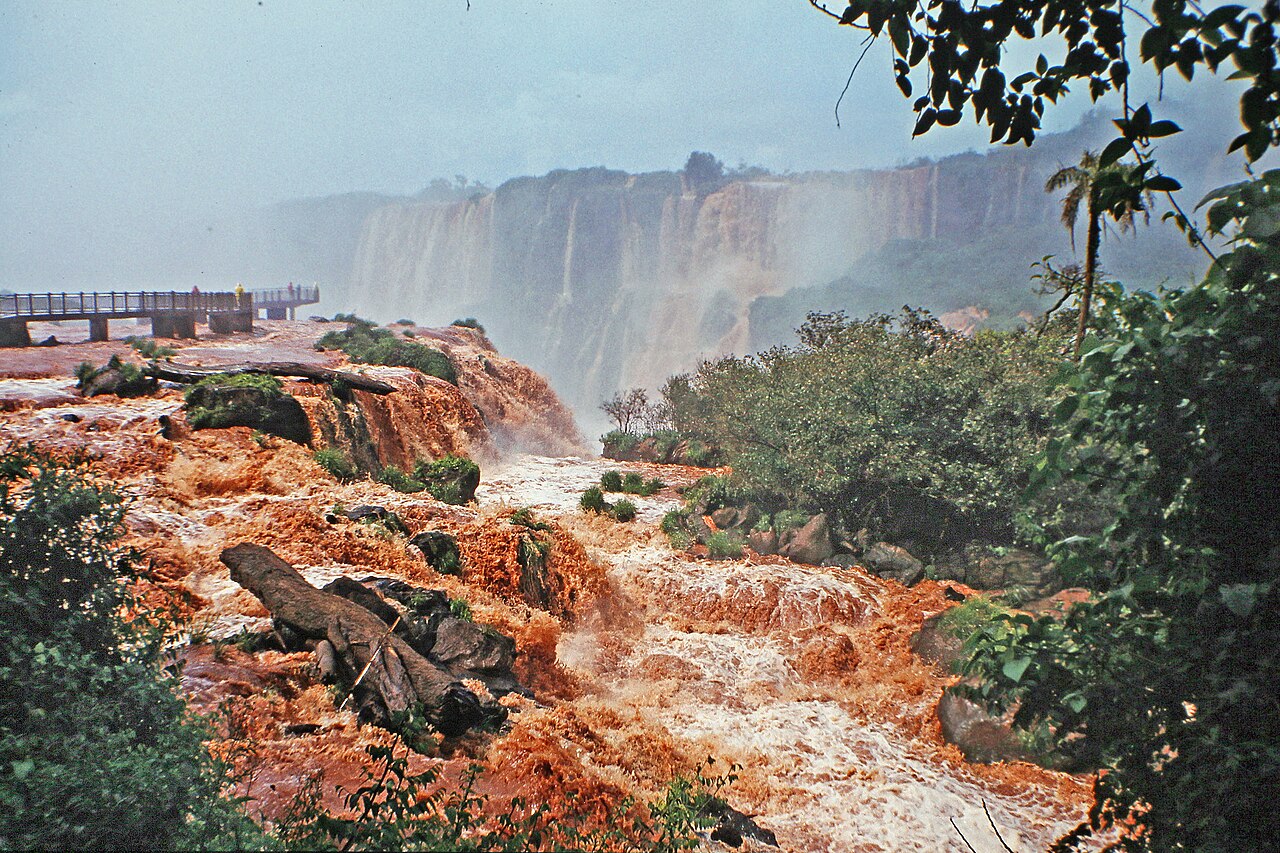
- 6 countries · iguazú Falls
On 4Planet Atlas it is among the wildlife people record most around Buenos Aires.
People have shared 9,230 records of the argentine black and white tegu with GBIF, from 6 countries, most of them from Brazil, Argentina and Uruguay. Records collected by GloBI show it eating 26 different kinds of animals and plants, and being eaten by 7.
Habitats
What the argentine black and white tegu eats, and what eats it
Studies have recorded it eating 26 kinds of animals and plants, and 7 kinds of animals eating it. Tap any of them to follow the food chain.
- Plants 21
- Mammals 4
- Snails and slugs 1
 Argentine black and white tegu
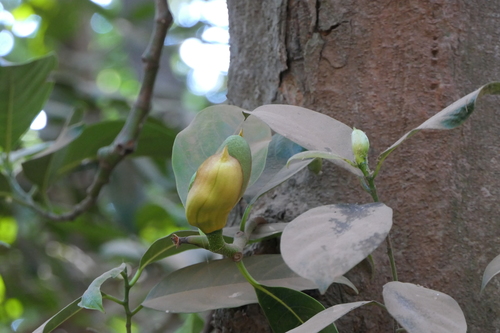
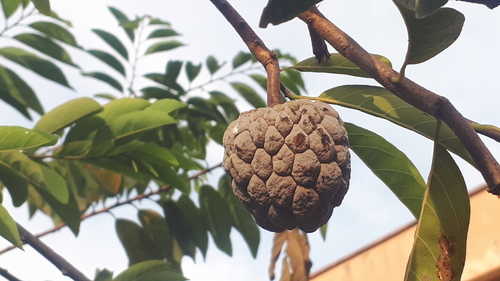
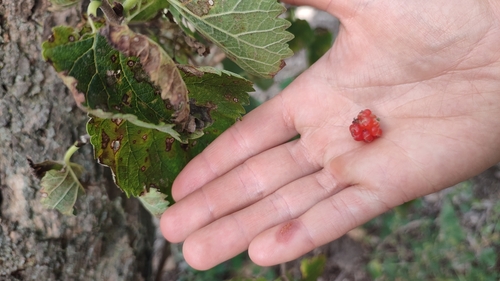

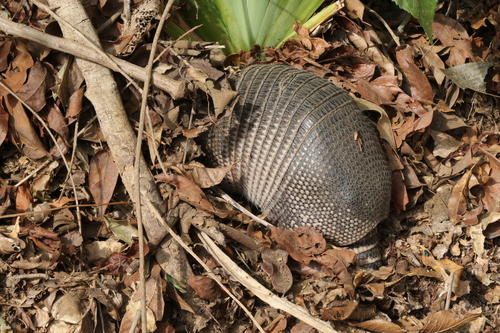
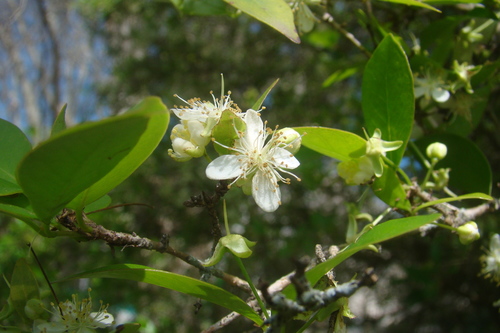
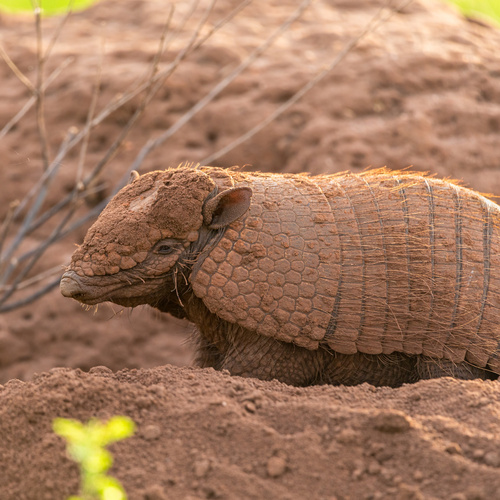
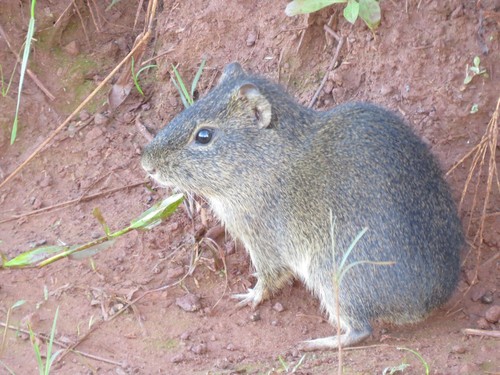
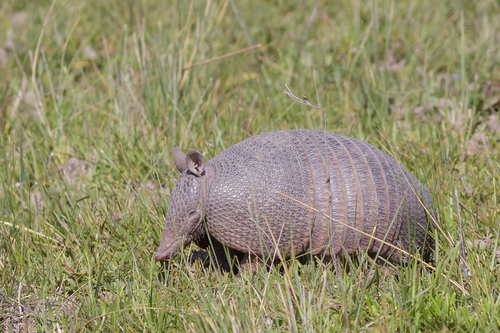
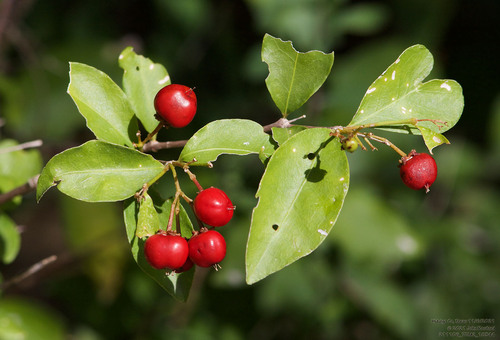
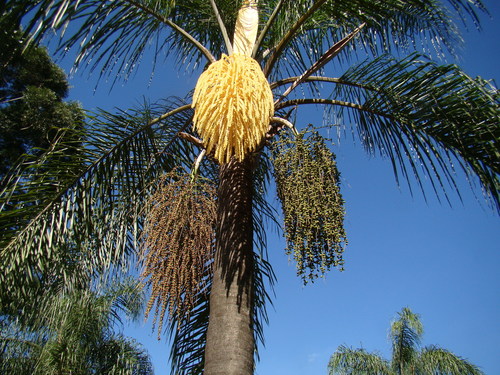
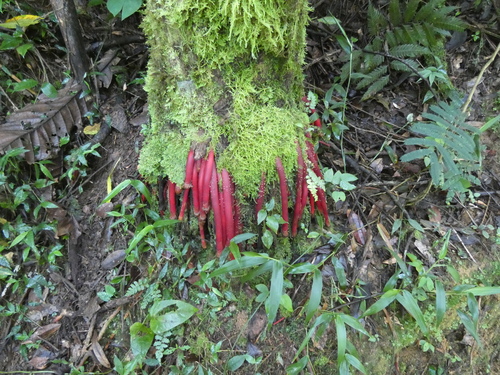
Records from studies worldwide, collected by GloBI. They include animals eaten as carrion, and they are not everything it eats in one place.
Where people see the argentine black and white tegu
People have shared 9,230 records from 6 countries.
Near a city: Buenos Aires.
Records show where people have seen it and shared it, not its full range. Country names open their page in Atlas.
When it is seen
Records per month in the southern hemisphere. More people outdoors also means more records.
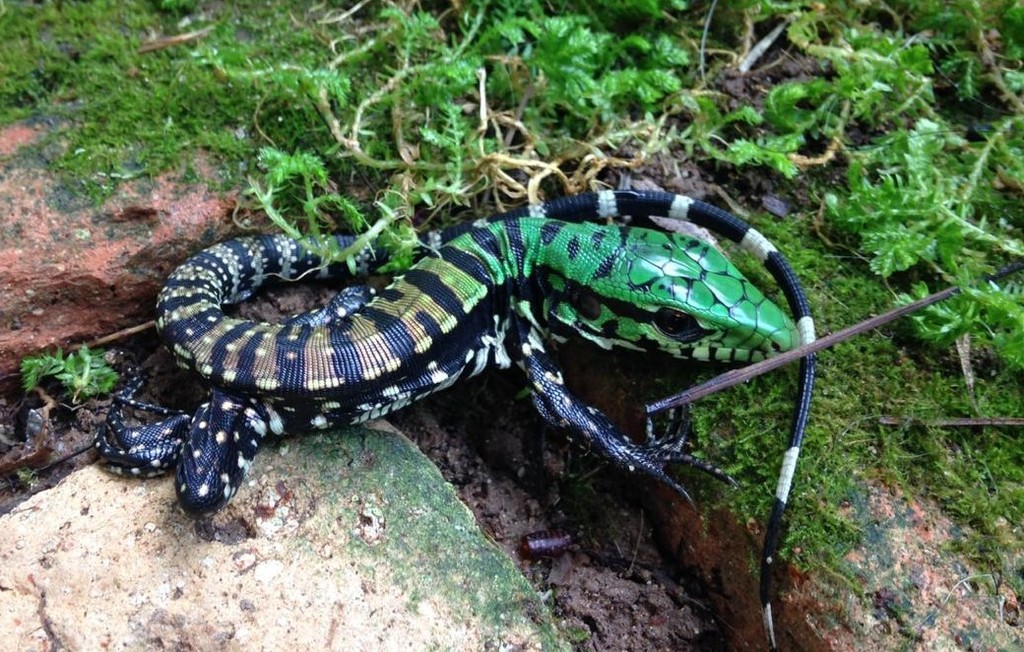
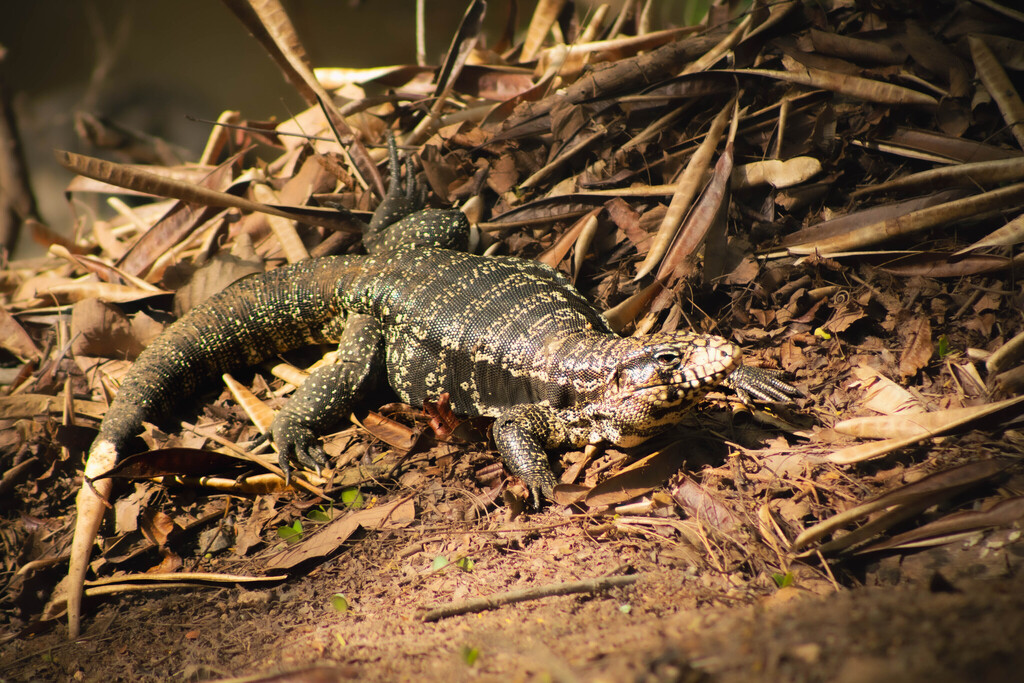
Watch and listen

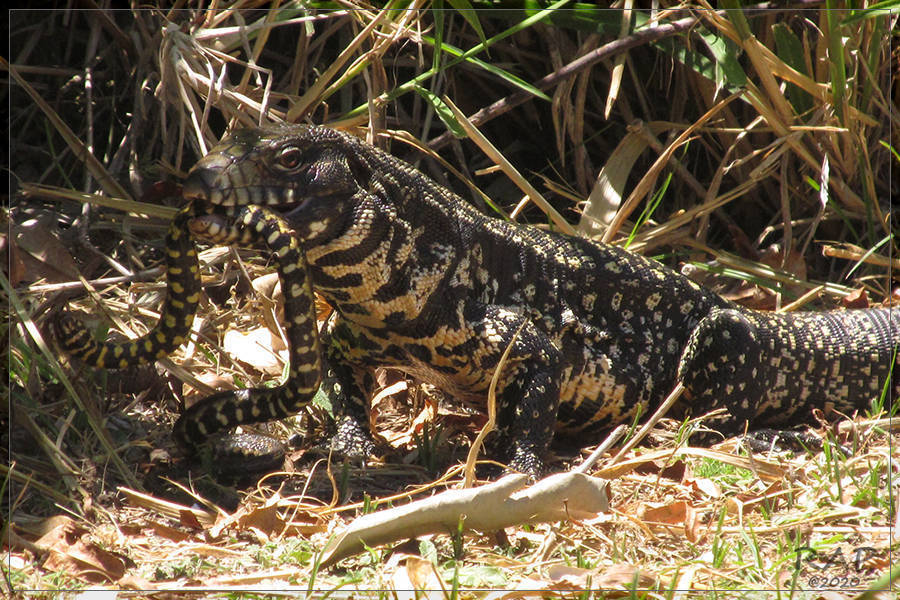
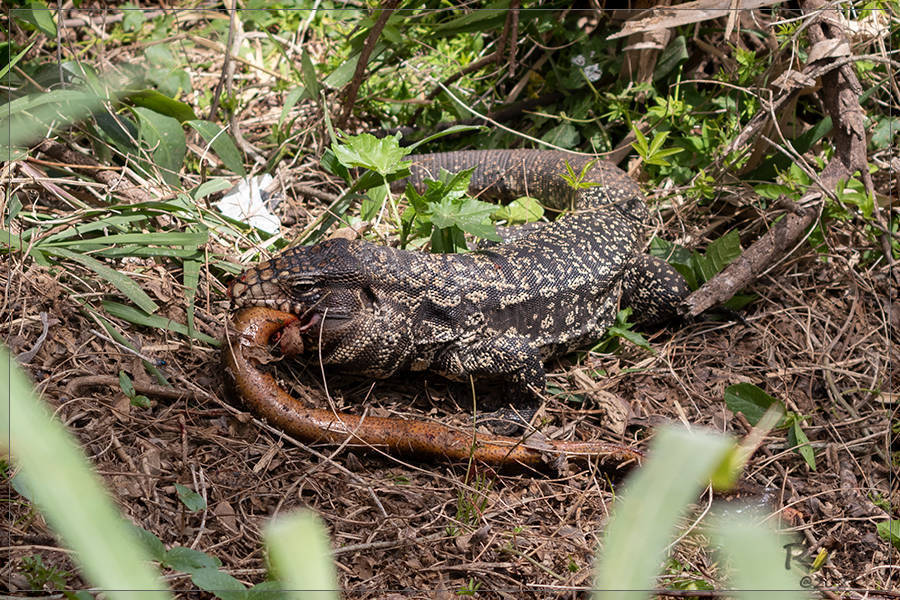
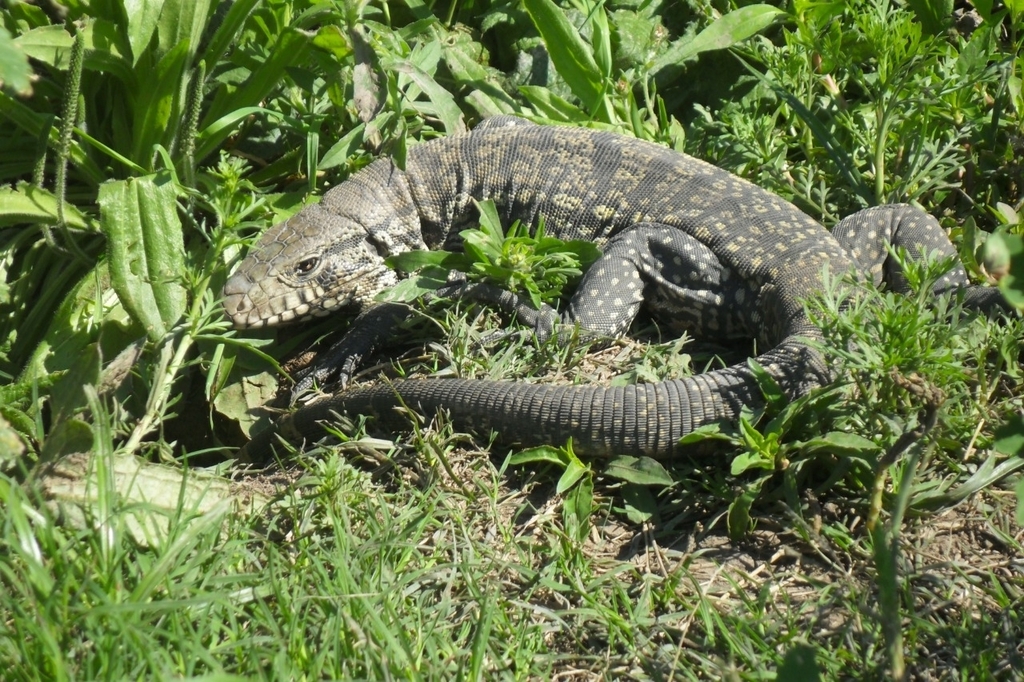
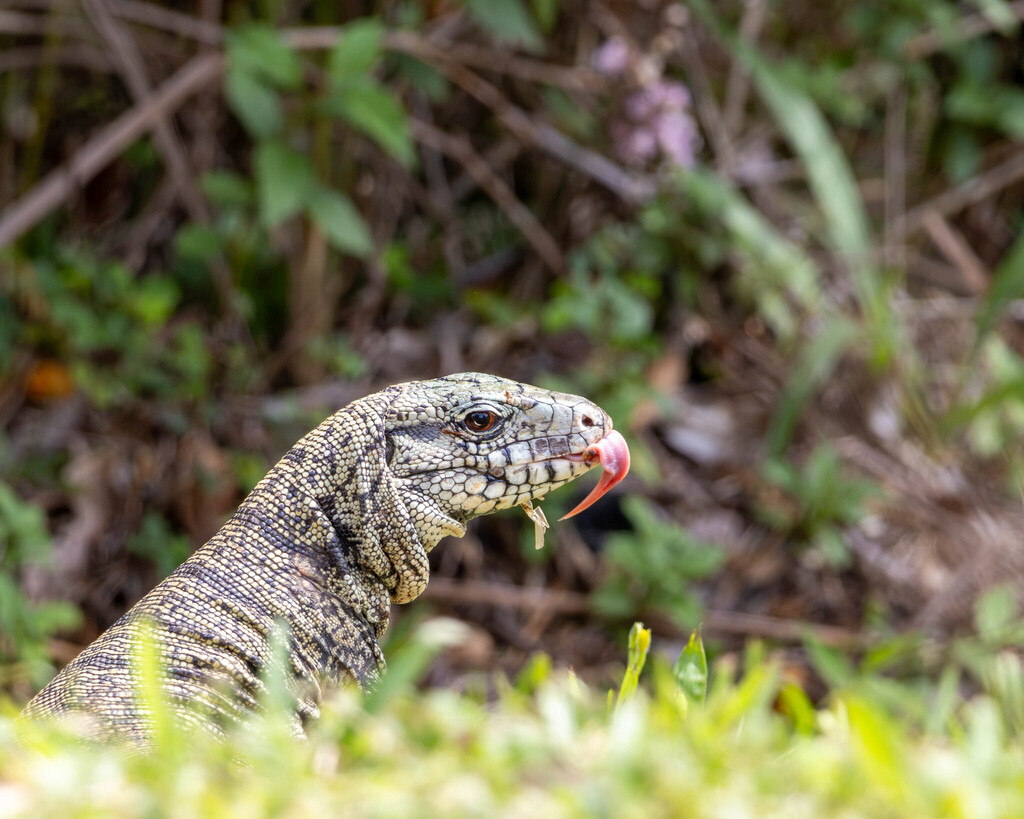
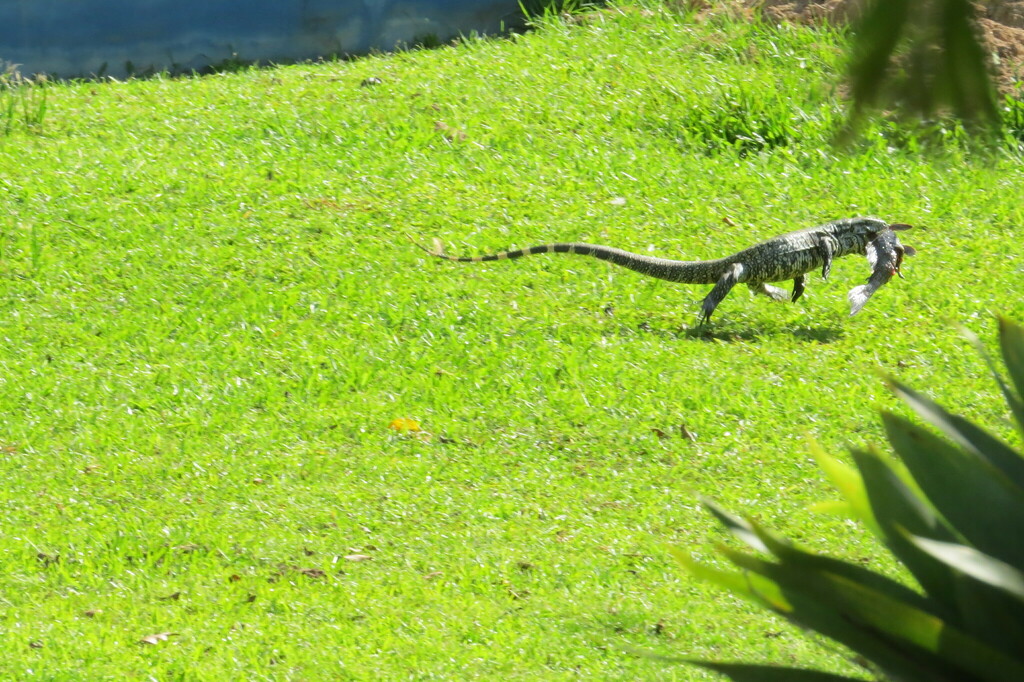
Its closest relatives
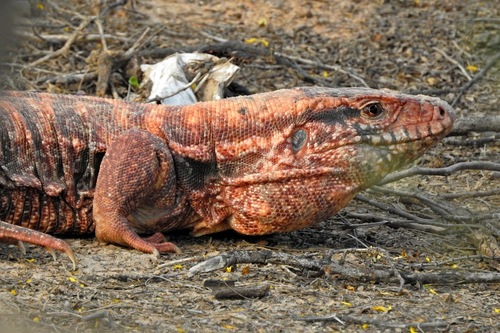
The other species of the genus Salvator.
Seen an argentine black and white tegu?
Share your photo on iNaturalist. Other naturalists help confirm it, and the record goes to GBIF, where scientists use it and where the maps on this page come from.
Put this species on your site
The card names every source and links back here.
<iframe src="https://4planetatlas.com/place/embed/species/argentine-black-and-white-tegu" title="Argentine black and white tegu (Salvator merianae), 4PLANET Species" width="100%" height="600" style="border:0;max-width:640px" loading="lazy"></iframe>
<p><a href="https://4species.com/argentine-black-and-white-tegu">Argentine black and white tegu on 4PLANET Species</a></p>Explore next
What puts the argentine black and white tegu under pressure, what helps, and who works on it.

Questions people ask
What does the argentine black and white tegu eat?
The argentine black and white tegu has been recorded eating 26 different kinds of animals and plants, most of them plants, mammals and snails and slugs. The ones recorded most often are jackfruit, sugar apple, black mulberry, malabar plum and nine-banded armadillo; records include animals eaten as carrion. Source: GloBI.
What eats the argentine black and white tegu?
Recorded predators include green anaconda, crab-eating fox and turkey vulture. Source: GloBI.
Where does the argentine black and white tegu live?
People have recorded it in 6 countries; the most records come from Brazil, Argentina, Uruguay, United States and Bolivia. Records show where people have seen it, not its full range.
When is the argentine black and white tegu seen most?
In the southern hemisphere, the most records are made in October and the fewest in June. More people outdoors also means more records.
What are the argentine black and white tegu's closest relatives?
It shares the genus Salvator with red tegu.
Sources and photo credits
- GBIF · Salvator merianae, 9,230 human observations
- GloBI · recorded interactions of Salvator merianae
- Wikidata · Argentine black and white tegu (Q24354290)
- Argentine black and white tegu (Salvator merianae): Bruno Henrique Aranda, CC BY 4.0
- Argentine black and white tegu (Salvator merianae): no rights reserved, uploaded by Hugo Hulsberg, CC0
- Argentine black and white tegu (Salvator merianae), Puerto Madero, CABA, Argentina: RAP, CC BY 4.0
- Argentine black and white tegu (Salvator merianae), Puerto Madero, CABA, Argentina: RAP, CC BY 4.0
- Argentine black and white tegu (Salvator merianae), Victoria, Entre Ríos, Argentina: Luis Capeletti, CC0
- Argentine black and white tegu (Salvator merianae), Águas Mornas - SC, Brasil: Jessica Souza, CC BY 4.0
- Argentine black and white tegu (Salvator merianae), Ibirama - SC, 89140-000, Brasil: Jonathan Lorencetti Ehlert, CC BY-SA 4.0
- Argentine black and white tegu (Salvator merianae), São Paulo, BR: alessandradalia, CC BY-SA 4.0
- Argentine black and white tegu (Salvator merianae), Amparo, SP, Brasil: Caroline Galassi, CC BY-SA 4.0
- Jackfruit: Dinesh Valke, CC BY-SA 4.0
- Sugar apple: Ong Jyh Seng, CC BY-SA 4.0
- Black mulberry: Josh, CC BY 4.0
- Malabar plum: mauroguanandi, CC BY 4.0
- Nine-banded armadillo: Bruno Henrique Aranda, CC BY 4.0
- Surinam cherry: Lucas Kaminski, CC BY 4.0
- Six-banded armadillo: Paulo Mascaretti, CC0
- Brazilian guinea pig: no rights reserved, uploaded by Fernando Sessegolo, CC0
- Seven-banded armadillo: Gustavo Masuzzo, CC BY 4.0
- Barbados cherry: John Rosford, CC BY 4.0
- Queen palm: mauro halpern, CC BY 4.0
- Assai palm: agujaceratops, CC BY 4.0
- Green anaconda: Conrado Pável de Oliveira, CC BY 4.0
- Crab-eating fox: Michael, CC0
- Turkey vulture: Peterwchen, CC BY-SA 4.0
- Red tegu: no rights reserved, uploaded by Hugo Hulsberg, CC0
Records show where people have seen and shared the argentine black and white tegu, not its full range, and some countries and months are recorded far more than others. The food web lists interactions that studies have recorded somewhere in the world (GloBI), not everything it eats in one place.
Checked 2026-11-25.