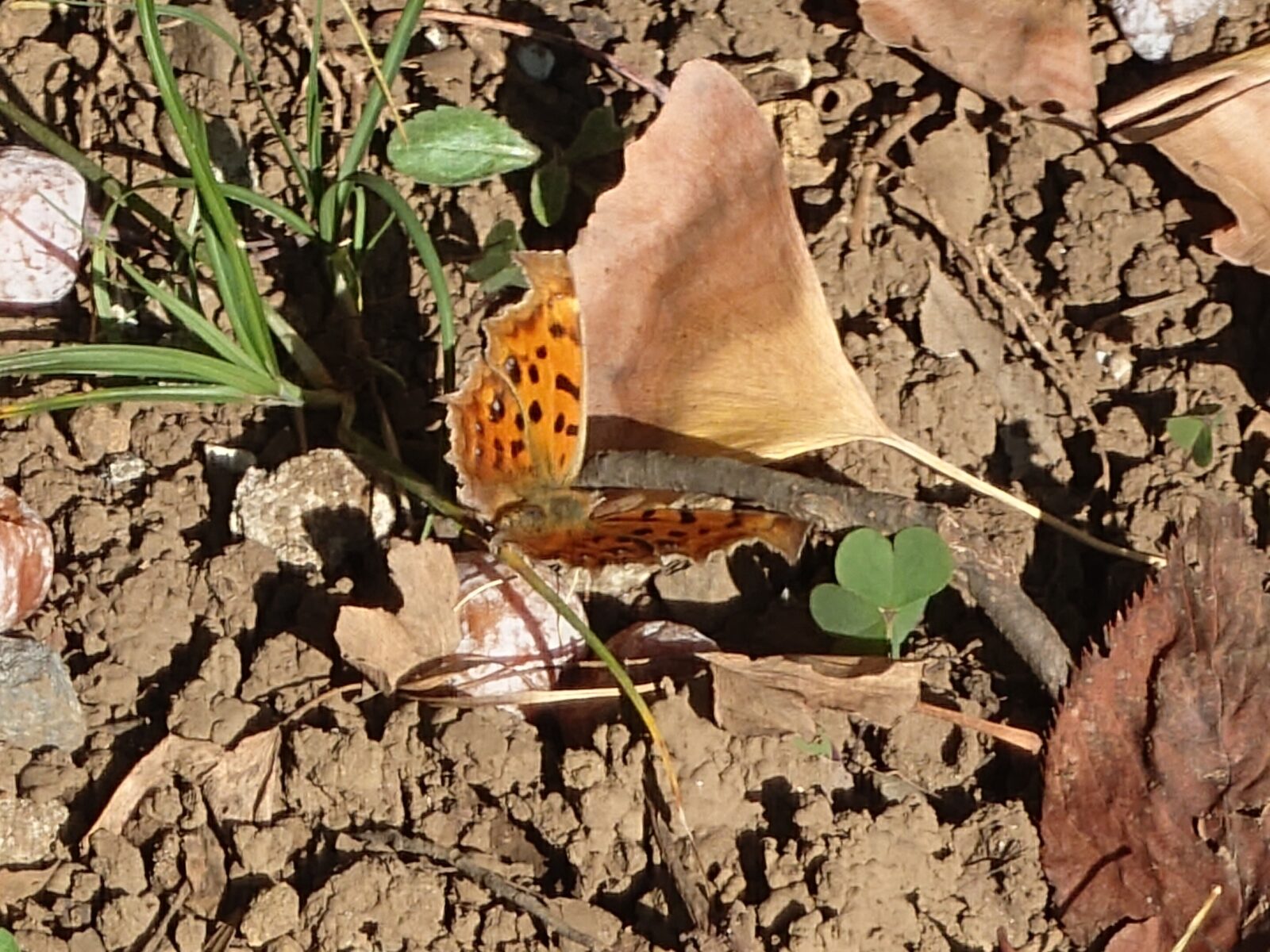
Asian comma
Polygonia c-aureum
- Status
- IUCN Red List
- Eats
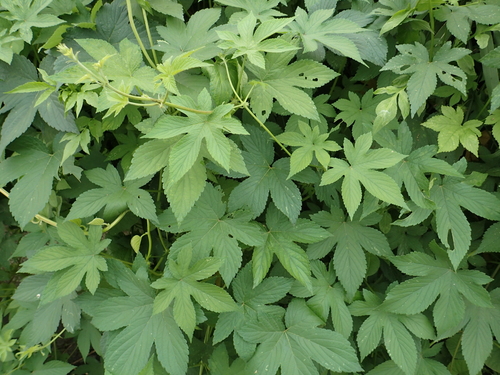
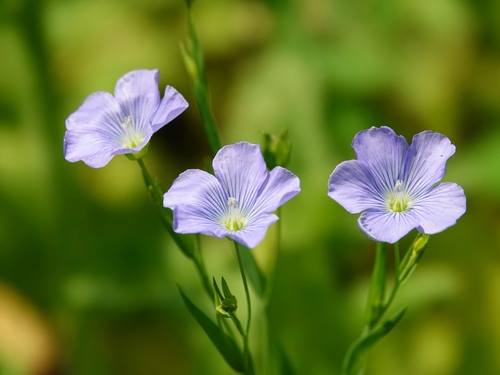
- hemp, Japanese hop, flax and 26 more
- Where
- 9 countries
On 4Planet Atlas it is among the wildlife people record most around Seoul, Shanghai and Tokyo.
People have shared 6,381 records of the Asian comma with GBIF, from 9 countries, most of them from China, South Korea and Japan. Records collected by GloBI show it eating 29 different kinds of animals and plants.
What the Asian comma eats, and what eats it
Studies have recorded it eating 29 kinds of animals and plants. Tap any of them to follow the food chain.
- Plants 29
Asian comma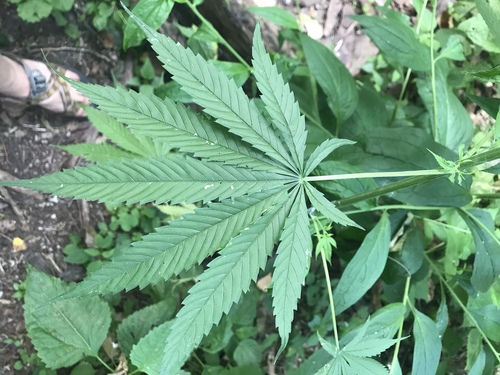
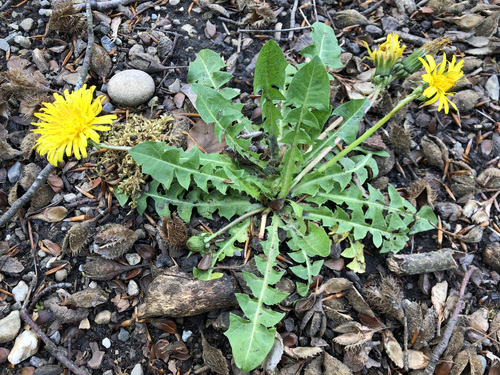
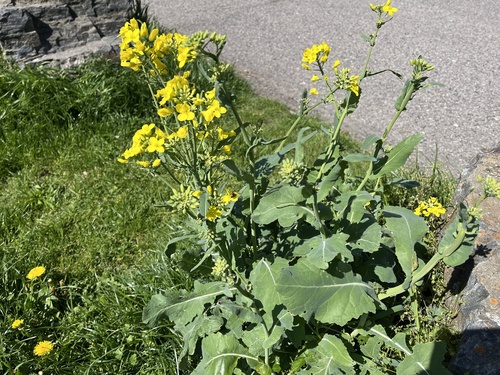
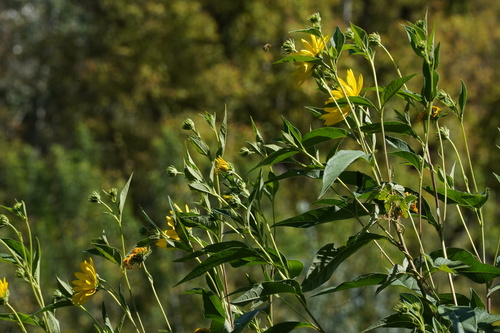
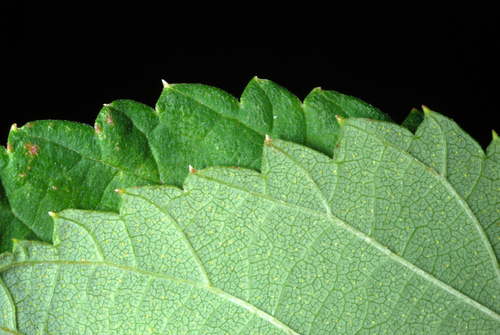
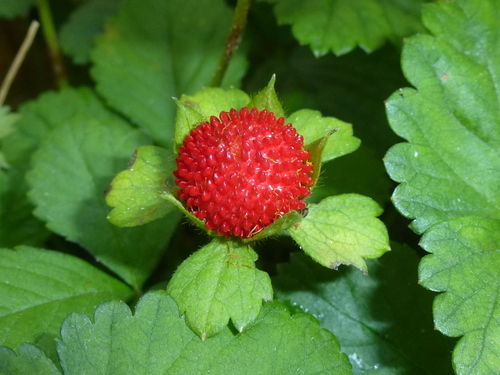
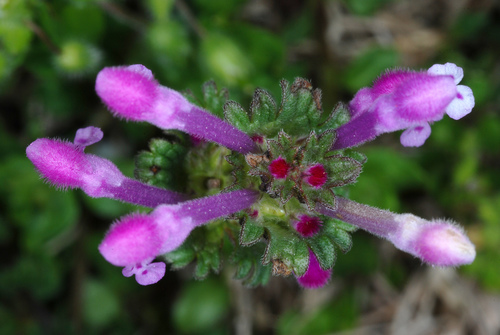
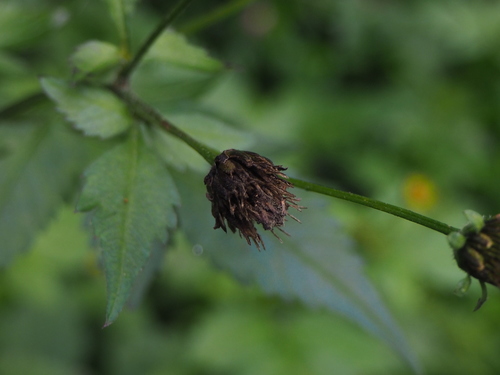
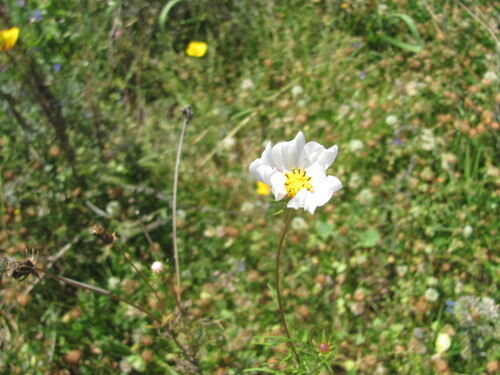
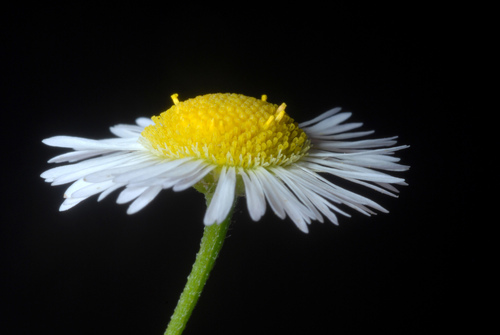
Records from studies worldwide, collected by GloBI. They include animals eaten as carrion, and they are not everything it eats in one place.
Where people see the Asian comma
People have shared 6,381 records from 9 countries.
Near a city: Seoul, Shanghai, Tokyo.
Records show where people have seen it and shared it, not its full range. Country names open their page in Atlas.
When it is seen
Records per month in the northern hemisphere. More people outdoors also means more records.
Watch and listen
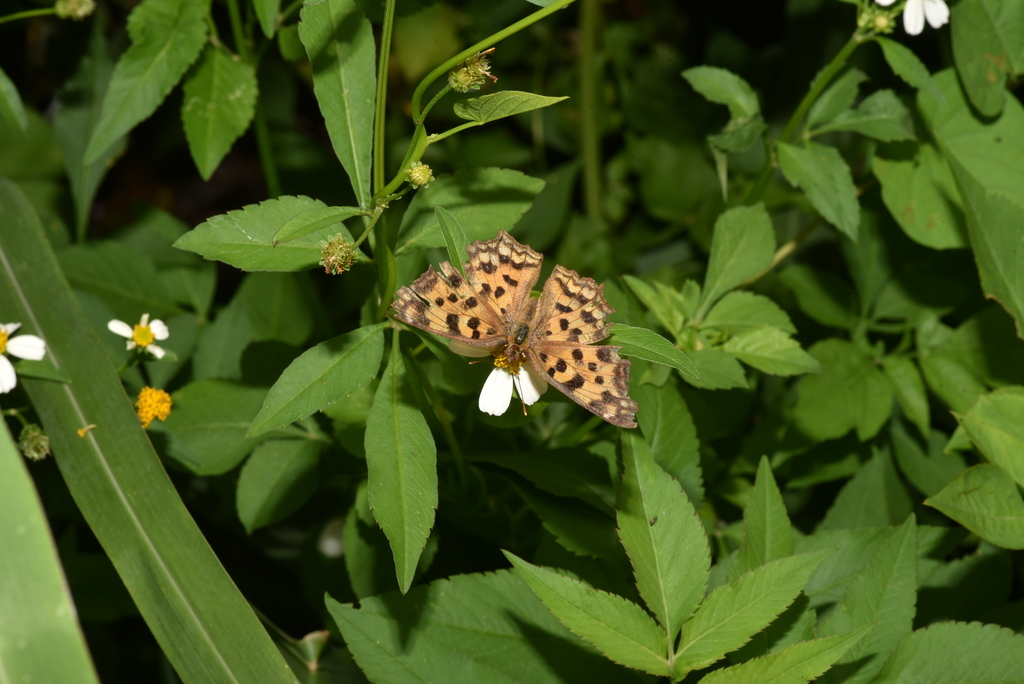
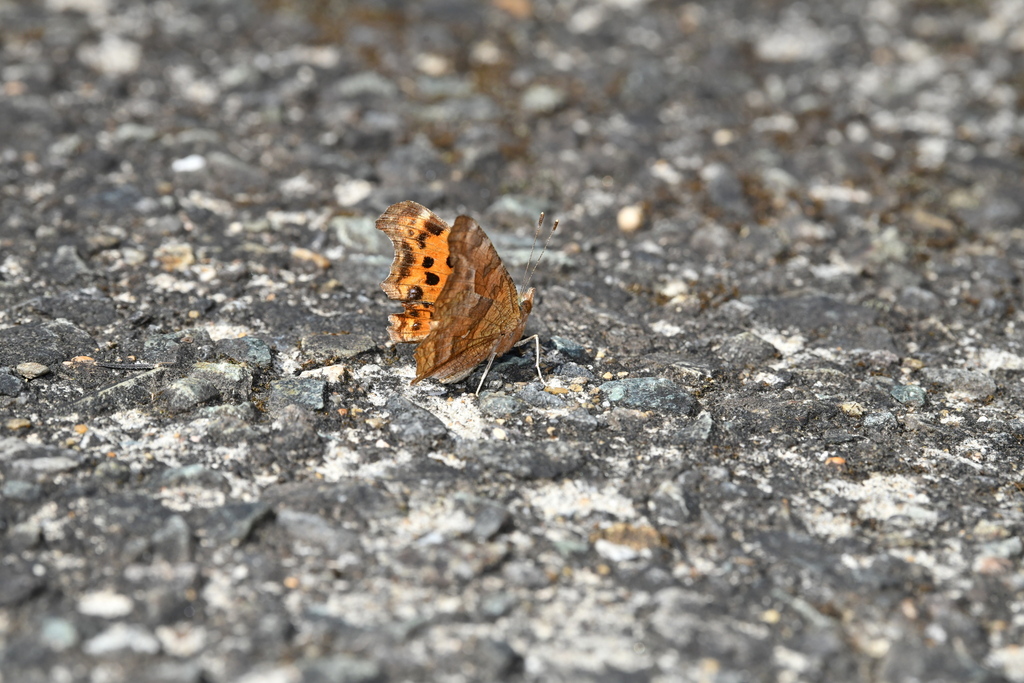
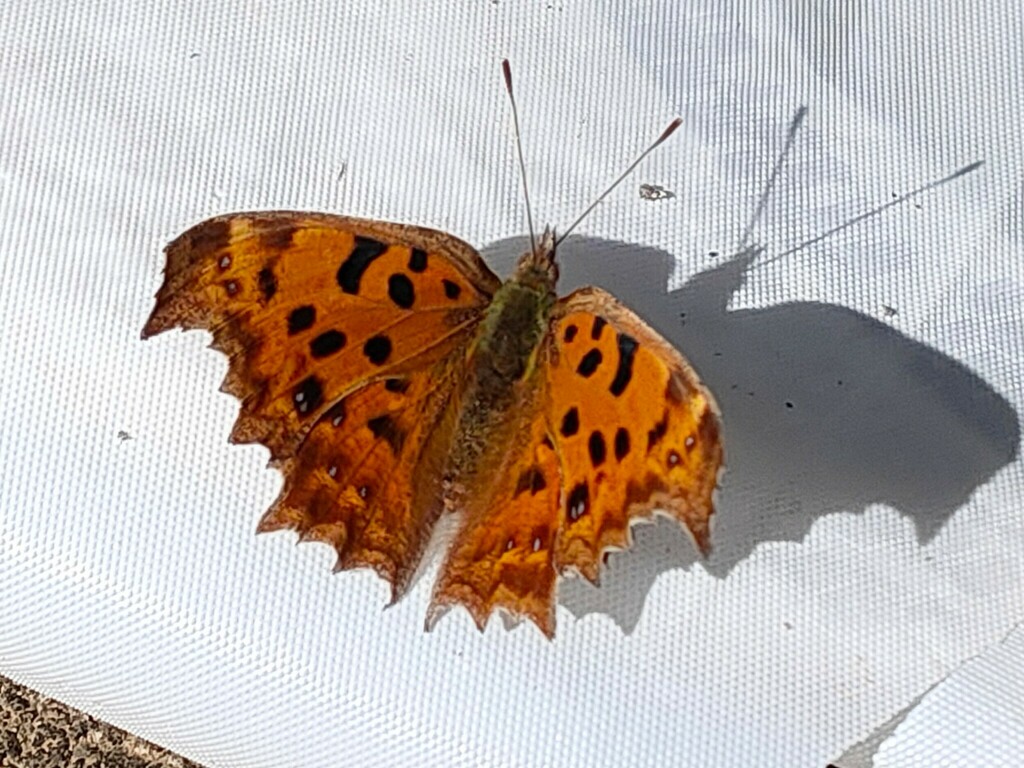
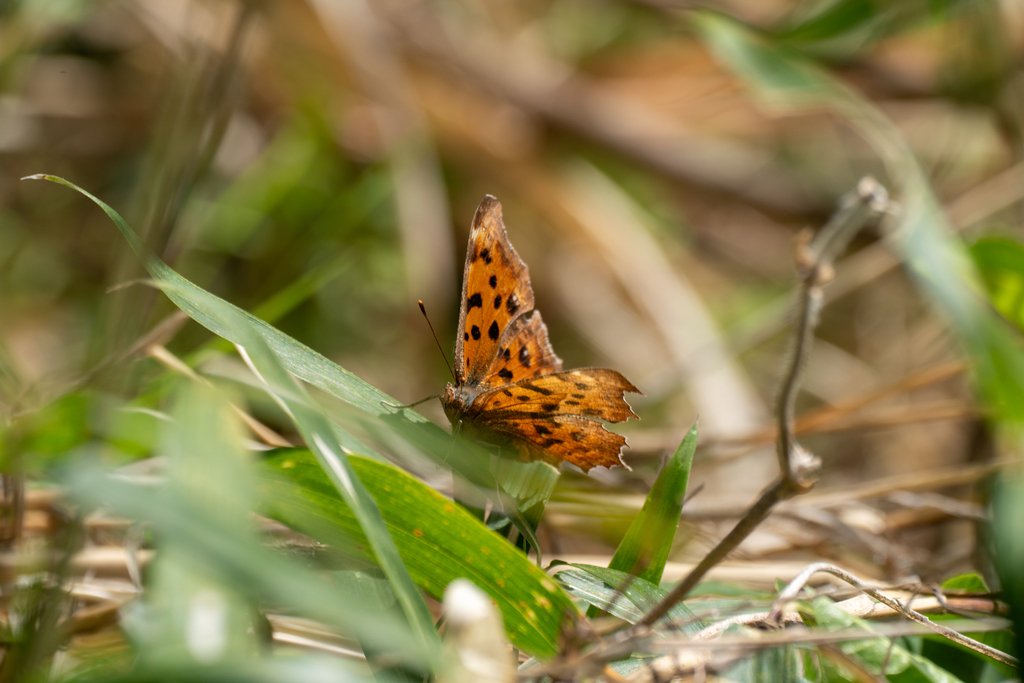
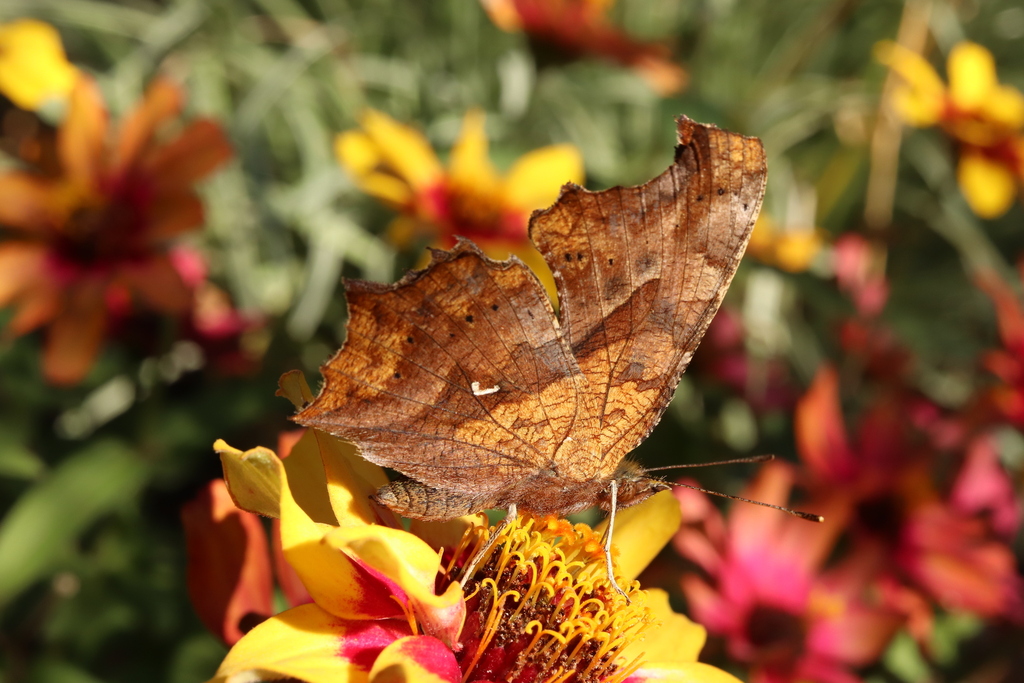
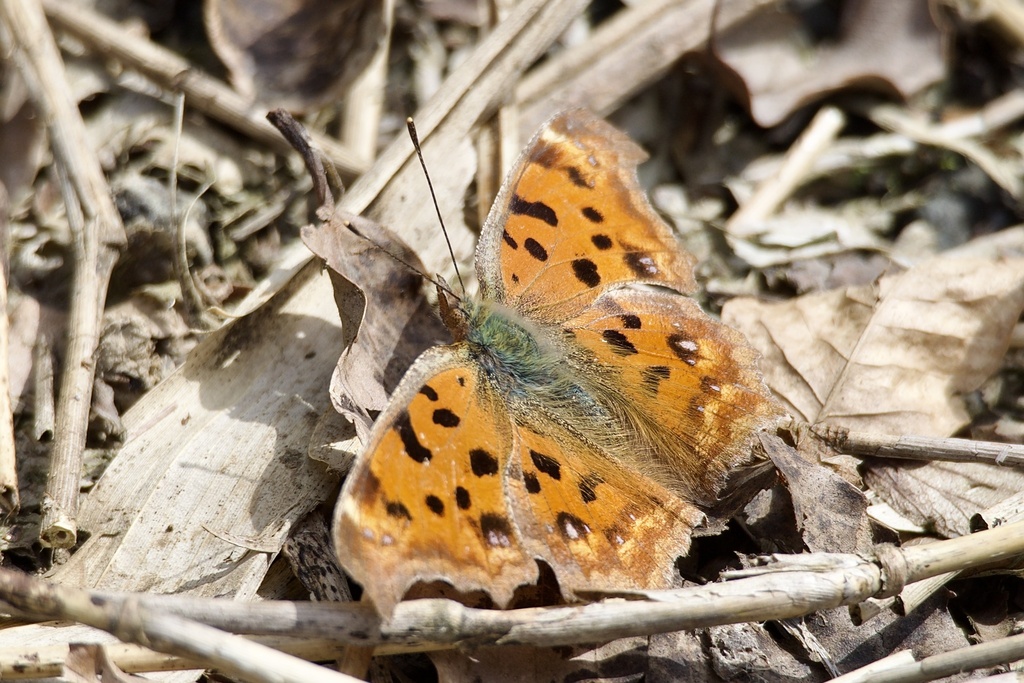
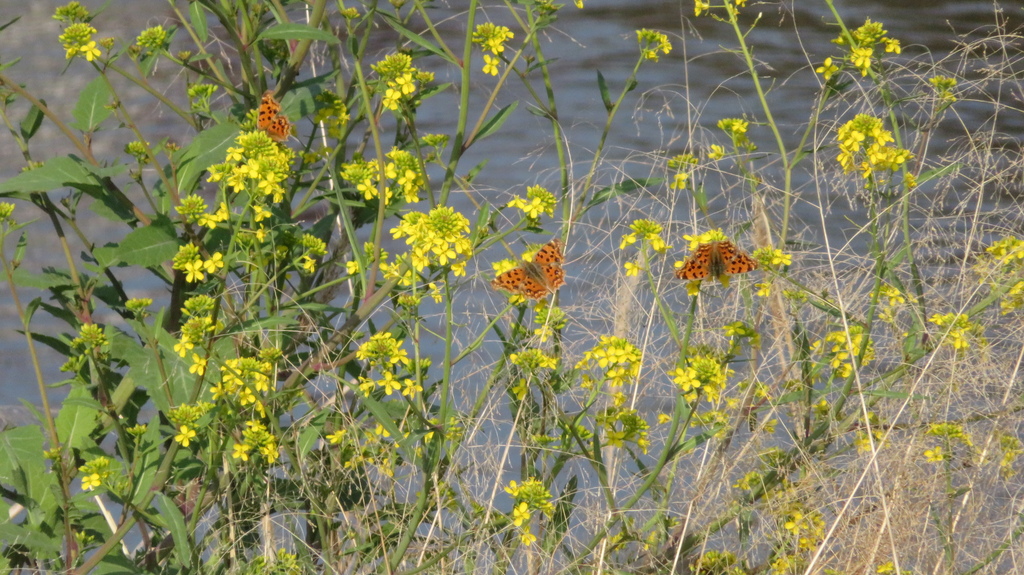
Its closest relatives
The other species of the genus Polygonia.
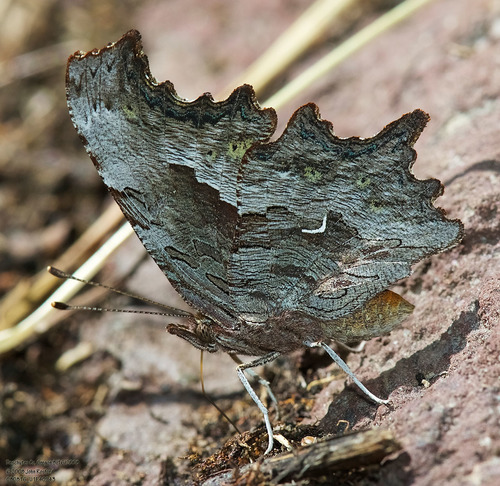
Seen an Asian comma?
Share your photo on iNaturalist. Other naturalists help confirm it, and the record goes to GBIF, where scientists use it and where the maps on this page come from.
Put this species on your site
The card names every source and links back here.
<iframe src="https://4planetatlas.com/place/embed/species/asian-comma" title="Asian comma (Polygonia c-aureum), 4PLANET Species" width="100%" height="600" style="border:0;max-width:640px" loading="lazy"></iframe>
<p><a href="https://4species.com/asian-comma">Asian comma on 4PLANET Species</a></p>Questions people ask
What does the Asian comma eat?
The Asian comma has been recorded eating 29 different kinds of animals and plants, most of them plants. The ones recorded most often are hemp, japanese hop, flax, common dandelion and rape; records include animals eaten as carrion. Source: GloBI.
Where does the Asian comma live?
People have recorded it in 9 countries; the most records come from China, South Korea, Japan, Taiwan and Russia. Records show where people have seen it, not its full range.
When is the Asian comma seen most?
In the northern hemisphere, the most records are made in October and the fewest in January. More people outdoors also means more records.
What are the Asian comma's closest relatives?
It shares the genus Polygonia with hoary comma.
Sources and photo credits
- GBIF · Polygonia c-aureum, 6,381 human observations
- GloBI · recorded interactions of Polygonia c-aureum
- Wikidata · Asian comma (Q1142130)
- Asian comma (Polygonia c-aureum): FUKUDA Kazuhito 福田一人, CC BY 4.0
- Asian comma (Polygonia c-aureum), 552台灣南投縣集集鎮集集: Yung-Lun Lin, CC BY 4.0
- Asian comma (Polygonia c-aureum), Kusanomachi, Kurume, Fukuoka, 日本: Yung-Lun Lin, CC BY 4.0
- Asian comma (Polygonia c-aureum), 日本、〒386-0017 長野県上田市踏入: Kōsuke Onoda, CC0
- Asian comma (Polygonia c-aureum), 日本、東京都多摩市和田なな山緑地: WATANABE Hitoshi 渡辺仁, CC BY 4.0
- Asian comma (Polygonia c-aureum), Нака, Иокогама, Канагава, Япония: Se Lena, CC BY 4.0
- Asian comma (Polygonia c-aureum), Honshu, Musashino, Tokyo, JP: donwerth-chikamatsu, CC BY 4.0
- Asian comma (Polygonia c-aureum), 上安, 舞鶴市, 京都府, JP: りなべる, CC BY 4.0
- Asian comma (Polygonia c-aureum), 日本、〒603-8135 京都府京都市北区出雲路俵町: yajapin, CC BY 4.0
- Hemp: Sarah Holmes, CC0
- Japanese hop: no rights reserved, uploaded by 葉子, CC0
- Flax: no rights reserved, uploaded by MadMagpie, CC0
- Common dandelion: Jason Grant, CC BY 4.0
- Rape: Pavel Kacl, CC BY 4.0
- Jerusalem artichoke: Patrick Hacker, CC BY 4.0
- Hop: Douglas Goldman, CC BY-SA 4.0
- False strawberry: Katrin Schneider / korina.info, CC BY-SA 4.0
- Henbit dead-nettle: Douglas Goldman, CC BY-SA 4.0
- Cobbler's pegs: no rights reserved, uploaded by 葉子, CC0
- Garden cosmos: zebedeugalinha, CC BY 4.0
- Eastern daisy fleabane: Douglas Goldman, CC BY-SA 4.0
- Hoary comma: John Rosford, CC BY 4.0
Records show where people have seen and shared the Asian comma, not its full range, and some countries and months are recorded far more than others. The food web lists interactions that studies have recorded somewhere in the world (GloBI), not everything it eats in one place.
Checked 2026-11-22.