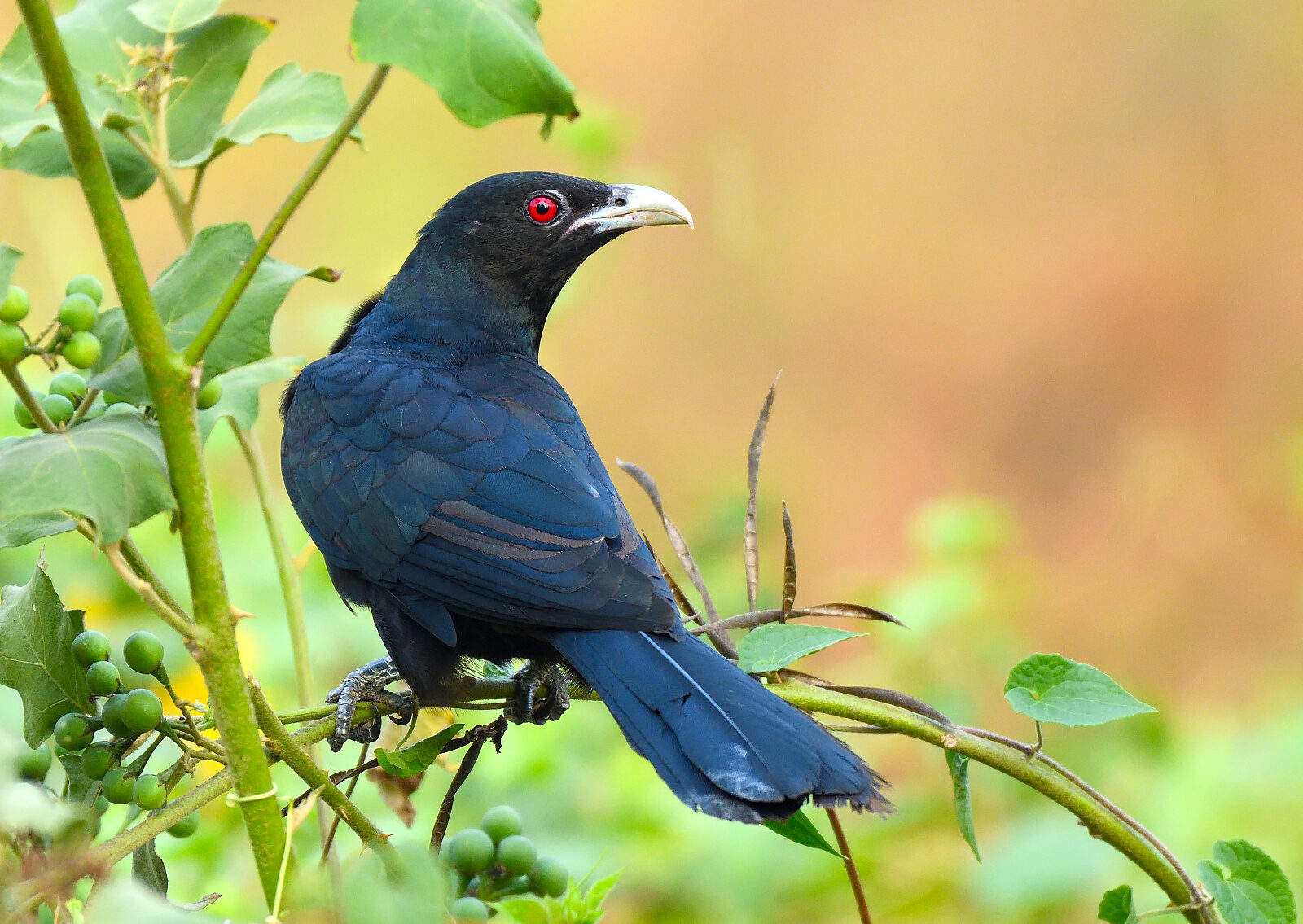
Asian koel
Eudynamys scolopaceus
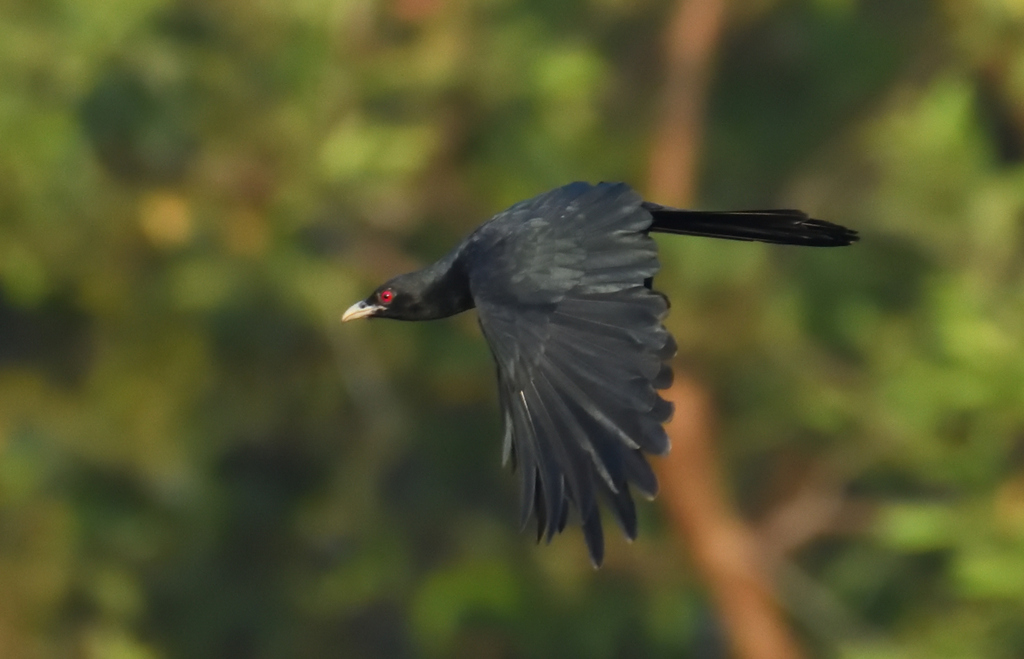
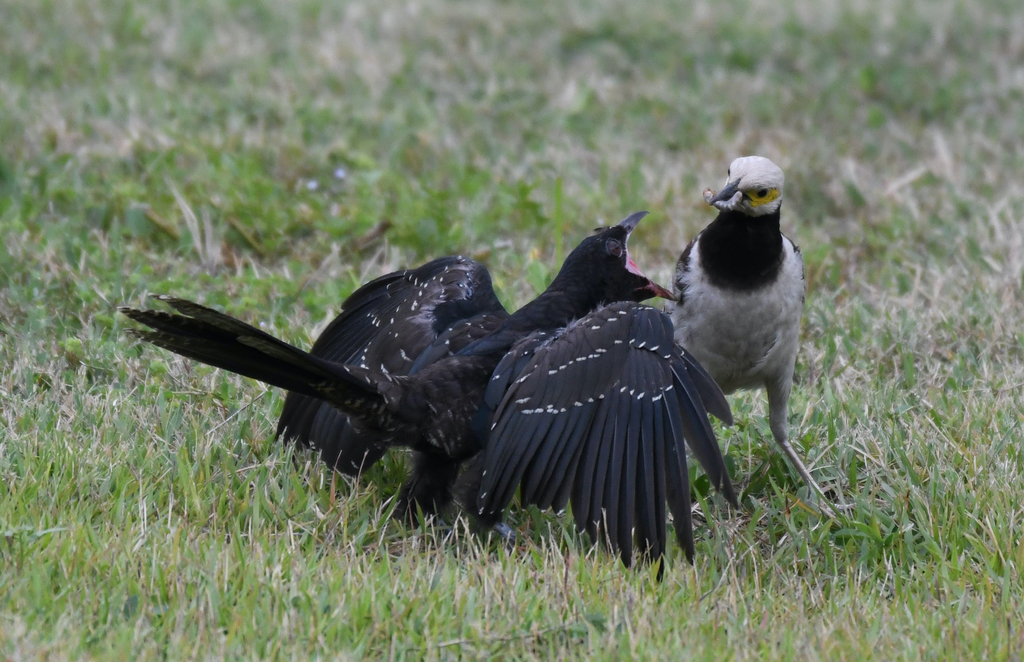
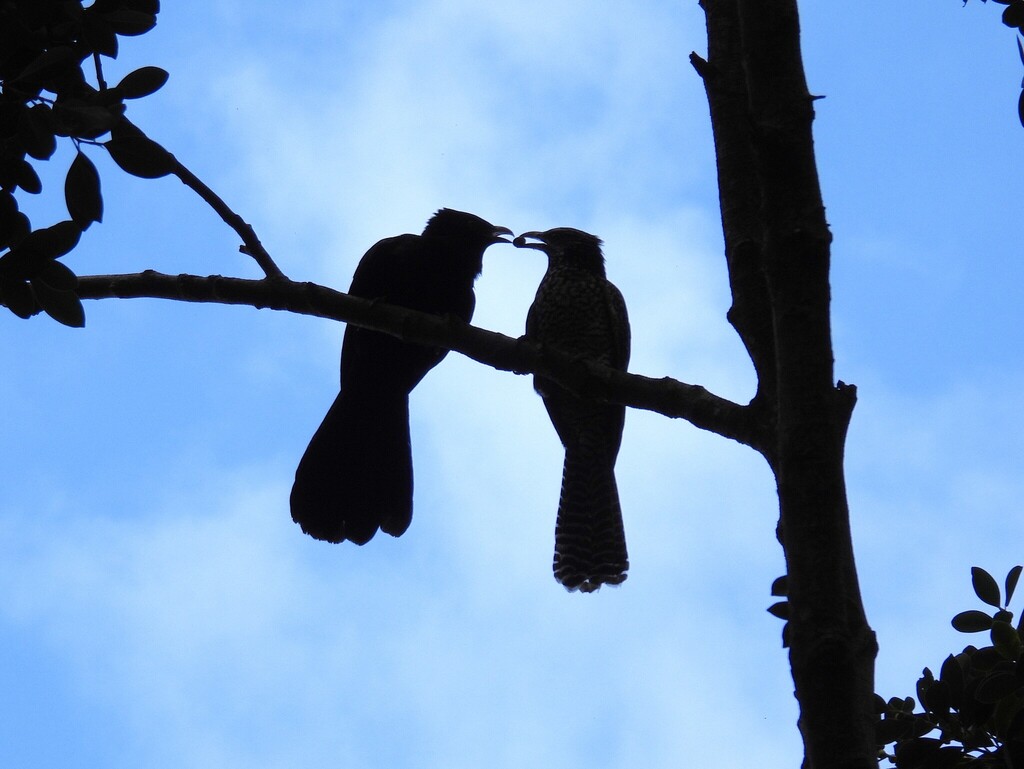
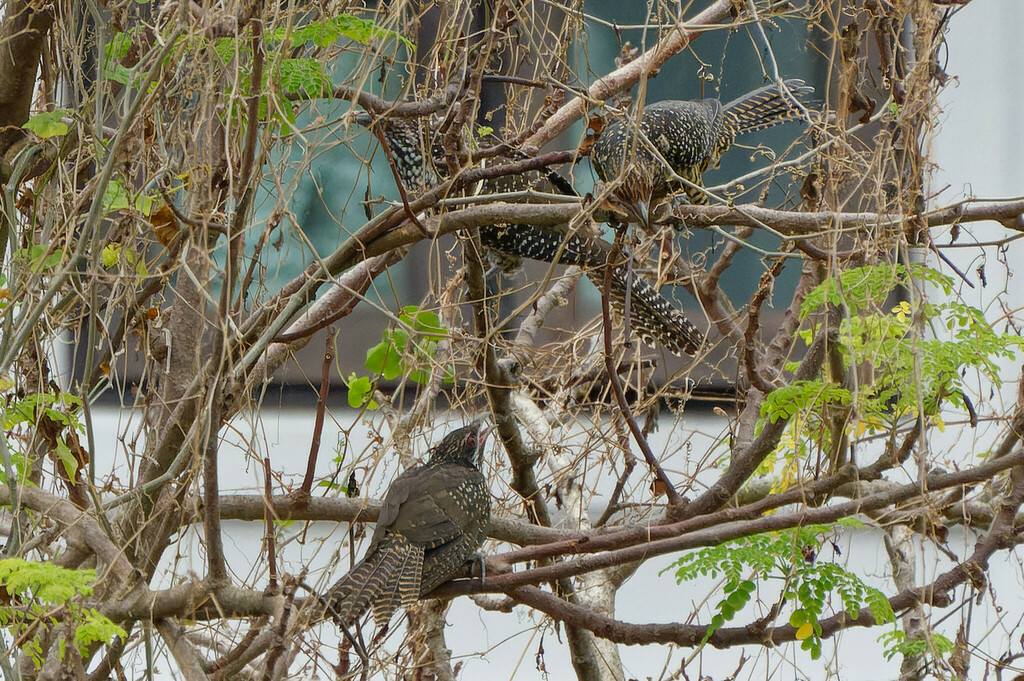
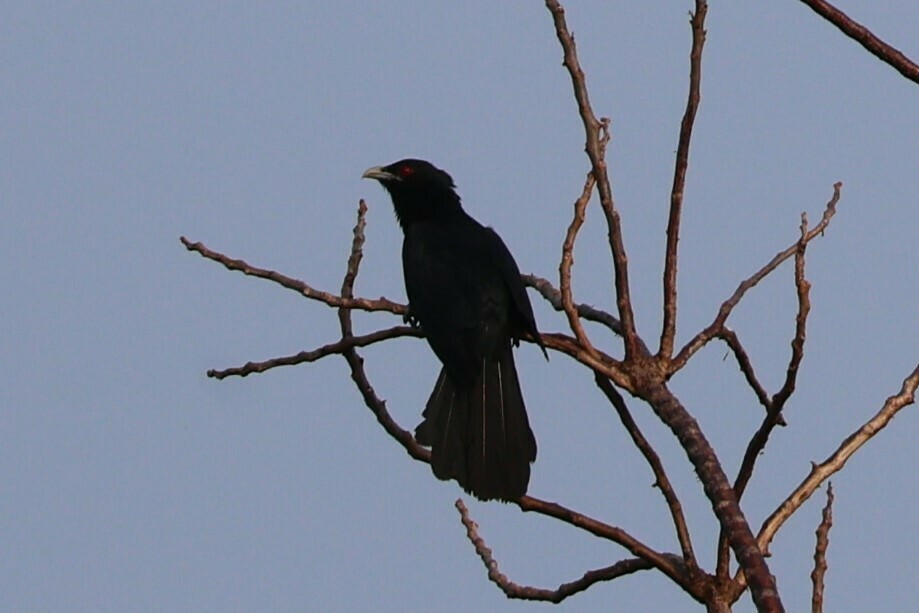
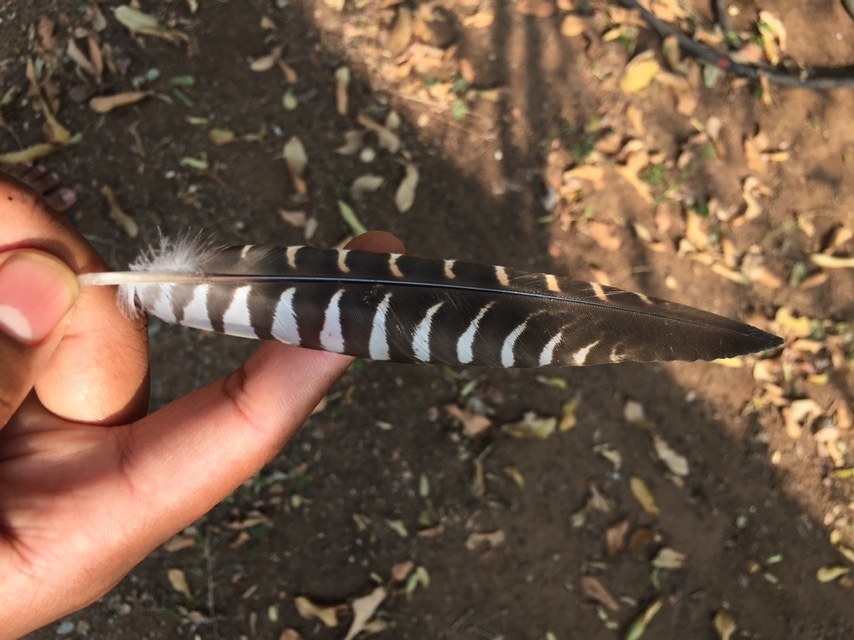
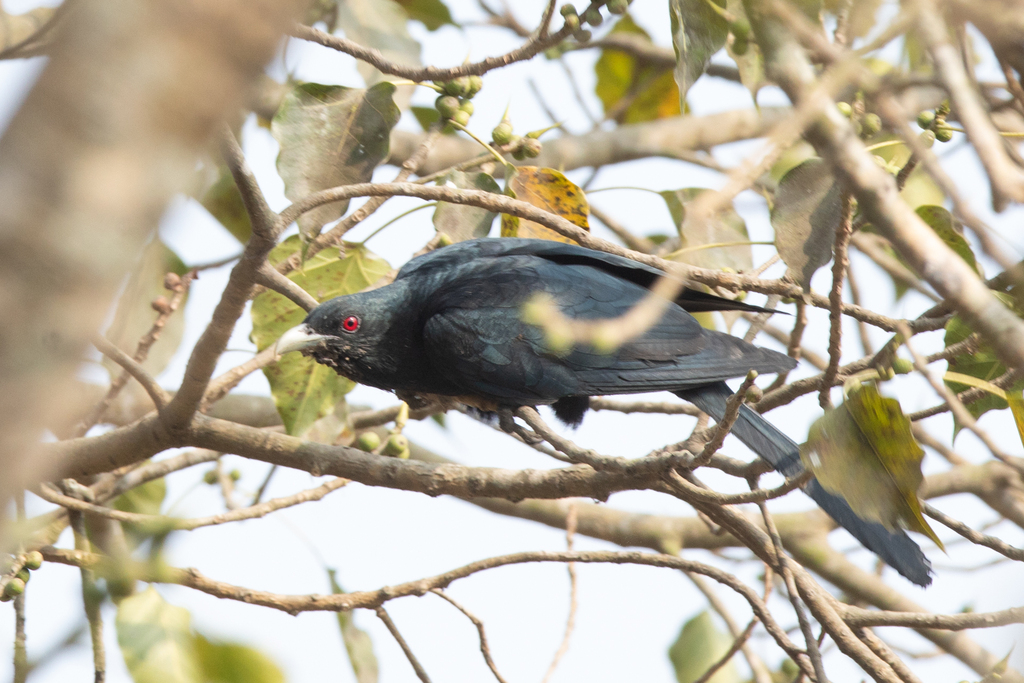
The male is glossy black with a red eye; its loud, rising call is a familiar sound of hot season mornings.
- Status
- Least Concern IUCN Red List
- Eats
- java plum, weeping fig, Pacific koel and 85 more
- Eaten by
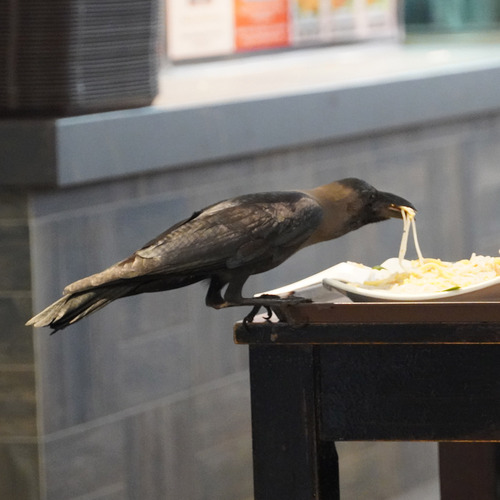
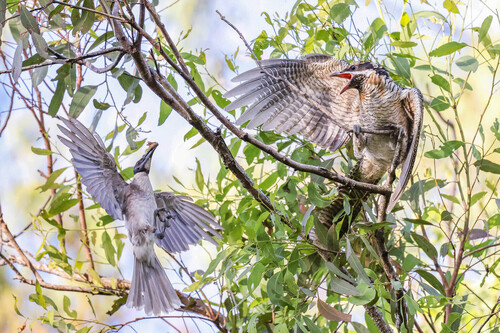
- house crow, Pacific koel
- Where
- 32 countries · tropical and subtropical moist broadleaf forests, shrubland
On 4Planet Atlas it is among the wildlife people record most around Canberra, Delhi and Mumbai, and 2 more of the cities we cover.
People have shared 1,078,637 records of the asian koel with GBIF, from 32 countries, most of them from India, Thailand and Sri Lanka. Records collected by GloBI show it eating 88 different kinds of animals and plants, and being eaten by 3.
Habitats
What the Asian koel eats, and what eats it
Studies have recorded it eating 88 kinds of animals and plants, and 3 kinds of animals eating it. Tap any of them to follow the food chain.
- Plants 79
- Birds 8
Eaten by
 Asian koel
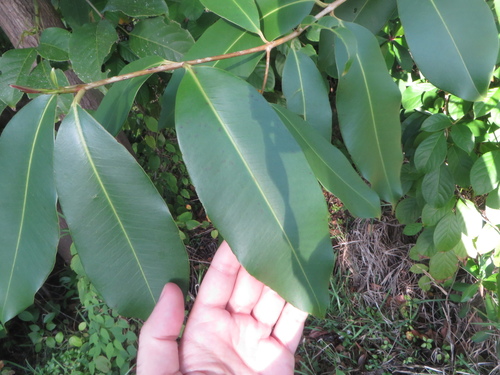
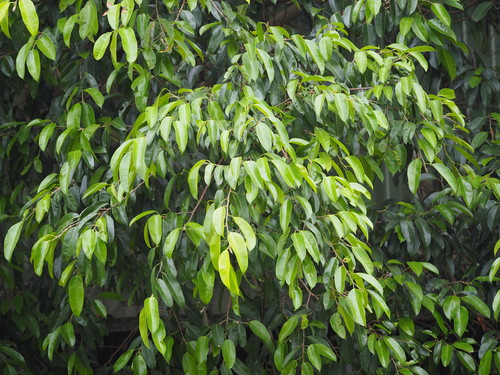

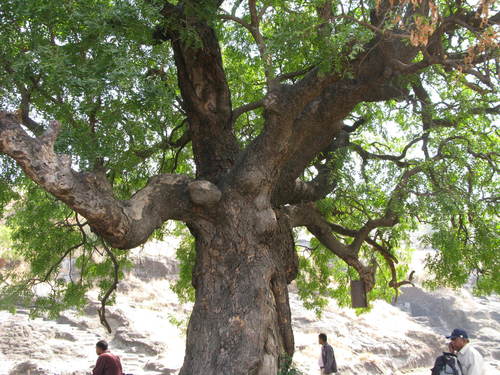
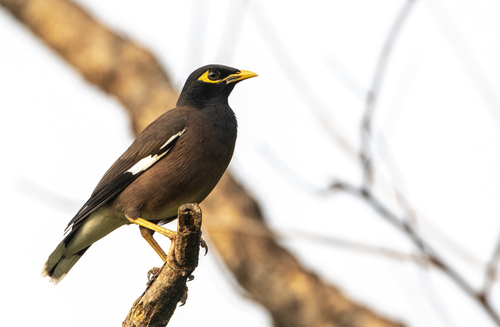
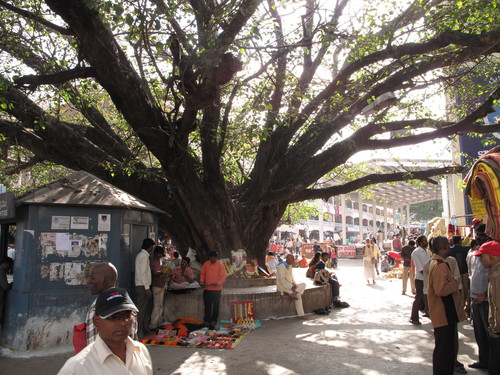
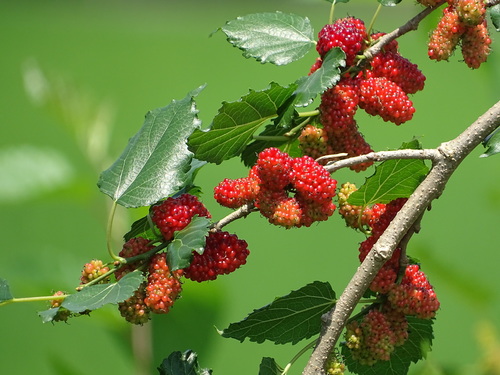


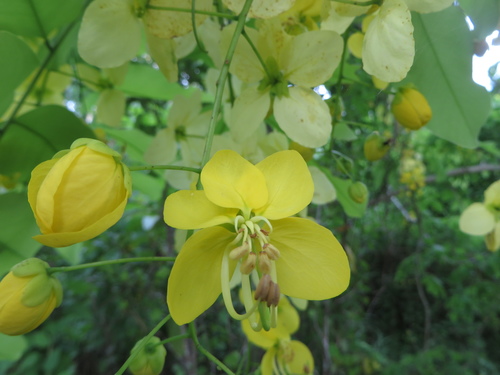
Records from studies worldwide, collected by GloBI. They include animals eaten as carrion, and they are not everything it eats in one place.
Where people see the Asian koel
People have shared 1,078,637 records from 32 countries.
Near a city: Canberra, Delhi, Mumbai, New Delhi, Sydney.
Records show where people have seen it and shared it, not its full range. Country names open their page in Atlas.
When it is seen
Records per month in the northern hemisphere. More people outdoors also means more records.
Watch and listen
Its closest relatives
The other species of the genus Eudynamys.
Seen a Asian koel?
Share your photo on iNaturalist. Other naturalists help confirm it, and the record goes to GBIF, where scientists use it and where the maps on this page come from.
Explore next
What puts the asian koel under pressure, what helps, and who works on it.


Questions people ask
What does the asian koel eat?
The asian koel has been recorded eating 88 different kinds of animals and plants, most of them plants and birds. The ones recorded most often are java plum, weeping fig, pacific koel, walsh river palm and neem; records include animals eaten as carrion. Source: GloBI.
What eats the asian koel?
Recorded predators include house crow and pacific koel. Source: GloBI.
Where does the asian koel live?
People have recorded it in 32 countries; the most records come from India, Thailand, Sri Lanka, Singapore and Hong Kong SAR China. Records show where people have seen it, not its full range.
When is the asian koel seen most?
In the northern hemisphere, the most records are made in February and the fewest in September. More people outdoors also means more records.
What are the asian koel's closest relatives?
It shares the genus Eudynamys with pacific koel.
Sources and photo credits
- GBIF · Eudynamys scolopaceus, 1,078,637 human observations
- GloBI · recorded interactions of Eudynamys scolopaceus
- Wikidata · Asian koel (Q798401)
- Asian koel (Eudynamys scolopaceus): Sunny Joseph, CC BY 4.0
- Asian koel (Eudynamys scolopaceus): Sunny Joseph, CC BY 4.0
- Asian koel (Eudynamys scolopaceus), Kitulgala, Sri Lanka: Christoph Moning, CC BY 4.0
- Asian koel (Eudynamys scolopaceus), Discovery Bay, Hong Kong: Yifei He 何一非, CC BY 4.0
- Asian koel (Eudynamys scolopaceus), Kowloon Tsai, Hong Kong: Stephen Matthews, CC0
- Asian koel (Eudynamys scolopaceus), Moo 7, Ao Nang, Mueang Krabi District, Krabi, Thaïlande: Donald Davesne, CC BY 4.0
- Asian koel (Eudynamys scolopaceus), Perumpalam, Kerala, India: Gannu03, CC BY-SA 4.0
- Asian koel (Eudynamys scolopaceus), Warangal, IN-TG, IN: Swarochi Tathagath, CC BY 4.0
- Asian koel (Eudynamys scolopaceus), Борджхар, Гувахати, Ассам, Индия: egorbirder, CC BY 4.0
- Java plum: Ben Machado, CC BY 4.0
- Weeping fig: no rights reserved, uploaded by 葉子, CC0
- Pacific koel: Ged Tranter, CC BY 4.0
- Walsh river palm: coenobita, CC BY 4.0
- Neem: Yoav Daniel Bar-Ness, CC BY 4.0
- Common myna: David F. Belmonte, CC BY 4.0
- Peepul tree: Yoav Daniel Bar-Ness, CC BY 4.0
- White mulberry: no rights reserved, uploaded by 葉子, CC0
- Indian sandalwood: Manoj Karingamadathil, CC BY-SA 4.0
- Common lantana: no rights reserved, uploaded by Dave Brown, CC0
- Indian banyan: jess n, CC BY-SA 4.0
- Golden shower: Ben Machado, CC BY 4.0
- House crow: nbasargin, CC BY 4.0
Records show where people have seen and shared the asian koel, not its full range, and some countries and months are recorded far more than others. The food web lists interactions that studies have recorded somewhere in the world (GloBI), not everything it eats in one place.
Checked 2026-11-22.