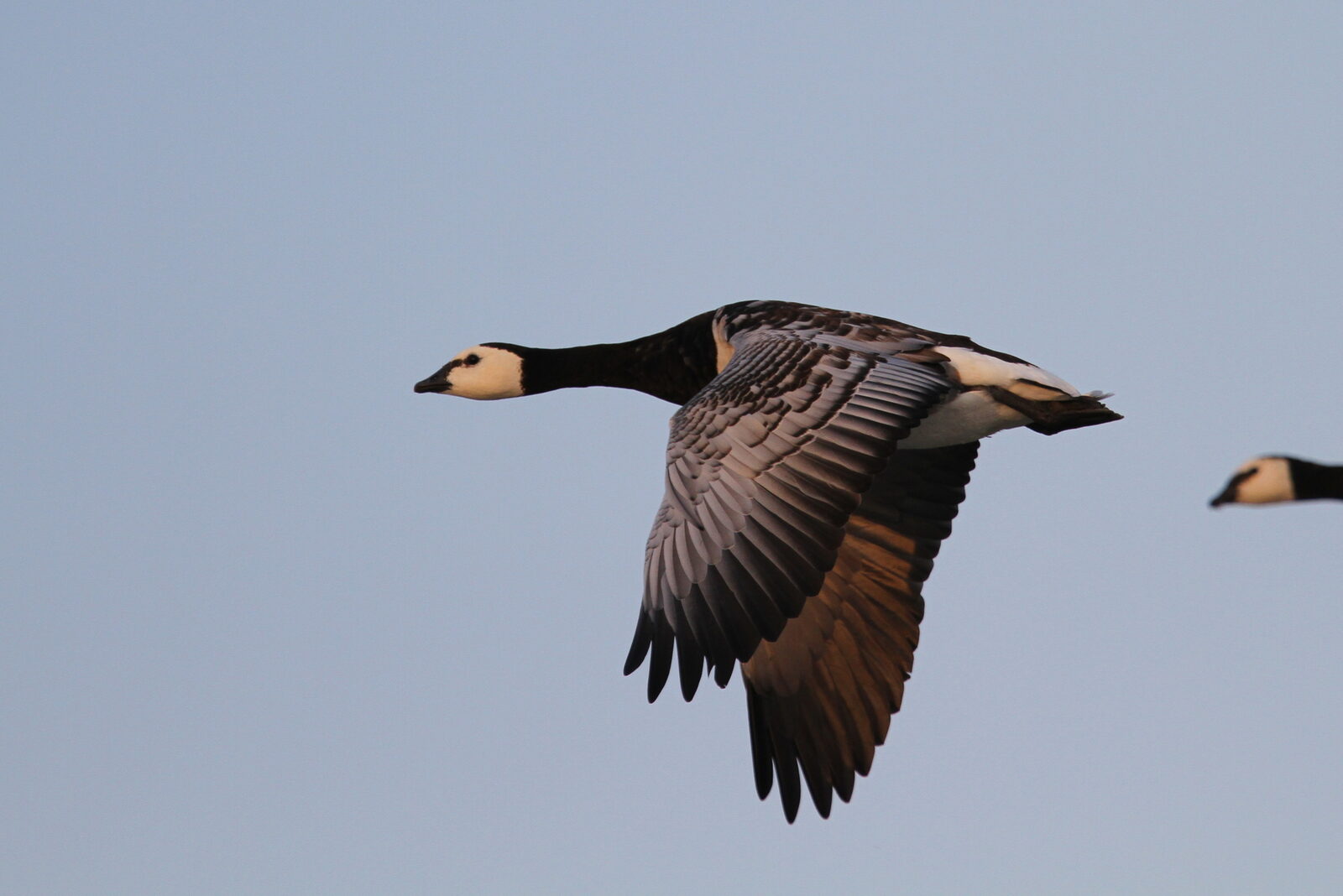
Barnacle goose
Branta leucopsis
A small goose with a white face and black neck that winters in big flocks.
- Status
- Least Concern IUCN Red List
- Eats
- white clover, wood bluegrass, crab apple and 204 more
- Where
- 51 countries · tundra
On 4Planet Atlas it is among the wildlife people record most around Amsterdam, Bergen and Copenhagen, and 7 more of the cities we cover.
People have shared 210,838 records of the barnacle goose with GBIF, from 51 countries, most of them from United Kingdom, Sweden and Finland. Records collected by GloBI show it eating 207 different kinds of animals and plants, and being eaten by 24.
Habitats
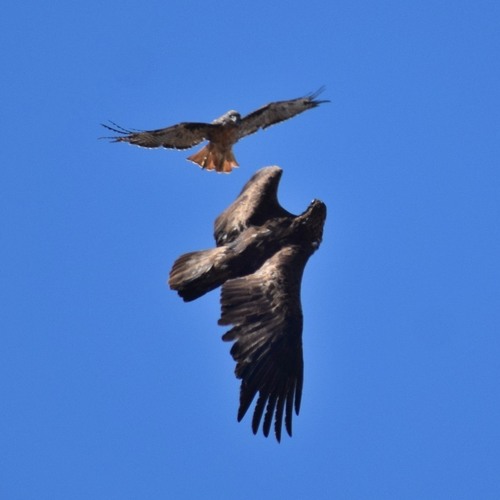
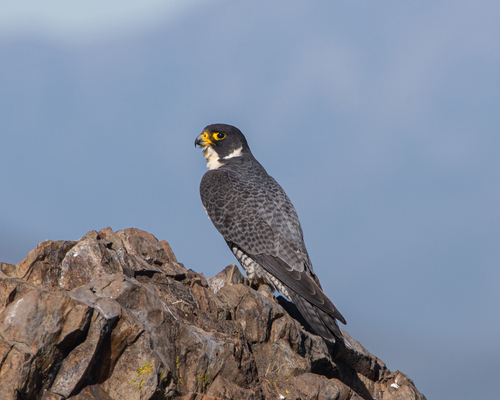
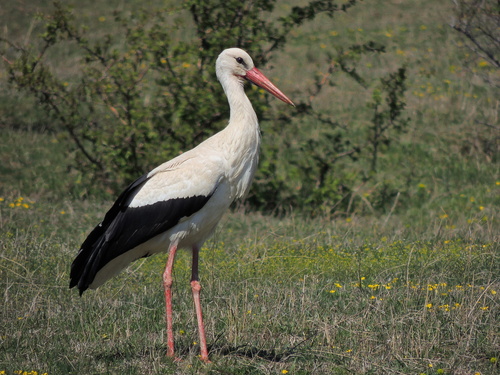
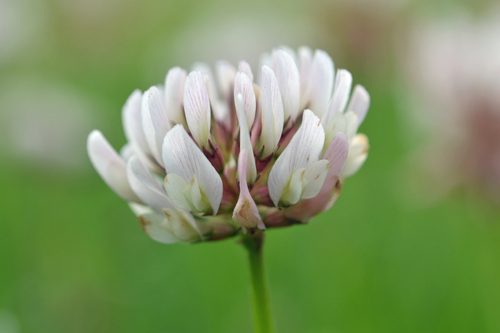
What the barnacle goose eats, and what eats it
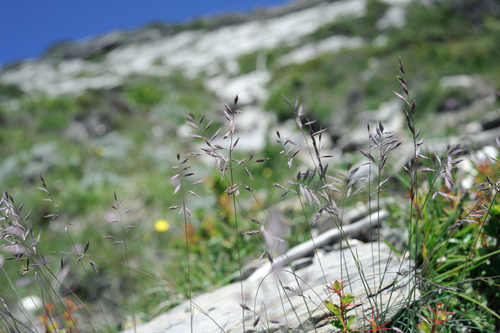
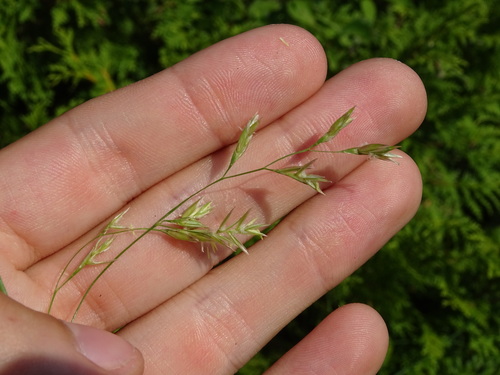
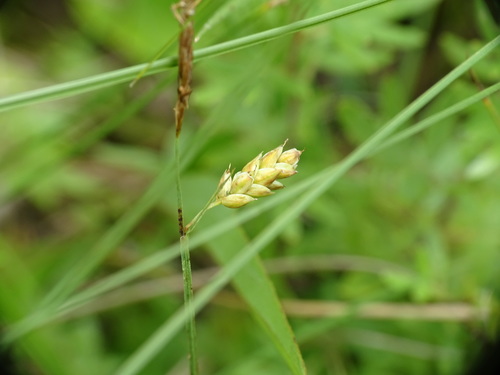
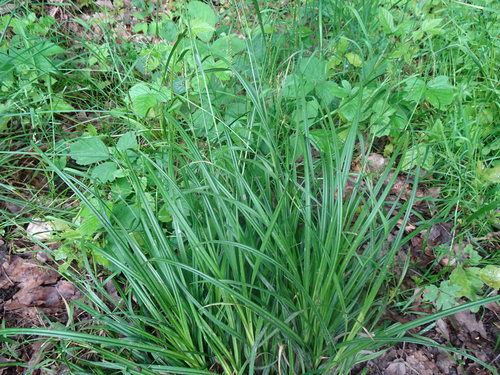
Studies have recorded it eating 207 kinds of animals and plants, and 24 kinds of animals eating it. Tap any of them to follow the food chain.
- Plants 192


 Barnacle goose

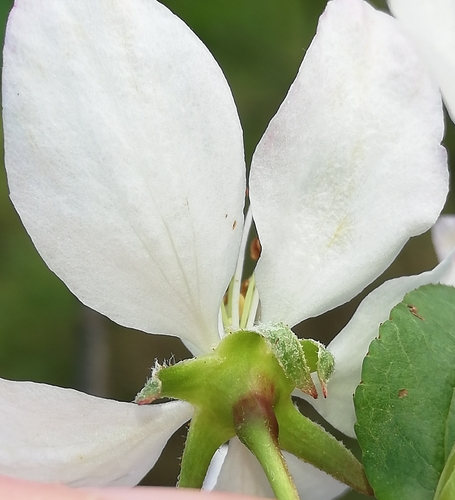
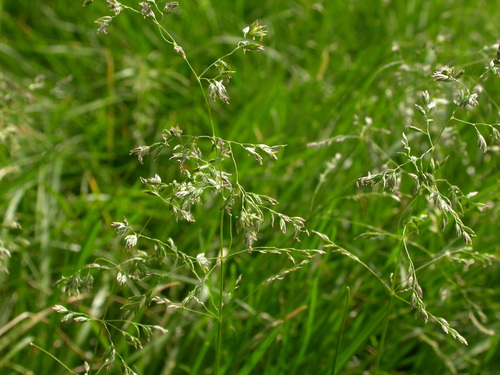
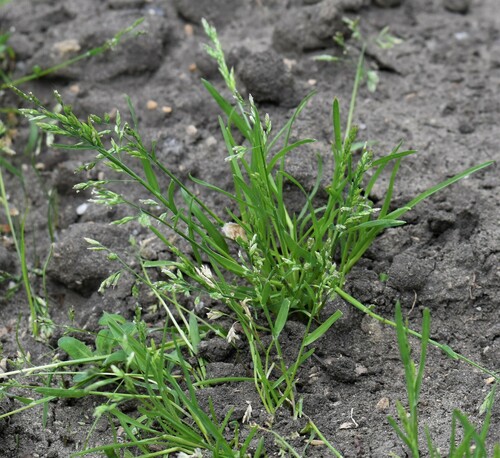
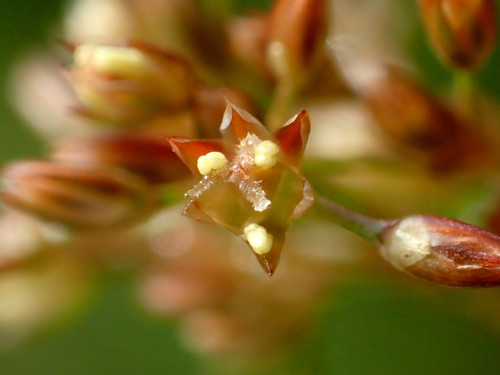

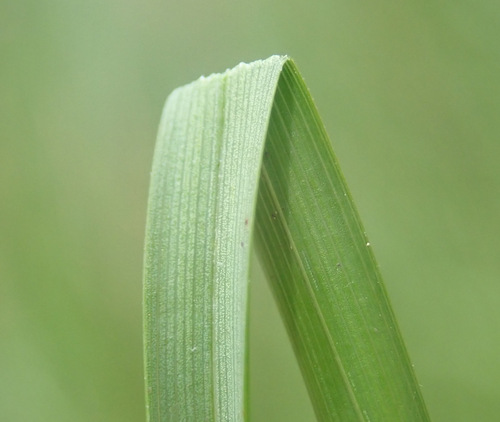
Records from studies worldwide, collected by GloBI. They include animals eaten as carrion, and they are not everything it eats in one place.
Where people see the barnacle goose
People have shared 210,838 records from 51 countries.
Near a city: Amsterdam, Bergen, Copenhagen, Helsinki, Moscow, Oslo, Reykjavík, Riga, Stockholm, Tallinn.
Records show where people have seen it and shared it, not its full range. Country names open their page in Atlas.
When it is seen
Records per month in the northern hemisphere. More people outdoors also means more records.
Watch and listen
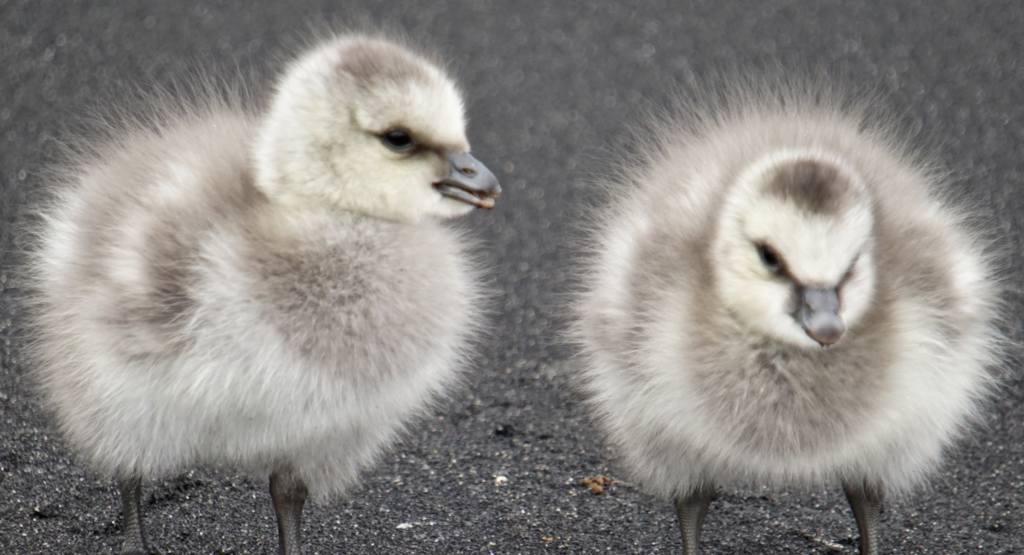
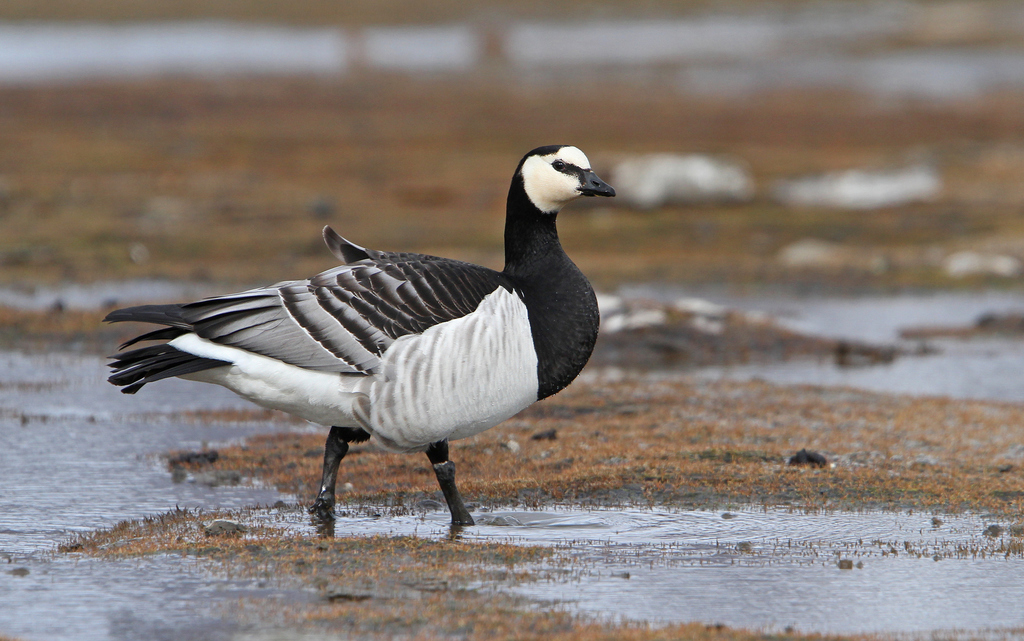
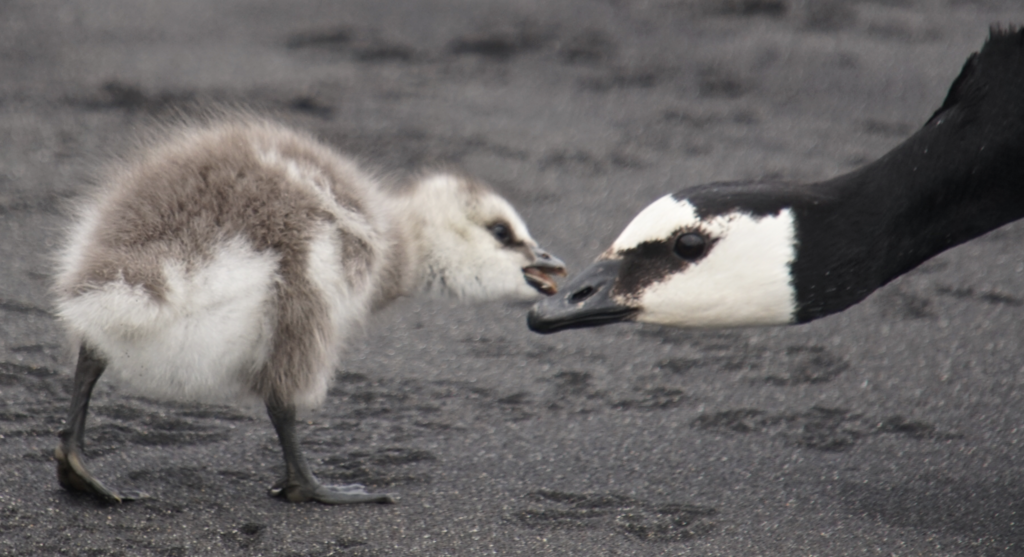
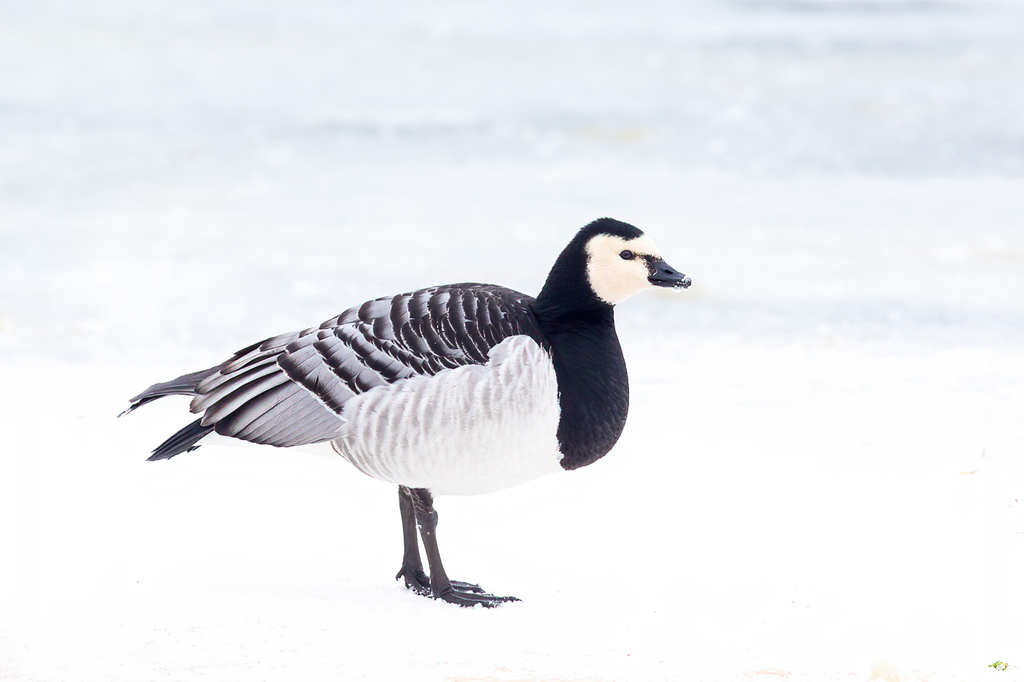
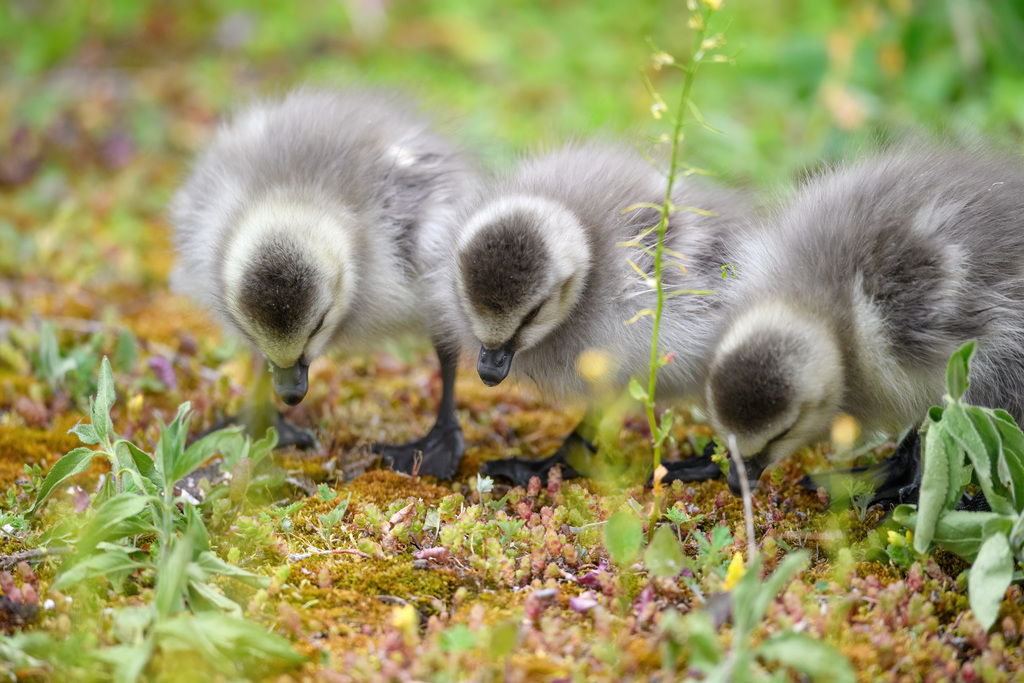
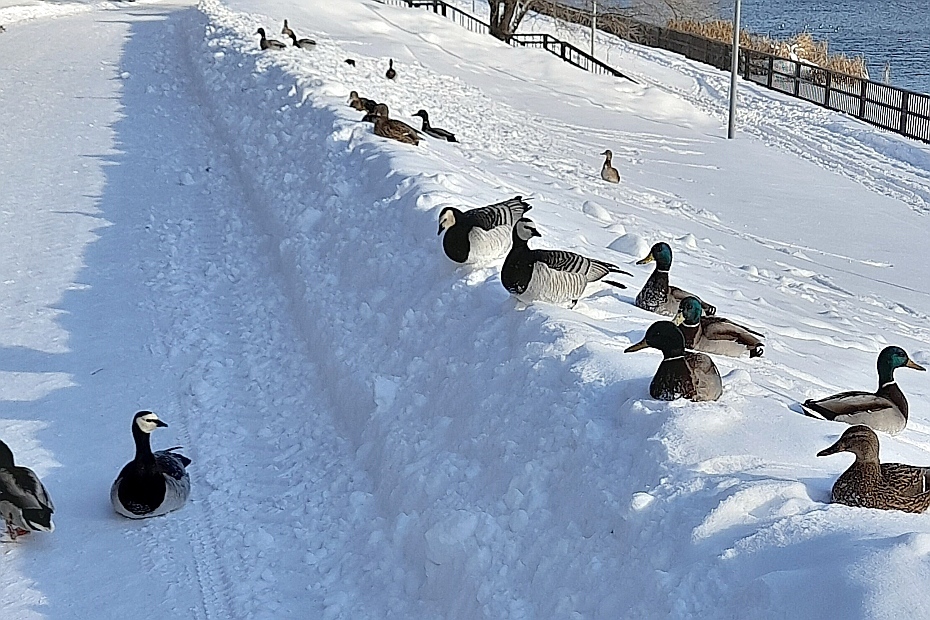
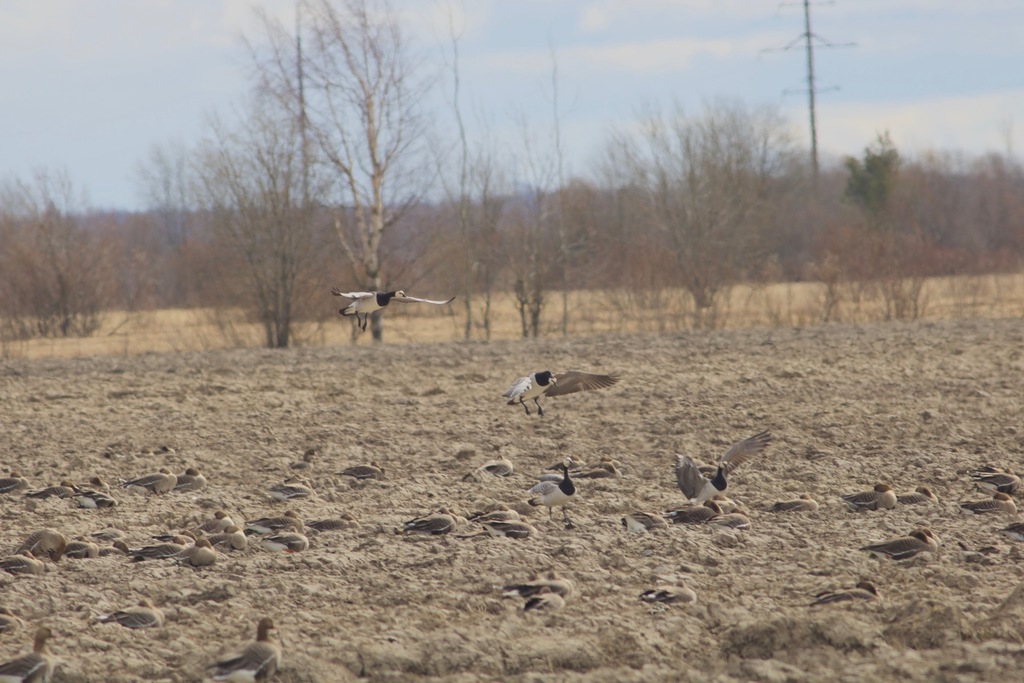
Its closest relatives
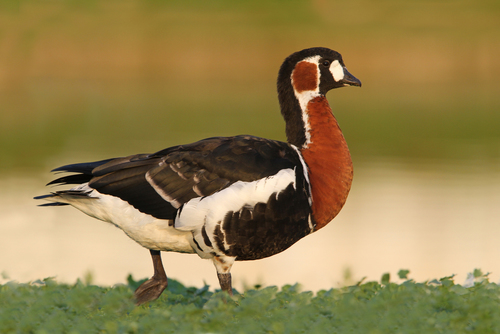
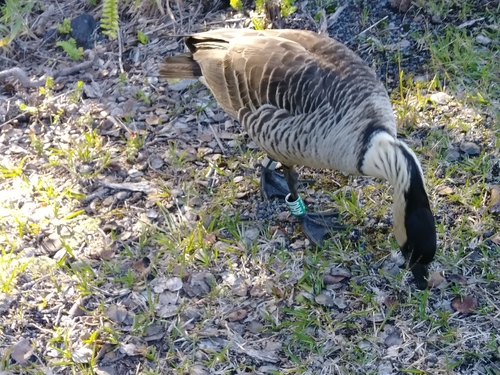
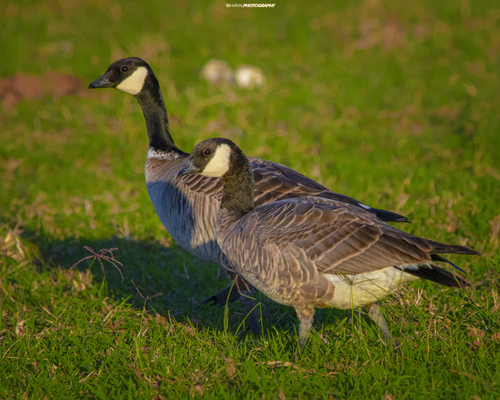
The other species of the genus Branta.
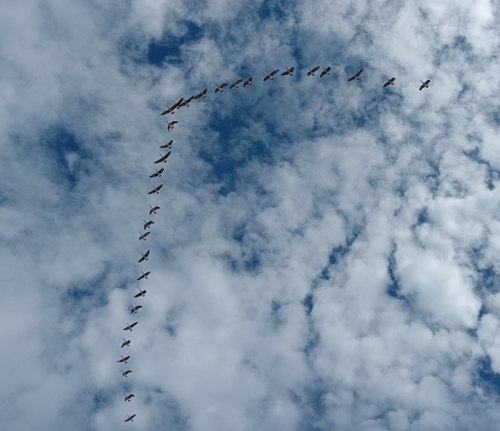
Seen a barnacle goose?
Share your photo on iNaturalist. Other naturalists help confirm it, and the record goes to GBIF, where scientists use it and where the maps on this page come from.
Put this species on your site
The card names every source and links back here.
<iframe src="https://4planetatlas.com/place/embed/species/barnacle-goose" title="Barnacle goose (Branta leucopsis), 4PLANET Species" width="100%" height="600" style="border:0;max-width:640px" loading="lazy"></iframe>
<p><a href="https://4species.com/barnacle-goose">Barnacle goose on 4PLANET Species</a></p>Explore next
What puts the barnacle goose under pressure, what helps, and who works on it.
Questions people ask
What does the barnacle goose eat?
The barnacle goose has been recorded eating 207 different kinds of animals and plants, most of them plants. The ones recorded most often are white clover, wood bluegrass, crab apple, kentucky bluegrass and annual bluegrass; records include animals eaten as carrion. Source: GloBI.
What eats the barnacle goose?
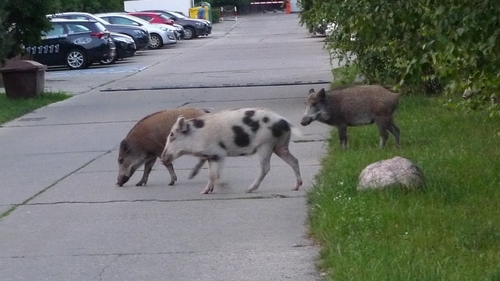
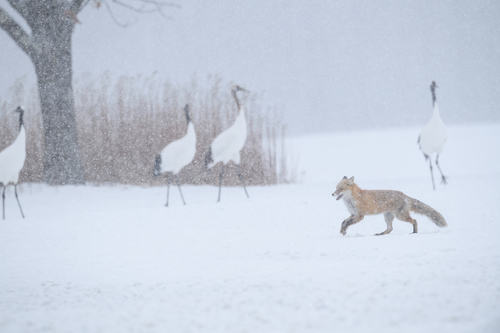
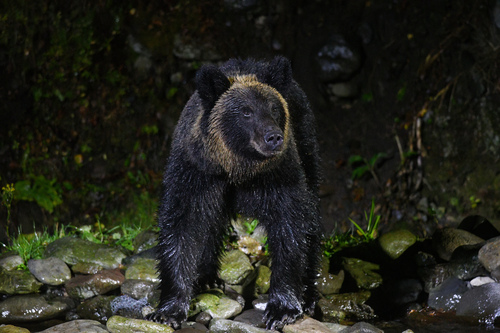
Recorded predators include grey wolf, wild boar, red fox, brown bear and northern raven. Source: GloBI.
Where does the barnacle goose live?
People have recorded it in 51 countries; the most records come from United Kingdom, Sweden, Finland, Netherlands and Germany. Records show where people have seen it, not its full range.
When is the barnacle goose seen most?
In the northern hemisphere, the most records are made in May and the fewest in July. More people outdoors also means more records.
What are the barnacle goose's closest relatives?
It shares the genus Branta with canada goose, red-breasted goose, nene, cackling goose and nēnē-nui.
Sources and photo credits
- GBIF · Branta leucopsis, 210,838 human observations
- GloBI · recorded interactions of Branta leucopsis
- Wikidata · Barnacle goose (Q26680)
- Barnacle goose (Branta leucopsis): Christoph Moning, CC BY 4.0
- Barnacle goose (Branta leucopsis): Karen (with occasional help from Mike), CC BY 4.0
- Barnacle goose (Branta leucopsis): Christoph Moning, CC BY 4.0
- Barnacle goose (Branta leucopsis): Karen (with occasional help from Mike), CC BY 4.0
- Barnacle goose (Branta leucopsis): egorbirder, CC BY 4.0
- Barnacle goose (Branta leucopsis), Nesodden Municipality, Norway: Morten Ross, CC BY 4.0
- Barnacle goose (Branta leucopsis), Юго-Восточный административный округ, Москва, Россия: Георгий Виноградов (Georgy Vinogradov), CC BY 4.0
- Barnacle goose (Branta leucopsis), Олонецкий р-н, Респ. Карелия, Россия: Vsevolod Rudyi, CC BY 4.0
- White clover: Conall, CC BY 4.0
- Wood bluegrass: Douglas Goldman, CC BY-SA 4.0
- Crab apple: no rights reserved, uploaded by Thomas, CC0
- Kentucky bluegrass: Matt Lavin, CC BY-SA 4.0
- Annual bluegrass: Eric Lamb, CC BY 4.0
- Soft rush: no rights reserved, uploaded by 葉子, CC0
- Red fescue: Forest and Kim Starr, CC BY 4.0
- Sheep fescue: Cheng-Tao Lin, CC BY 4.0
- Grass: Reuven Martin, CC0
- Mud sedge: Reuven Martin, CC0
- European woodland sedge: Robert H. Wardell, CC0
- Common sedge: Thomas Gyselinck, CC BY 4.0
- Grey wolf: Andrew Simon, CC BY 4.0
- Wild boar: aga_l_, CC BY 4.0
- Red fox: Morten Ross, CC BY 4.0
- Brown bear: Nathan Ruser, CC BY 4.0
- Northern raven: xulescu_g, CC BY-SA 4.0
- Golden eagle: Anne Parsons, CC0
- Peregrine falcon: Nicolás Villaseca Merino, CC BY-SA 4.0
- White stork: xulescu_g, CC BY-SA 4.0
- Canada goose: John Barkla, CC BY 4.0
- Red-breasted goose: Christoph Moning, CC BY 4.0
- Nene: Daval Davis, CC BY 4.0
- Cackling goose: MarvalPhotography19, CC BY 4.0
Records show where people have seen and shared the barnacle goose, not its full range, and some countries and months are recorded far more than others. The food web lists interactions that studies have recorded somewhere in the world (GloBI), not everything it eats in one place.
Checked 2026-11-22.