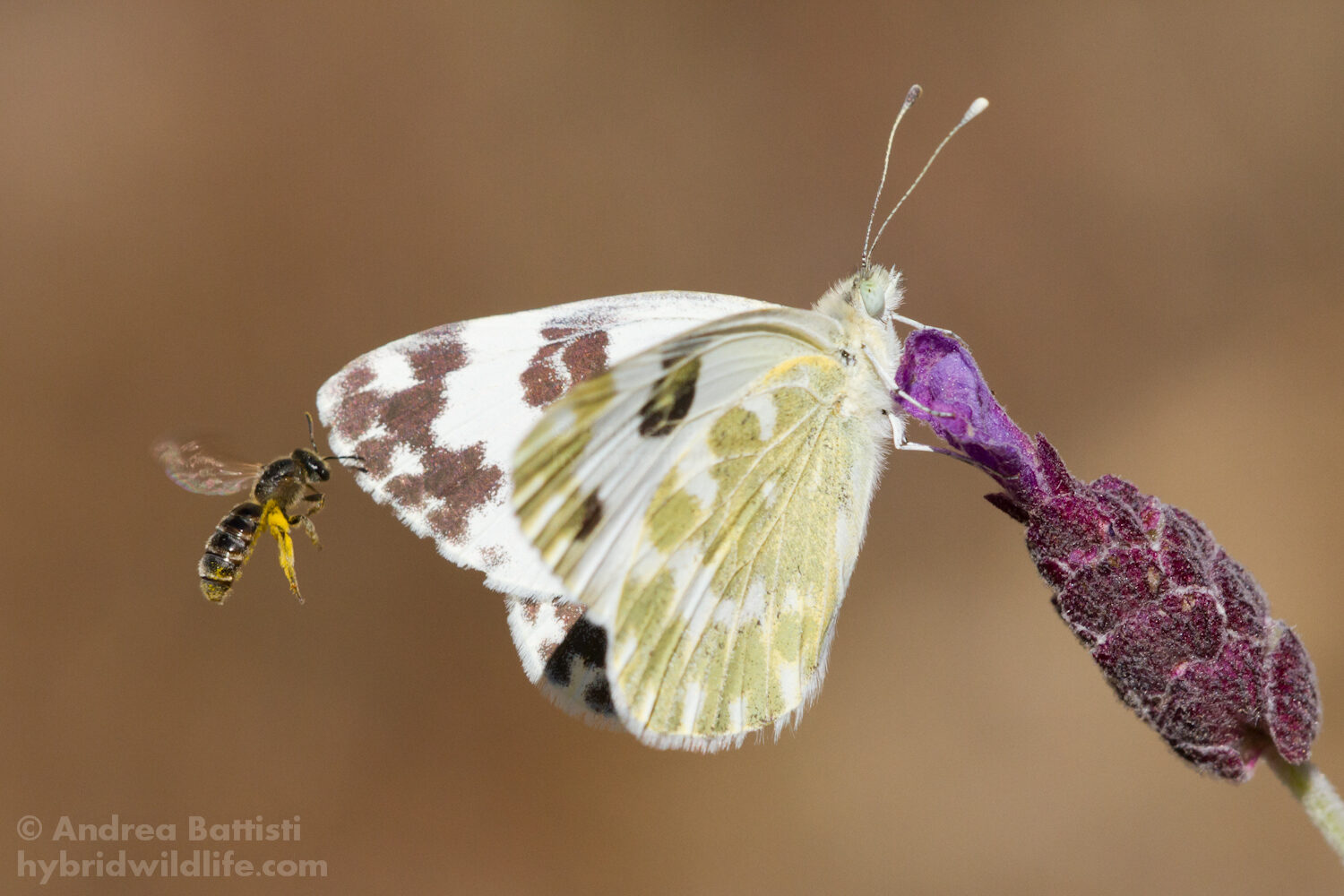
Bath white
Pontia daplidice
- Status
- Least Concern IUCN Red List
- Eats
- cultivated radish, rosemary, garden thyme and 15 more
- Where
- 18 countries
On 4Planet Atlas it is among the wildlife people record most around Asmara, Damascus and Marrakech, and 1 more of the cities we cover.
People have shared 6,878 records of the bath white with GBIF, from 18 countries, most of them from Spain, France and Portugal. Records collected by GloBI show it eating 18 different kinds of animals and plants.
What the bath white eats, and what eats it
Studies have recorded it eating 18 kinds of animals and plants. Tap any of them to follow the food chain.
- Plants 18
Bath white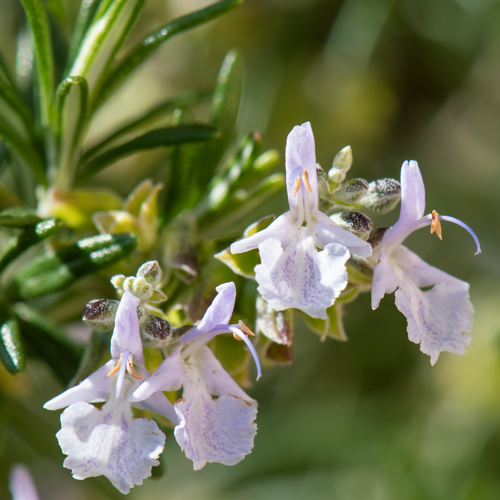
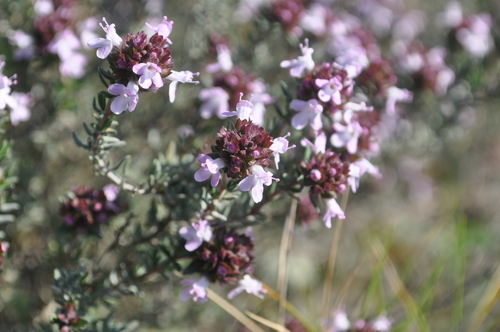
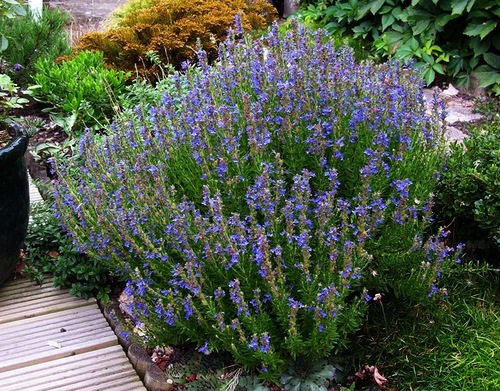
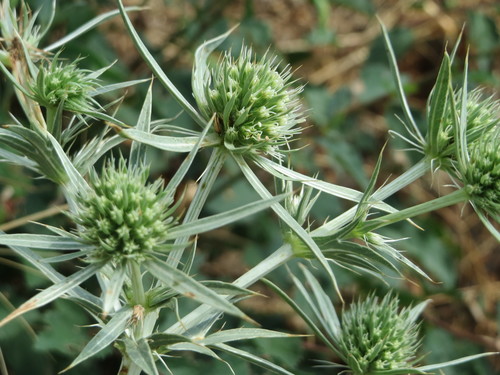

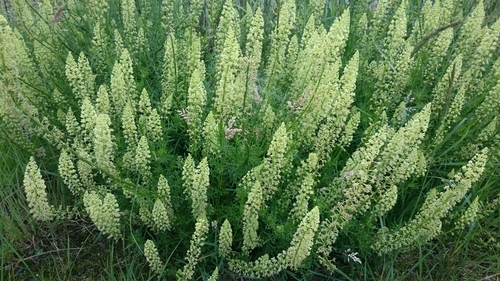
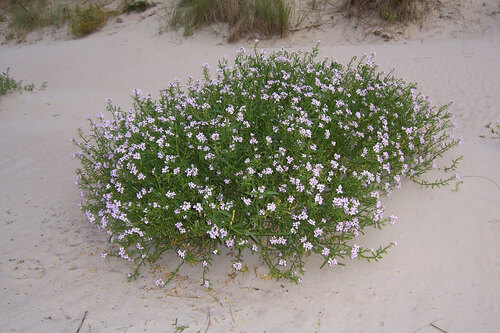
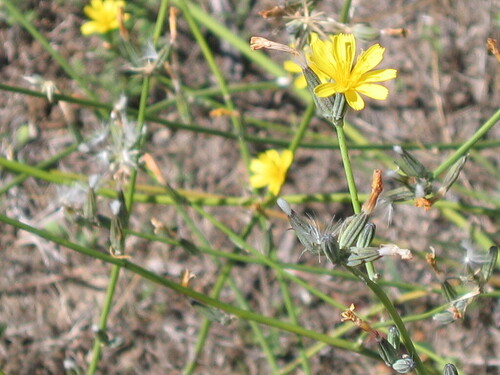
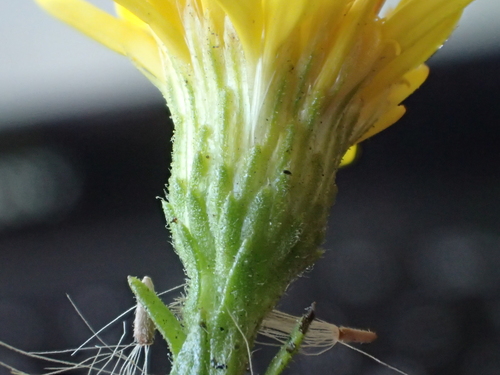
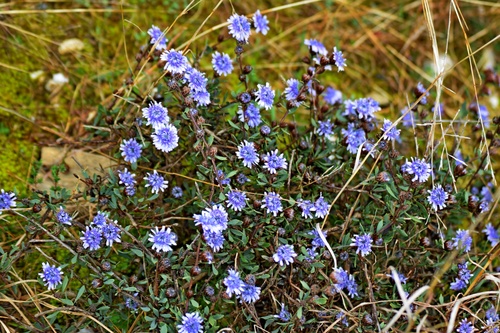
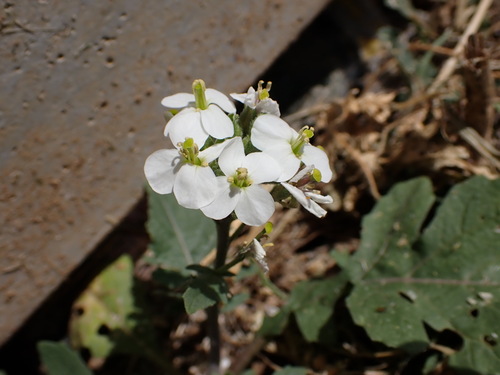
Records from studies worldwide, collected by GloBI. They include animals eaten as carrion, and they are not everything it eats in one place.
Where people see the bath white
People have shared 6,878 records from 18 countries.
Near a city: Asmara, Damascus, Marrakech, Nicosia.
Records show where people have seen it and shared it, not its full range. Country names open their page in Atlas.
When it is seen
Records per month in the northern hemisphere. More people outdoors also means more records.
Watch and listen

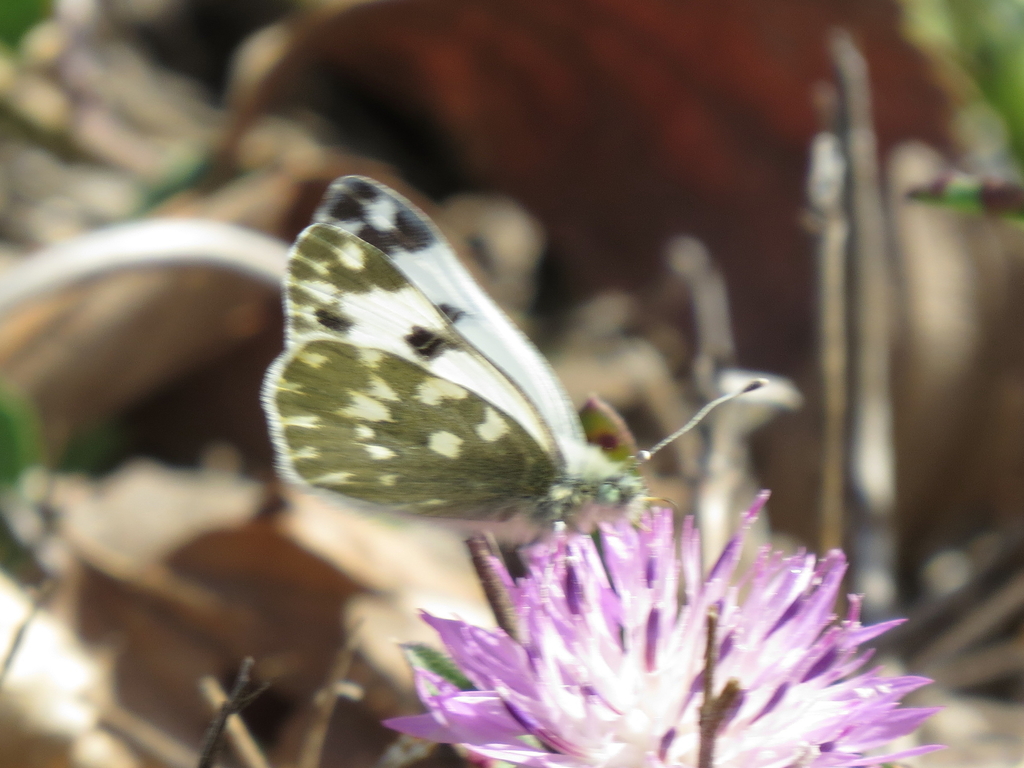
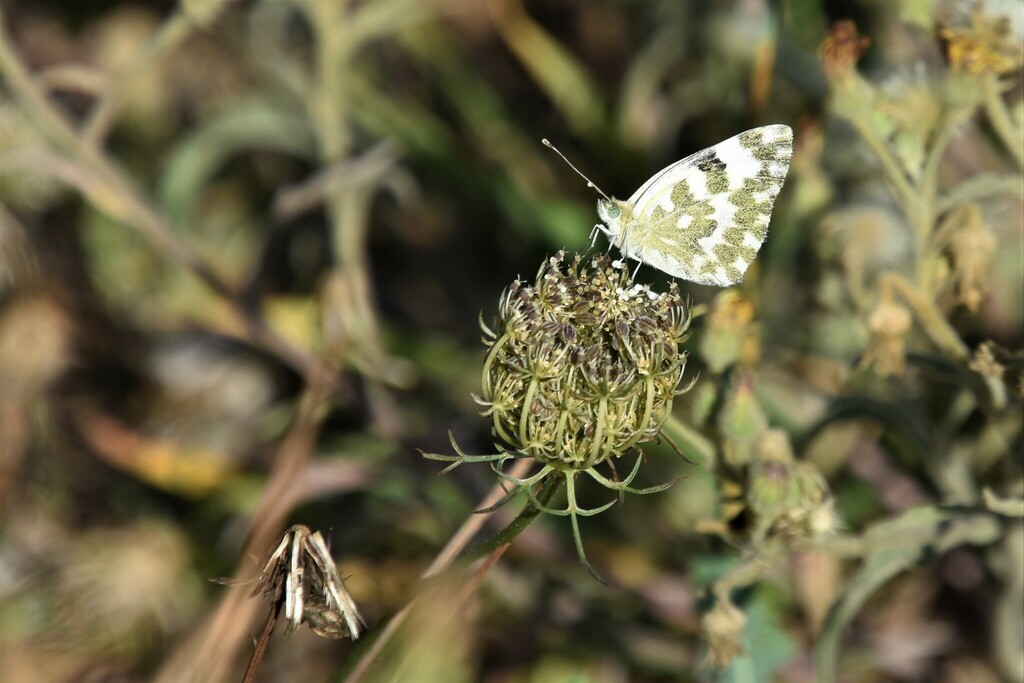
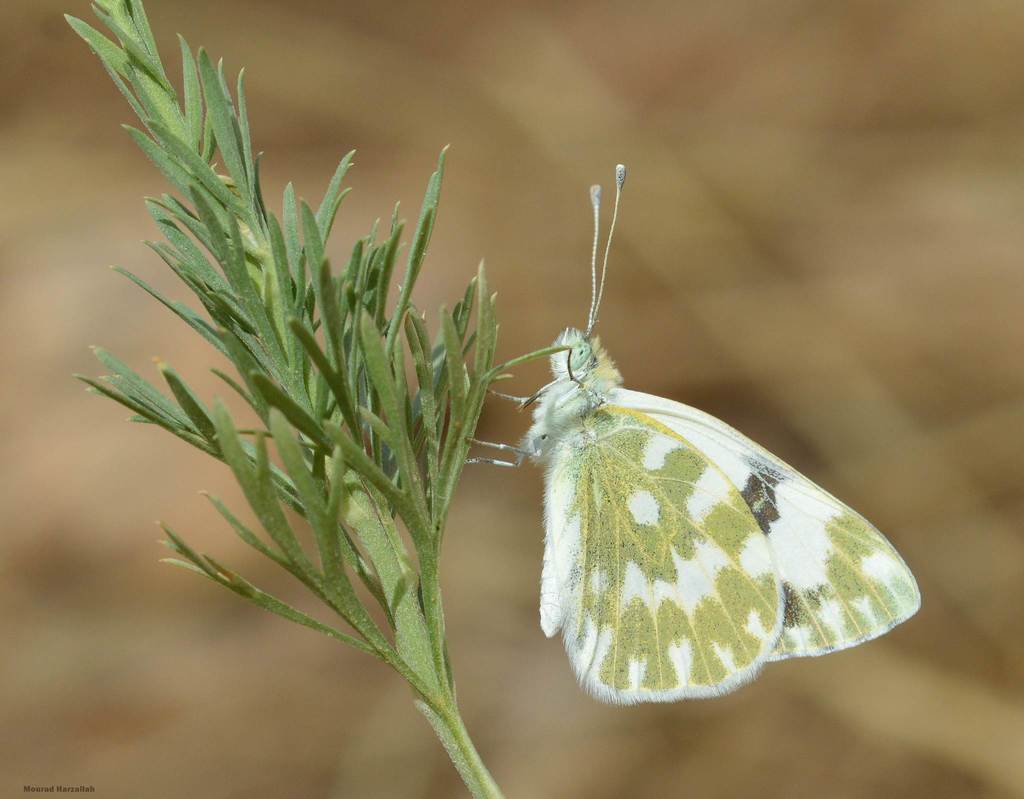
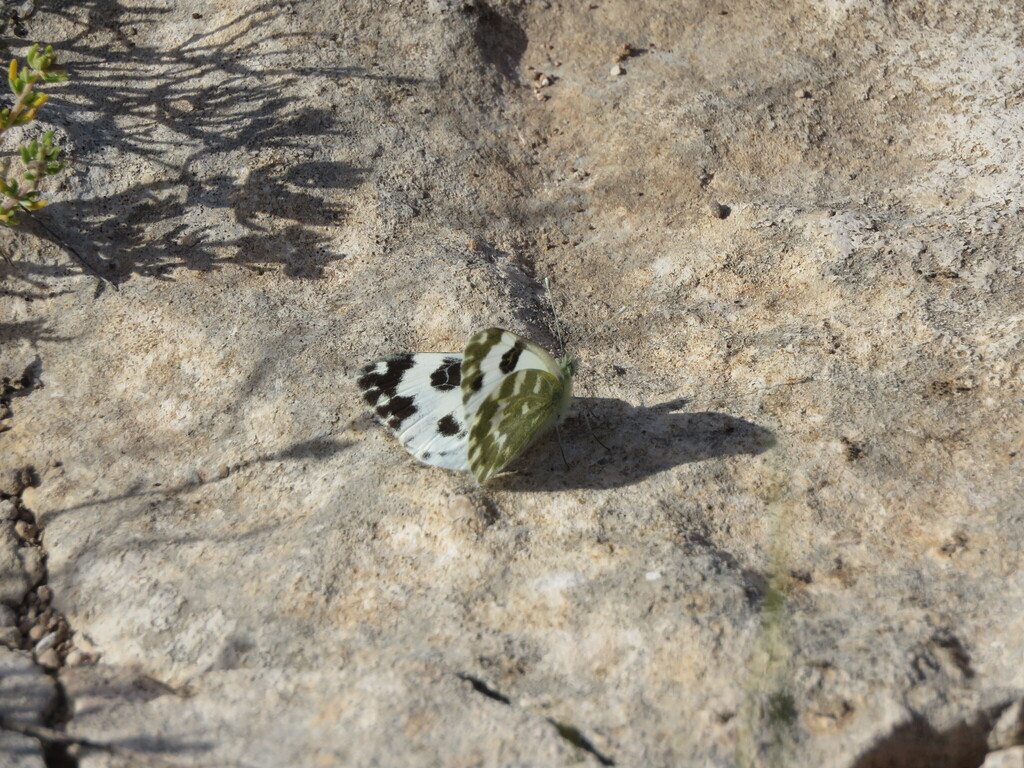
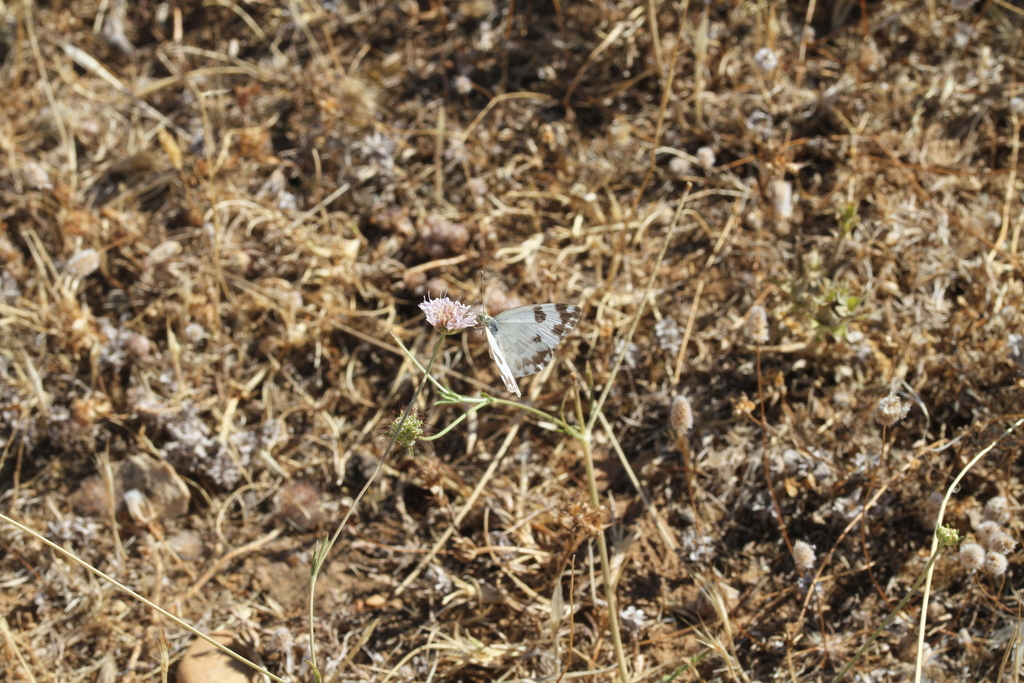
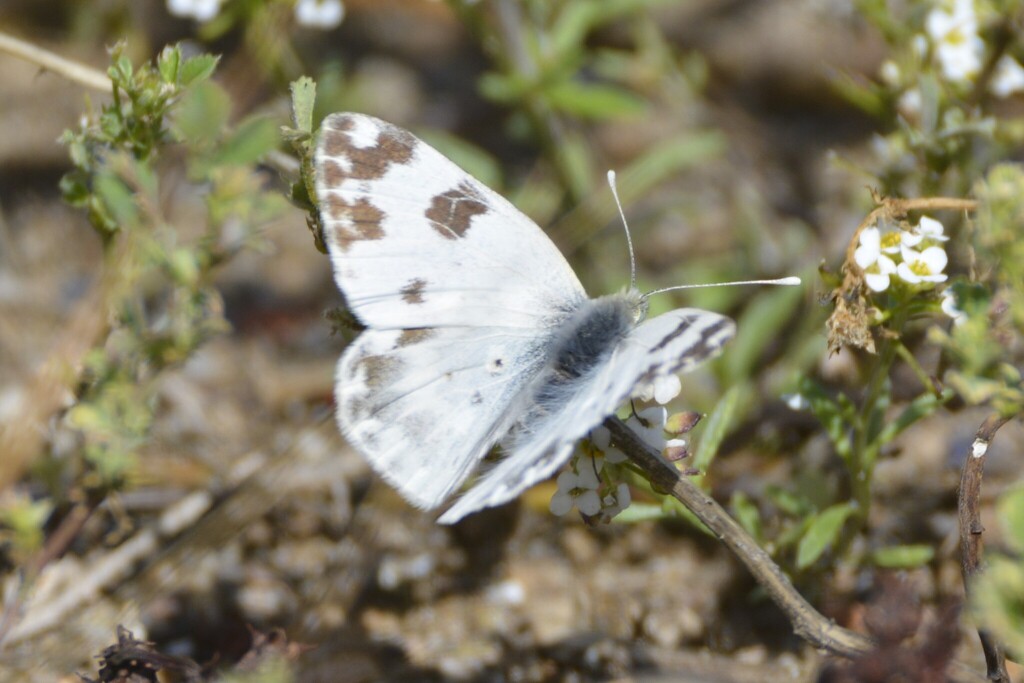
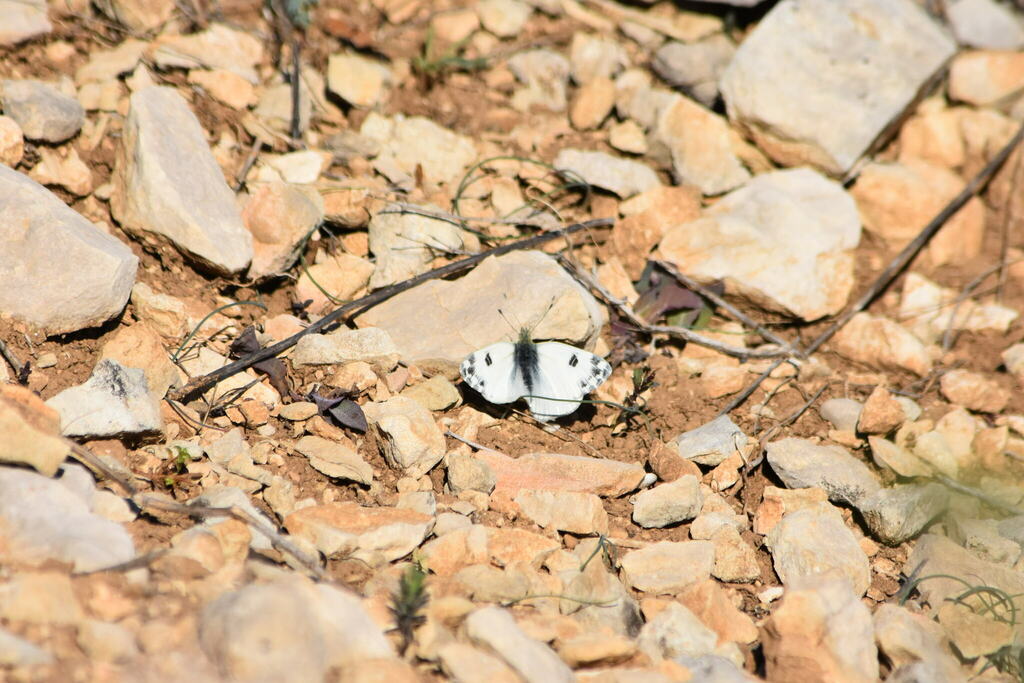
Seen a bath white?
Share your photo on iNaturalist. Other naturalists help confirm it, and the record goes to GBIF, where scientists use it and where the maps on this page come from.
Put this species on your site
The card names every source and links back here.
<iframe src="https://4planetatlas.com/place/embed/species/bath-white" title="Bath white (Pontia daplidice), 4PLANET Species" width="100%" height="600" style="border:0;max-width:640px" loading="lazy"></iframe>
<p><a href="https://4species.com/bath-white">Bath white on 4PLANET Species</a></p>Questions people ask
What does the bath white eat?
The bath white has been recorded eating 18 different kinds of animals and plants, most of them plants. The ones recorded most often are cultivated radish, rosemary, garden thyme, hyssop and field eryngo; records include animals eaten as carrion. Source: GloBI.
Where does the bath white live?
People have recorded it in 18 countries; the most records come from Spain, France, Portugal, Israel and Morocco. Records show where people have seen it, not its full range.
When is the bath white seen most?
In the northern hemisphere, the most records are made in June and the fewest in December. More people outdoors also means more records.
Sources and photo credits
- GBIF · Pontia daplidice, 6,878 human observations
- GloBI · recorded interactions of Pontia daplidice
- Wikidata · Bath white (Q311653)
- Bath white (Pontia daplidice): Andrea Battisti, CC BY 4.0
- Bath white (Pontia daplidice): Sarefo, CC BY-SA 4.0
- Bath white (Pontia daplidice), Granada, Spain: Simon Oliver, CC0
- Bath white (Pontia daplidice), La Coruña, España: Tristo, CC BY 4.0
- Bath white (Pontia daplidice), Bordj Zemoura, Algérie: Mourad Harzallah, CC BY 4.0
- Bath white (Pontia daplidice), Alicante, Spain: Dominique, CC0
- Bath white (Pontia daplidice), Istres, France: Samuel GUIRAUDOU, CC BY 4.0
- Bath white (Pontia daplidice), Béjaïa, DZ: Karim Haddad, CC BY 4.0
- Bath white (Pontia daplidice), 34160 Saint-Bauzille-de-Montmel, France: Franck Cabot, CC BY 4.0
- Rosemary: Anna C, CC0
- Garden thyme: Josep Gesti, CC BY-SA 4.0
- Hyssop: peganum, CC BY-SA 4.0
- Field eryngo: Andreas Rockstein, CC BY-SA 4.0
- Hedge mustard: Dilrukshan Priyantha Wijesinghe, CC BY 4.0
- Yellow mignonette: purperlibel, CC BY-SA 4.0
- Sea rocket: Jürgen Howaldt, CC BY-SA 4.0
- Skeleton weed: zebedeugalinha, CC BY 4.0
- False yellowhead: no rights reserved, uploaded by rockybajada, CC0
- Globularia alypum: Kostas Zontanos, CC BY 4.0
- White rocket: Louis Aureglia, CC BY 4.0
Records show where people have seen and shared the bath white, not its full range, and some countries and months are recorded far more than others. The food web lists interactions that studies have recorded somewhere in the world (GloBI), not everything it eats in one place.
Checked 2026-11-27.