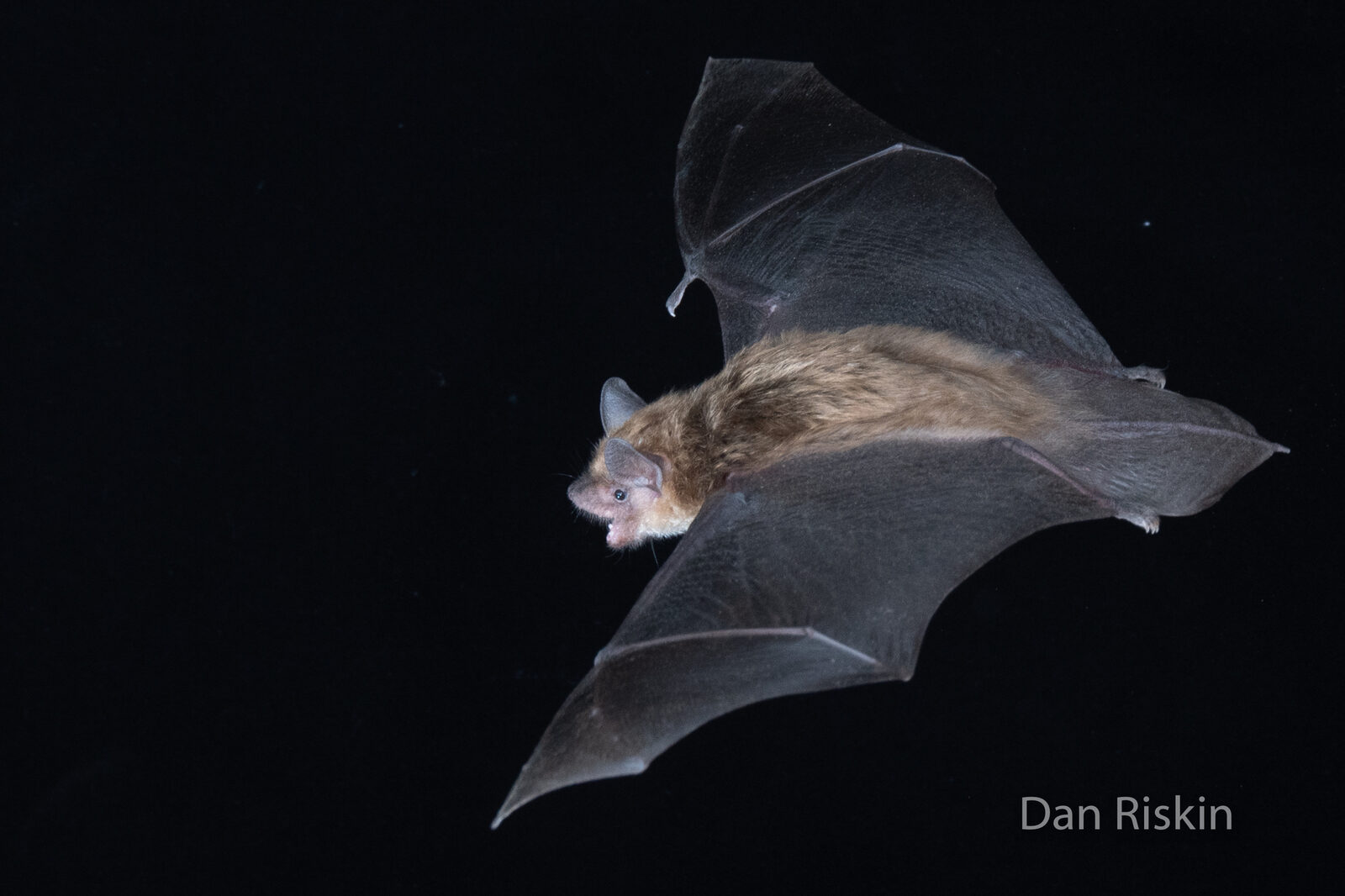
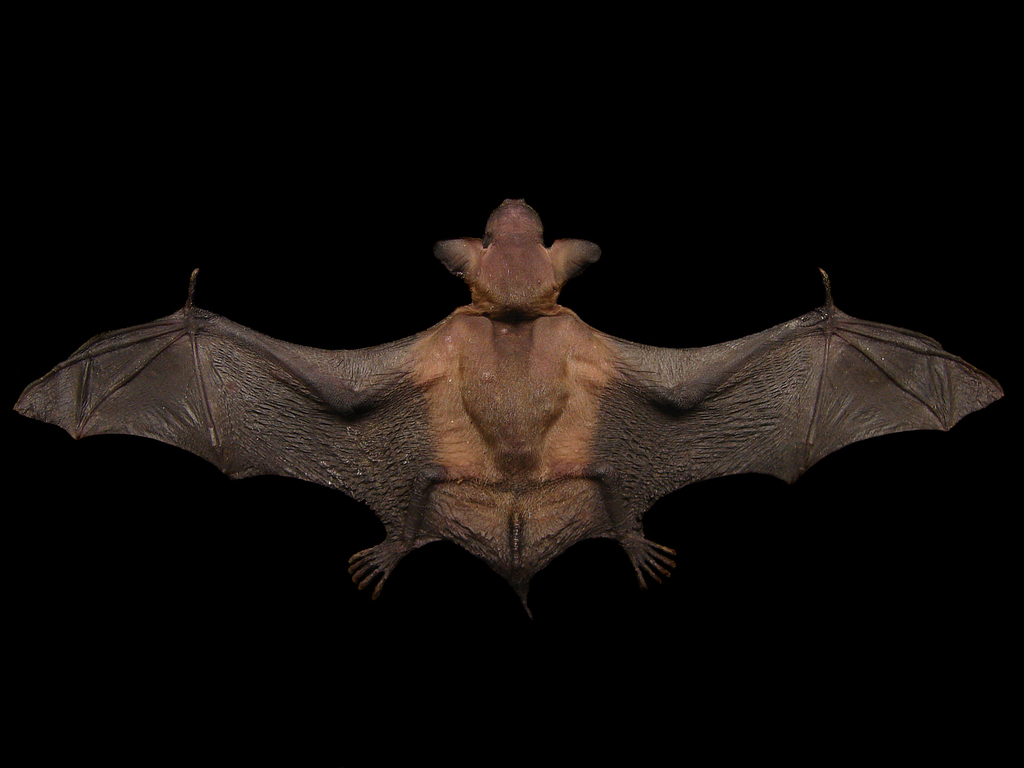
Big brown bat
Eptesicus fuscus
- Status
- Least Concern IUCN Red List
- Eats
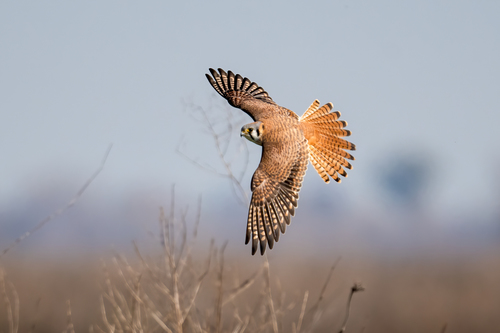
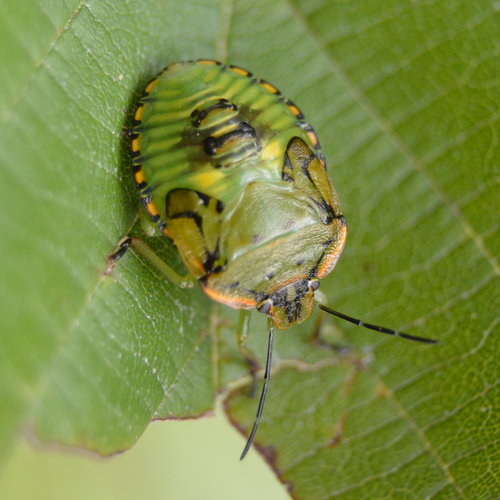
- green stink bug, meal moth, ebony jewelwing and 191 more
- Eaten by
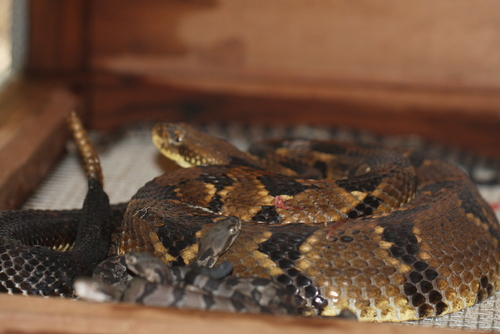
- American kestrel, timber rattlesnake
- Where
- 7 countries
People have shared 5,687 records of the big brown bat with GBIF, from 7 countries, most of them from United States, Canada and Mexico. Records collected by GloBI show it eating 194 different kinds of animals and plants, and being eaten by 8.
In the northern hemisphere, people record it most in August and least in January. It belongs to the genus Eptesicus in the family Vespertilionidae.
What the big brown bat eats, and what eats it
Studies have recorded it eating 194 kinds of animals and plants, and 8 kinds of animals eating it. Tap any of them to follow the food chain.
- Insects 166
- Spiders and mites 1
 Big brown bat

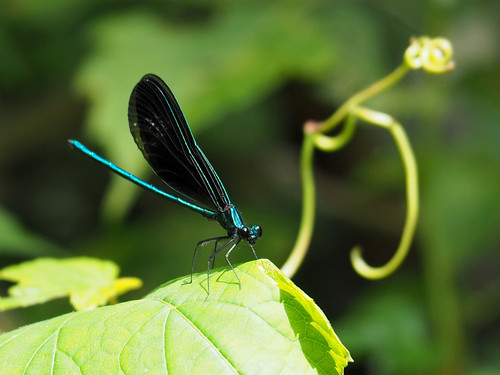
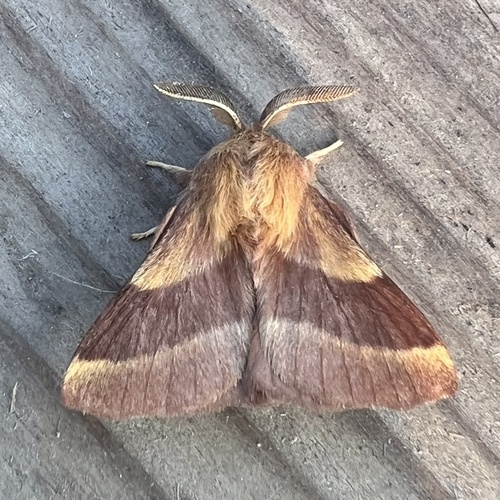
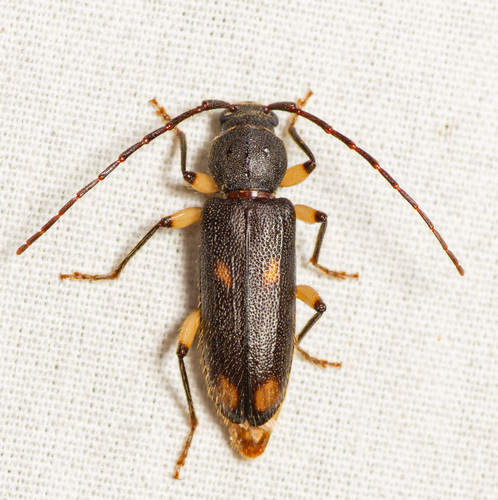
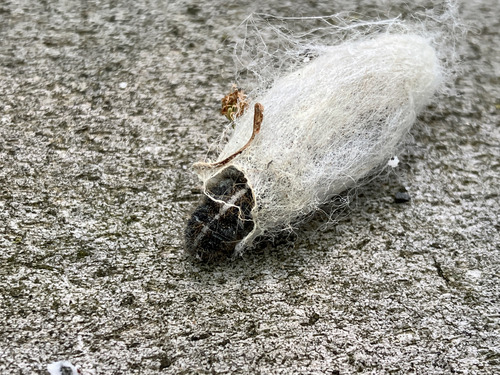
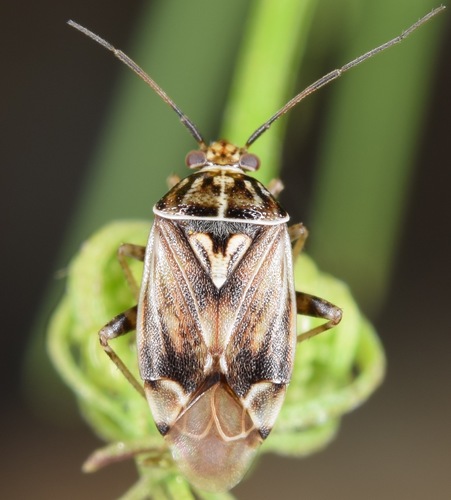
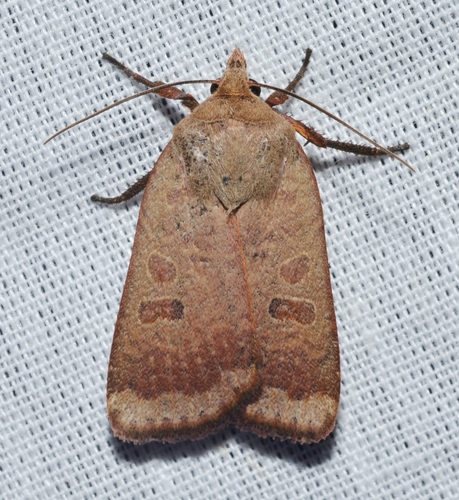
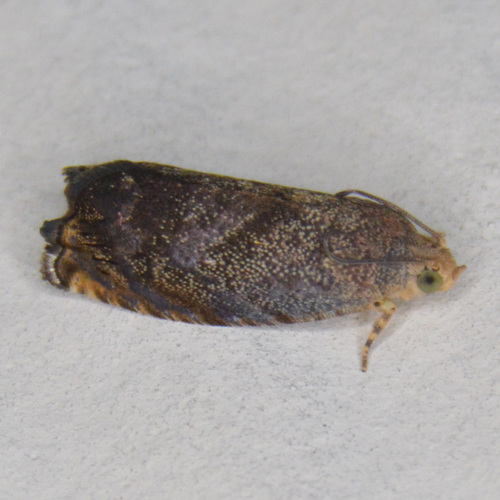
Records from studies worldwide, collected by GloBI. They include animals eaten as carrion, and they are not everything it eats in one place.
Where people see the big brown bat
People have shared 5,687 records from 7 countries.
Records show where people have seen it and shared it, not its full range. Country names open their page in Atlas.
When it is seen
Records per month in the northern hemisphere. More people outdoors also means more records.
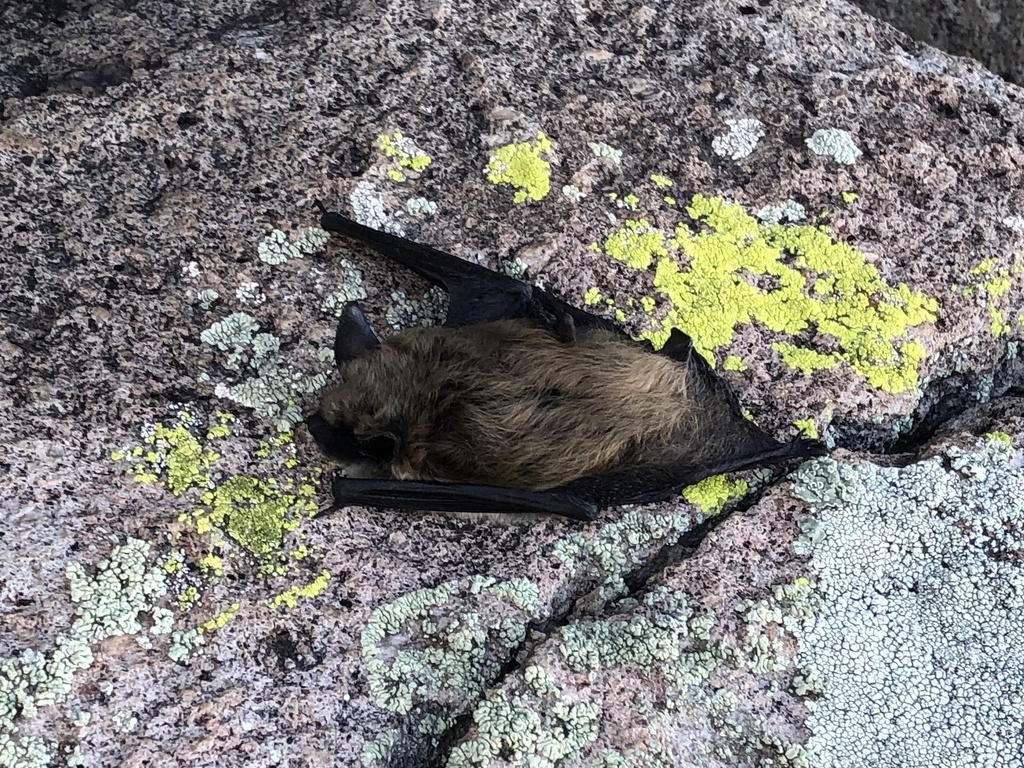
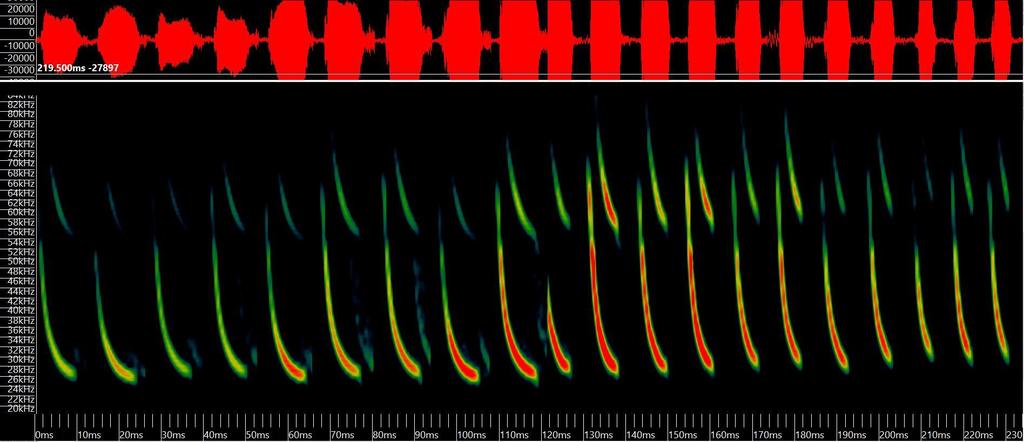
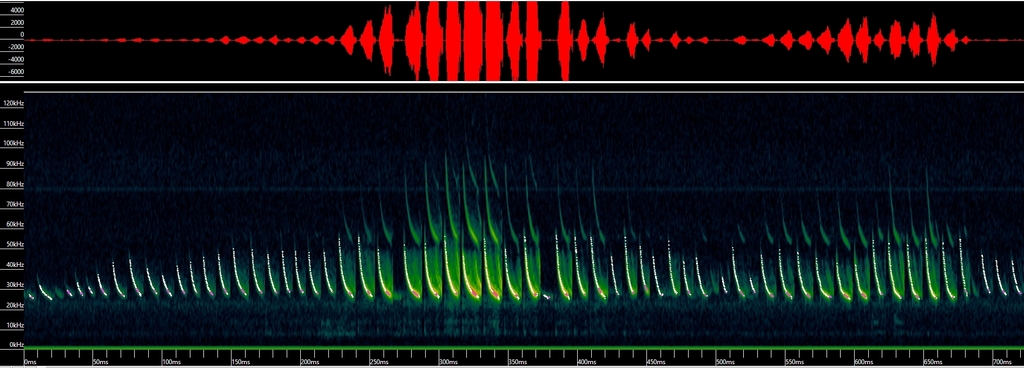
Watch and listen
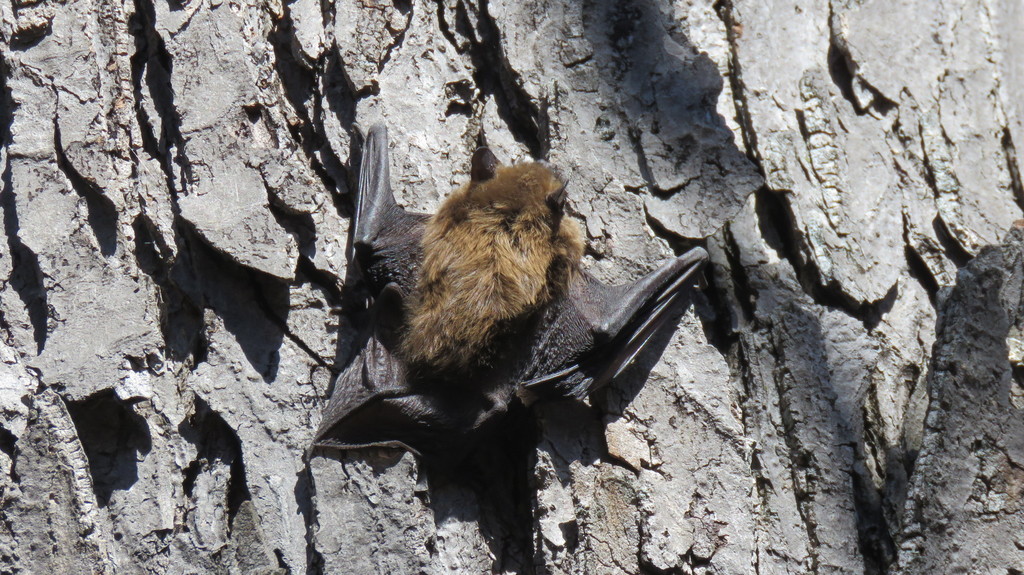
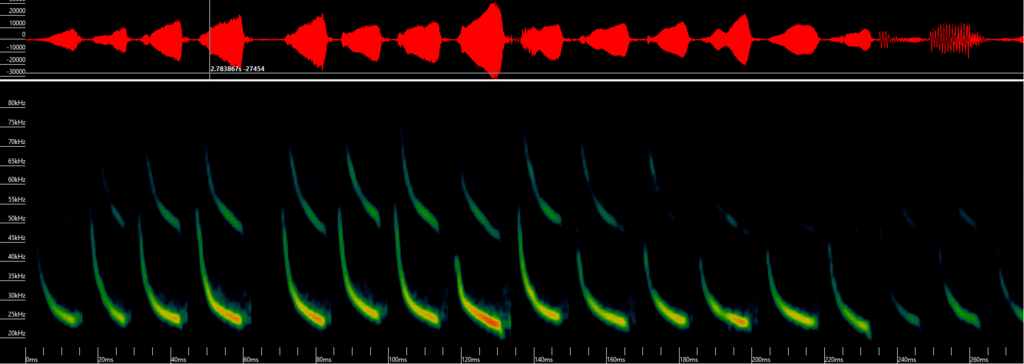
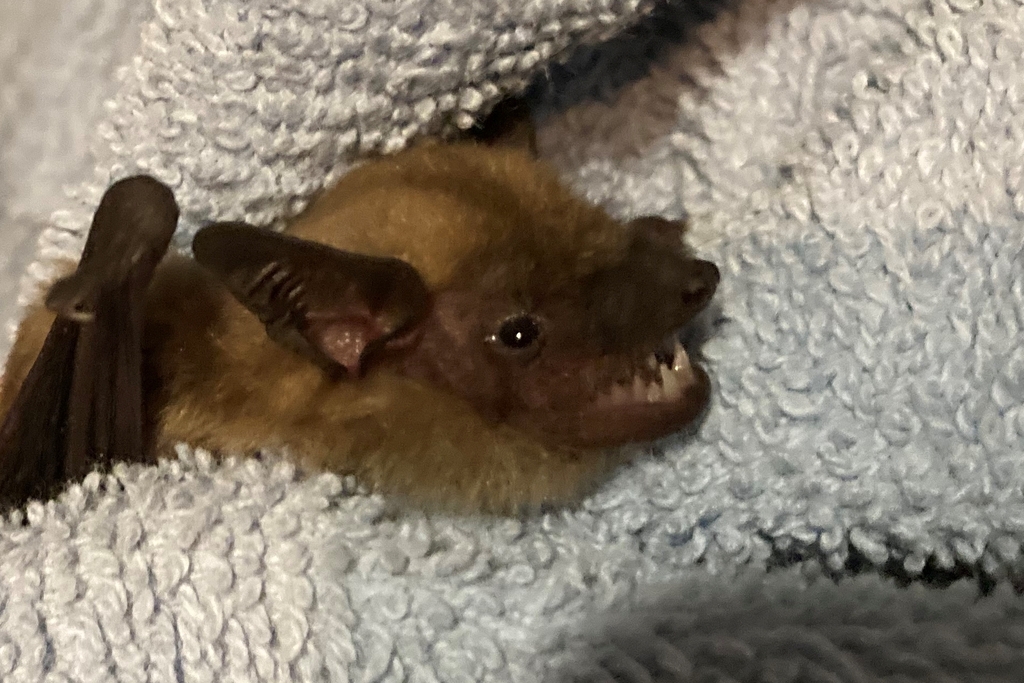
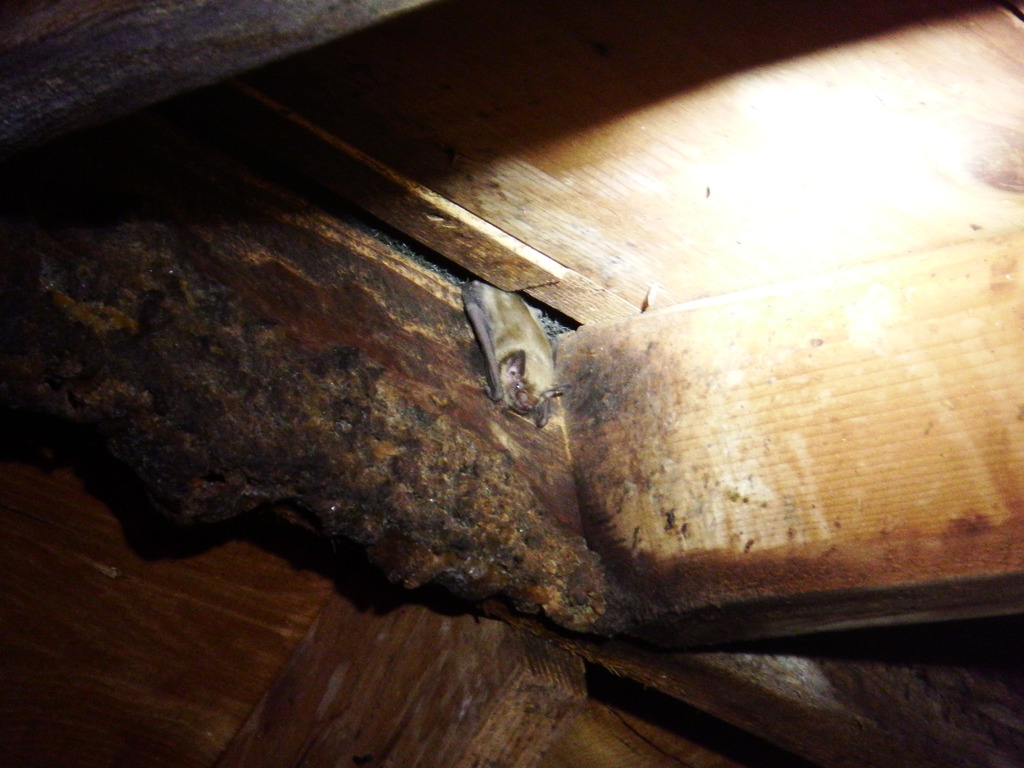
Its closest relatives
The other species of the genus Eptesicus.
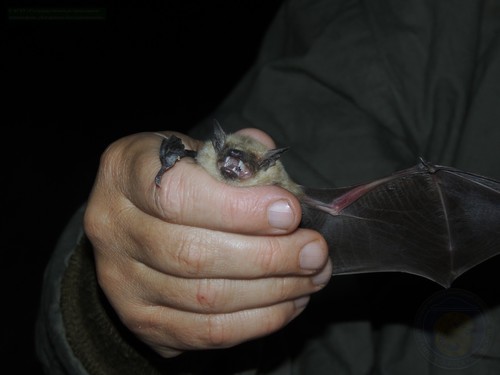


Seen a big brown bat?
Share your photo on iNaturalist. Other naturalists help confirm it, and the record goes to GBIF, where scientists use it and where the maps on this page come from.
Put this species on your site
The card names every source and links back here.
<iframe src="https://4planetatlas.com/place/embed/species/big-brown-bat" title="Big brown bat (Eptesicus fuscus), 4PLANET Species" width="100%" height="600" style="border:0;max-width:640px" loading="lazy"></iframe>
<p><a href="https://4species.com/big-brown-bat">Big brown bat on 4PLANET Species</a></p>Questions people ask
What does the big brown bat eat?
The big brown bat has been recorded eating 194 different kinds of animals and plants, most of them insects and spiders and mites. The ones recorded most often are green stink bug, meal moth, ebony jewelwing, forest tent caterpillar moth and ash and privet borer; records include animals eaten as carrion. Source: GloBI.
What eats the big brown bat?
Recorded predators include american kestrel and timber rattlesnake. Source: GloBI.
Where does the big brown bat live?
People have recorded it in 7 countries; the most records come from United States, Canada, Mexico, Honduras and Colombia. Records show where people have seen it, not its full range.
When is the big brown bat seen most?
In the northern hemisphere, the most records are made in August and the fewest in January. More people outdoors also means more records.
What are the big brown bat's closest relatives?
It shares the genus Eptesicus with serotine bat, northern bat, botta's serotine, argentine brown bat and gobi big brown bat.
Sources and photo credits
- GBIF · Eptesicus fuscus, 5,687 human observations
- GloBI · recorded interactions of Eptesicus fuscus
- Wikidata · Big brown bat (Q301254)
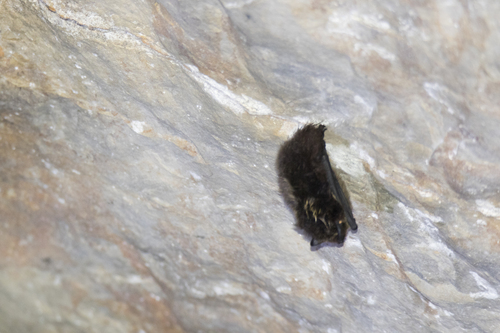
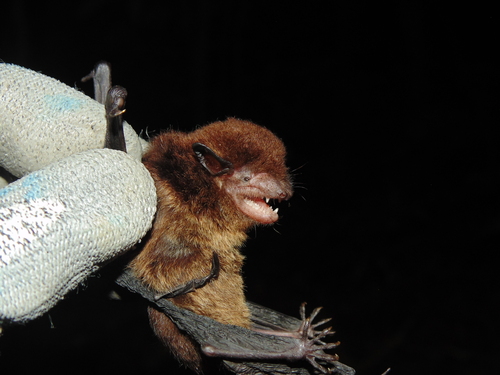
- Big brown bat (Eptesicus fuscus): Dan Riskin, CC BY 4.0
- Big brown bat (Eptesicus fuscus): Matt Reinbold, CC BY-SA 4.0
- Big brown bat (Eptesicus fuscus), Crystal Bay - Lakeview Park - Britannia Village, Ottawa, ON, Canada: Barry Cottam, CC BY 4.0
- Big brown bat (Eptesicus fuscus), Export, PA 15632, USA: Brandon McCracken, CC BY 4.0
- Big brown bat (Eptesicus fuscus), Washington County, PA, USA: William J. Deml, CC BY 4.0
- Big brown bat (Eptesicus fuscus), Erie County, OH, USA: Martyn Drabik-Hamshare, CC0
- Big brown bat (Eptesicus fuscus), Bonanza Creek Ln, Santa Fe, NM, US: Brandon Bourassa, CC BY 4.0
- Big brown bat (Eptesicus fuscus), Conshohocken, PA 19428, USA: Brandon McCracken, CC BY 4.0
- Big brown bat (Eptesicus fuscus), Scotts Bluff County, NE, USA: Colin Croft, CC BY 4.0
- Green stink bug: no rights reserved, uploaded by Michael Mulqueen, CC0
- Meal moth: Annika Lindqvist, CC BY 4.0
- Ebony jewelwing: Katja Schulz, CC BY 4.0
- Forest tent caterpillar moth: no rights reserved, uploaded by Jack Gelinas, CC0
- Ash and privet borer: Justin Williams, CC BY 4.0
- Eastern tent caterpillar: Allen Browne, CC0
- Tarnished plant bug: skitterbug, CC BY 4.0
- Greater red dart: Andy Reago & Chrissy McClarren, CC BY 4.0
- Hickory shuckworm moth: Dan Johnson, CC BY 4.0
- American kestrel: Jonathan Eisen, CC BY 4.0
- Timber rattlesnake: Ann McKenzie, CC0
- Serotine bat: Konstantin Grebennikov, CC BY 4.0
- Northern bat: Полина Полежанкина, CC BY 4.0
- Argentine brown bat: Pablo G. Fernández-Santiago, CC BY 4.0
- Brazilian brown bat: Carlos Henrique Russi, CC0
- Diminutive serotine: Carlos Henrique Russi, CC0
Records show where people have seen and shared the big brown bat, not its full range, and some countries and months are recorded far more than others. The food web lists interactions that studies have recorded somewhere in the world (GloBI), not everything it eats in one place.
Checked 2026-11-28.