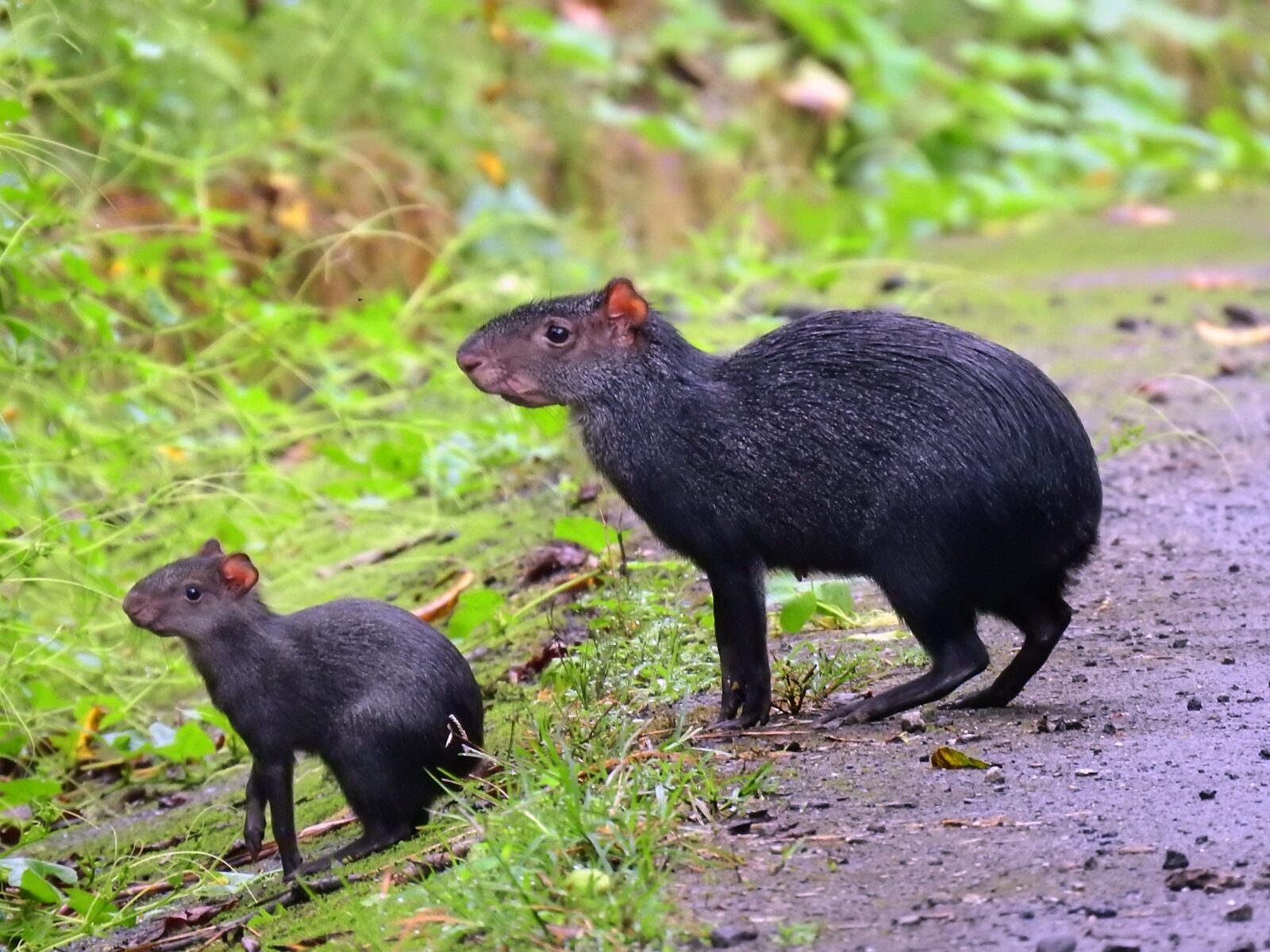
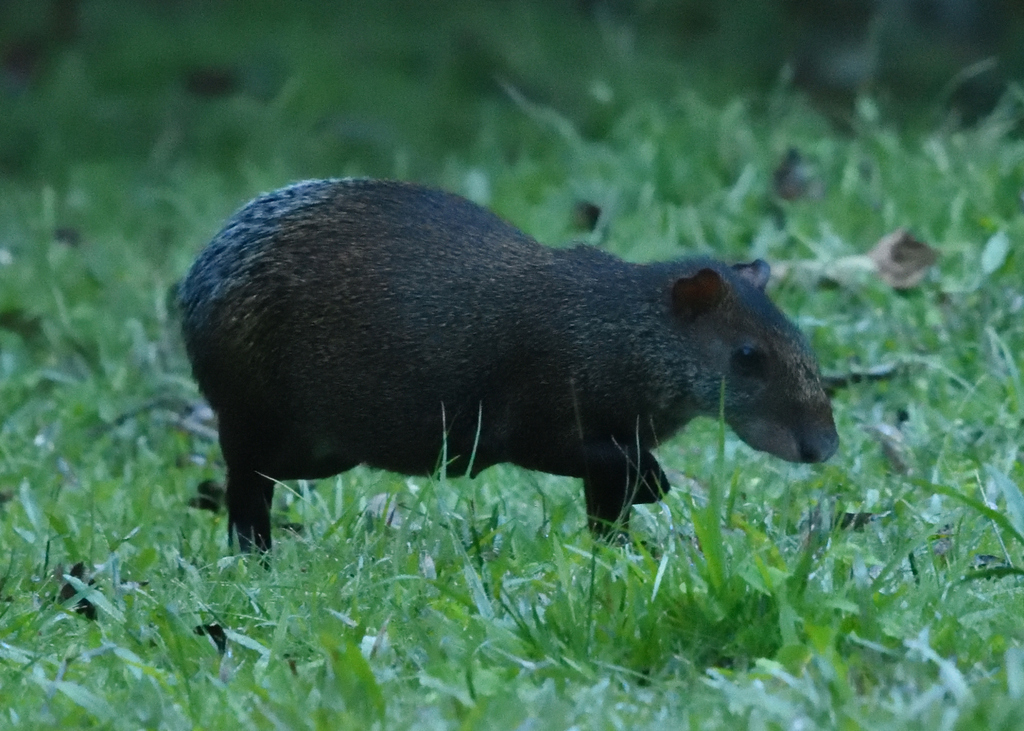
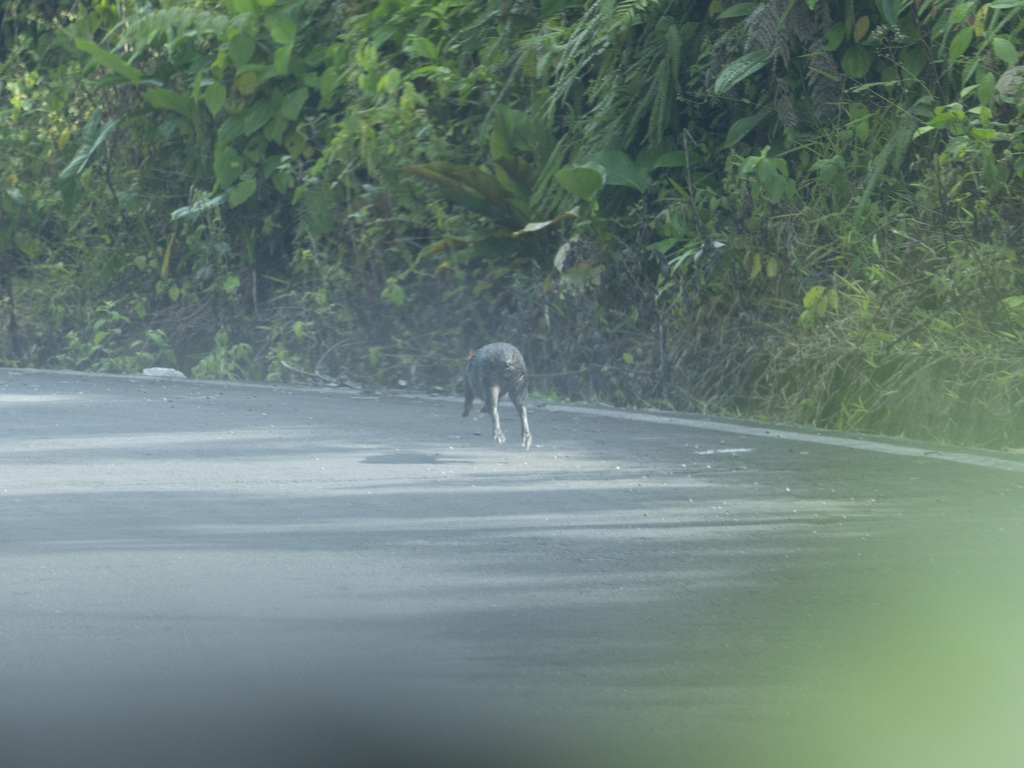
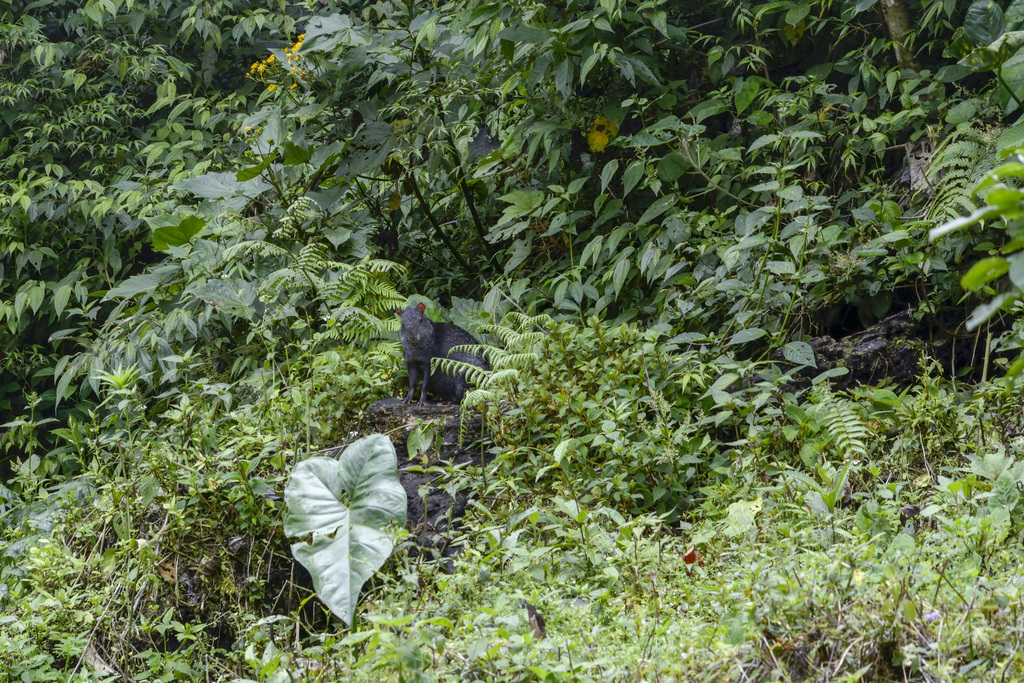
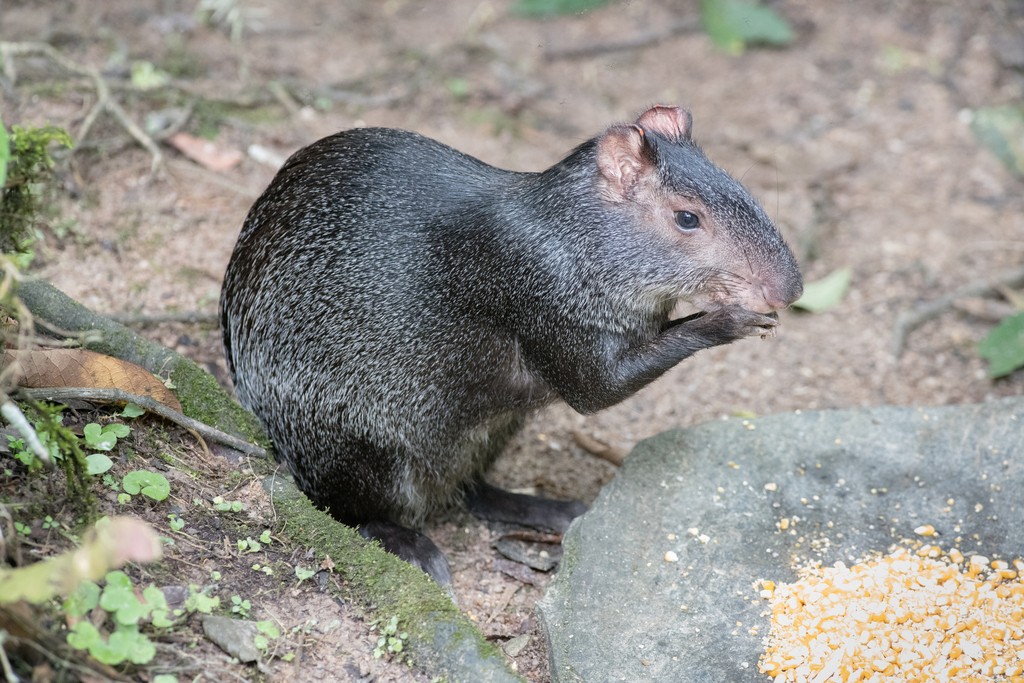
Black agouti
Dasyprocta fuliginosa
- Status
- Least Concern IUCN Red List
- Eats
- astrocaryum chambira, brazilnut, cashapona and 55 more
- Where
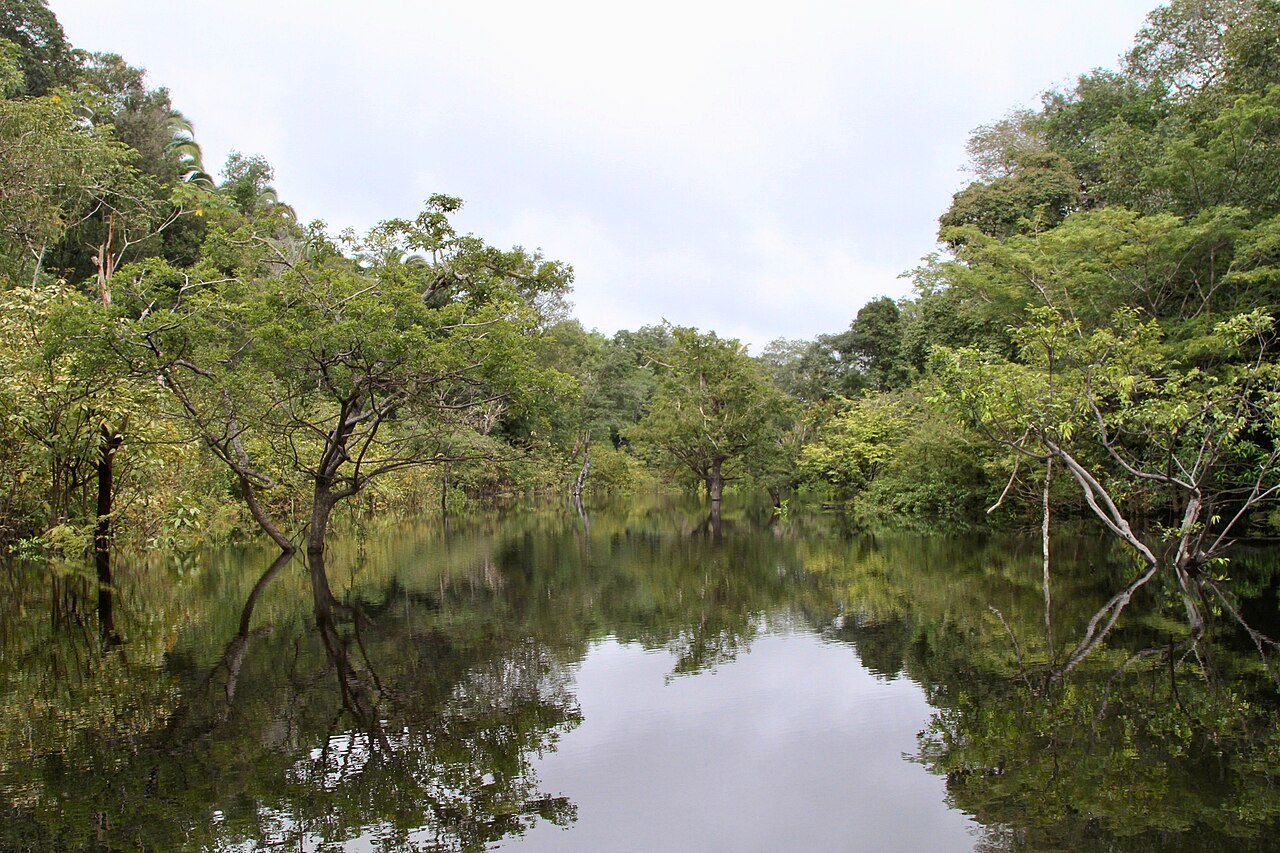
- 5 countries · Amazon rainforest
People have shared 745 records of the black agouti with GBIF, from 5 countries, most of them from Ecuador, Colombia and Brazil. Records collected by GloBI show it eating 58 different kinds of animals and plants, and being eaten by 2.
In the southern hemisphere, people record it most in June and least in April. It belongs to the genus Dasyprocta in the family Dasyproctidae.
Habitats
What the black agouti eats, and what eats it
Studies have recorded it eating 58 kinds of animals and plants, and 2 kinds of animals eating it. Tap any of them to follow the food chain.
- Plants 53

 Black agouti
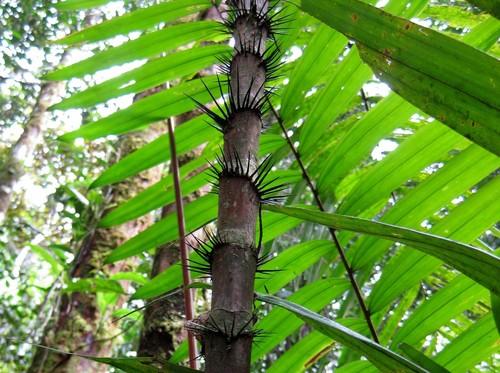

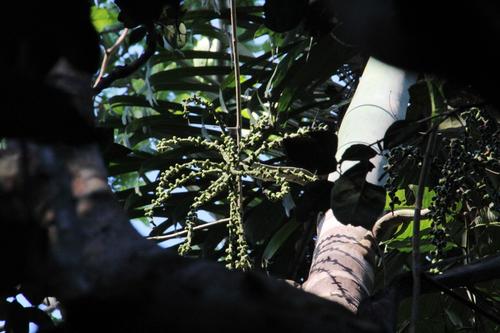
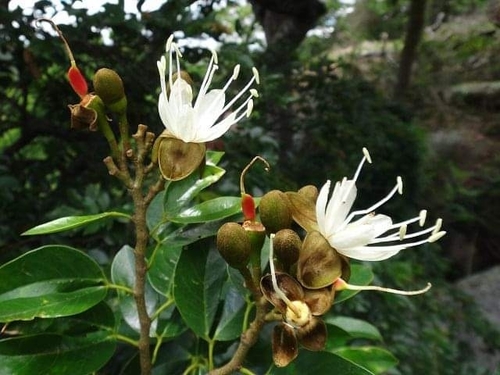
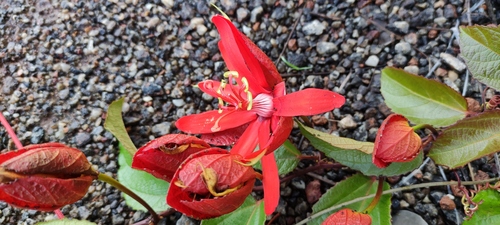
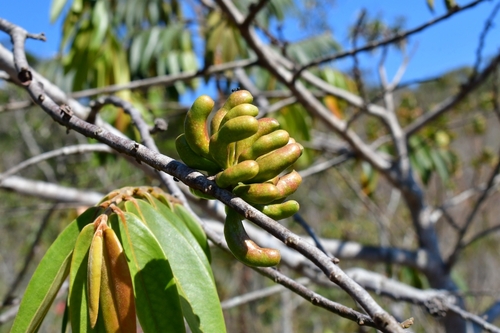
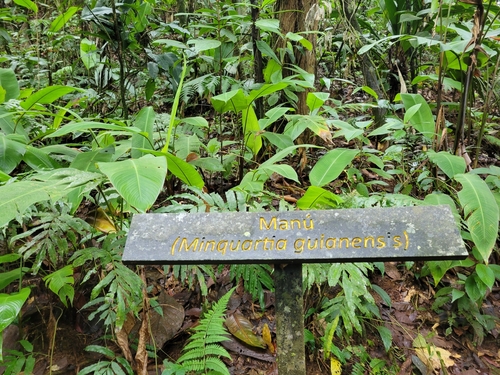
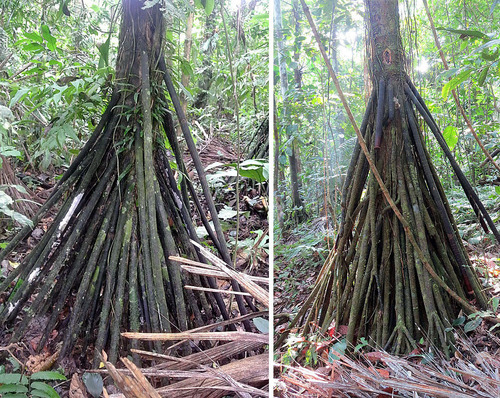
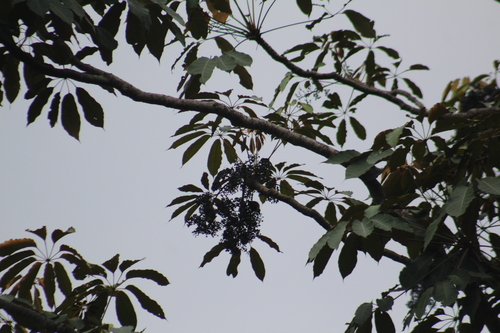
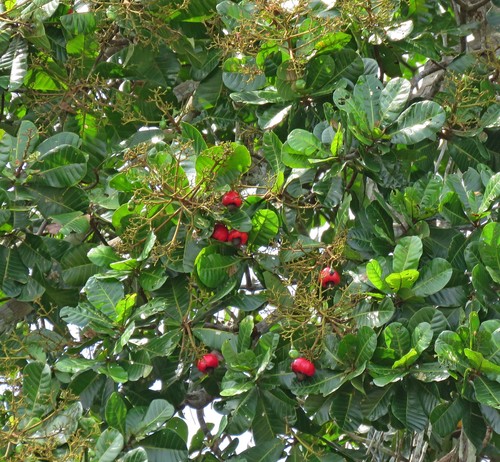
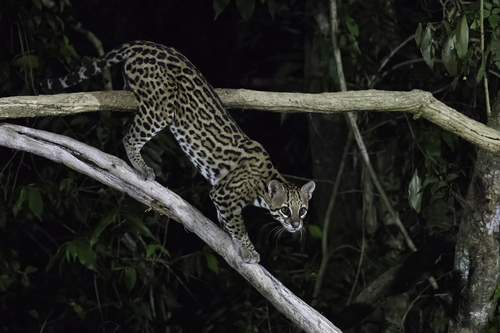
Records from studies worldwide, collected by GloBI. They include animals eaten as carrion, and they are not everything it eats in one place.
Where people see the black agouti
People have shared 745 records from 5 countries.
Records show where people have seen it and shared it, not its full range. Country names open their page in Atlas.
When it is seen
Records per month in the southern hemisphere. More people outdoors also means more records.
Watch and listen

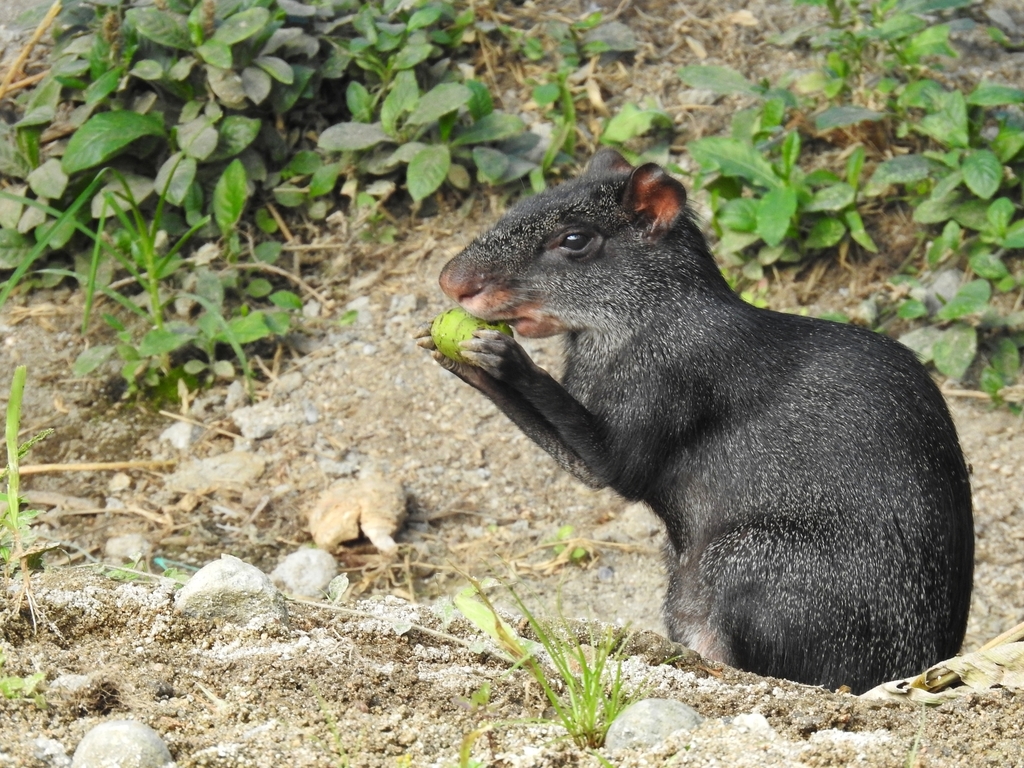
Its closest relatives
The other species of the genus Dasyprocta.
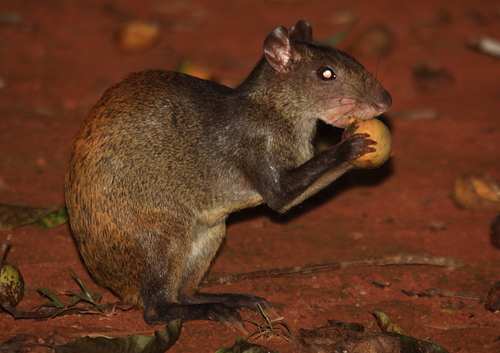
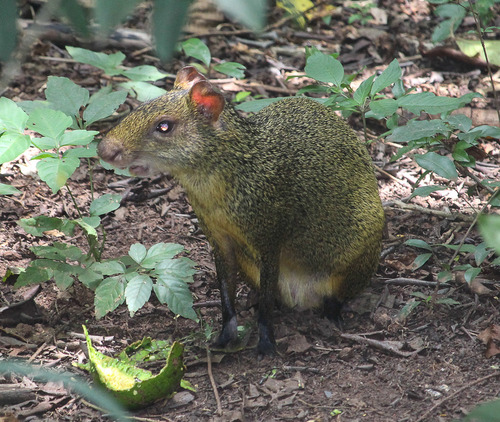
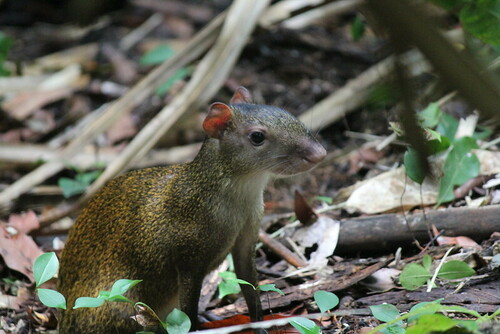

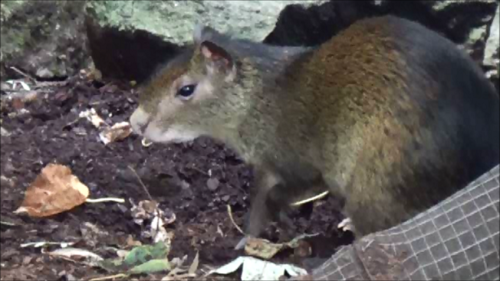
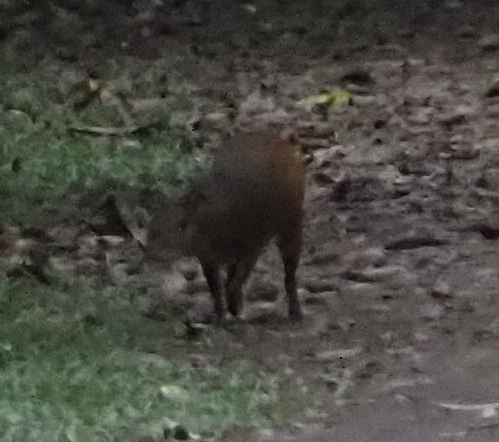
Seen a black agouti?
Share your photo on iNaturalist. Other naturalists help confirm it, and the record goes to GBIF, where scientists use it and where the maps on this page come from.
Put this species on your site
The card names every source and links back here.
<iframe src="https://4planetatlas.com/place/embed/species/black-agouti" title="Black agouti (Dasyprocta fuliginosa), 4PLANET Species" width="100%" height="600" style="border:0;max-width:640px" loading="lazy"></iframe>
<p><a href="https://4species.com/black-agouti">Black agouti on 4PLANET Species</a></p>Explore next
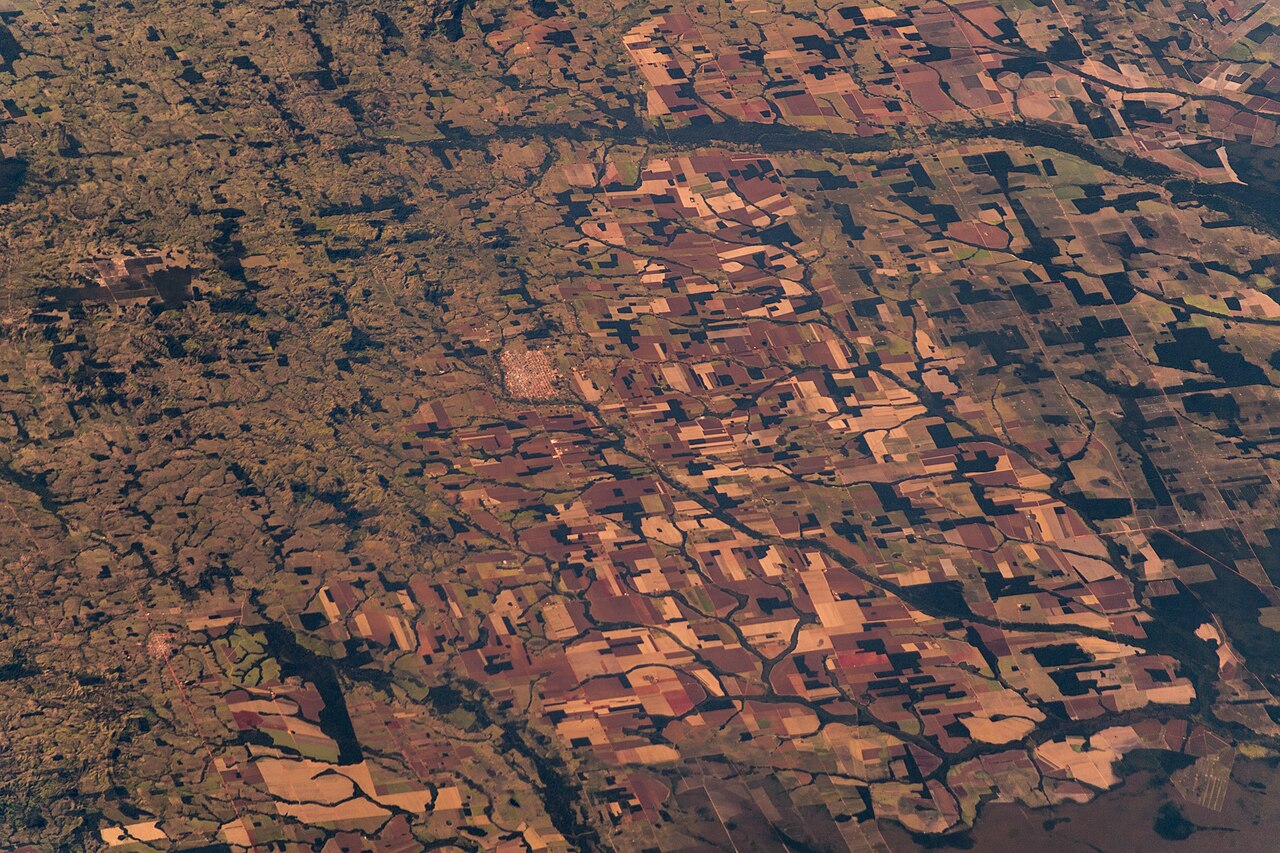
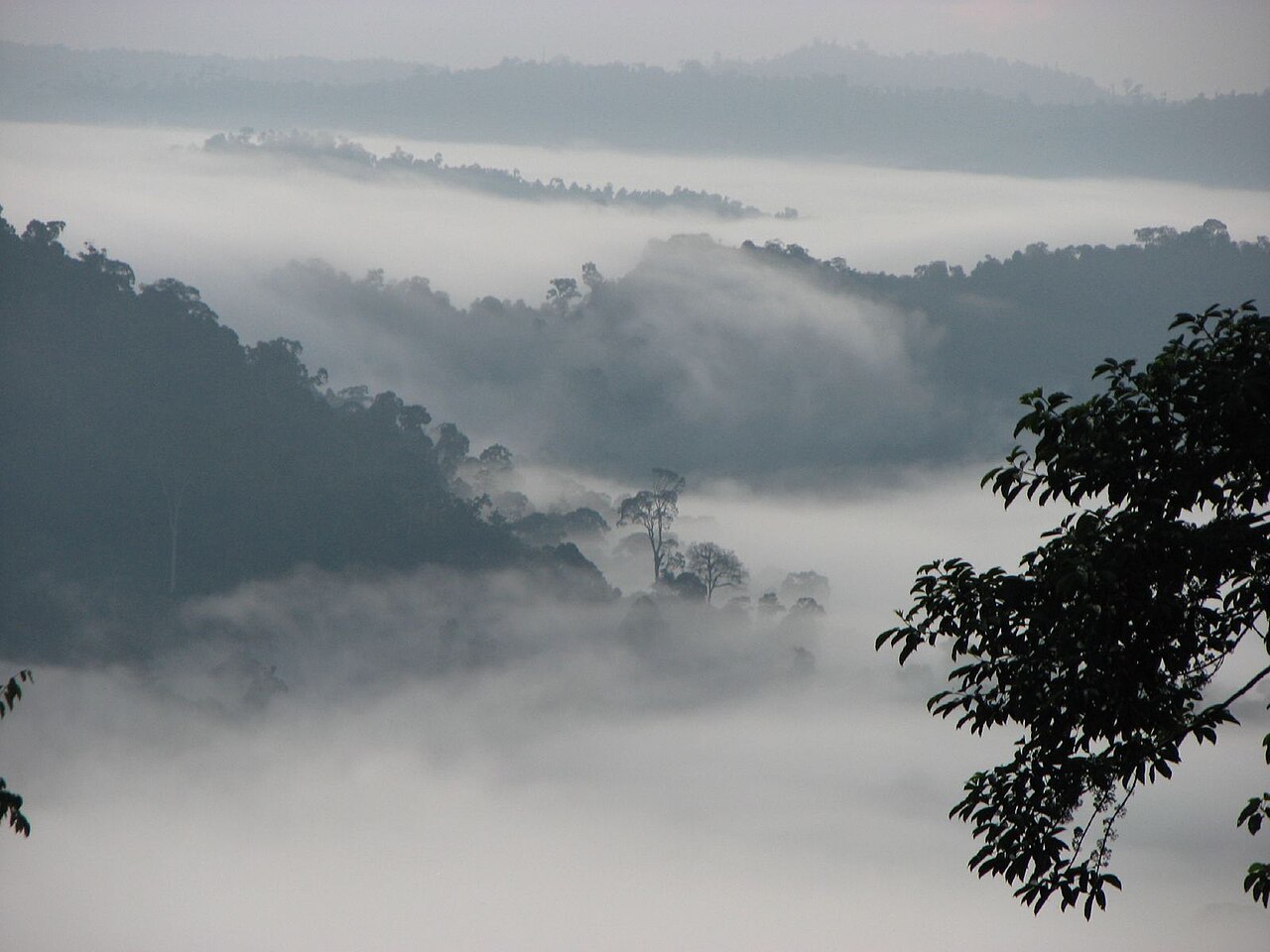
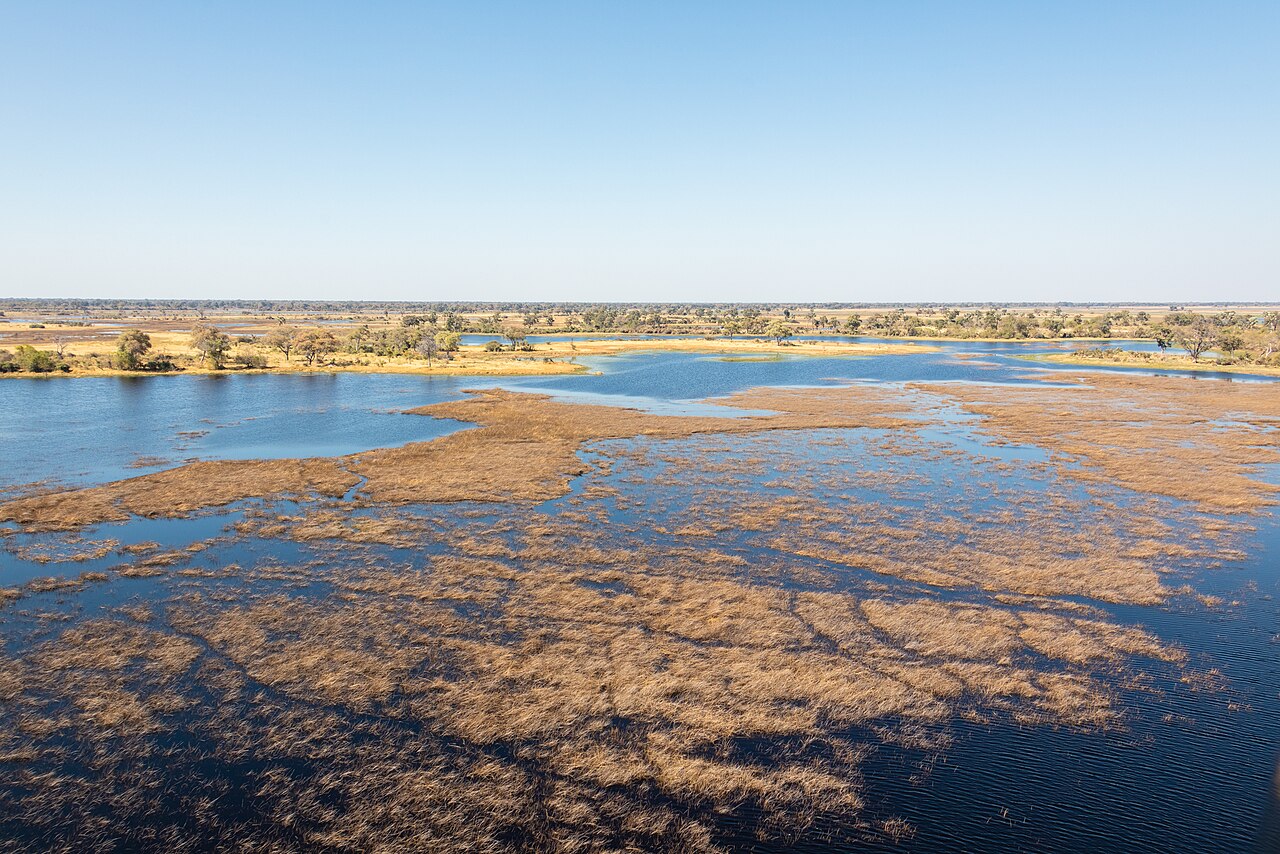
What puts the black agouti under pressure, what helps, and who works on it.


Questions people ask
What does the black agouti eat?
The black agouti has been recorded eating 58 different kinds of animals and plants, most of them plants. The ones recorded most often are astrocaryum chambira, brazilnut, cashapona, stinkingtoe and scarlet passionflower; records include animals eaten as carrion. Source: GloBI.
What eats the black agouti?
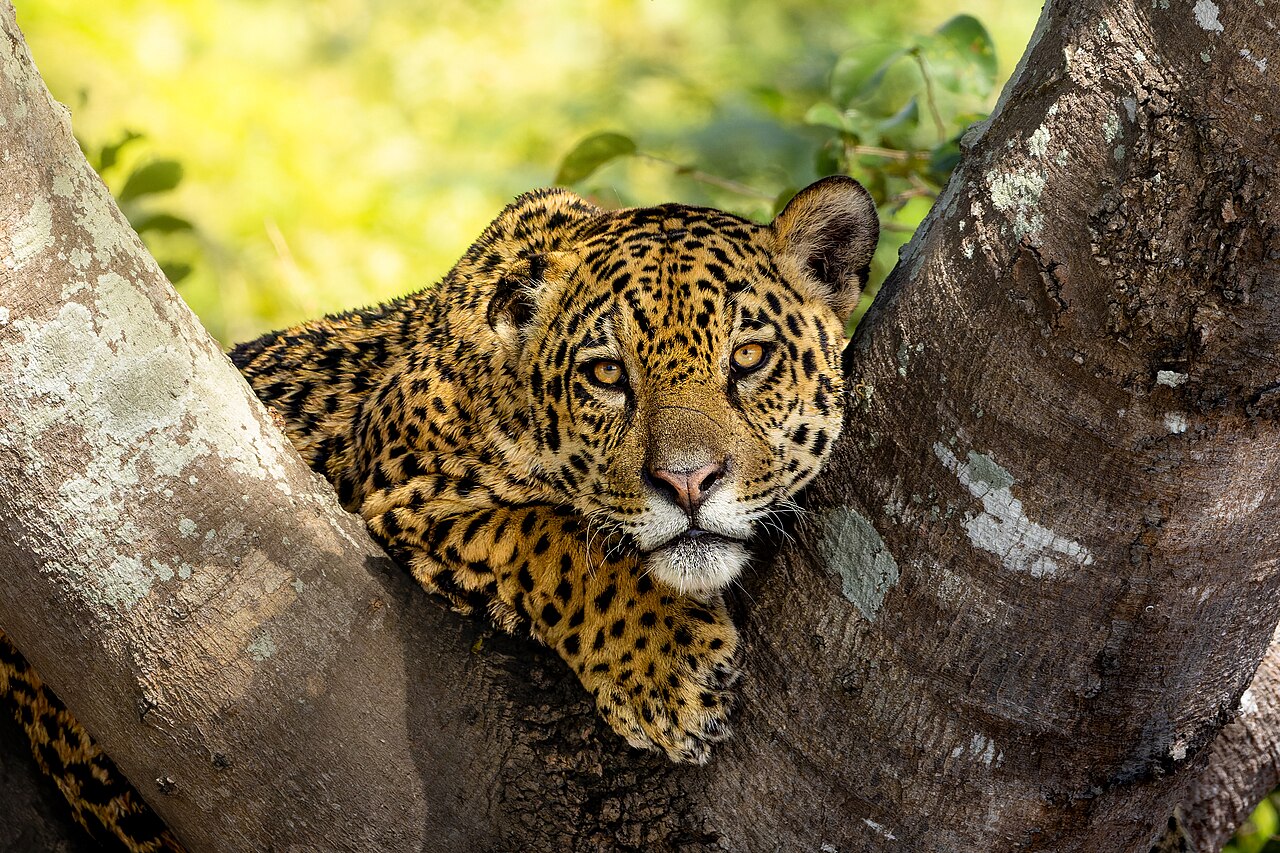
Recorded predators include jaguar and ocelot. Source: GloBI.
Where does the black agouti live?
People have recorded it in 5 countries; the most records come from Ecuador, Colombia, Brazil, Peru and Venezuela. Records show where people have seen it, not its full range.
When is the black agouti seen most?
In the southern hemisphere, the most records are made in June and the fewest in April. More people outdoors also means more records.
What are the black agouti's closest relatives?
It shares the genus Dasyprocta with red-rumped agouti, azara's agouti, central american agouti, coiban agouti and black-rumped agouti.
Sources and photo credits
- GBIF · Dasyprocta fuliginosa, 745 human observations
- GloBI · recorded interactions of Dasyprocta fuliginosa
- Wikidata · Black agouti (Q1767371)
- Black agouti (Dasyprocta fuliginosa): Esteban Poveda, CC BY 4.0
- Black agouti (Dasyprocta fuliginosa): Thibaud Aronson, CC BY-SA 4.0
- Black agouti (Dasyprocta fuliginosa): Esteban Poveda, CC BY 4.0
- Black agouti (Dasyprocta fuliginosa), Condoto, Choco, Colombia: Guy Babineau, CC BY 4.0
- Black agouti (Dasyprocta fuliginosa), Vía a Macas, desvío a la derecha sector Nuevo Mundo, 93CX+GC8, Puyo, Ecuador: Frank Dietze, CC BY 4.0
- Black agouti (Dasyprocta fuliginosa), Ecuador: Frank Dietze, CC BY 4.0
- Black agouti (Dasyprocta fuliginosa), Zamora Canton, Ecuador: Emily Turteltaub Nelson, CC BY 4.0
- Astrocaryum chambira: Frank Dietze, CC BY 4.0
- Brazilnut: Scott Loarie, CC0
- Cashapona: Tony Rebelo, CC BY-SA 4.0
- Stinkingtoe: Ericson Cernawsky Igual, CC BY-SA 4.0
- Scarlet passionflower: fmunoz, CC BY 4.0
- Xylopia aromatica: Joey Santore, CC BY 4.0
- Black manwood: andrew2285, CC0
- Copa palm: Dick Culbert, CC BY 4.0
- Matchwood: GERMAN LEONEL SARMIENTO CRUZ, CC BY 4.0
- Caja acu: Sidnei Dantas, CC BY-SA 4.0
- Jaguar: Charles J. Sharp, CC BY-SA 4.0
- Ocelot: Emily Turteltaub Nelson, CC BY 4.0
- Red-rumped agouti: Fábio Olmos, CC BY 4.0
- Azara's agouti: João Vitor Oliveira de Souza, CC BY 4.0
- Central American agouti: Benny Albro, CC BY 4.0
- Coiban agouti: keesgroenendijk, CC BY 4.0
- Black-rumped agouti: Cedricguppy, CC BY-SA 4.0
- Crested agouti: yongestation, CC BY 4.0
Records show where people have seen and shared the black agouti, not its full range, and some countries and months are recorded far more than others. The food web lists interactions that studies have recorded somewhere in the world (GloBI), not everything it eats in one place.
Checked 2026-11-24.