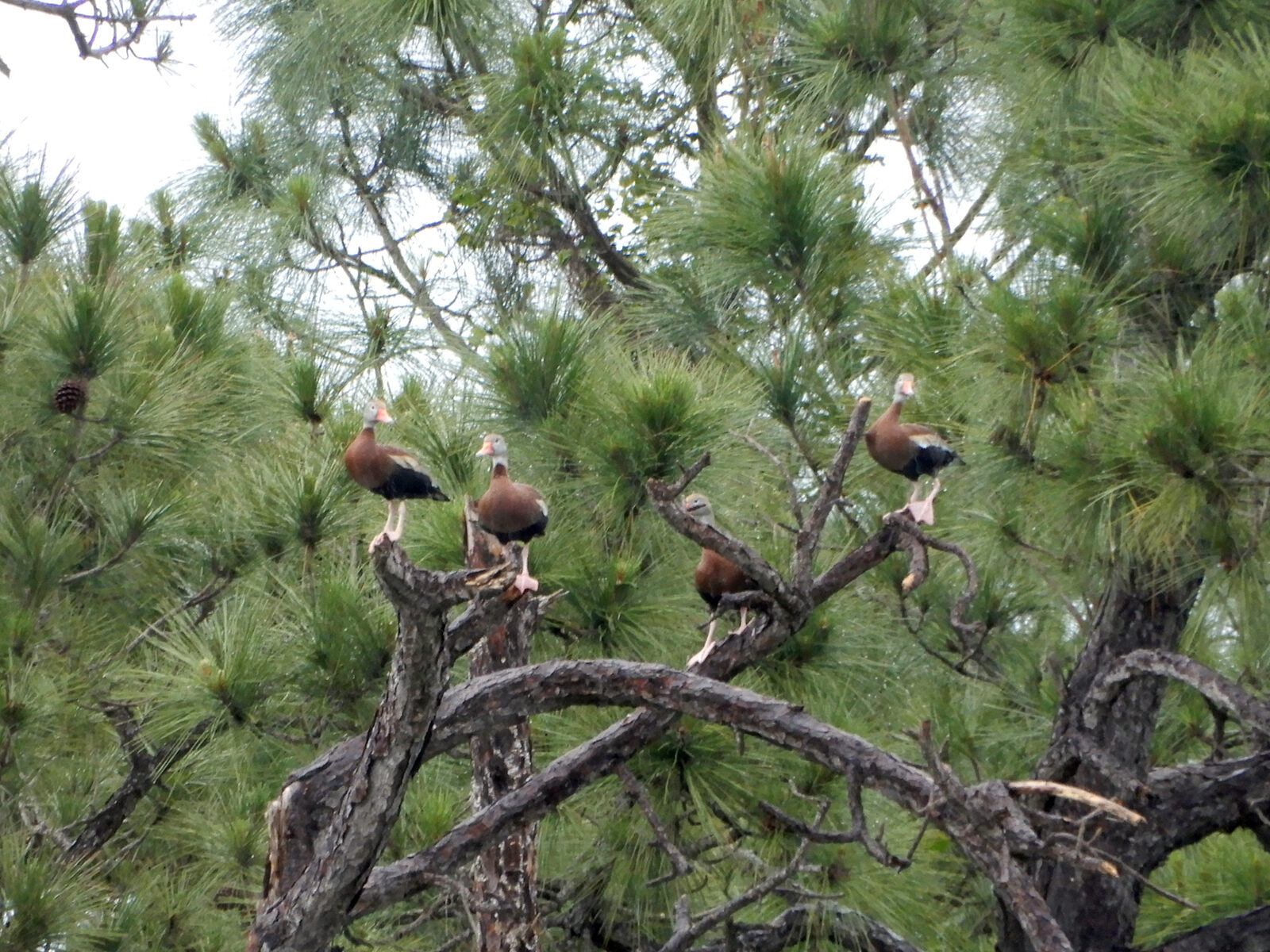
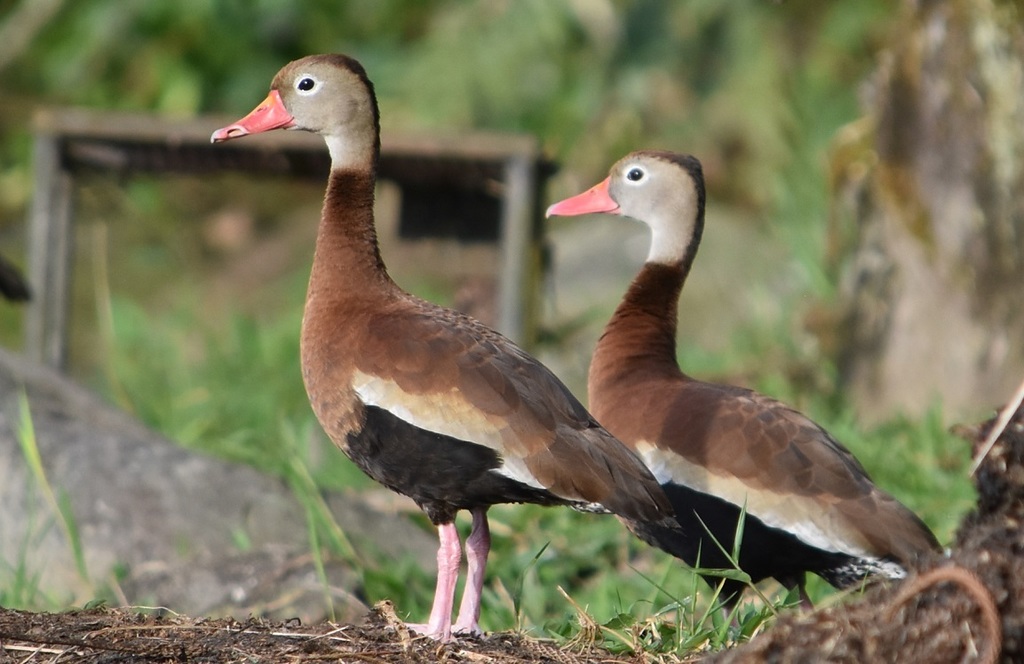
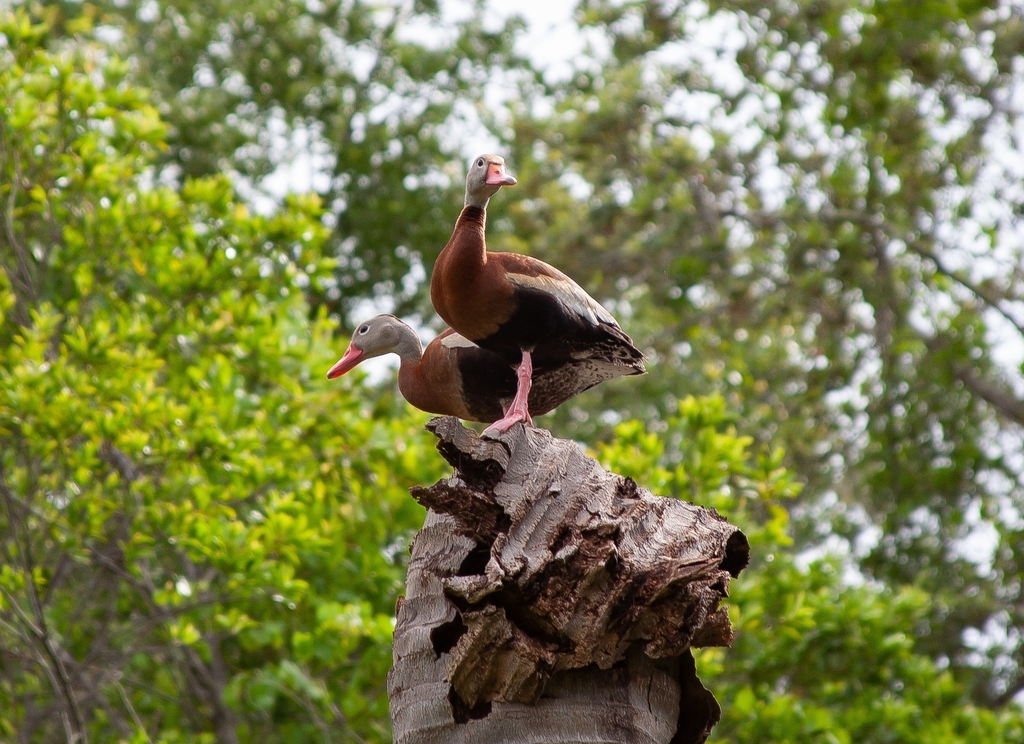
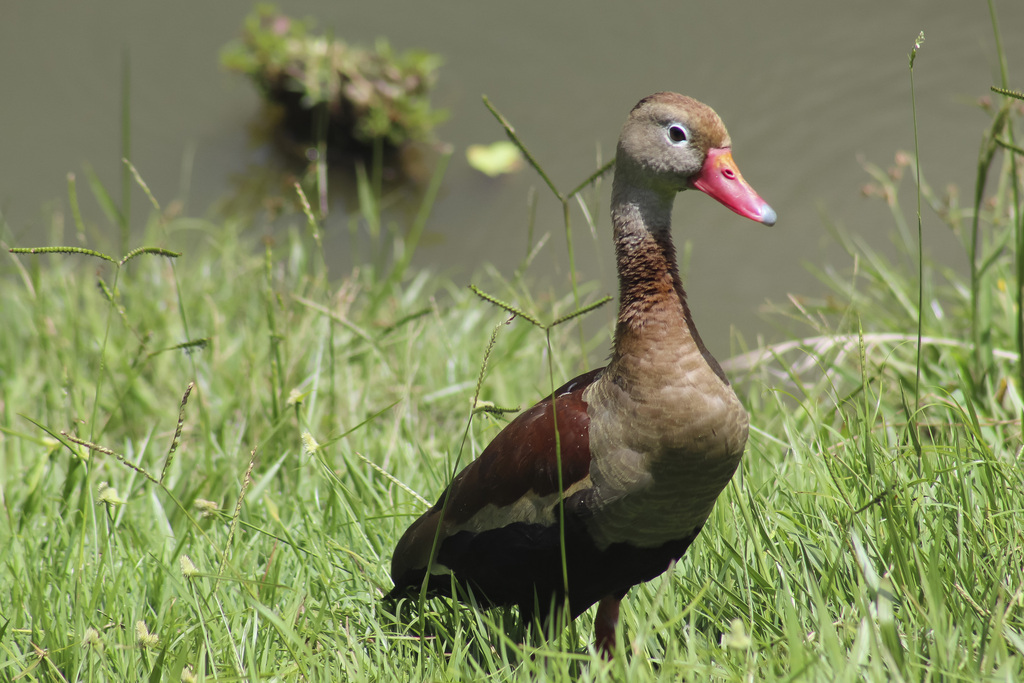
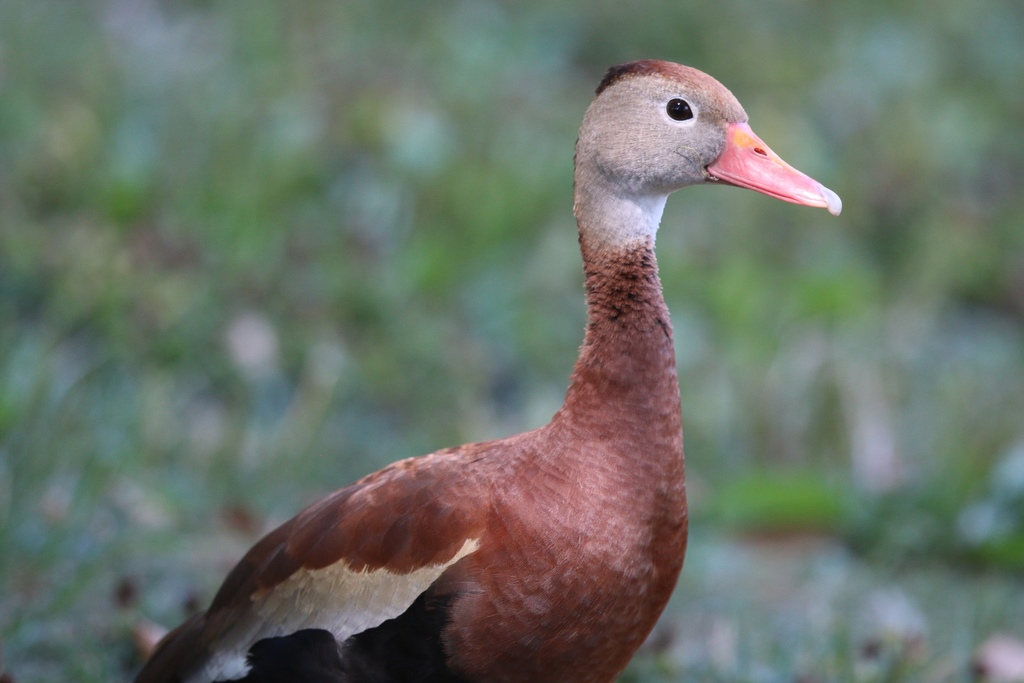
Black-bellied Whistling-Duck
Dendrocygna autumnalis
- Status
- Least Concern IUCN Red List
- Eats
- bermuda grass, nutgrass, cane toad and 10 more
- Eaten by
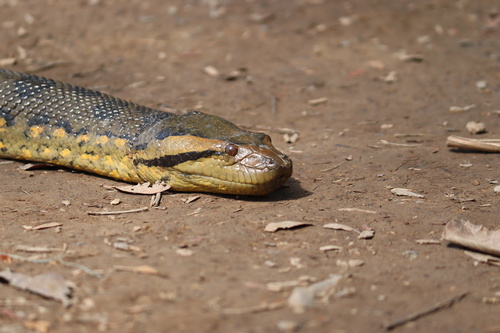
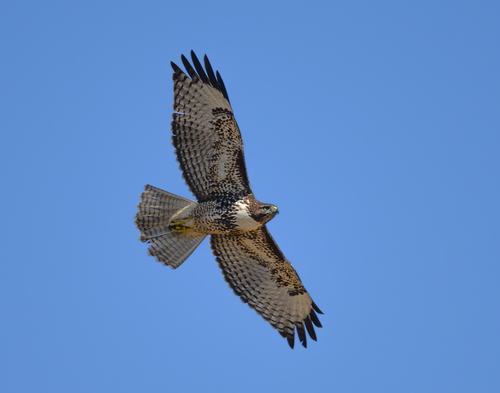
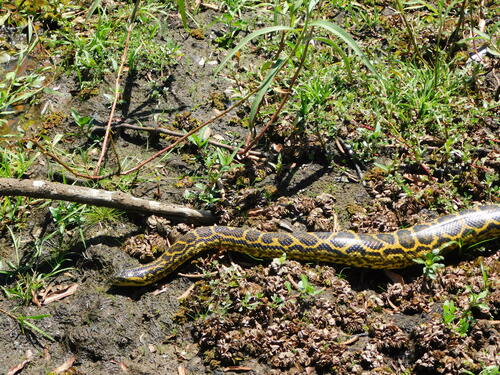
- green anaconda, red-tailed hawk, yellow anaconda
- Where
- 54 countries
On 4Planet Atlas it is among the wildlife people record most around Asunción, Belmopan and Bogotá, and 10 more of the cities we cover.
People have shared 1,019,873 records of the Black-bellied Whistling-Duck with GBIF, from 54 countries, most of them from United States, Mexico and Costa Rica. Records collected by GloBI show it eating 13 different kinds of animals and plants, and being eaten by 4.
What the black-bellied Whistling-Duck eats, and what eats it
Studies have recorded it eating 13 kinds of animals and plants, and 4 kinds of animals eating it. Tap any of them to follow the food chain.
- Plants 12
- Amphibians 1
 Black-bellied Whistling-Duck
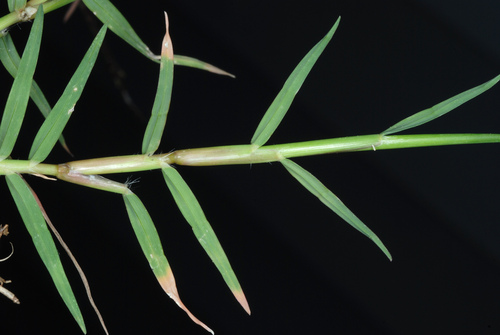

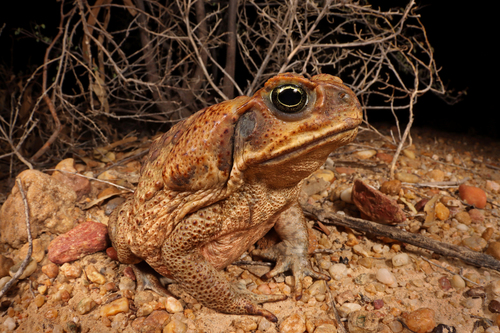


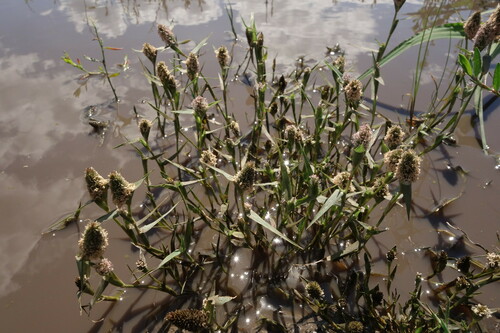
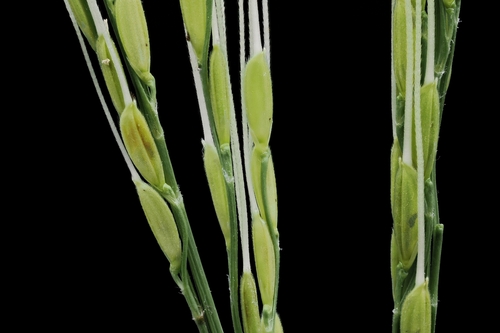
Records from studies worldwide, collected by GloBI. They include animals eaten as carrion, and they are not everything it eats in one place.
Where people see the black-bellied Whistling-Duck
People have shared 1,019,873 records from 54 countries.
Near a city: Asunción, Belmopan, Bogotá, Bridgetown, Georgetown, Guadalajara, Houston, Managua, Nassau, Panama City, San Salvador, St. George's, Tegucigalpa.
Records show where people have seen it and shared it, not its full range. Country names open their page in Atlas.
When it is seen
Records per month in the northern hemisphere. More people outdoors also means more records.
Watch and listen
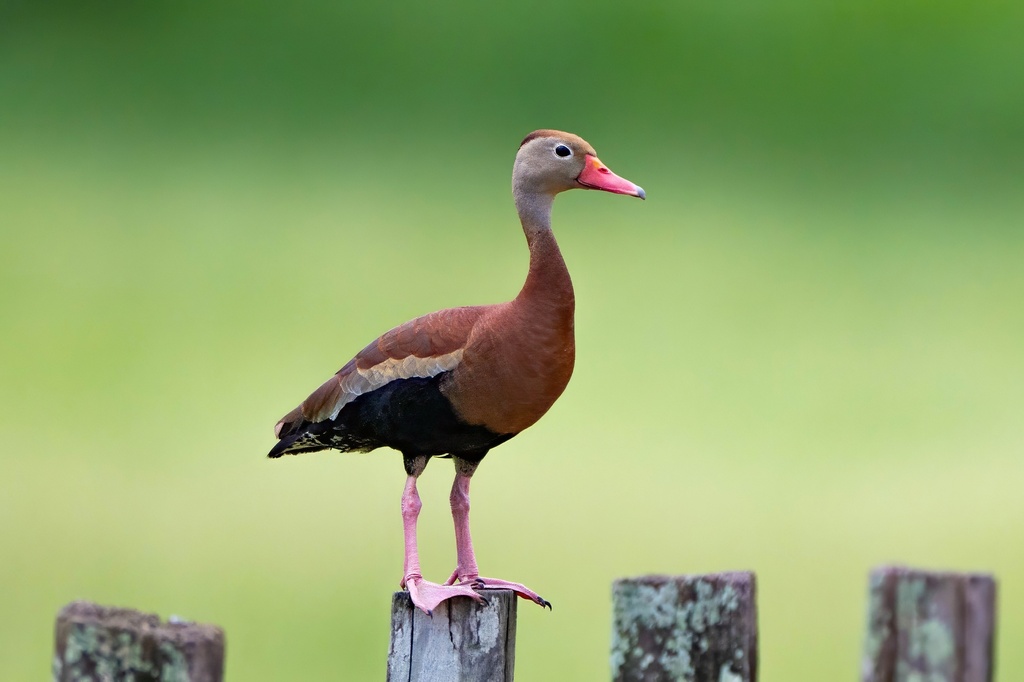
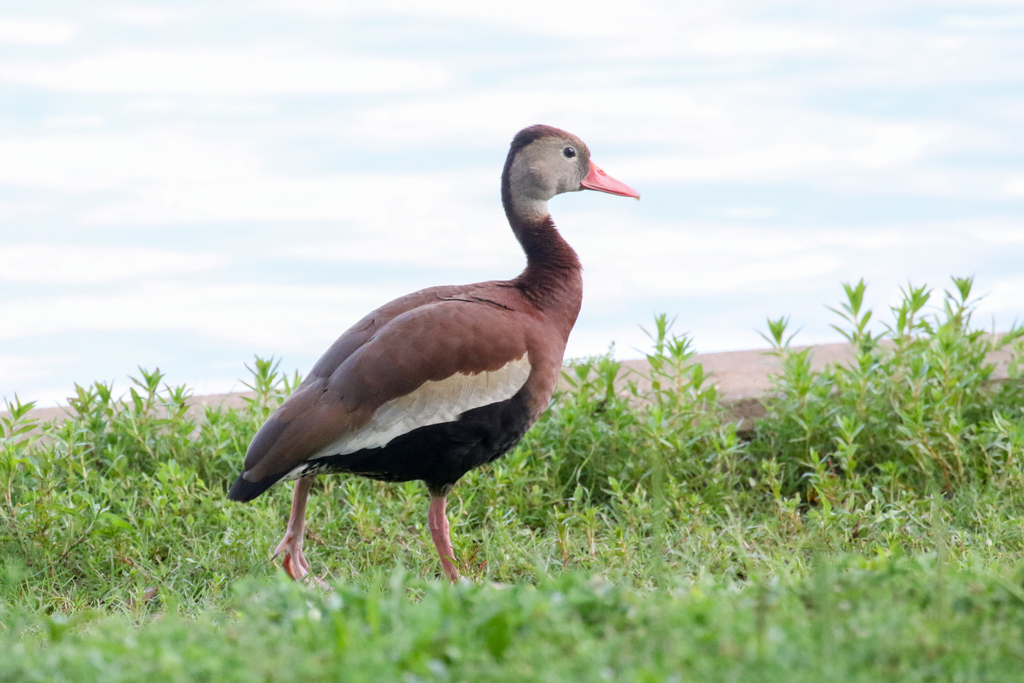
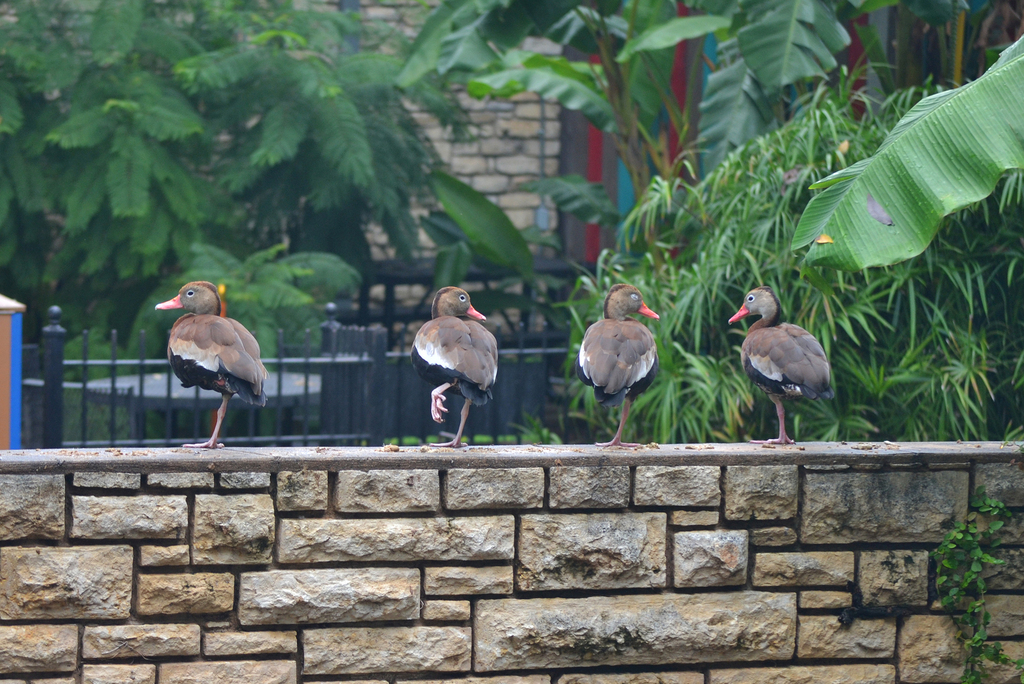
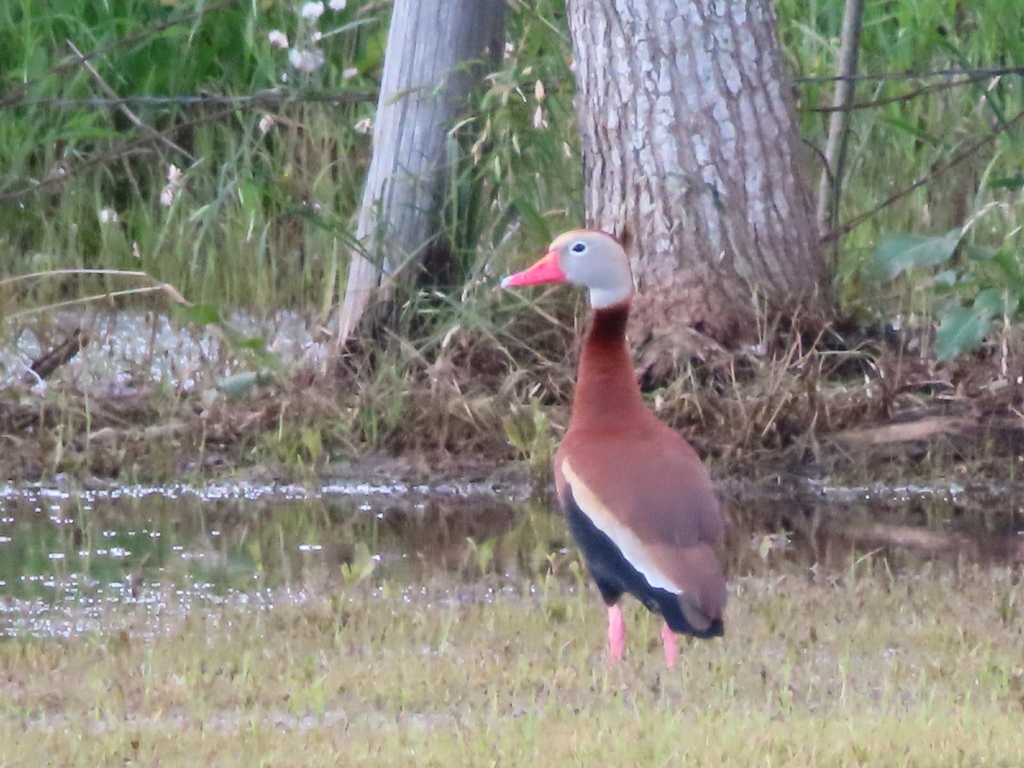
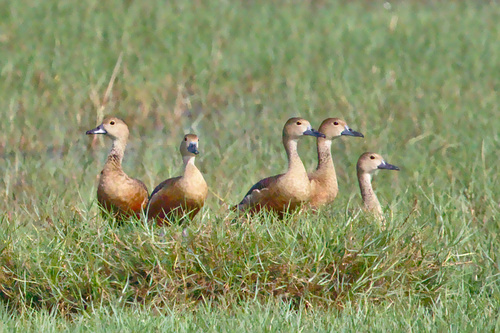
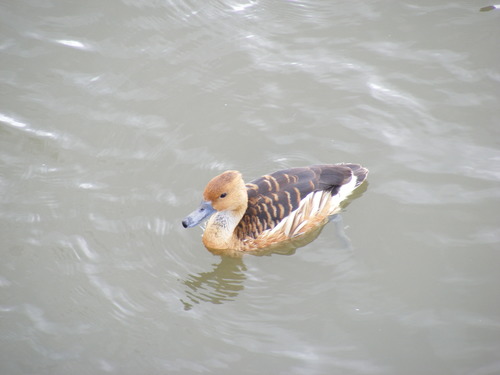
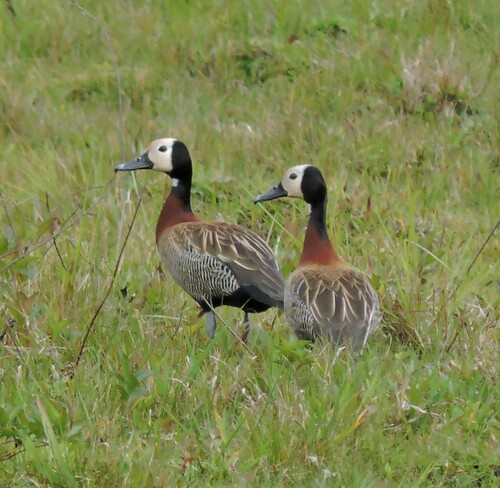
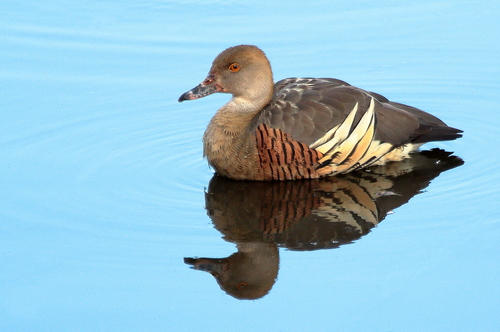
Its closest relatives
The other species of the genus Dendrocygna.

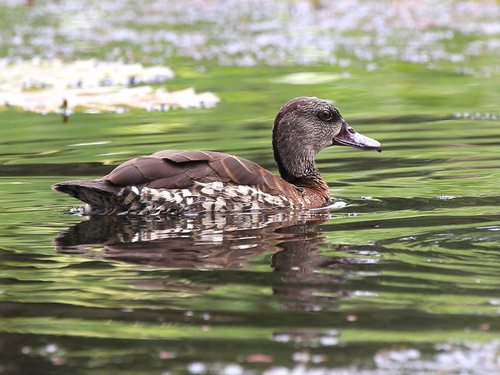
Seen a black-bellied Whistling-Duck?
Share your photo on iNaturalist. Other naturalists help confirm it, and the record goes to GBIF, where scientists use it and where the maps on this page come from.
Put this species on your site
The card names every source and links back here.
<iframe src="https://4planetatlas.com/place/embed/species/black-bellied-whistling-duck" title="Black-bellied Whistling-Duck (Dendrocygna autumnalis), 4PLANET Species" width="100%" height="600" style="border:0;max-width:640px" loading="lazy"></iframe>
<p><a href="https://4species.com/black-bellied-whistling-duck">Black-bellied Whistling-Duck on 4PLANET Species</a></p>Questions people ask
What does the Black-bellied Whistling-Duck eat?
The Black-bellied Whistling-Duck has been recorded eating 13 different kinds of animals and plants, most of them plants and amphibians. The ones recorded most often are bermuda grass, nutgrass, cane toad, cockspur and johnson grass; records include animals eaten as carrion. Source: GloBI.
What eats the Black-bellied Whistling-Duck?
Recorded predators include green anaconda, red-tailed hawk and yellow anaconda. Source: GloBI.
Where does the Black-bellied Whistling-Duck live?
People have recorded it in 54 countries; the most records come from United States, Mexico, Costa Rica, Colombia and Brazil. Records show where people have seen it, not its full range.
When is the Black-bellied Whistling-Duck seen most?
In the northern hemisphere, the most records are made in April and the fewest in February. More people outdoors also means more records.
What are the Black-bellied Whistling-Duck's closest relatives?
It shares the genus Dendrocygna with lesser whistling duck, fulvous whistling duck, white-faced whistling duck, plumed whistling duck and west indian whistling duck.
Sources and photo credits
- GBIF · Dendrocygna autumnalis, 1,019,873 human observations
- GloBI · recorded interactions of Dendrocygna autumnalis
- Wikidata · Black-bellied Whistling-Duck (Q752461)
- Black-bellied Whistling-Duck (Dendrocygna autumnalis): Lyndsey, CC BY 4.0
- Black-bellied Whistling-Duck (Dendrocygna autumnalis): cello caruso-turiello, CC BY 4.0
- Black-bellied Whistling-Duck (Dendrocygna autumnalis), Whittier, Frederick, MD 21702, USA: Tom Field, CC BY 4.0
- Black-bellied Whistling-Duck (Dendrocygna autumnalis), San Antonio, TX, USA: Wes Copas, CC BY 4.0
- Black-bellied Whistling-Duck (Dendrocygna autumnalis), La Vernia, TX 78121, USA: Jo Roberts, CC BY 4.0
- Black-bellied Whistling-Duck (Dendrocygna autumnalis), Provincia de Cartago, Turrialba, Costa Rica: Norman Salazar Arguedas, CC BY-SA 4.0
- Black-bellied Whistling-Duck (Dendrocygna autumnalis), Lake Alfred, FL, USA: Bailey Duncan, CC BY 4.0
- Black-bellied Whistling-Duck (Dendrocygna autumnalis), Itatiba: Marcia Cristina Machado, CC0
- Black-bellied Whistling-Duck (Dendrocygna autumnalis), Whittier Lake Park, Frederick, MD, US: Andy Wilson, CC0
- Bermuda grass: Douglas Goldman, CC BY-SA 4.0
- Nutgrass: no rights reserved, uploaded by 葉子, CC0
- Cane toad: Connor Margetts, CC BY 4.0
- Cockspur: Thomas Gyselinck, CC BY 4.0
- Johnson grass: Harry Rose, CC BY 4.0
- Jointed flatsedge: lallen, CC0
- Rice grass: Laura Clark, CC BY 4.0
- Dropseed: Aleksei Baushev, CC BY 4.0
- Brownbeard rice: Roland Muench, CC BY 4.0
- Green anaconda: Conrado Pável de Oliveira, CC BY 4.0
- Red-tailed hawk: no rights reserved, uploaded by Claude Lyneis, CC0
- Yellow anaconda: Sebastián Gómez Barboza Silveira, CC0
- Lesser whistling duck: Navin Sasikumar, CC BY 4.0
- Fulvous whistling duck: John Proctor, CC BY 4.0
- White-faced whistling duck: Júlio Castellain, CC BY 4.0
- Plumed whistling duck: Graham Winterflood, CC BY-SA 4.0
- West Indian whistling duck: Dick Daniels, CC BY-SA 4.0
- Spotted whistling duck: Graham Winterflood, CC BY-SA 4.0
- Wandering whistling duck: lunarjade, CC BY 4.0
Records show where people have seen and shared the Black-bellied Whistling-Duck, not its full range, and some countries and months are recorded far more than others. The food web lists interactions that studies have recorded somewhere in the world (GloBI), not everything it eats in one place.
Checked 2026-11-26.