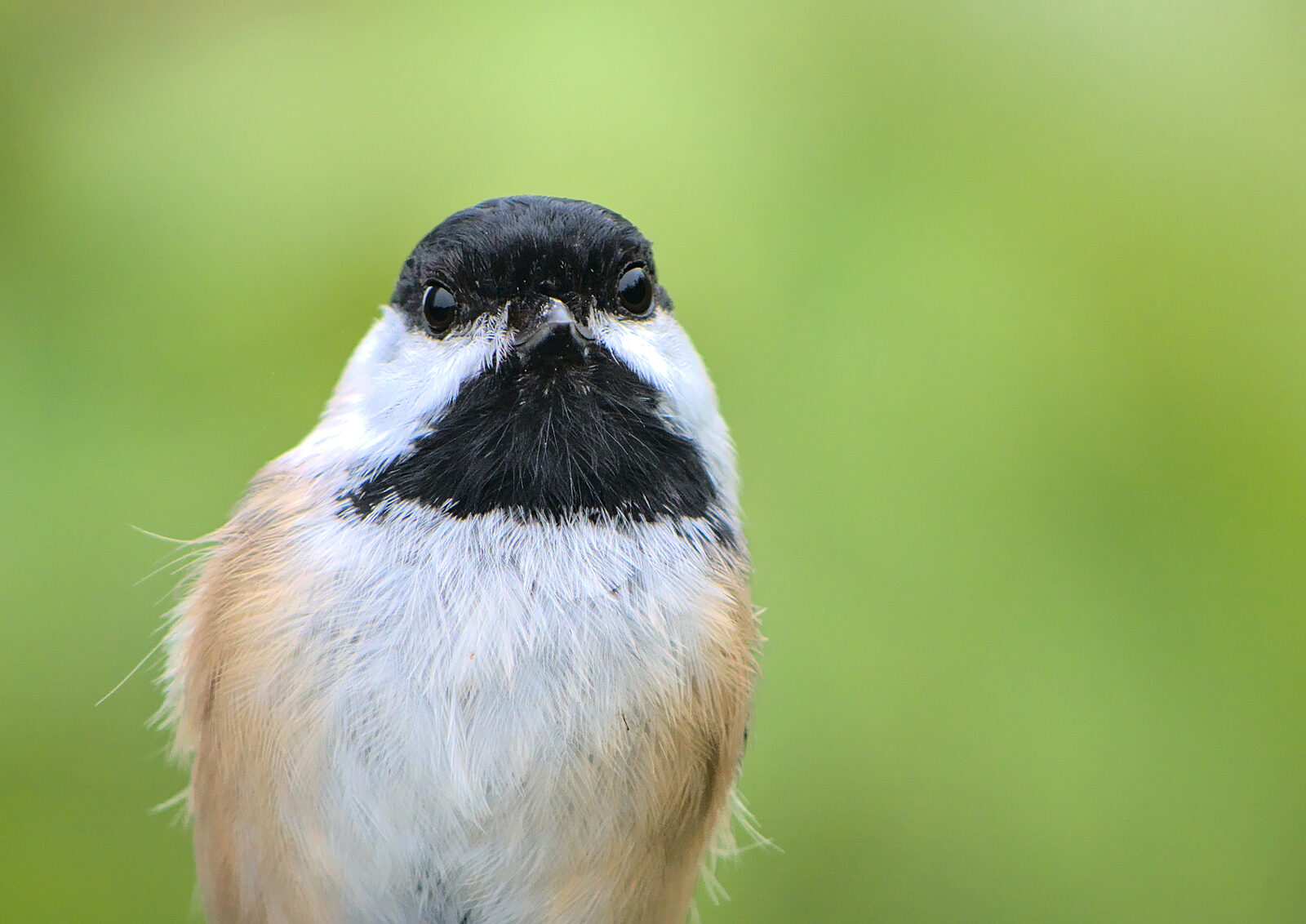
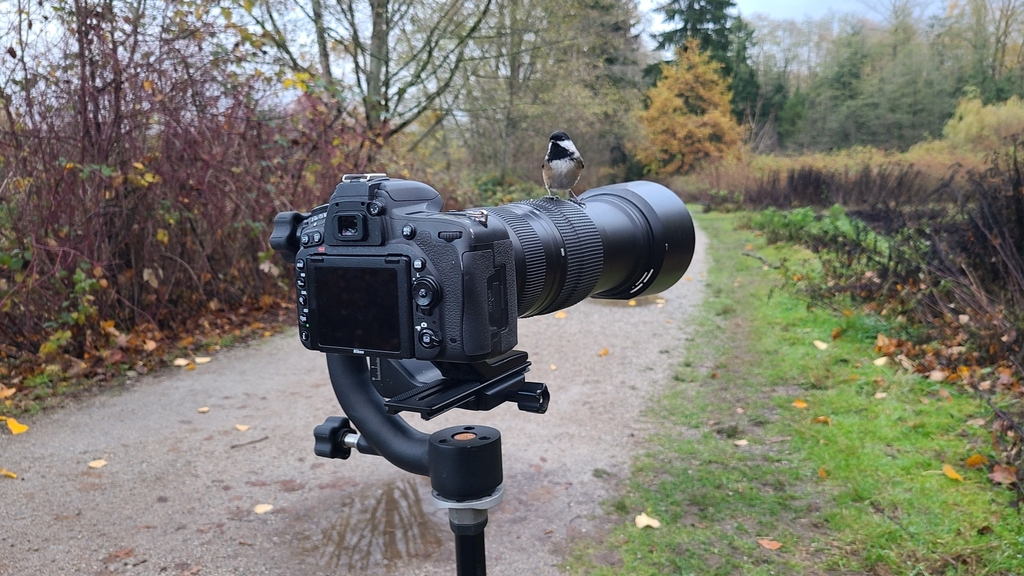
Black-capped chickadee
Poecile atricapillus
A tiny bird with a black cap and bib that calls its name: 'chick-a-dee-dee-dee'.
- Status
- Least Concern IUCN Red List
- Eats
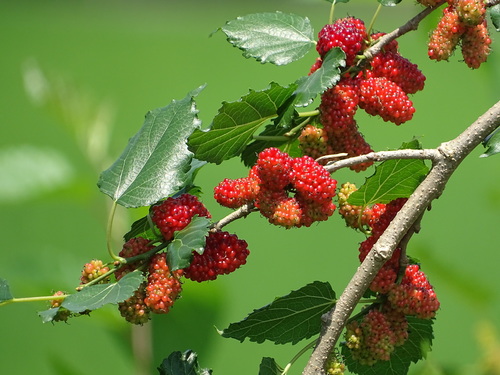
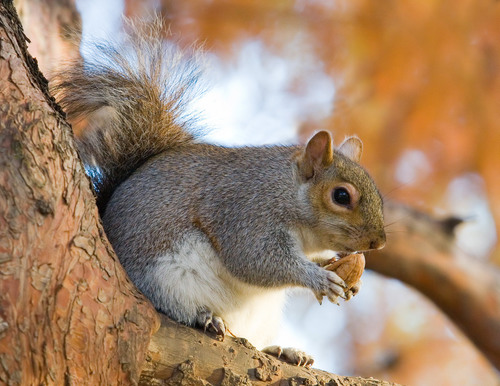
- white mulberry, European mantis, eastern gray squirrel and 30 more
- Eaten by
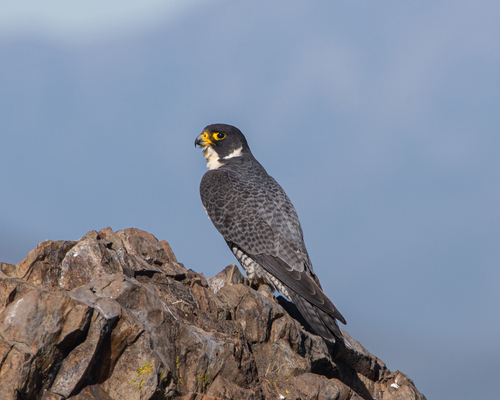
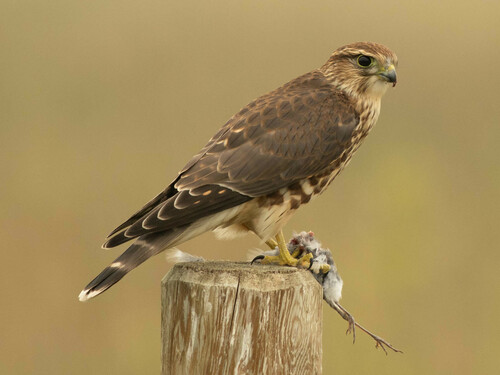
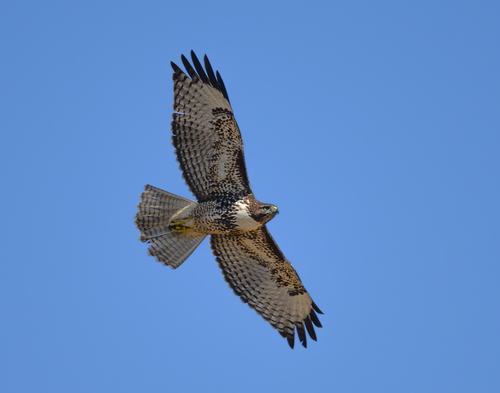
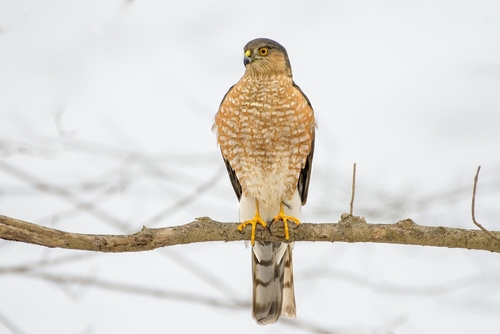
- peregrine falcon, merlin, red-tailed hawk
- Where
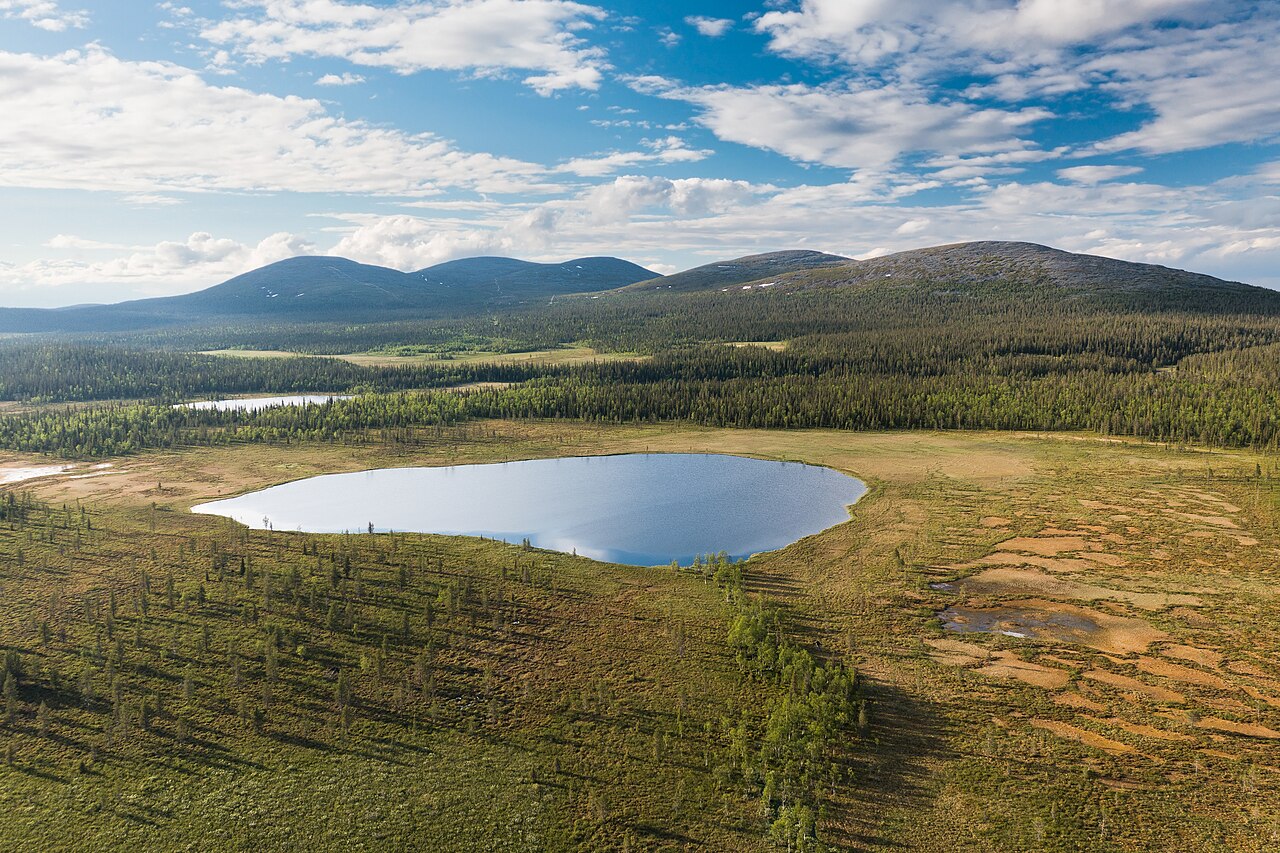
- 3 countries · boreal forest, north america, forest
On 4Planet Atlas it is among the wildlife people record most around New York, Ottawa and Toronto, and 1 more of the cities we cover.
People have shared 18,319,335 records of the black-capped chickadee with GBIF, from 3 countries, most of them from United States, Canada and St. Pierre & Miquelon. Records collected by GloBI show it eating 33 different kinds of animals and plants, and being eaten by 4.
Habitats
- Boreal forest
- North america
- Forest
What the black-capped chickadee eats, and what eats it
Studies have recorded it eating 33 kinds of animals and plants, and 4 kinds of animals eating it. Tap any of them to follow the food chain.
- Plants 19
- Insects 9
- Mammals 3
- Spiders and mites 1
 Black-capped chickadee

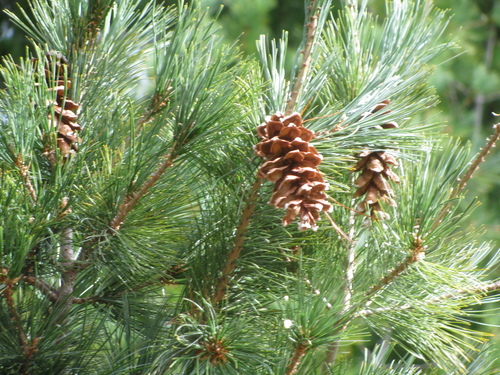
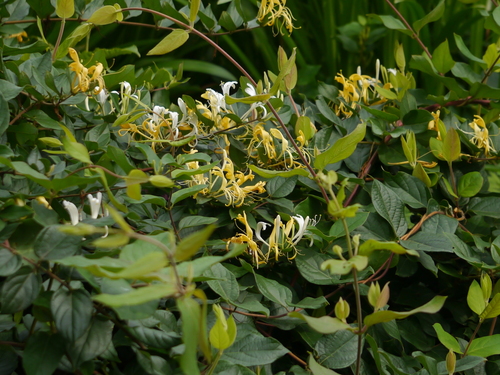
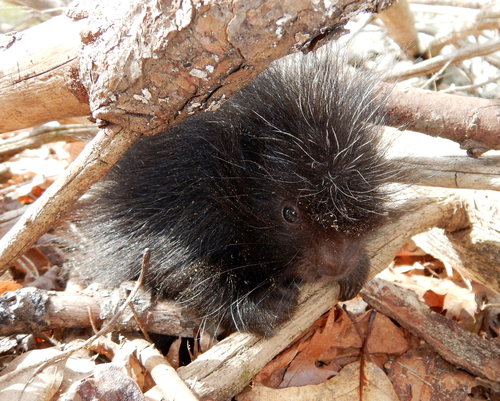
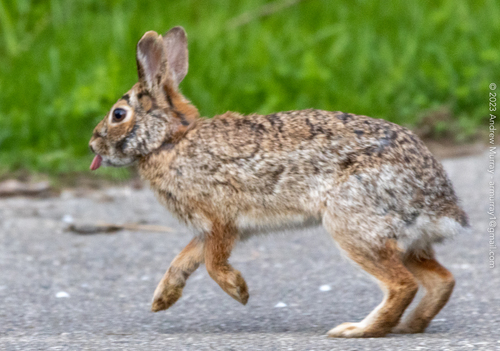
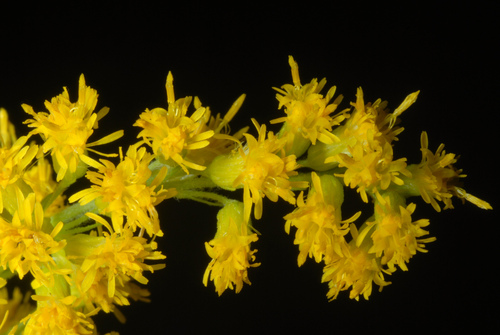

Records from studies worldwide, collected by GloBI. They include animals eaten as carrion, and they are not everything it eats in one place.
Where people see the black-capped chickadee
People have shared 18,319,335 records from 3 countries.
Near a city: New York, Ottawa, Toronto, Vancouver.
Records show where people have seen it and shared it, not its full range. Country names open their page in Atlas.
When it is seen
Records per month in the northern hemisphere. More people outdoors also means more records.
Watch and listen
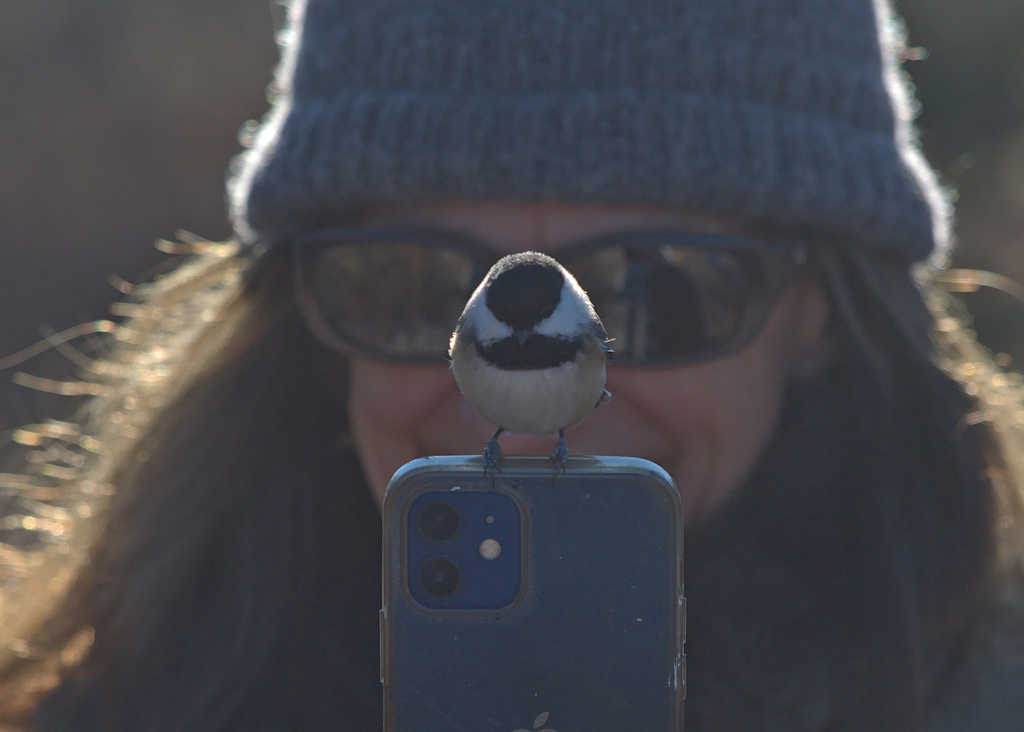
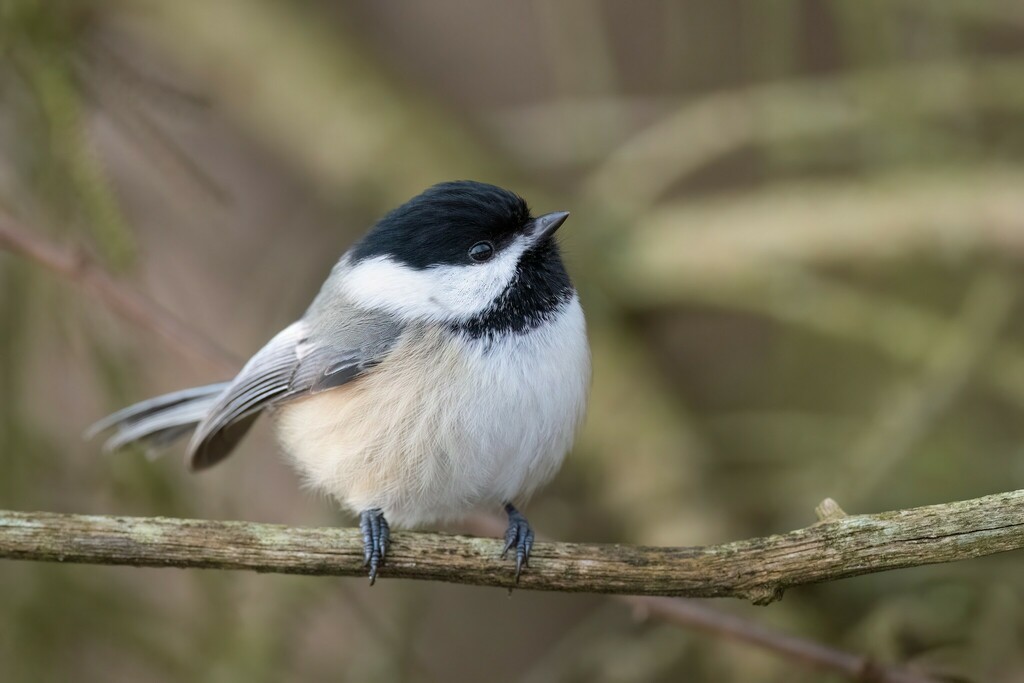
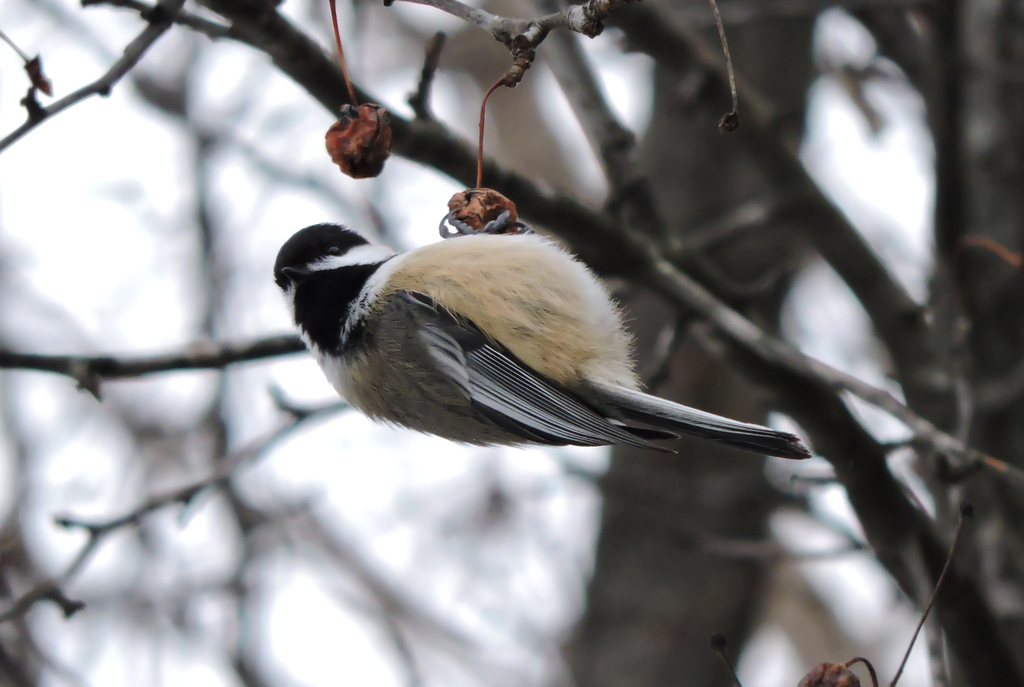
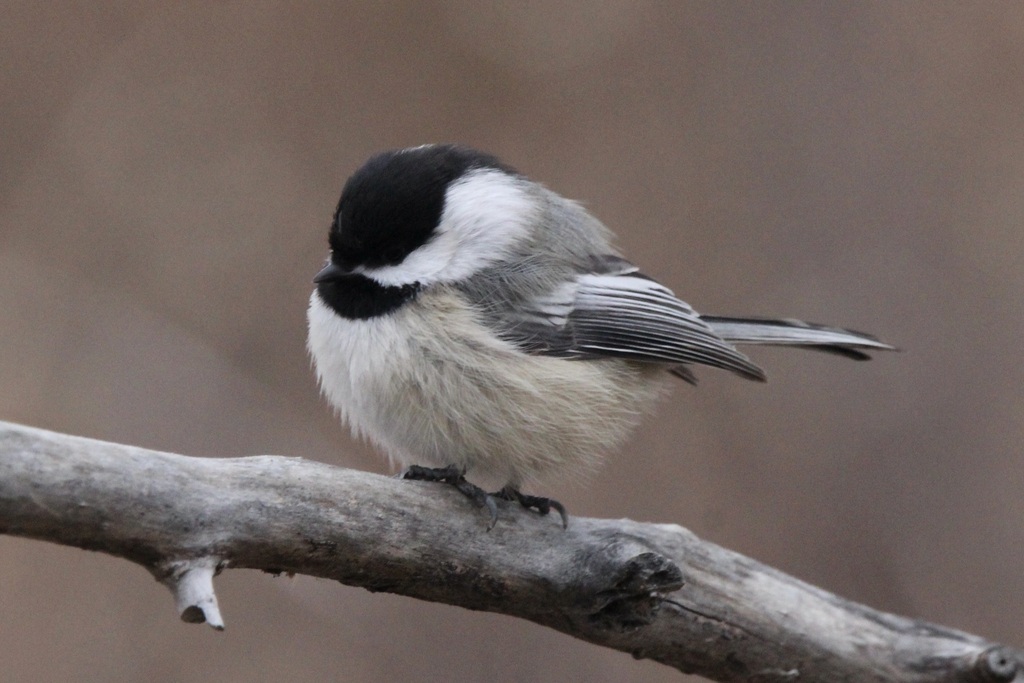
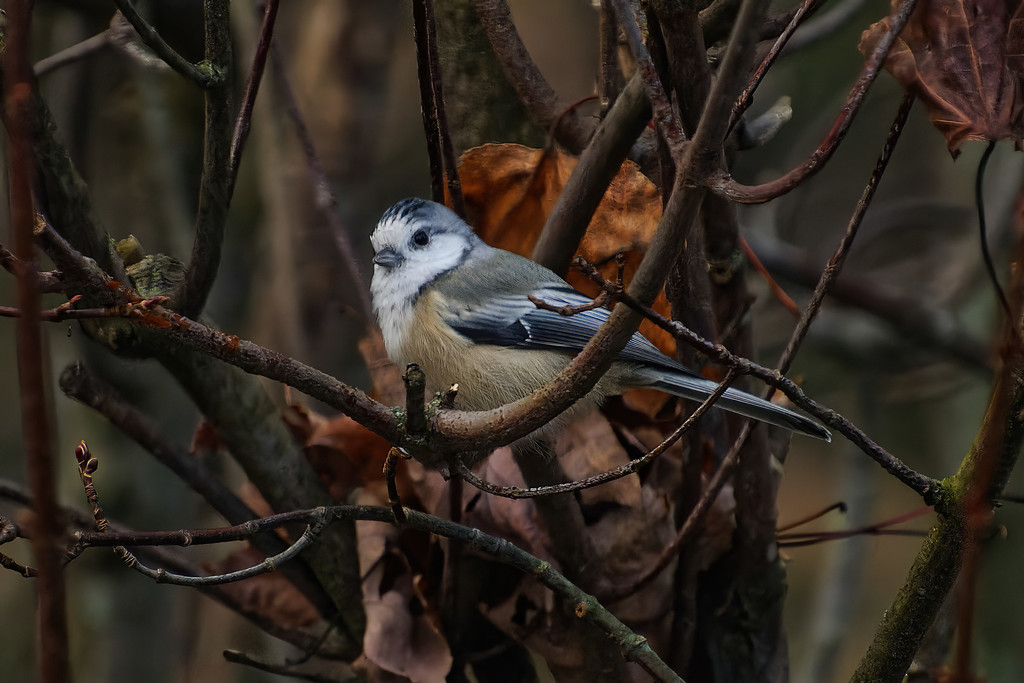
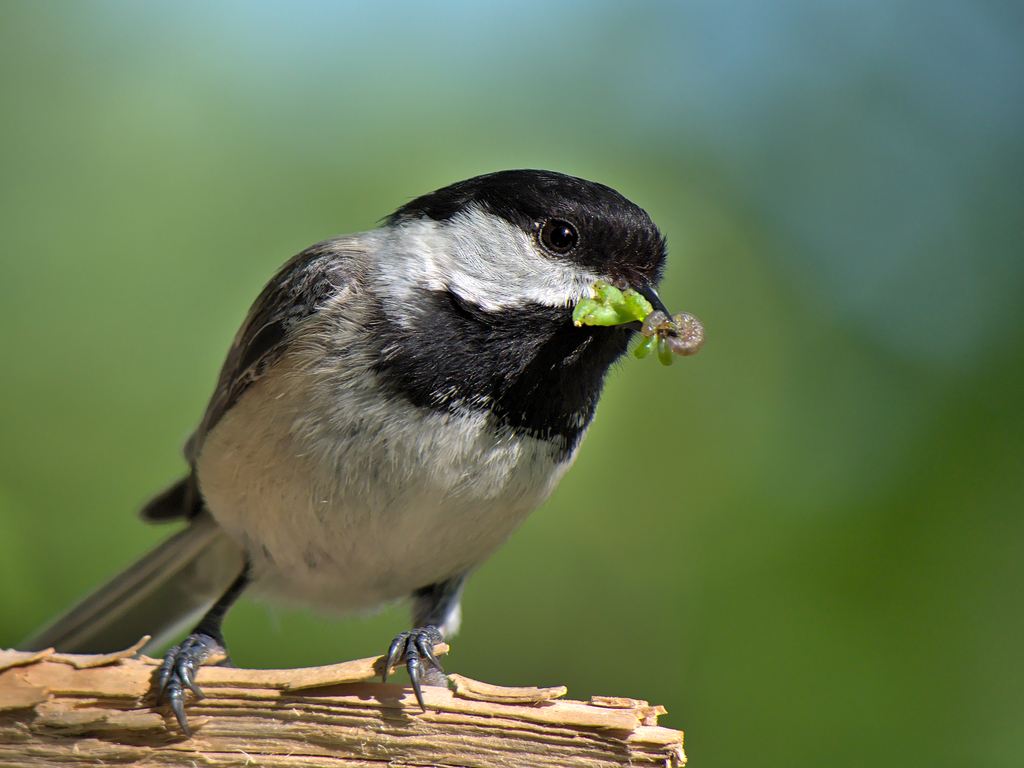
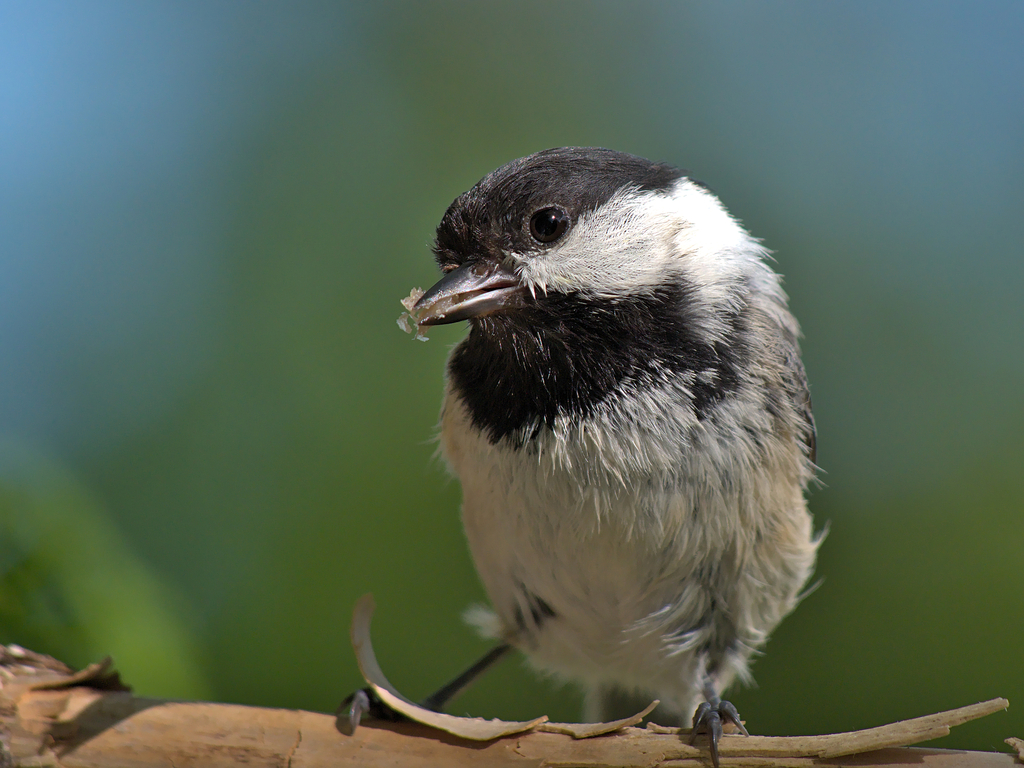
Its closest relatives
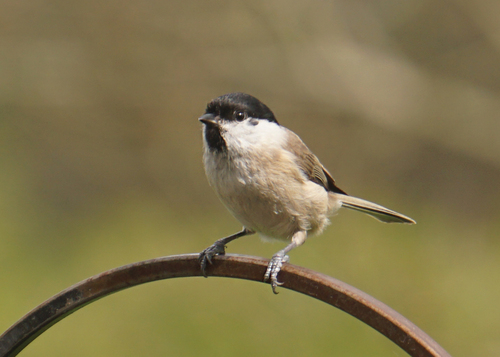
The other species of the genus Poecile.

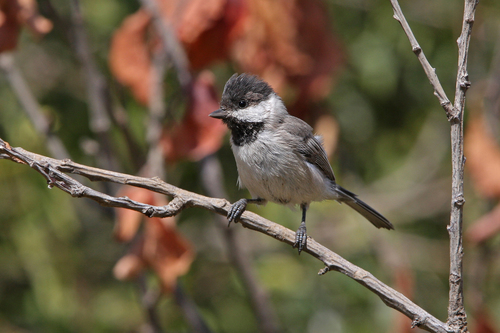


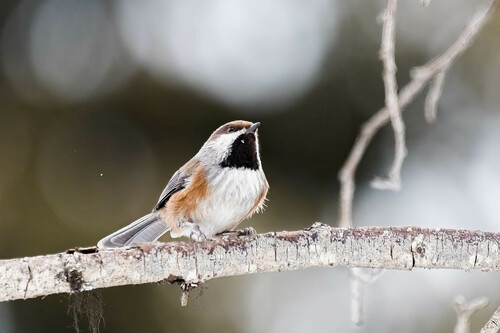
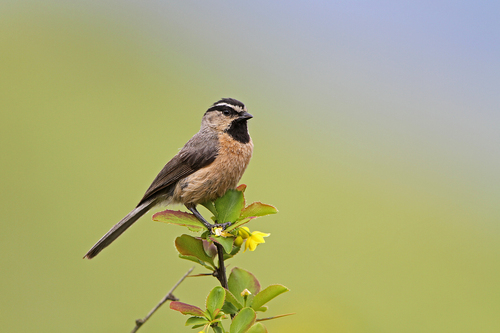
Seen a black-capped chickadee?
Share your photo on iNaturalist. Other naturalists help confirm it, and the record goes to GBIF, where scientists use it and where the maps on this page come from.
Explore next
What puts the black-capped chickadee under pressure, what helps, and who works on it.

Questions people ask
What does the black-capped chickadee eat?
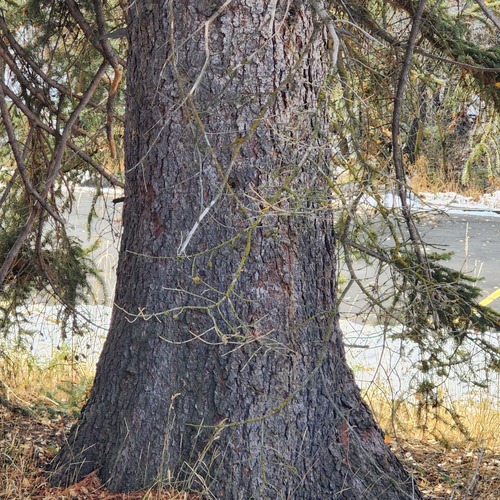
The black-capped chickadee has been recorded eating 33 different kinds of animals and plants, most of them plants, insects, mammals and spiders and mites. The ones recorded most often are white mulberry, european mantis, eastern gray squirrel, colorado spruce and weymouth pine; records include animals eaten as carrion. Source: GloBI.
What eats the black-capped chickadee?
Recorded predators include peregrine falcon, merlin, red-tailed hawk and sharp-shinned hawk. Source: GloBI.
Where does the black-capped chickadee live?
People have recorded it in 3 countries; the most records come from United States, Canada and St. Pierre & Miquelon. Records show where people have seen it, not its full range.
When is the black-capped chickadee seen most?
In the northern hemisphere, the most records are made in May and the fewest in July. More people outdoors also means more records.
What are the black-capped chickadee's closest relatives?
It shares the genus Poecile with marsh tit, willow tit, sombre tit, siberian tit and mountain chickadee.
Sources and photo credits
- GBIF · Poecile atricapillus, 18,319,335 human observations
- GloBI · recorded interactions of Poecile atricapillus
- Wikidata · Black-capped chickadee (Q282687)
- Black-capped chickadee (Poecile atricapillus): Blake Ross, CC BY 4.0
- Black-capped chickadee (Poecile atricapillus), Vancouver, BC V6R 1B5, Canada: Marcel_Pepin, CC BY 4.0
- Black-capped chickadee (Poecile atricapillus), Kings County, NB, Canada: Blake Ross, CC BY 4.0
- Black-capped chickadee (Poecile atricapillus), Summit County, US-OH, US: Adam Jackson, CC0
- Black-capped chickadee (Poecile atricapillus), Poole Creek Walk Way, Ottawa, ON, CA: Mathieu Rancourt, CC BY 4.0
- Black-capped chickadee (Poecile atricapillus), Southeast Calgary, Calgary, AB, Canada: Quinn, CC BY-SA 4.0
- Black-capped chickadee (Poecile atricapillus), Saint-Louis-de-France, Trois-Rivières, QC, Canada: Christian Back, CC BY 4.0
- Black-capped chickadee (Poecile atricapillus), St. Andrews, NB E5B, Canada: Blake Ross, CC BY 4.0
- Black-capped chickadee (Poecile atricapillus), St. Andrews, NB E5B, Canada: Blake Ross, CC BY 4.0
- White mulberry: no rights reserved, uploaded by 葉子, CC0
- European mantis: Charles J. Sharp, CC BY-SA 4.0
- Eastern gray squirrel: Diliff, CC BY-SA 4.0
- Colorado spruce: Lyrae, CC BY 4.0
- Weymouth pine: Forest and Kim Starr, CC BY 4.0
- Staghorn sumac: Douglas Goldman, CC BY-SA 4.0
- Black walnut: Douglas Goldman, CC BY-SA 4.0
- Japanese honeysuckle: Dinesh Valke, CC BY-SA 4.0
- North American porcupine: Dawn Nelson, CC BY 4.0
- Eastern cottontail: Andrew Murray, CC BY 4.0
- Canada goldenrod: Douglas Goldman, CC BY-SA 4.0
- Poison ivy: Randy A Nonenmacher, CC BY 4.0
- Peregrine falcon: Nicolás Villaseca Merino, CC BY-SA 4.0
- Merlin: no rights reserved, uploaded by Kathlin Simpkins, CC0
- Red-tailed hawk: no rights reserved, uploaded by Claude Lyneis, CC0
- Sharp-shinned hawk: Troy B, CC BY 4.0
- Marsh tit: Dave Hernon, CC BY 4.0
- Willow tit: Andrew Bazdyrev, CC BY 4.0
- Sombre tit: Christoph Moning, CC BY 4.0
- Siberian tit: Christoph Moning, CC BY 4.0
- Mountain chickadee: Ron Knight, CC BY 4.0
- Boreal chickadee: Kalvin Chan, CC BY 4.0
- White-browed tit: no rights reserved, uploaded by James Eaton, CC0
Records show where people have seen and shared the black-capped chickadee, not its full range, and some countries and months are recorded far more than others. The food web lists interactions that studies have recorded somewhere in the world (GloBI), not everything it eats in one place.
Checked 2026-11-21.