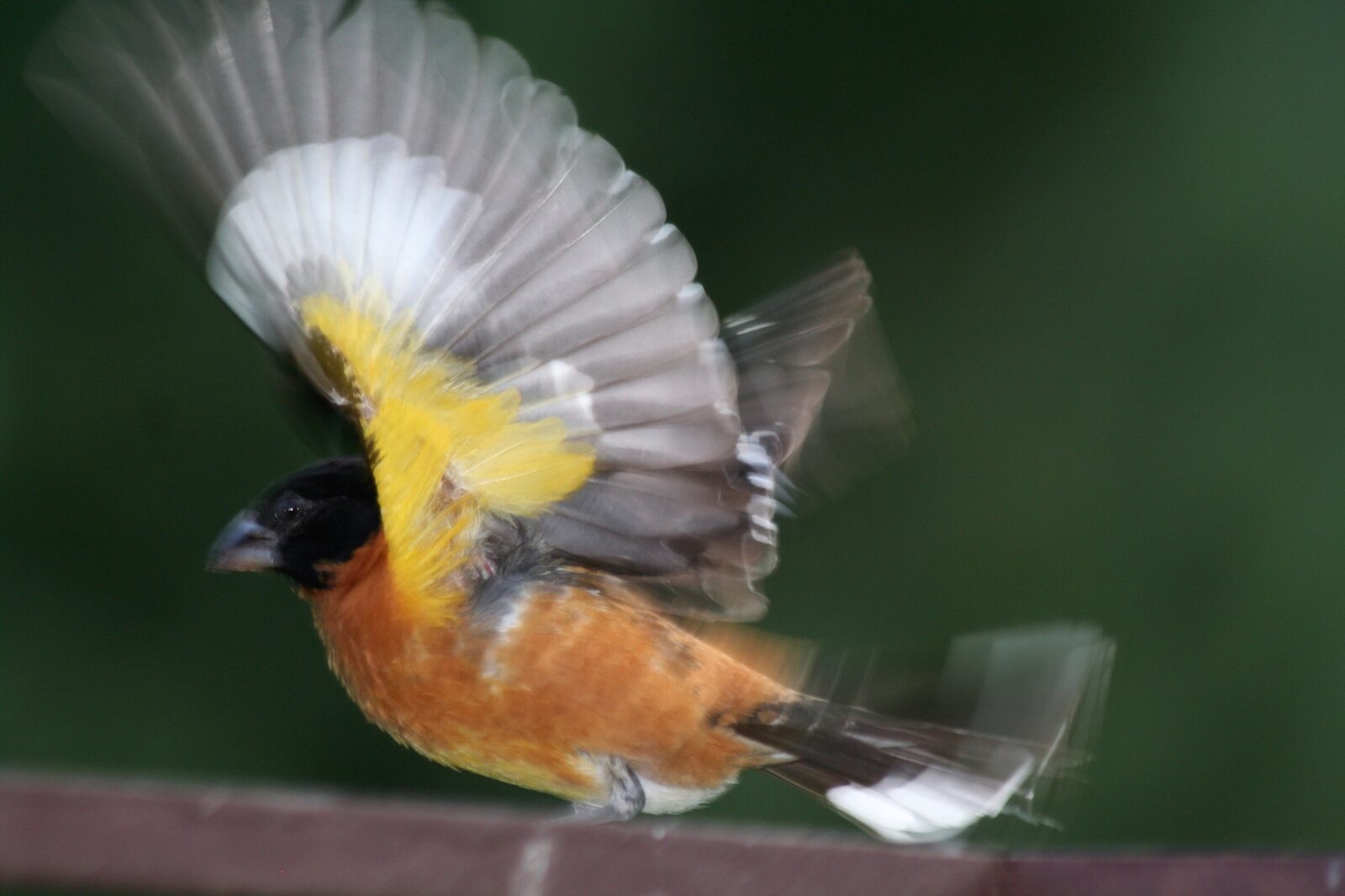
Black-headed Grosbeak
Pheucticus melanocephalus
- Status
- Least Concern IUCN Red List
- Eats
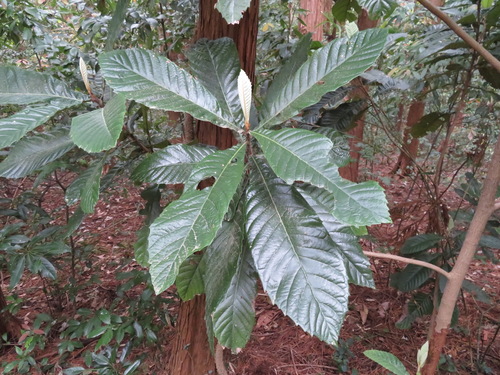
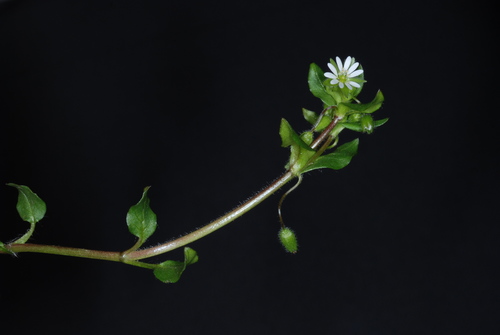
- loquat, common chickweed, milk thistle and 21 more
- Eaten by
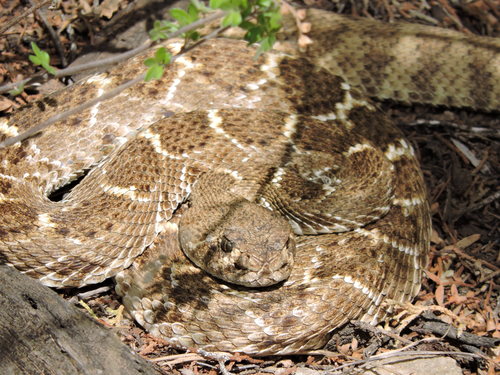
- western diamondback rattlesnake
- Where
- 3 countries
On 4Planet Atlas it is among the wildlife people record most around Albuquerque, Denver and Guadalajara, and 10 more of the cities we cover.
People have shared 1,367,778 records of the Black-headed Grosbeak with GBIF, from 3 countries, most of them from United States, Canada and Mexico. Records collected by GloBI show it eating 24 different kinds of animals and plants, and being eaten by 1.
What the black-headed Grosbeak eats, and what eats it
Studies have recorded it eating 24 kinds of animals and plants, and 1 kinds of animals eating it. Tap any of them to follow the food chain.
- Plants 19
- Insects 5
Eaten by
 Black-headed Grosbeak

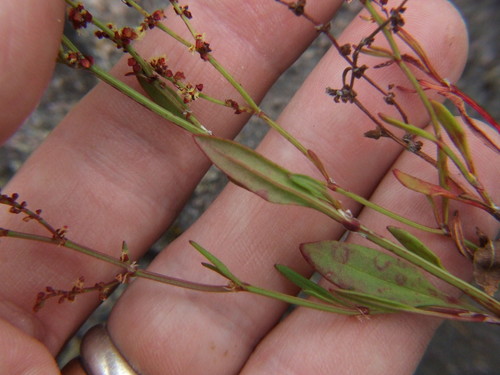
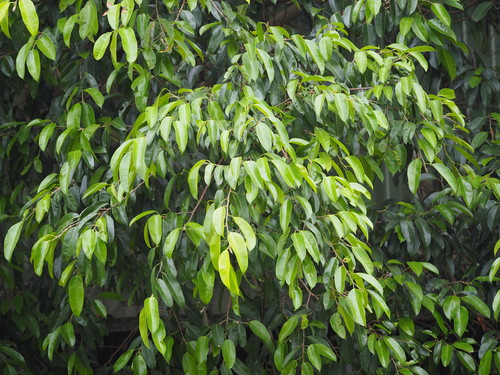
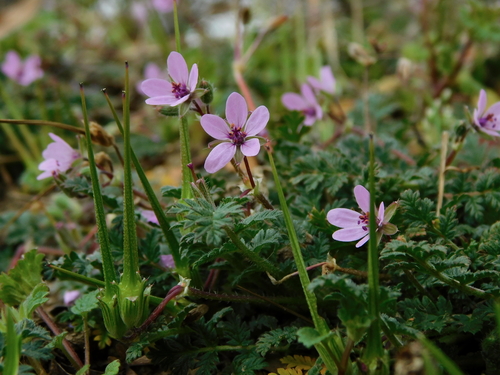
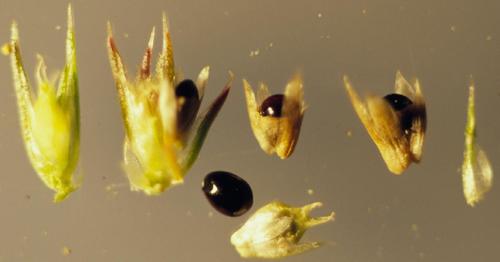
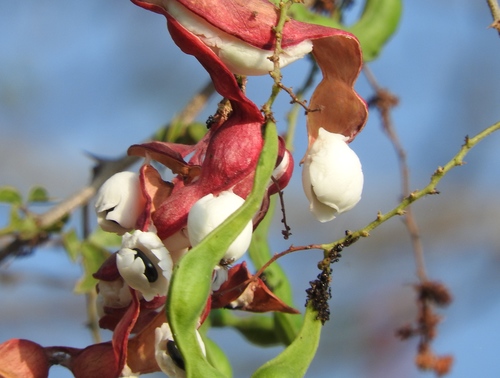

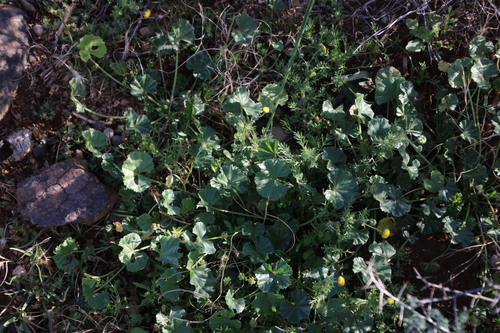
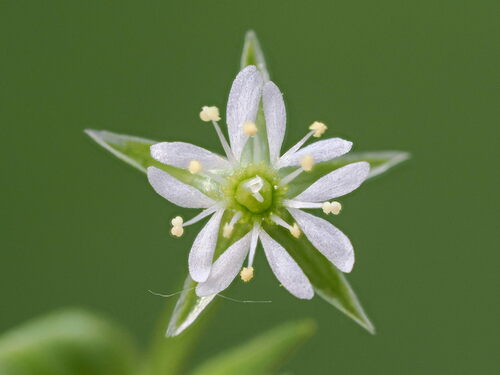
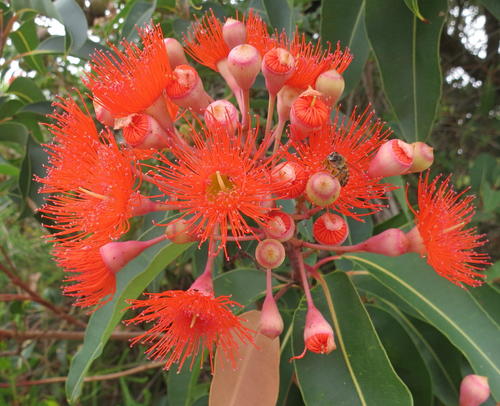
Records from studies worldwide, collected by GloBI. They include animals eaten as carrion, and they are not everything it eats in one place.
Where people see the black-headed Grosbeak
People have shared 1,367,778 records from 3 countries.
Near a city: Albuquerque, Denver, Guadalajara, Las Vegas, Mexico City, Phoenix, Portland, Sacramento, San Diego, San Francisco, San Jose, Seattle, Vancouver.
Records show where people have seen it and shared it, not its full range. Country names open their page in Atlas.
When it is seen
Records per month in the northern hemisphere. More people outdoors also means more records.
Watch and listen
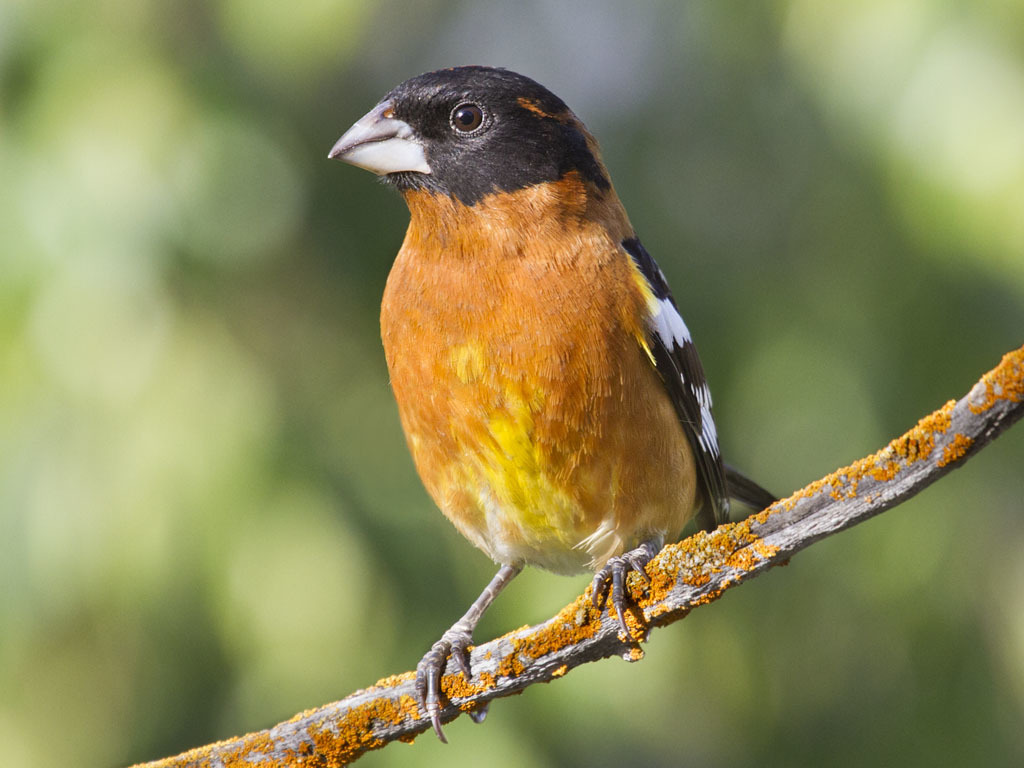
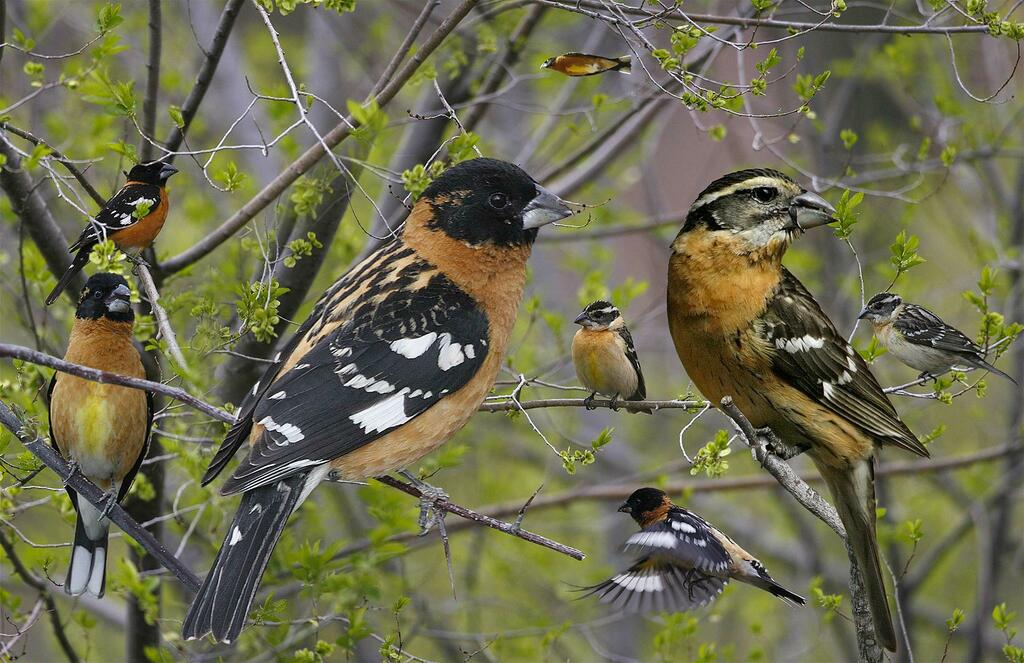
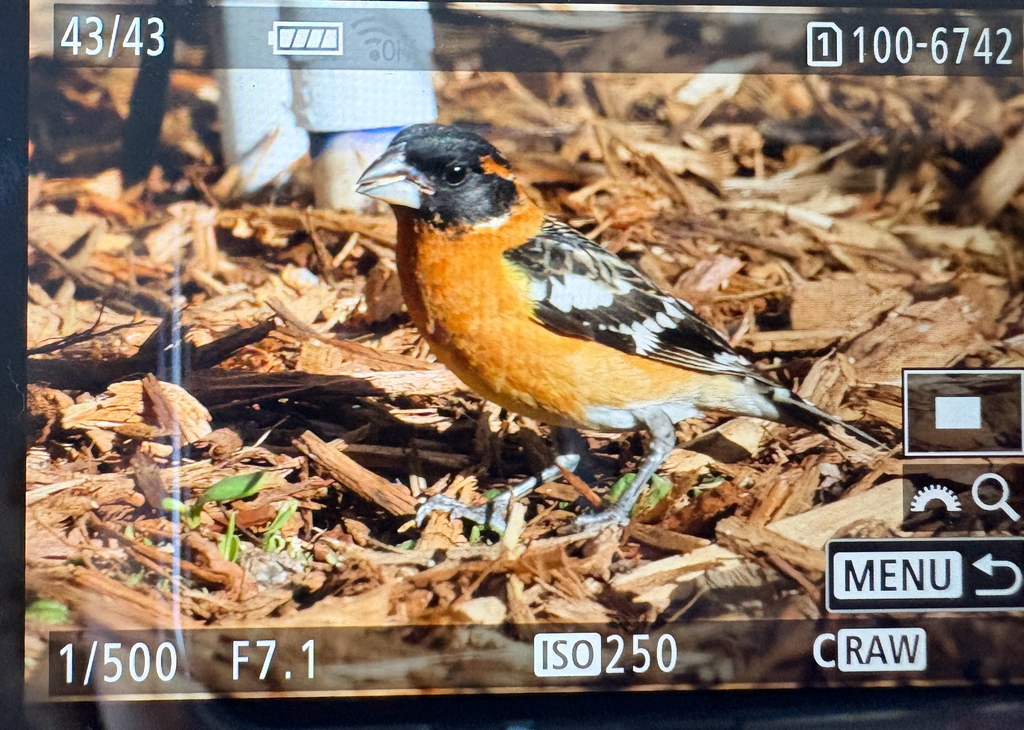
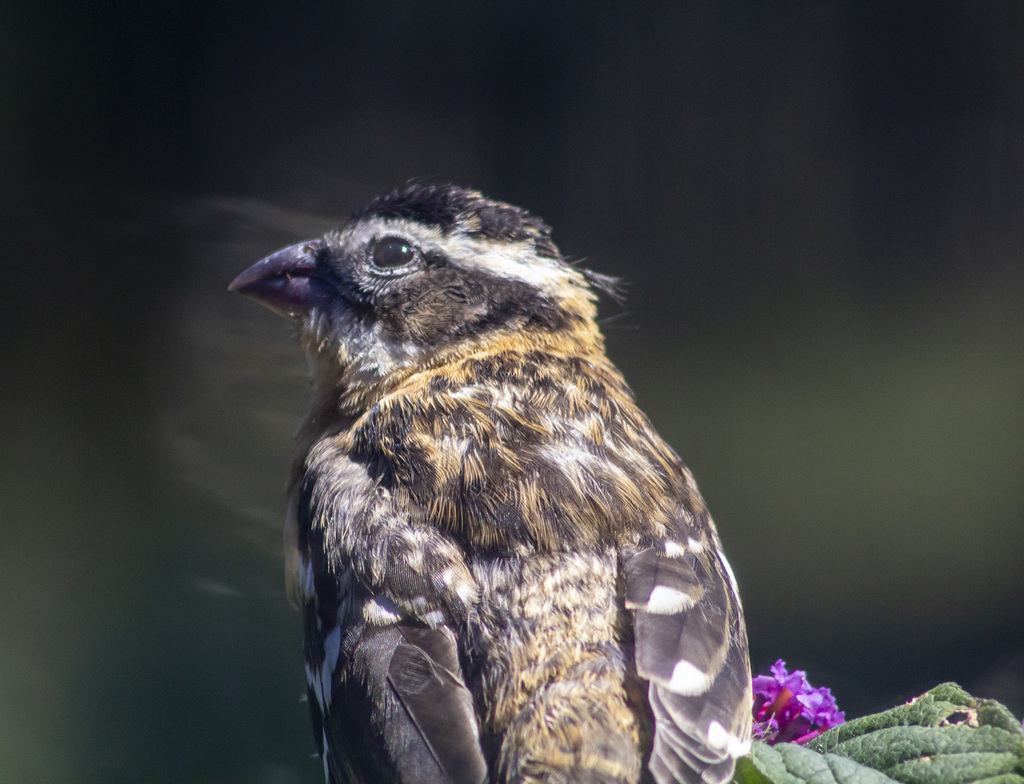
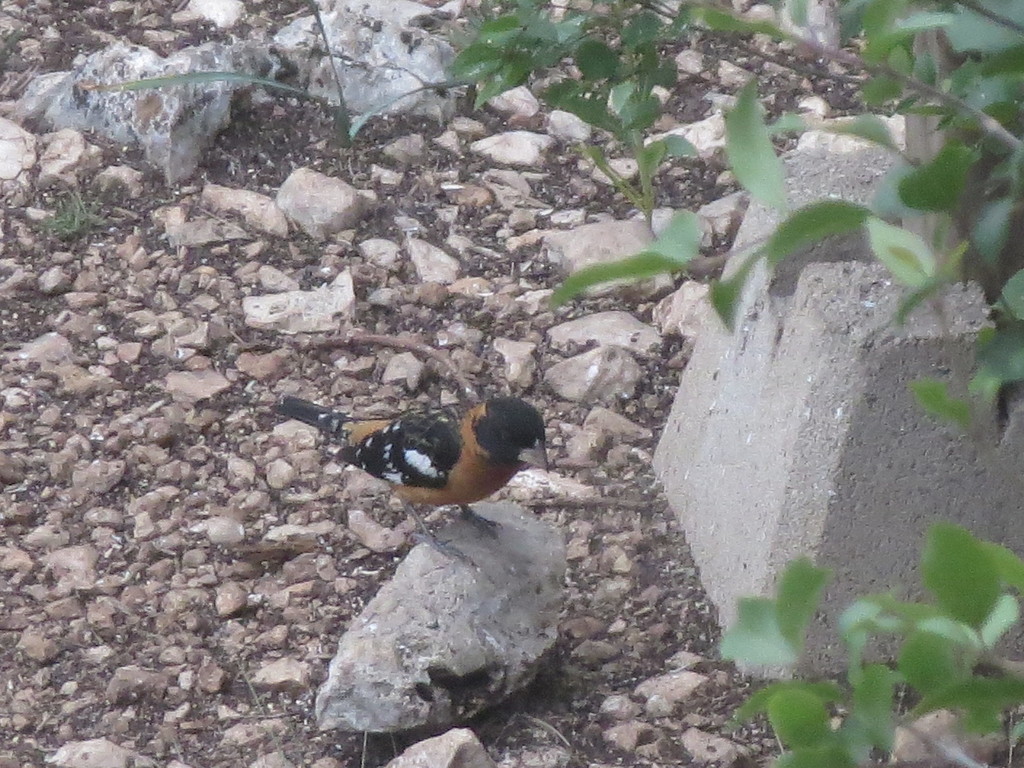
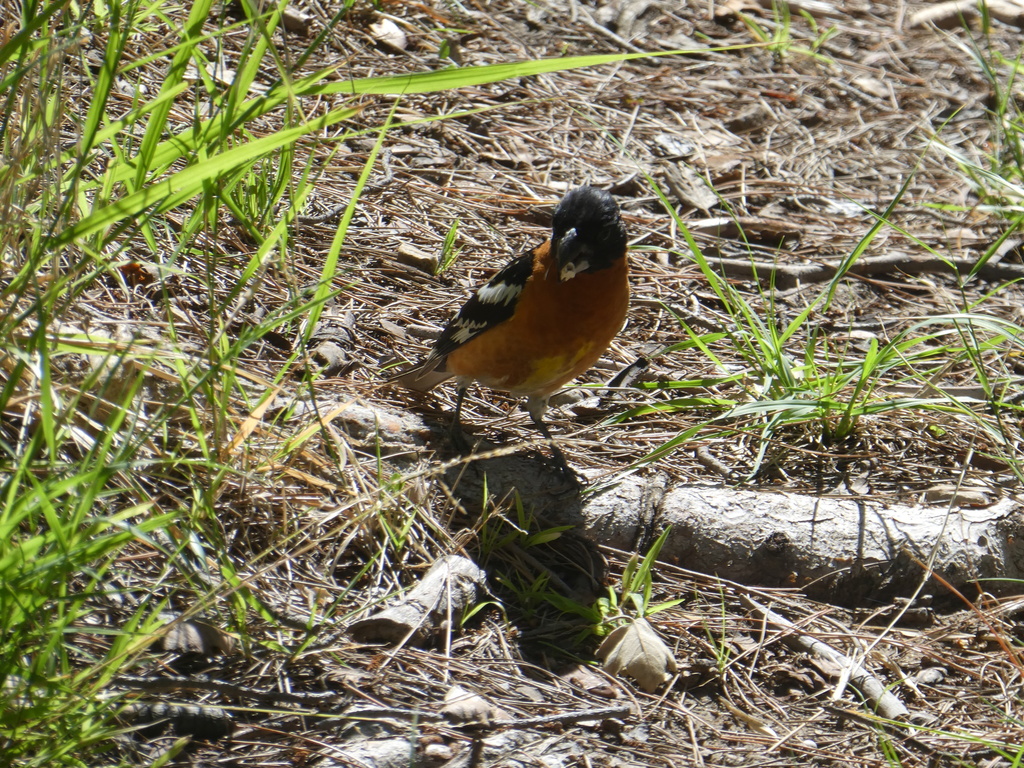
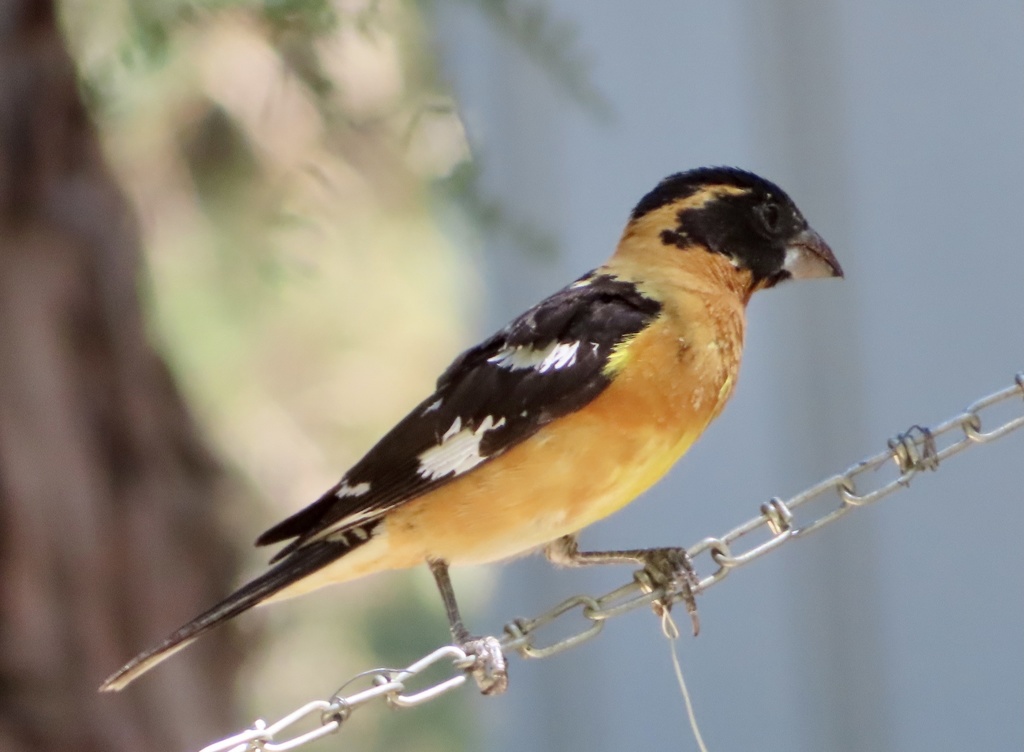
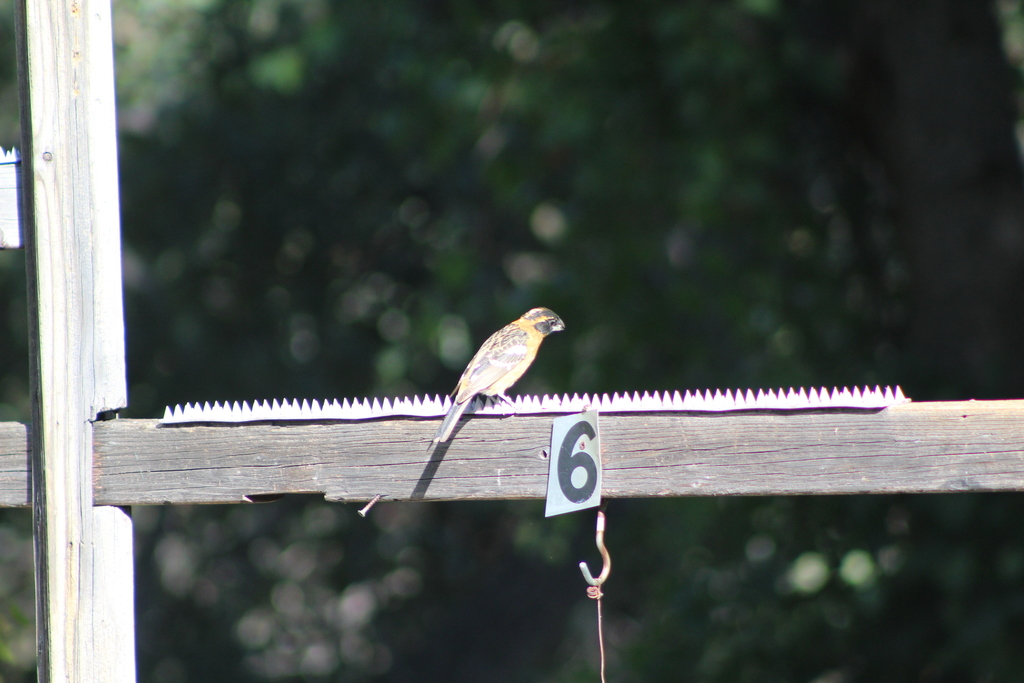
Seen a black-headed Grosbeak?
Share your photo on iNaturalist. Other naturalists help confirm it, and the record goes to GBIF, where scientists use it and where the maps on this page come from.
Put this species on your site
The card names every source and links back here.
<iframe src="https://4planetatlas.com/place/embed/species/black-headed-grosbeak" title="Black-headed Grosbeak (Pheucticus melanocephalus), 4PLANET Species" width="100%" height="600" style="border:0;max-width:640px" loading="lazy"></iframe>
<p><a href="https://4species.com/black-headed-grosbeak">Black-headed Grosbeak on 4PLANET Species</a></p>Questions people ask
What does the Black-headed Grosbeak eat?
The Black-headed Grosbeak has been recorded eating 24 different kinds of animals and plants, most of them plants and insects. The ones recorded most often are loquat, common chickweed, milk thistle, sheep sorrel and weeping fig; records include animals eaten as carrion. Source: GloBI.
What eats the Black-headed Grosbeak?
Recorded predators include western diamondback rattlesnake. Source: GloBI.
Where does the Black-headed Grosbeak live?
People have recorded it in 3 countries; the most records come from United States, Canada and Mexico. Records show where people have seen it, not its full range.
When is the Black-headed Grosbeak seen most?
In the northern hemisphere, the most records are made in May and the fewest in November. More people outdoors also means more records.
Sources and photo credits
- GBIF · Pheucticus melanocephalus, 1,367,778 human observations
- GloBI · recorded interactions of Pheucticus melanocephalus
- Wikidata · Black-headed Grosbeak (Q998547)
- Black-headed Grosbeak (Pheucticus melanocephalus): Kati Fleming, CC BY 4.0
- Black-headed Grosbeak (Pheucticus melanocephalus): Bill Bouton, CC BY-SA 4.0
- Black-headed Grosbeak (Pheucticus melanocephalus): Richard Crossley, CC BY-SA 4.0
- Black-headed Grosbeak (Pheucticus melanocephalus), Solana Dr, Mountain View, CA, US: Annette Herz, CC BY 4.0
- Black-headed Grosbeak (Pheucticus melanocephalus), Capital, CA-BC, CA: Juli Mallett, CC BY 4.0
- Black-headed Grosbeak (Pheucticus melanocephalus), Edwards County, TX, USA: Jo Roberts, CC BY 4.0
- Black-headed Grosbeak (Pheucticus melanocephalus), O'Melveny Park, Granada Hills, Los Angeles, CA, USA: Eric Johnson, CC BY 4.0
- Black-headed Grosbeak (Pheucticus melanocephalus), Big Morongo Regional Park, Morongo Valley, CA, US: Jim B, CC BY 4.0
- Black-headed Grosbeak (Pheucticus melanocephalus), Santa Cruz County, AZ, USA: Eliseo D Moreno, CC BY-SA 4.0
- Loquat: Marco Mussita, CC BY 4.0
- Common chickweed: Douglas Goldman, CC BY-SA 4.0
- Milk thistle: Millie Basden, CC BY 4.0
- Sheep sorrel: cstobie, CC BY 4.0
- Weeping fig: no rights reserved, uploaded by 葉子, CC0
- Alfilaria: Michael J. Papay, CC BY 4.0
- Common amaranth: Matt Lavin, CC BY-SA 4.0
- Monkeypod: Francisco Farriols Sarabia, CC BY 4.0
- Cutleaf geranium: no rights reserved, uploaded by Anne Parsons, CC0
- Small mallow: Tony Rebelo, CC BY-SA 4.0
- Bog stitchwort: Gilles San Martin, CC BY-SA 4.0
- Redflower gum: no rights reserved, uploaded by Di Turner, CC0
- Western diamondback rattlesnake: Sam Kieschnick, CC BY 4.0
Records show where people have seen and shared the Black-headed Grosbeak, not its full range, and some countries and months are recorded far more than others. The food web lists interactions that studies have recorded somewhere in the world (GloBI), not everything it eats in one place.
Checked 2026-11-28.