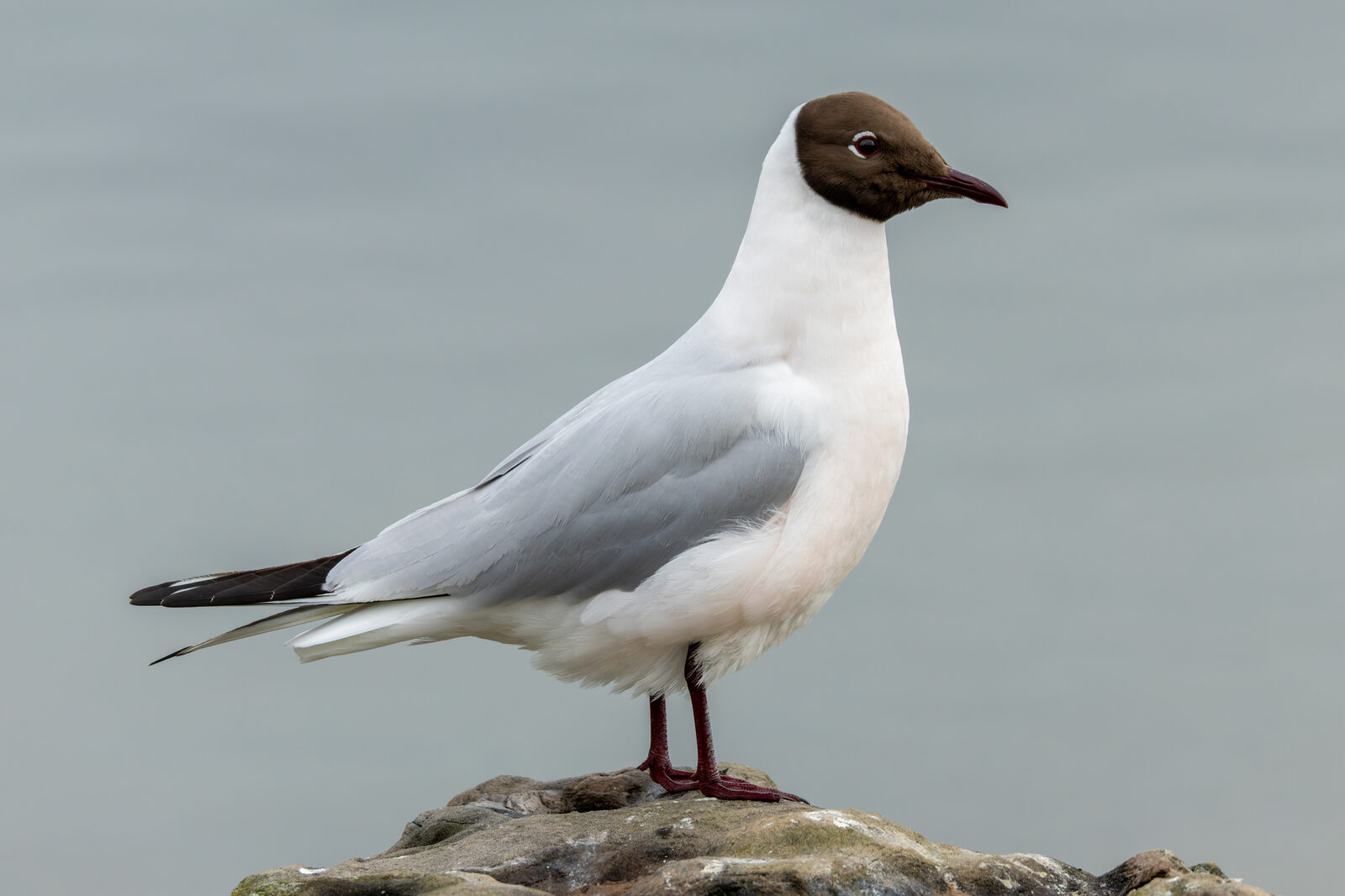
Black-headed gull
Chroicocephalus ridibundus
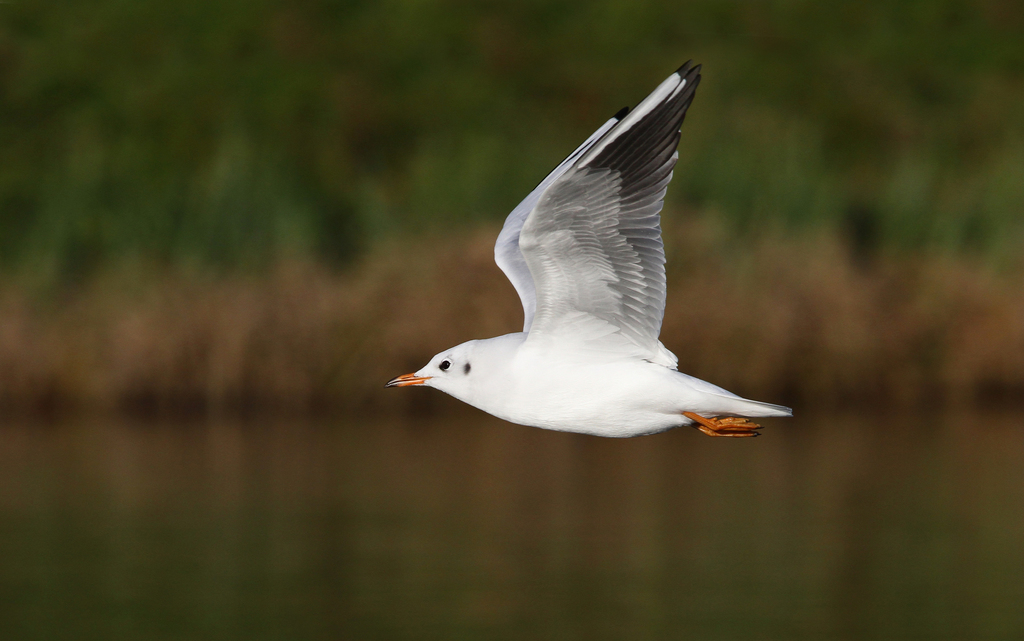
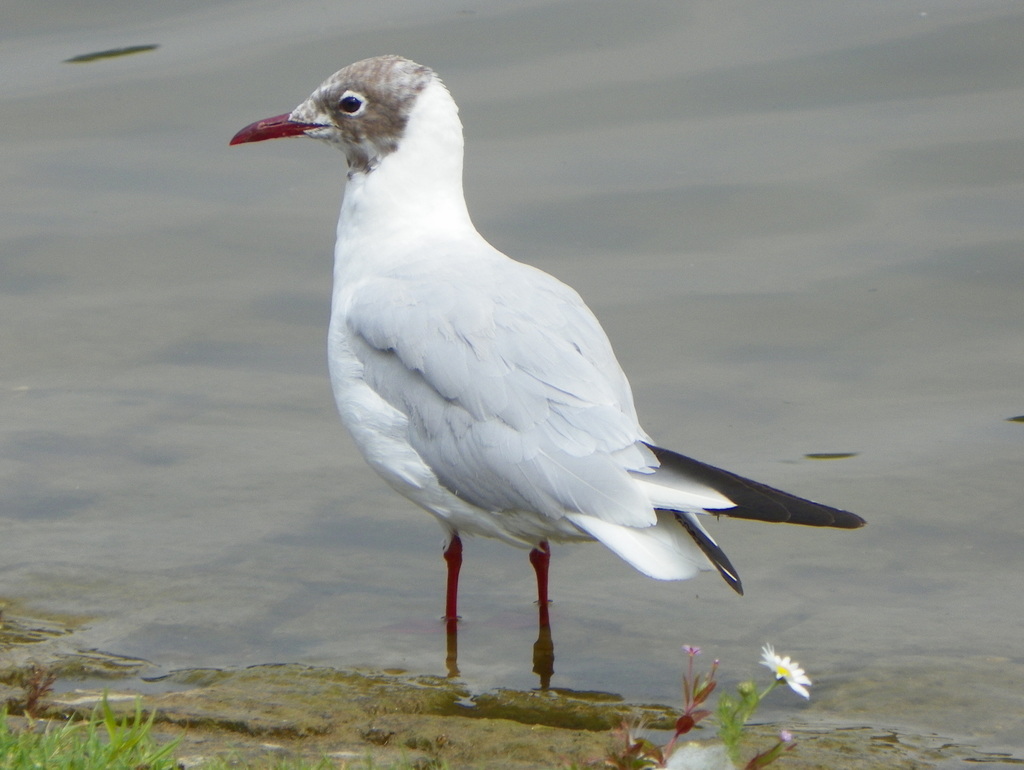
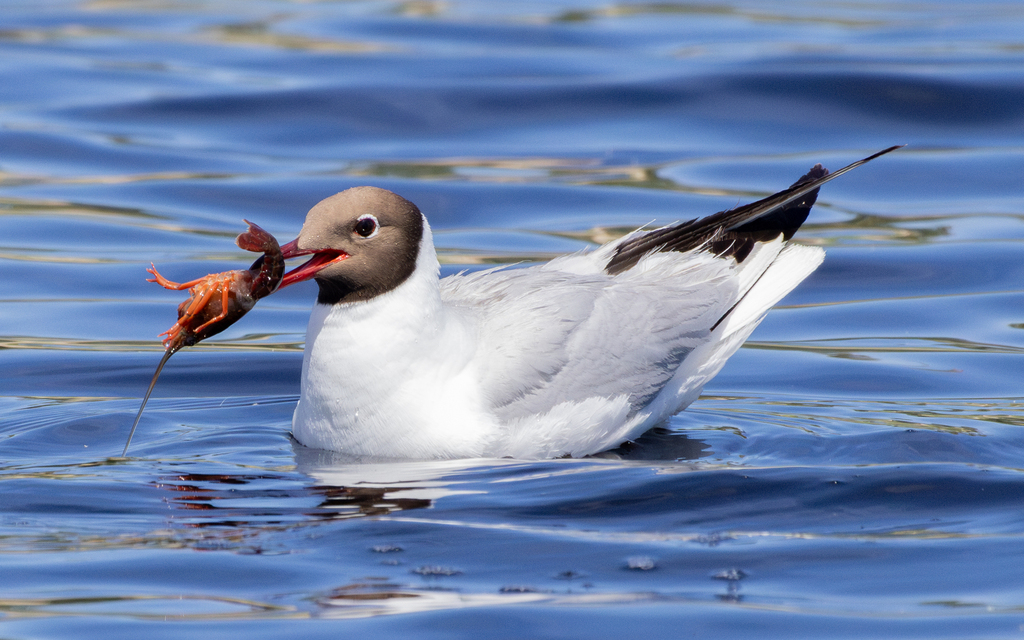
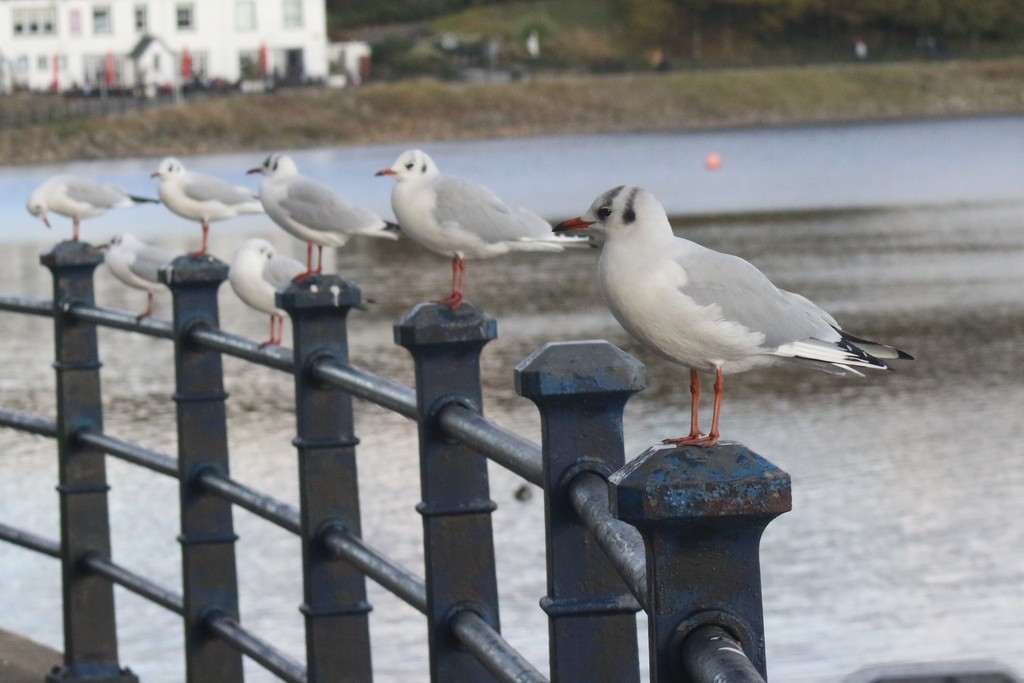
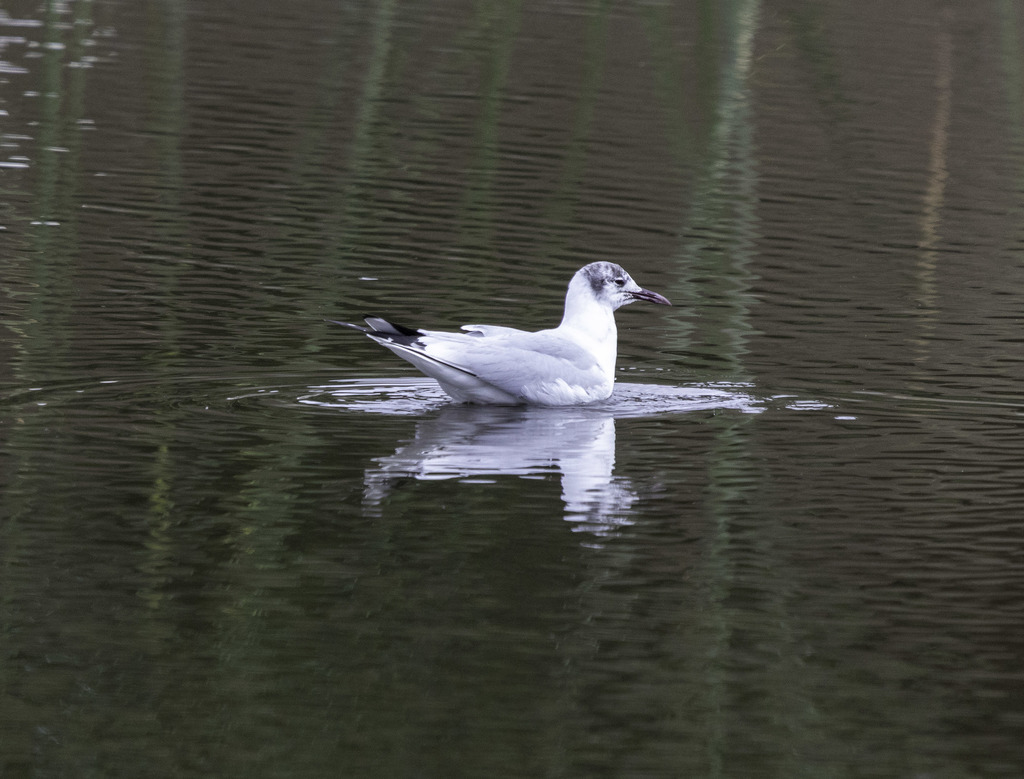
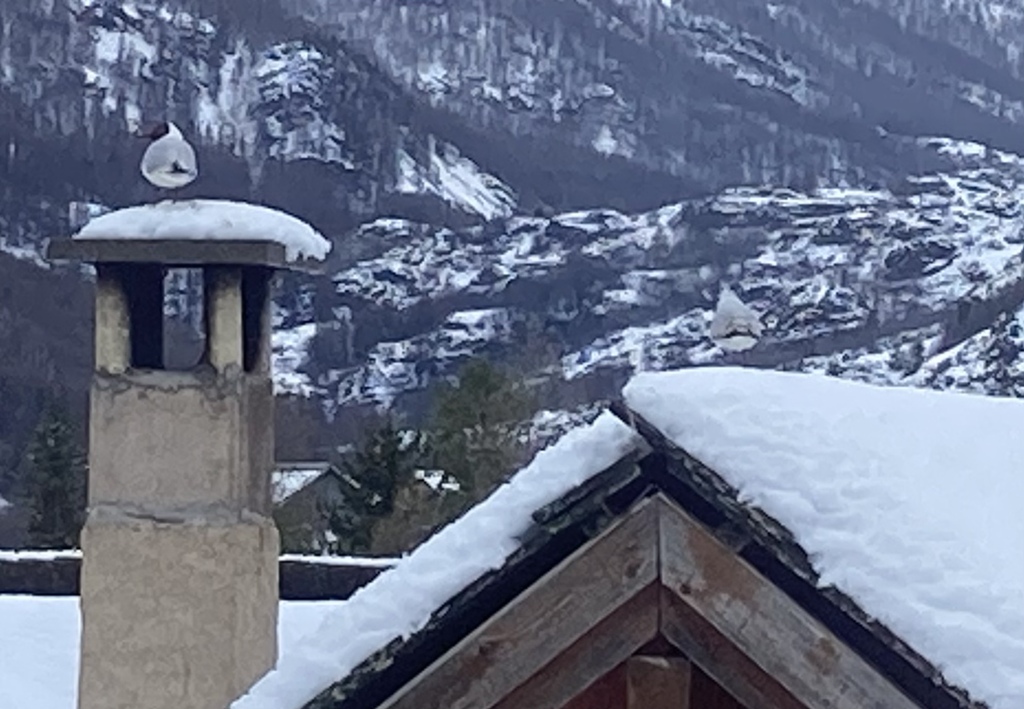
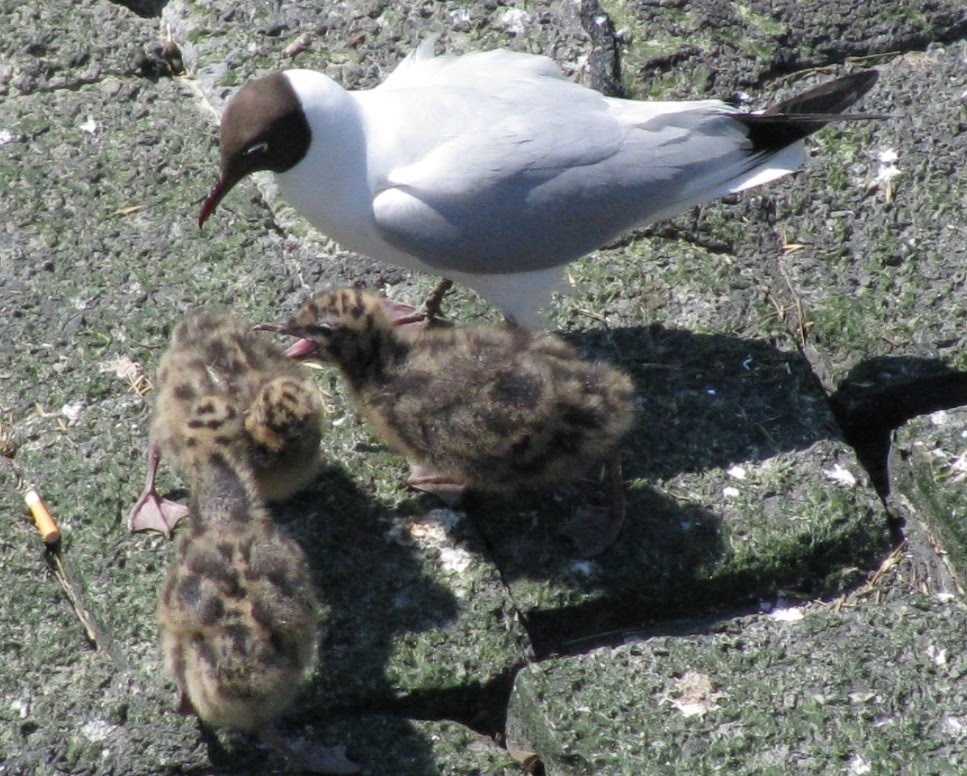
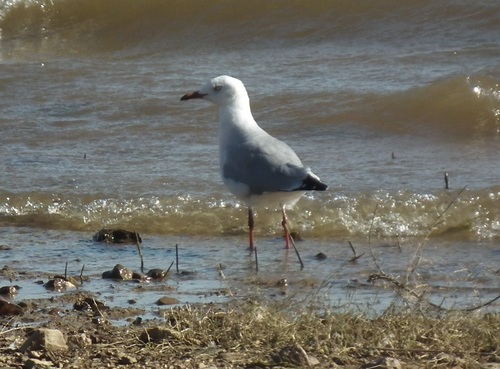
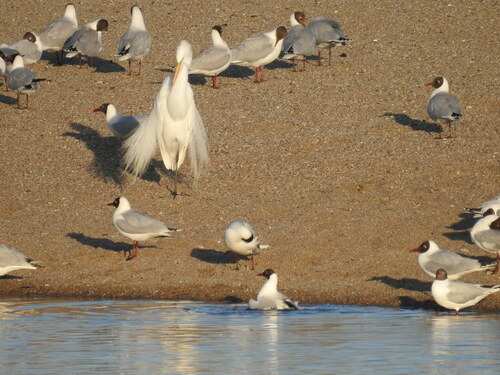
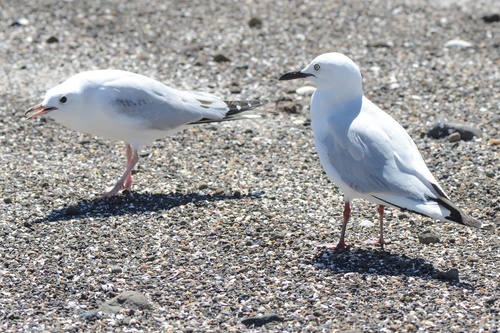
In summer this small gull wears a chocolate-brown hood; in winter only a dark spot behind the eye is left.
- Status
- Least Concern IUCN Red List
- Eats
- goldfish, largemouth bass, pike and 14 more
- Eaten by
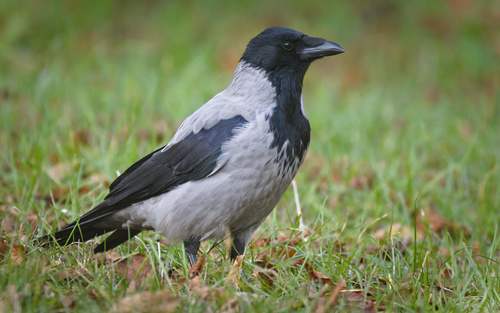
- hooded crow, western marsh harrier
- Where
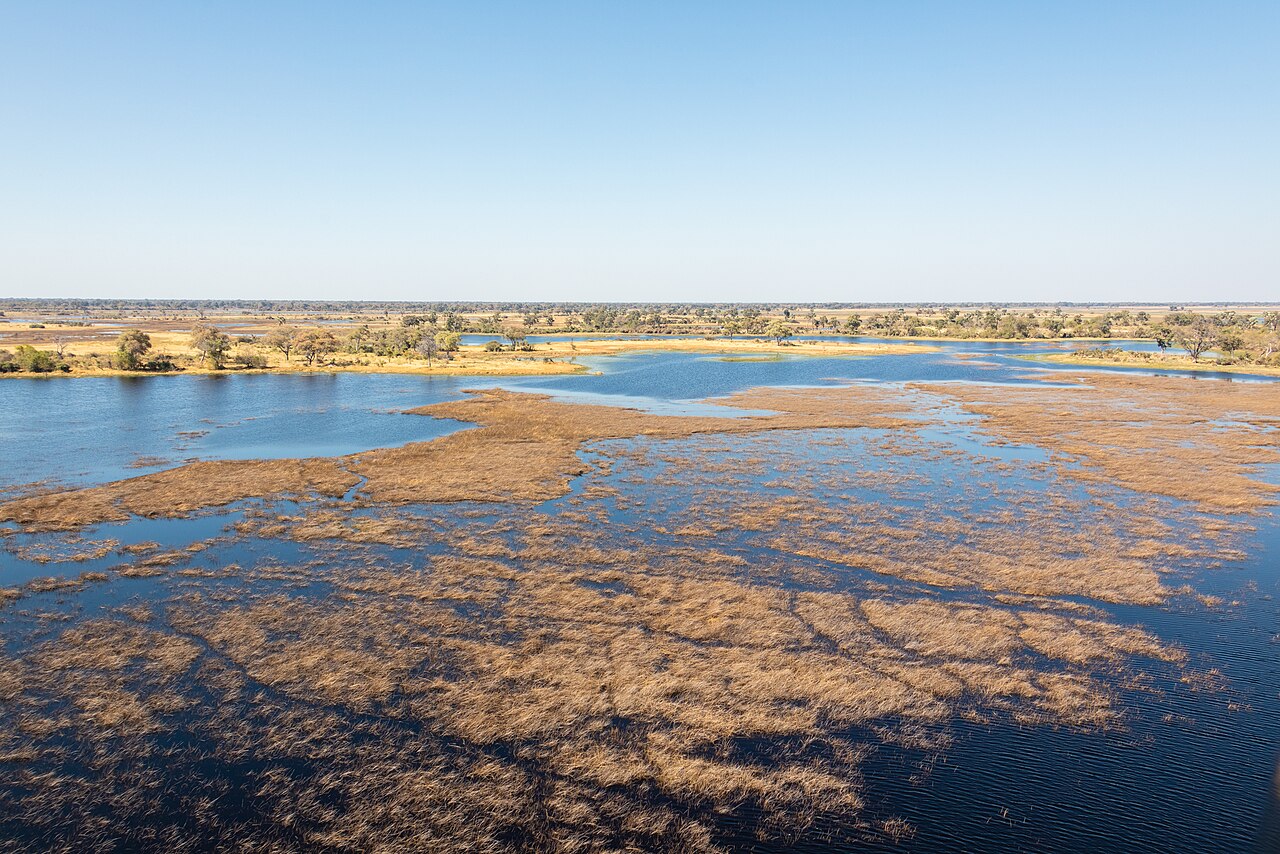
- 164 countries · wetlands
On 4Planet Atlas it is among the wildlife people record most around Amsterdam, Athens and Beijing, and 21 more of the cities we cover.
People have shared 2,736,865 records of the black-headed gull with GBIF, from 164 countries, most of them from United Kingdom, Spain and France. Records collected by GloBI show it eating 17 different kinds of animals and plants, and being eaten by 2.
Habitats
What the black-headed gull eats, and what eats it
Studies have recorded it eating 17 kinds of animals and plants, and 2 kinds of animals eating it. Tap any of them to follow the food chain.
- Fish 11
- Crustaceans 4
- Amphibians 1
- Birds 1
Eaten by
 Black-headed gull
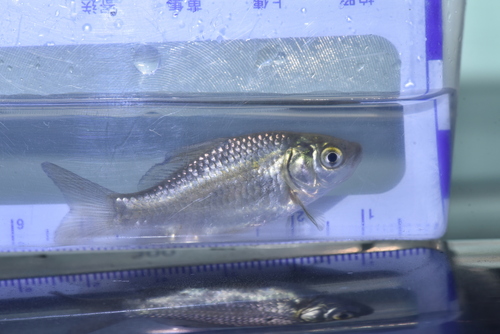


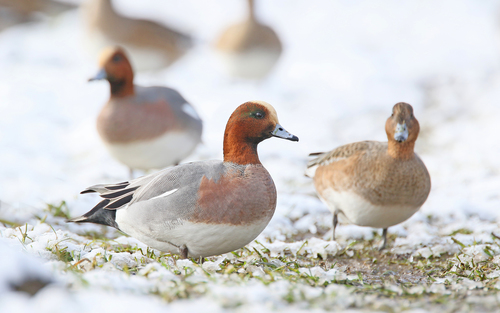

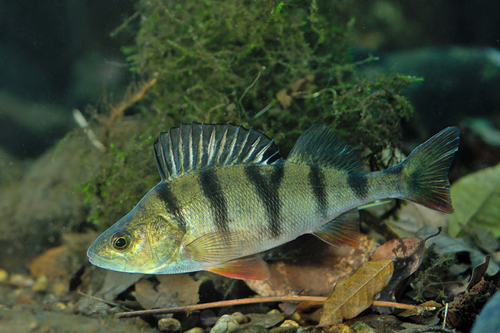


Records from studies worldwide, collected by GloBI. They include animals eaten as carrion, and they are not everything it eats in one place.
Where people see the black-headed gull
People have shared 2,736,865 records from 164 countries.
Near a city: Amsterdam, Athens, Beijing, Bergen, Berlin, Brussels, Cairo, Copenhagen, Helsinki, Lisbon, London, Madrid, Mumbai, Oslo, Paris, Prague, Reykjavík, Rome, Seoul, Shanghai, Stockholm, Tokyo, Vienna, Warsaw.
Records show where people have seen it and shared it, not its full range. Country names open their page in Atlas.
When it is seen
Records per month in the northern hemisphere. More people outdoors also means more records.
Watch and listen

Its closest relatives
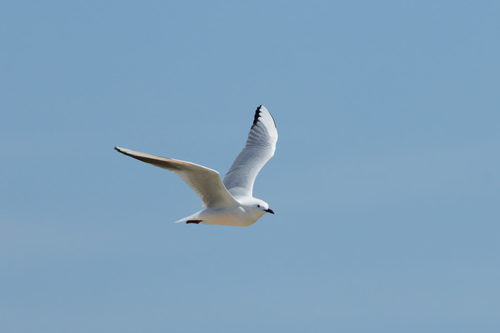
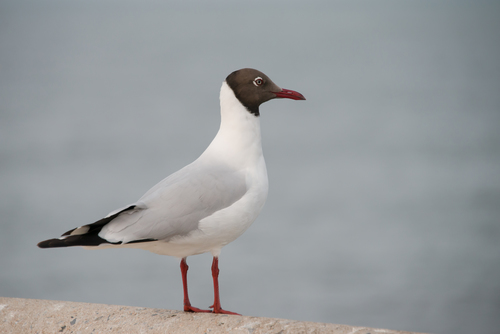
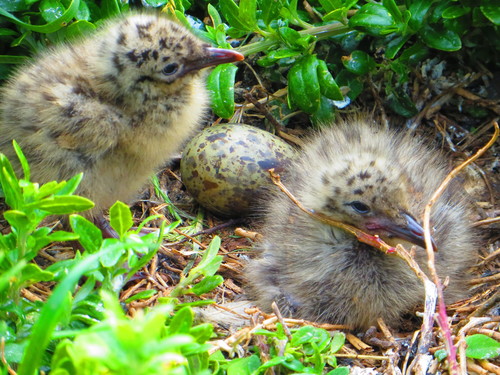
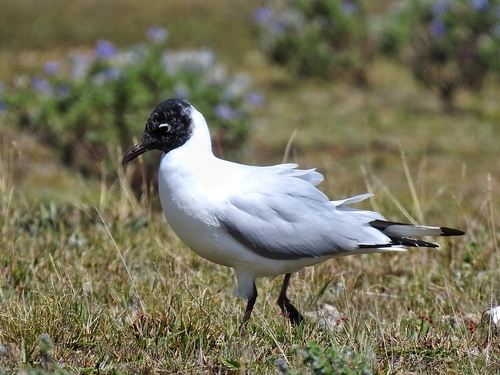
The other species of the genus Chroicocephalus.

Seen a black-headed gull?
Share your photo on iNaturalist. Other naturalists help confirm it, and the record goes to GBIF, where scientists use it and where the maps on this page come from.
Explore next
What puts the black-headed gull under pressure, what helps, and who works on it.
Questions people ask
What does the black-headed gull eat?
The black-headed gull has been recorded eating 17 different kinds of animals and plants, most of them fish, crustaceans, amphibians and birds. The ones recorded most often are goldfish, largemouth bass, pike, eurasian wigeon and european eel; records include animals eaten as carrion. Source: GloBI.
What eats the black-headed gull?
Recorded predators include hooded crow and western marsh harrier. Source: GloBI.
Where does the black-headed gull live?
People have recorded it in 164 countries; the most records come from United Kingdom, Spain, France, Portugal and Germany. Records show where people have seen it, not its full range.
When is the black-headed gull seen most?
In the northern hemisphere, the most records are made in January and the fewest in June. More people outdoors also means more records.
What are the black-headed gull's closest relatives?
It shares the genus Chroicocephalus with slender-billed gull, brown-headed gull, silver gull, bonaparte's gull and andean gull.
Sources and photo credits
- GBIF · Chroicocephalus ridibundus, 2,736,865 human observations
- GloBI · recorded interactions of Chroicocephalus ridibundus
- Wikidata · Black-headed gull (Q25634)
- Black-headed gull (Chroicocephalus ridibundus): Alexis Lours, CC BY 4.0
- Black-headed gull (Chroicocephalus ridibundus): Christoph Moning, CC BY 4.0
- Black-headed gull (Chroicocephalus ridibundus): Peter aka anemoneprojectors, CC BY-SA 4.0
- Black-headed gull (Chroicocephalus ridibundus), Ciudad Real, España: Diego González Dopico, CC BY 4.0
- Black-headed gull (Chroicocephalus ridibundus), Centre Island, Toronto, ON, Canada: Owen Strickland, CC BY 4.0
- Black-headed gull (Chroicocephalus ridibundus), Hollingworth Lake Water Activity Centre, Littleborough, Greater Manchester, UK: Charlie Farrell, CC0
- Black-headed gull (Chroicocephalus ridibundus), Port Hueneme, CA, USA: Zack Abbey, CC BY 4.0
- Black-headed gull (Chroicocephalus ridibundus), Clarée, Névache, Provence-Alpes-Côte d'Azur, FR: Antoine MARNAT, CC BY 4.0
- Black-headed gull (Chroicocephalus ridibundus), 25764 Wesselburenerkoog, Deutschland: przese, CC BY 4.0
- Goldfish: Yung-Lun Lin, CC BY 4.0
- Largemouth bass: Kristiina Hurme, CC BY 4.0
- Pike: Dirk Godlinski, CC BY-SA 4.0
- Eurasian wigeon: Christoph Moning, CC BY 4.0
- European eel: Julien Renoult, CC BY 4.0
- European perch: Gilles San Martin, CC BY-SA 4.0
- Ruffe: Tiit Hunt, CC BY-SA 4.0
- Three-spined stickleback: Kasper Malmberg, CC BY 4.0
- Atlantic horse mackerel: Donald Davesne, CC BY 4.0
- Spined loach: Wiki-Harfus, CC BY-SA 4.0
- Broadnosed pipefish: Petr Kouba, CC BY 4.0
- Hooded crow: hedera.baltica, CC BY-SA 4.0
- Western marsh harrier: Artem Kuznetsov, CC BY 4.0
- Slender-billed gull: Donald Davesne, CC BY 4.0
- Brown-headed gull: Rushen, CC BY-SA 4.0
- Silver gull: DiverDave, CC BY-SA 4.0
- Bonaparte's gull: Xochitl Zambrano, CC BY 4.0
- Andean gull: Esteban Poveda, CC BY 4.0
- Grey-headed gull: Shaun Swanepoel, CC BY 4.0
- Brown-hooded gull: María Regina Silva, CC BY 4.0
- Black-billed gull: Jon Sullivan, CC BY 4.0
Records show where people have seen and shared the black-headed gull, not its full range, and some countries and months are recorded far more than others. The food web lists interactions that studies have recorded somewhere in the world (GloBI), not everything it eats in one place.
Checked 2026-11-20.