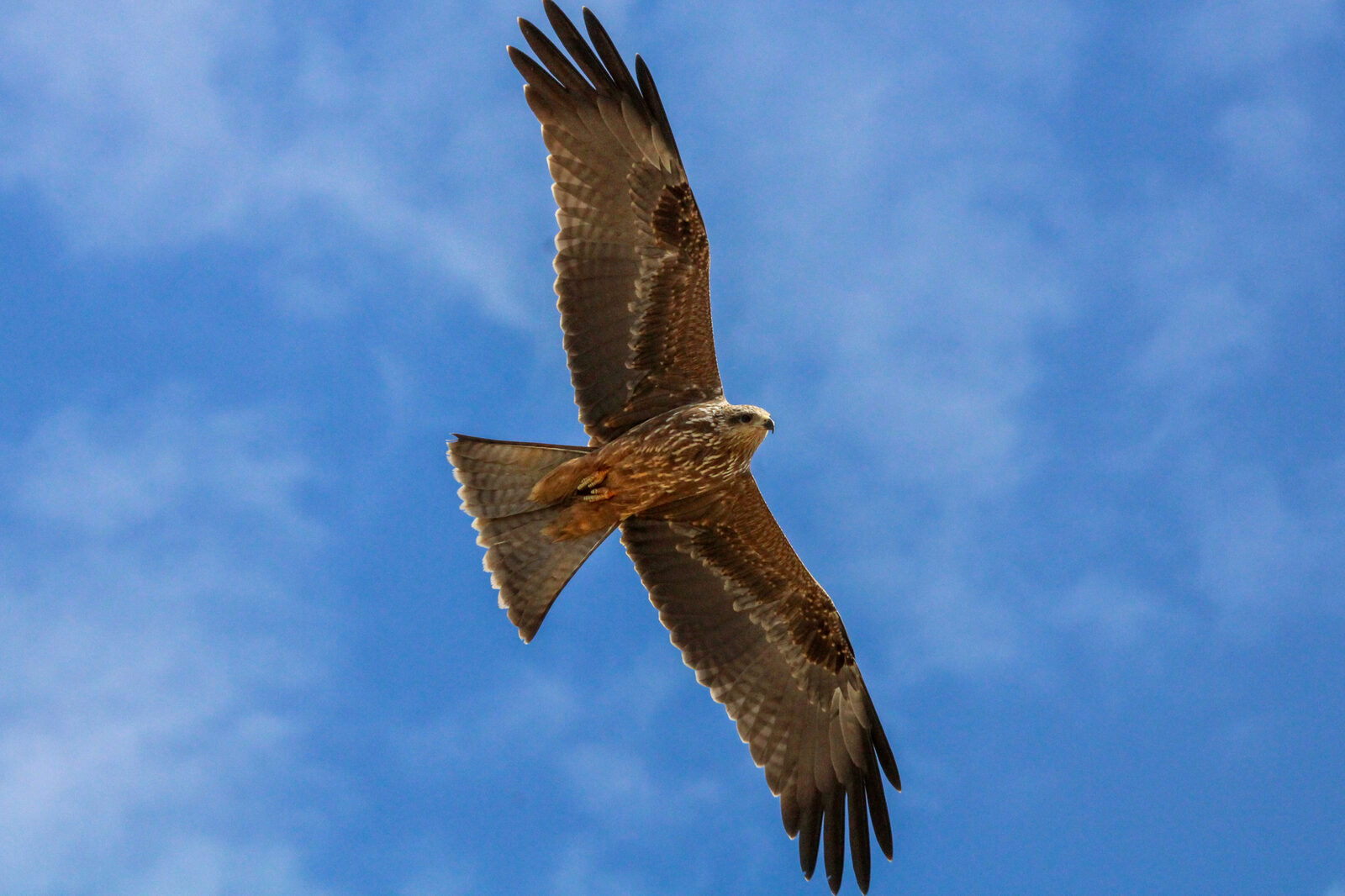
Black kite
Milvus migrans
A dark kite with a slightly forked tail that soars over towns, rivers and rubbish tips looking for scraps.
- Status
- Least Concern IUCN Red List
- Eats
- common blackbird, rock dove, white wagtail and 421 more
- Eaten by
- cat, northern raven, Eurasian eagle-owl
- Where
- 165 countries
On 4Planet Atlas it is among the wildlife people record most around Accra, Addis Ababa and Beijing, and 14 more of the cities we cover.
People have shared 1,956,693 records of the black kite with GBIF, from 165 countries, most of them from India, Spain and Australia. Records collected by GloBI show it eating 424 different kinds of animals and plants, and being eaten by 8.
What the black kite eats, and what eats it
Studies have recorded it eating 424 kinds of animals and plants, and 8 kinds of animals eating it. Tap any of them to follow the food chain.
- Mammals 100
- Reptiles 99
- Birds 99
- Fish 80
- Amphibians 28
- Plants 2
- Insects 2
Eaten by
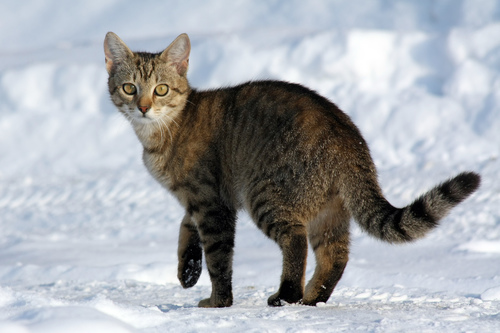
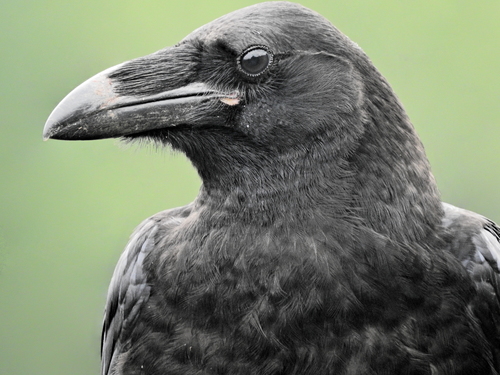
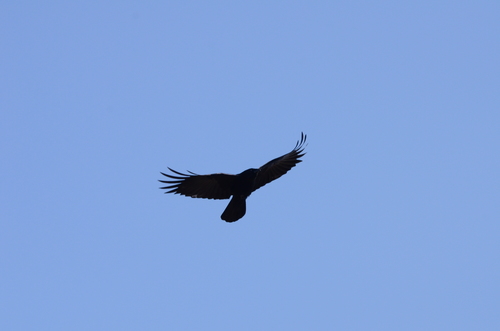
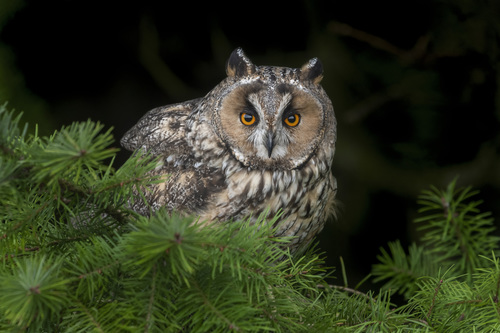
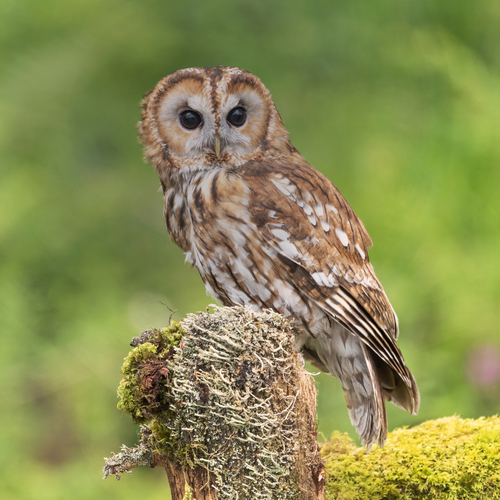
 Black kite
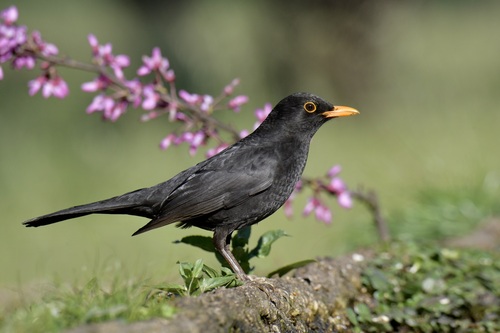
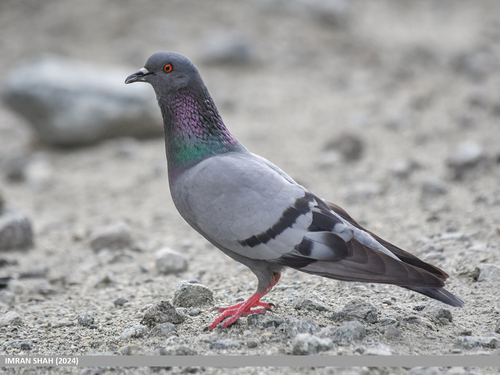
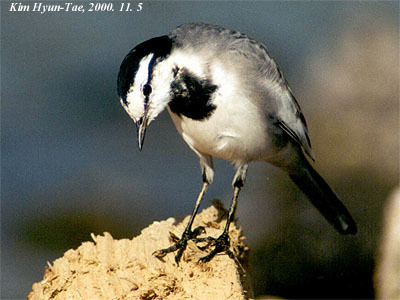
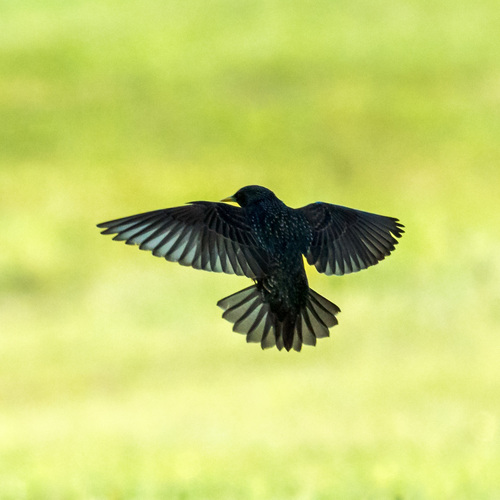
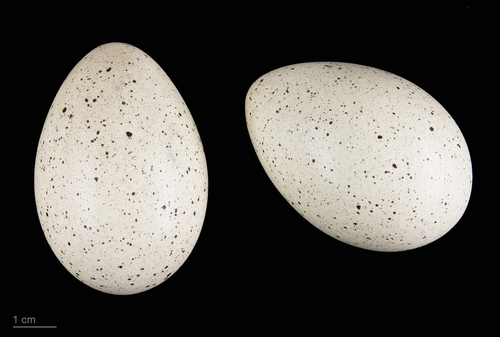
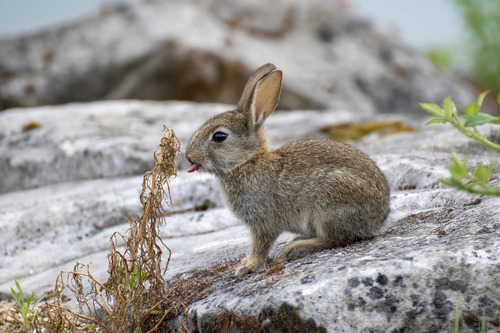
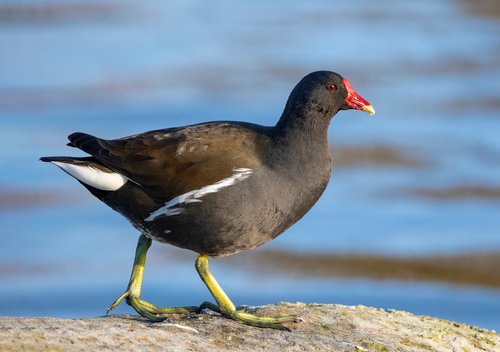
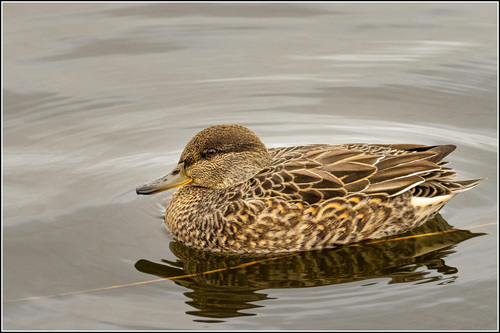
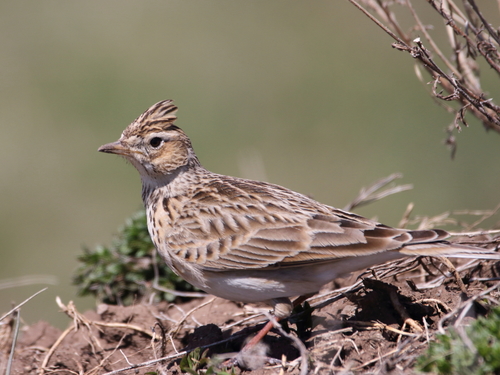
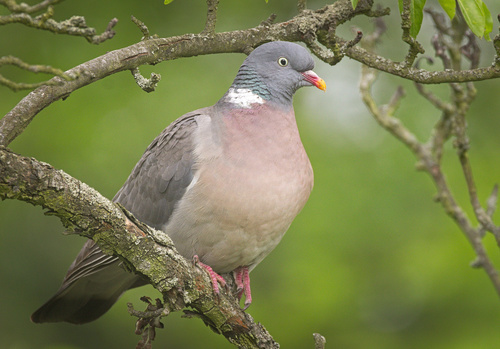
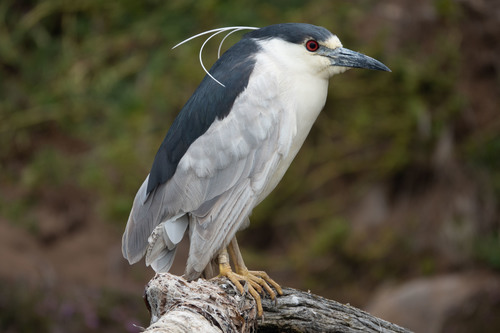
Records from studies worldwide, collected by GloBI. They include animals eaten as carrion, and they are not everything it eats in one place.
Where people see the black kite
People have shared 1,956,693 records from 165 countries.
Near a city: Accra, Addis Ababa, Beijing, Berlin, Cairo, Cape Town, Delhi, Lagos, Lisbon, Madrid, Melbourne, Mumbai, Nairobi, Paris, Prague, Rome, Tokyo.
Records show where people have seen it and shared it, not its full range. Country names open their page in Atlas.
When it is seen
Records per month in the northern hemisphere. More people outdoors also means more records.
Watch and listen
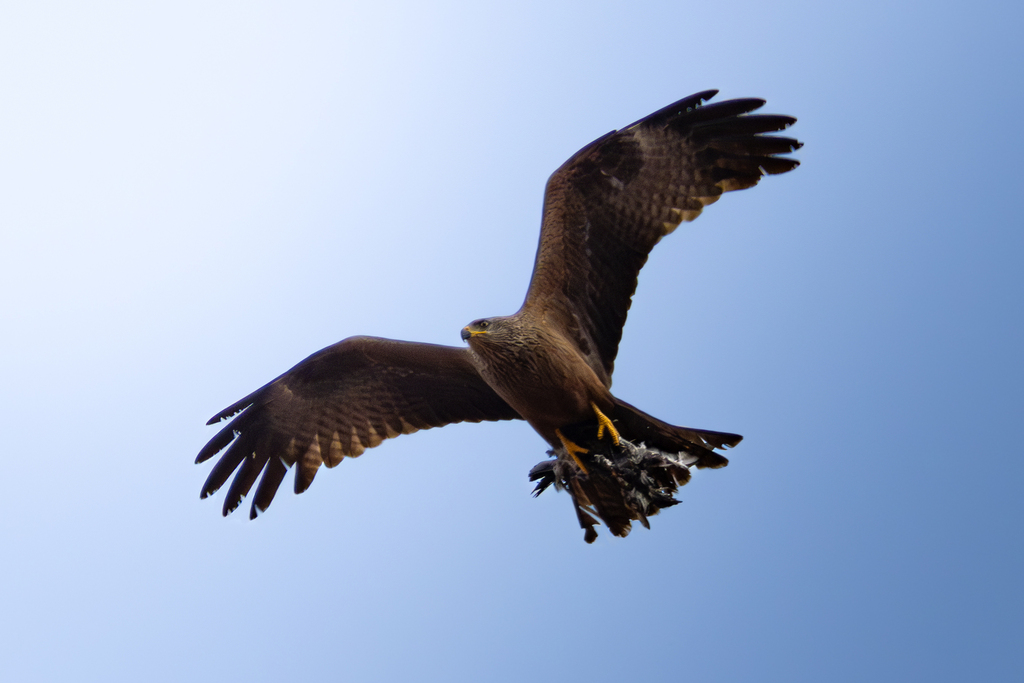
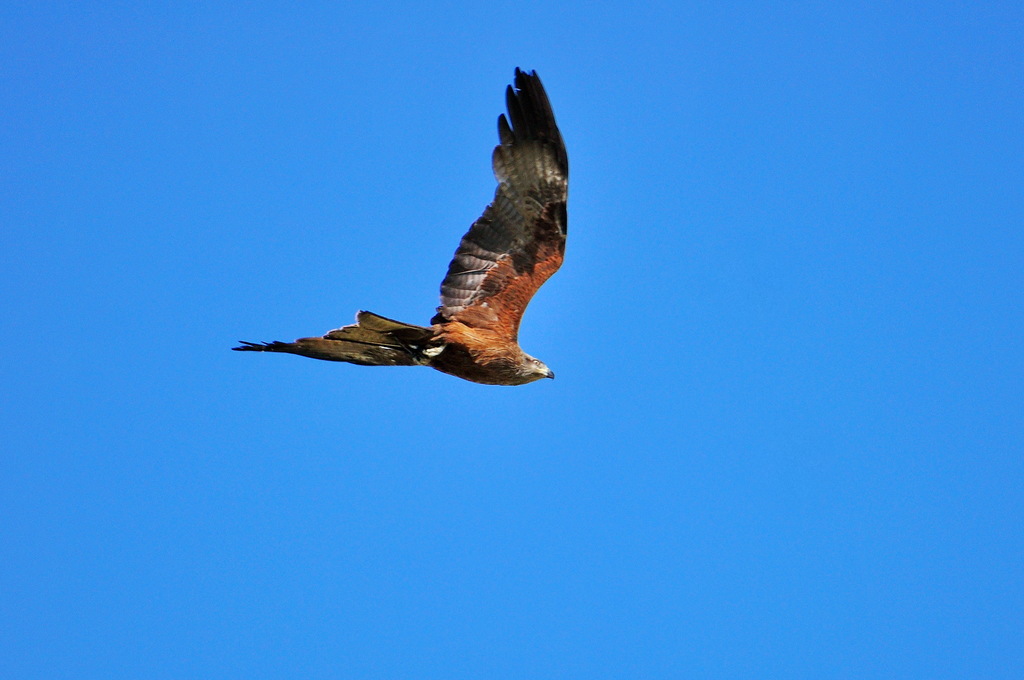
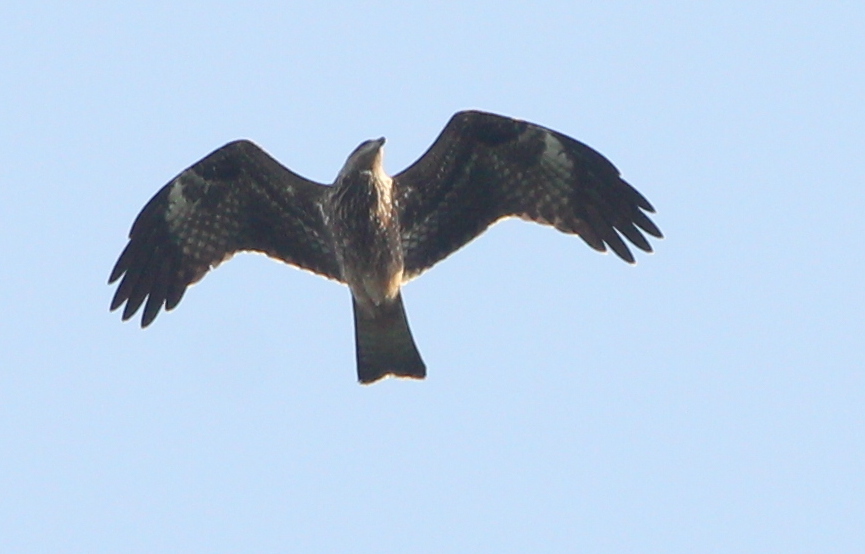
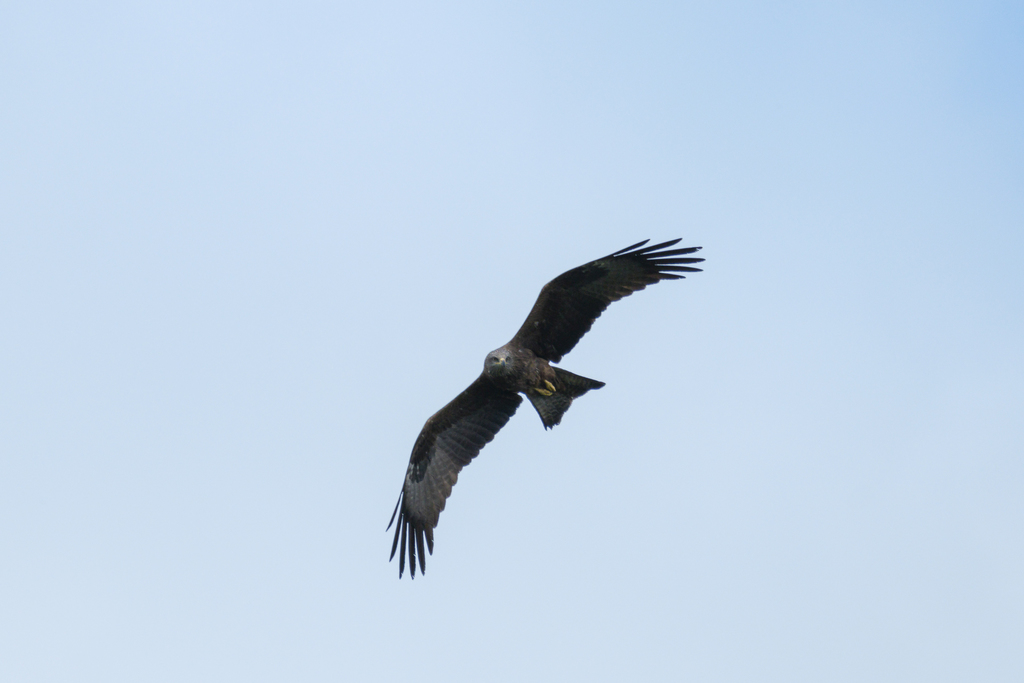
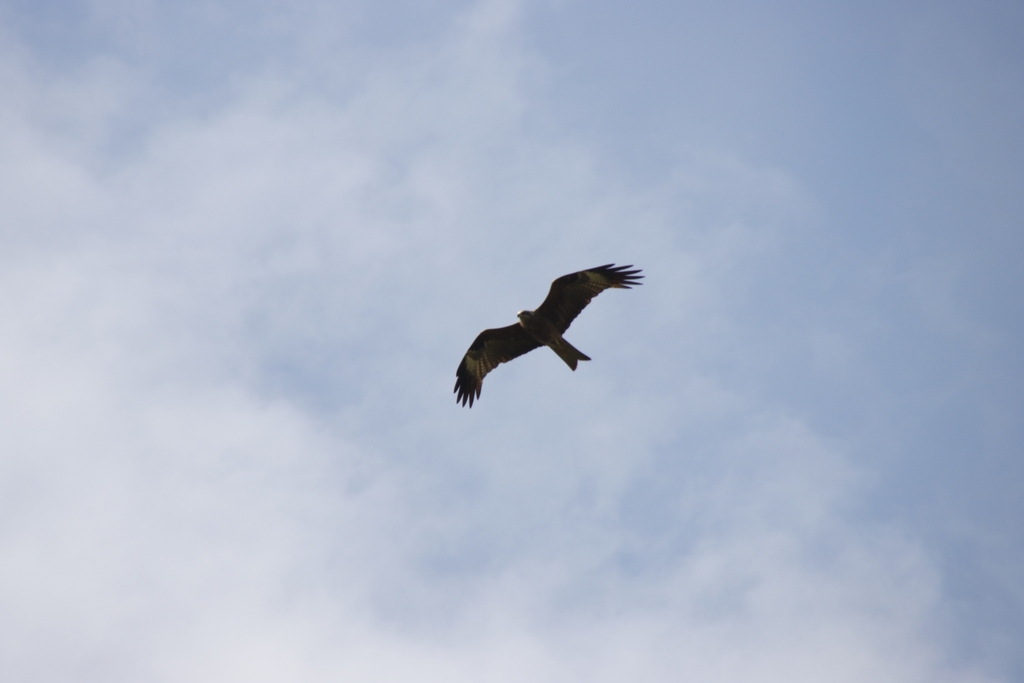
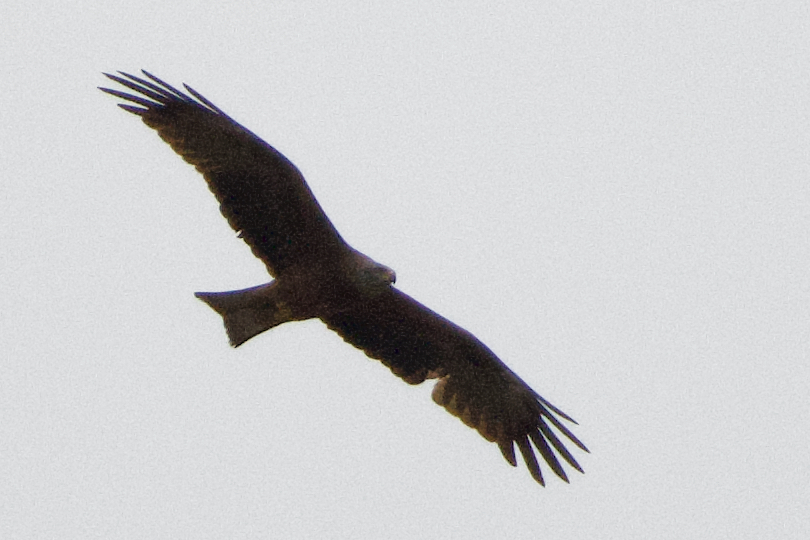
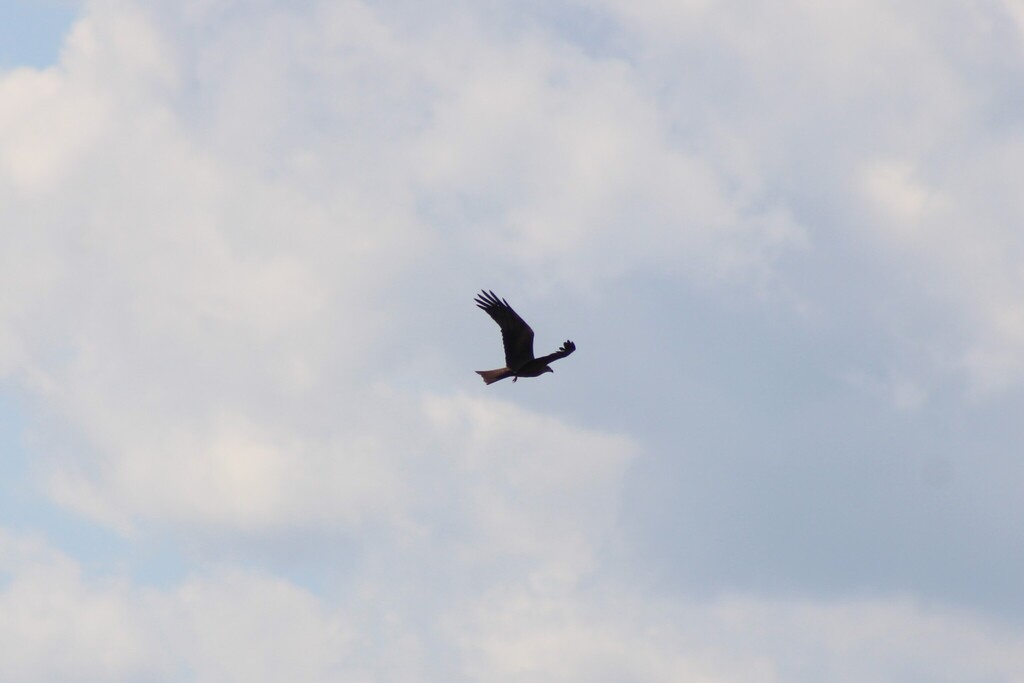
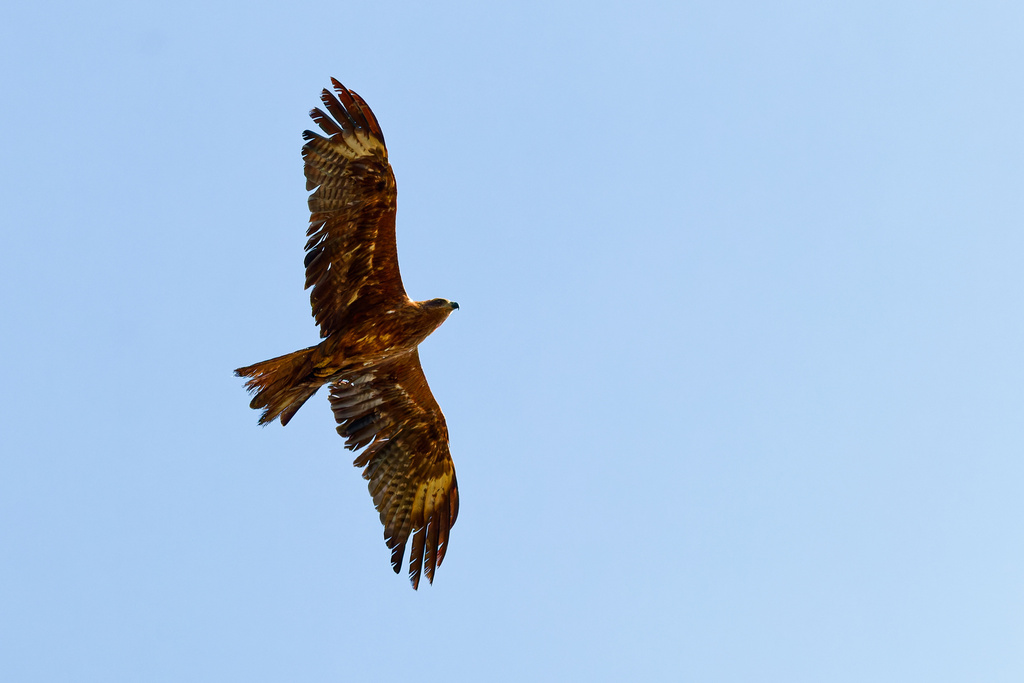
Its closest relatives
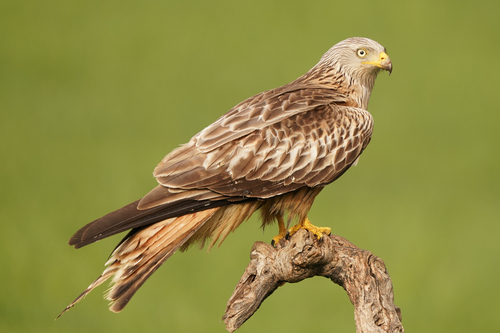
The other species of the genus Milvus.
Seen a black kite?
Share your photo on iNaturalist. Other naturalists help confirm it, and the record goes to GBIF, where scientists use it and where the maps on this page come from.
Questions people ask
What does the black kite eat?
The black kite has been recorded eating 424 different kinds of animals and plants, most of them mammals, reptiles, birds and fish. The ones recorded most often are common blackbird, rock dove, white wagtail, common starling and european goldfinch; records include animals eaten as carrion. Source: GloBI.
What eats the black kite?
Recorded predators include cat, northern raven, eurasian eagle-owl, european pine marten and carrion crow. Source: GloBI.
Where does the black kite live?
People have recorded it in 165 countries; the most records come from India, Spain, Australia, Japan and Russia. Records show where people have seen it, not its full range.
When is the black kite seen most?
In the northern hemisphere, the most records are made in April and the fewest in September. More people outdoors also means more records.
What are the black kite's closest relatives?
It shares the genus Milvus with red kite and yellow-billed kite.
Sources and photo credits
- GBIF · Milvus migrans, 1,956,693 human observations
- GloBI · recorded interactions of Milvus migrans
- Wikidata · Black kite (Q80362)
- Black kite (Milvus migrans): no rights reserved, uploaded by Joshua S. Martin, CC0
- Black kite (Milvus migrans), Santander, Cantabria, España: Diego González Dopico, CC BY 4.0
- Black kite (Milvus migrans), Приозерский р-н, Ленинградская обл., Россия: Viktor N. Chekan, CC BY 4.0
- Black kite (Milvus migrans), Kobuleti Municipality, Georgia: Jan Ebr & Ivana Ebrová, CC BY 4.0
- Black kite (Milvus migrans), Потсдам Норд, Потсдам, Германия: Sem Khatov, CC BY 4.0
- Black kite (Milvus migrans), Челябинская обл., Россия, 456318: Евгений Маринкин, CC BY 4.0
- Black kite (Milvus migrans), Böttstein, Switzerland: Codrin Bucur, CC BY 4.0
- Black kite (Milvus migrans), Villány, 7773 Ungarn: Philip Schaffer, CC BY 4.0
- Black kite (Milvus migrans), Mtskheta Municipality, Georgia: Donsky, CC BY 4.0
- Common blackbird: Luiz Lapa, CC BY 4.0
- Rock dove: Birds of Gilgit-Baltistan, CC BY-SA 4.0
- White wagtail: Kim, Hyun-tae, CC BY 4.0
- Common starling: Shiva Shenoy, CC BY 4.0
- Common coot: Roger Culos, CC BY-SA 4.0
- European rabbit: Alexis Lours, CC BY 4.0
- Common moorhen: Alexis Lours, CC BY 4.0
- Eurasian teal: Smudge 9000, CC BY-SA 4.0
- Eurasian skylark: Ani Sarkisyan, CC BY 4.0
- Common wood pigeon: hedera.baltica, CC BY-SA 4.0
- Black-crowned night heron: no rights reserved, uploaded by Kyle Nessen, CC0
- Cat: Von.grzanka, CC BY-SA 4.0
- Northern raven: xulescu_g, CC BY-SA 4.0
- European pine marten: Bartosz Sarnowski, CC BY 4.0
- Carrion crow: Charlotte Kirchner, CC BY 4.0
- Long-eared owl: caroline legg, CC BY 4.0
- Tawny owl: caroline legg, CC BY 4.0
- Straw-coloured fruit bat: Konrad Bidziński, CC BY-SA 4.0
- Red kite: Dr. Sven Gippner, CC BY 4.0
Records show where people have seen and shared the black kite, not its full range, and some countries and months are recorded far more than others. The food web lists interactions that studies have recorded somewhere in the world (GloBI), not everything it eats in one place.
Checked 2026-11-20.