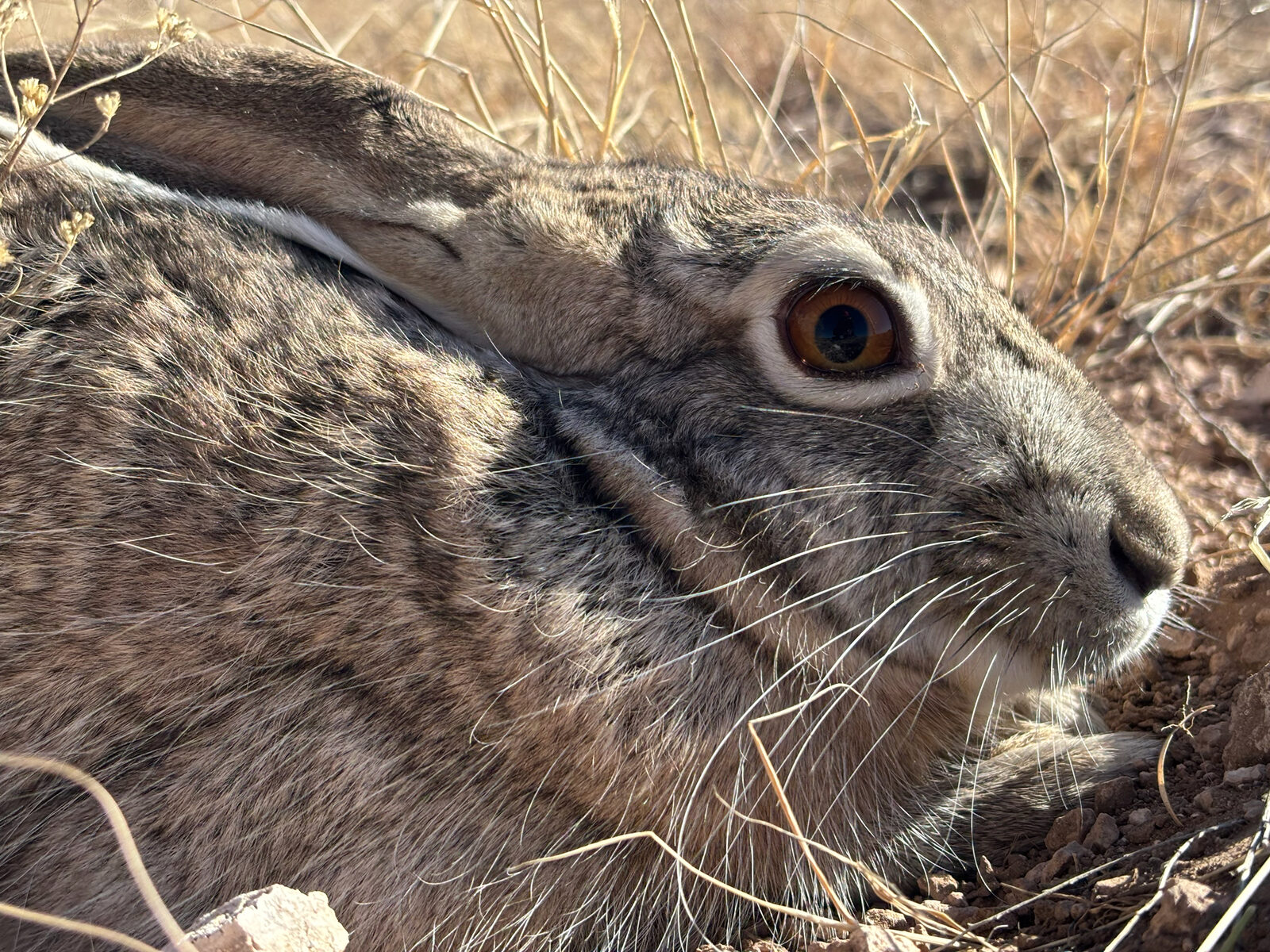
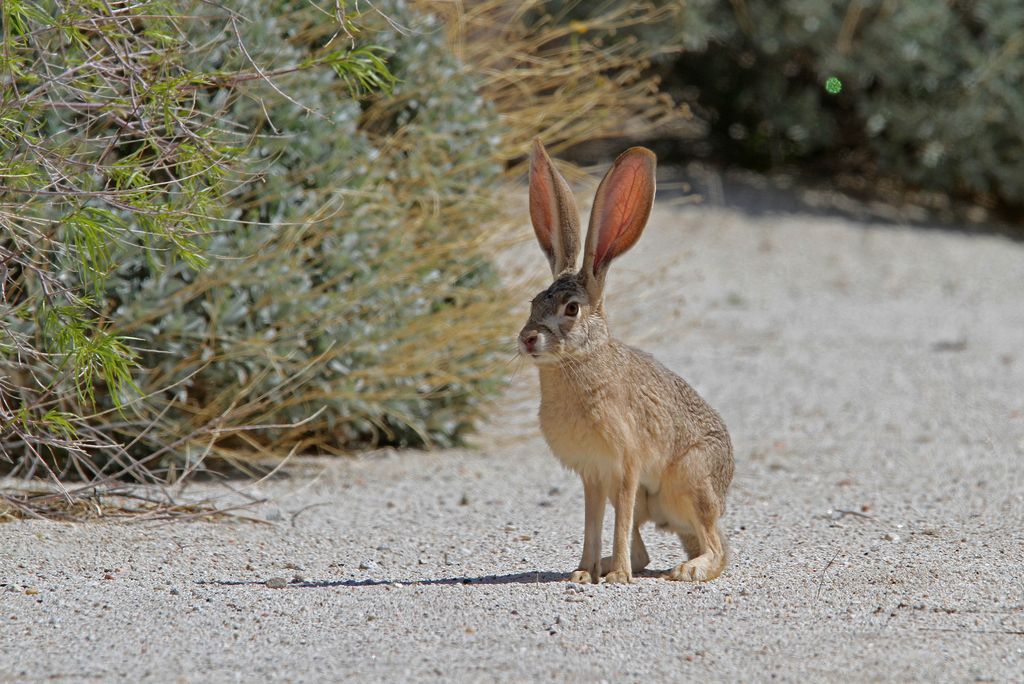
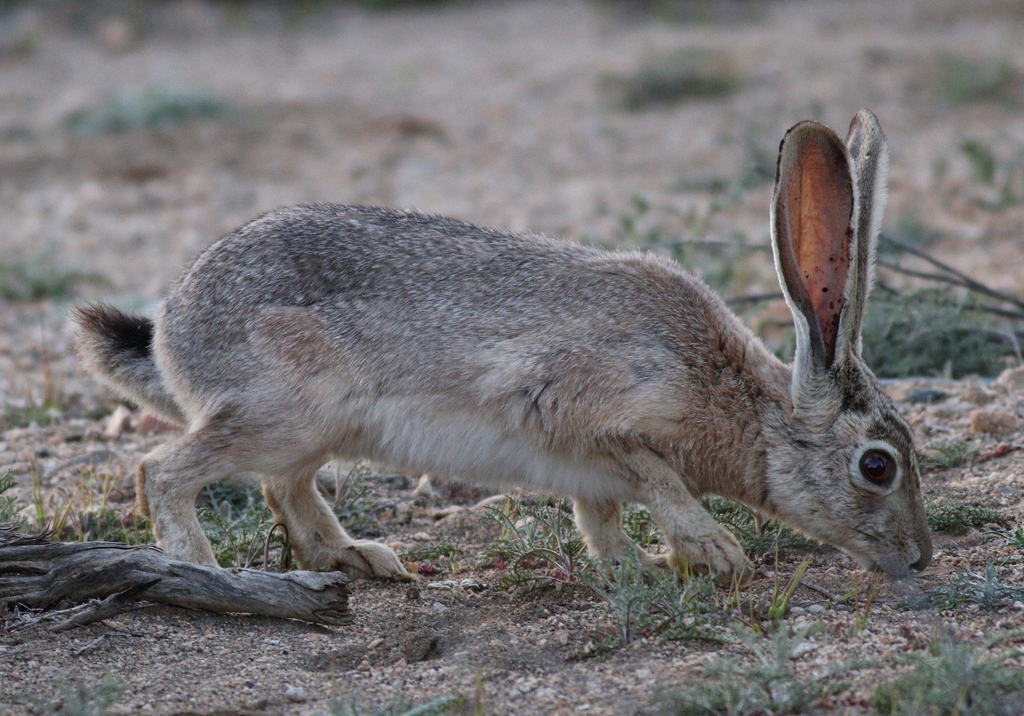
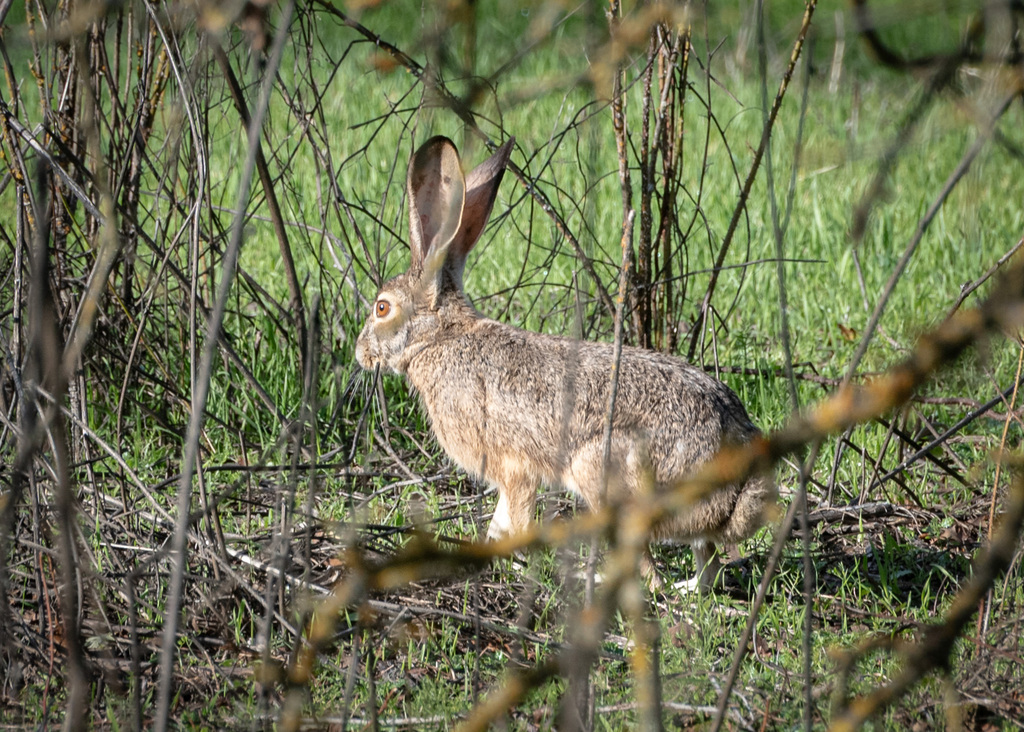
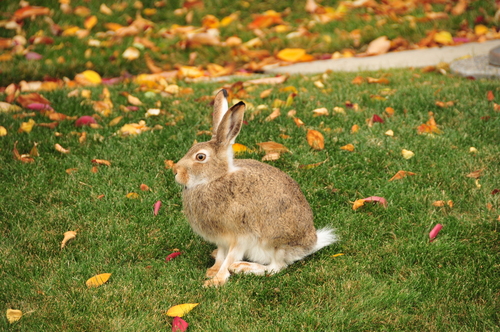
Black-tailed Jackrabbit
Lepus californicus
- Status
- Least Concern IUCN Red List
- Eats
- American tarwort and 0 more
- Eaten by
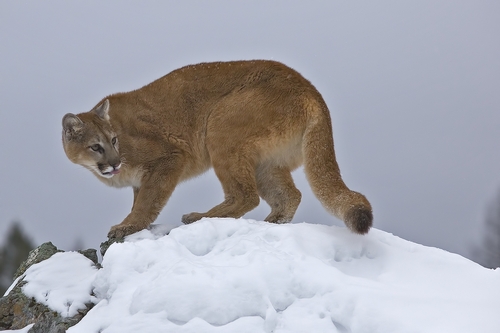
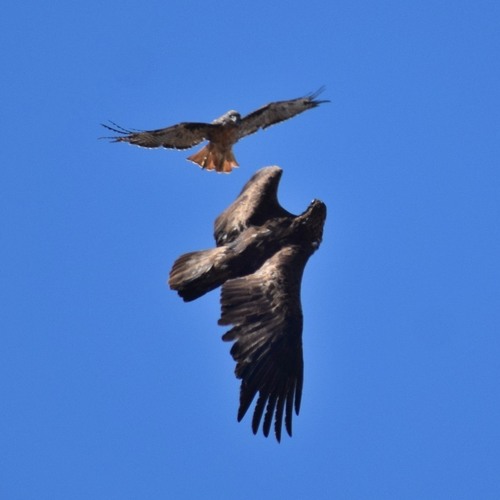
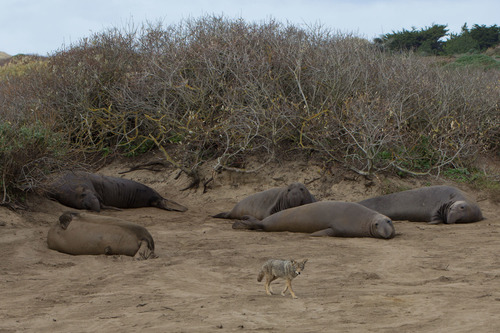
- cougar, golden eagle, coyote
- Where
- 2 countries
People have shared 17,783 records of the Black-tailed Jackrabbit with GBIF, from 2 countries, most of them from United States and Mexico. Records collected by GloBI show it eating 1 different kinds of animals and plants, and being eaten by 10.
In the northern hemisphere, people record it most in May and least in December. It belongs to the genus Lepus in the family Leporidae.
What the black-tailed Jackrabbit eats, and what eats it
Studies have recorded it eating 1 kinds of animals and plants, and 10 kinds of animals eating it. Tap any of them to follow the food chain.
- Plants 1
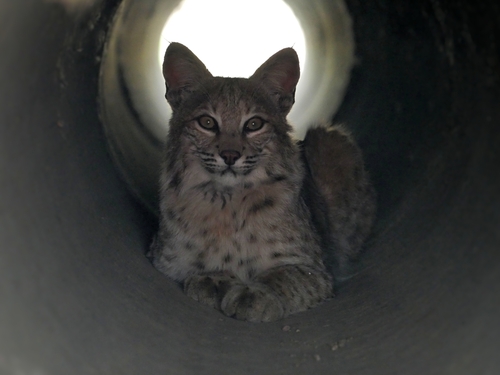
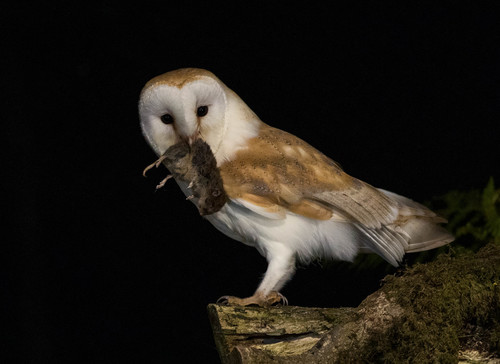
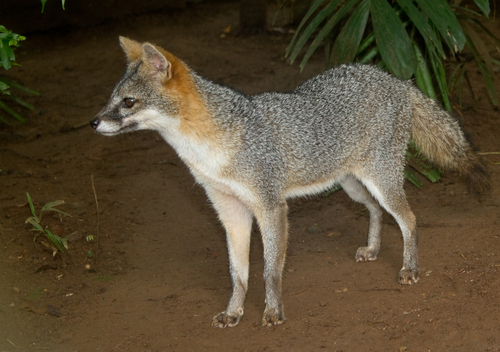
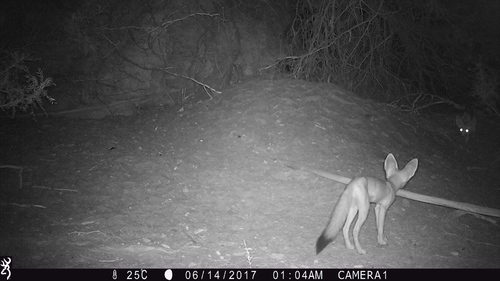
 Black-tailed Jackrabbit
Eats
Records from studies worldwide, collected by GloBI. They include animals eaten as carrion, and they are not everything it eats in one place.
Where people see the black-tailed Jackrabbit
People have shared 17,783 records from 2 countries.
Records show where people have seen it and shared it, not its full range. Country names open their page in Atlas.
When it is seen
Records per month in the northern hemisphere. More people outdoors also means more records.
Watch and listen

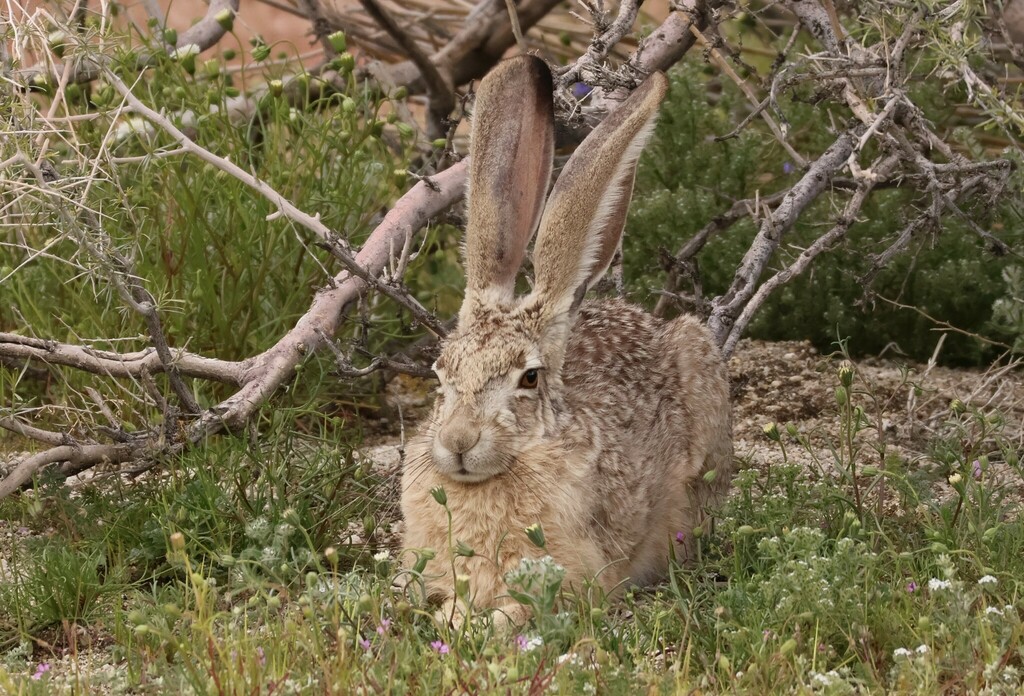
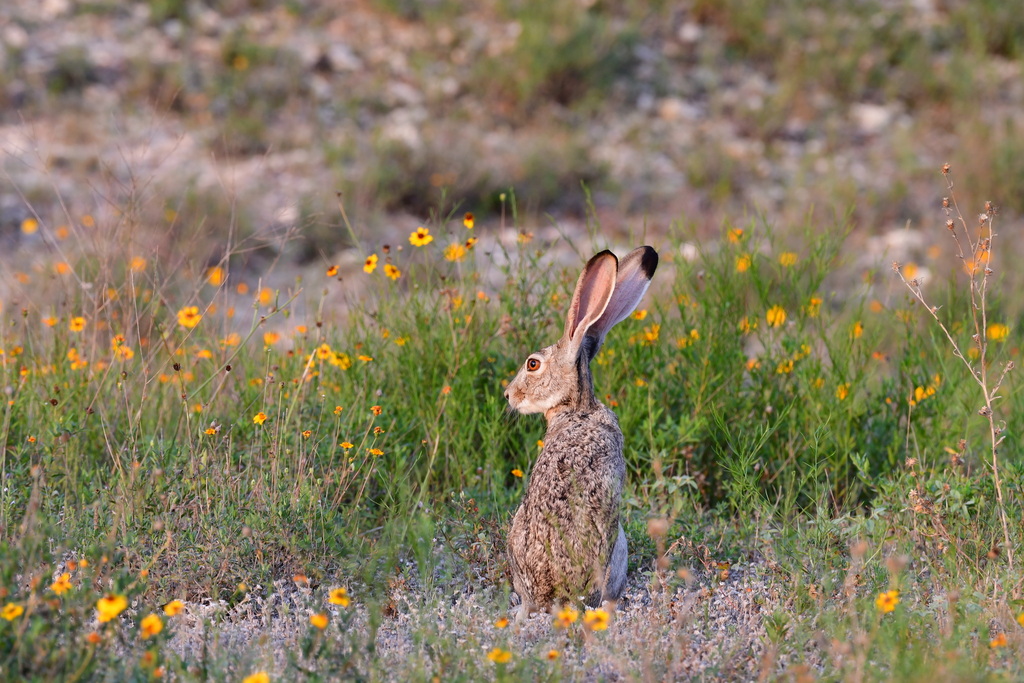
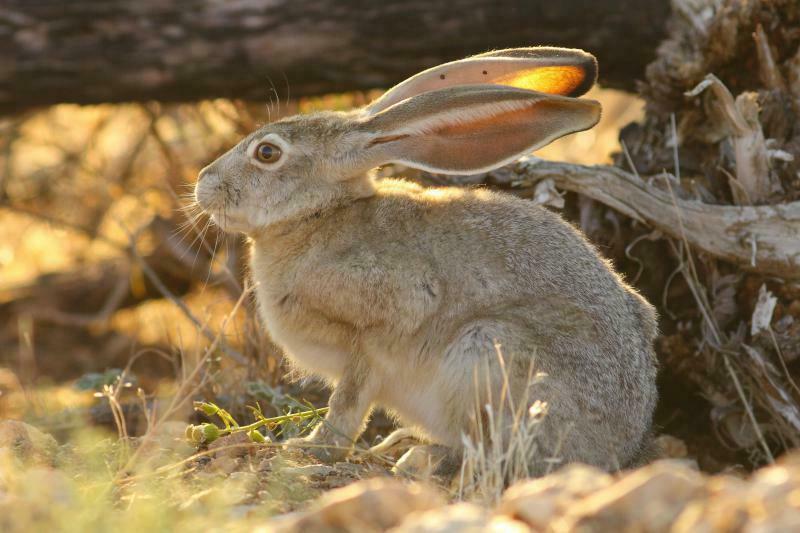
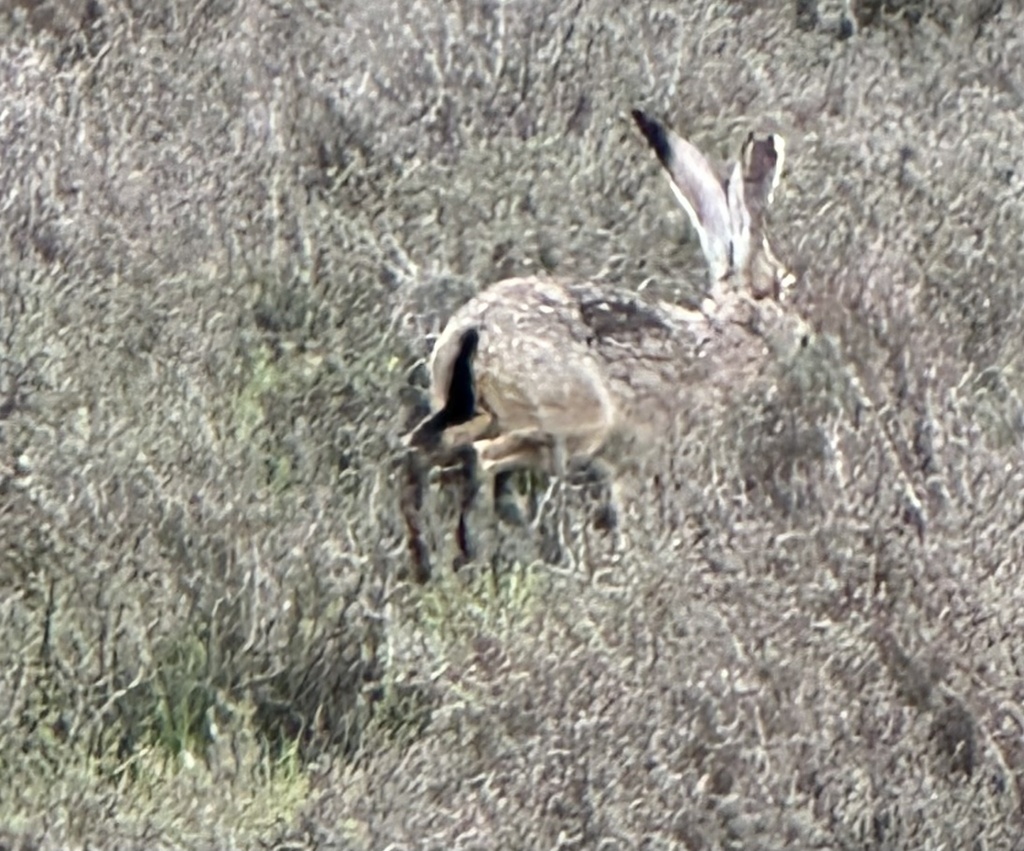
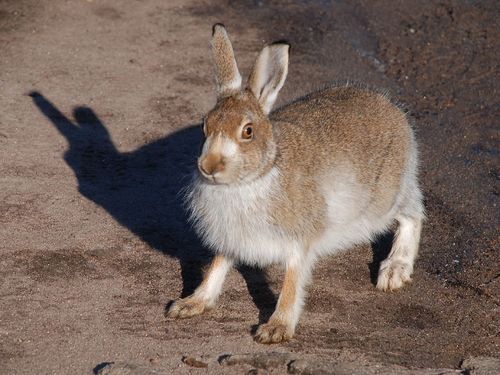
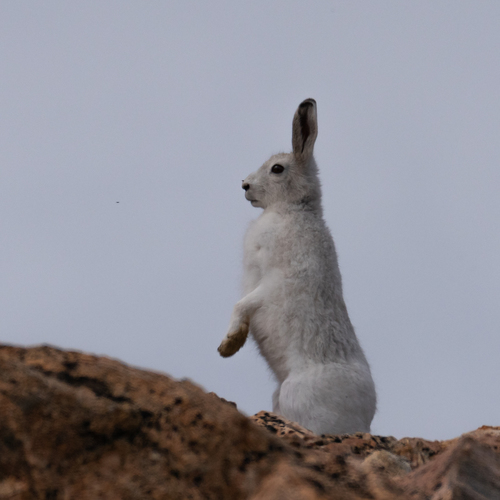
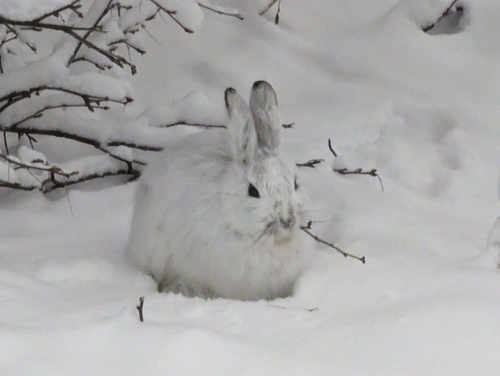
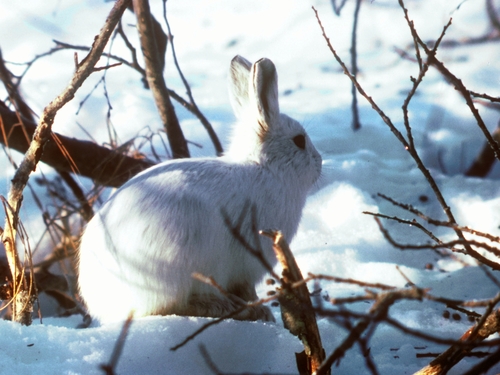
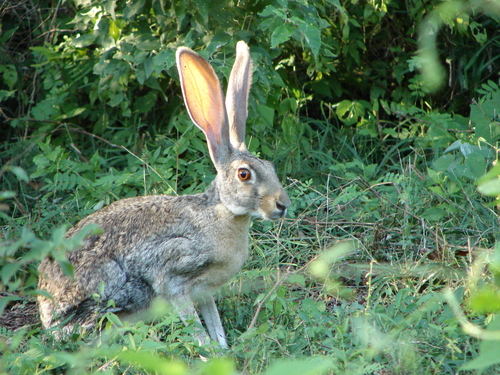
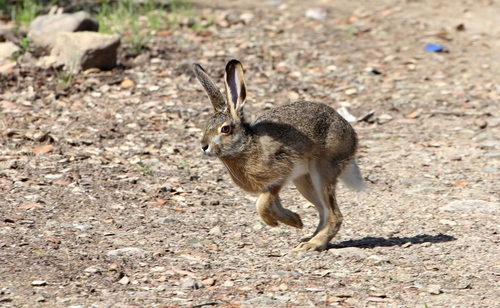
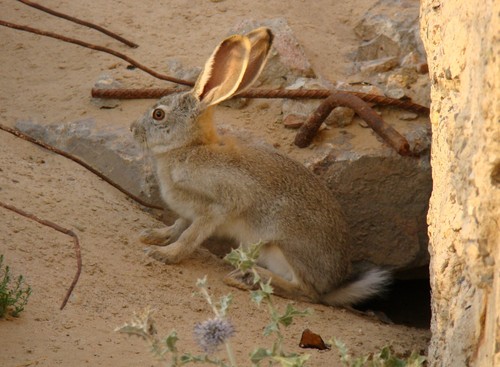
Its closest relatives
The other species of the genus Lepus.
Seen a black-tailed Jackrabbit?
Share your photo on iNaturalist. Other naturalists help confirm it, and the record goes to GBIF, where scientists use it and where the maps on this page come from.
Put this species on your site
The card names every source and links back here.
<iframe src="https://4planetatlas.com/place/embed/species/black-tailed-jackrabbit" title="Black-tailed Jackrabbit (Lepus californicus), 4PLANET Species" width="100%" height="600" style="border:0;max-width:640px" loading="lazy"></iframe>
<p><a href="https://4species.com/black-tailed-jackrabbit">Black-tailed Jackrabbit on 4PLANET Species</a></p>Questions people ask
What does the Black-tailed Jackrabbit eat?
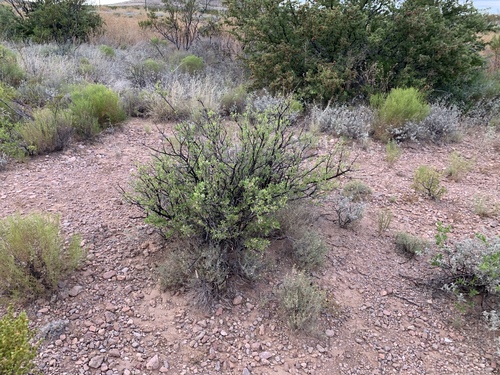
The Black-tailed Jackrabbit has been recorded eating 1 different kinds of animals and plants, most of them plants. The ones recorded most often are american tarwort; records include animals eaten as carrion. Source: GloBI.
What eats the Black-tailed Jackrabbit?
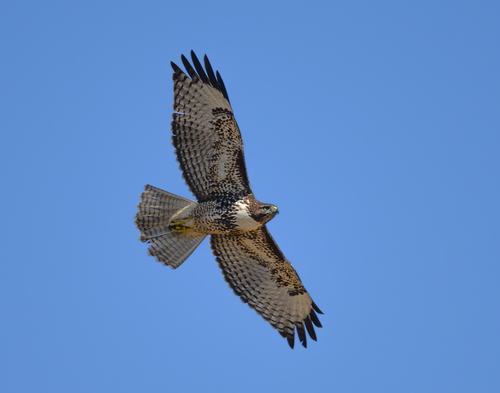
Recorded predators include cougar, golden eagle, coyote, bobcat and western barn owl. Source: GloBI.
Where does the Black-tailed Jackrabbit live?
People have recorded it in 2 countries; the most records come from United States and Mexico. Records show where people have seen it, not its full range.
When is the Black-tailed Jackrabbit seen most?
In the northern hemisphere, the most records are made in May and the fewest in December. More people outdoors also means more records.
What are the Black-tailed Jackrabbit's closest relatives?
It shares the genus Lepus with mountain hare, arctic hare, snowshoe hare, alaskan hare and antelope jackrabbit.
Sources and photo credits
- GBIF · Lepus californicus, 17,783 human observations
- GloBI · recorded interactions of Lepus californicus
- Wikidata · Black-tailed Jackrabbit (Q640645)
- Black-tailed Jackrabbit (Lepus californicus): dbugs, CC0
- Black-tailed Jackrabbit (Lepus californicus): Susan E Adams, CC BY-SA 4.0
- Black-tailed Jackrabbit (Lepus californicus), 200 Palm Canyon Dr, Borrego Springs, CA 92004, USA: Christoph Moning, CC BY 4.0
- Black-tailed Jackrabbit (Lepus californicus), San Bernardino County, CA, USA: Jan Ebr & Ivana Ebrová, CC BY 4.0
- Black-tailed Jackrabbit (Lepus californicus), Anza Borrego Desert State Park, San Diego County, CA, USA: Millie Basden, CC BY 4.0
- Black-tailed Jackrabbit (Lepus californicus), Kendall County, TX, USA: Cody Stricker, CC BY 4.0
- Black-tailed Jackrabbit (Lepus californicus), Mojave Wilderness (CA): CaracalShan, CC BY 4.0
- Black-tailed Jackrabbit (Lepus californicus), Baylands Nature Preserve, Palo Alto, CA, US: Irina Mitine, CC BY 4.0
- Black-tailed Jackrabbit (Lepus californicus), Yolo County, CA, USA: Tim Messick, CC BY 4.0
- American tarwort: CK2AZ, CC BY 4.0
- Cougar: Elaine R. Wilson, CC BY-SA 4.0
- Golden eagle: Anne Parsons, CC0
- Coyote: avocat, CC BY 4.0
- Bobcat: ayden, CC BY 4.0
- Western barn owl: john.purvis, CC BY 4.0
- Gray fox: Brian Gratwicke, CC BY 4.0
- Kit fox: Danny Mccamish, CC BY 4.0
- Red-tailed hawk: no rights reserved, uploaded by Claude Lyneis, CC0
- Mountain hare: Andrew, CC BY 4.0
- Arctic hare: Piotr Lukasik, CC BY 4.0
- Snowshoe hare: Matt Muir, CC BY 4.0
- Alaskan hare: Bering Land Bridge National Preserve, CC BY 4.0
- Antelope jackrabbit: Francisco Farriols Sarabia, CC BY 4.0
- Corsican hare: Thomas Galewski, CC BY 4.0
- Tolai hare: Юрий Данилевский (Yuriy Danilevsky), CC BY 4.0
- White-tailed jackrabbit: TheIguana, CC BY-SA 4.0
Records show where people have seen and shared the Black-tailed Jackrabbit, not its full range, and some countries and months are recorded far more than others. The food web lists interactions that studies have recorded somewhere in the world (GloBI), not everything it eats in one place.
Checked 2026-11-25.