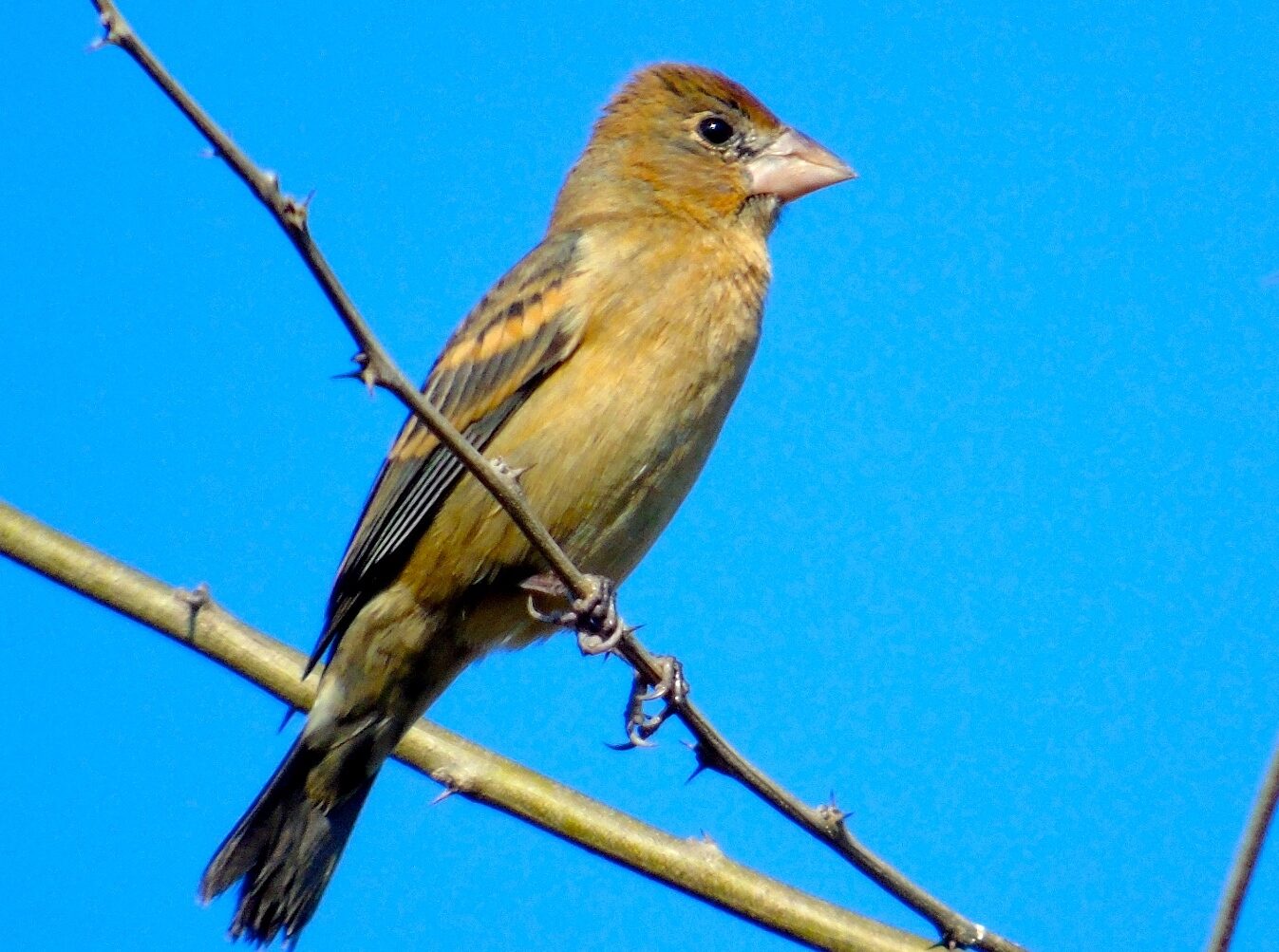
Blue Grosbeak
Passerina caerulea
- Status
- Least Concern IUCN Red List
- Eats
- xylosma panamensis, annual canarygrass, elephant grass and 30 more
- Where
- 28 countries
On 4Planet Atlas it is among the wildlife people record most around Albuquerque, Atlanta and Austin, and 14 more of the cities we cover.
People have shared 1,131,752 records of the Blue Grosbeak with GBIF, from 28 countries, most of them from United States, Mexico and Costa Rica. Records collected by GloBI show it eating 33 different kinds of animals and plants.
What the blue Grosbeak eats, and what eats it
Studies have recorded it eating 33 kinds of animals and plants. Tap any of them to follow the food chain.
- Plants 31
- Insects 1
Blue Grosbeak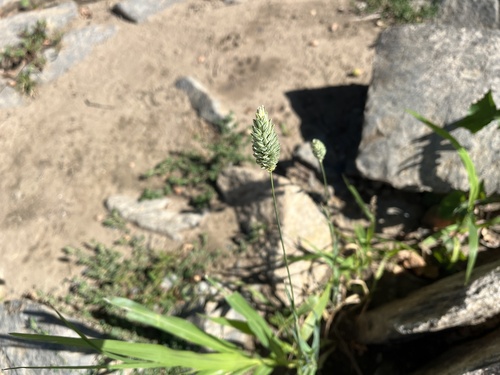
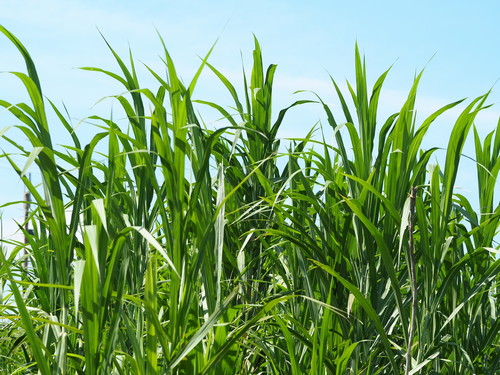
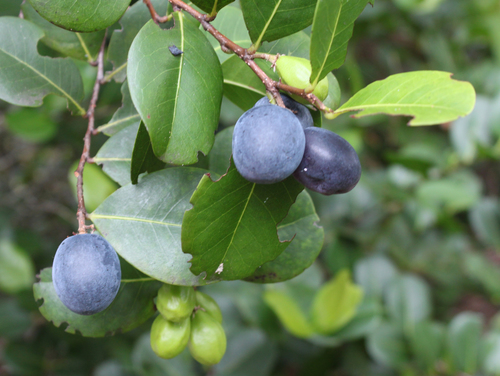
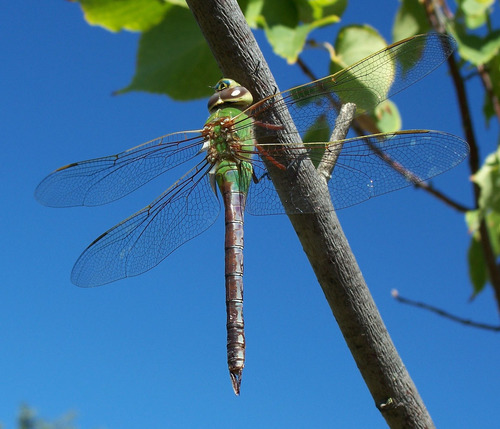
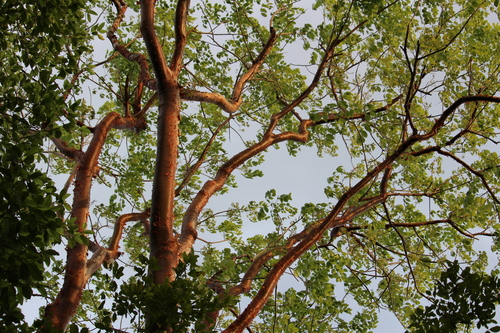
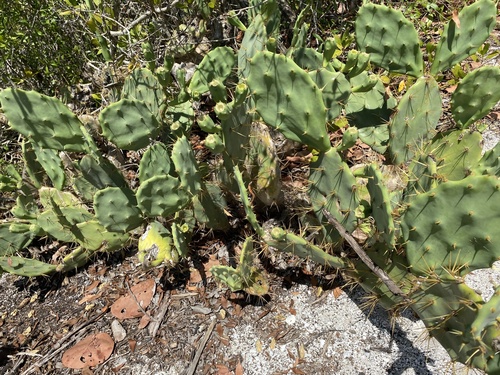
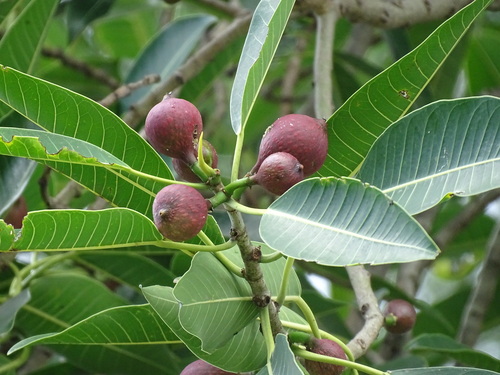
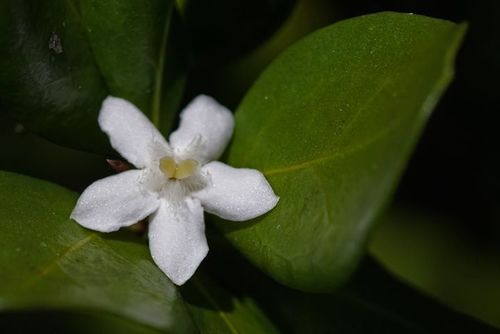
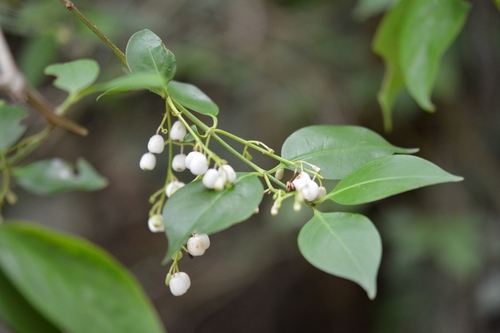
Records from studies worldwide, collected by GloBI. They include animals eaten as carrion, and they are not everything it eats in one place.
Where people see the blue Grosbeak
People have shared 1,131,752 records from 28 countries.
Near a city: Albuquerque, Atlanta, Austin, Denver, Guadalajara, Havana, Las Vegas, Managua, Memphis, Mexico City, Nashville, New Orleans, Oklahoma City, Raleigh, San Salvador, Tegucigalpa, Washington, D.C..
Records show where people have seen it and shared it, not its full range. Country names open their page in Atlas.
When it is seen
Records per month in the northern hemisphere. More people outdoors also means more records.
Watch and listen
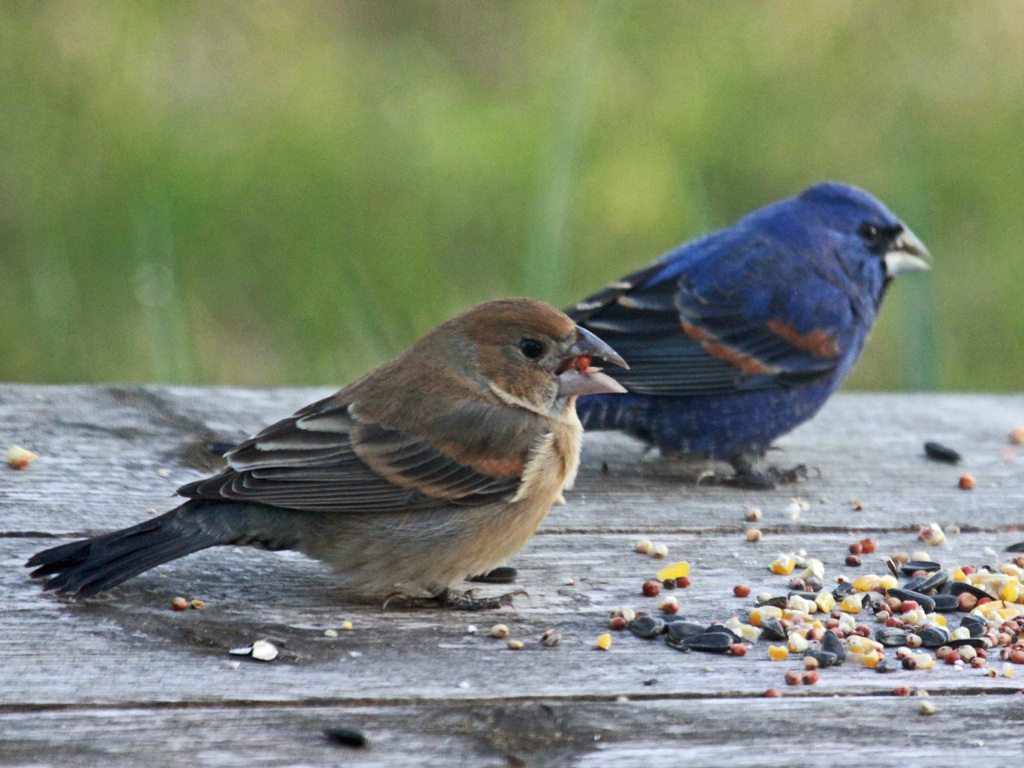
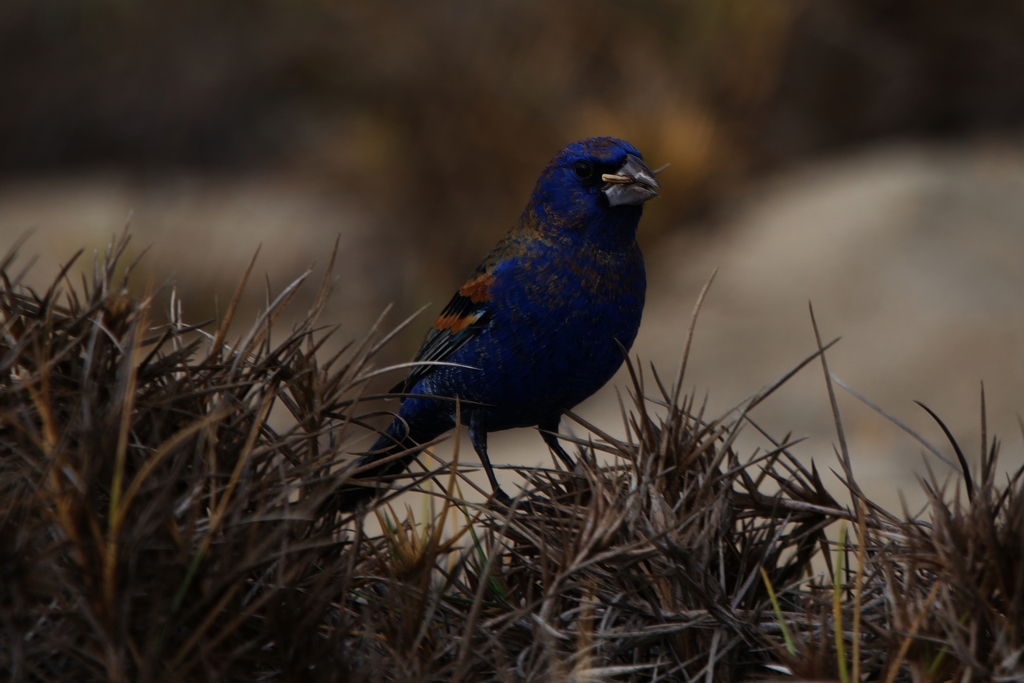
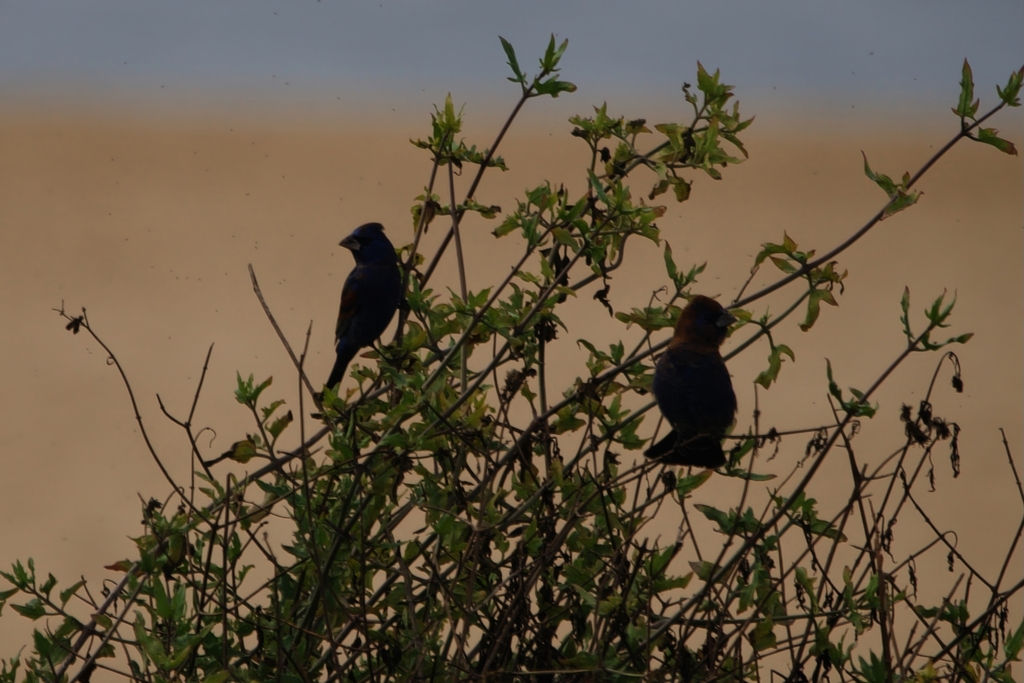
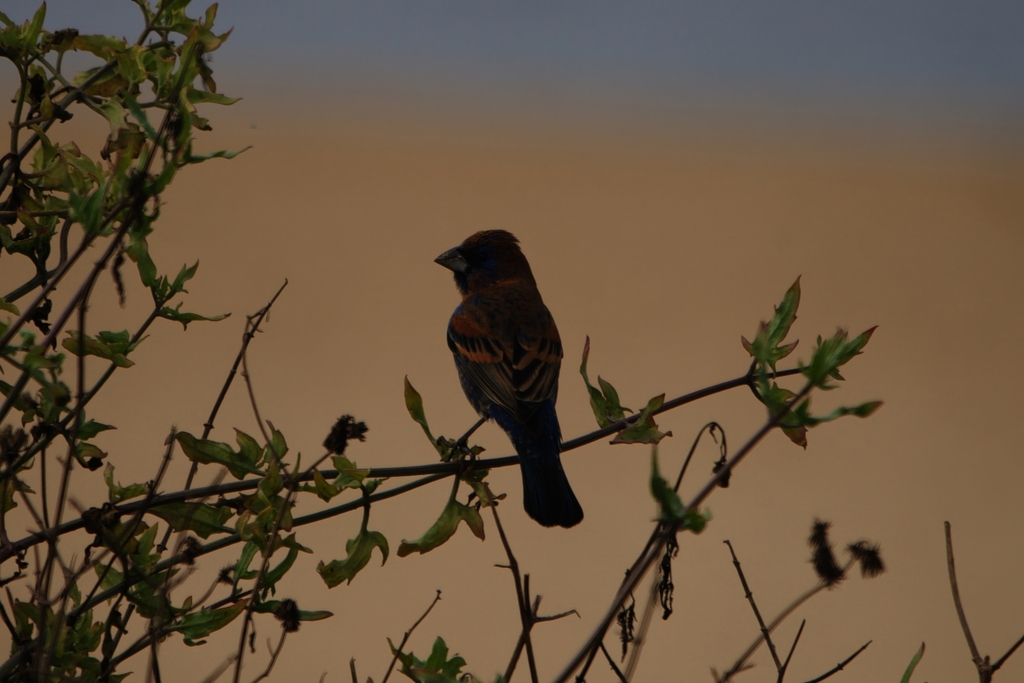
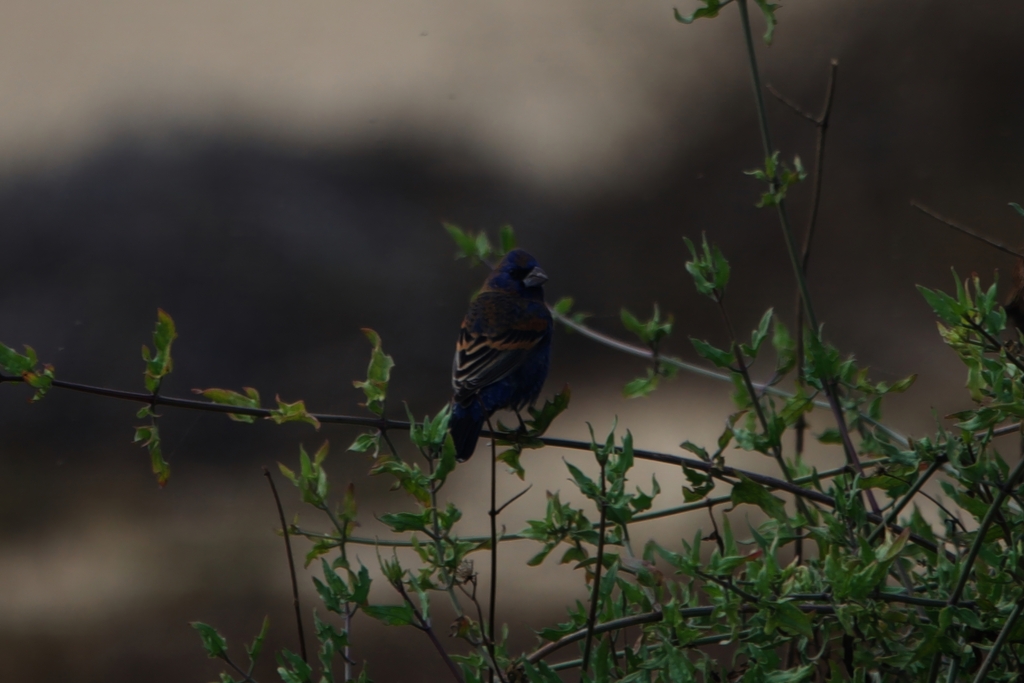
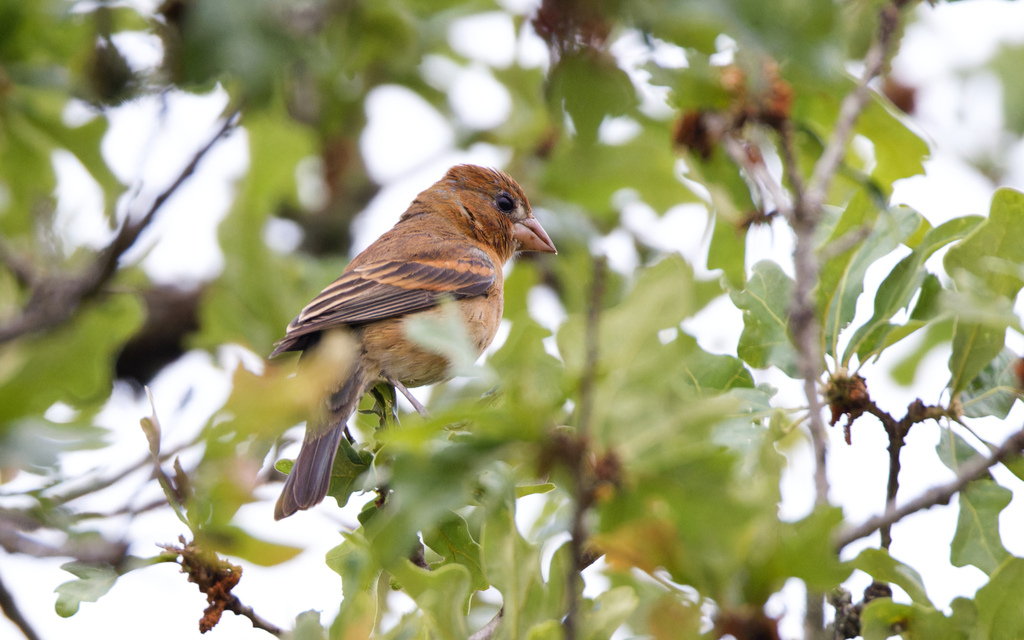
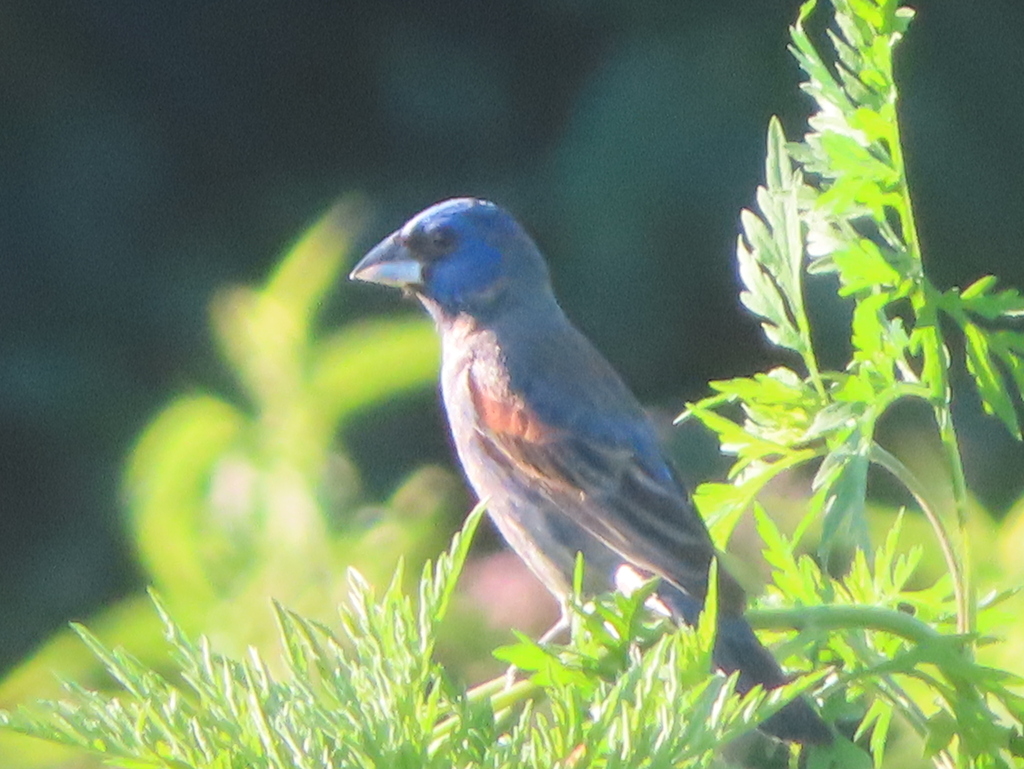
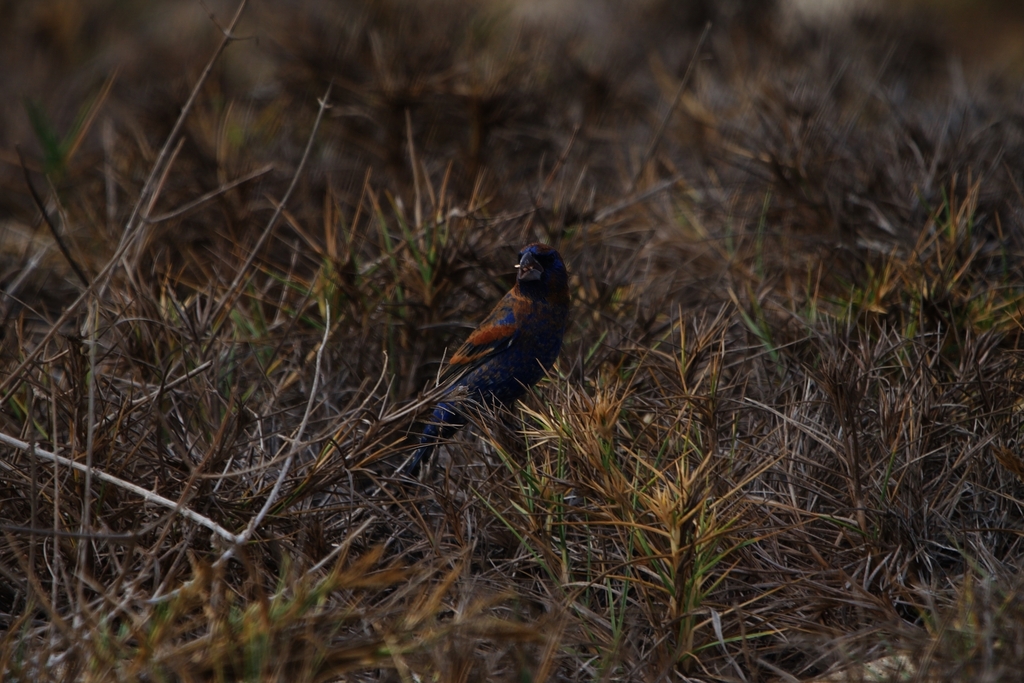
Seen a blue Grosbeak?
Share your photo on iNaturalist. Other naturalists help confirm it, and the record goes to GBIF, where scientists use it and where the maps on this page come from.
Put this species on your site
The card names every source and links back here.
<iframe src="https://4planetatlas.com/place/embed/species/blue-grosbeak" title="Blue Grosbeak (Passerina caerulea), 4PLANET Species" width="100%" height="600" style="border:0;max-width:640px" loading="lazy"></iframe>
<p><a href="https://4species.com/blue-grosbeak">Blue Grosbeak on 4PLANET Species</a></p>Questions people ask
What does the Blue Grosbeak eat?
The Blue Grosbeak has been recorded eating 33 different kinds of animals and plants, most of them plants and insects. The ones recorded most often are xylosma panamensis, annual canarygrass, elephant grass, coco plum and green darner; records include animals eaten as carrion. Source: GloBI.
Where does the Blue Grosbeak live?
People have recorded it in 28 countries; the most records come from United States, Mexico, Costa Rica, Belize and Honduras. Records show where people have seen it, not its full range.
When is the Blue Grosbeak seen most?
In the northern hemisphere, the most records are made in May and the fewest in November. More people outdoors also means more records.
Sources and photo credits
- GBIF · Passerina caerulea, 1,131,752 human observations
- GloBI · recorded interactions of Passerina caerulea
- Wikidata · Blue Grosbeak (Q794337)
- Blue Grosbeak (Passerina caerulea): Francisco Farriols Sarabia, CC BY 4.0
- Blue Grosbeak (Passerina caerulea): DickDaniels, CC BY-SA 4.0
- Blue Grosbeak (Passerina caerulea), La Poza, Baja California Sur, Mexico: Bill Levine, CC BY 4.0
- Blue Grosbeak (Passerina caerulea), La Poza, Baja California Sur, Mexico: Bill Levine, CC BY 4.0
- Blue Grosbeak (Passerina caerulea), La Poza, Baja California Sur, Mexico: Bill Levine, CC BY 4.0
- Blue Grosbeak (Passerina caerulea), La Poza, Baja California Sur, Mexico: Bill Levine, CC BY 4.0
- Blue Grosbeak (Passerina caerulea), Texas A&M University Research Park, Research Pkwy, College Station, TX 77845, USA: Brent Cox, CC BY 4.0
- Blue Grosbeak (Passerina caerulea), City Park, New Orleans, LA, USA: Ken Clark, CC BY 4.0
- Blue Grosbeak (Passerina caerulea), La Poza, Baja California Sur, Mexico: Bill Levine, CC BY 4.0
- Annual canarygrass: Pavel Kacl, CC BY 4.0
- Elephant grass: no rights reserved, uploaded by 葉子, CC0
- Coco plum: Eridan Xharahi, CC BY 4.0
- Green darner: Eugene Zelenko, CC BY-SA 4.0
- West Indian birch: Ricard Busquets Reverte, CC BY 4.0
- Erect prickly pear: sarah caitlin williams, CC BY 4.0
- Wild fig: Alexis López Hernández, CC BY 4.0
- Black cherry: Eridan Xharahi, CC BY 4.0
- West Indian milkberry: Neptalí Ramírez Marcial, CC BY 4.0
- Twoleaf nightshade: 謝麗霦, CC BY 4.0
- Alamo tree: Francisco Farriols Sarabia, CC BY 4.0
Records show where people have seen and shared the Blue Grosbeak, not its full range, and some countries and months are recorded far more than others. The food web lists interactions that studies have recorded somewhere in the world (GloBI), not everything it eats in one place.
Checked 2026-11-28.