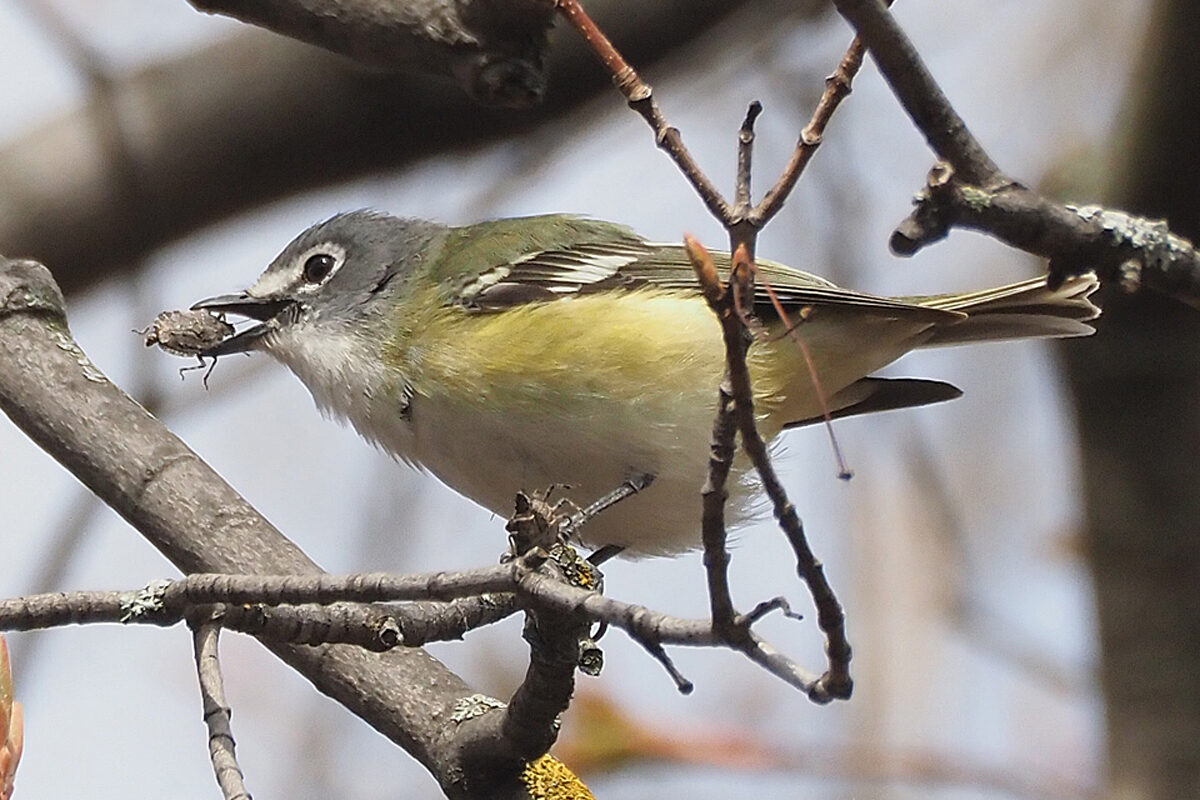
Blue-headed vireo
Vireo solitarius
- Status
- Least Concern IUCN Red List
- Eats
- flowering dogwood, sarsaparilla, snake berry and 171 more
- Where
- 15 countries
On 4Planet Atlas it is among the wildlife people record most around Atlanta, Austin and Boston, and 24 more of the cities we cover.
People have shared 1,490,459 records of the blue-headed vireo with GBIF, from 15 countries, most of them from United States, Canada and Mexico. Records collected by GloBI show it eating 174 different kinds of animals and plants.
What the blue-headed vireo eats, and what eats it
Studies have recorded it eating 174 kinds of animals and plants. Tap any of them to follow the food chain.
- Insects 83
- Plants 76
- Snails and slugs 3
Blue-headed vireo
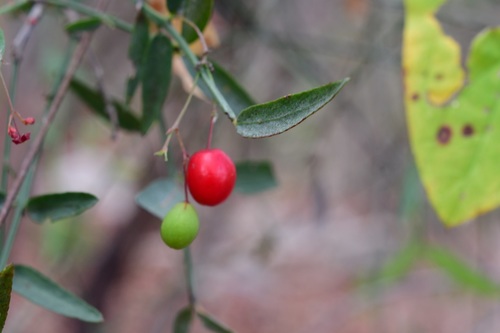
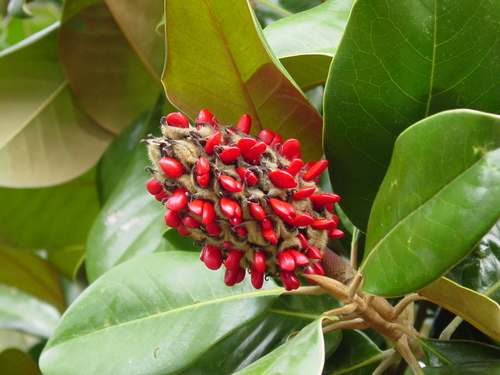
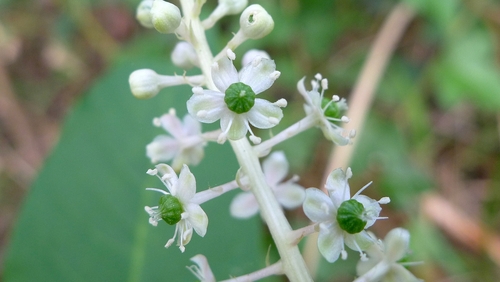

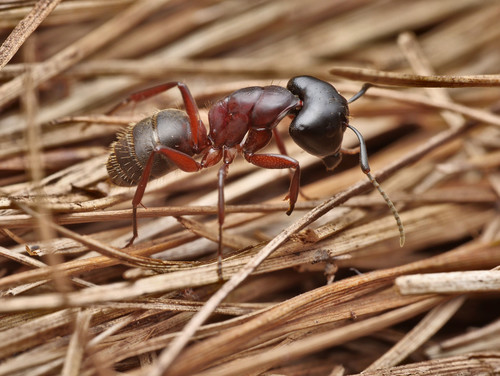
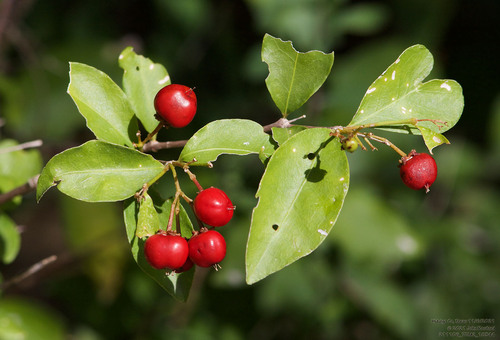
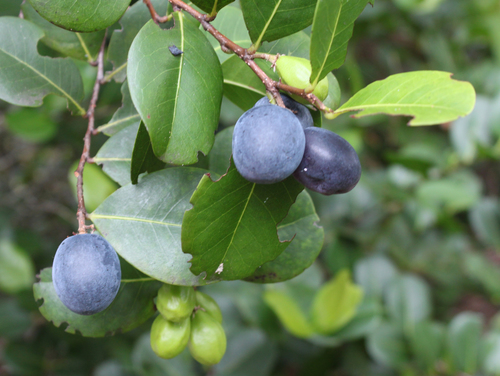
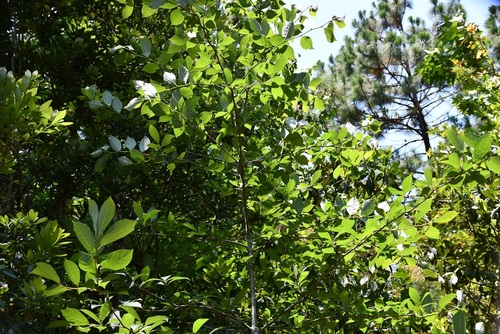
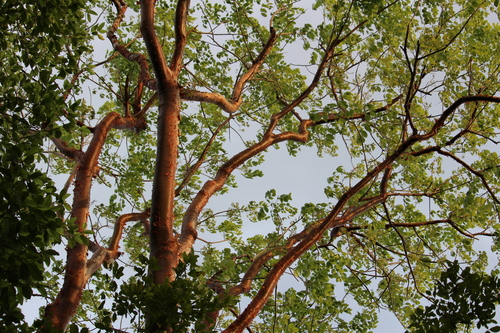
Records from studies worldwide, collected by GloBI. They include animals eaten as carrion, and they are not everything it eats in one place.
Where people see the blue-headed vireo
People have shared 1,490,459 records from 15 countries.
Near a city: Atlanta, Austin, Boston, Chicago, Cincinnati, Cleveland, Columbus, Detroit, Edmonton, Guatemala City, Houston, Indianapolis, Milwaukee, Minneapolis, Montreal, Nashville, New Orleans, New York, Orlando, Ottawa, Pittsburgh, Quebec City, Raleigh, Saint Paul, San Salvador, Toronto, Washington, D.C..
Records show where people have seen it and shared it, not its full range. Country names open their page in Atlas.
When it is seen
Records per month in the northern hemisphere. More people outdoors also means more records.
Watch and listen
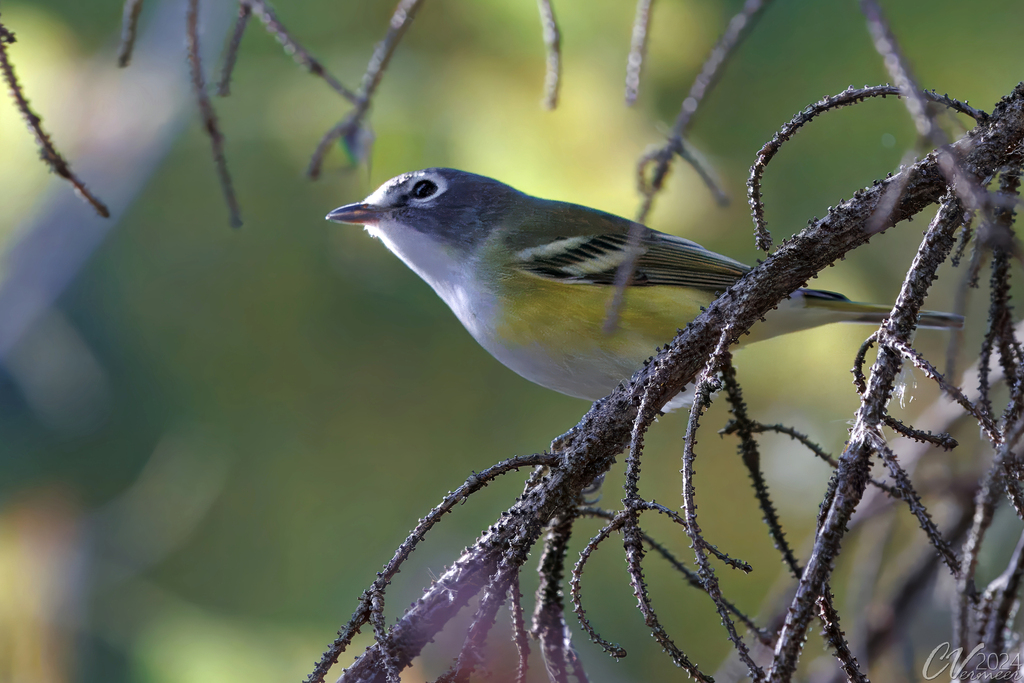
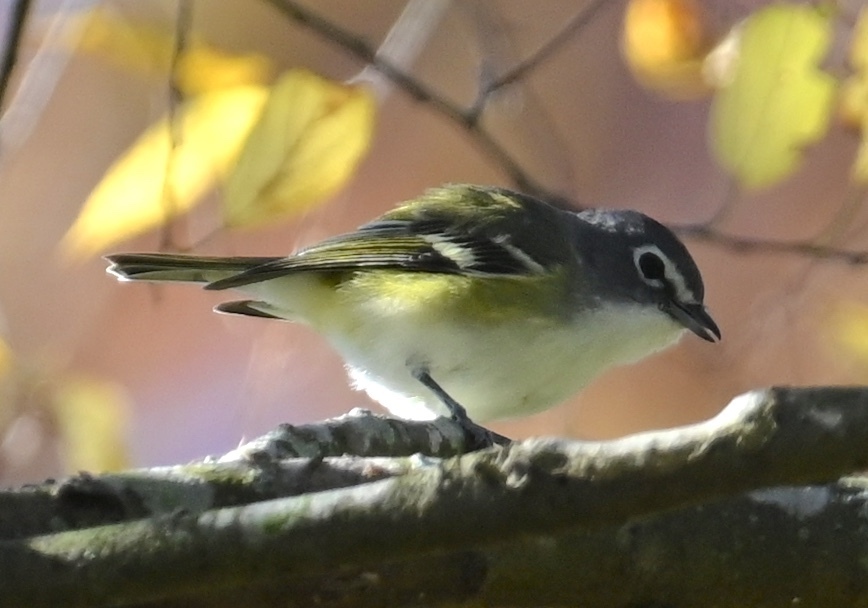
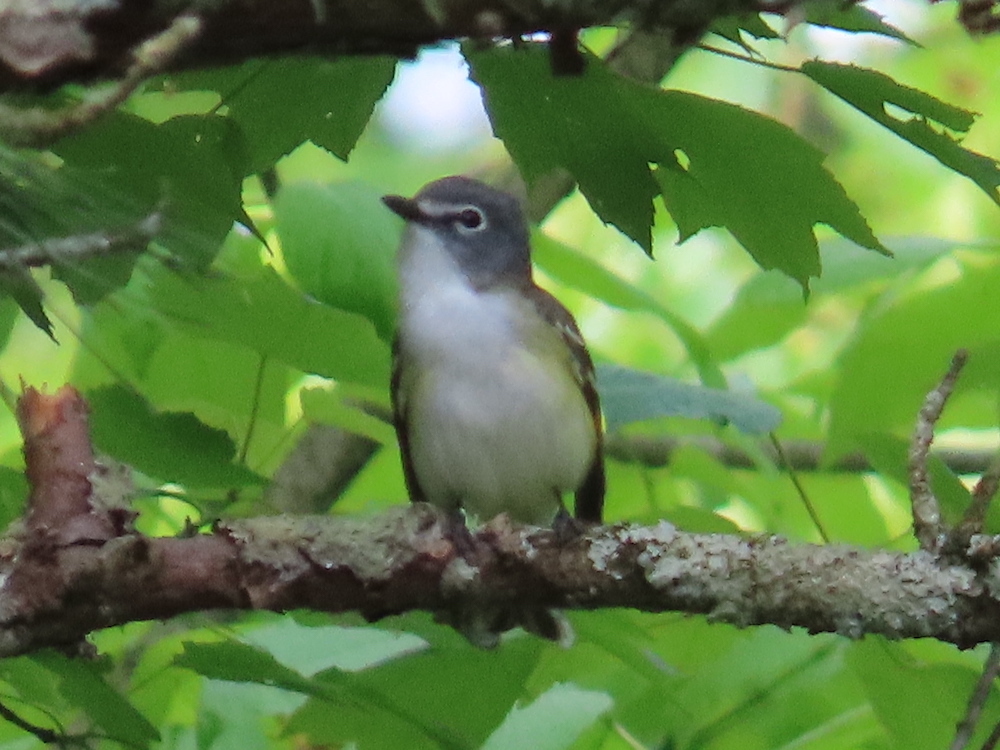
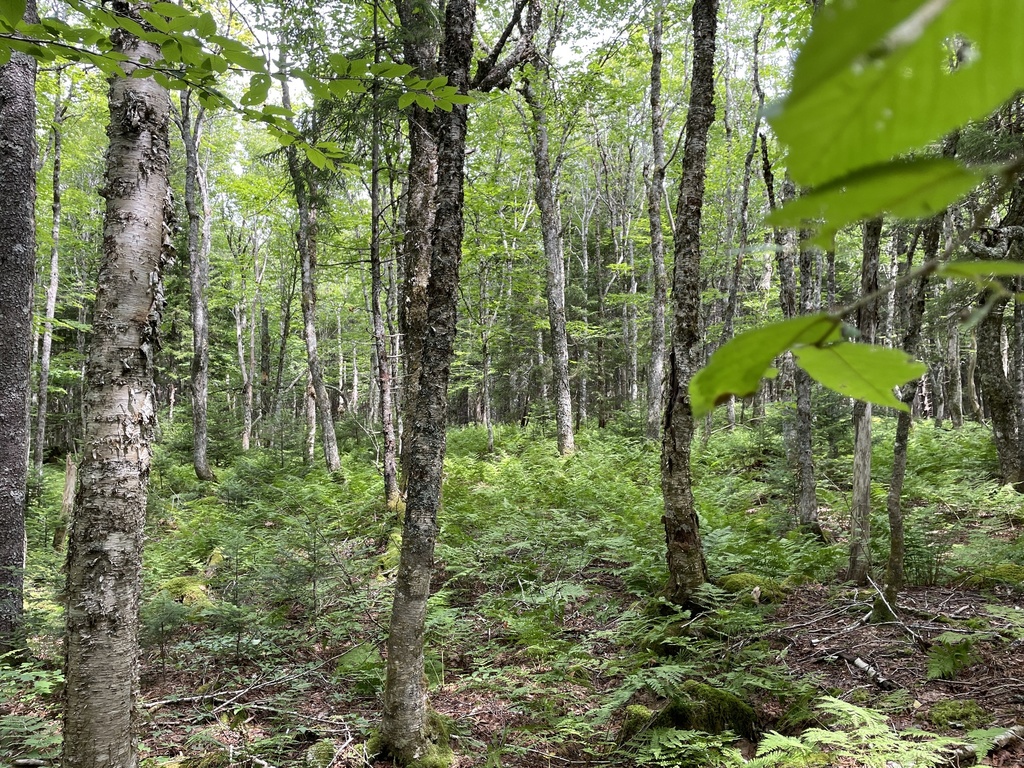
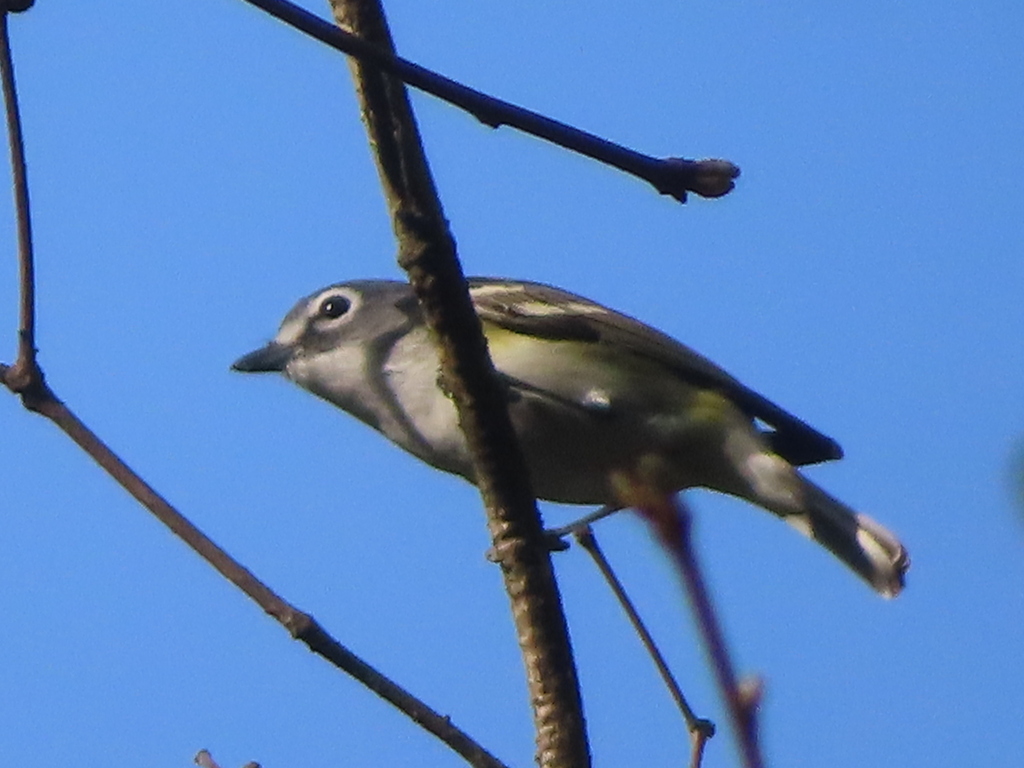
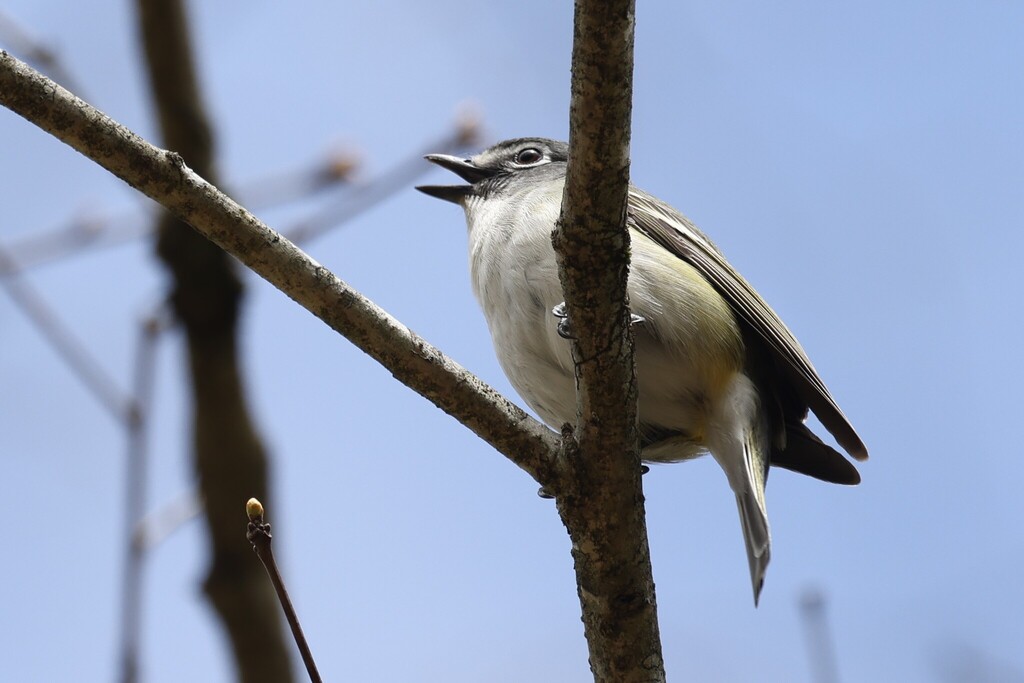
Its closest relatives
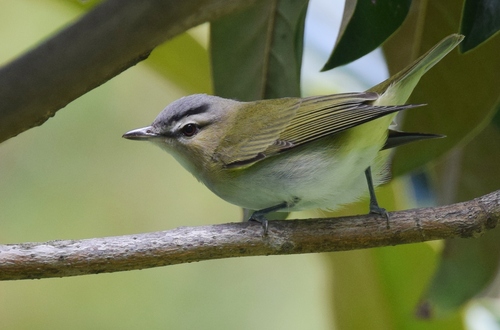
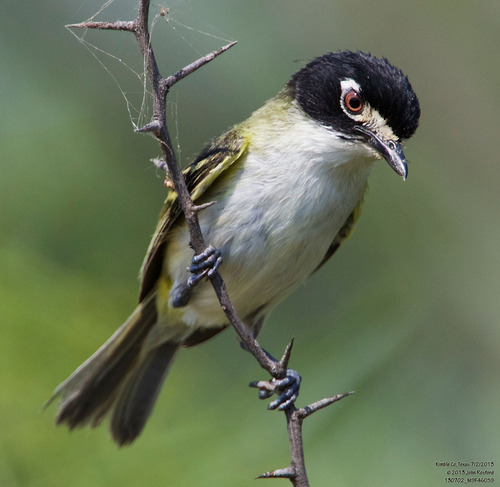
The other species of the genus Vireo.
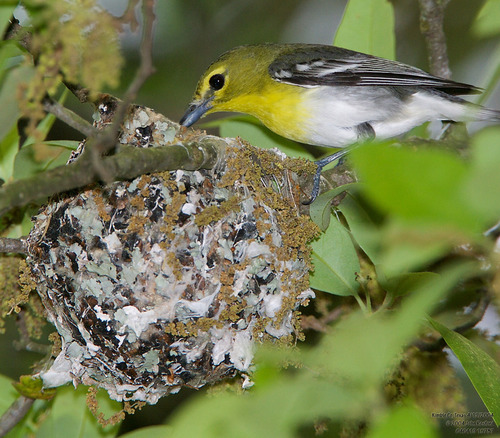
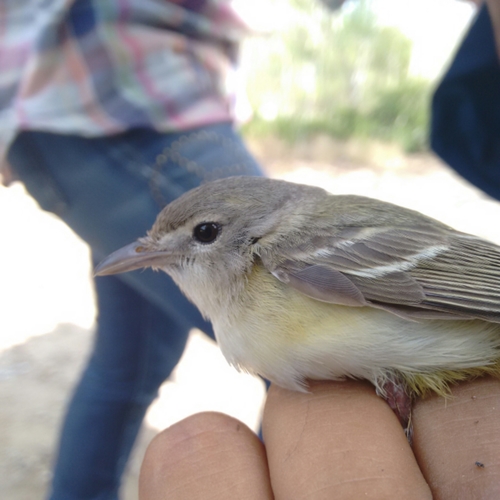
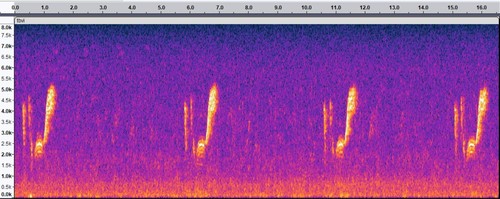
Seen a blue-headed vireo?
Share your photo on iNaturalist. Other naturalists help confirm it, and the record goes to GBIF, where scientists use it and where the maps on this page come from.
Put this species on your site
The card names every source and links back here.
<iframe src="https://4planetatlas.com/place/embed/species/blue-headed-vireo" title="Blue-headed vireo (Vireo solitarius), 4PLANET Species" width="100%" height="600" style="border:0;max-width:640px" loading="lazy"></iframe>
<p><a href="https://4species.com/blue-headed-vireo">Blue-headed vireo on 4PLANET Species</a></p>Questions people ask
What does the blue-headed vireo eat?
The blue-headed vireo has been recorded eating 174 different kinds of animals and plants, most of them insects, plants and snails and slugs. The ones recorded most often are flowering dogwood, sarsaparilla, snake berry, southern magnolia and virginia creeper; records include animals eaten as carrion. Source: GloBI.
Where does the blue-headed vireo live?
People have recorded it in 15 countries; the most records come from United States, Canada, Mexico, Guatemala and Honduras. Records show where people have seen it, not its full range.
When is the blue-headed vireo seen most?
In the northern hemisphere, the most records are made in May and the fewest in February. More people outdoors also means more records.
What are the blue-headed vireo's closest relatives?
It shares the genus Vireo with red-eyed vireo, black-capped vireo, yellow-throated vireo, bell's vireo and thick-billed vireo.
Sources and photo credits
- GBIF · Vireo solitarius, 1,490,459 human observations
- GloBI · recorded interactions of Vireo solitarius
- Wikidata · Blue-headed vireo (Q1586476)
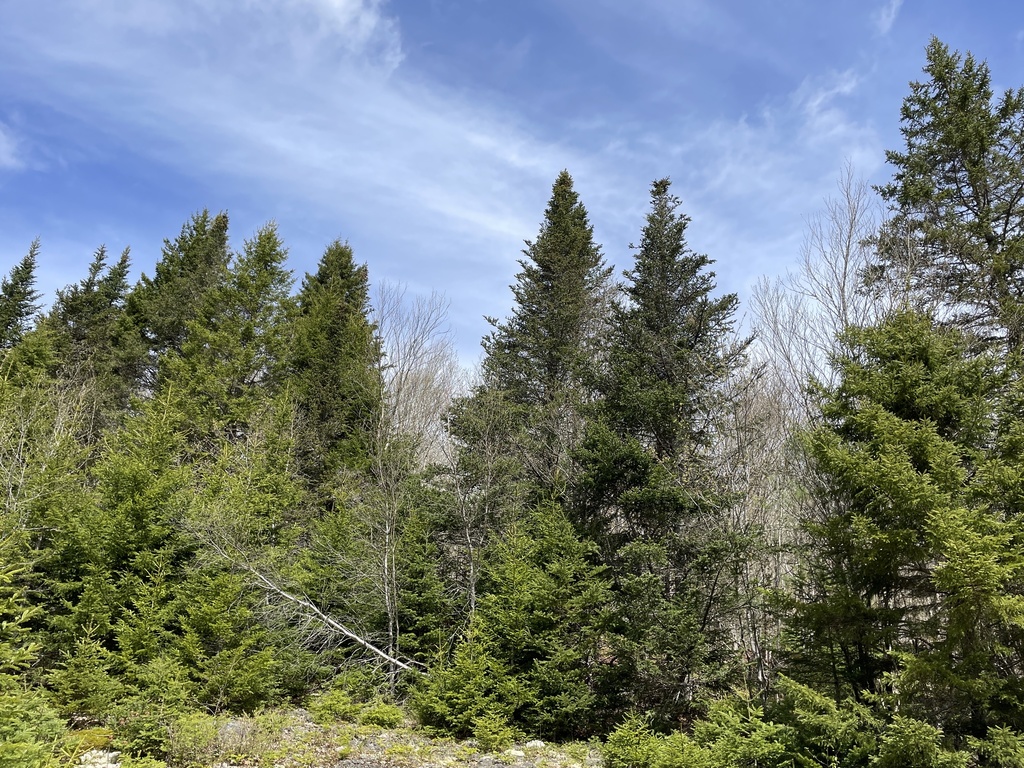
- Blue-headed vireo (Vireo solitarius): Gordon Johnston, CC BY-SA 4.0
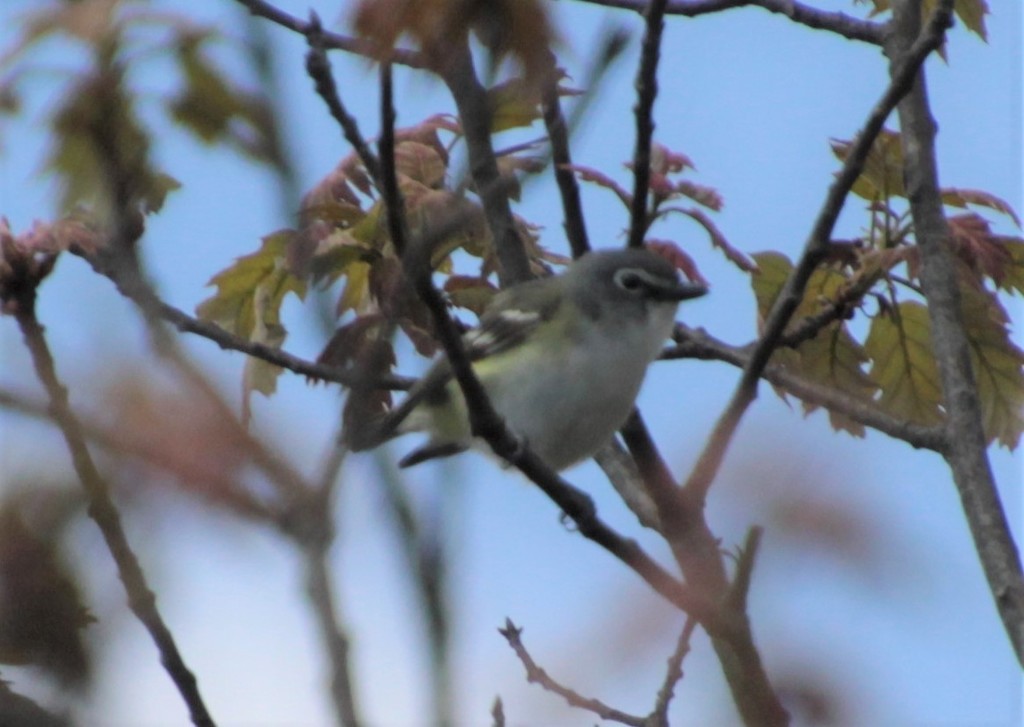
- Blue-headed vireo (Vireo solitarius), River East, Winnipeg, MB R2G, Canada: Carol Ann Vermeer, CC BY 4.0
- Blue-headed vireo (Vireo solitarius), Highlands/Perkins, Baton Rouge, LA, USA: Amber M. King, CC BY 4.0
- Blue-headed vireo (Vireo solitarius), Butler County, PA, USA: Theo Rickert, CC BY 4.0
- Blue-headed vireo (Vireo solitarius), Colchester, CA-NS, CA: Mary E. Macaulay, P.Eng., CC BY 4.0
- Blue-headed vireo (Vireo solitarius), Kings Contrivance, Columbia, MD, USA: Ken Clark, CC BY 4.0
- Blue-headed vireo (Vireo solitarius), 364 Glen Alton Rd, Goldbond, VA 24150, USA: Kathy Richardson, CC BY 4.0
- Blue-headed vireo (Vireo solitarius), Colchester, CA-NS, CA: Mary E. Macaulay, P.Eng., CC BY 4.0
- Blue-headed vireo (Vireo solitarius), Amherst County, VA, USA: Kathy Richardson, CC BY 4.0
- Flowering dogwood: Juan Cruzado Cortés, CC BY-SA 4.0
- Snake berry: Neptalí Ramírez Marcial, CC BY 4.0
- Southern magnolia: Pmsyyz, CC BY-SA 4.0
- Virginia creeper: M. Whitson, CC BY 4.0
- American pokeweed: John Tann, CC BY 4.0
- Poison ivy: Randy A Nonenmacher, CC BY 4.0
- Great carpenter ant: no rights reserved, uploaded by Philipp Hoenle, CC0
- Barbados cherry: John Rosford, CC BY 4.0
- Coco plum: Eridan Xharahi, CC BY 4.0
- Black tupelo: Neptalí Ramírez Marcial, CC BY 4.0
- West Indian birch: Ricard Busquets Reverte, CC BY 4.0
- Red-eyed vireo: Andy Reago & Chrissy McClarren, CC BY 4.0
- Black-capped vireo: John Rosford, CC BY 4.0
- Yellow-throated vireo: John Rosford, CC BY 4.0
- Bell's vireo: Daniel Juarez Santiago, CC BY 4.0
- Thick-billed vireo: steve b, CC0
- Warbling vireo: Brian White, CC BY 4.0
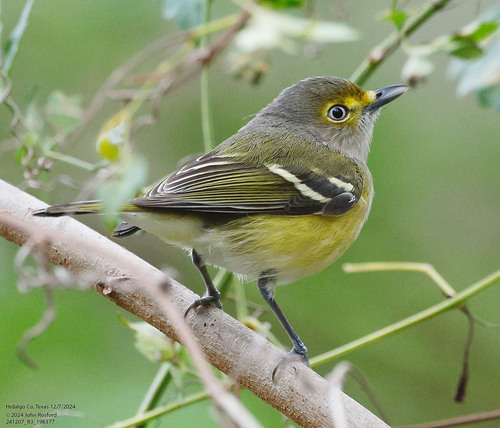
- White-eyed vireo: John Rosford, CC BY 4.0
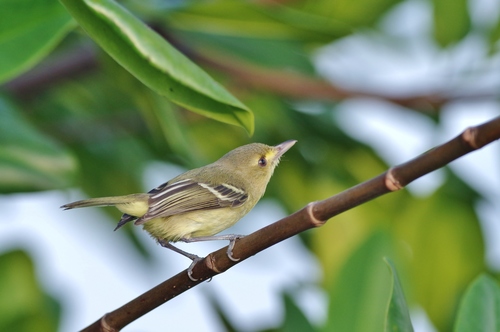
- Mangrove vireo: Thibaud Aronson, CC BY-SA 4.0
Records show where people have seen and shared the blue-headed vireo, not its full range, and some countries and months are recorded far more than others. The food web lists interactions that studies have recorded somewhere in the world (GloBI), not everything it eats in one place.
Checked 2026-11-28.