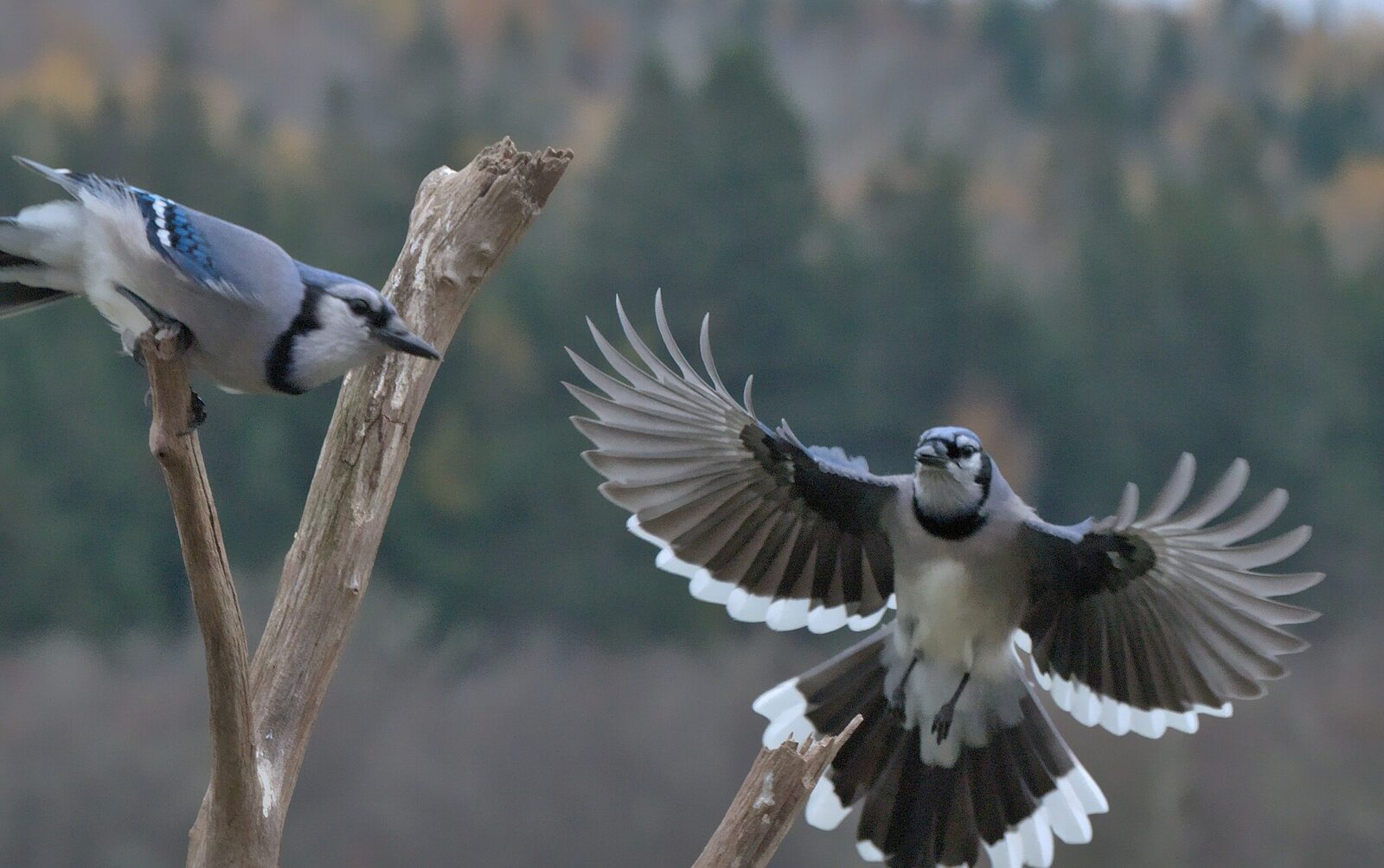
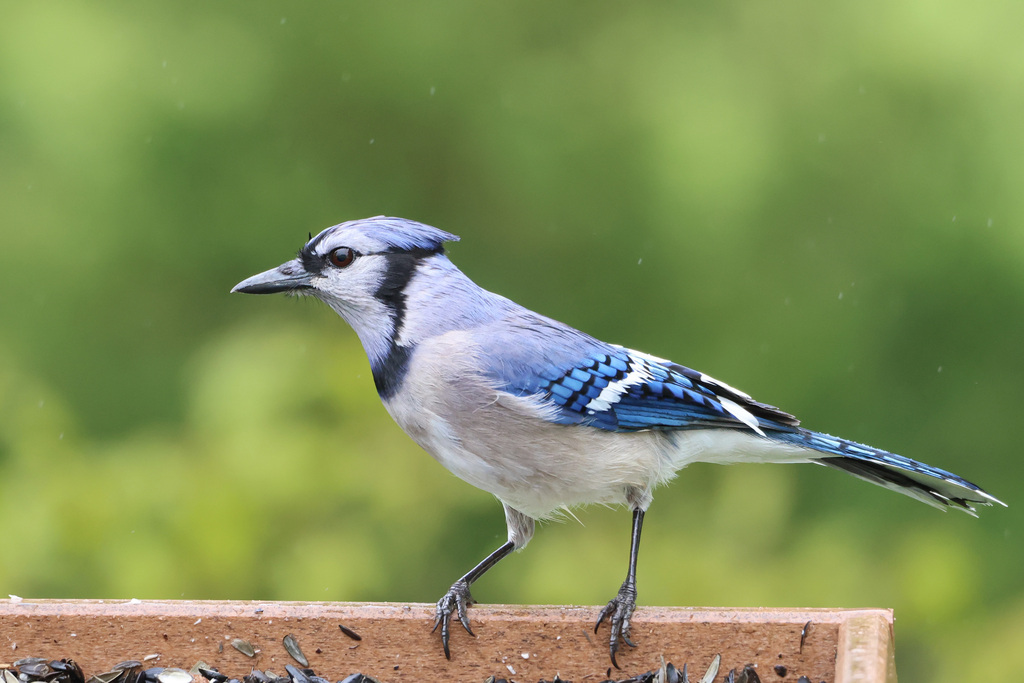
Blue jay
Cyanocitta cristata
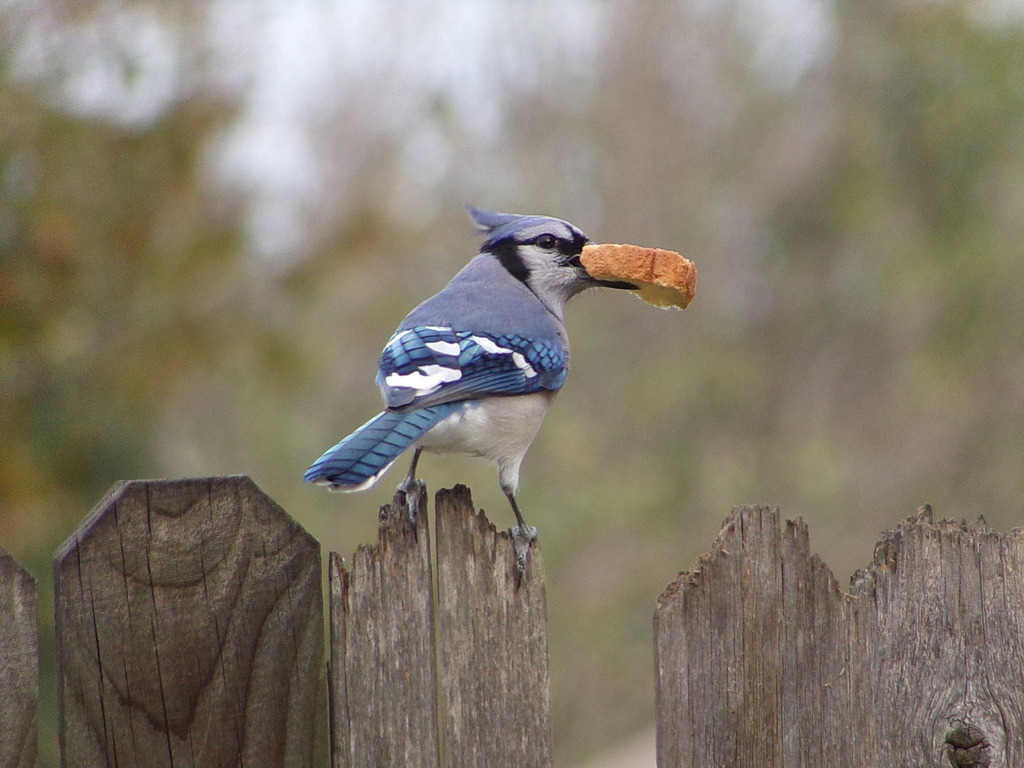
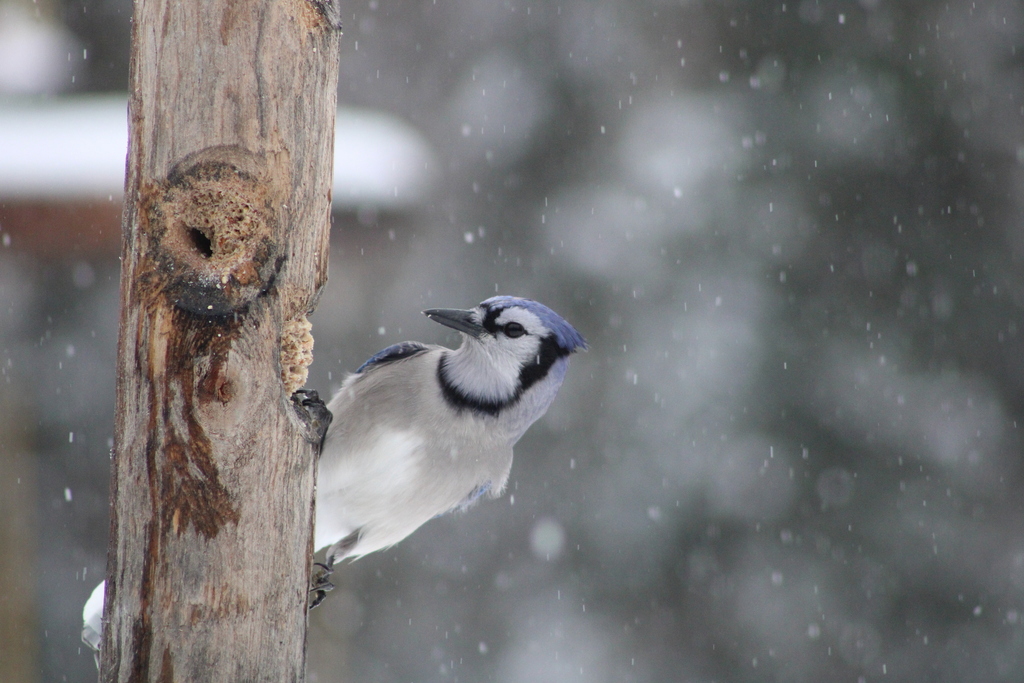
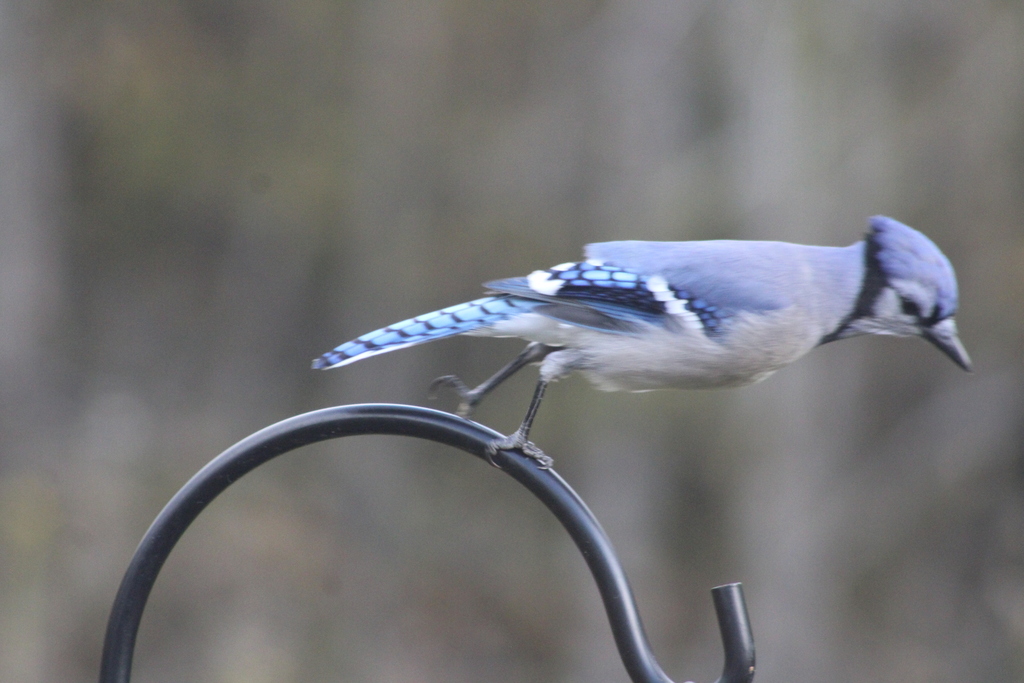
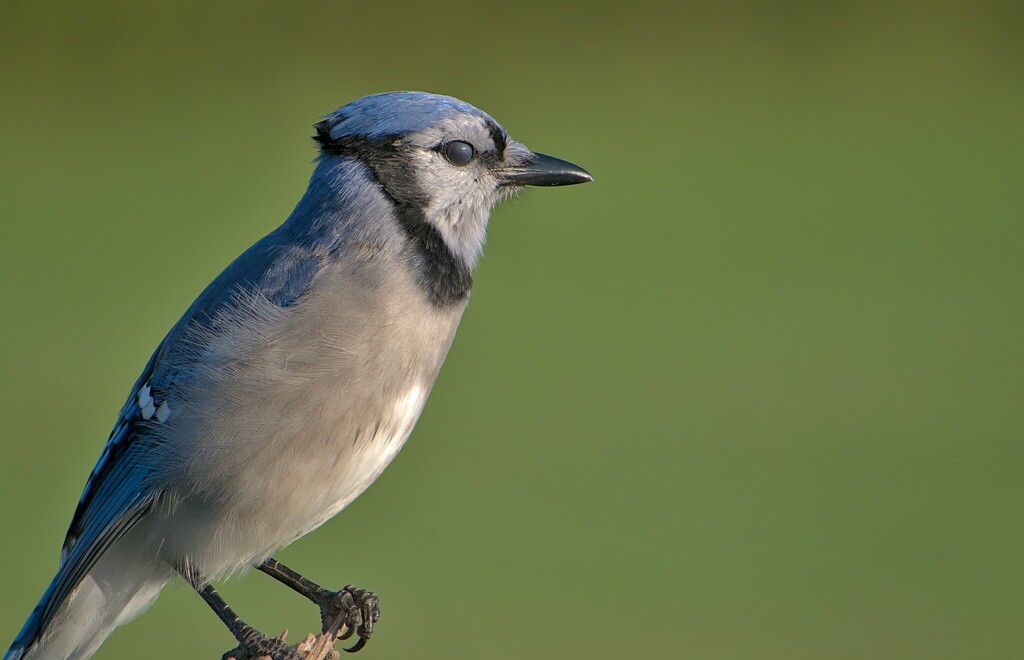
A bright blue, crested jay that stores acorns and mimics hawk calls.
- Status
- Least Concern IUCN Red List
- Eats
- eastern gray squirrel, northern cardinal, mangrove warbler and 86 more
- Eaten by
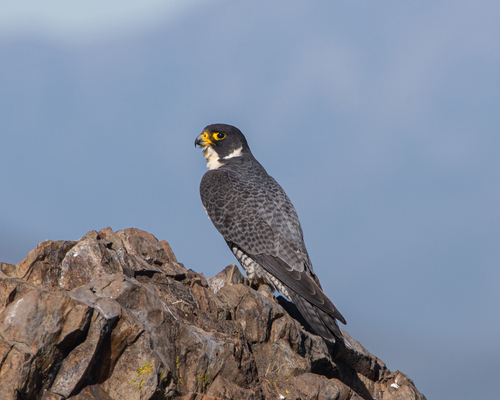
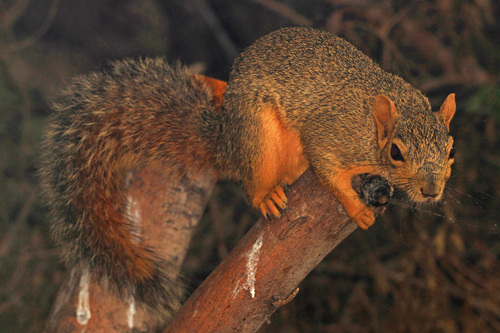
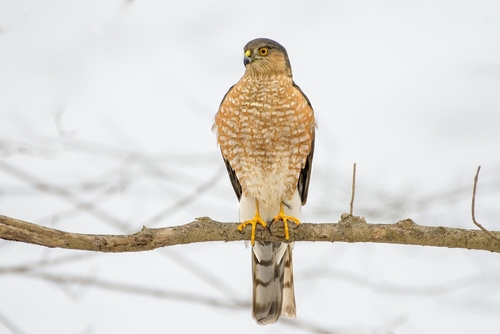
- peregrine falcon, fox squirrel, sharp-shinned hawk
- Where
- 5 countries
On 4Planet Atlas it is among the wildlife people record most around New York, Ottawa and Toronto, and 1 more of the cities we cover.
People have shared 23,760,654 records of the blue jay with GBIF, from 5 countries, most of them from United States, Canada and St. Pierre & Miquelon. Records collected by GloBI show it eating 89 different kinds of animals and plants, and being eaten by 8.
What the blue jay eats, and what eats it
Studies have recorded it eating 89 kinds of animals and plants, and 8 kinds of animals eating it. Tap any of them to follow the food chain.
- Birds 58
- Insects 12
- Plants 7
- Mammals 4
- Reptiles 4
- Amphibians 2
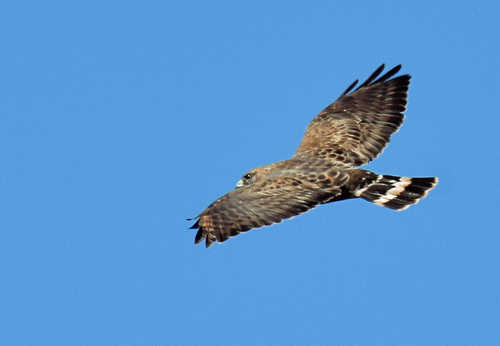 Blue jay
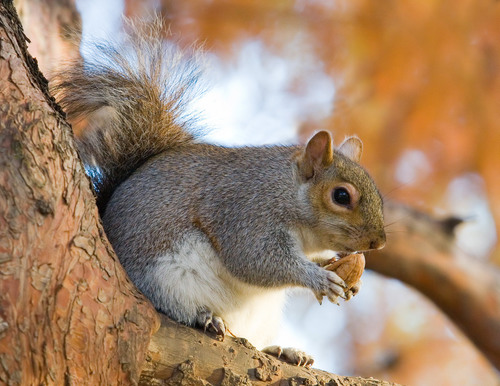
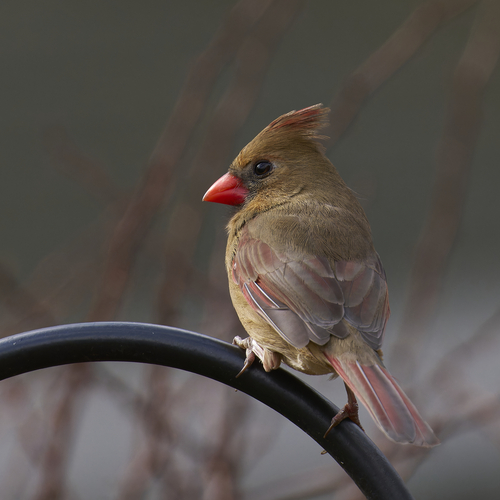
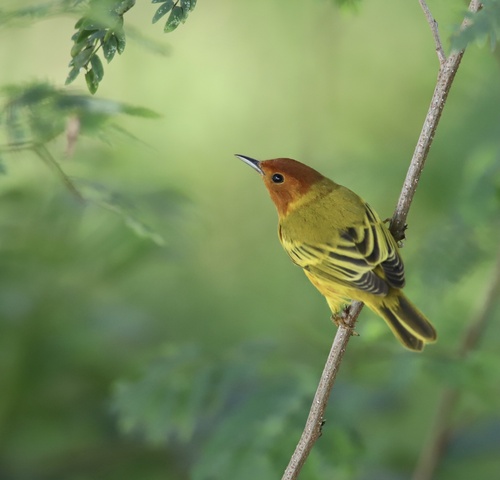
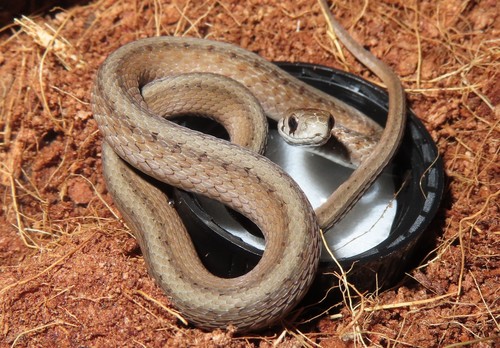
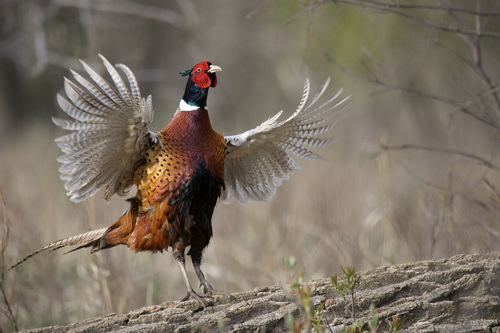
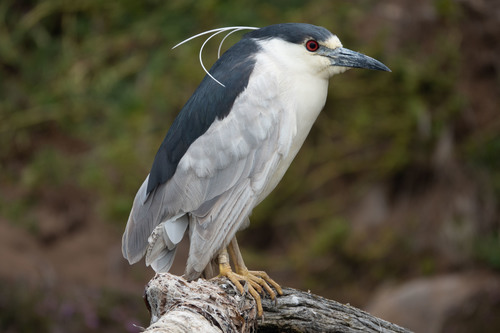
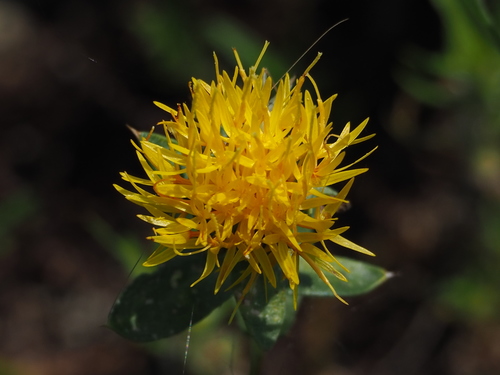
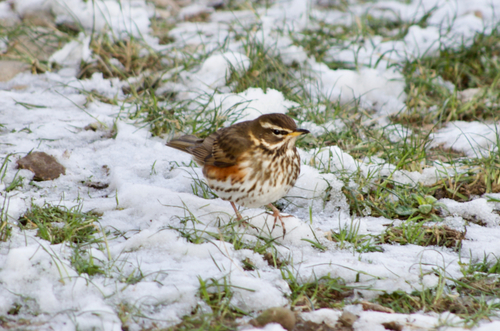
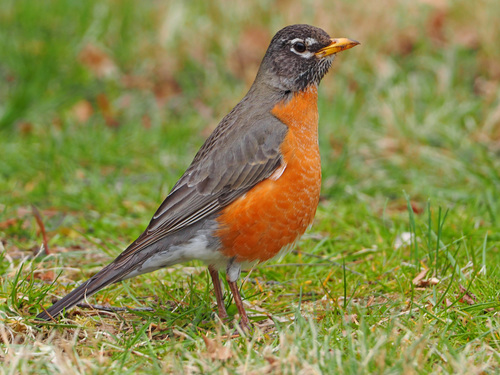
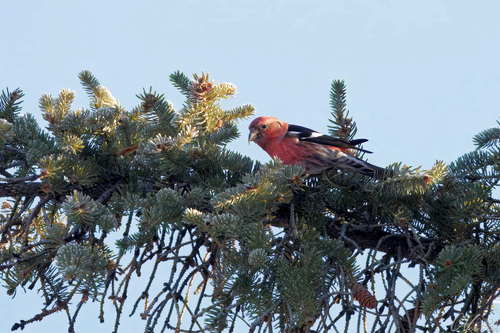
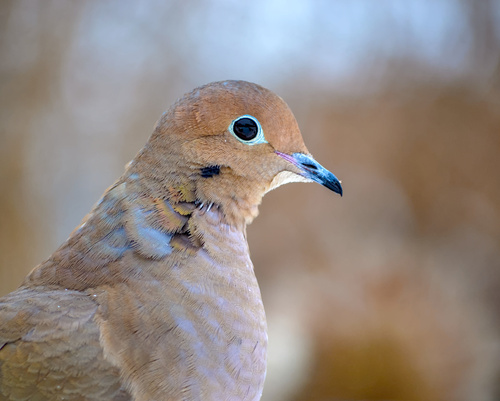
Records from studies worldwide, collected by GloBI. They include animals eaten as carrion, and they are not everything it eats in one place.
Where people see the blue jay
People have shared 23,760,654 records from 5 countries.
Near a city: New York, Ottawa, Toronto, Washington, D.C..
Records show where people have seen it and shared it, not its full range. Country names open their page in Atlas.
When it is seen
Records per month in the northern hemisphere. More people outdoors also means more records.
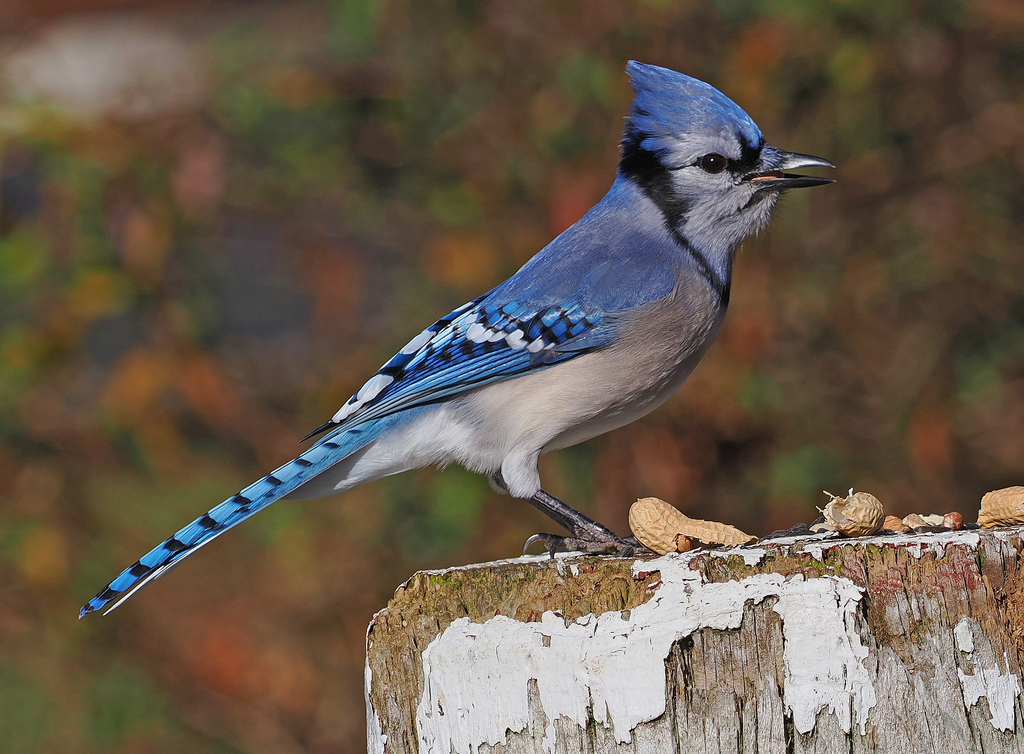
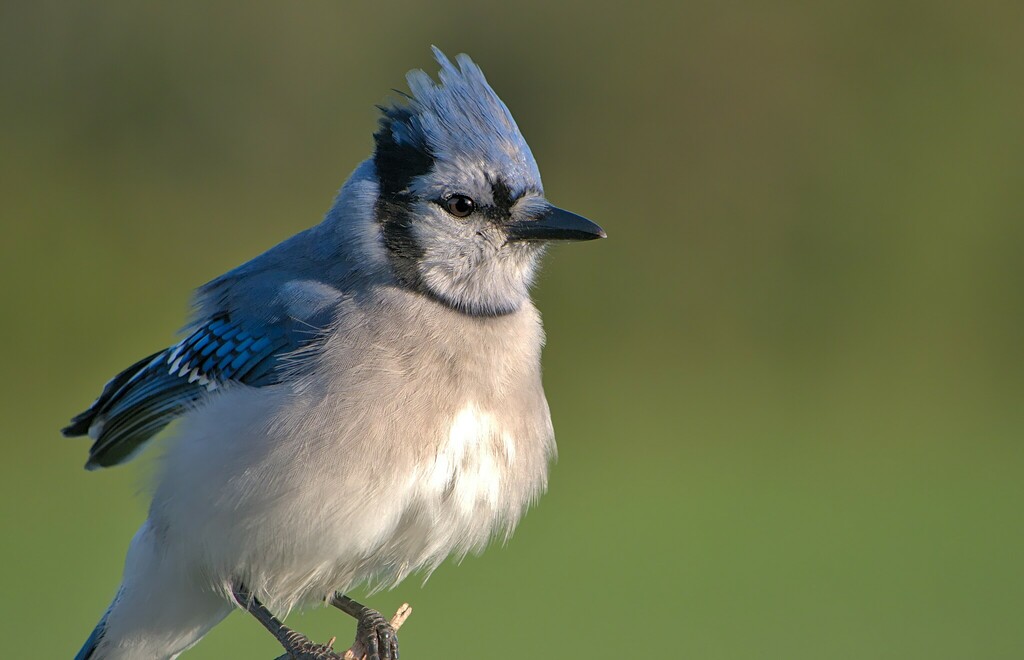
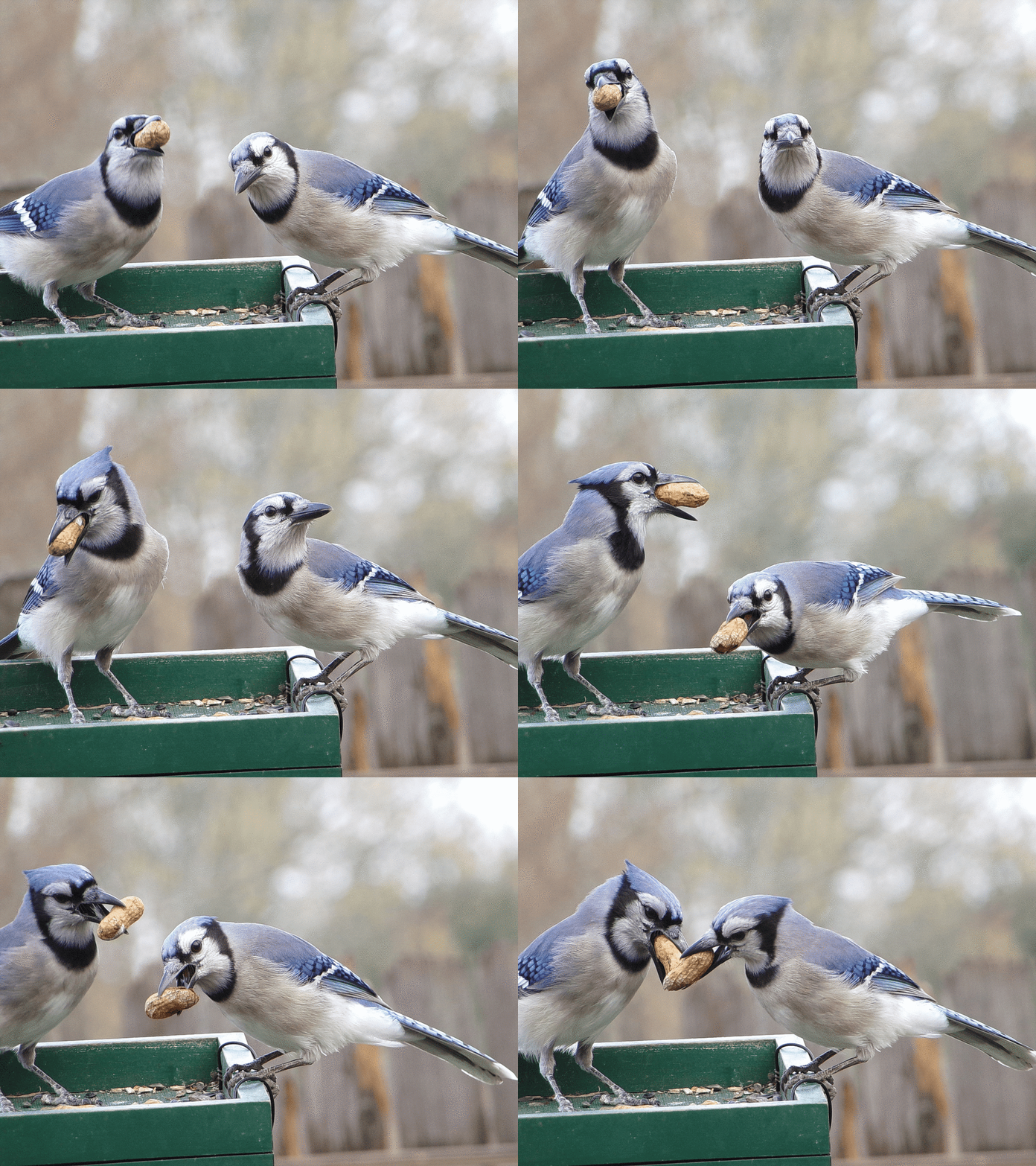
Watch and listen
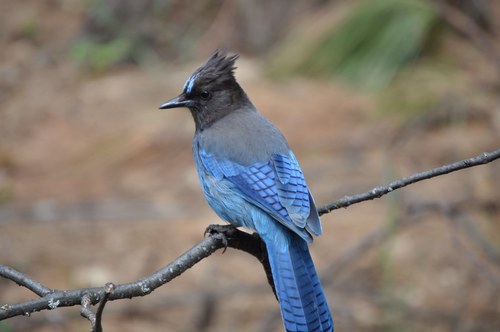
Its closest relatives
The other species of the genus Cyanocitta.
Seen a blue jay?
Share your photo on iNaturalist. Other naturalists help confirm it, and the record goes to GBIF, where scientists use it and where the maps on this page come from.
Put this species on your site
The card names every source and links back here.
<iframe src="https://4planetatlas.com/place/embed/species/blue-jay" title="Blue jay (Cyanocitta cristata), 4PLANET Species" width="100%" height="600" style="border:0;max-width:640px" loading="lazy"></iframe>
<p><a href="https://4species.com/blue-jay">Blue jay on 4PLANET Species</a></p>Questions people ask
What does the blue jay eat?
The blue jay has been recorded eating 89 different kinds of animals and plants, most of them birds, insects, plants and mammals. The ones recorded most often are eastern gray squirrel, northern cardinal, mangrove warbler, eastern red bat and dekay's brown snake; records include animals eaten as carrion. Source: GloBI.
What eats the blue jay?
Recorded predators include peregrine falcon, fox squirrel, sharp-shinned hawk and broad-winged hawk. Source: GloBI.
Where does the blue jay live?
People have recorded it in 5 countries; the most records come from United States, Canada, St. Pierre & Miquelon, United Kingdom and Puerto Rico. Records show where people have seen it, not its full range.
When is the blue jay seen most?
In the northern hemisphere, the most records are made in May and the fewest in July. More people outdoors also means more records.
What are the blue jay's closest relatives?
It shares the genus Cyanocitta with steller's jay.
Sources and photo credits
- GBIF · Cyanocitta cristata, 23,760,654 human observations
- GloBI · recorded interactions of Cyanocitta cristata
- Wikidata · Blue jay (Q199758)
- Blue jay (Cyanocitta cristata): Blake Ross, CC BY 4.0
- Blue jay (Cyanocitta cristata): Judy Gallagher, CC BY 4.0
- Blue jay (Cyanocitta cristata): Blake Ross, CC BY 4.0
- Blue jay (Cyanocitta cristata), Villages Of Bear Creek, TX 77449, USA: Texas Bird Family, CC BY 4.0
- Blue jay (Cyanocitta cristata), Villages Of Bear Creek, TX 77449, USA: Texas Bird Family, CC BY 4.0
- Blue jay (Cyanocitta cristata), Maine, US: oksanaetal, CC BY 4.0
- Blue jay (Cyanocitta cristata), Maine, US: oksanaetal, CC BY 4.0
- Blue jay (Cyanocitta cristata), Kings County, NB, Canada: Blake Ross, CC BY 4.0
- Blue jay (Cyanocitta cristata), Tuscarora Creek, Frederick, MD 21702, USA: Andy Wilson, CC0
- Eastern gray squirrel: Diliff, CC BY-SA 4.0
- Northern cardinal: Paul Danese, CC BY-SA 4.0
- Mangrove warbler: Aitor, CC BY 4.0
- Eastern red bat: Aiva Noringseth, CC BY 4.0
- DeKay's brown snake: Mila C., CC BY 4.0
- Common pheasant: John Krampl, CC BY 4.0
- Black-crowned night heron: no rights reserved, uploaded by Kyle Nessen, CC0
- Safflower: no rights reserved, uploaded by 葉子, CC0
- Redwing: Codrin Bucur, CC BY 4.0
- American robin: Judy Gallagher, CC BY 4.0
- White-winged crossbill: Carol Ann Vermeer, CC BY 4.0
- Mourning dove: Timothy Lindsey, CC BY 4.0
- Peregrine falcon: Nicolás Villaseca Merino, CC BY-SA 4.0
- Fox squirrel: Judy Gallagher, CC BY 4.0
- Sharp-shinned hawk: Troy B, CC BY 4.0
- Broad-winged hawk: Jimmy Dee, CC BY-SA 4.0
- Steller's jay: no rights reserved, uploaded by Zoltán Stekkelpak, CC0
Records show where people have seen and shared the blue jay, not its full range, and some countries and months are recorded far more than others. The food web lists interactions that studies have recorded somewhere in the world (GloBI), not everything it eats in one place.
Checked 2026-11-22.