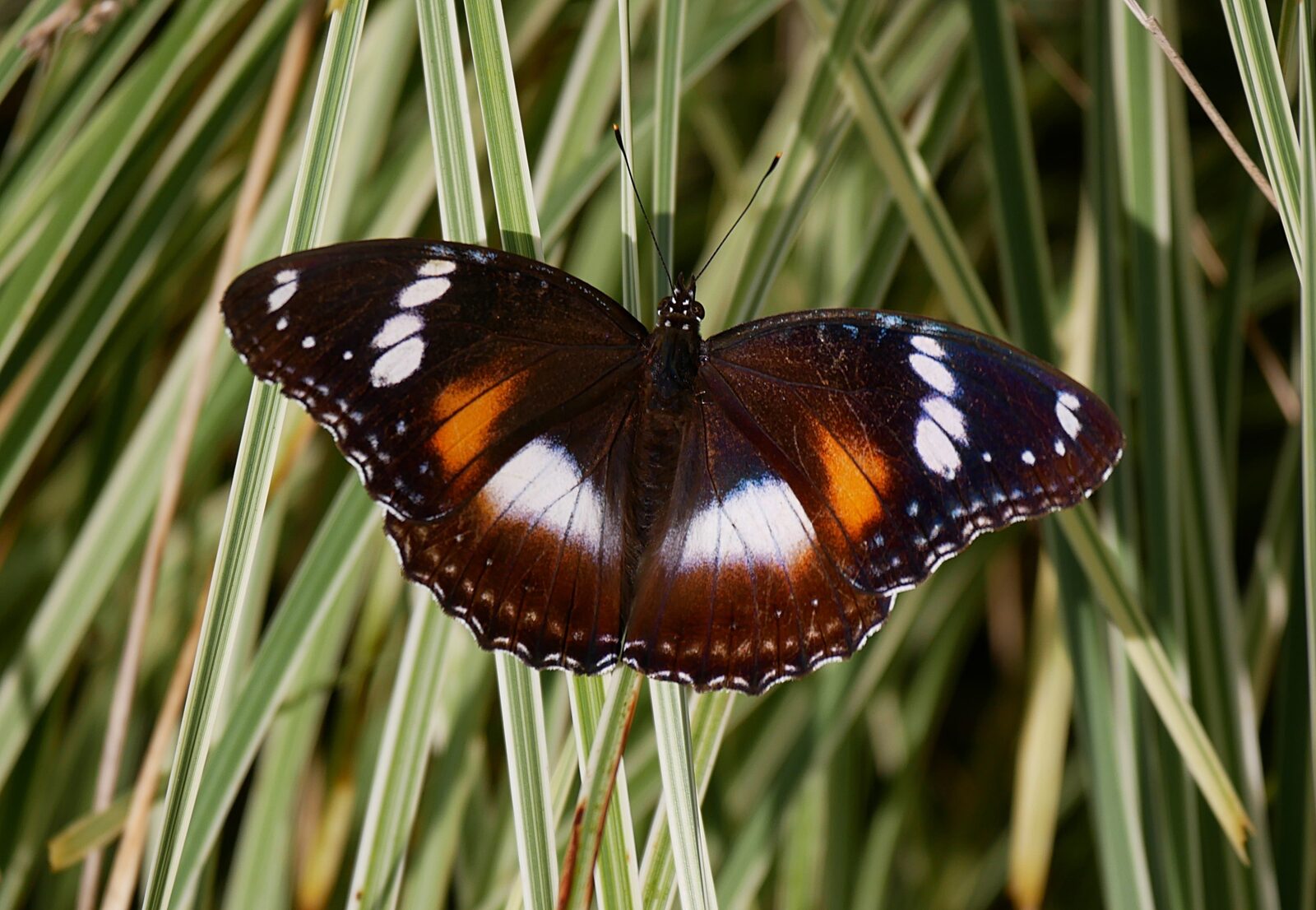
Blue moon
Hypolimnas bolina
- Status
- IUCN Red List
- Eats
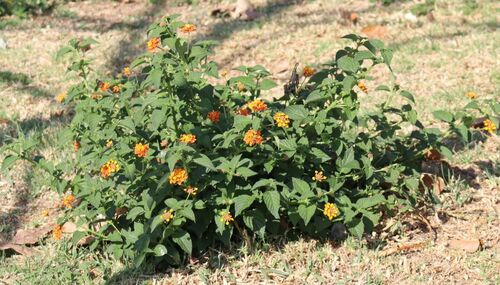
- water spinach, common lantana, Devil's horsewhip and 129 more
- Where
- 48 countries
On 4Planet Atlas it is among the wildlife people record most around Apia, Hanoi and Jakarta, and 6 more of the cities we cover.
People have shared 28,025 records of the blue moon with GBIF, from 48 countries, most of them from India, Australia and Hong Kong SAR China. Records collected by GloBI show it eating 132 different kinds of animals and plants.
What the blue moon eats, and what eats it
Studies have recorded it eating 132 kinds of animals and plants. Tap any of them to follow the food chain.
- Plants 128
Blue moon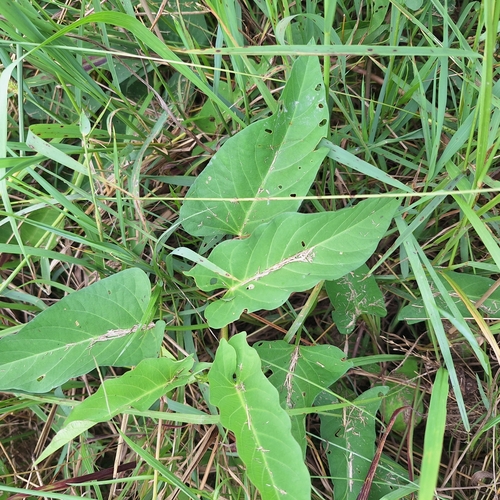

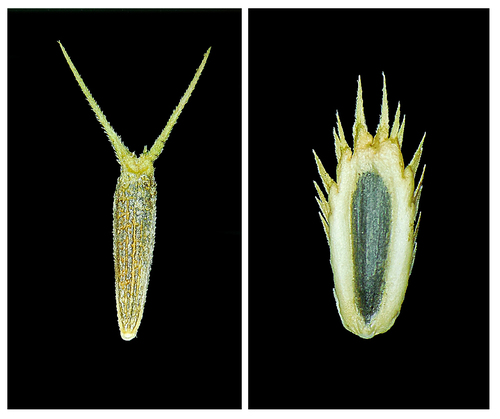

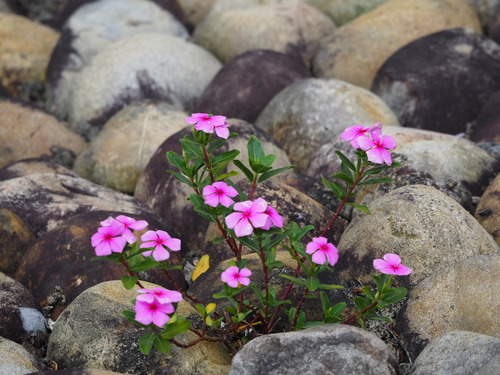
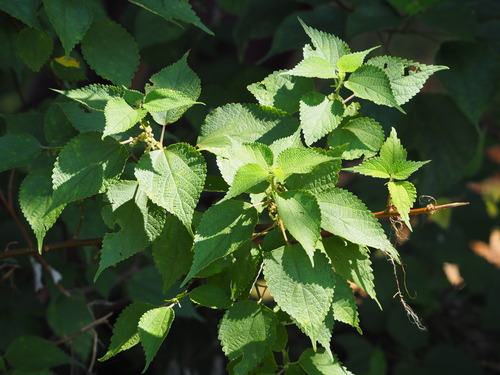
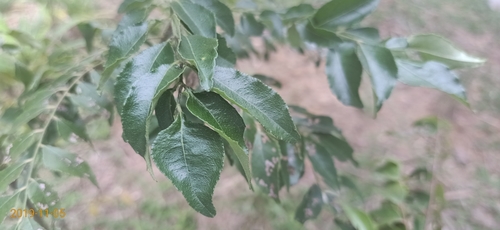
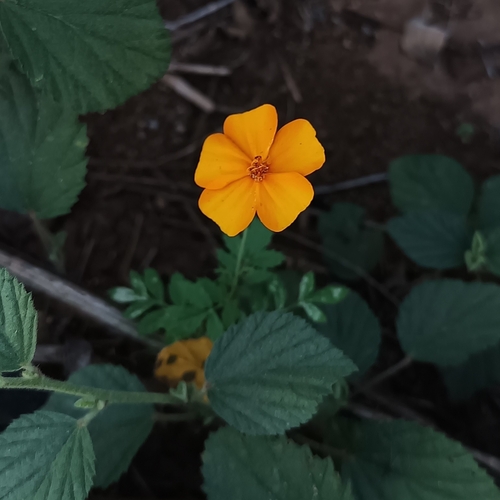
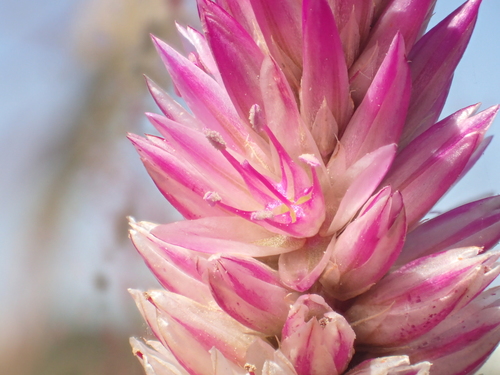
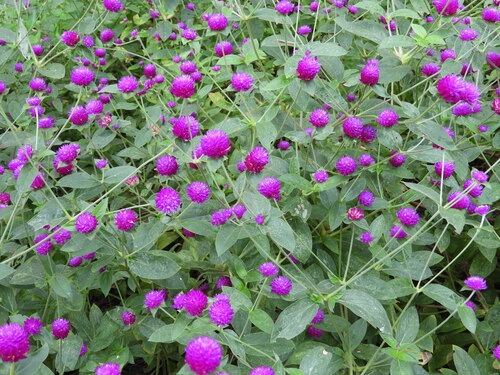
Records from studies worldwide, collected by GloBI. They include animals eaten as carrion, and they are not everything it eats in one place.
Where people see the blue moon
People have shared 28,025 records from 48 countries.
Near a city: Apia, Hanoi, Jakarta, Majuro, Manila, Nukuʻalofa, Palikir, Port Vila, Suva.
Records show where people have seen it and shared it, not its full range. Country names open their page in Atlas.
When it is seen
Records per month in the northern hemisphere. More people outdoors also means more records.
Watch and listen
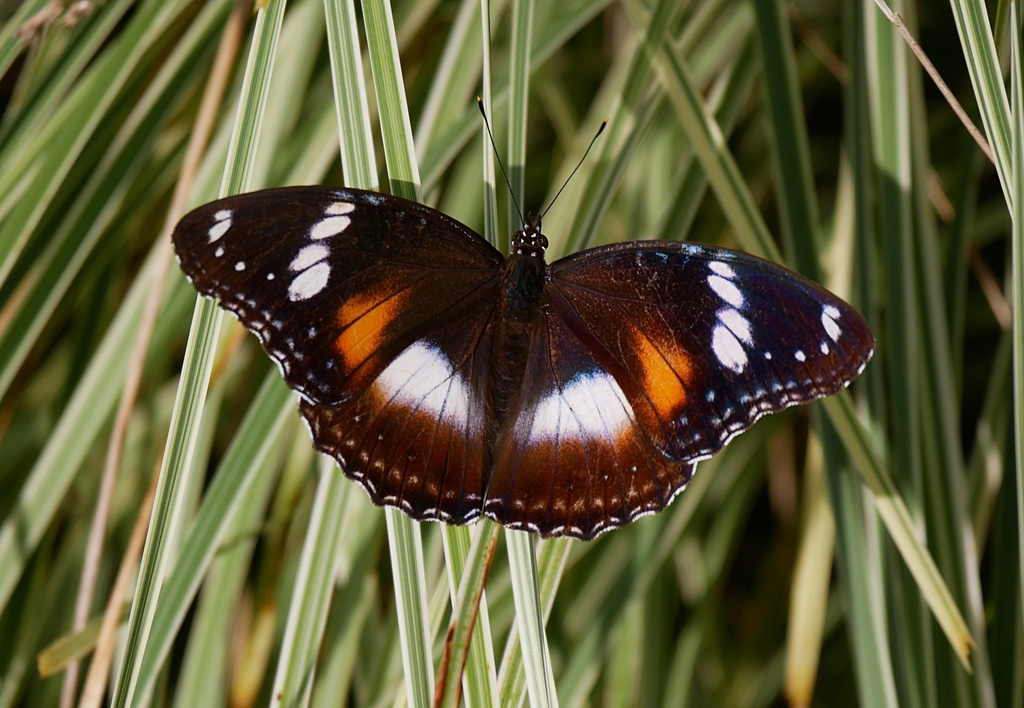
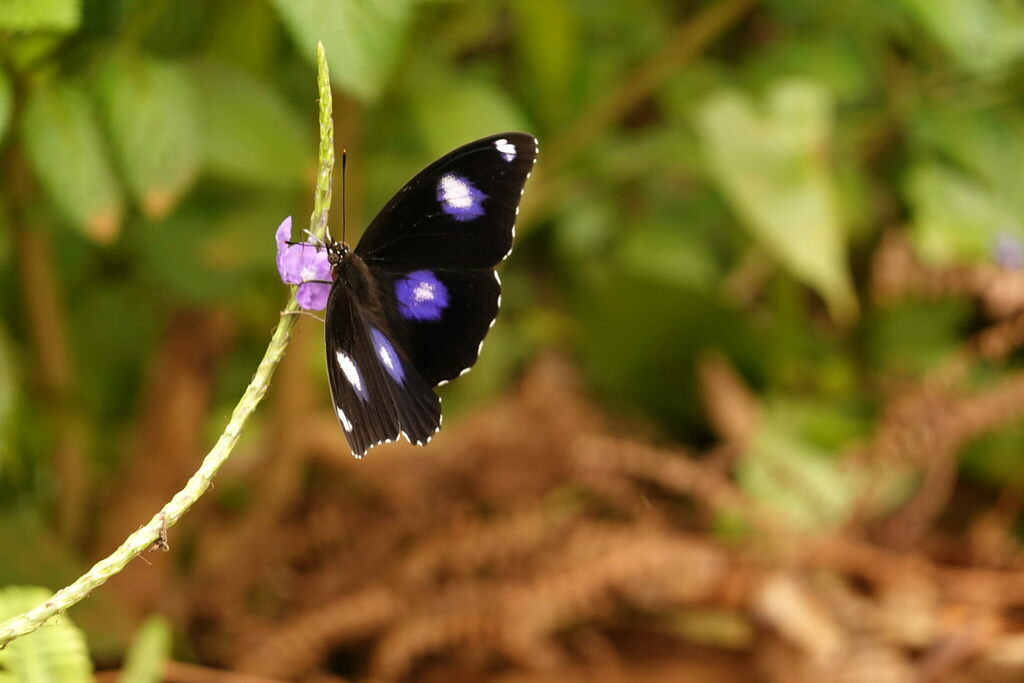
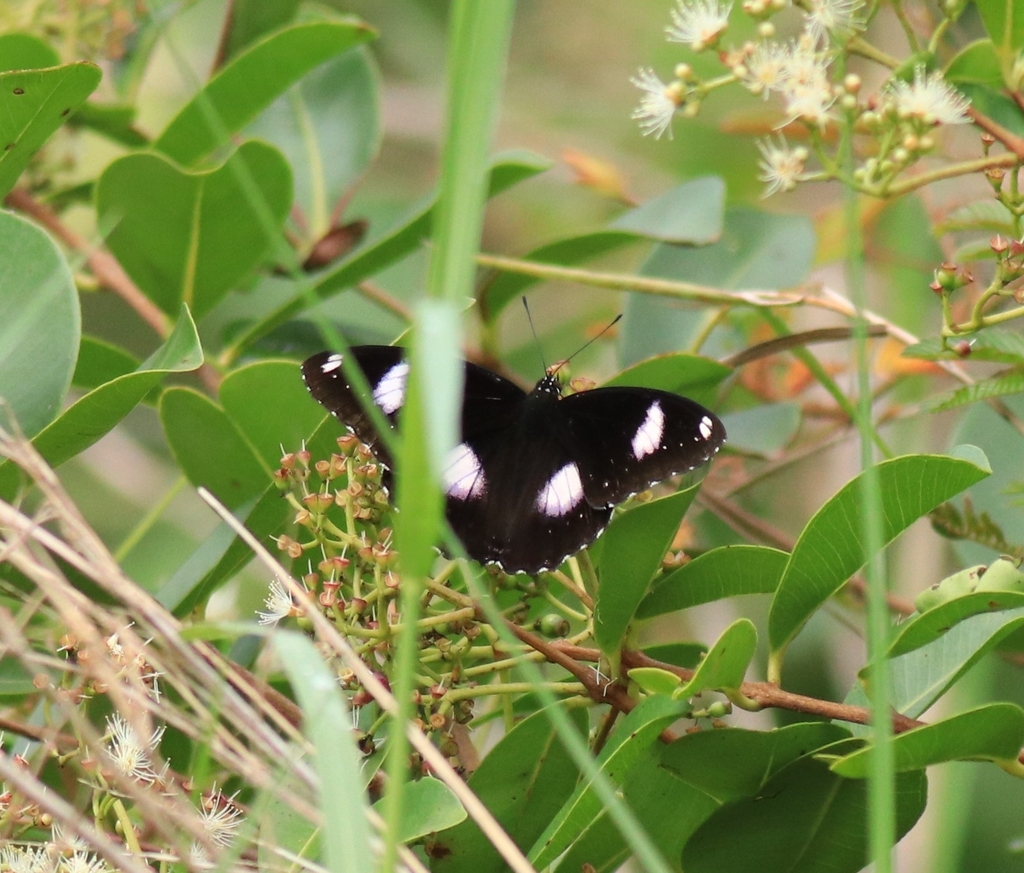
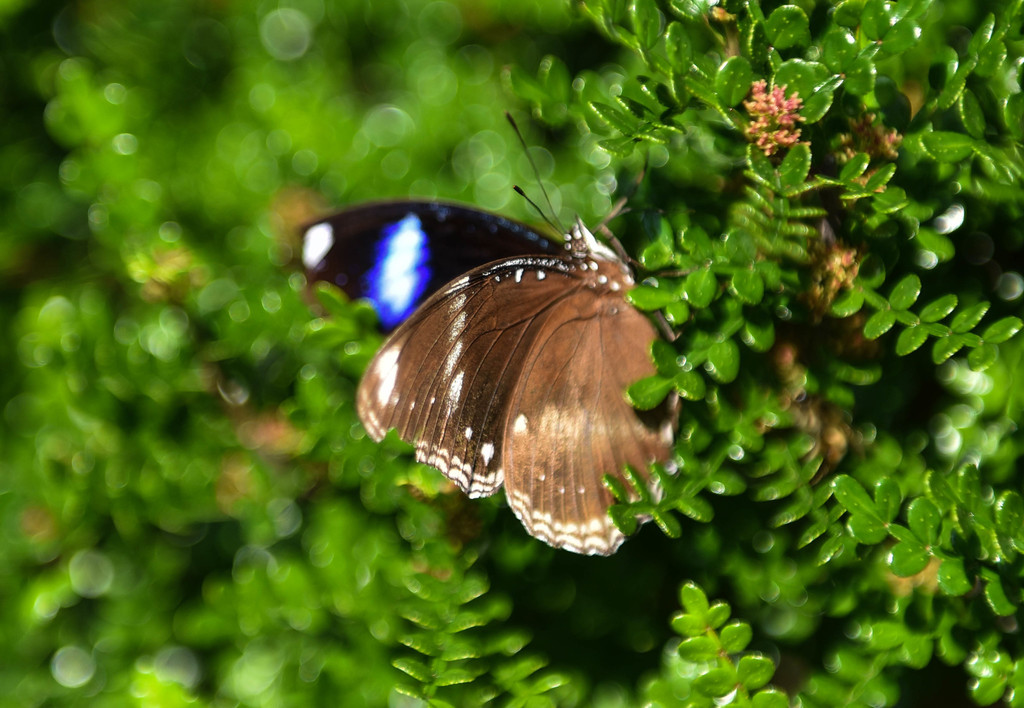
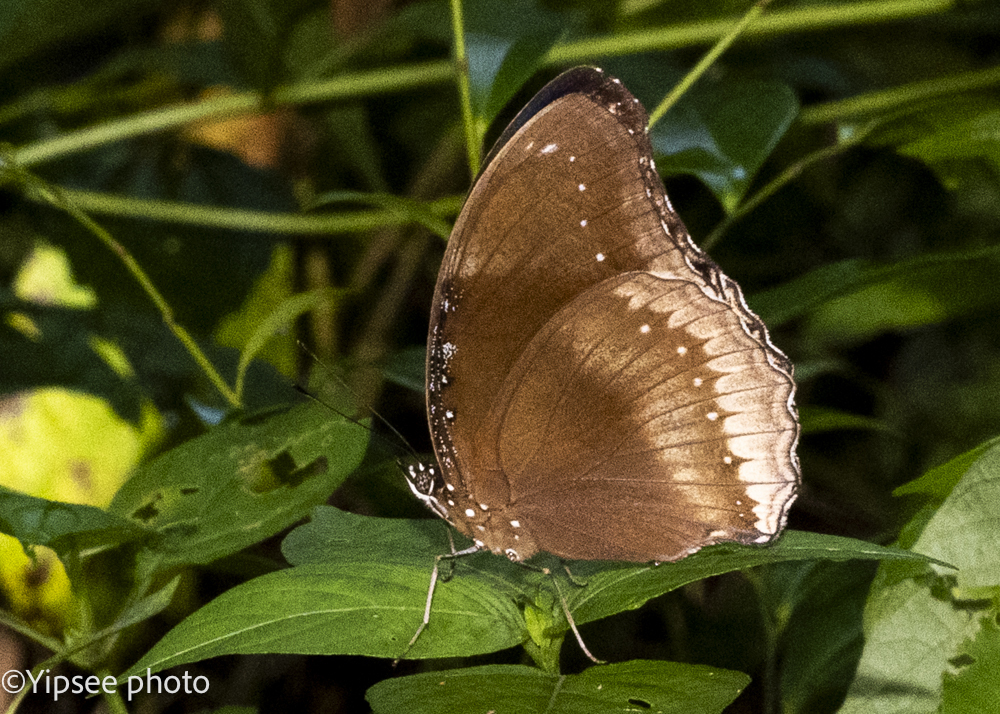
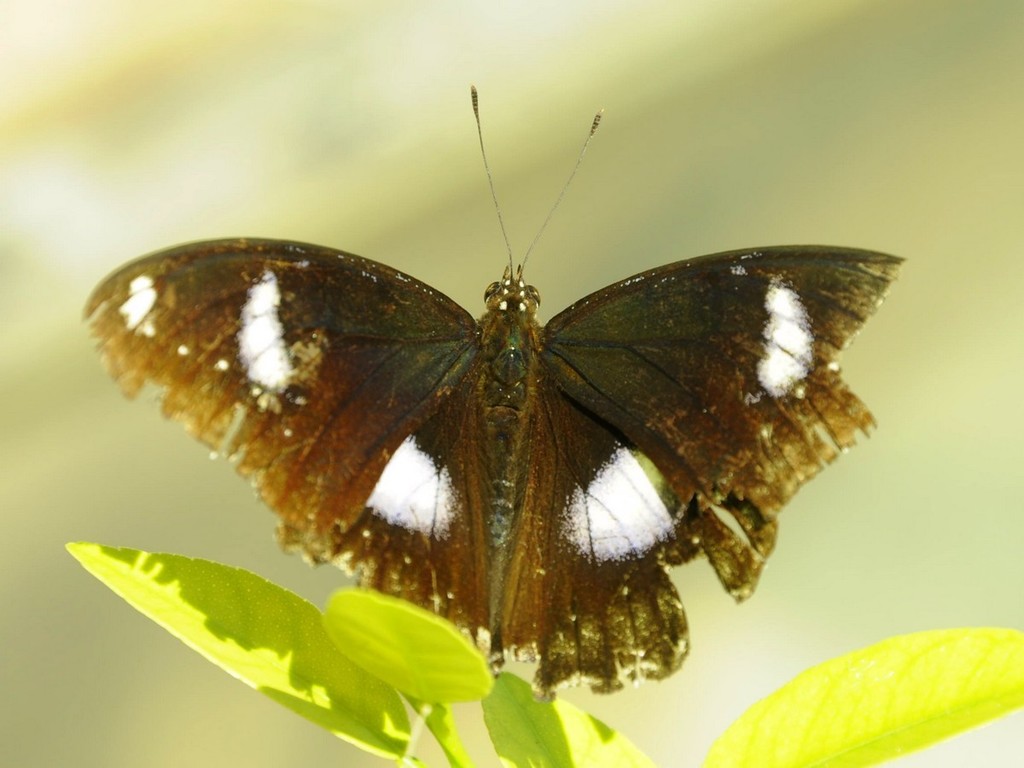
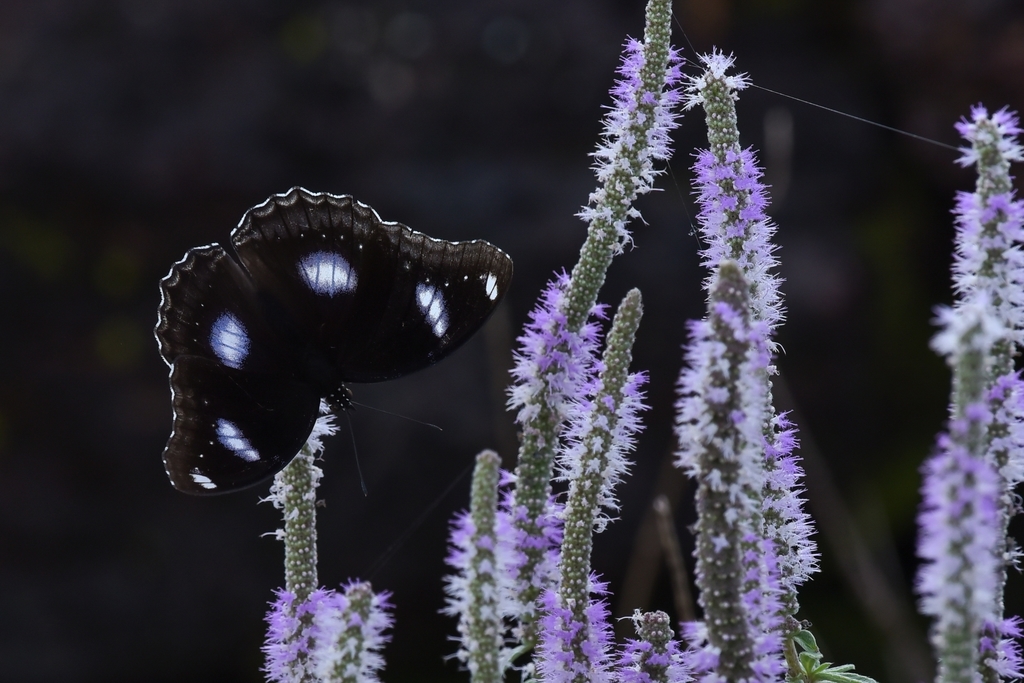
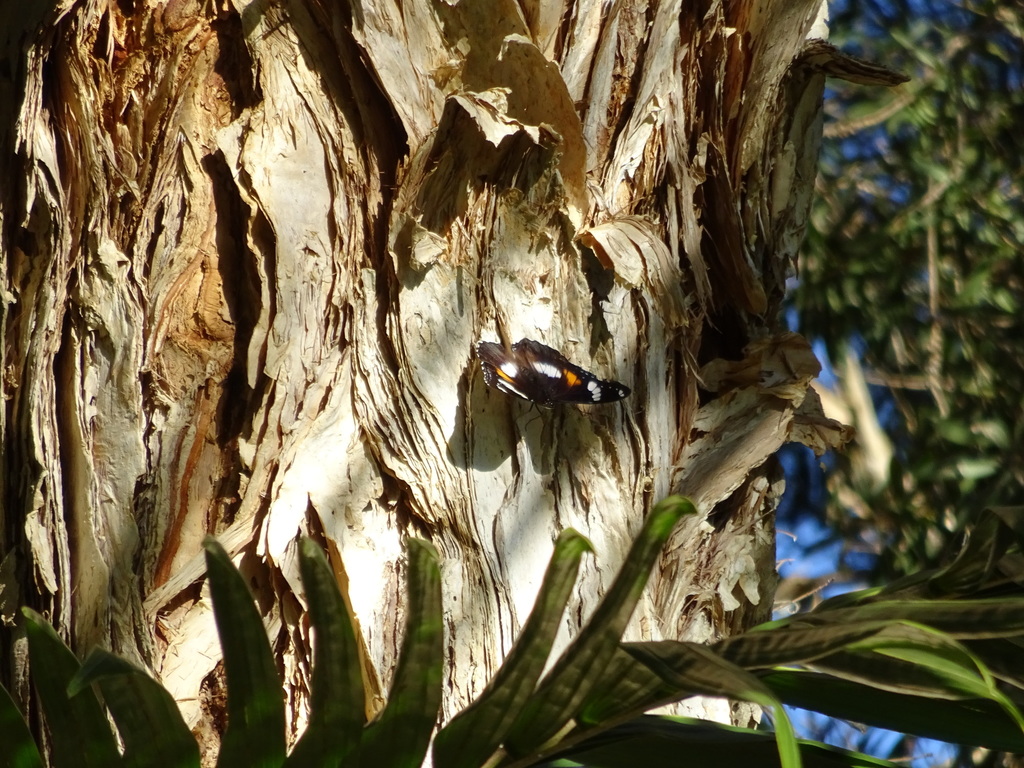
Its closest relatives
The other species of the genus Hypolimnas.
Seen a blue moon?
Share your photo on iNaturalist. Other naturalists help confirm it, and the record goes to GBIF, where scientists use it and where the maps on this page come from.
Questions people ask
What does the blue moon eat?
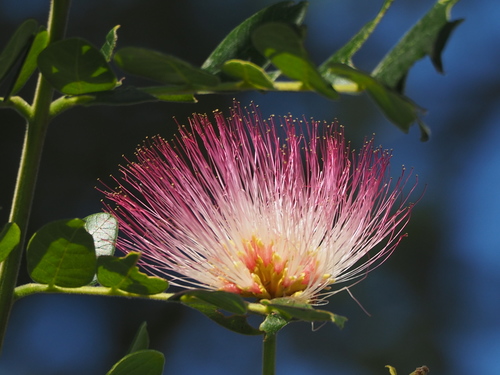
The blue moon has been recorded eating 132 different kinds of animals and plants, most of them plants. The ones recorded most often are water spinach, common lantana, devil's horsewhip, raintree and nodeweed; records include animals eaten as carrion. Source: GloBI.
Where does the blue moon live?
People have recorded it in 48 countries; the most records come from India, Australia, Hong Kong SAR China, Taiwan and Indonesia. Records show where people have seen it, not its full range.
When is the blue moon seen most?
In the northern hemisphere, the most records are made in September and the fewest in January. More people outdoors also means more records.
What are the blue moon's closest relatives?
It shares the genus Hypolimnas with hypolimnas bartelotti.
Sources and photo credits
- GBIF · Hypolimnas bolina, 28,025 human observations
- GloBI · recorded interactions of Hypolimnas bolina
- Wikidata · Blue moon (Q309627)
- Blue moon (Hypolimnas bolina): Tom, CC BY 4.0
- Blue moon (Hypolimnas bolina), Kaeo, New Zealand: Tom, CC BY 4.0
- Blue moon (Hypolimnas bolina), Ha'apiti, Moorea-Maiao, French Polynesia: Patrick Lam, CC BY 4.0
- Blue moon (Hypolimnas bolina), Kattampally: Afsar Nayakkan, CC BY 4.0
- Blue moon (Hypolimnas bolina), 515台灣彰化縣大村鄉大村: 尹若宇, CC BY-SA 4.0
- Blue moon (Hypolimnas bolina), Lakeside, Mae Rim District, Chiang Mai, Thailand: yipsee, CC0
- Blue moon (Hypolimnas bolina), Ferns Residency: Subhadra Devi, CC BY 4.0
- Blue moon (Hypolimnas bolina), Kudalmarkala, Kerala 671322, India: Prashantha Krishna M C, CC BY 4.0
- Blue moon (Hypolimnas bolina), Wooli NSW 2462, Australia: David Gobbett, CC BY 4.0
- Water spinach: Greg Tasney, CC BY-SA 4.0
- Common lantana: no rights reserved, uploaded by Dave Brown, CC0
- Devil's horsewhip: Dinesh Valke, CC BY-SA 4.0
- Raintree: no rights reserved, uploaded by 葉子, CC0
- Nodeweed: no rights reserved, uploaded by Sushant More, CC0
- Indian sandalwood: Manoj Karingamadathil, CC BY-SA 4.0
- Madagascar periwinkle: no rights reserved, uploaded by 葉子, CC0
- Chinese grass: no rights reserved, uploaded by 葉子, CC0
- Curryleaftree: Ong Jyh Seng, CC BY-SA 4.0
- African marigold: Ricardo Betancourt Sánchez, CC BY 4.0
- Cockscomb: no rights reserved, uploaded by 葉子, CC0
- Common globe amaranth: Sebastián de Jesús Herrera Buenfil, CC BY 4.0
Records show where people have seen and shared the blue moon, not its full range, and some countries and months are recorded far more than others. The food web lists interactions that studies have recorded somewhere in the world (GloBI), not everything it eats in one place.
Checked 2026-11-22.