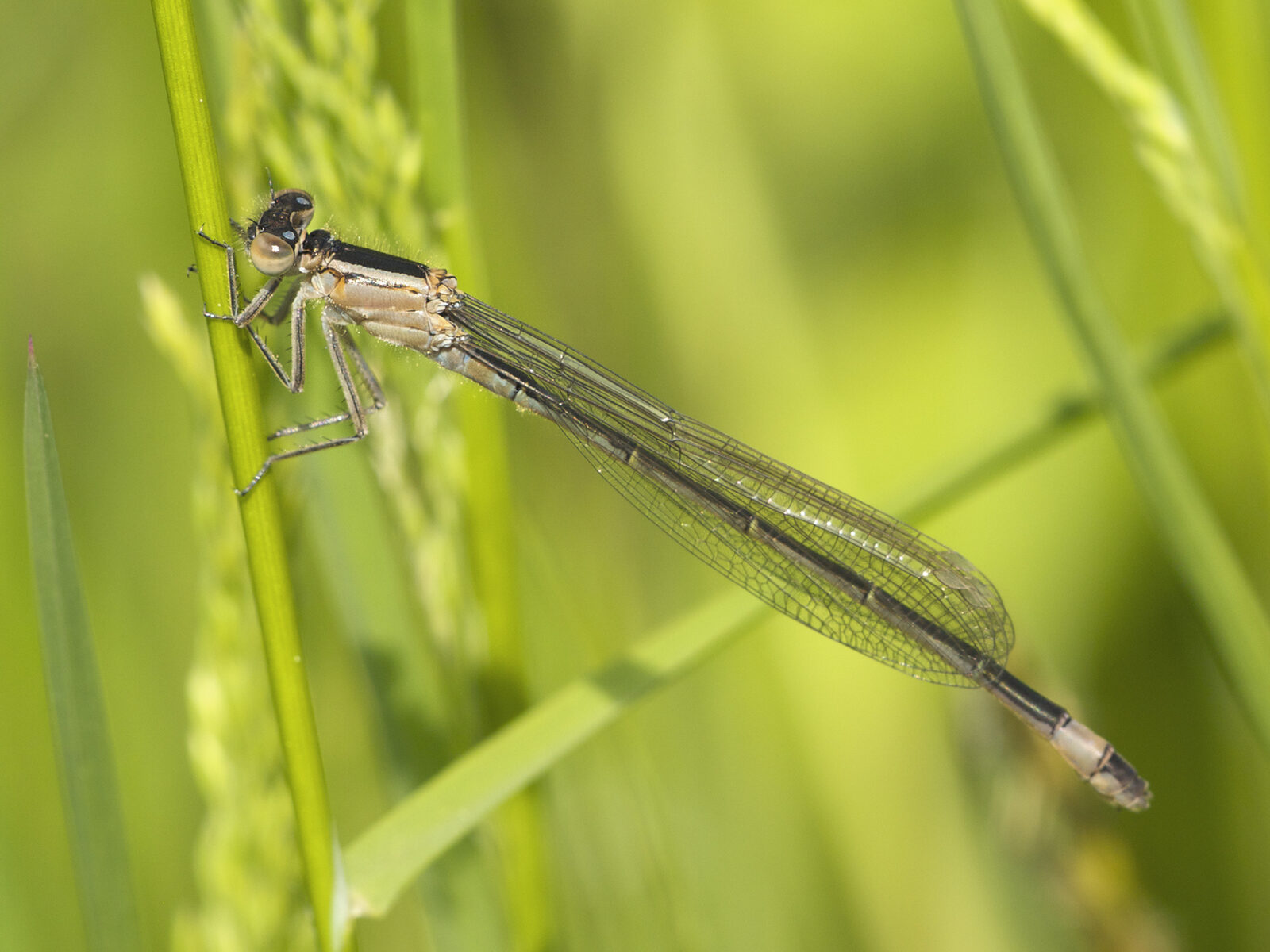
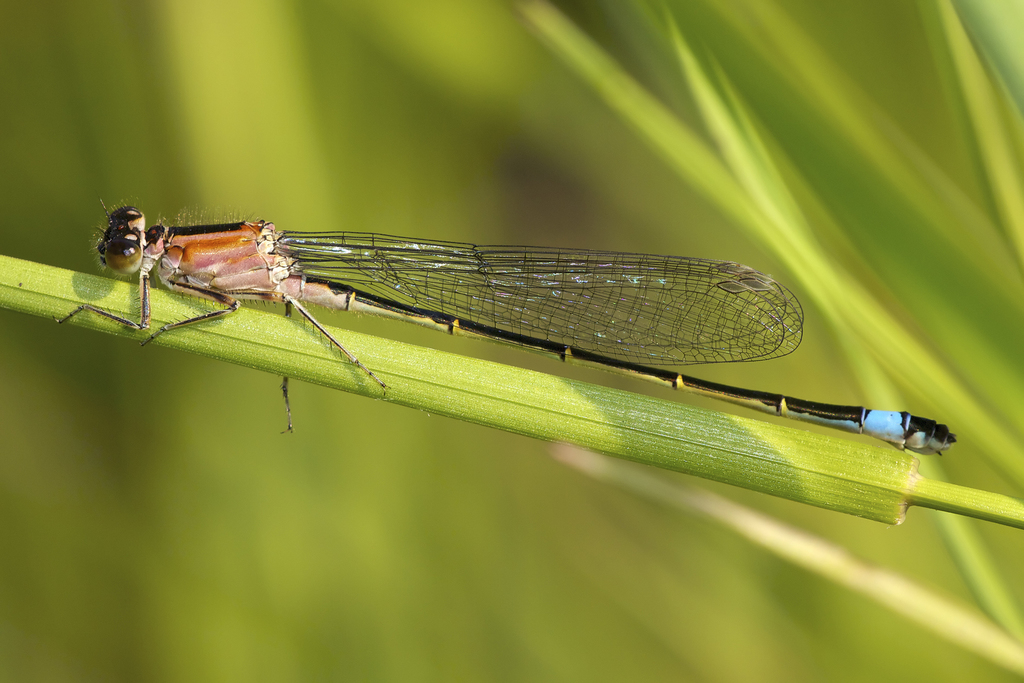
Blue-tailed damselfly
Ischnura elegans
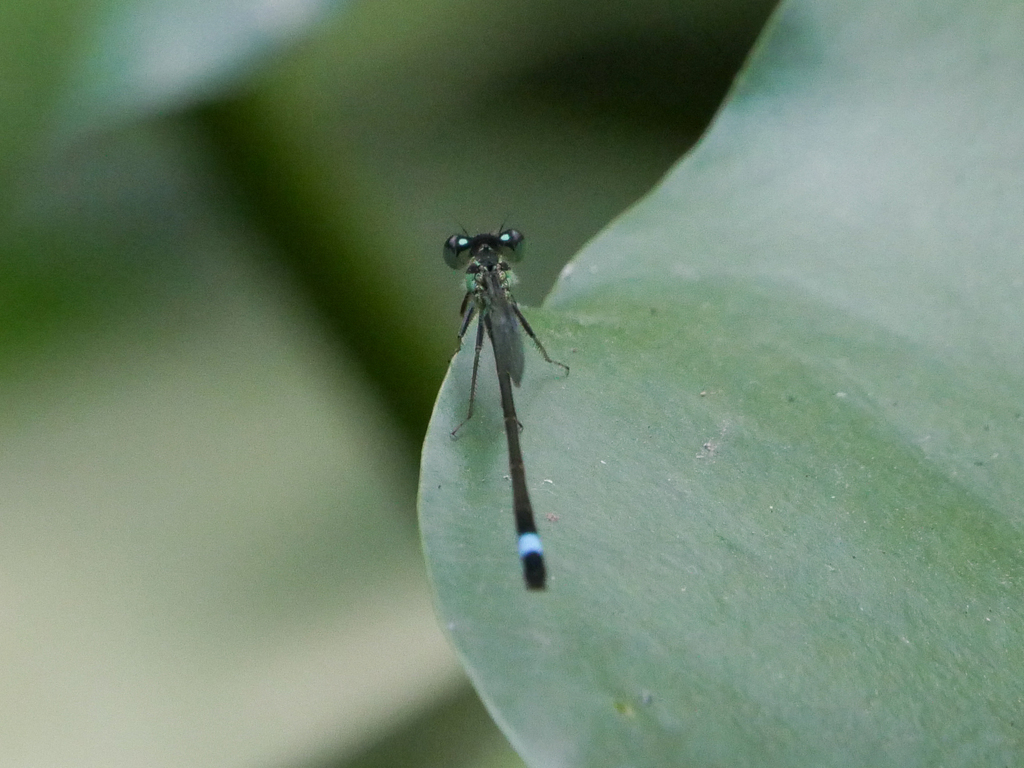
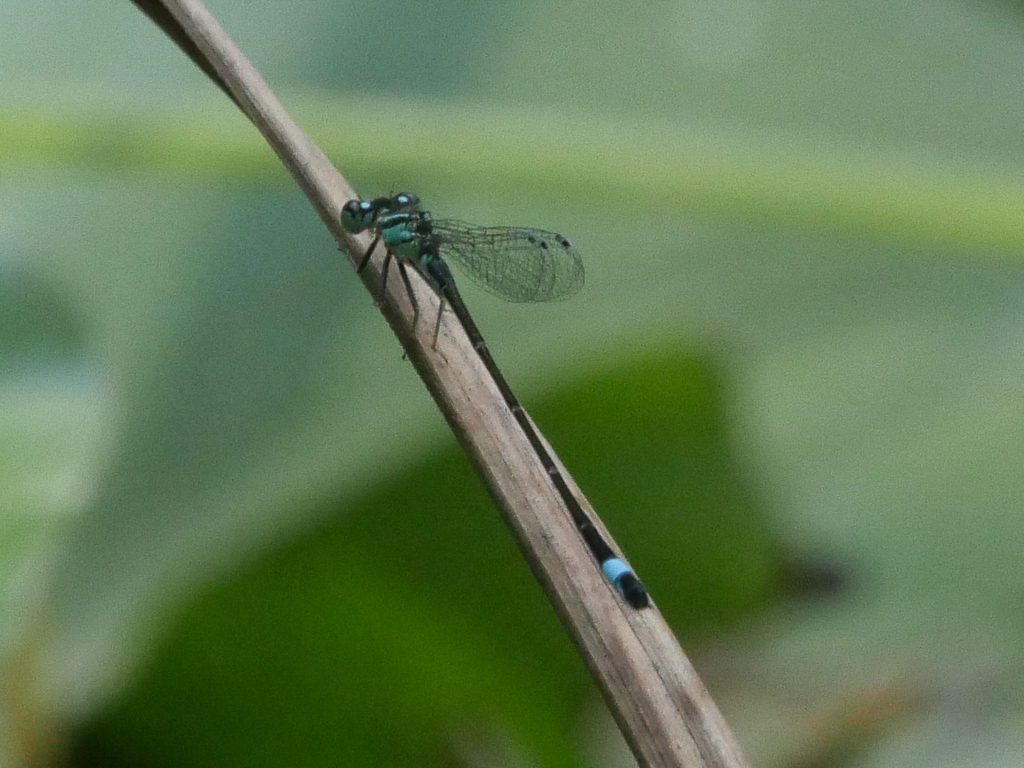
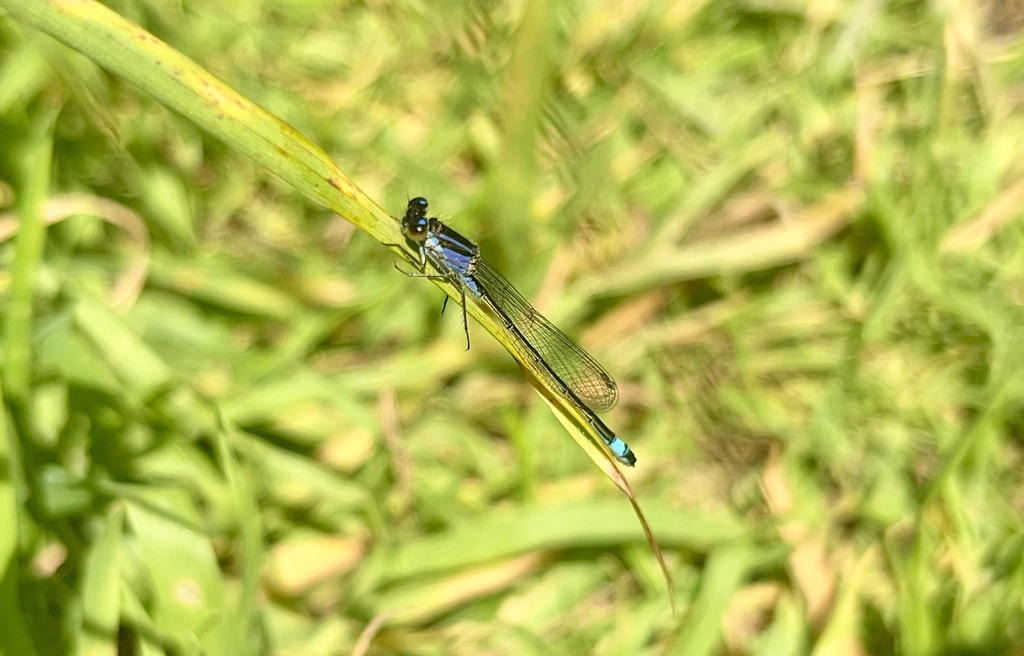
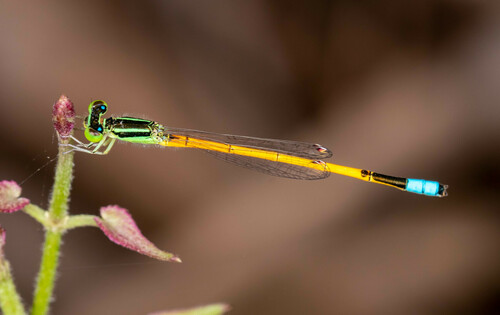
A slim damselfly with a blue tip near the end of its tail.
- Status
- Least Concern IUCN Red List
- Where
- 61 countries · wetlands
On 4Planet Atlas it is among the wildlife people record most around Amsterdam, Bern and Kyiv, and 3 more of the cities we cover.
People have shared 48,444 records of the blue-tailed damselfly with GBIF, from 61 countries, most of them from Germany, France and United Kingdom. Records collected by GloBI show it eating 778 different kinds of animals and plants, and being eaten by 63.
Habitats
What the blue-tailed damselfly eats, and what eats it
Studies have recorded it eating 778 kinds of animals and plants, and 63 kinds of animals eating it. Tap any of them to follow the food chain.
- Insects 535
Eaten by
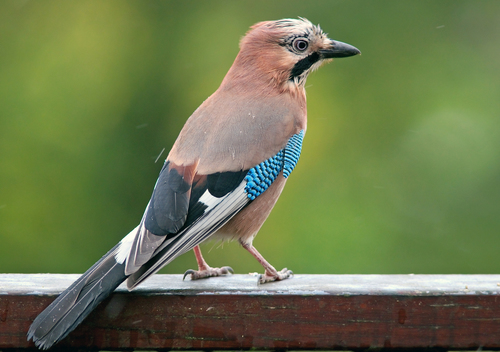
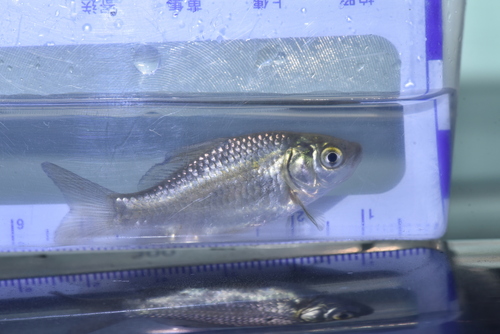

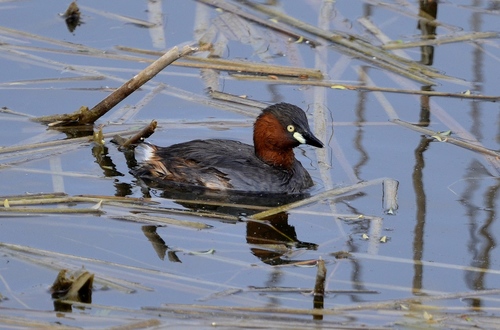 Blue-tailed damselfly
Records from studies worldwide, collected by GloBI. They include animals eaten as carrion, and they are not everything it eats in one place.
Where people see the blue-tailed damselfly
People have shared 48,444 records from 61 countries.
Near a city: Amsterdam, Bern, Kyiv, Moscow, Paris, Vilnius.
Records show where people have seen it and shared it, not its full range. Country names open their page in Atlas.
When it is seen
Records per month in the northern hemisphere. More people outdoors also means more records.
Watch and listen
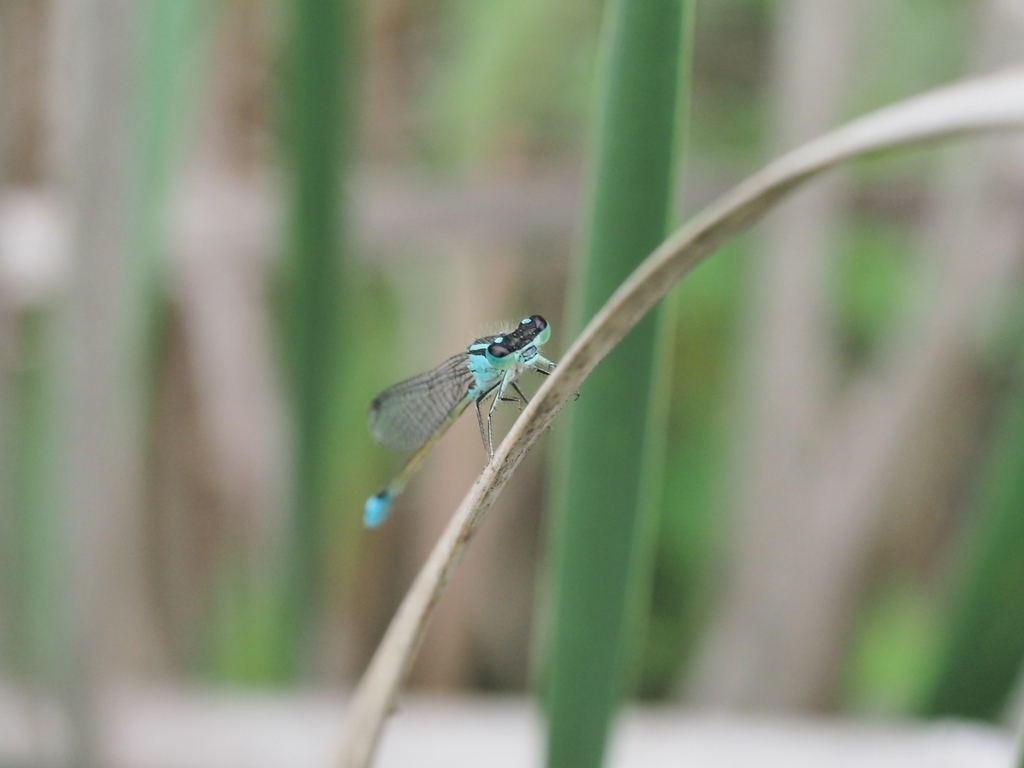
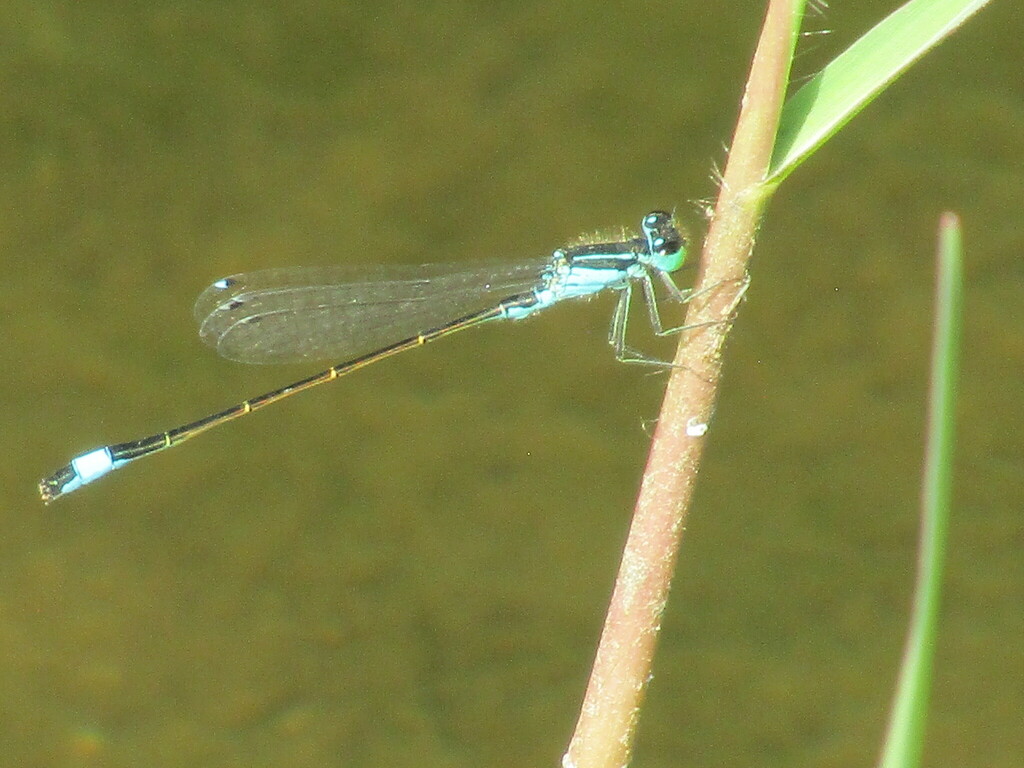
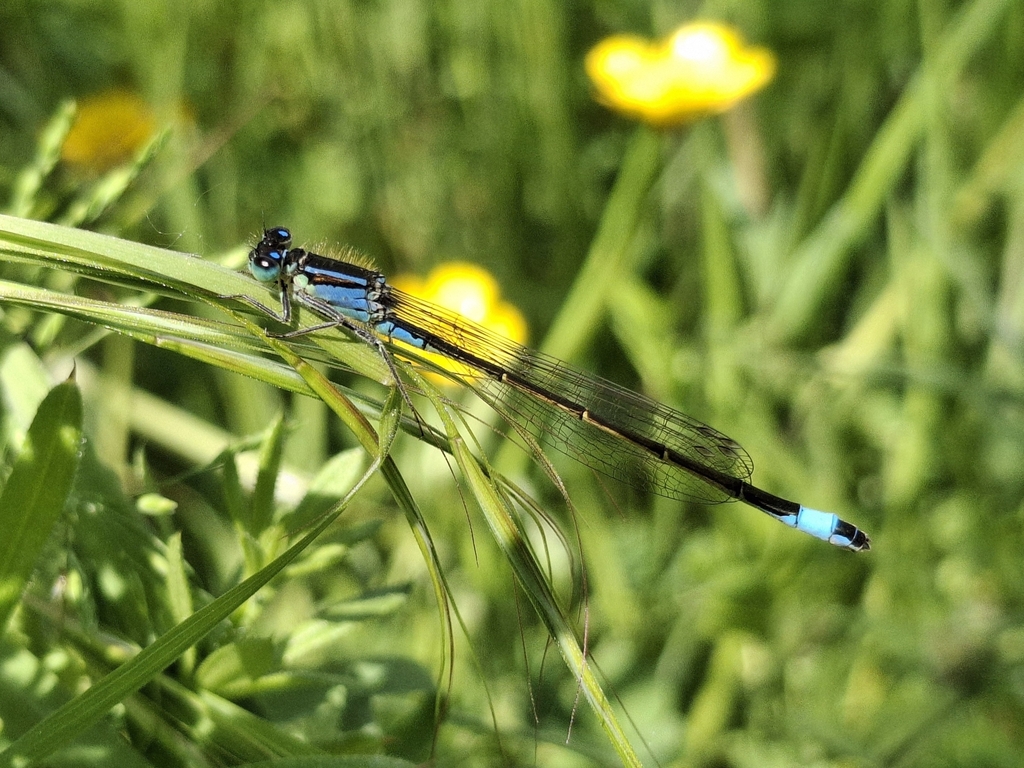
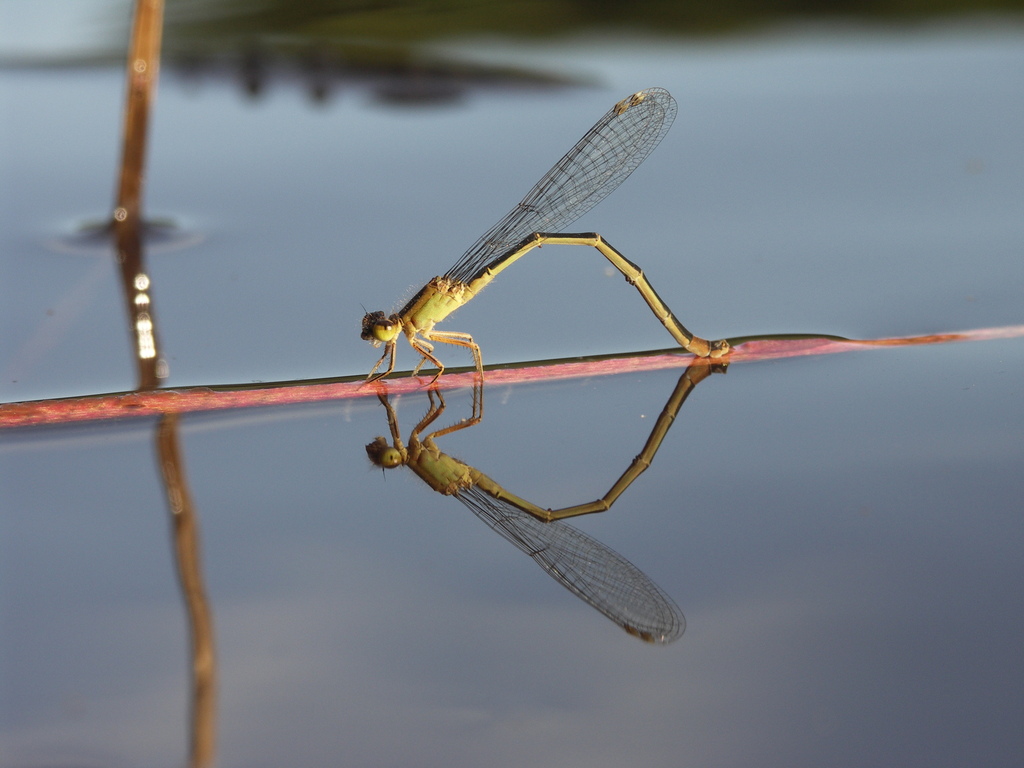
Its closest relatives
The other species of the genus Ischnura.
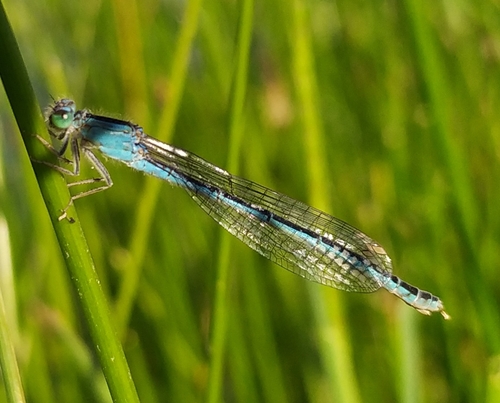


Seen a blue-tailed damselfly?
Share your photo on iNaturalist. Other naturalists help confirm it, and the record goes to GBIF, where scientists use it and where the maps on this page come from.
Explore next
What puts the blue-tailed damselfly under pressure, what helps, and who works on it.
Questions people ask
What does the blue-tailed damselfly eat?
The blue-tailed damselfly has been recorded eating 778 different kinds of animals and plants, most of them insects. The ones recorded most often are ; records include animals eaten as carrion. Source: GloBI.
What eats the blue-tailed damselfly?
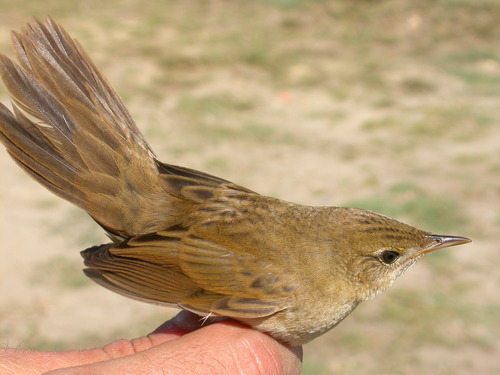
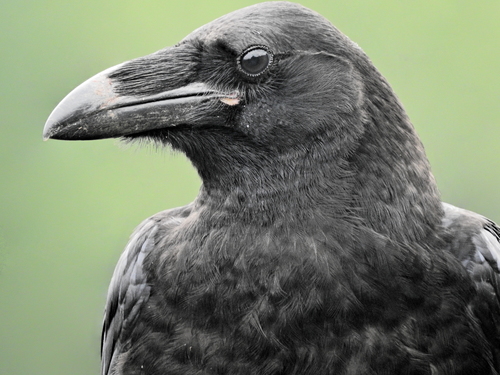
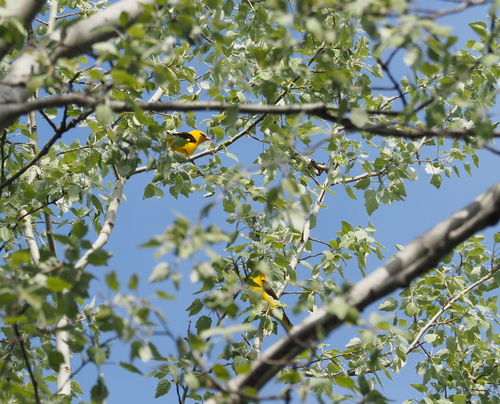
Recorded predators include common grasshopper warbler, northern raven, eurasian magpie, eurasian golden oriole and eurasian jay. Source: GloBI.
Where does the blue-tailed damselfly live?
People have recorded it in 61 countries; the most records come from Germany, France, United Kingdom, Russia and Italy. Records show where people have seen it, not its full range.
When is the blue-tailed damselfly seen most?
In the northern hemisphere, the most records are made in June and the fewest in December. More people outdoors also means more records.
What are the blue-tailed damselfly's closest relatives?
It shares the genus Ischnura with scarce blue-tailed damselfly, rambur's forktail, citrine forktail and western golden dartlet.
Sources and photo credits
- GBIF · Ischnura elegans, 48,444 human observations
- GloBI · recorded interactions of Ischnura elegans
- Wikidata · Blue-tailed damselfly (Q548472)
- Blue-tailed damselfly (Ischnura elegans): Jörg Hempel, CC BY-SA 4.0
- Blue-tailed damselfly (Ischnura elegans): Jörg Hempel, CC BY-SA 4.0
- Blue-tailed damselfly (Ischnura elegans), Botanischer Garten: luckilucki, CC0
- Blue-tailed damselfly (Ischnura elegans), Parvomay, Bulgaria: SteveM4560, CC BY 4.0
- Blue-tailed damselfly (Ischnura elegans), Budeasa, Romania: Radu Teodoreanu, CC BY 4.0
- Blue-tailed damselfly (Ischnura elegans), 61700 Champsecret, France: Sylvain Montagner, CC BY 4.0
- Blue-tailed damselfly (Ischnura elegans), Trastevere, Rome, Metropolitan City of Rome Capital, Italy: Dan Schofield, CC BY 4.0
- Blue-tailed damselfly (Ischnura elegans), Trastevere, Rome, Metropolitan City of Rome Capital, Italy: Dan Schofield, CC BY 4.0
- Blue-tailed damselfly (Ischnura elegans), Borth, Borth, Wales, GB: Kieran Roy Powell, CC BY 4.0
- Common grasshopper warbler: franciscodocampo, CC BY 4.0
- Northern raven: xulescu_g, CC BY-SA 4.0
- Eurasian golden oriole: carnifex, CC BY 4.0
- Eurasian jay: Luc Viatour, CC BY-SA 4.0
- Goldfish: Yung-Lun Lin, CC BY 4.0
- Rook: hedera.baltica, CC BY-SA 4.0
- Little grebe: Zinogre, CC BY-SA 4.0
- Scarce blue-tailed damselfly: Asrın Akıncıoğlu, CC BY 4.0
- Rambur's forktail: Judy Gallagher, CC BY-SA 4.0
- Citrine forktail: Matt Muir, CC BY 4.0
- Western golden dartlet: portioid, CC BY 4.0
Records show where people have seen and shared the blue-tailed damselfly, not its full range, and some countries and months are recorded far more than others. The food web lists interactions that studies have recorded somewhere in the world (GloBI), not everything it eats in one place.
Checked 2026-11-21.