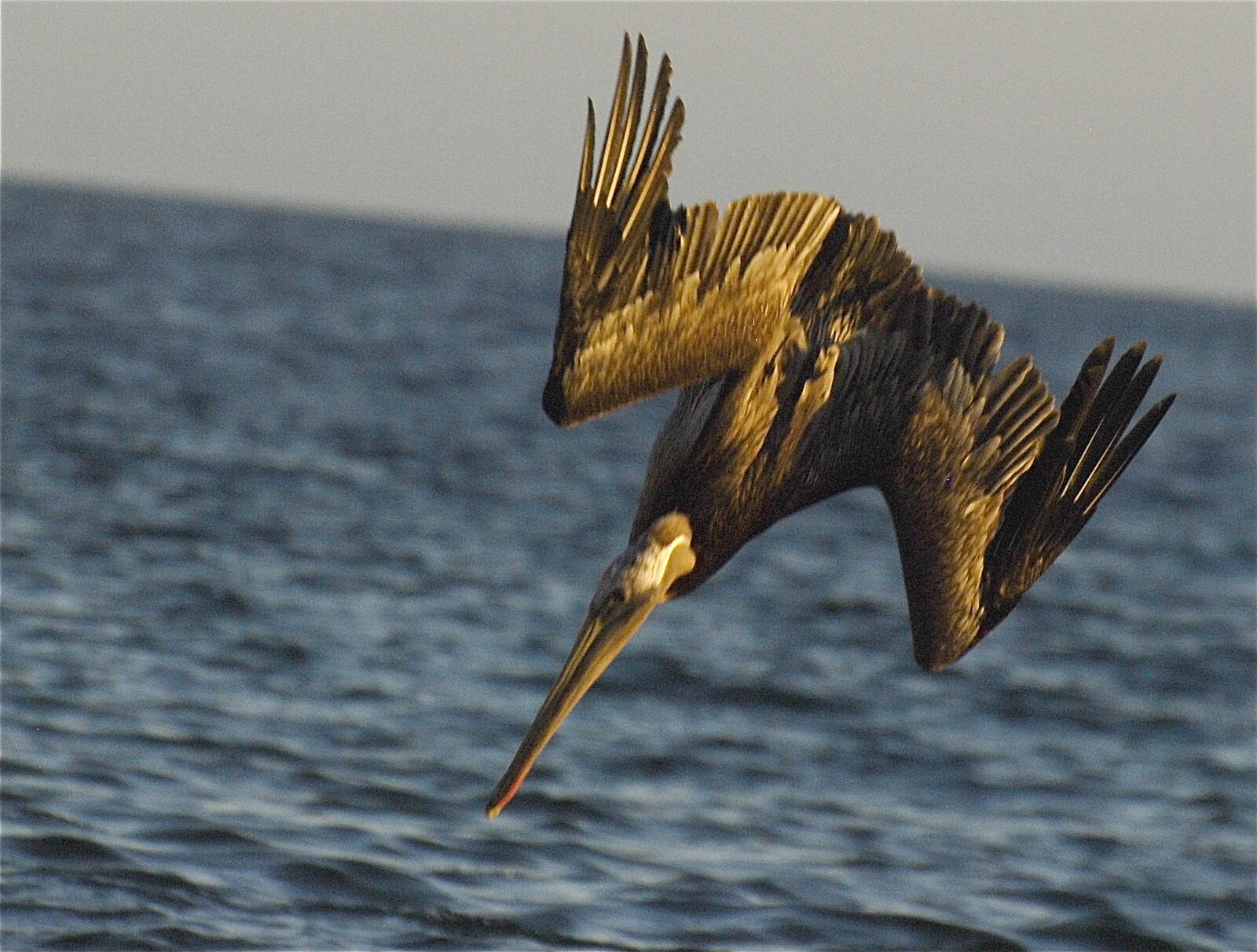
Brown Pelican
Pelecanus occidentalis
- Status
- Least Concern IUCN Red List
- Eats
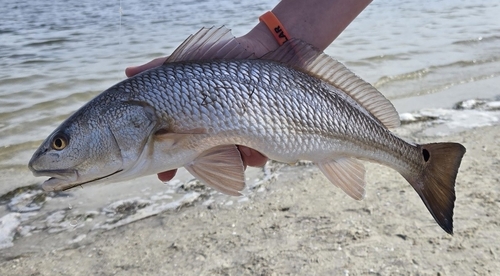
- Pacific saury, red drum, californian anchovy and 84 more
- Where
- 50 countries · belize Barrier Reef
On 4Planet Atlas it is among the wildlife people record most around Basseterre, Bridgetown and Castries, and 12 more of the cities we cover.
People have shared 2,467,449 records of the Brown Pelican with GBIF, from 50 countries, most of them from United States, Mexico and Costa Rica. Records collected by GloBI show it eating 87 different kinds of animals and plants, and being eaten by 2.
Habitats
What the brown Pelican eats, and what eats it
Studies have recorded it eating 87 kinds of animals and plants, and 2 kinds of animals eating it. Tap any of them to follow the food chain.
- Fish 84
- Crustaceans 1
- Octopus and squid 1
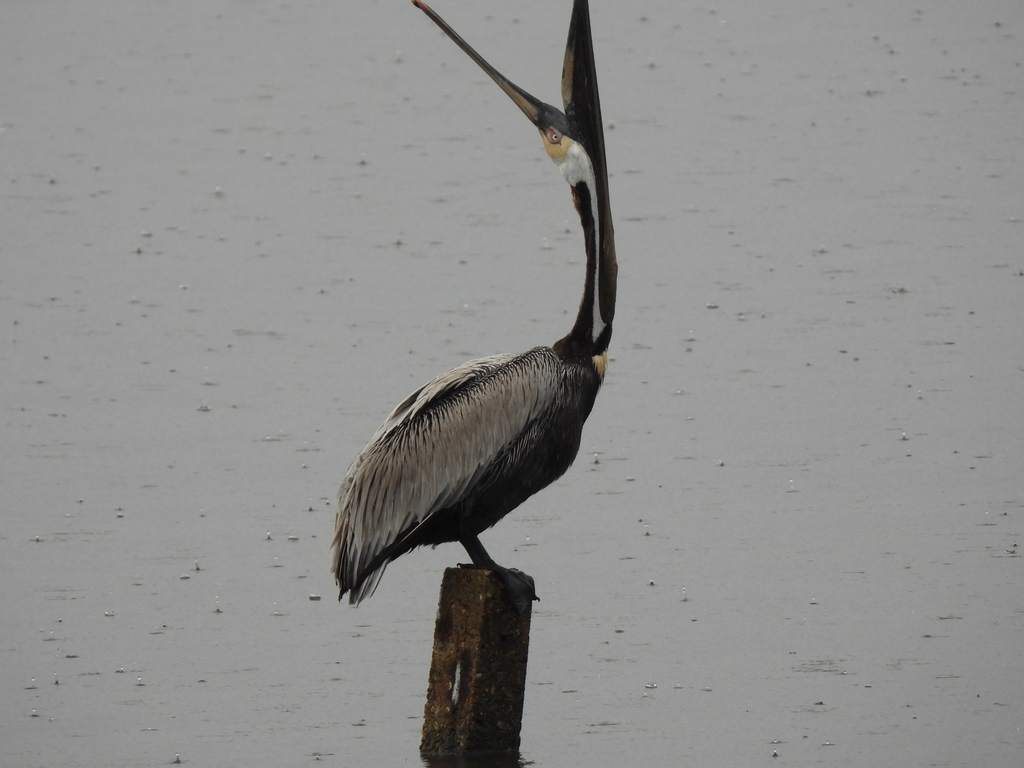
 Brown Pelican

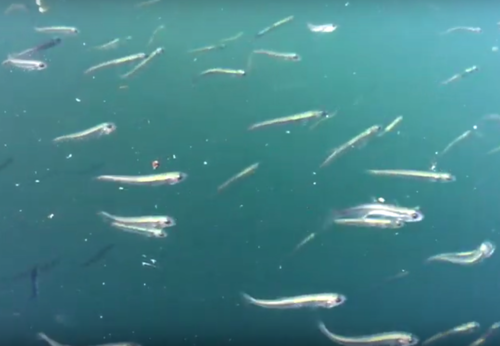
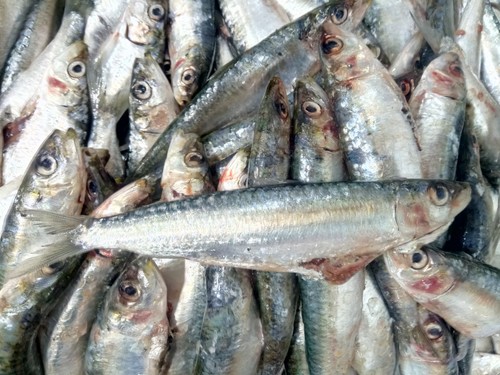
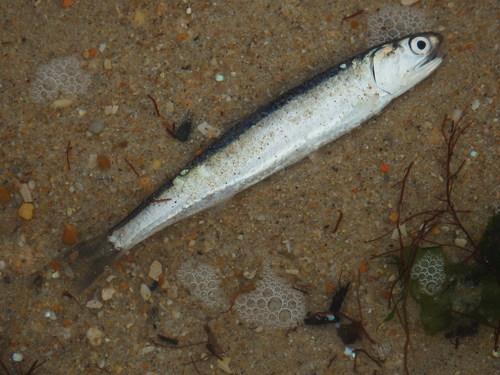
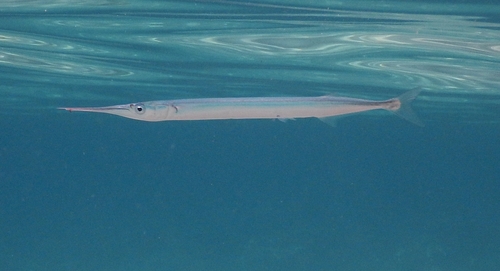
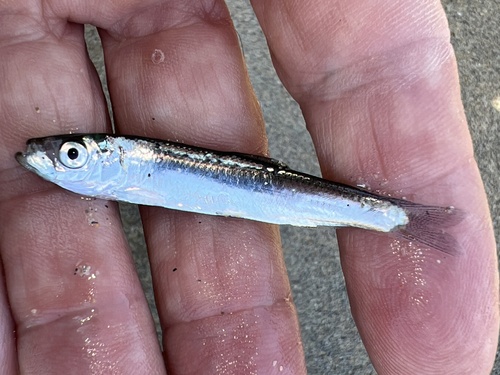
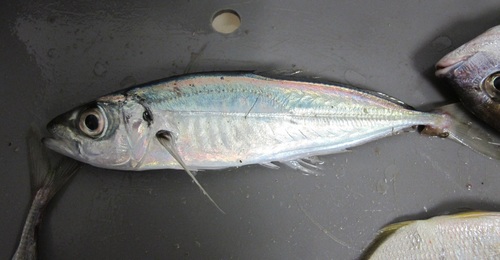
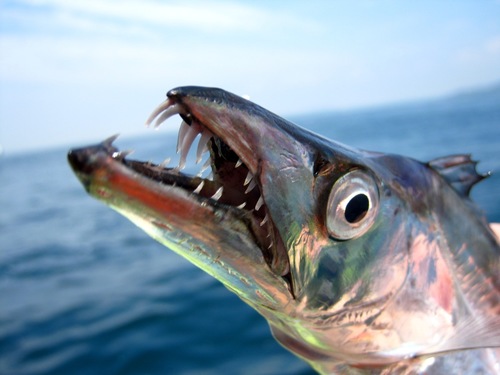
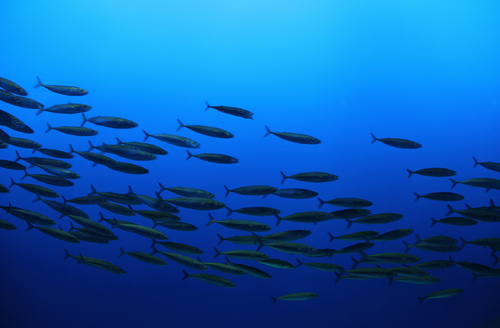

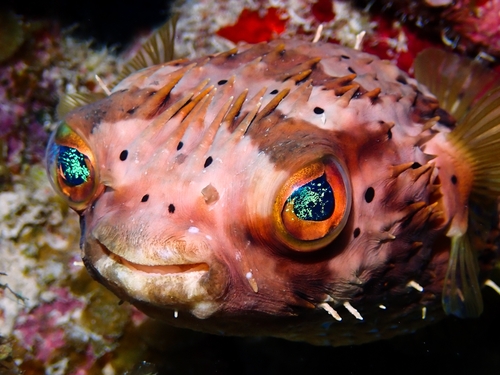
Records from studies worldwide, collected by GloBI. They include animals eaten as carrion, and they are not everything it eats in one place.
Where people see the brown Pelican
People have shared 2,467,449 records from 50 countries.
Near a city: Basseterre, Bridgetown, Castries, Georgetown, Havana, Kingston, Kingstown, Nassau, Panama City, Port-au-Prince, Port of Spain, Roseau, San Salvador, Santo Domingo, St. George's.
Records show where people have seen it and shared it, not its full range. Country names open their page in Atlas.
When it is seen
Records per month in the northern hemisphere. More people outdoors also means more records.
Watch and listen
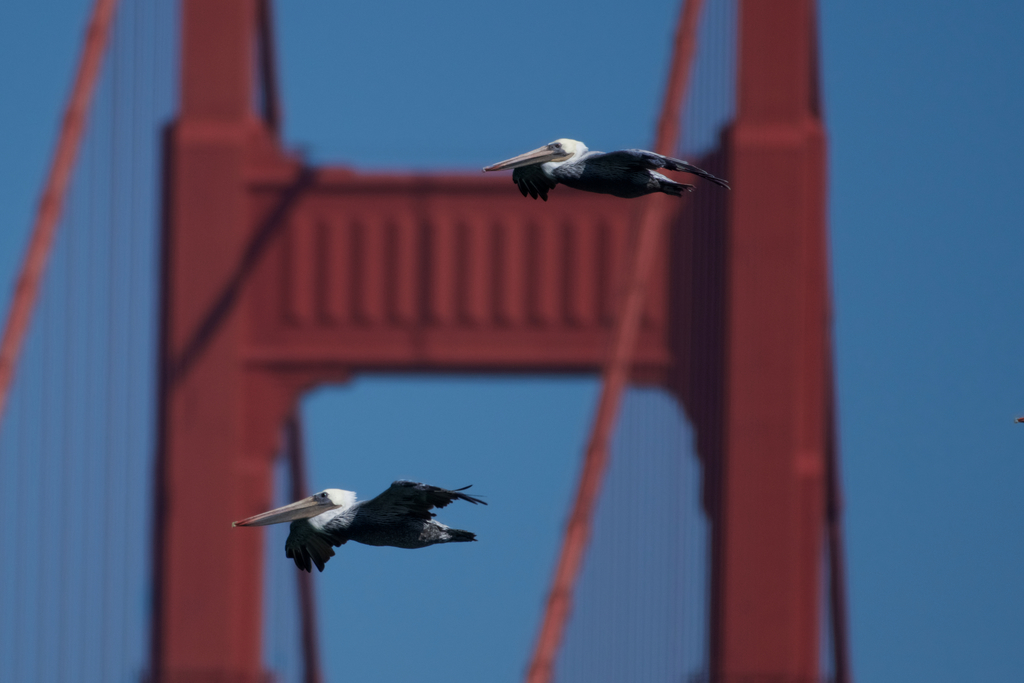
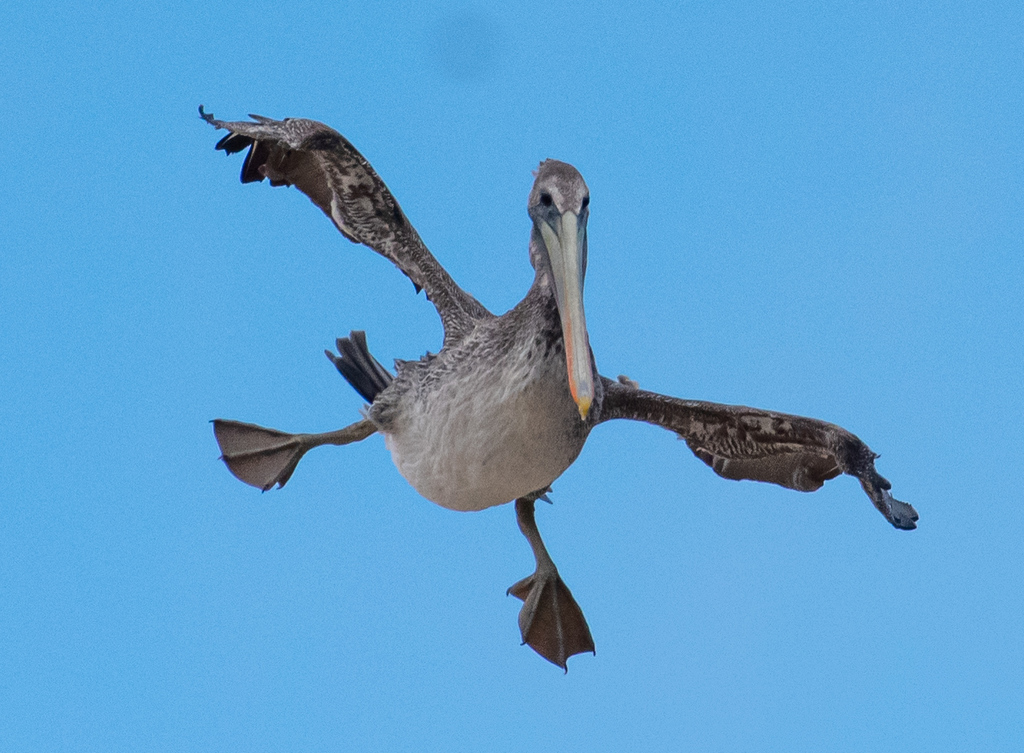
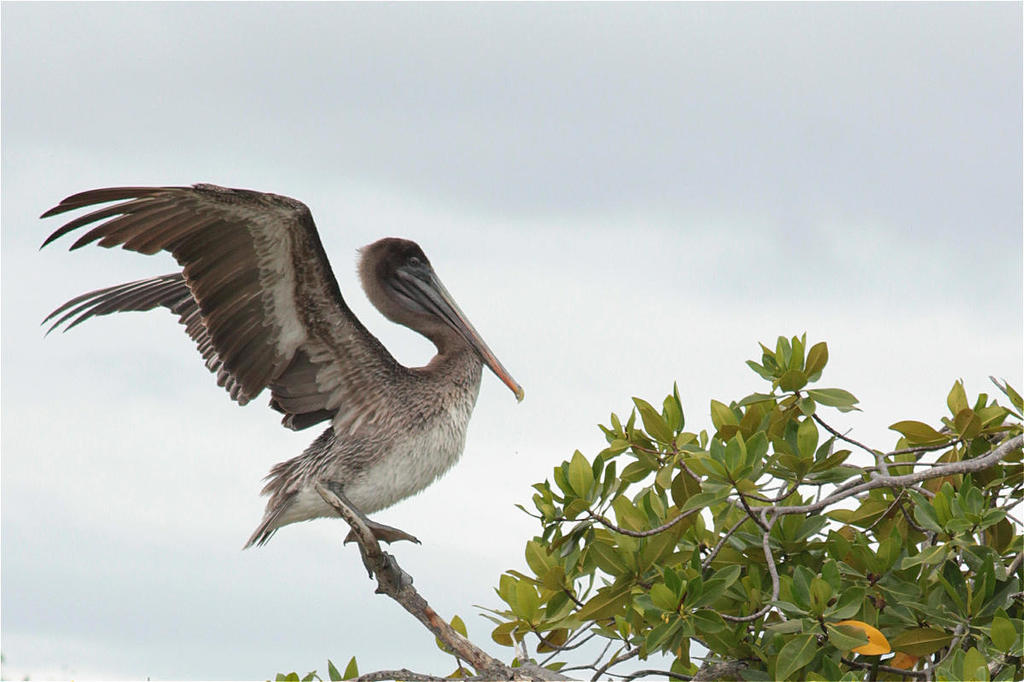
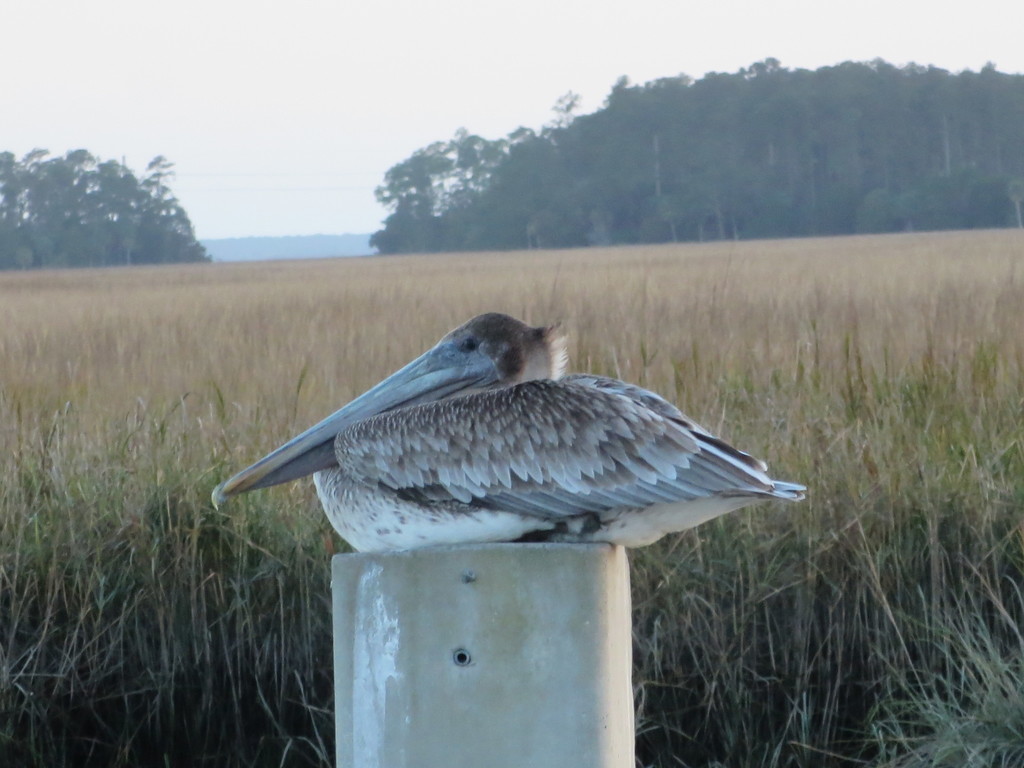
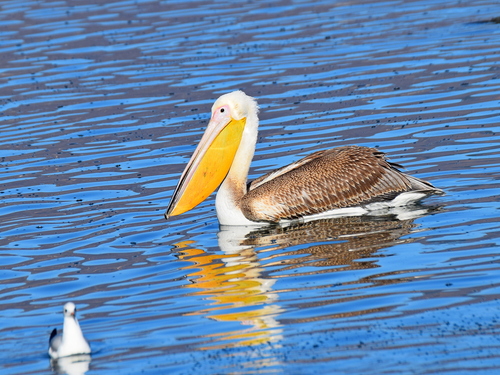
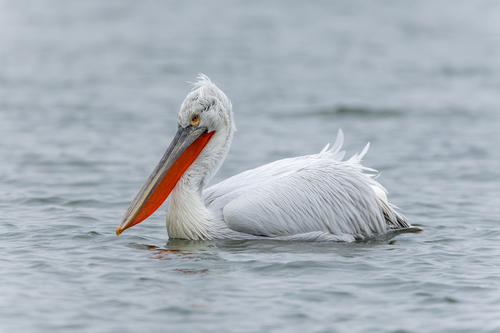
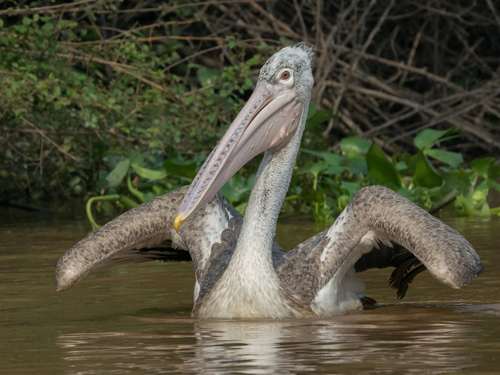
Its closest relatives
The other species of the genus Pelecanus.
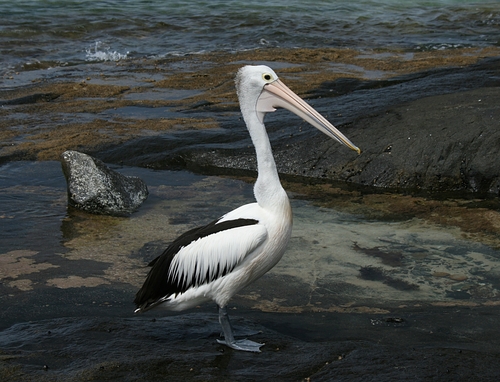
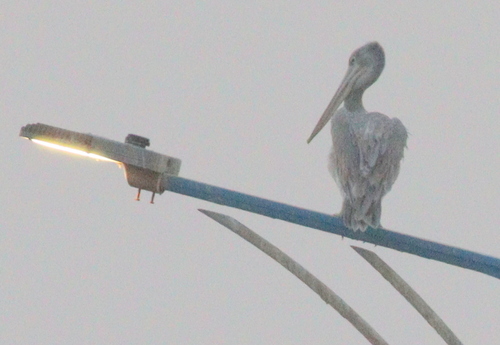
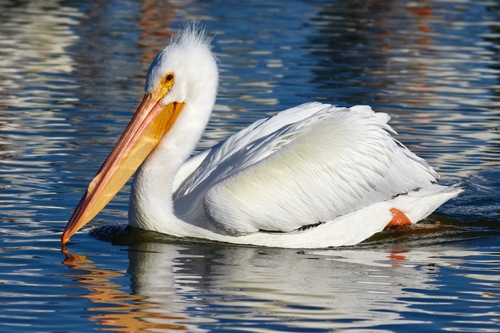
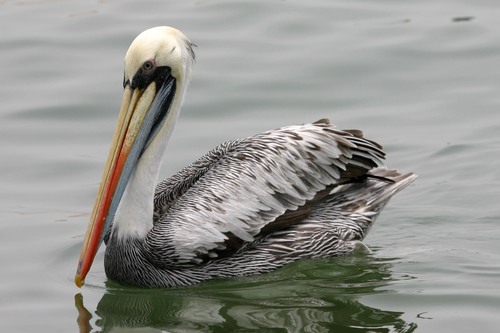
Seen a brown Pelican?
Share your photo on iNaturalist. Other naturalists help confirm it, and the record goes to GBIF, where scientists use it and where the maps on this page come from.
Put this species on your site
The card names every source and links back here.
<iframe src="https://4planetatlas.com/place/embed/species/brown-pelican" title="Brown Pelican (Pelecanus occidentalis), 4PLANET Species" width="100%" height="600" style="border:0;max-width:640px" loading="lazy"></iframe>
<p><a href="https://4species.com/brown-pelican">Brown Pelican on 4PLANET Species</a></p>Questions people ask
What does the Brown Pelican eat?
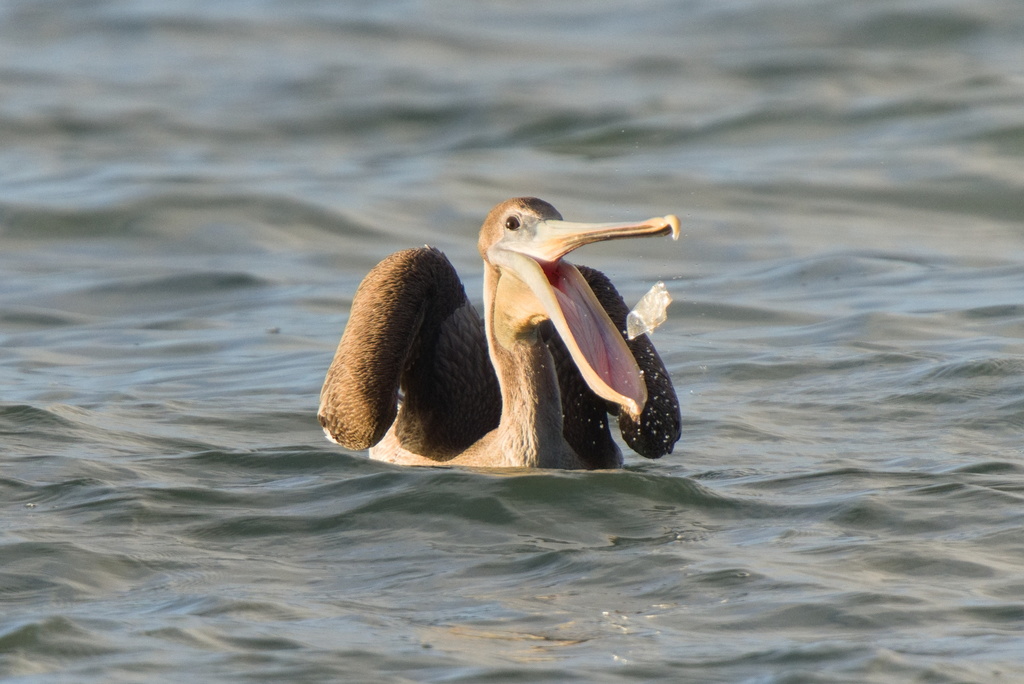
The Brown Pelican has been recorded eating 87 different kinds of animals and plants, most of them fish, crustaceans and octopus and squid. The ones recorded most often are pacific saury, red drum, californian anchovy, european pilchard and european anchovy; records include animals eaten as carrion. Source: GloBI.
What eats the Brown Pelican?
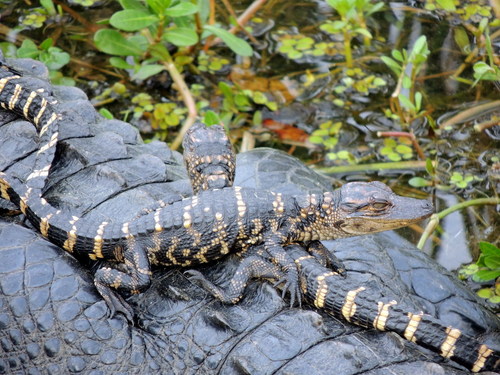
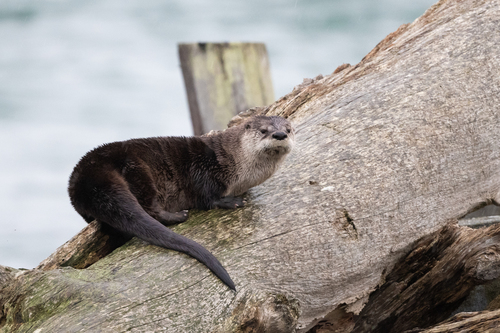
Recorded predators include american alligator and north american river otter. Source: GloBI.
Where does the Brown Pelican live?
People have recorded it in 50 countries; the most records come from United States, Mexico, Costa Rica, Ecuador and Puerto Rico. Records show where people have seen it, not its full range.
When is the Brown Pelican seen most?
In the northern hemisphere, the most records are made in January and the fewest in June. More people outdoors also means more records.
What are the Brown Pelican's closest relatives?
It shares the genus Pelecanus with great white pelican, dalmatian pelican, spot-billed pelican, australian pelican and pink-backed pelican.
Sources and photo credits
- GBIF · Pelecanus occidentalis, 2,467,449 human observations
- GloBI · recorded interactions of Pelecanus occidentalis
- Wikidata · Brown Pelican (Q208714)
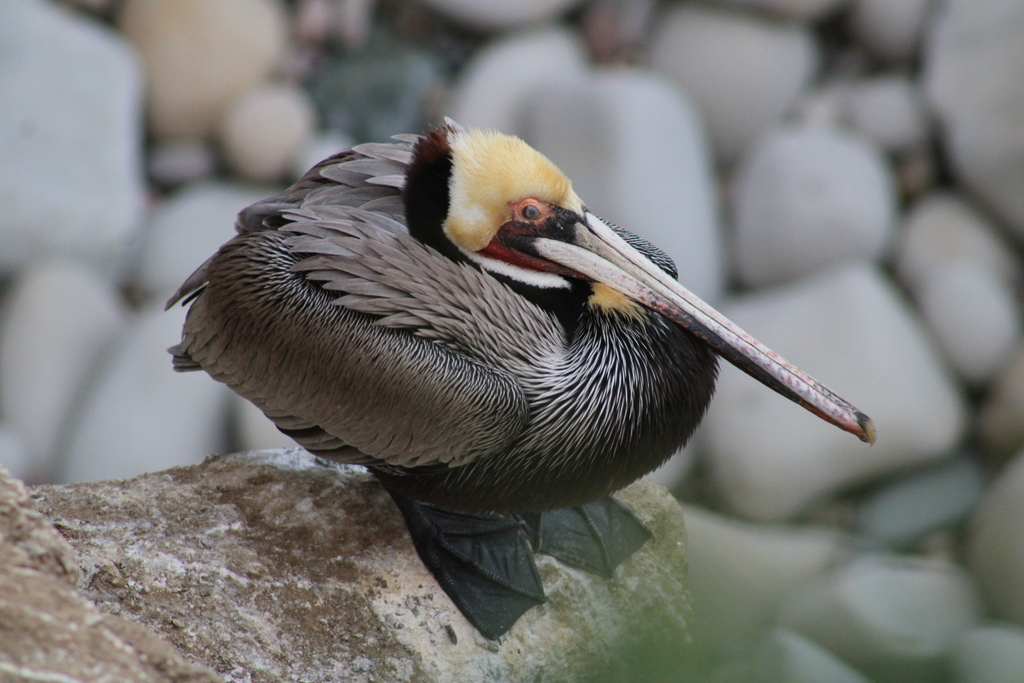
- Brown Pelican (Pelecanus occidentalis): Jay Pruett, CC BY 4.0
- Brown Pelican (Pelecanus occidentalis): Henrik Kibak, CC BY 4.0
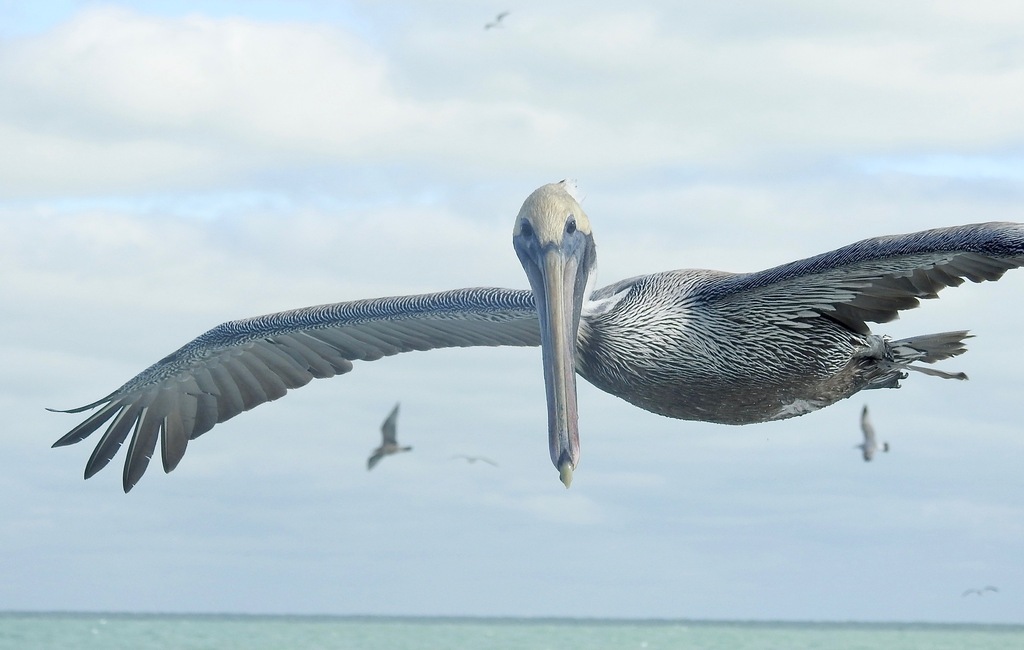
- Brown Pelican (Pelecanus occidentalis), Brevard County, FL, USA: Laura Gaudette, CC BY 4.0
- Brown Pelican (Pelecanus occidentalis), Baker Beach, San Francisco, CA, USA: James Muehlner, CC BY-SA 4.0
- Brown Pelican (Pelecanus occidentalis), Presidio, San Francisco, Golden Gate National Recreation Area, California, United States: Jonathan Eisen, CC BY 4.0
- Brown Pelican (Pelecanus occidentalis), Monterey County, CA, USA: Don Loarie, CC BY 4.0
- Brown Pelican (Pelecanus occidentalis), San Cristobal, Ecuador: ajott, CC BY 4.0
- Brown Pelican (Pelecanus occidentalis), Windsor Forest, Savannah, GA, USA: Nonbinary-Naturalist, CC0
- Brown Pelican (Pelecanus occidentalis), St Tammany Parish, LA, USA: ncb1221, CC BY 4.0
- Pacific saury: beemartins from Matsushima, Miyagi, CC BY 4.0
- Red drum: Quinn, CC BY 4.0
- Californian anchovy: Rudyard, CC BY 4.0
- European pilchard: Karim Haddad, CC BY 4.0
- European anchovy: Duarte Frade, CC BY 4.0
- Garfish: euparkeria, CC BY-SA 4.0
- European sprat: Andy Jordan, CC BY 4.0
- Atlantic horse mackerel: Donald Davesne, CC BY 4.0
- Largehead hairtail: 俊仁 (Toshihito) 小林 (Kobayashi), CC BY-SA 4.0
- Chub mackerel: Dragan Maksimovic, CC BY-SA 4.0
- Peruvian anchoveta: cstobie, CC BY 4.0
- Long-spine porcupinefish: Dan Schofield, CC BY 4.0
- American alligator: no rights reserved, uploaded by Vijay Barve, CC0
- North American river otter: no rights reserved, uploaded by Adam Jackson, CC0
- Great white pelican: Kostas Zontanos, CC BY 4.0
- Dalmatian pelican: David F. Belmonte, CC BY 4.0
- Spot-billed pelican: William Stephens, CC BY 4.0
- Australian pelican: Toby Hudson, CC BY-SA 4.0
- Pink-backed pelican: Jan Ebr & Ivana Ebrová, CC BY 4.0
- American white pelican: Frank Schulenburg, CC BY-SA 4.0
- Peruvian pelican: Dan Harville, CC BY-SA 4.0
Records show where people have seen and shared the Brown Pelican, not its full range, and some countries and months are recorded far more than others. The food web lists interactions that studies have recorded somewhere in the world (GloBI), not everything it eats in one place.
Checked 2026-11-24.