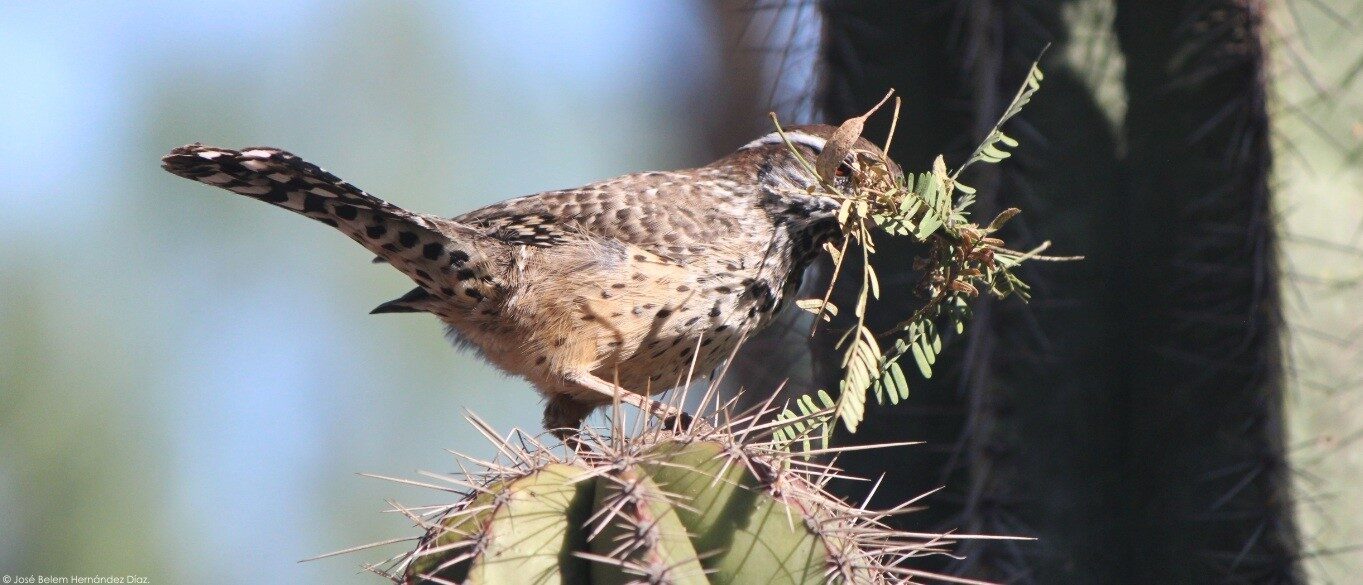
Cactus wren
Campylorhynchus brunneicapillus
- Status
- Least Concern IUCN Red List
- Eats
- california fan palm, pallid-winged grasshopper, cascara buckthorn and 4 more
- Eaten by
- ringtail
- Where
- 2 countries
On 4Planet Atlas it is among the wildlife people record most around Phoenix.
People have shared 498,813 records of the cactus wren with GBIF, from 2 countries, most of them from United States and Mexico. Records collected by GloBI show it eating 7 different kinds of animals and plants, and being eaten by 2.
What the cactus wren eats, and what eats it
Studies have recorded it eating 7 kinds of animals and plants, and 2 kinds of animals eating it. Tap any of them to follow the food chain.
- Plants 2
- Insects 2
- Birds 1
- Reptiles 1
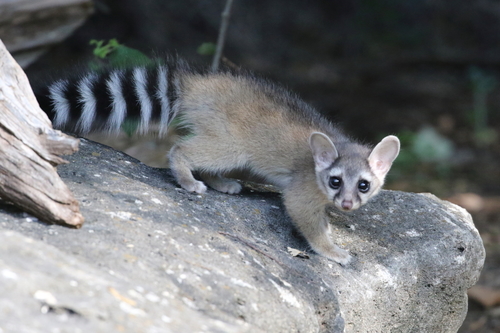
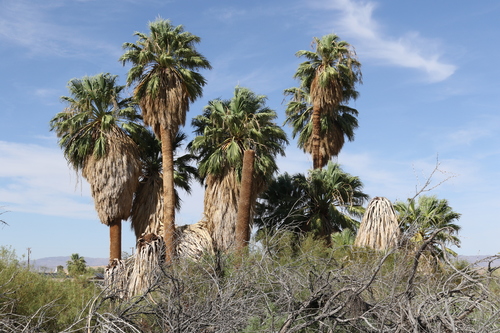
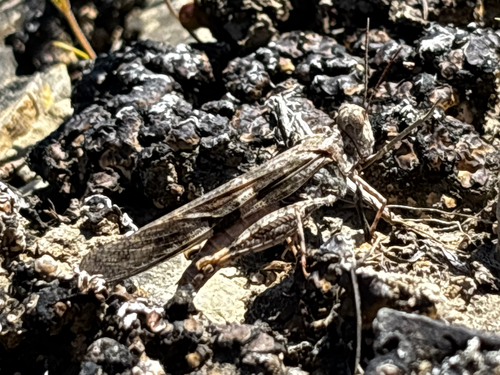

Records from studies worldwide, collected by GloBI. They include animals eaten as carrion, and they are not everything it eats in one place.
Where people see the cactus wren
People have shared 498,813 records from 2 countries.
Near a city: Phoenix.
Records show where people have seen it and shared it, not its full range. Country names open their page in Atlas.
When it is seen
Records per month in the northern hemisphere. More people outdoors also means more records.
Watch and listen
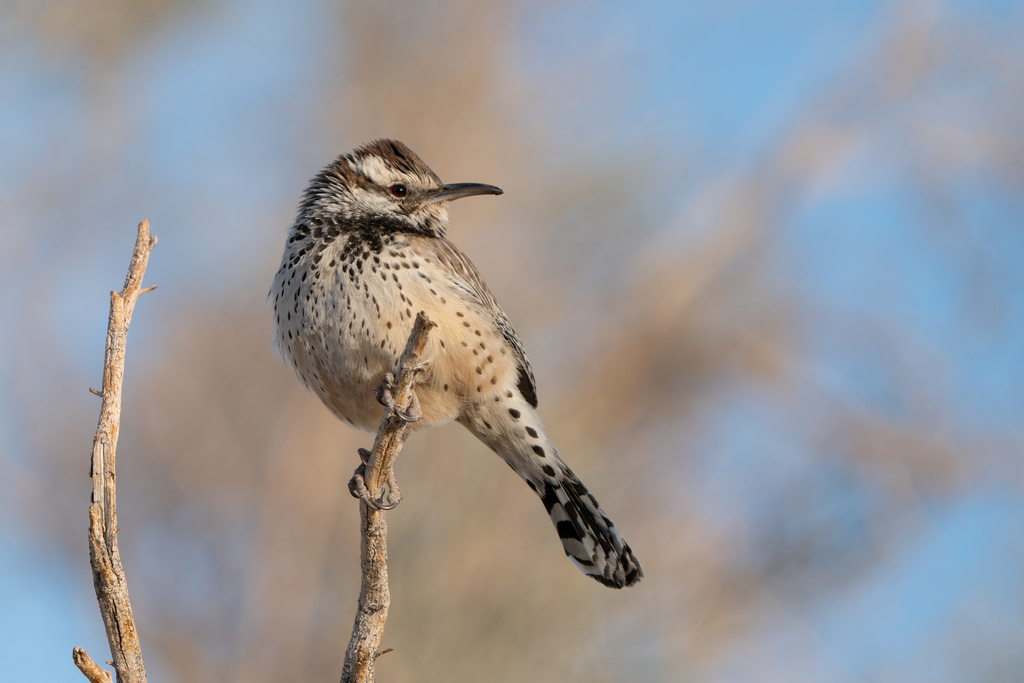
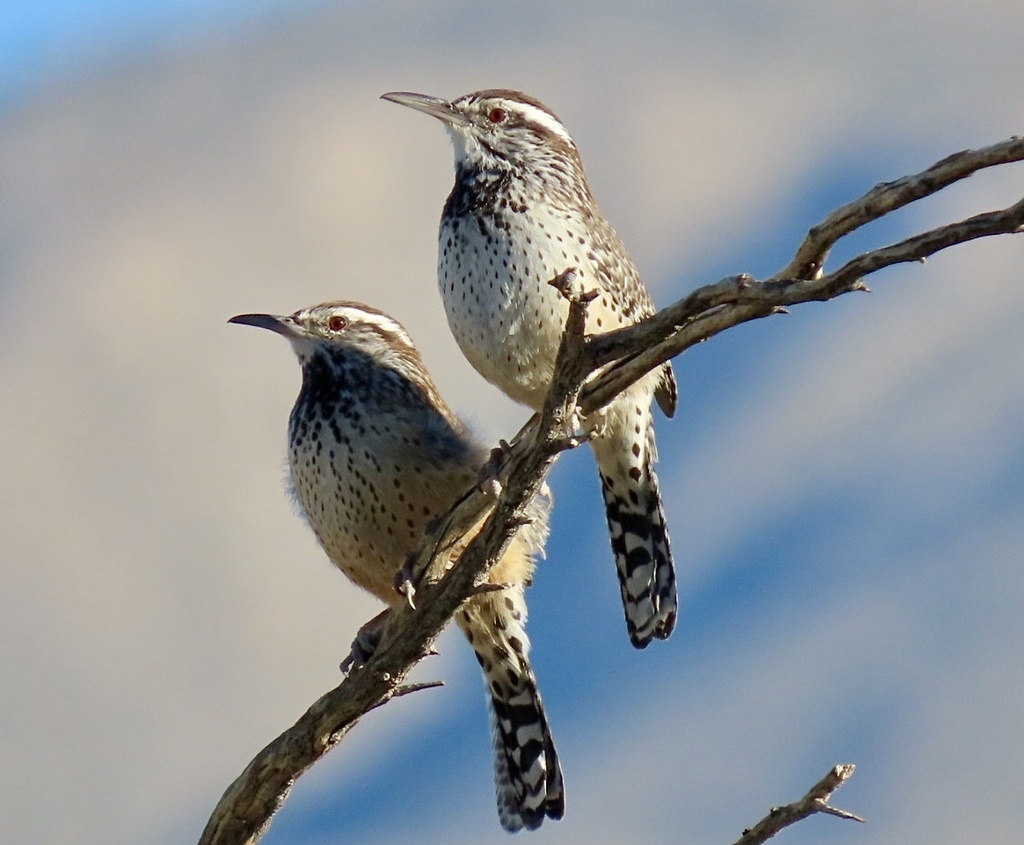
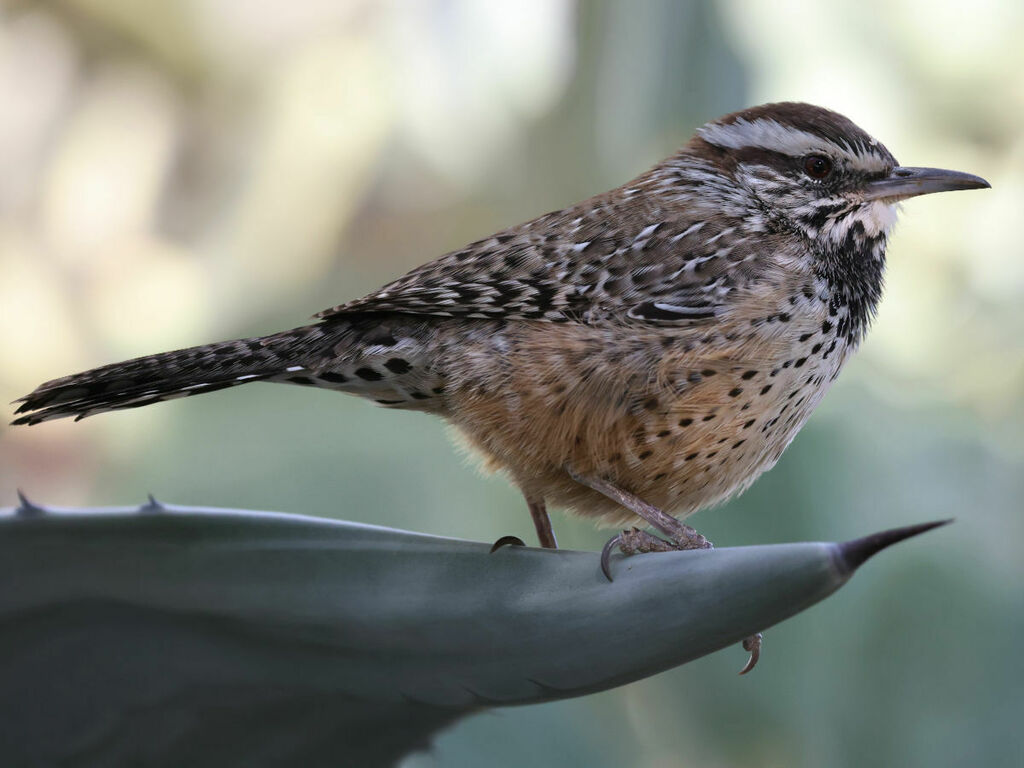
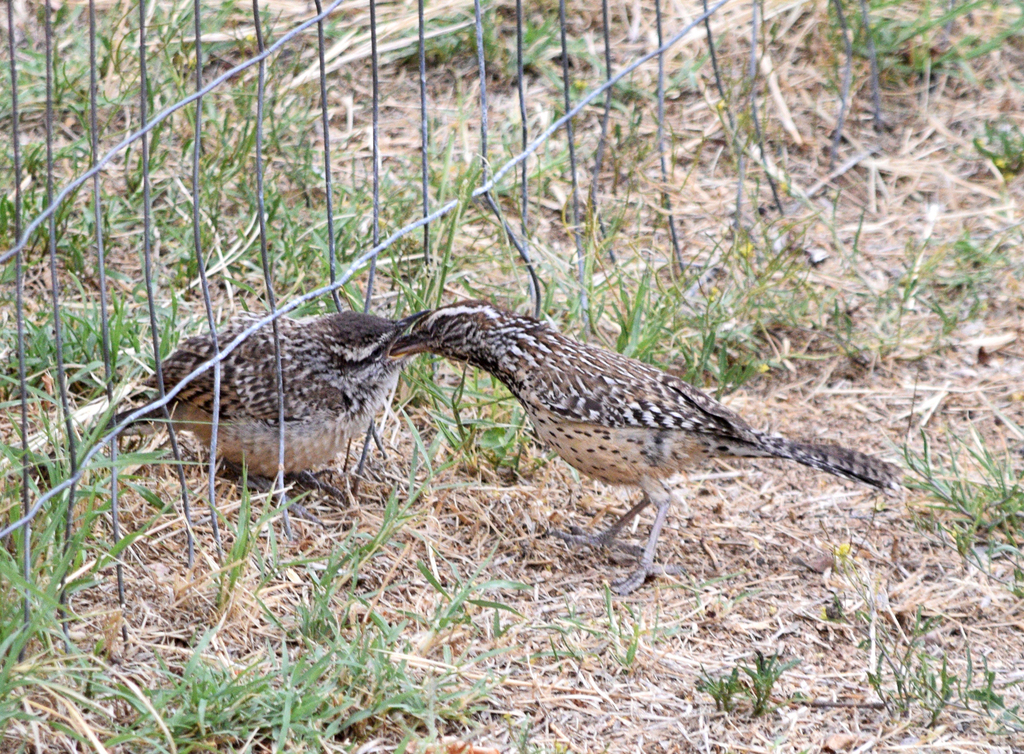
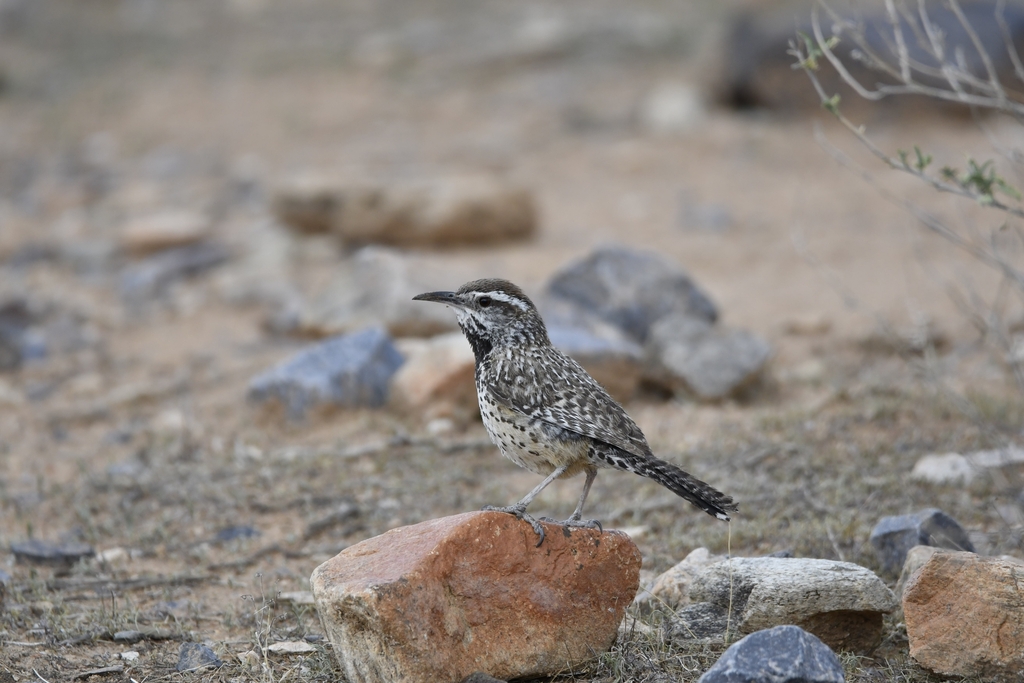
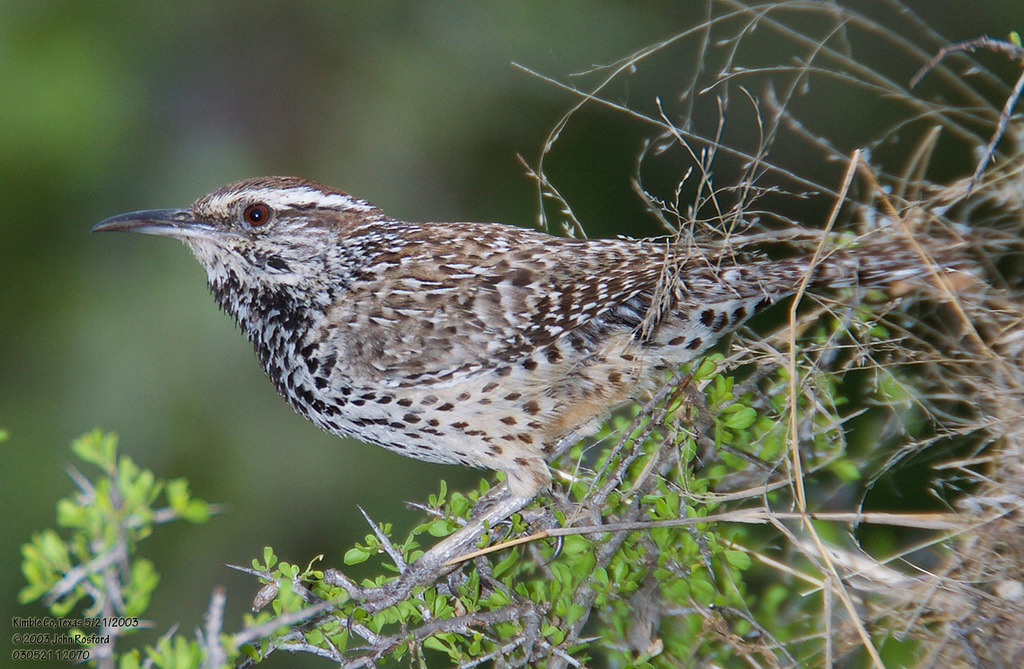
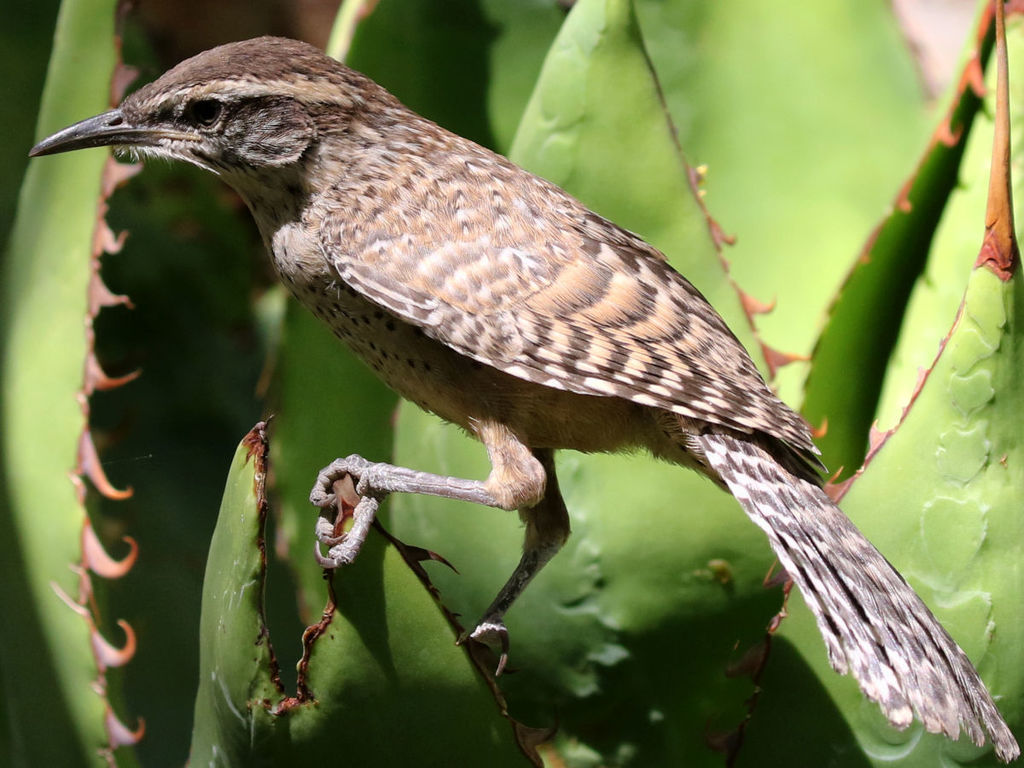
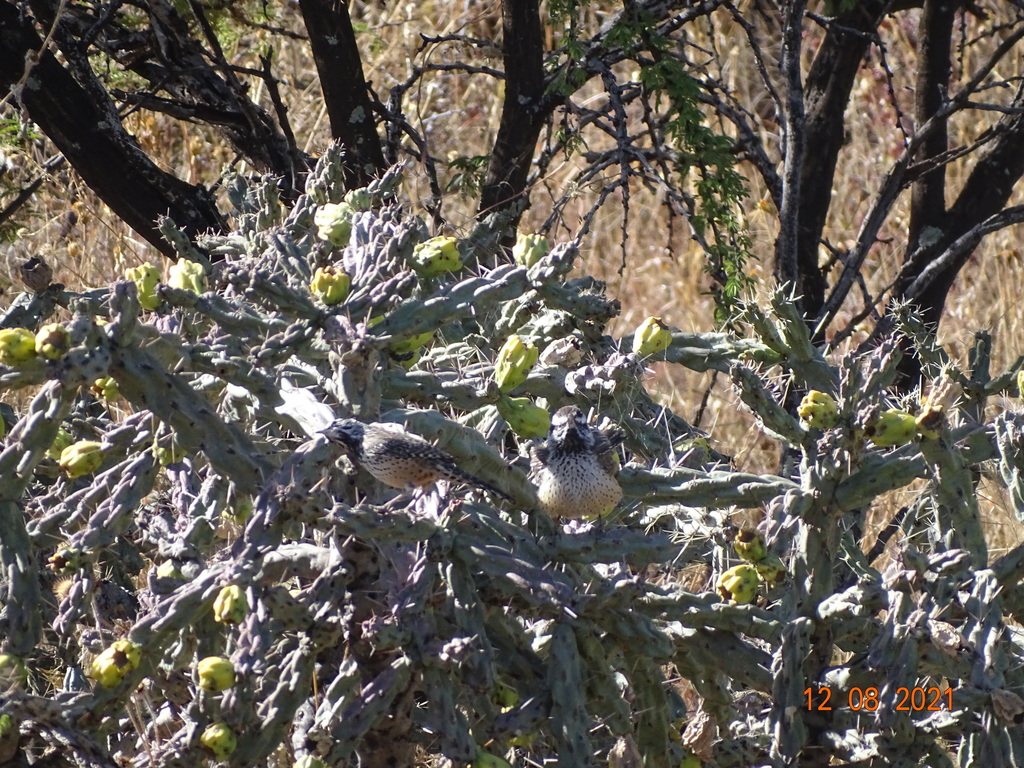
Its closest relatives
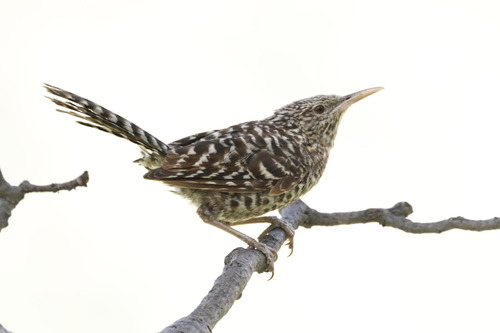
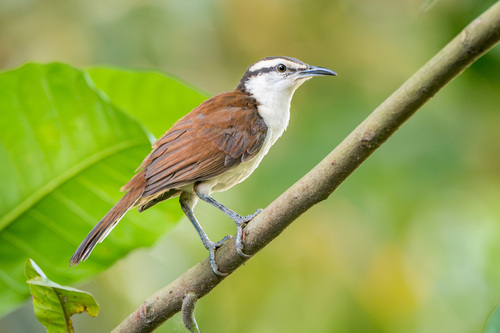
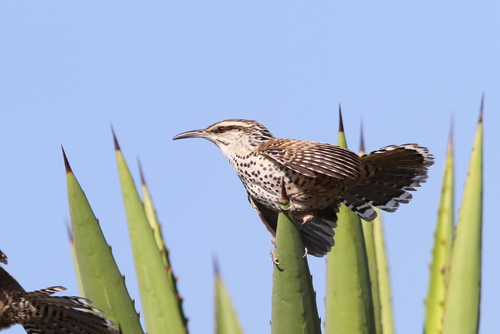
The other species of the genus Campylorhynchus.
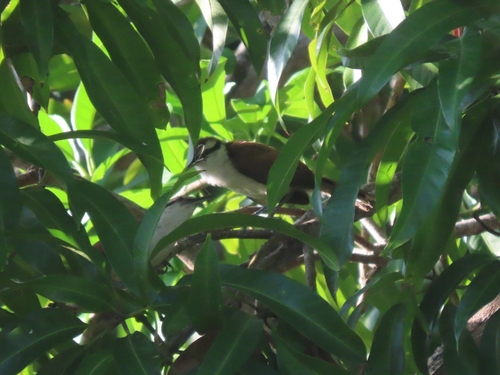
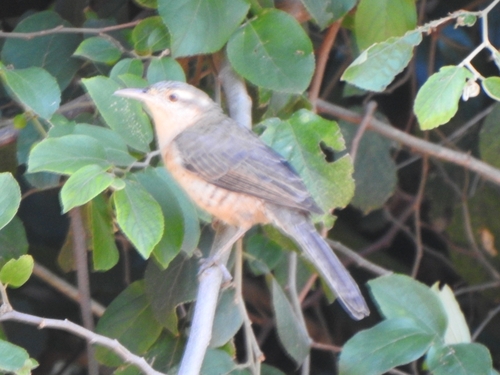
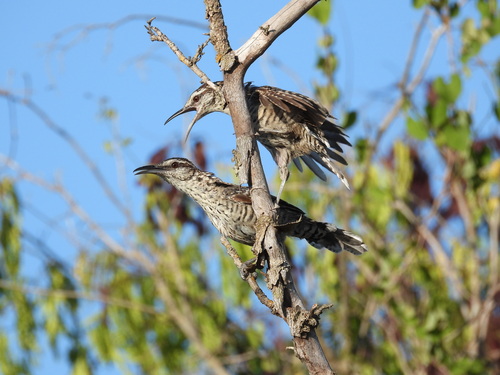
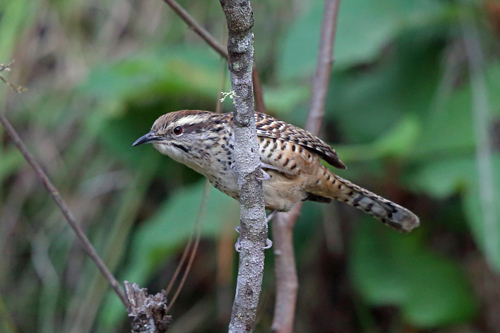
Seen a cactus wren?
Share your photo on iNaturalist. Other naturalists help confirm it, and the record goes to GBIF, where scientists use it and where the maps on this page come from.
Put this species on your site
The card names every source and links back here.
<iframe src="https://4planetatlas.com/place/embed/species/cactus-wren" title="Cactus wren (Campylorhynchus brunneicapillus), 4PLANET Species" width="100%" height="600" style="border:0;max-width:640px" loading="lazy"></iframe>
<p><a href="https://4species.com/cactus-wren">Cactus wren on 4PLANET Species</a></p>Questions people ask
What does the cactus wren eat?
The cactus wren has been recorded eating 7 different kinds of animals and plants, most of them plants, insects, birds and reptiles. The ones recorded most often are california fan palm, pallid-winged grasshopper and cascara buckthorn; records include animals eaten as carrion. Source: GloBI.
What eats the cactus wren?
Recorded predators include ringtail. Source: GloBI.
Where does the cactus wren live?
People have recorded it in 2 countries; the most records come from United States and Mexico. Records show where people have seen it, not its full range.
When is the cactus wren seen most?
In the northern hemisphere, the most records are made in April and the fewest in September. More people outdoors also means more records.
What are the cactus wren's closest relatives?
It shares the genus Campylorhynchus with fasciated wren, bicolored wren, boucard's wren, white-headed wren and giant wren.
Sources and photo credits
- GBIF · Campylorhynchus brunneicapillus, 498,813 human observations
- GloBI · recorded interactions of Campylorhynchus brunneicapillus
- Wikidata · Cactus wren (Q969006)
- Cactus wren (Campylorhynchus brunneicapillus): José Belem Hernández Díaz, CC BY 4.0
- Cactus wren (Campylorhynchus brunneicapillus), Twentynine Palms, CA 92277, USA: jubileej, CC0
- Cactus wren (Campylorhynchus brunneicapillus), 1000 Palms Canyon Rd, Thousand Palms, CA, US: Irene, CC0
- Cactus wren (Campylorhynchus brunneicapillus), Desert Botanical Garden, Phoenix, AZ, USA: Peter Chen 2.0, CC BY 4.0
- Cactus wren (Campylorhynchus brunneicapillus), Catalina, AZ 85739, USA: Wendy McCrady, CC BY 4.0
- Cactus wren (Campylorhynchus brunneicapillus), DC Ranch, Scottsdale, AZ 85255, USA: Dave Bishop, CC BY 4.0
- Cactus wren (Campylorhynchus brunneicapillus), Kimble, Texas, United States: John Rosford, CC BY 4.0
- Cactus wren (Campylorhynchus brunneicapillus), Desert Botanical Garden, Phoenix, AZ 85008, USA: Peter Chen 2.0, CC BY 4.0
- Cactus wren (Campylorhynchus brunneicapillus), El Oro, Dgo., México: Luis F. Ramírez, CC BY 4.0
- California fan palm: Thibaud Aronson, CC BY-SA 4.0
- Pallid-winged grasshopper: Chris Stahl, CC BY 4.0
- Cascara buckthorn: Daryl Nolan, CC0
- Ringtail: Brooke Smith, CC BY 4.0
- Fasciated wren: no rights reserved, uploaded by Manuel Roncal, CC0
- Bicolored wren: cello caruso-turiello, CC BY 4.0
- Boucard's wren: Christoph Moning, CC BY 4.0
- White-headed wren: Jo Roberts, CC BY 4.0
- Giant wren: Francisco Emilio Roldán Velasco, CC BY 4.0
- Thrush-like wren: Cecilia Fer Díaz, CC BY 4.0
- Yucatan wren: JR Ferrer-Paris, CC BY 4.0
- Spotted wren: Nigel Voaden, CC BY 4.0
Records show where people have seen and shared the cactus wren, not its full range, and some countries and months are recorded far more than others. The food web lists interactions that studies have recorded somewhere in the world (GloBI), not everything it eats in one place.
Checked 2026-11-27.