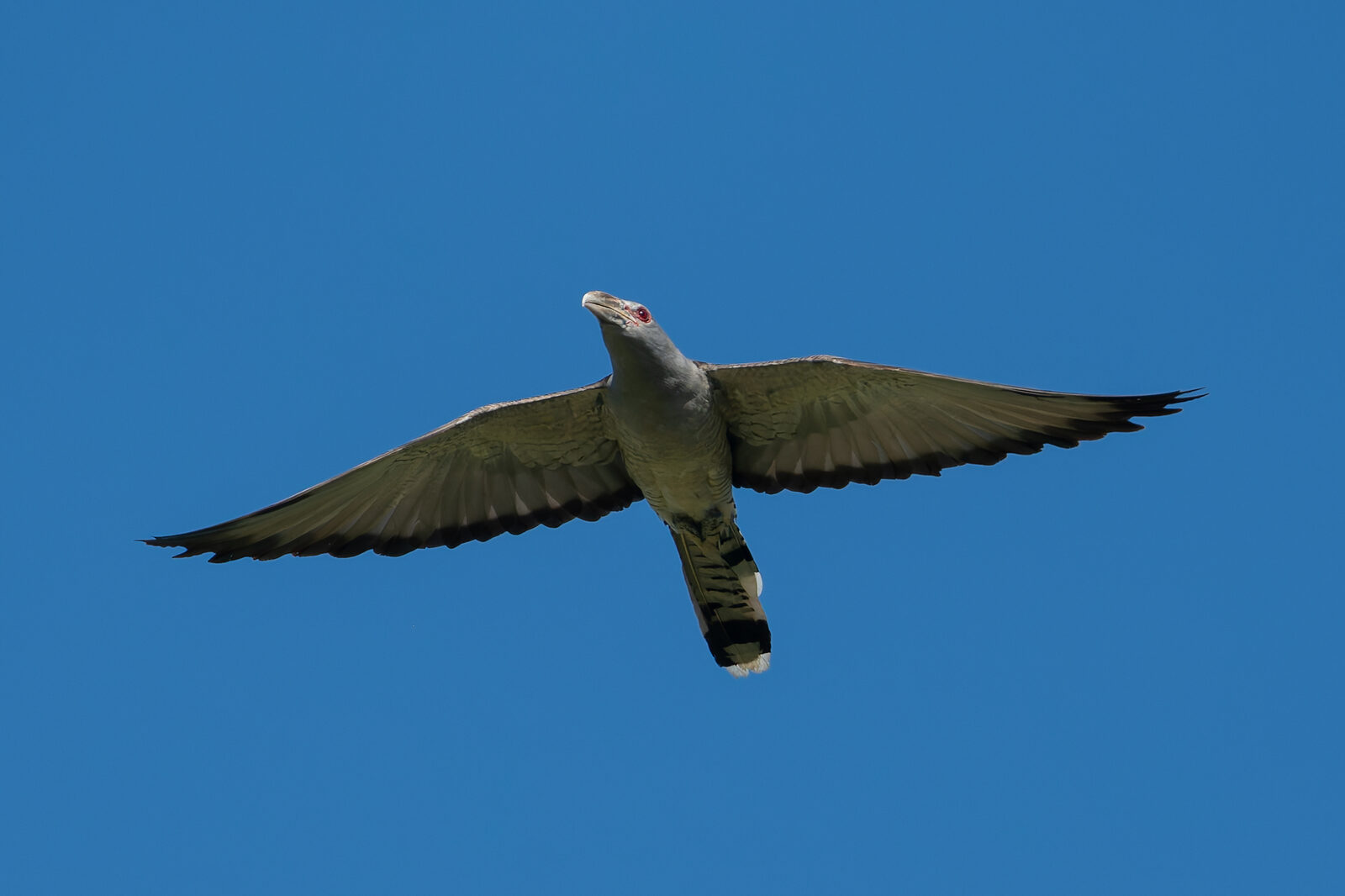
Channel-billed cuckoo
Scythrops novaehollandiae
- Status
- Least Concern IUCN Red List
- Eats
- black mulberry, blush cudgerie and 1 more
- Where
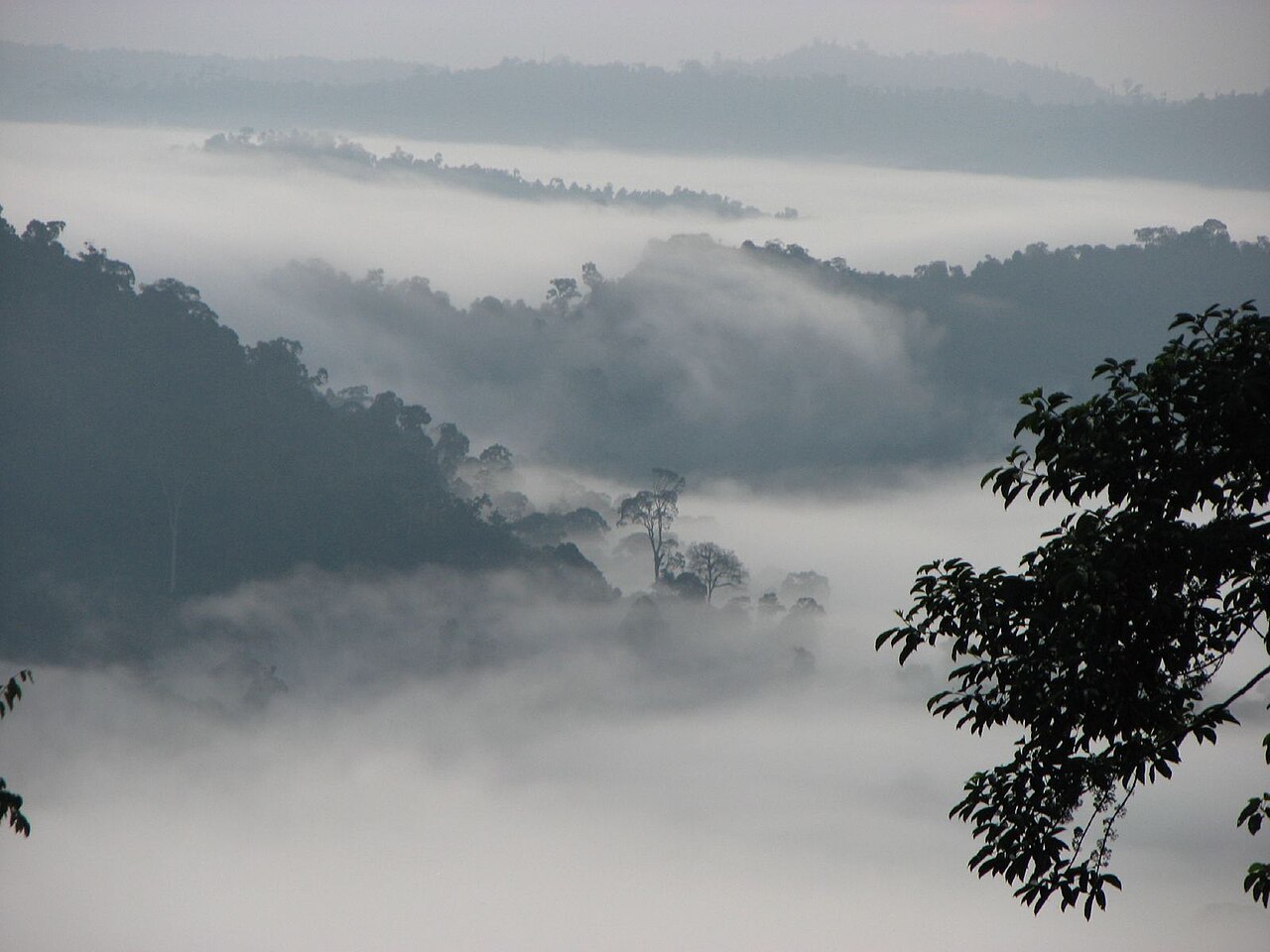
- 7 countries · tropical and subtropical moist broadleaf forests
On 4Planet Atlas it is among the wildlife people record most around Port Moresby and Sydney.
People have shared 90,596 records of the channel-billed cuckoo with GBIF, from 7 countries, most of them from Australia, Indonesia and Papua New Guinea. Records collected by GloBI show it eating 3 different kinds of animals and plants.
Habitats
What the channel-billed cuckoo eats, and what eats it
Studies have recorded it eating 3 kinds of animals and plants. Tap any of them to follow the food chain.
- Plants 2
Channel-billed cuckoo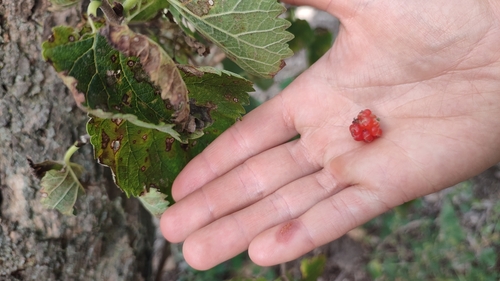
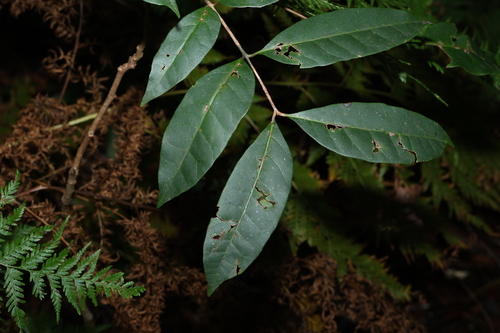
Records from studies worldwide, collected by GloBI. They include animals eaten as carrion, and they are not everything it eats in one place.
Where people see the channel-billed cuckoo
People have shared 90,596 records from 7 countries.
Near a city: Port Moresby, Sydney.
Records show where people have seen it and shared it, not its full range. Country names open their page in Atlas.
When it is seen
Records per month in the southern hemisphere. More people outdoors also means more records.
Watch and listen
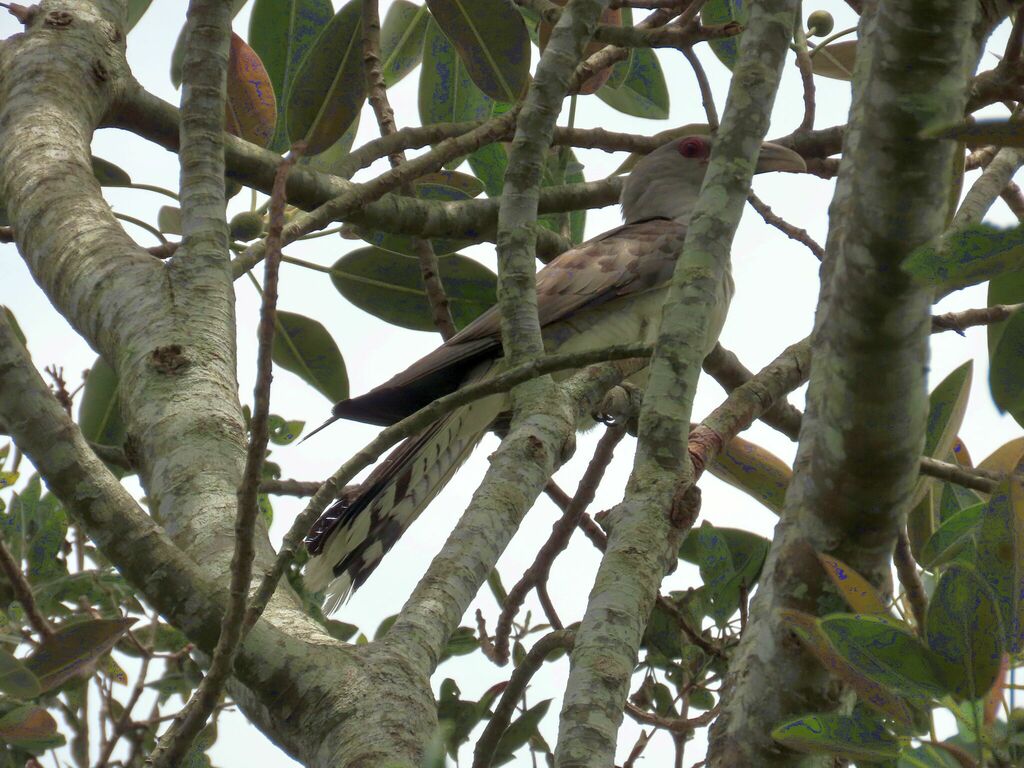
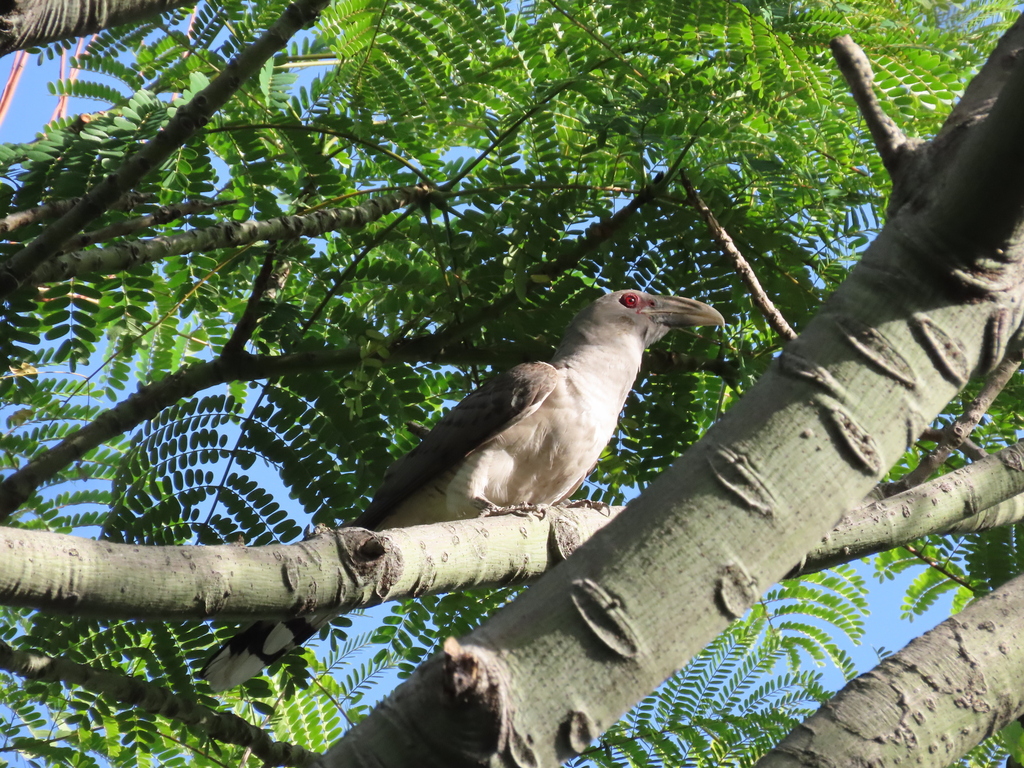
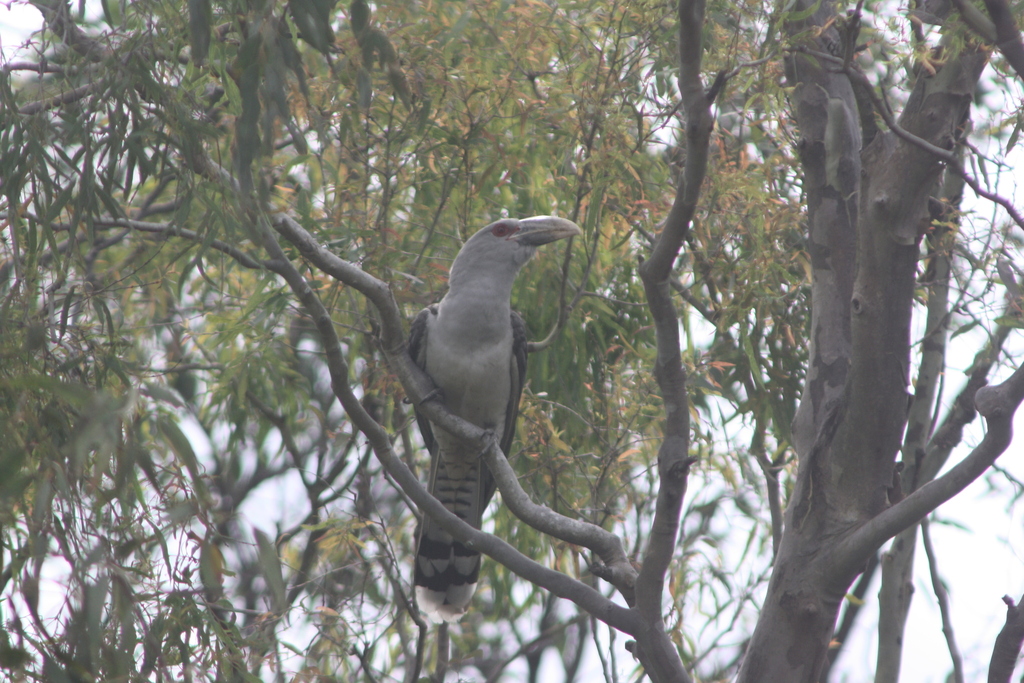
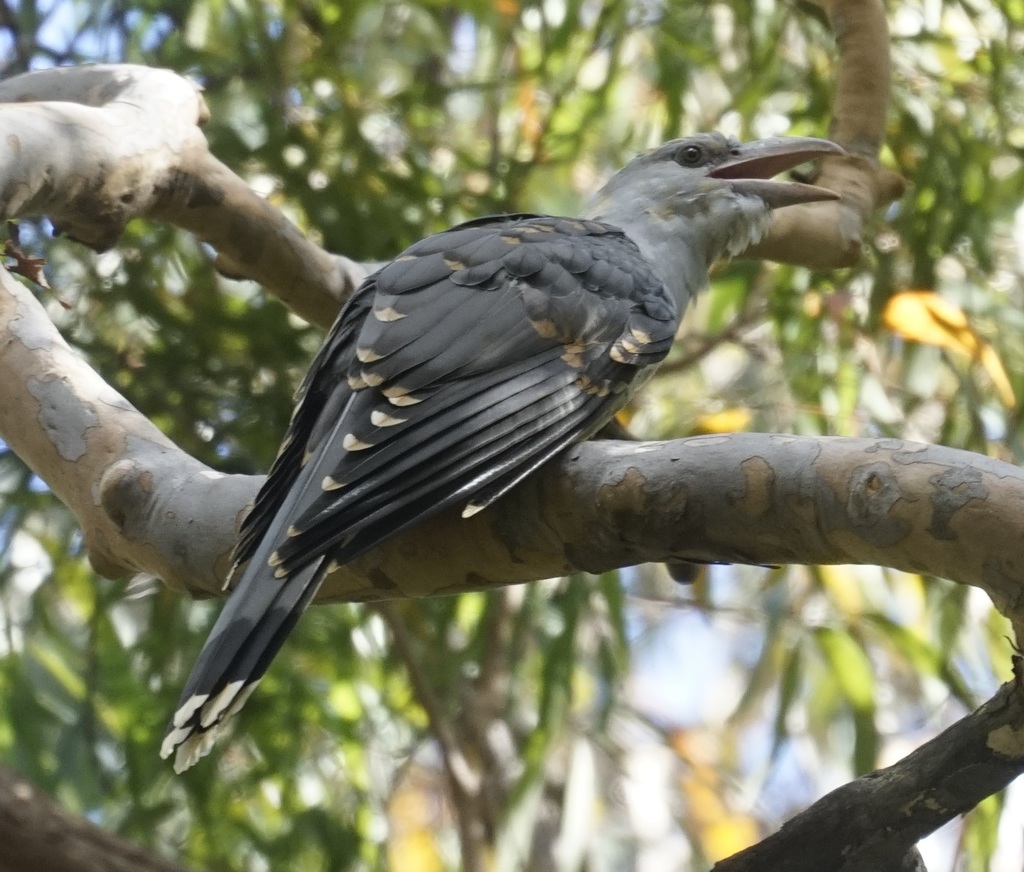
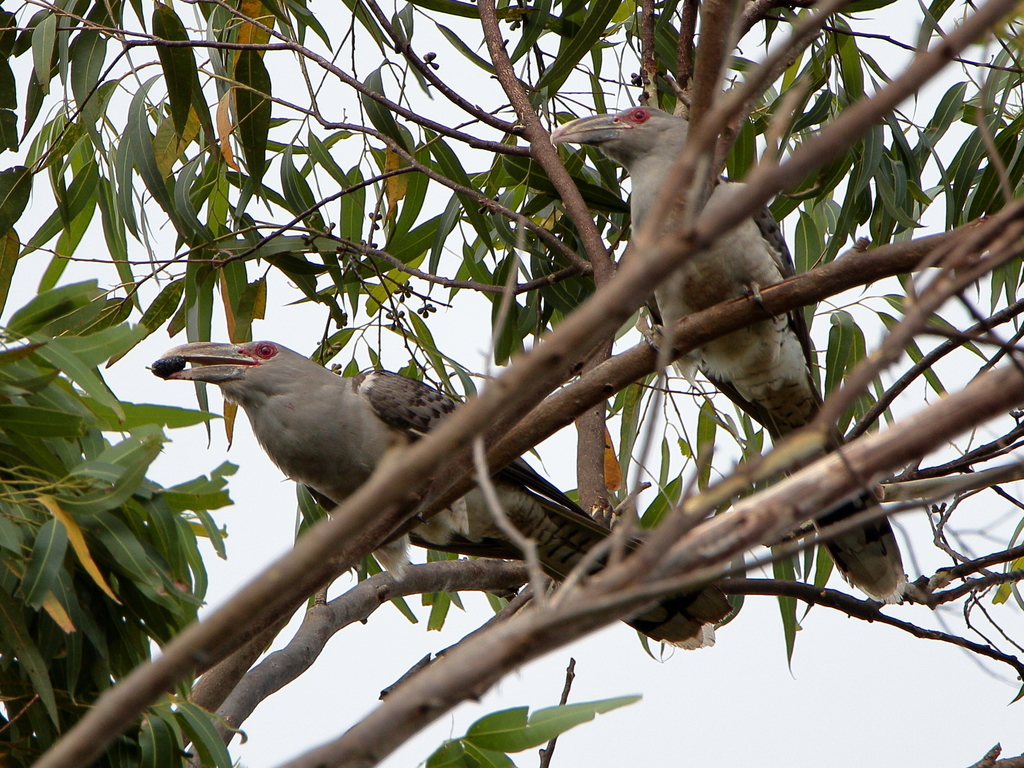
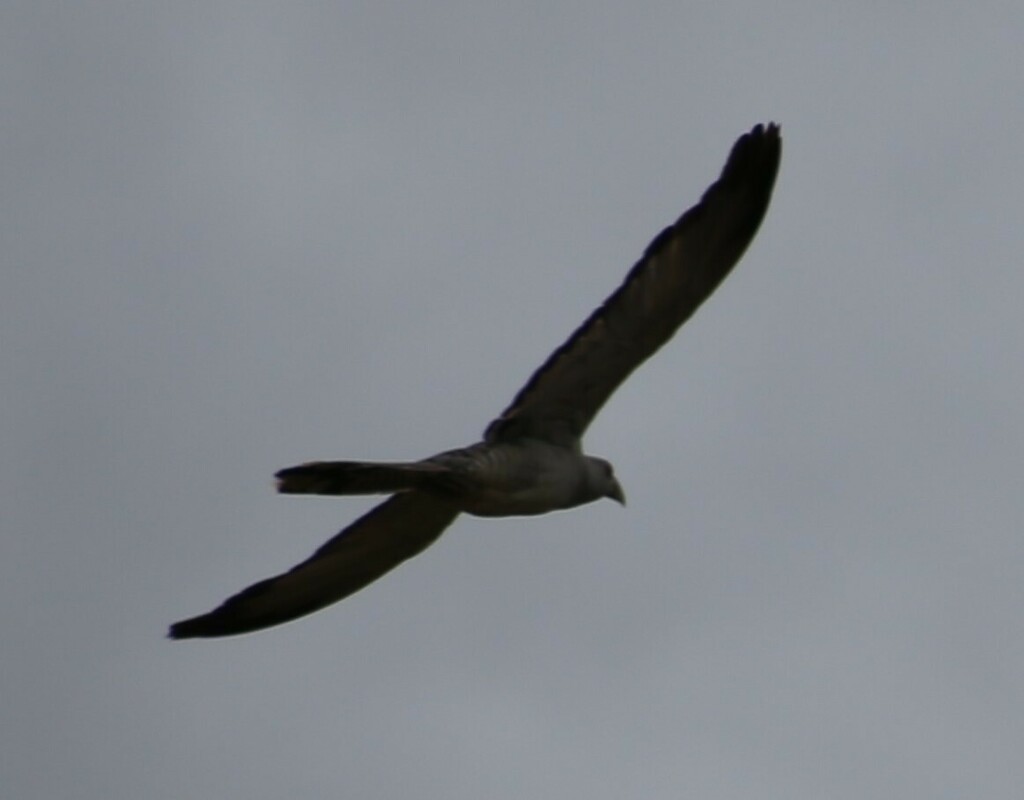
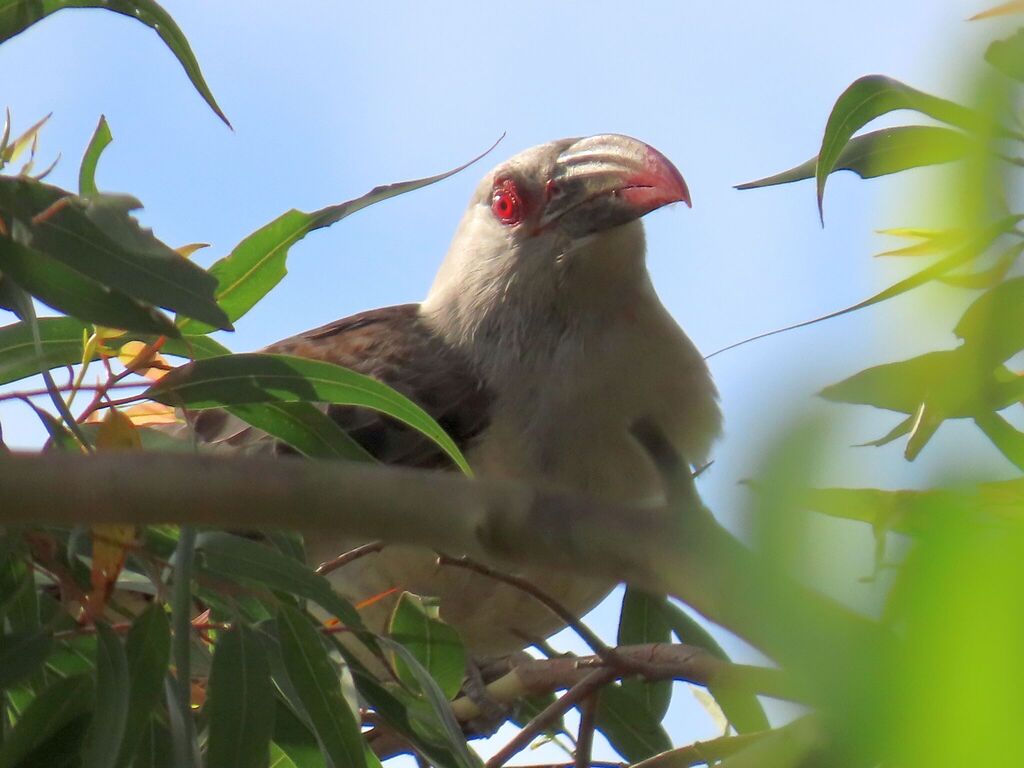
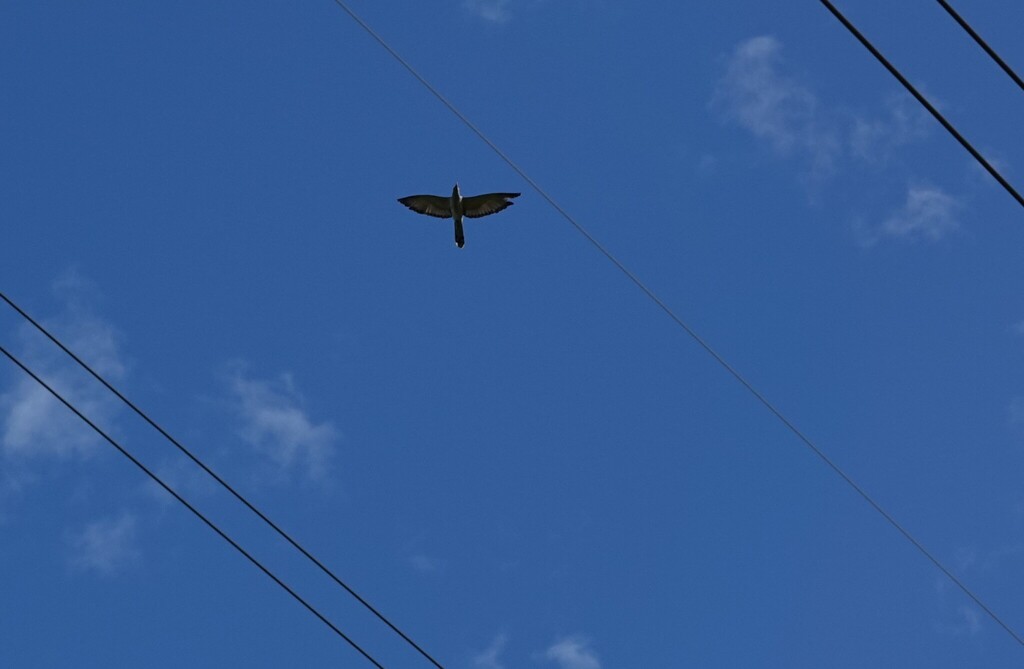
Seen a channel-billed cuckoo?
Share your photo on iNaturalist. Other naturalists help confirm it, and the record goes to GBIF, where scientists use it and where the maps on this page come from.
Put this species on your site
The card names every source and links back here.
<iframe src="https://4planetatlas.com/place/embed/species/channel-billed-cuckoo" title="Channel-billed cuckoo (Scythrops novaehollandiae), 4PLANET Species" width="100%" height="600" style="border:0;max-width:640px" loading="lazy"></iframe>
<p><a href="https://4species.com/channel-billed-cuckoo">Channel-billed cuckoo on 4PLANET Species</a></p>Explore next
What puts the channel-billed cuckoo under pressure, what helps, and who works on it.

Questions people ask
What does the channel-billed cuckoo eat?
The channel-billed cuckoo has been recorded eating 3 different kinds of animals and plants, most of them plants. The ones recorded most often are black mulberry and blush cudgerie; records include animals eaten as carrion. Source: GloBI.
Where does the channel-billed cuckoo live?
People have recorded it in 7 countries; the most records come from Australia, Indonesia, Papua New Guinea, Timor-Leste and Solomon Islands. Records show where people have seen it, not its full range.
When is the channel-billed cuckoo seen most?
In the southern hemisphere, the most records are made in October and the fewest in May. More people outdoors also means more records.
Sources and photo credits
- GBIF · Scythrops novaehollandiae, 90,596 human observations
- GloBI · recorded interactions of Scythrops novaehollandiae
- Wikidata · Channel-billed cuckoo (Q616692)
- Channel-billed cuckoo (Scythrops novaehollandiae): Adam Jackson, CC0
- Channel-billed cuckoo (Scythrops novaehollandiae), Central Coast NSW, Australia: ian_mcallan, CC BY 4.0
- Channel-billed cuckoo (Scythrops novaehollandiae), Wollongong NSW, Australia: Emily Langdon-Lassagne, CC0
- Channel-billed cuckoo (Scythrops novaehollandiae), Brisbane QLD, Australia: Patrick Connolly, CC BY 4.0
- Channel-billed cuckoo (Scythrops novaehollandiae), Sydney NSW, Australia: Tim, CC BY 4.0
- Channel-billed cuckoo (Scythrops novaehollandiae), Lake Eacham QLD 4884, Australia: Graham Winterflood, CC BY-SA 4.0
- Channel-billed cuckoo (Scythrops novaehollandiae), Coochin QLD 4310, Australia: Martin Rady, CC BY 4.0
- Channel-billed cuckoo (Scythrops novaehollandiae), Sydney NSW, Australia: ian_mcallan, CC BY 4.0
- Channel-billed cuckoo (Scythrops novaehollandiae), Brisbane QLD, Australia: Mark Clarke, CC BY 4.0
- Black mulberry: Josh, CC BY 4.0
- Blush cudgerie: Greg Tasney, CC BY-SA 4.0
Records show where people have seen and shared the channel-billed cuckoo, not its full range, and some countries and months are recorded far more than others. The food web lists interactions that studies have recorded somewhere in the world (GloBI), not everything it eats in one place.
Checked 2026-11-24.