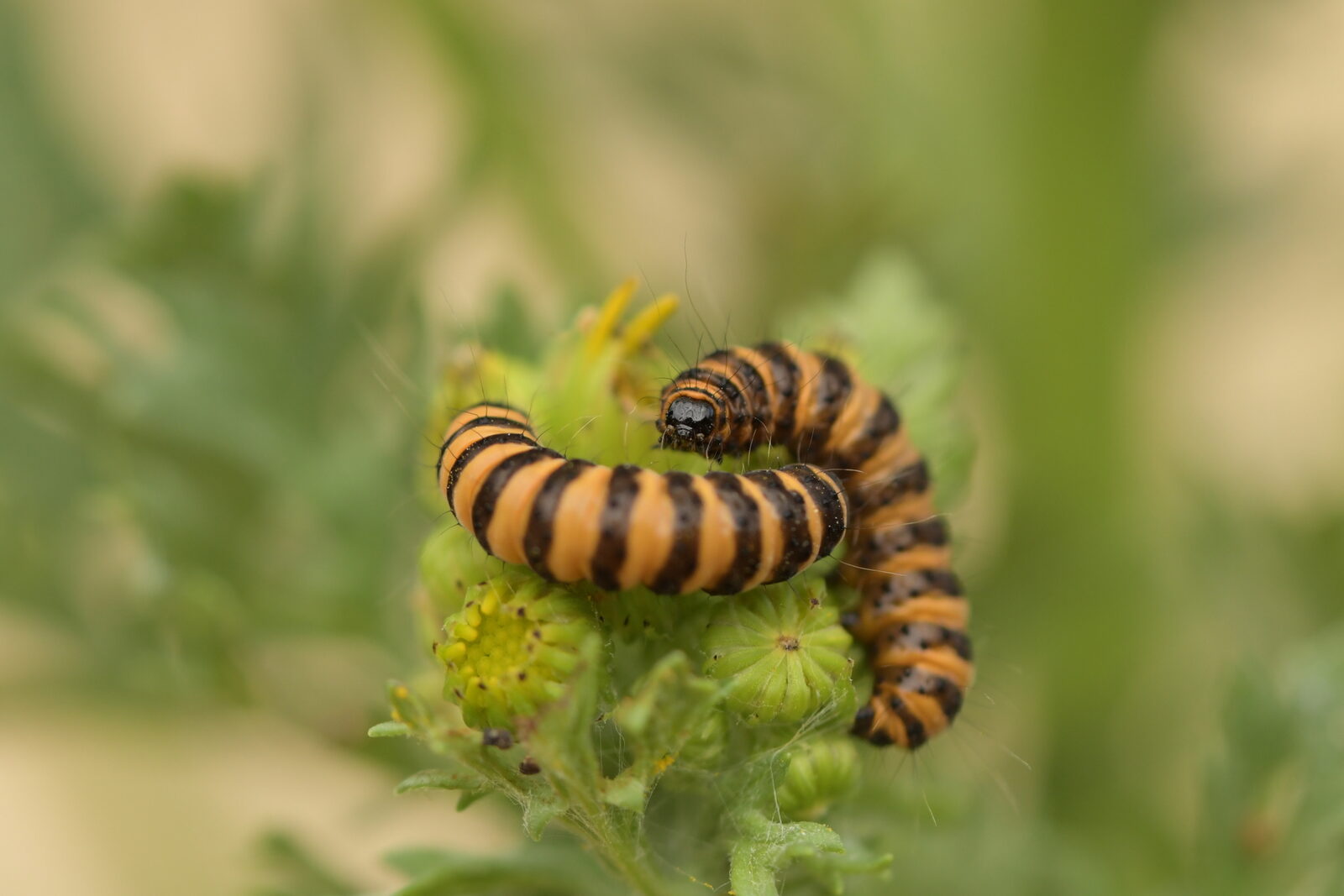
Cinnabar moth
Tyria jacobaeae
- Status
- IUCN Red List
- Eats
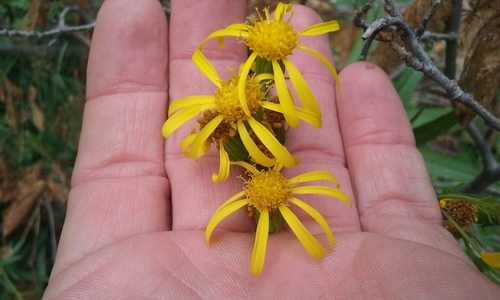
- common ragwort, arrowleaf ragwort, hop and 32 more
- Where
- 38 countries
On 4Planet Atlas it is among the wildlife people record most around Birmingham.
People have shared 31,970 records of the cinnabar moth with GBIF, from 38 countries, most of them from United Kingdom, United States and Germany. Records collected by GloBI show it eating 35 different kinds of animals and plants, and being eaten by 1.
What the cinnabar moth eats, and what eats it
Studies have recorded it eating 35 kinds of animals and plants, and 1 kinds of animals eating it. Tap any of them to follow the food chain.
- Plants 35
Cinnabar moth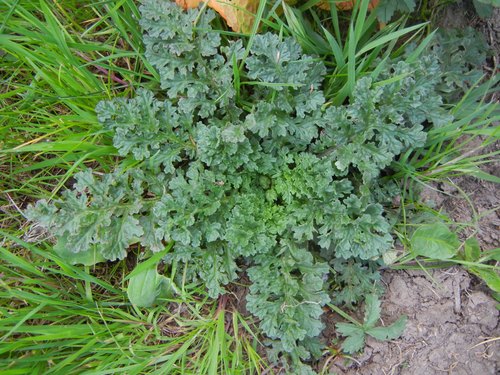
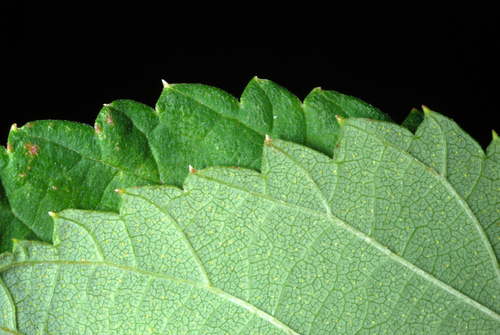
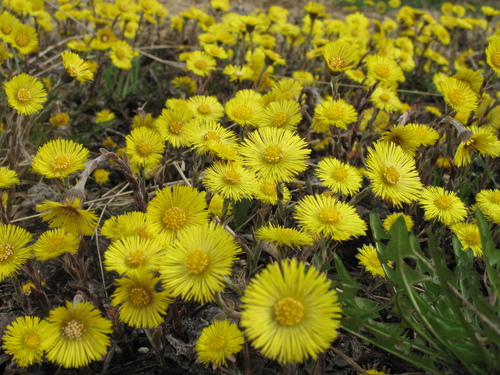
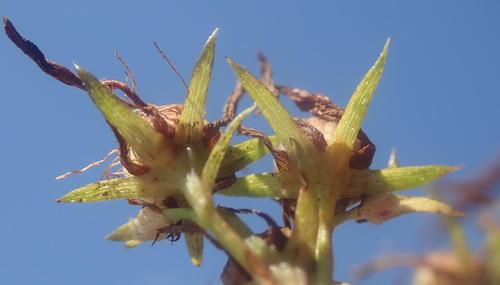
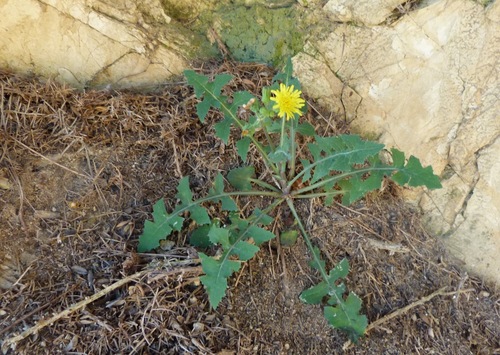
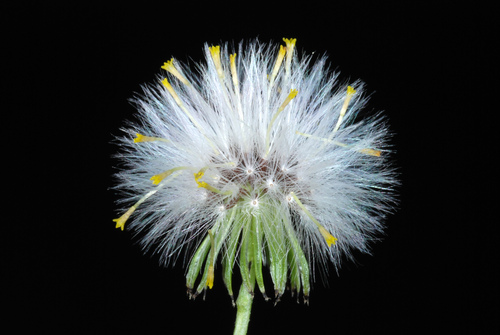
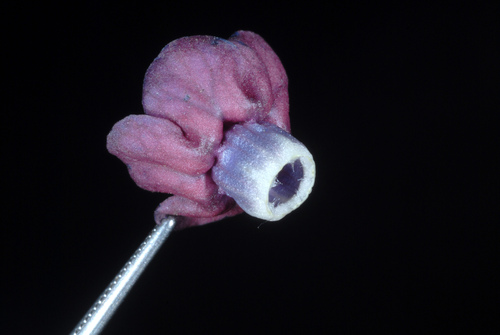
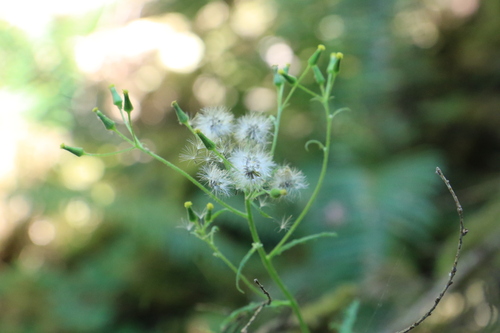

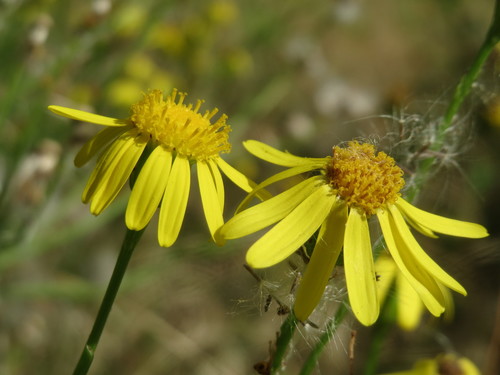
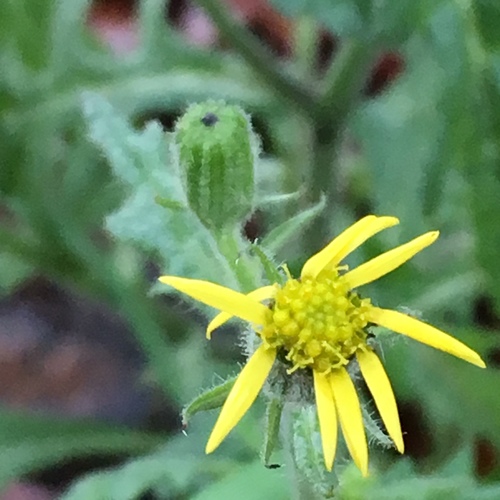
Records from studies worldwide, collected by GloBI. They include animals eaten as carrion, and they are not everything it eats in one place.
Where people see the cinnabar moth
People have shared 31,970 records from 38 countries.
Near a city: Birmingham.
Records show where people have seen it and shared it, not its full range. Country names open their page in Atlas.
When it is seen
Records per month in the northern hemisphere. More people outdoors also means more records.
Watch and listen
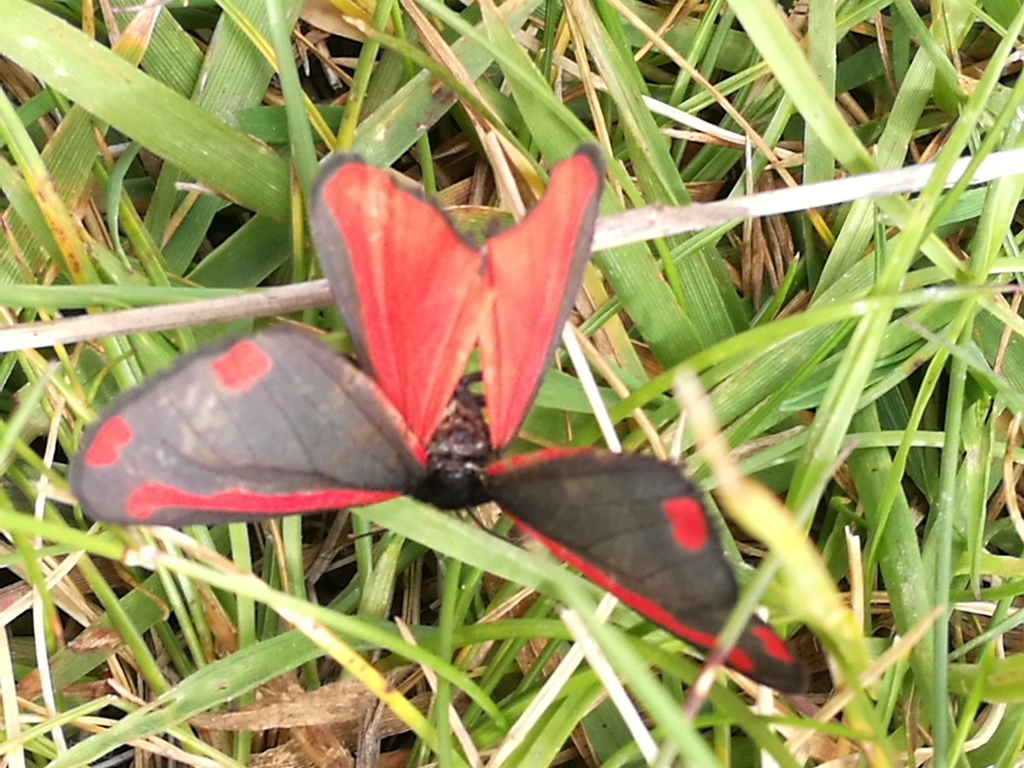
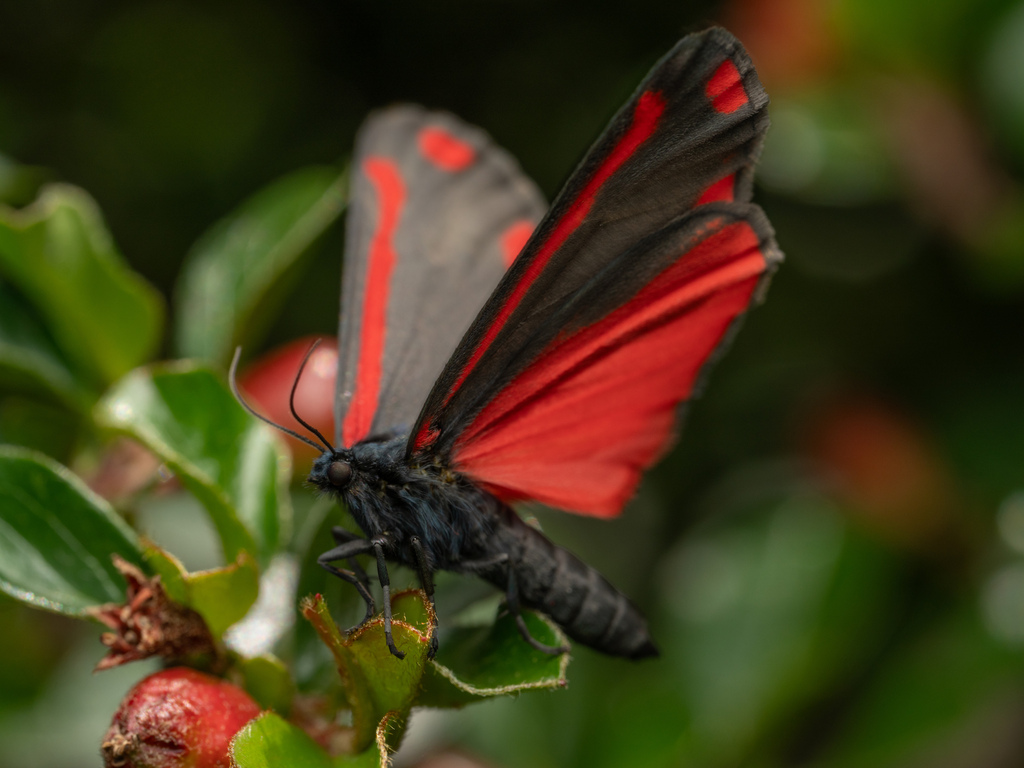
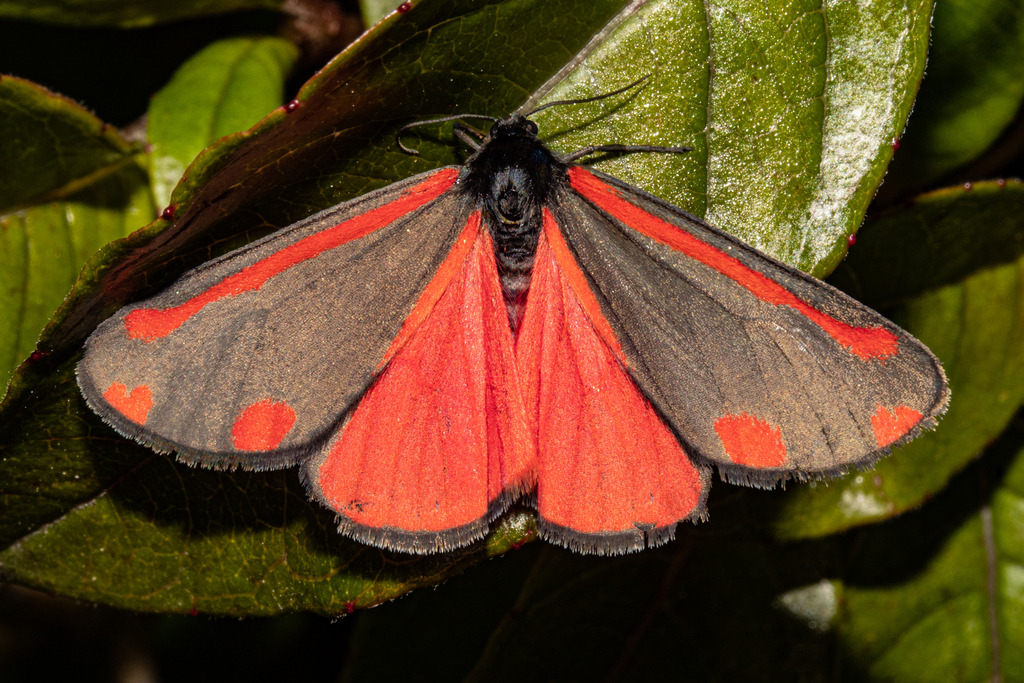
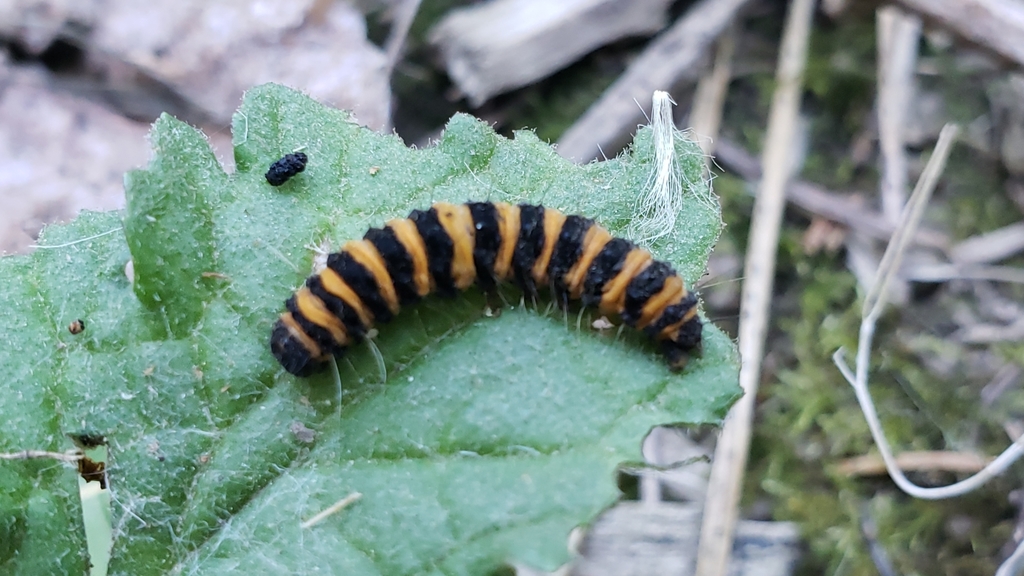
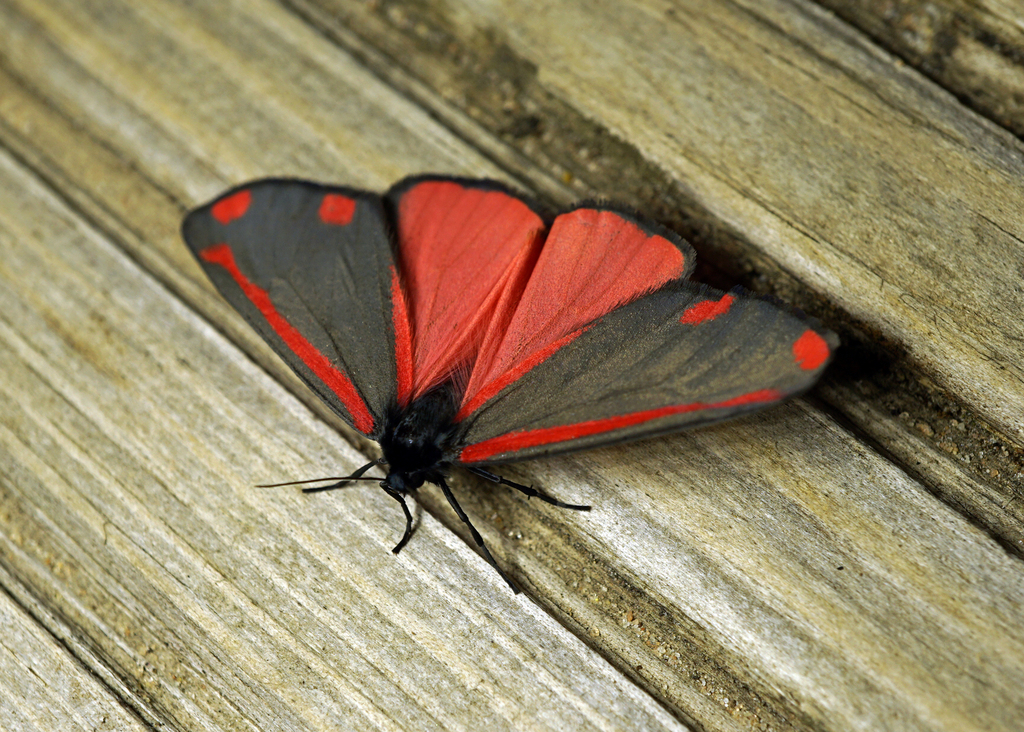
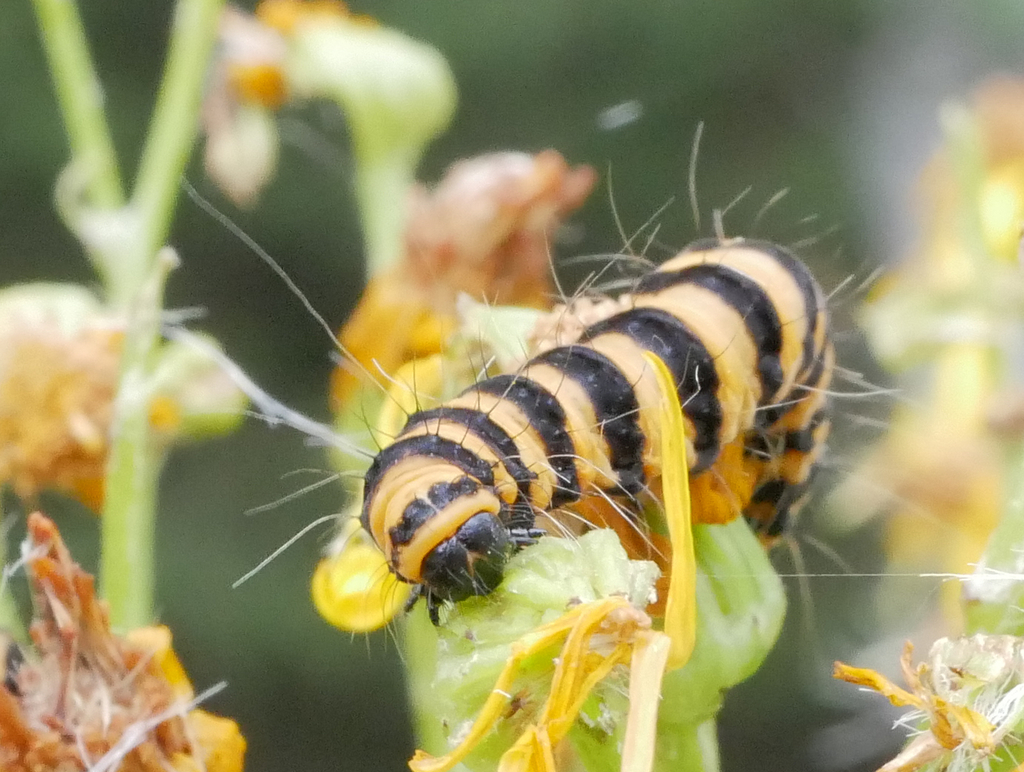
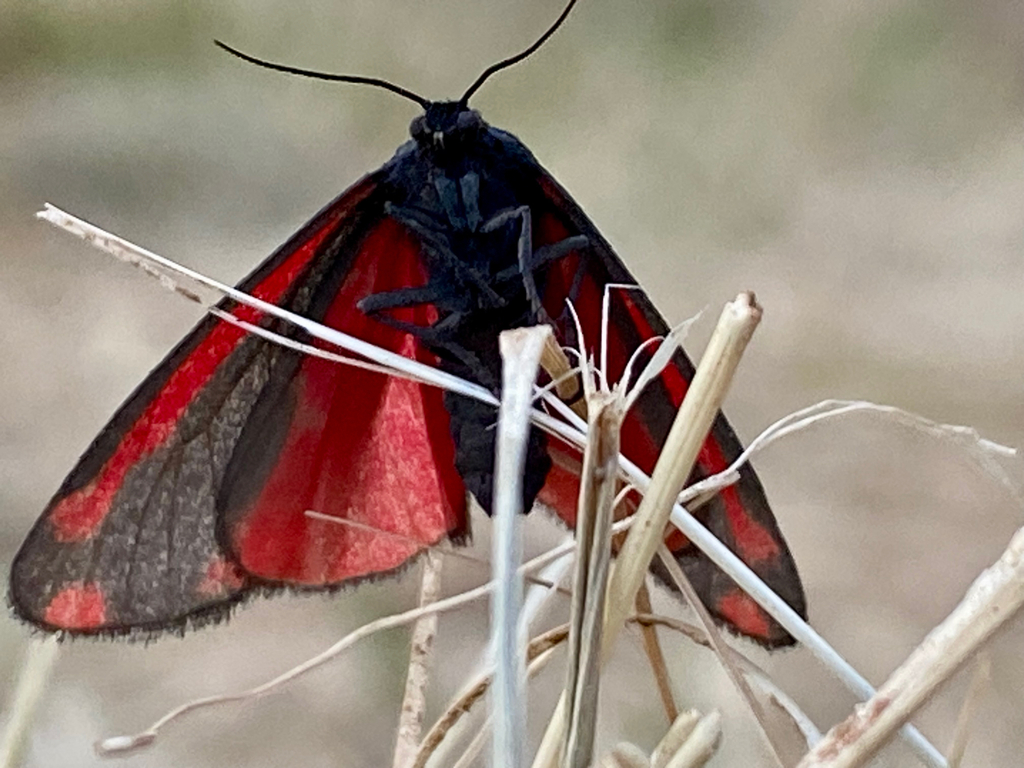
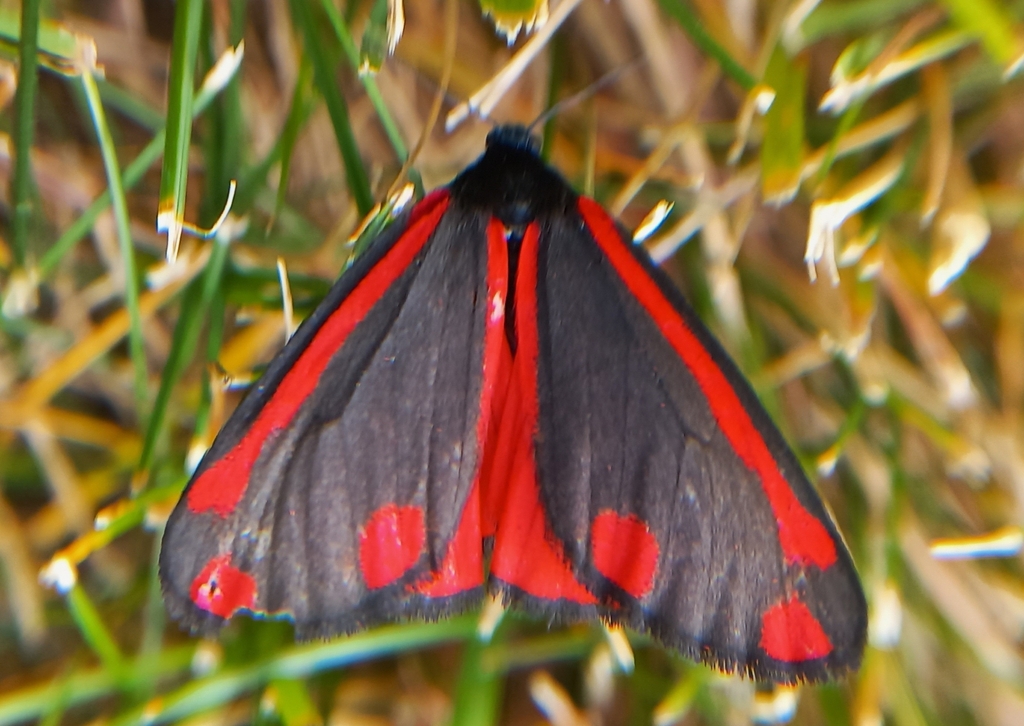
Seen a cinnabar moth?
Share your photo on iNaturalist. Other naturalists help confirm it, and the record goes to GBIF, where scientists use it and where the maps on this page come from.
Put this species on your site
The card names every source and links back here.
<iframe src="https://4planetatlas.com/place/embed/species/cinnabar-moth" title="Cinnabar moth (Tyria jacobaeae), 4PLANET Species" width="100%" height="600" style="border:0;max-width:640px" loading="lazy"></iframe>
<p><a href="https://4species.com/cinnabar-moth">Cinnabar moth on 4PLANET Species</a></p>Questions people ask
What does the cinnabar moth eat?
The cinnabar moth has been recorded eating 35 different kinds of animals and plants, most of them plants. The ones recorded most often are common ragwort, arrowleaf ragwort, hop, coltsfoot and klamath weed; records include animals eaten as carrion. Source: GloBI.
What eats the cinnabar moth?
Recorded predators include . Source: GloBI.
Where does the cinnabar moth live?
People have recorded it in 38 countries; the most records come from United Kingdom, United States, Germany, Netherlands and Denmark. Records show where people have seen it, not its full range.
When is the cinnabar moth seen most?
In the northern hemisphere, the most records are made in July and the fewest in February. More people outdoors also means more records.
Sources and photo credits
- GBIF · Tyria jacobaeae, 31,970 human observations
- GloBI · recorded interactions of Tyria jacobaeae
- Wikidata · Cinnabar moth (Q769234)
- Cinnabar moth (Tyria jacobaeae): Christopher Stephens, CC BY-SA 4.0
- Cinnabar moth (Tyria jacobaeae): Jenny Saito, CC BY 4.0
- Cinnabar moth (Tyria jacobaeae), Washougal, WA, USA: David F, CC BY 4.0
- Cinnabar moth (Tyria jacobaeae), Tasman District, Tasman, New Zealand: Carey_Knox_Southern_Scales, CC0
- Cinnabar moth (Tyria jacobaeae), Washington, US: Gavin Slater, CC BY 4.0
- Cinnabar moth (Tyria jacobaeae), Blaina, UK: Dave Hernon, CC BY 4.0
- Cinnabar moth (Tyria jacobaeae), 29640 Schneverdingen, Deutschland: Christian Kahle, CC0
- Cinnabar moth (Tyria jacobaeae), S Beavercreek Rd, Beavercreek, OR, US: Whitmore Pond, CC BY 4.0
- Cinnabar moth (Tyria jacobaeae), Lincoln 7608, New Zealand: Mark Fraser, CC0
- Common ragwort: Jon Mortin, CC BY 4.0
- Arrowleaf ragwort: rockybajada, CC0
- Hop: Douglas Goldman, CC BY-SA 4.0
- Coltsfoot: Ole Husby, CC BY-SA 4.0
- Klamath weed: Thomas Gyselinck, CC BY 4.0
- Common sowthistle: Colin Meurk, CC BY-SA 4.0
- Common groundsel: Douglas Goldman, CC BY-SA 4.0
- Hound's-tongue: Douglas Goldman, CC BY-SA 4.0
- Woodland ragwort: no rights reserved, uploaded by Sean Haight, CC0
- Silver ragwort: Jim Evans, CC BY-SA 4.0
- Narrow-leaved ragwort: Andreas Rockstein, CC BY-SA 4.0
- Sticky groundsel: Harry Podschwit, CC BY 4.0
Records show where people have seen and shared the cinnabar moth, not its full range, and some countries and months are recorded far more than others. The food web lists interactions that studies have recorded somewhere in the world (GloBI), not everything it eats in one place.
Checked 2026-11-27.