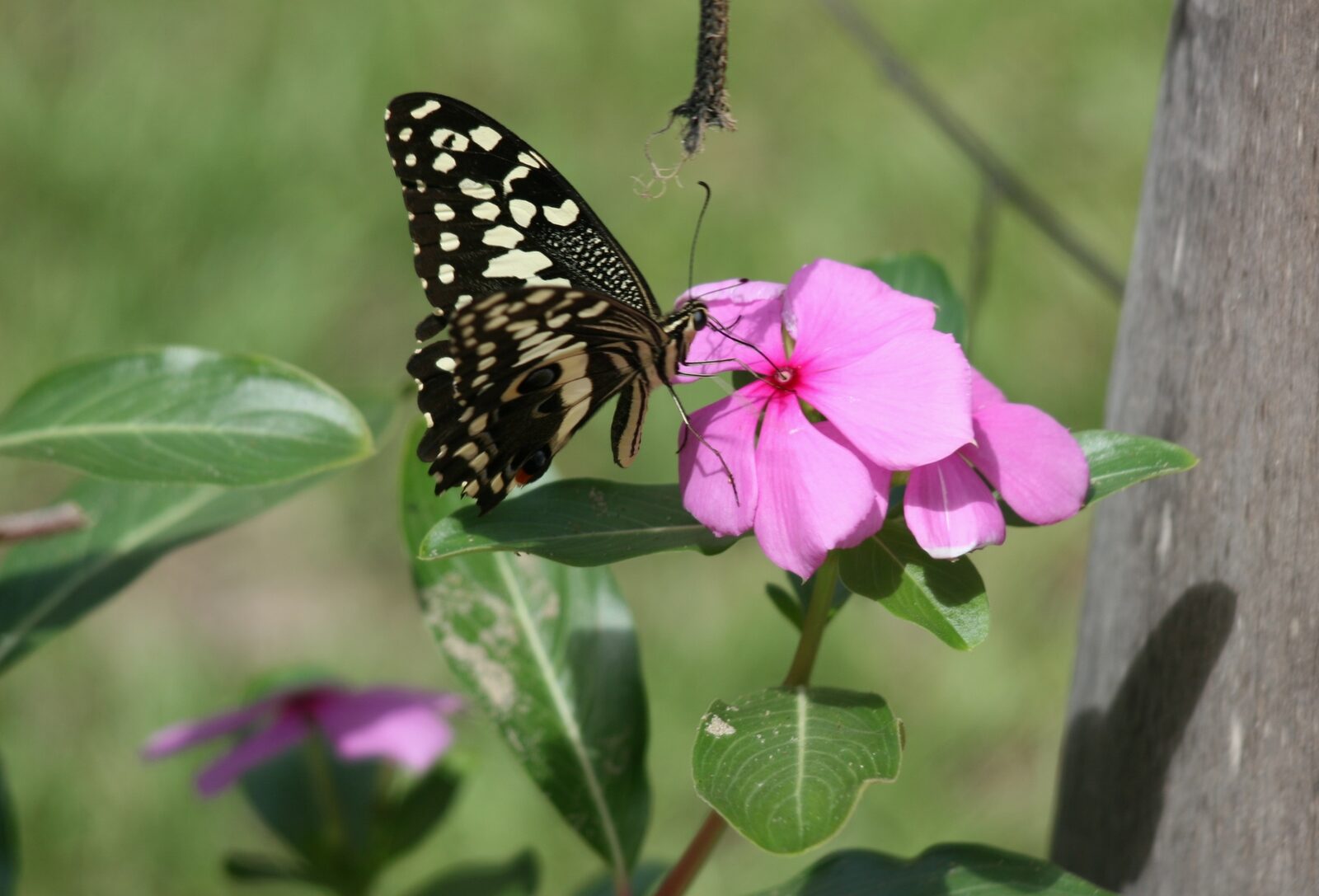
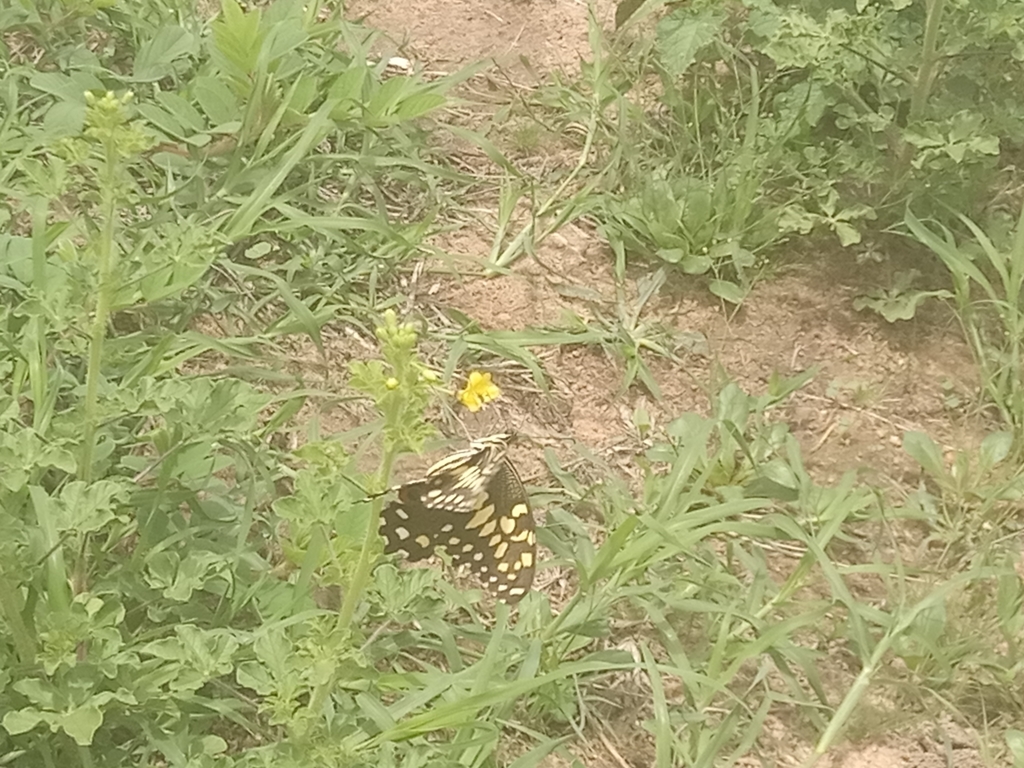
Citrus swallowtail
Papilio demodocus
- Status
- Least Concern IUCN Red List
- Eats
- fennel, common jujube, common lantana and 17 more
- Where
- 49 countries · kilimanjaro National Park
On 4Planet Atlas it is among the wildlife people record most around Antananarivo, Bamako and Bangui, and 9 more of the cities we cover.
People have shared 6,460 records of the citrus swallowtail with GBIF, from 49 countries, most of them from South Africa, Kenya and Tanzania. Records collected by GloBI show it eating 20 different kinds of animals and plants.
Habitats
What the citrus swallowtail eats, and what eats it
Studies have recorded it eating 20 kinds of animals and plants. Tap any of them to follow the food chain.
- Plants 20
Citrus swallowtail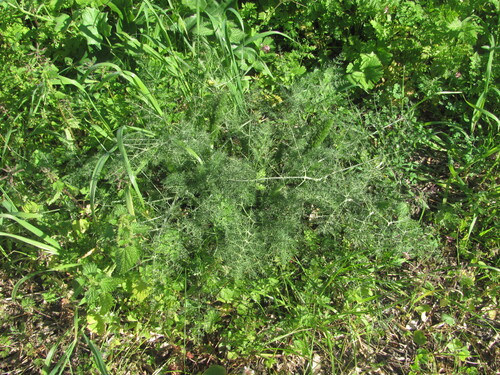
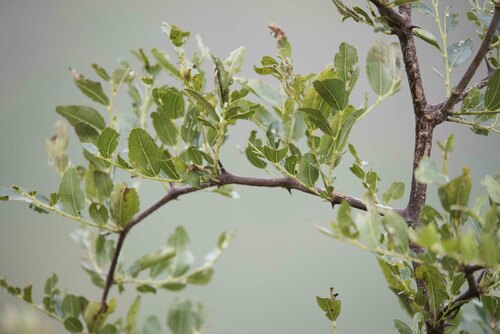
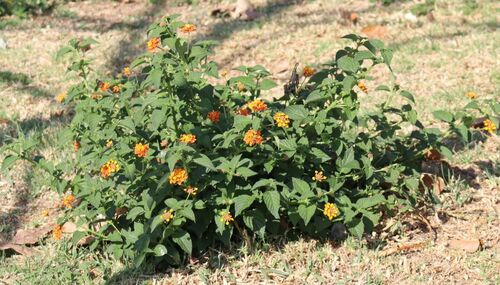
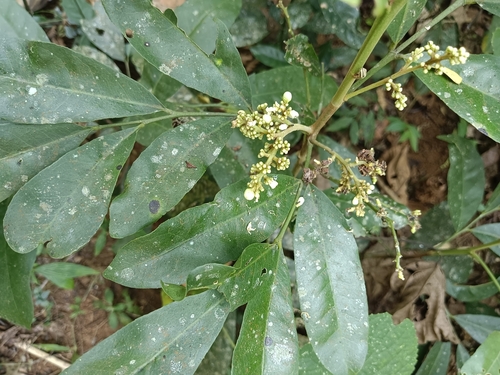
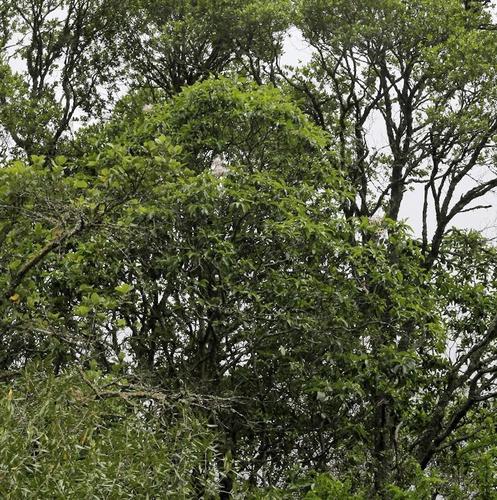
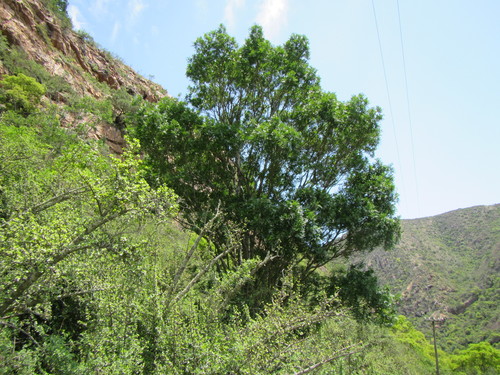
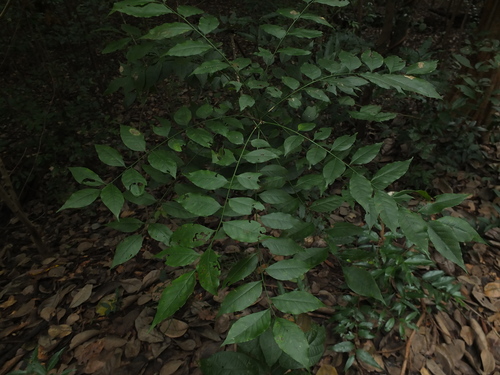
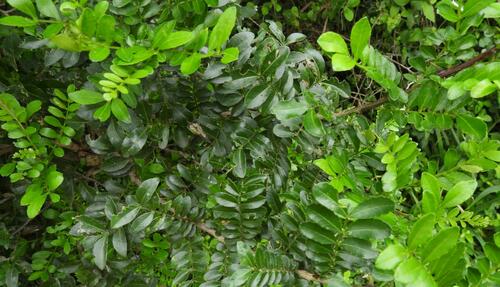
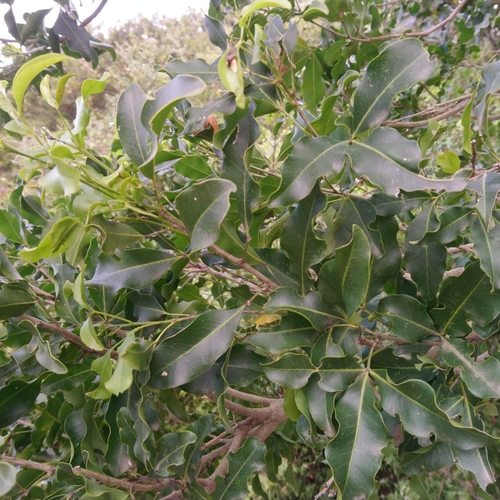

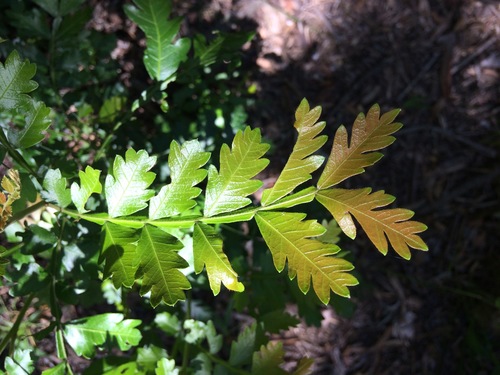
Records from studies worldwide, collected by GloBI. They include animals eaten as carrion, and they are not everything it eats in one place.
Where people see the citrus swallowtail
People have shared 6,460 records from 49 countries.
Near a city: Antananarivo, Bamako, Bangui, Dodoma, Khartoum, Luanda, Moroni, N'Djamena, Porto-Novo, Praia, São Tomé, Yamoussoukro.
Records show where people have seen it and shared it, not its full range. Country names open their page in Atlas.
When it is seen
Records per month in the southern hemisphere. More people outdoors also means more records.
Watch and listen
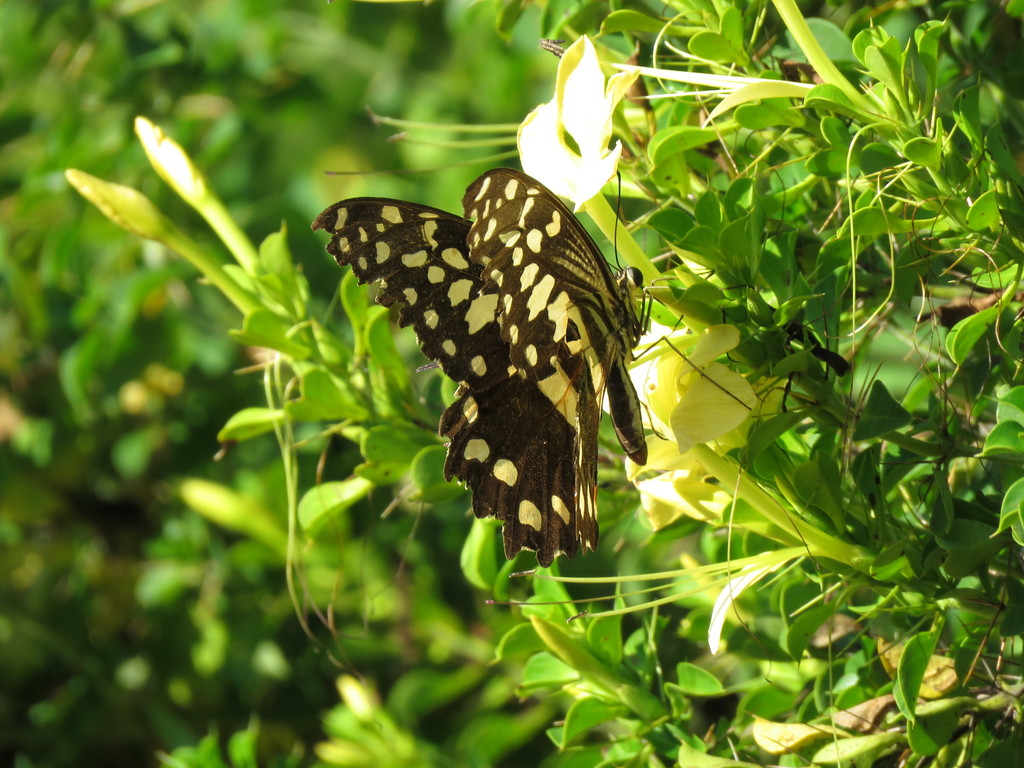
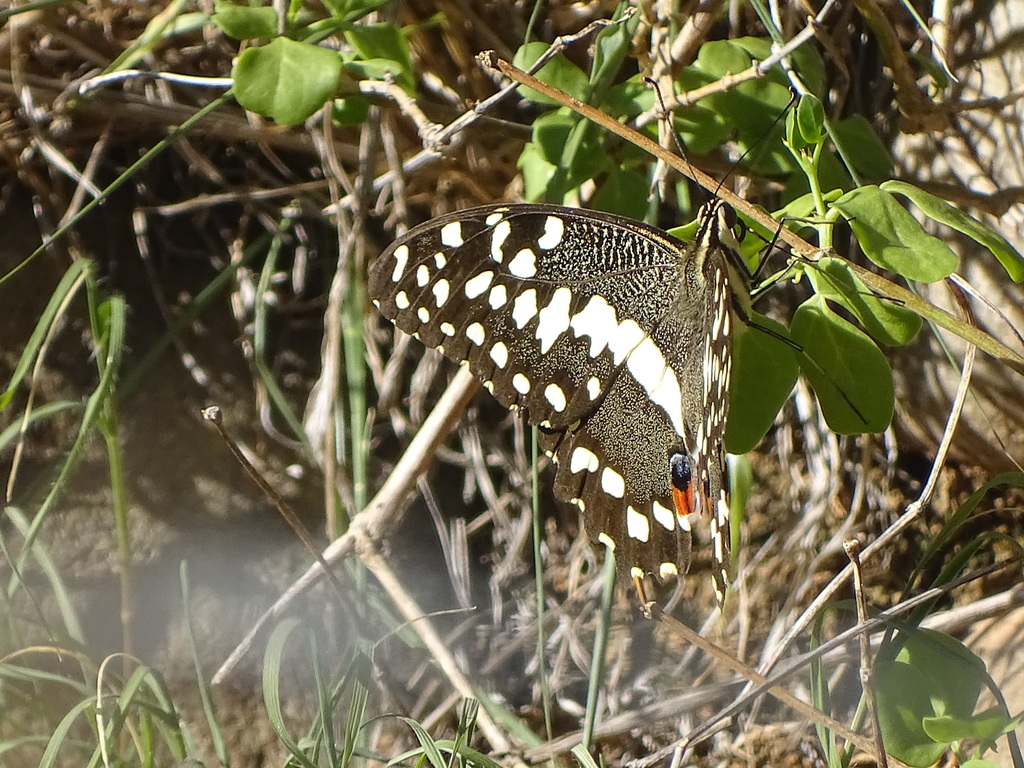
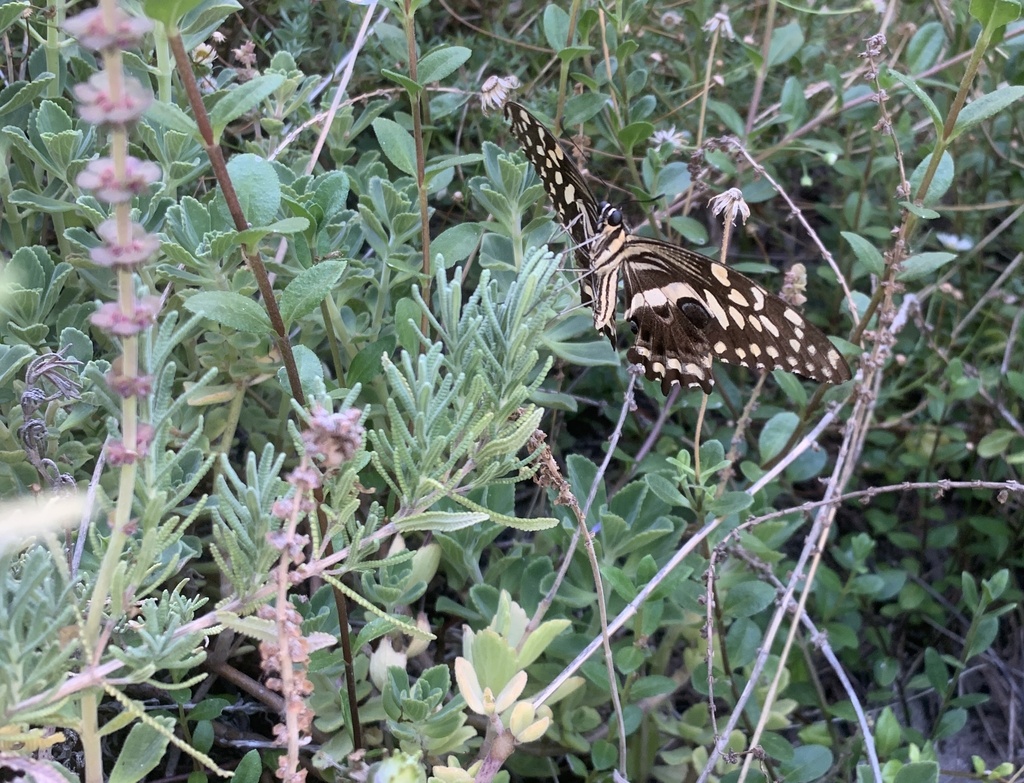
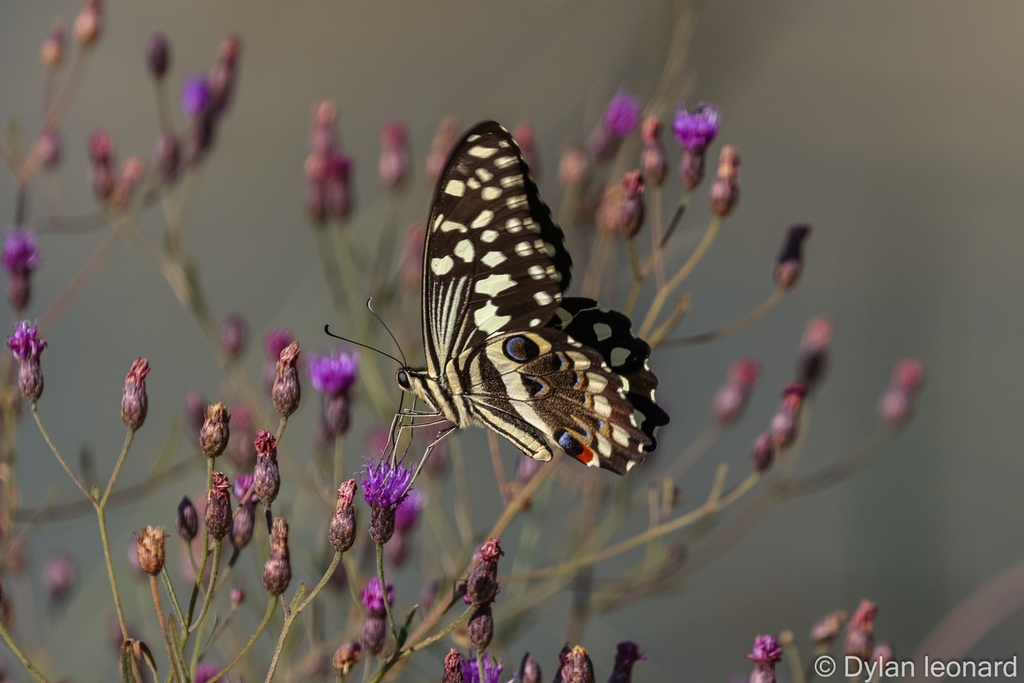
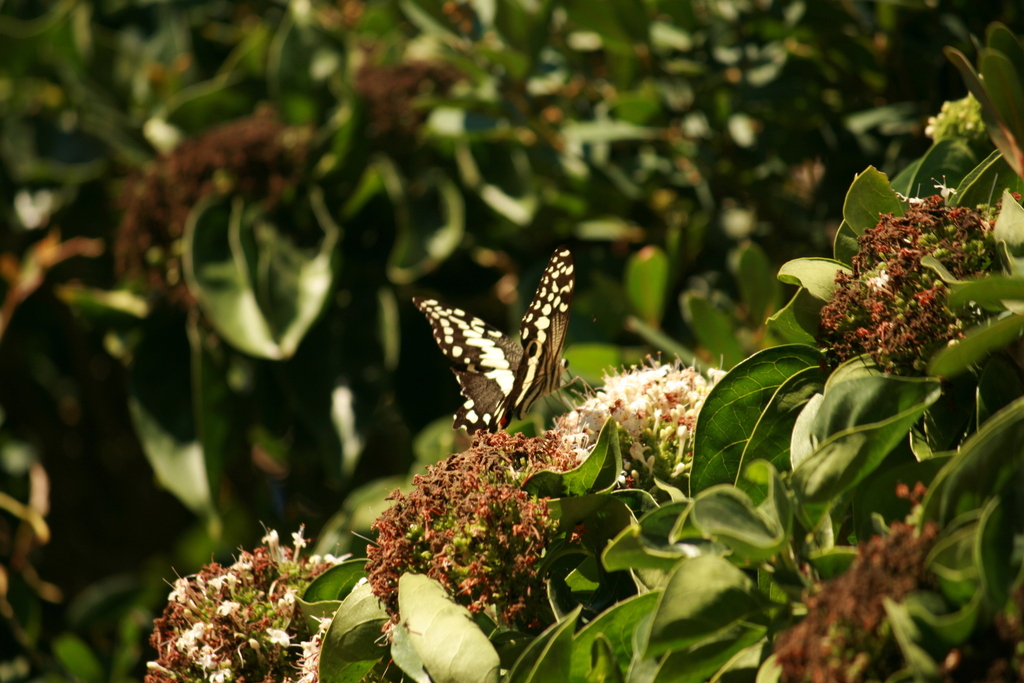
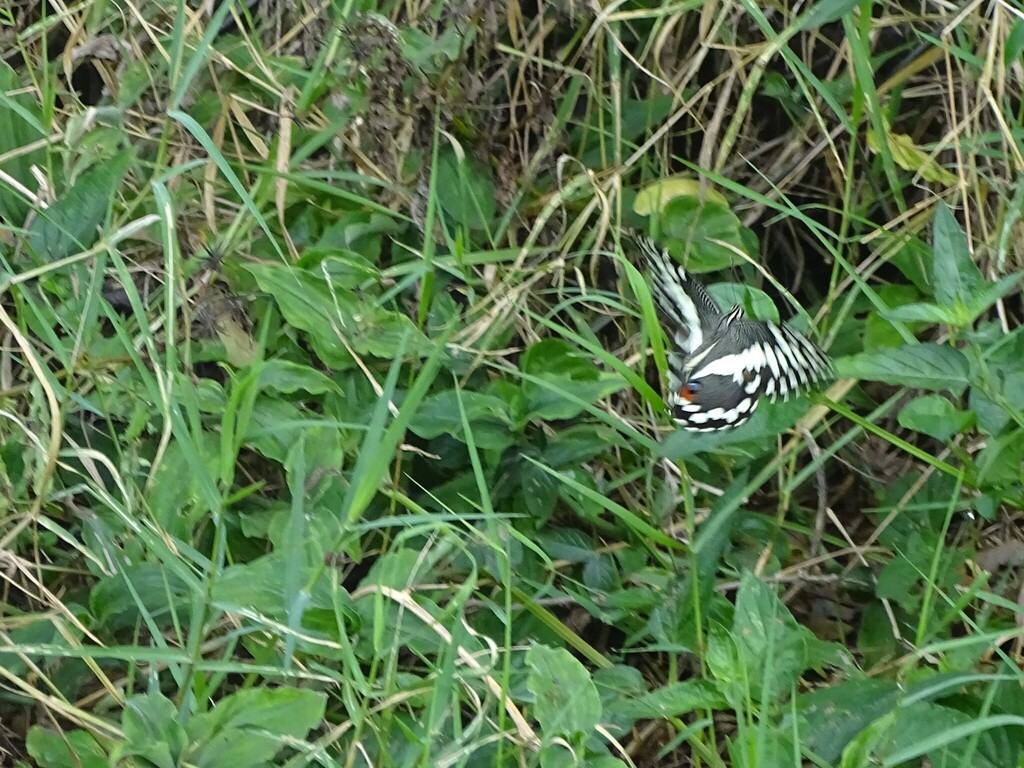
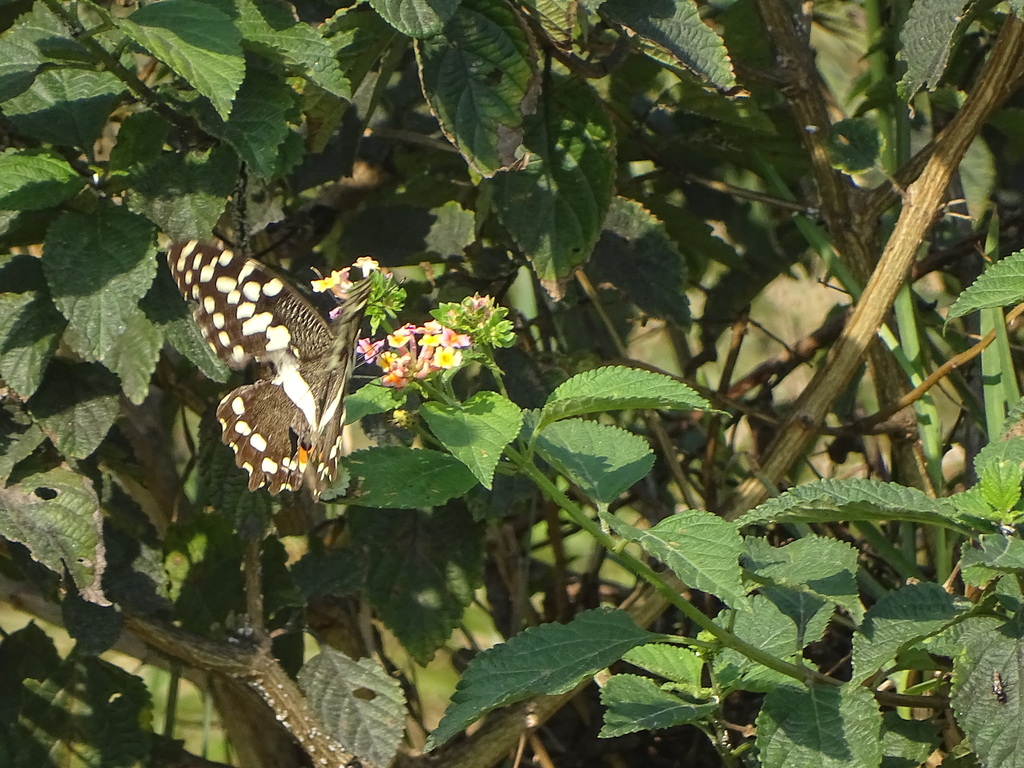
Its closest relatives
The other species of the genus Papilio.

Seen a citrus swallowtail?
Share your photo on iNaturalist. Other naturalists help confirm it, and the record goes to GBIF, where scientists use it and where the maps on this page come from.
Put this species on your site
The card names every source and links back here.
<iframe src="https://4planetatlas.com/place/embed/species/citrus-swallowtail" title="Citrus swallowtail (Papilio demodocus), 4PLANET Species" width="100%" height="600" style="border:0;max-width:640px" loading="lazy"></iframe>
<p><a href="https://4species.com/citrus-swallowtail">Citrus swallowtail on 4PLANET Species</a></p>Questions people ask
What does the citrus swallowtail eat?
The citrus swallowtail has been recorded eating 20 different kinds of animals and plants, most of them plants. The ones recorded most often are fennel, common jujube, common lantana, glycosmis pentaphylla and cape-chestnut; records include animals eaten as carrion. Source: GloBI.
Where does the citrus swallowtail live?
People have recorded it in 49 countries; the most records come from South Africa, Kenya, Tanzania, Madagascar and Benin. Records show where people have seen it, not its full range.
When is the citrus swallowtail seen most?
In the southern hemisphere, the most records are made in April and the fewest in June. More people outdoors also means more records.
What are the citrus swallowtail's closest relatives?
It shares the genus Papilio with peacock swallowtail.
Sources and photo credits
- GBIF · Papilio demodocus, 6,460 human observations
- GloBI · recorded interactions of Papilio demodocus
- Wikidata · Citrus swallowtail (Q133397)
- Citrus swallowtail (Papilio demodocus): Lucy Keith-Diagne, CC BY 4.0
- Citrus swallowtail (Papilio demodocus), Oworo, Nigeria: Lucky Atabo, CC BY 4.0
- Citrus swallowtail (Papilio demodocus), Kruger National Park, Ehlanzeni, Mpumalanga, South Africa: Gonzalo Roget, CC BY 4.0
- Citrus swallowtail (Papilio demodocus), Sarah Baartman District Municipality, South Africa: Shaun Swanepoel, CC BY 4.0
- Citrus swallowtail (Papilio demodocus), Riesling, Stellenbosch, Western Cape, ZA: Dave Richardson, CC BY 4.0
- Citrus swallowtail (Papilio demodocus), uPhongolo Local Municipality, South Africa: Dylan Leonard, CC BY-SA 4.0
- Citrus swallowtail (Papilio demodocus), Engwenyeni, South Africa: JR Ferrer-Paris, CC BY 4.0
- Citrus swallowtail (Papilio demodocus), Arboretum, Richards Bay, 3900, South Africa: Shaun Swanepoel, CC BY 4.0
- Citrus swallowtail (Papilio demodocus), Uthungulu, KwaZulu-Natal, South Africa: Shaun Swanepoel, CC BY 4.0
- Fennel: zebedeugalinha, CC BY 4.0
- Common jujube: Zinogre, CC BY-SA 4.0
- Common lantana: no rights reserved, uploaded by Dave Brown, CC0
- Glycosmis pentaphylla: renjus box, CC BY 4.0
- Cape-chestnut: Wynand Uys, CC BY 4.0
- Sneezewood: douglaseustonbrown, CC BY-SA 4.0
- Horsewood: Siddarth Machado, CC BY 4.0
- Zanthoxylum capense: Henry de Lange, CC BY 4.0
- Bois patte poule piquant: Henry de Lange, CC BY 4.0
- Mexican orange: M a n u e l, CC BY-SA 4.0
- Bastard horsewood: Andrew Gillespie, CC BY 4.0
- Peacock swallowtail: Cheongweei Gan, CC BY 4.0
Records show where people have seen and shared the citrus swallowtail, not its full range, and some countries and months are recorded far more than others. The food web lists interactions that studies have recorded somewhere in the world (GloBI), not everything it eats in one place.
Checked 2026-11-22.