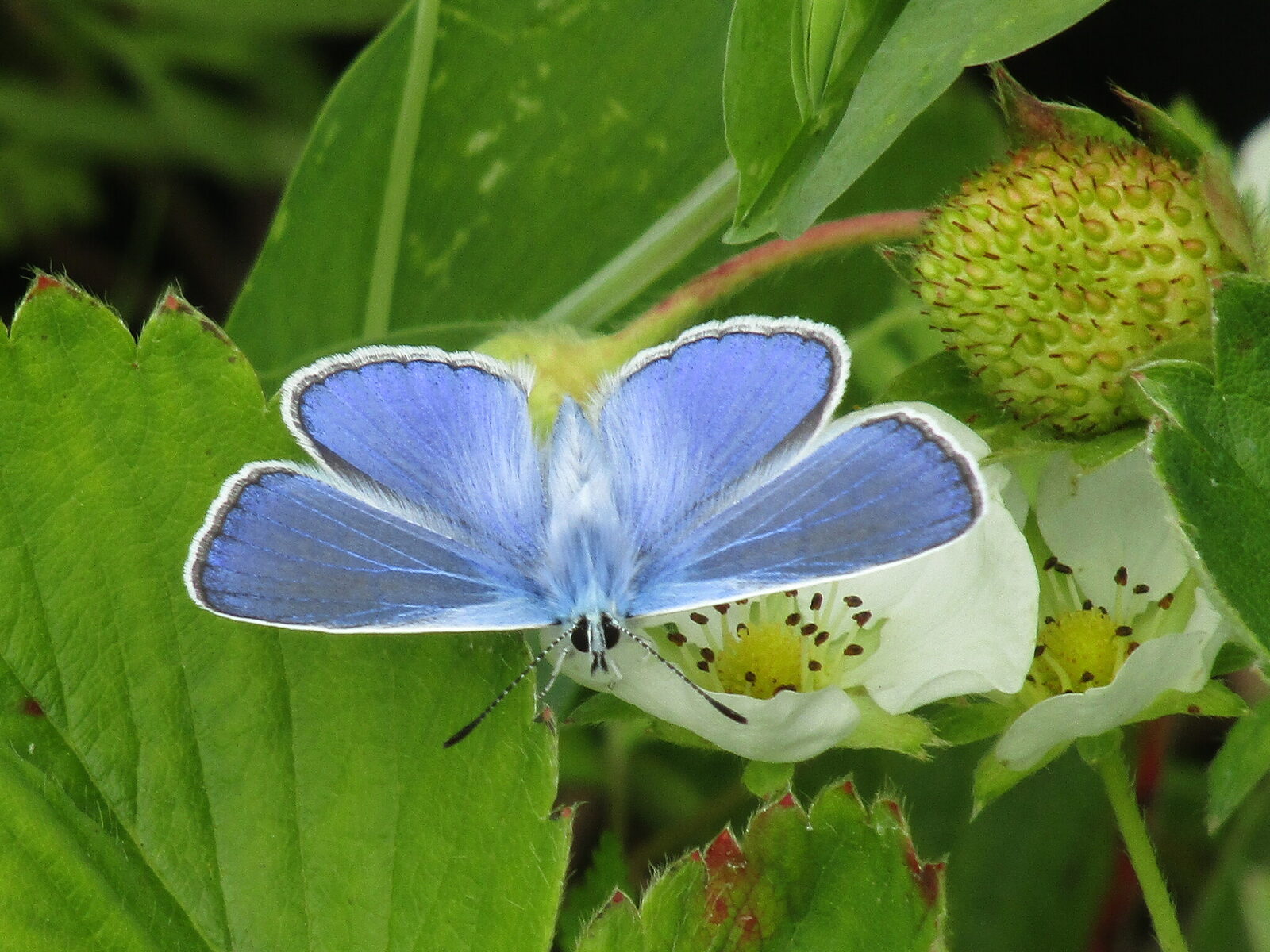
Common blue
Polyommatus icarus
The male is bright violet-blue; the female is mostly brown with orange spots.
- Status
- IUCN Red List
- Eats
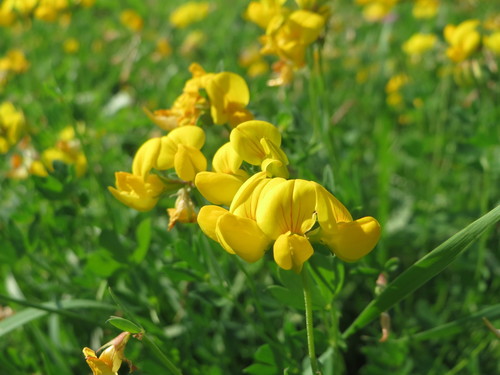
- Bird's-foot trefoil, white pea, wild liquorice and 175 more
- Eaten by
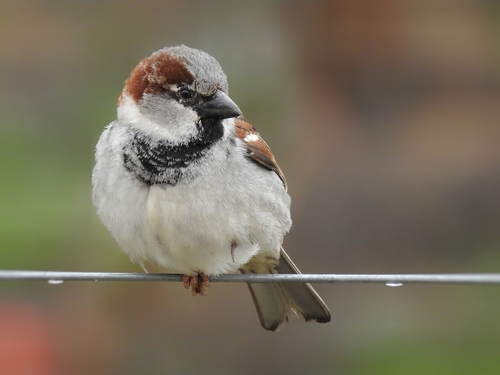
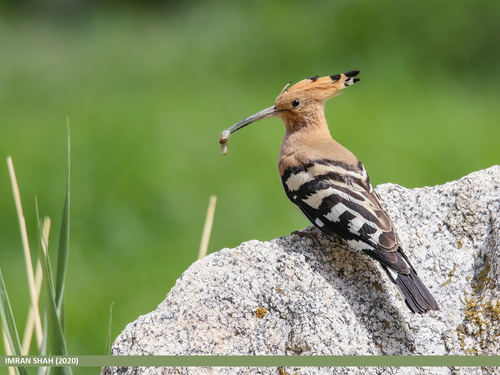
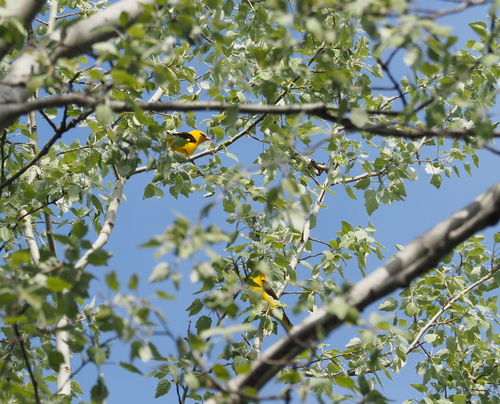
- house sparrow, Eurasian magpie, Eurasian hoopoe
- Where
- 61 countries
On 4Planet Atlas it is among the wildlife people record most around Amsterdam, Andorra la Vella and Berlin, and 16 more of the cities we cover.
People have shared 87,188 records of the common blue with GBIF, from 61 countries, most of them from United Kingdom, Germany and Canada. Records collected by GloBI show it eating 178 different kinds of animals and plants, and being eaten by 94.
What the common blue eats, and what eats it
Studies have recorded it eating 178 kinds of animals and plants, and 94 kinds of animals eating it. Tap any of them to follow the food chain.
- Plants 176
Eaten by
 Common blue
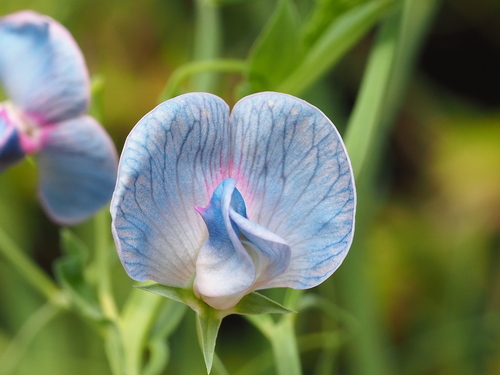
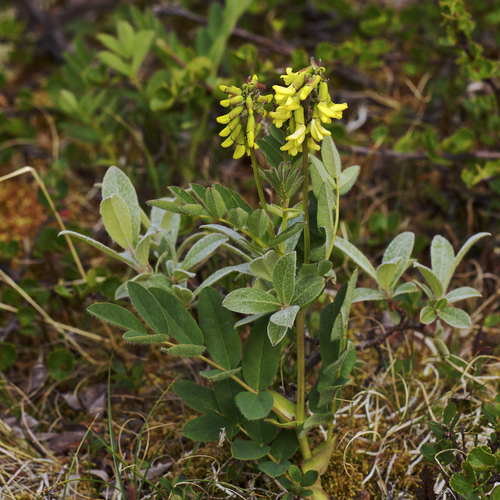
Records from studies worldwide, collected by GloBI. They include animals eaten as carrion, and they are not everything it eats in one place.
Where people see the common blue
People have shared 87,188 records from 61 countries.
Near a city: Amsterdam, Andorra la Vella, Berlin, Bern, Brussels, Budapest, Dublin, Ljubljana, London, Luxembourg City, Moscow, Paris, Prague, Skopje, Sofia, Tirana, Vienna, Vilnius, Warsaw.
Records show where people have seen it and shared it, not its full range. Country names open their page in Atlas.
When it is seen
Records per month in the northern hemisphere. More people outdoors also means more records.
Watch and listen
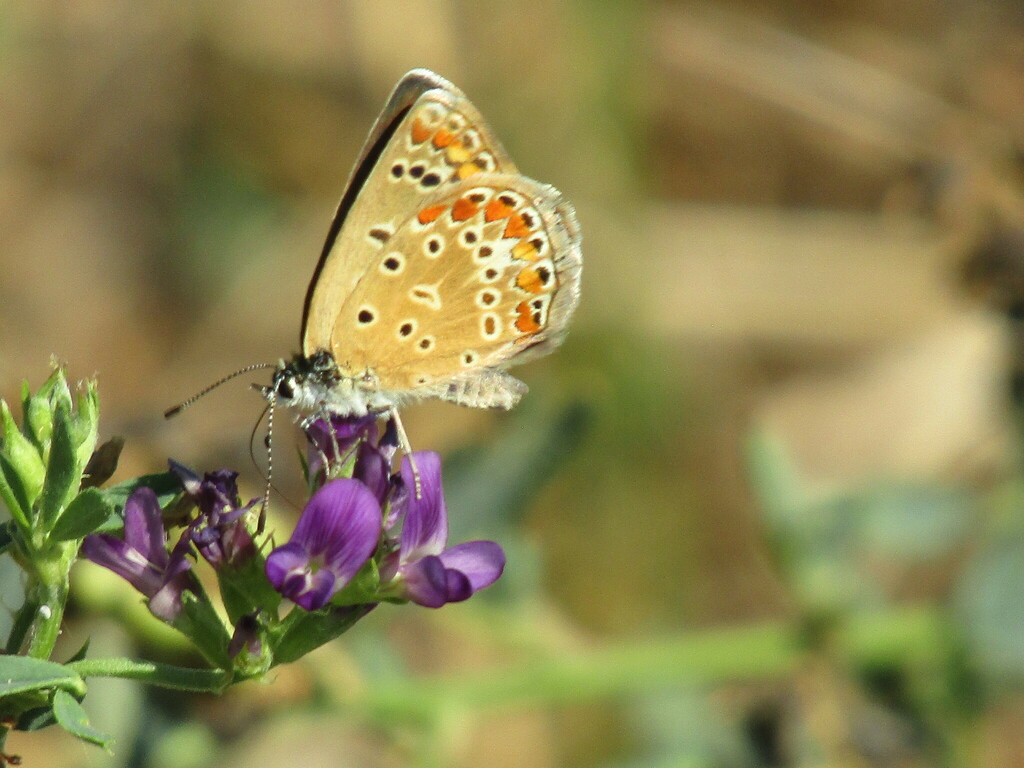
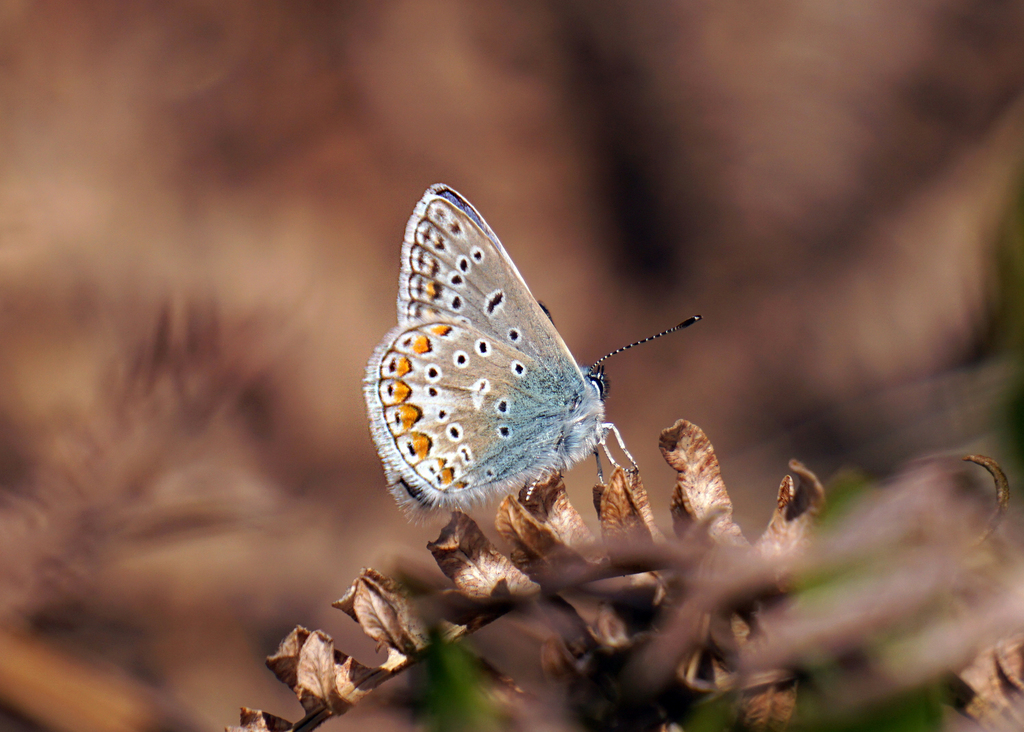
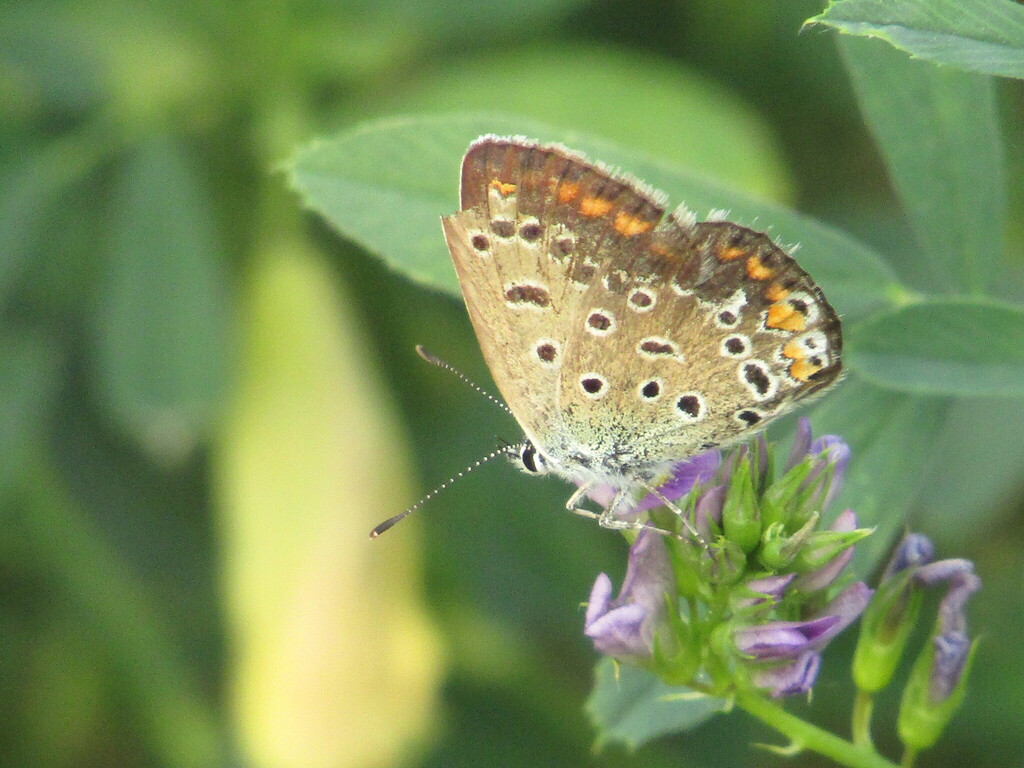
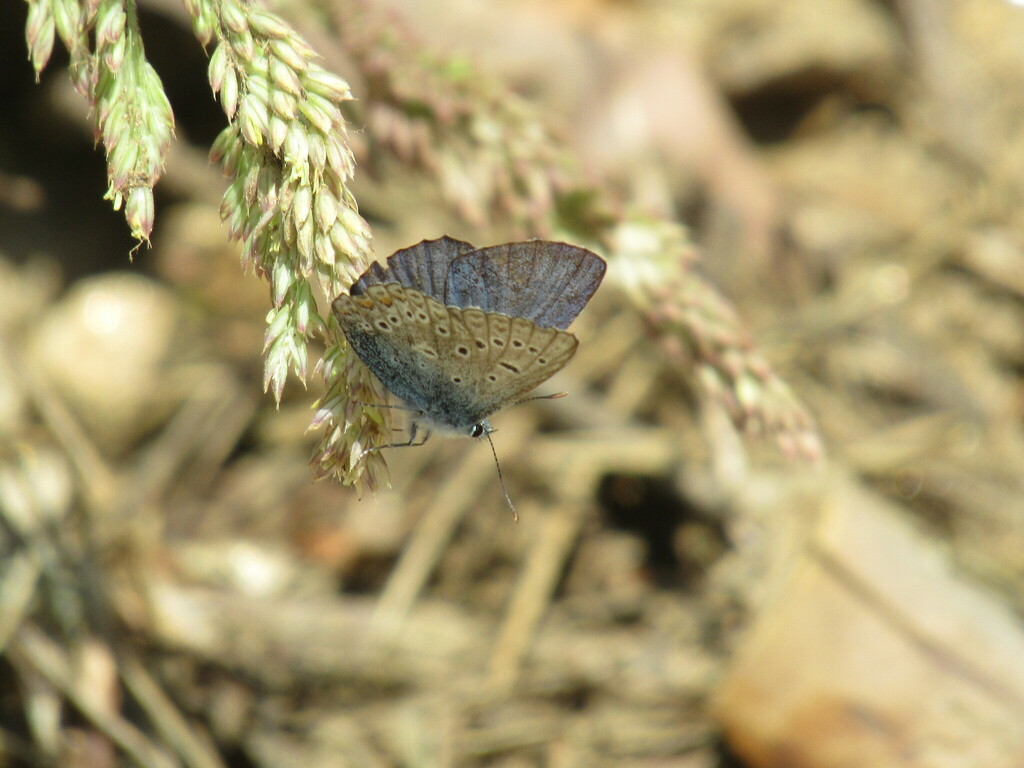
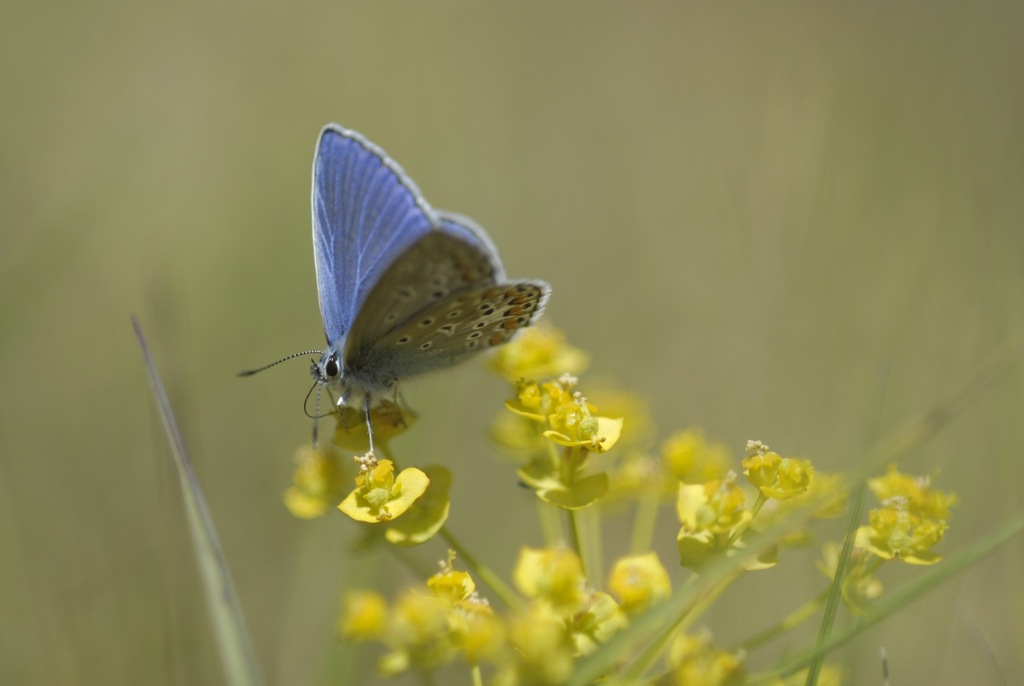
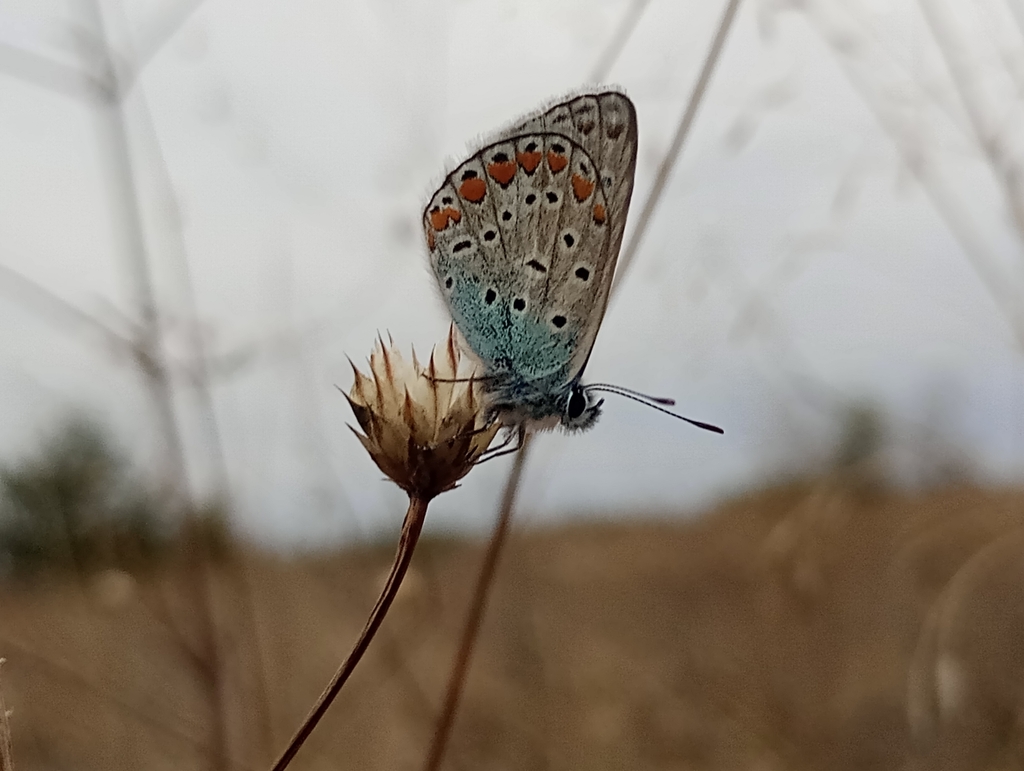
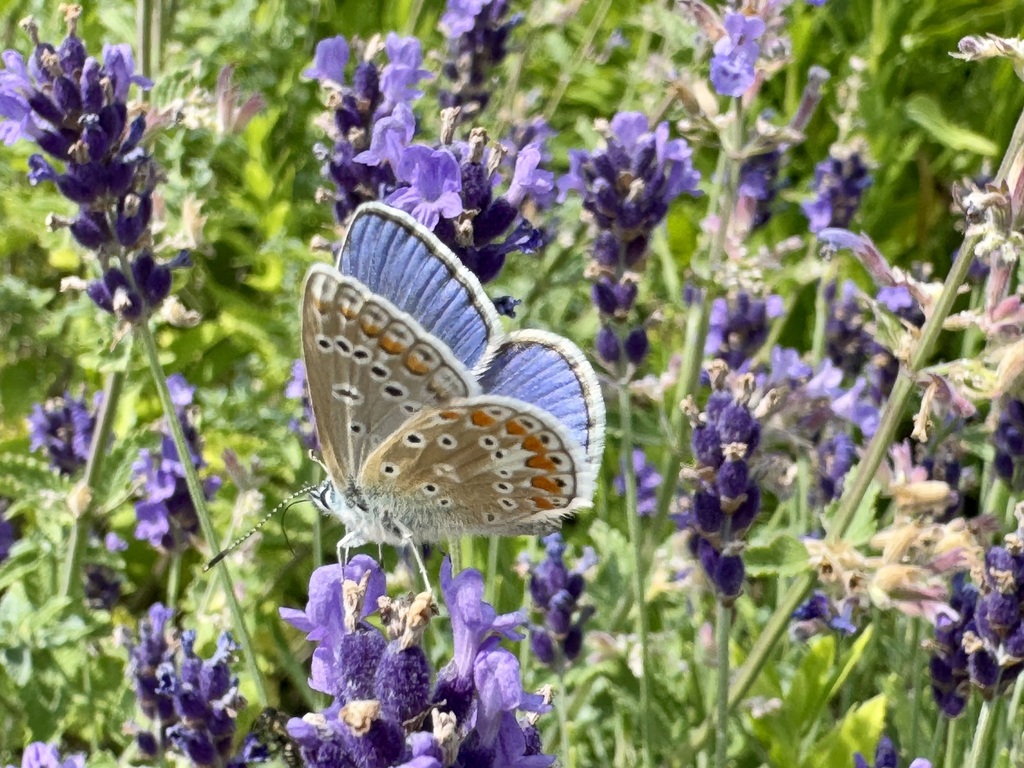
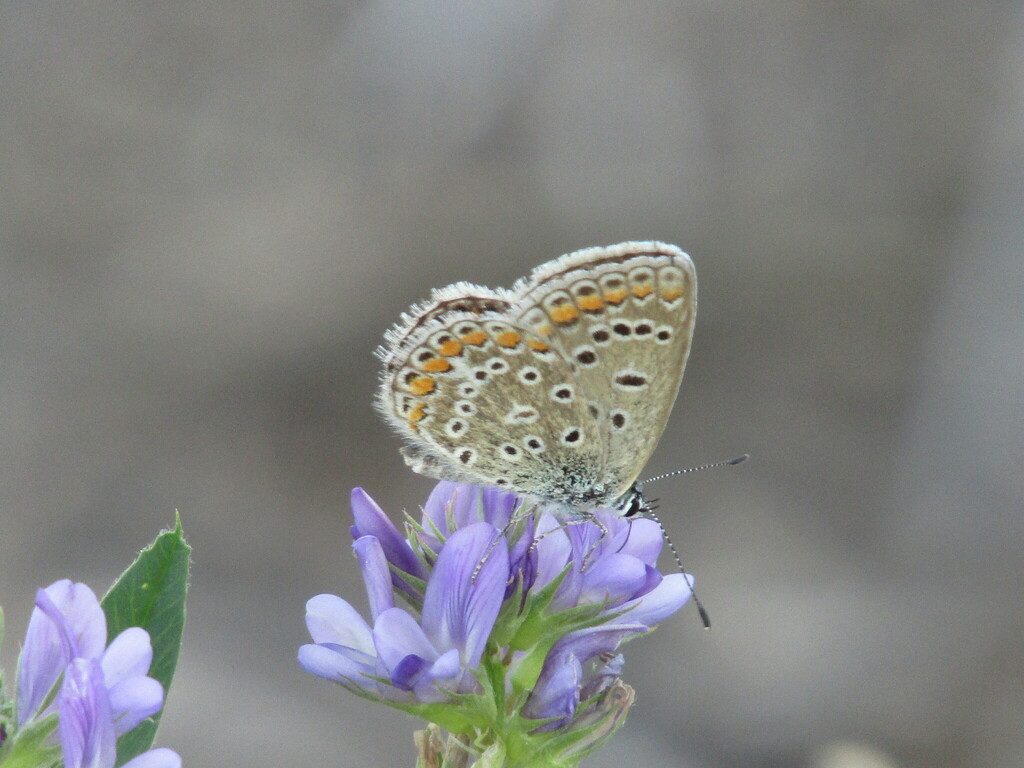
Seen a common blue?
Share your photo on iNaturalist. Other naturalists help confirm it, and the record goes to GBIF, where scientists use it and where the maps on this page come from.
Questions people ask
What does the common blue eat?
The common blue has been recorded eating 178 different kinds of animals and plants, most of them plants. The ones recorded most often are bird's-foot trefoil, white pea, wild liquorice, chickpea milkvetch and purple milk-vetch; records include animals eaten as carrion. Source: GloBI.
What eats the common blue?
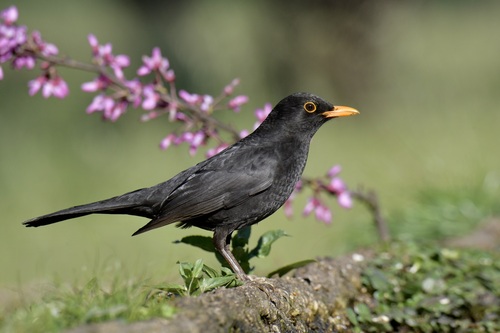
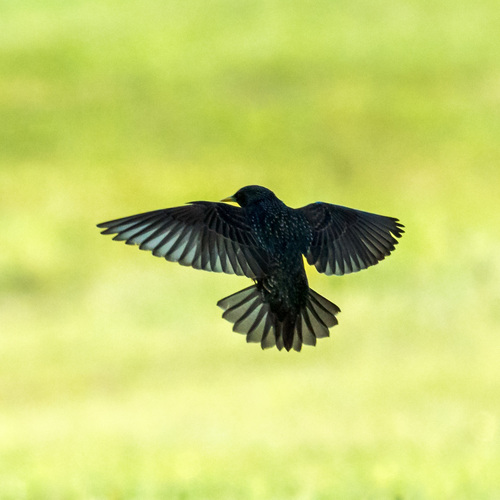
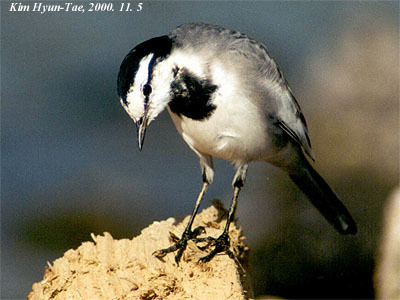
Recorded predators include house sparrow, eurasian magpie, eurasian hoopoe, common blackbird and eurasian golden oriole. Source: GloBI.
Where does the common blue live?
People have recorded it in 61 countries; the most records come from United Kingdom, Germany, Canada, France and Russia. Records show where people have seen it, not its full range.
When is the common blue seen most?
In the northern hemisphere, the most records are made in August and the fewest in January. More people outdoors also means more records.
Sources and photo credits
- GBIF · Polyommatus icarus, 87,188 human observations
- GloBI · recorded interactions of Polyommatus icarus
- Wikidata · Common blue (Q161533)
- Common blue (Polyommatus icarus): SteveM4560, CC BY 4.0
- Common blue (Polyommatus icarus), 4292 Dobri Dol, Bulgaria: SteveM4560, CC BY 4.0
- Common blue (Polyommatus icarus), Blaina, UK: Dave Hernon, CC BY 4.0
- Common blue (Polyommatus icarus), 4292 Dobri dol, Bulgaria: SteveM4560, CC BY 4.0
- Common blue (Polyommatus icarus), Rodopi Municipality, Bulgaria: SteveM4560, CC BY 4.0
- Common blue (Polyommatus icarus), 15537 Grünheide (Mark)-Kienbaum, Deutschland: C. Oppermann, CC BY-SA 4.0
- Common blue (Polyommatus icarus), Obština Părvomaj, Bulharsko: mnauky, CC BY 4.0
- Common blue (Polyommatus icarus), David A. Balfour Park, Toronto, ON, Canada: Drew Baxter, CC0
- Common blue (Polyommatus icarus), 4292 Dobri Dol, Bulgaria: SteveM4560, CC BY 4.0
- Bird's-foot trefoil: Andreas Rockstein, CC BY-SA 4.0
- White pea: no rights reserved, uploaded by 葉子, CC0
- Yellow Alpine milkvetch: Jörg Hempel, CC BY-SA 4.0
- House sparrow: Esteban Poveda, CC BY 4.0
- Eurasian hoopoe: Birds of Gilgit-Baltistan, CC BY-SA 4.0
- Common blackbird: Luiz Lapa, CC BY 4.0
- Eurasian golden oriole: carnifex, CC BY 4.0
- Common starling: Shiva Shenoy, CC BY 4.0
- White wagtail: Kim, Hyun-tae, CC BY 4.0
- Great tit: hedera.baltica, CC BY-SA 4.0
Records show where people have seen and shared the common blue, not its full range, and some countries and months are recorded far more than others. The food web lists interactions that studies have recorded somewhere in the world (GloBI), not everything it eats in one place.
Checked 2026-11-21.