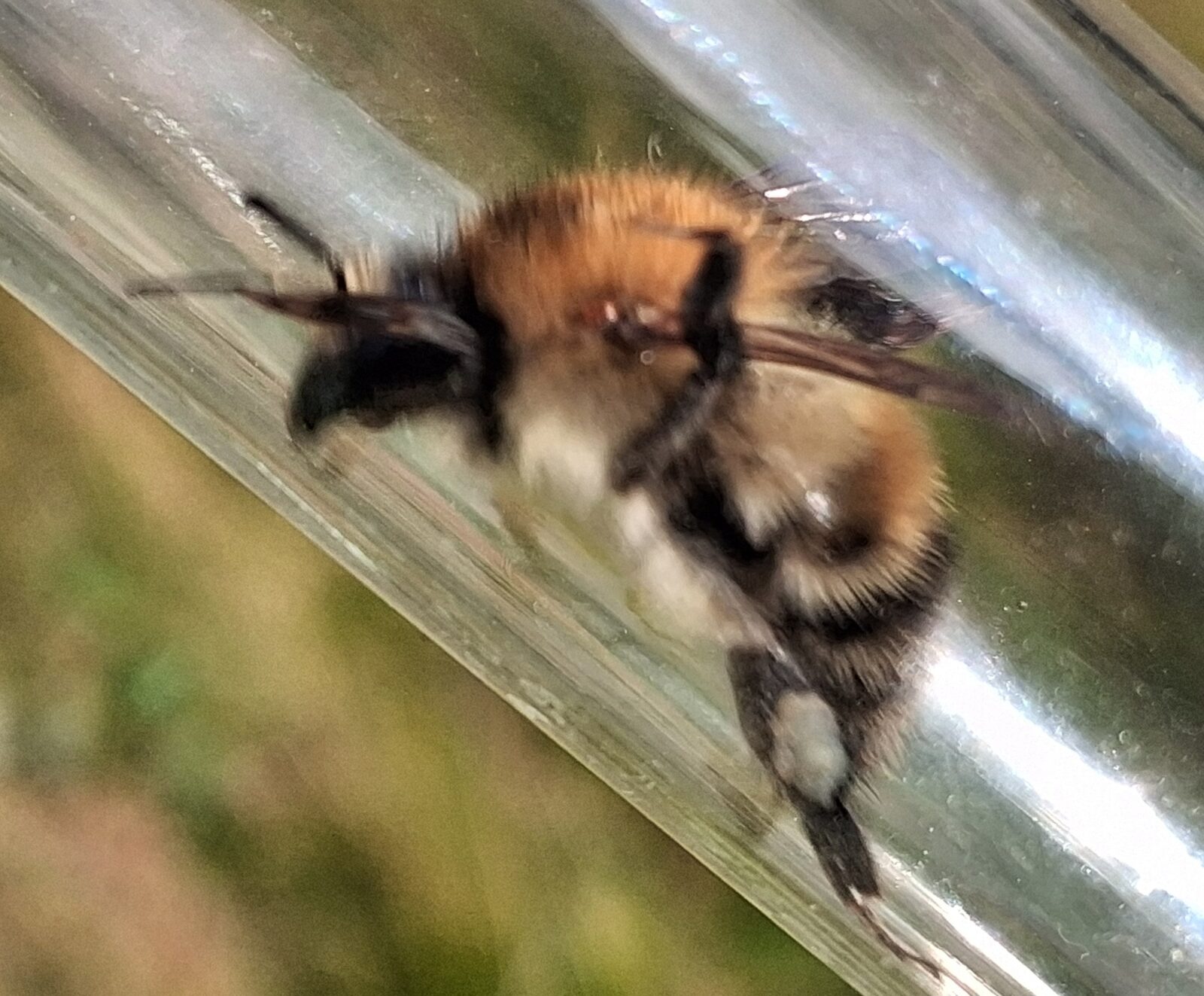
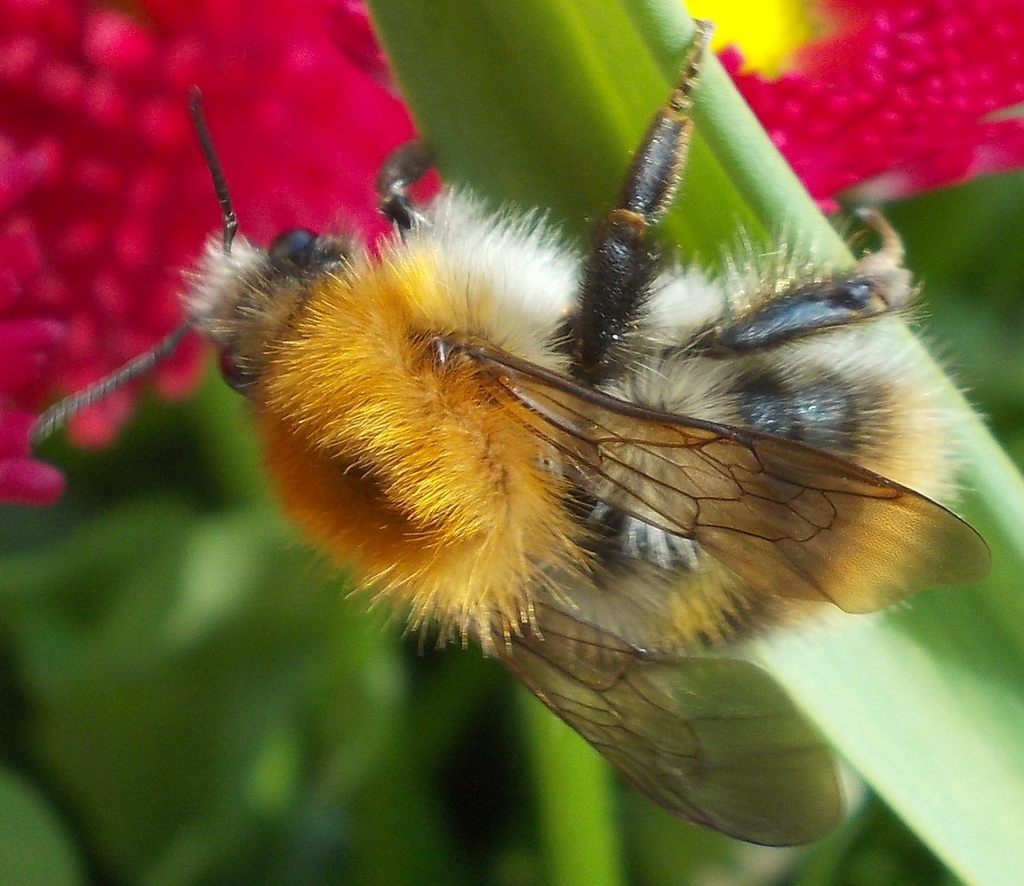
Common carder bee
Bombus pascuorum
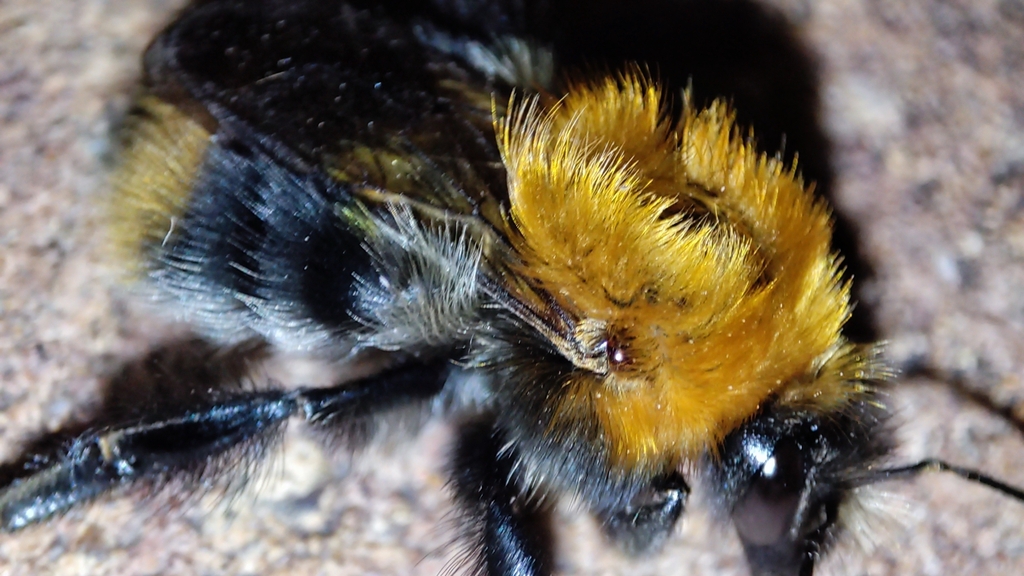
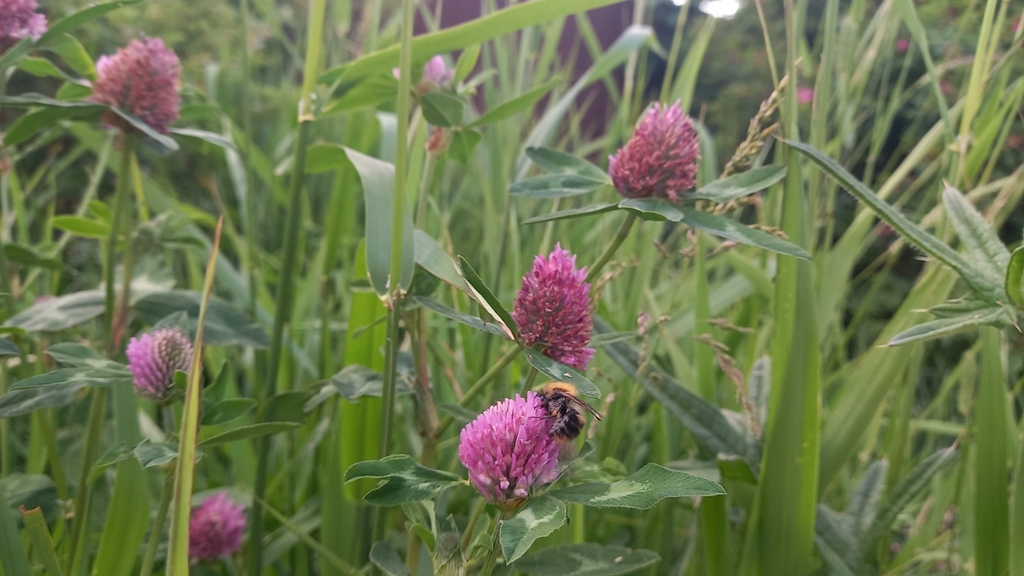
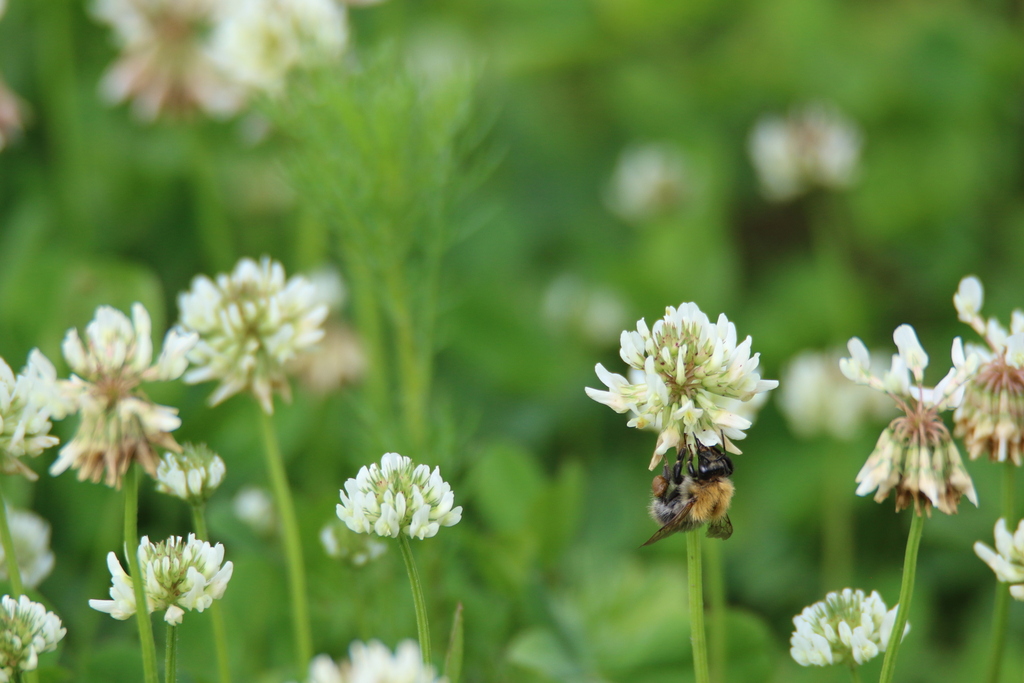
A ginger-brown bumblebee often seen in gardens from spring to autumn, visiting long-tubed flowers.
- Status
- Least Concern IUCN Red List
- Eats
- tuberous comfrey, rosemary, wild marjoram and 92 more
- Where
- 49 countries
On 4Planet Atlas it is among the wildlife people record most around Amsterdam, Berlin and Brussels, and 7 more of the cities we cover.
People have shared 68,430 records of the common carder bee with GBIF, from 49 countries, most of them from United Kingdom, Germany and Russia. Records collected by GloBI show it eating 95 different kinds of animals and plants, and being eaten by 5.
What the common carder bee eats, and what eats it
Studies have recorded it eating 95 kinds of animals and plants, and 5 kinds of animals eating it. Tap any of them to follow the food chain.
- Plants 93

 Common carder bee


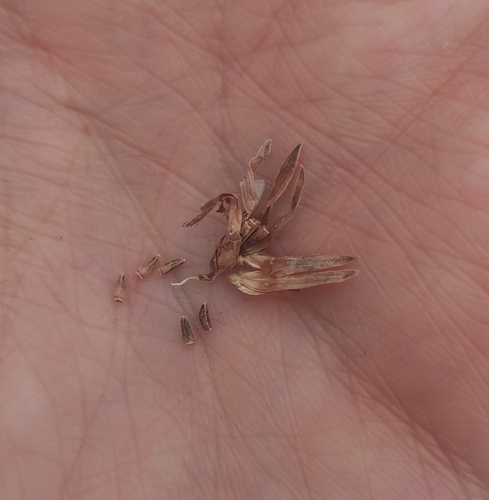
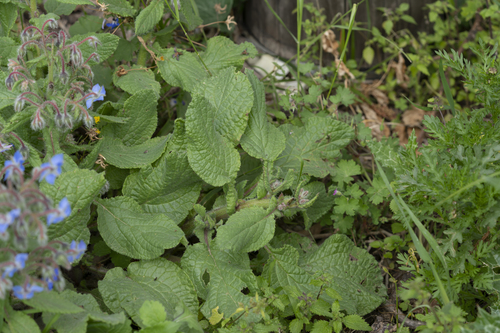
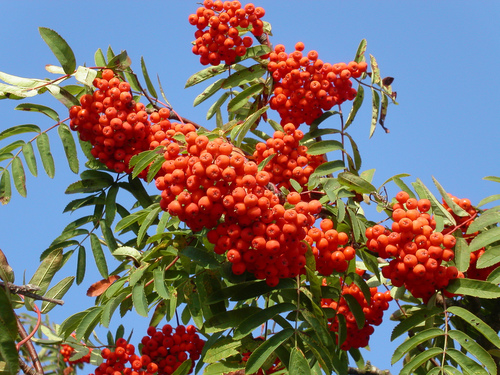


Records from studies worldwide, collected by GloBI. They include animals eaten as carrion, and they are not everything it eats in one place.
Where people see the common carder bee
People have shared 68,430 records from 49 countries.
Near a city: Amsterdam, Berlin, Brussels, Dublin, Helsinki, London, Luxembourg City, Moscow, Paris, Warsaw.
Records show where people have seen it and shared it, not its full range. Country names open their page in Atlas.
When it is seen
Records per month in the northern hemisphere. More people outdoors also means more records.
Watch and listen
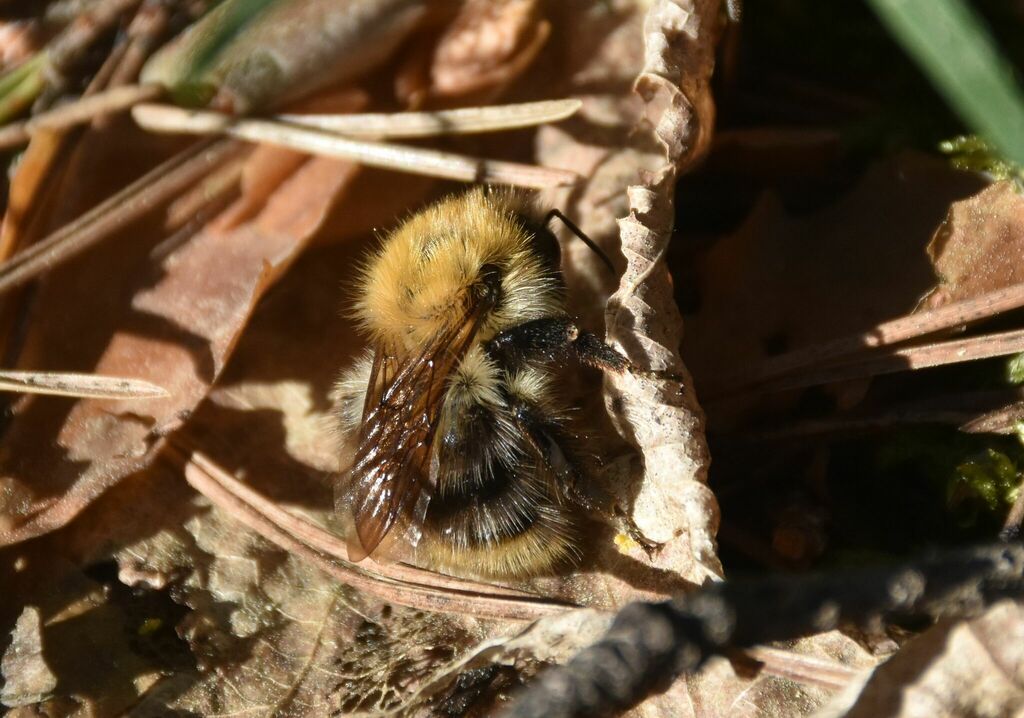
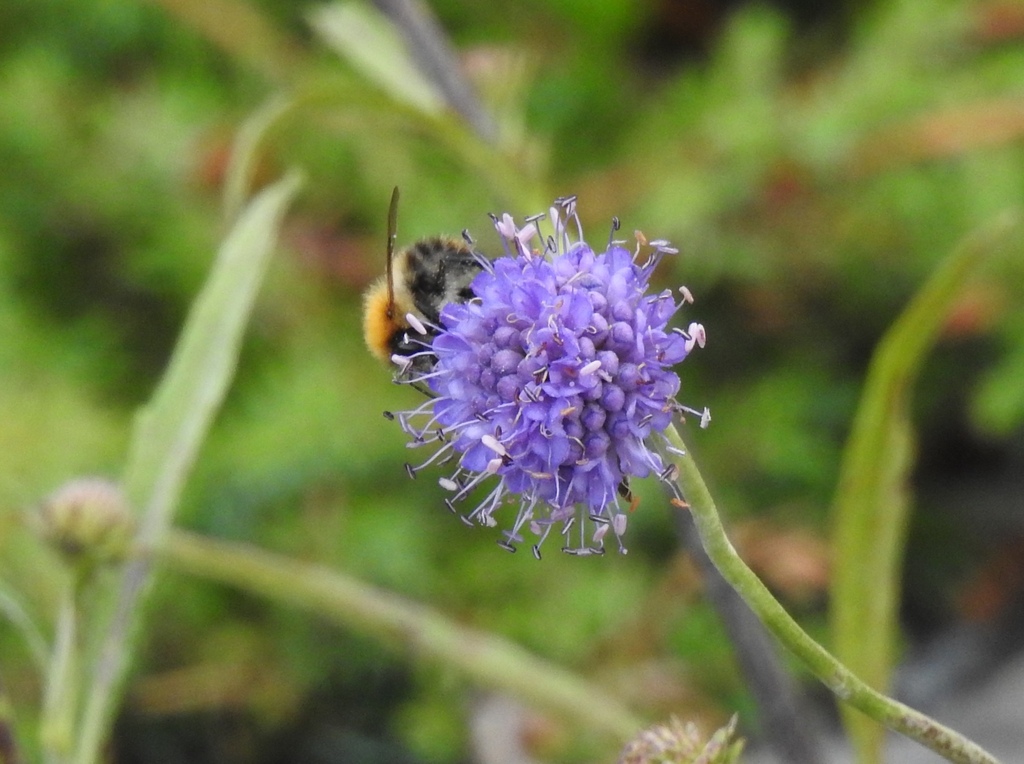
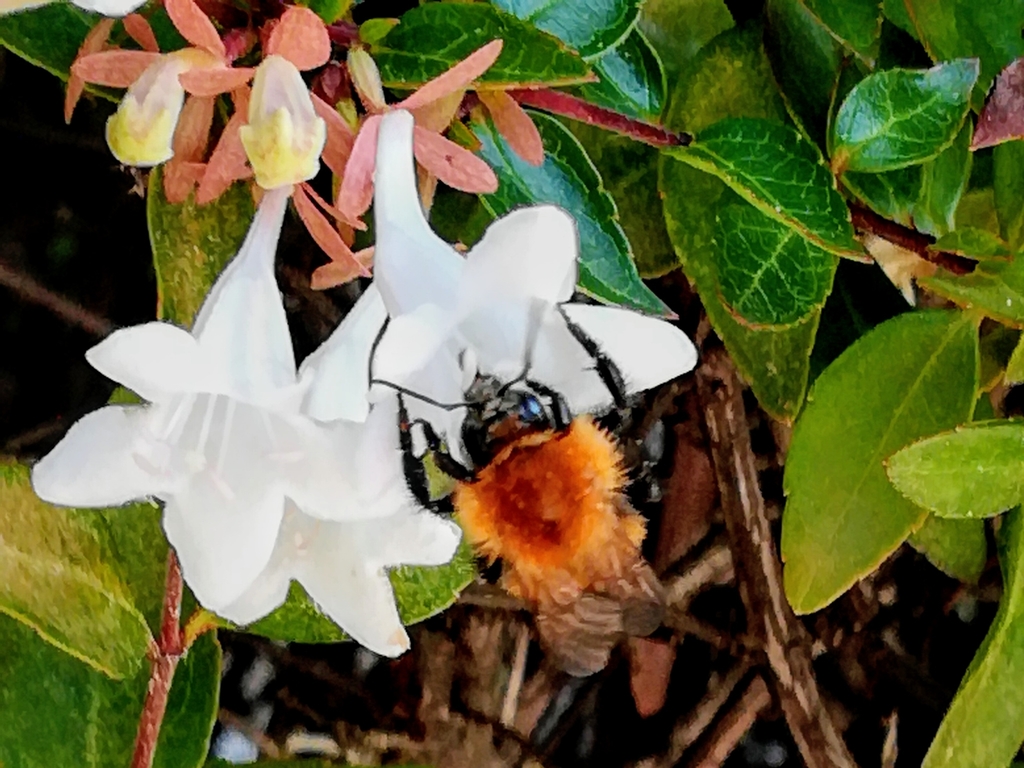
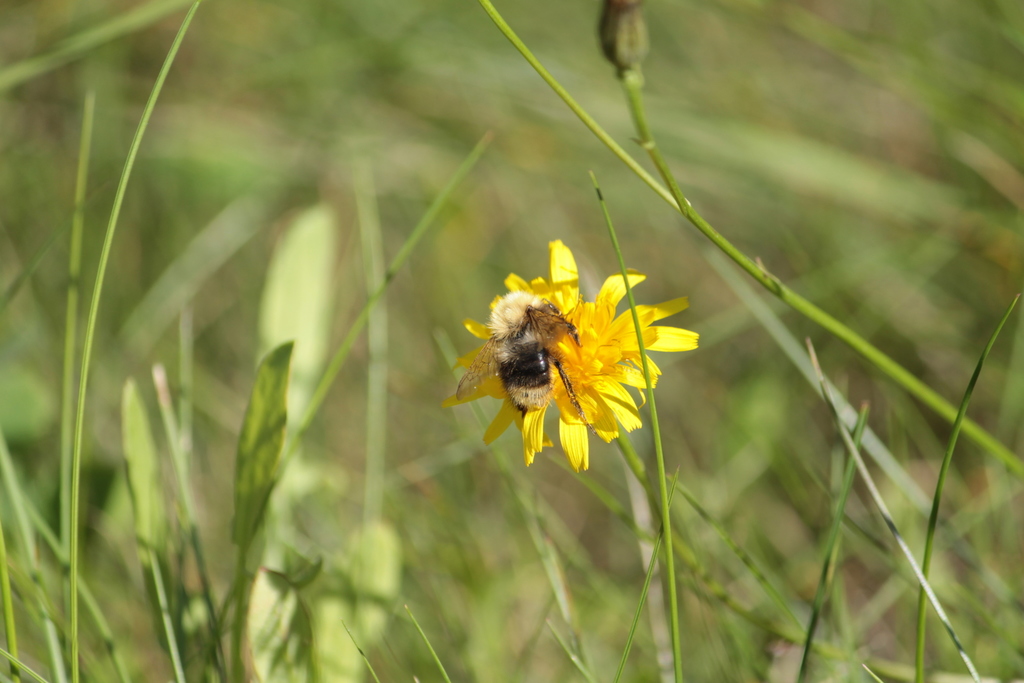
Its closest relatives
The other species of the genus Bombus.

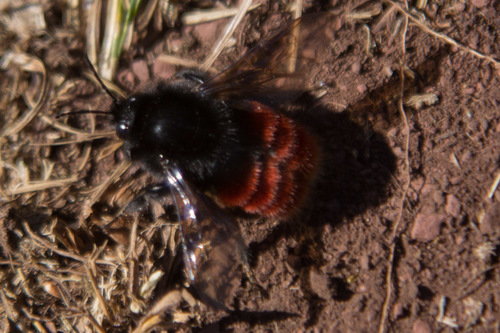
Seen a common carder bee?
Share your photo on iNaturalist. Other naturalists help confirm it, and the record goes to GBIF, where scientists use it and where the maps on this page come from.
Explore next
What puts the common carder bee under pressure, what helps, and who works on it.
Questions people ask
What does the common carder bee eat?
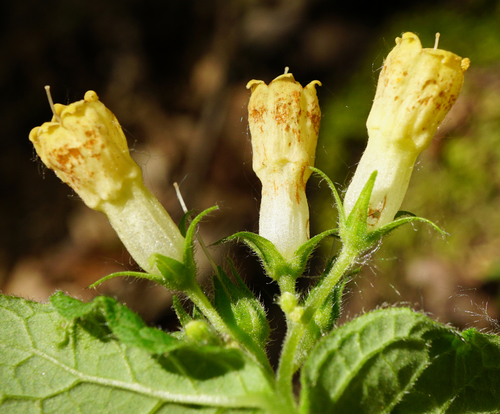
The common carder bee has been recorded eating 95 different kinds of animals and plants, most of them plants. The ones recorded most often are tuberous comfrey, rosemary, wild marjoram, yarrow and chicory; records include animals eaten as carrion. Source: GloBI.
What eats the common carder bee?
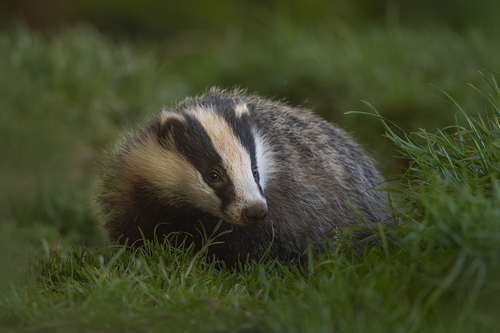
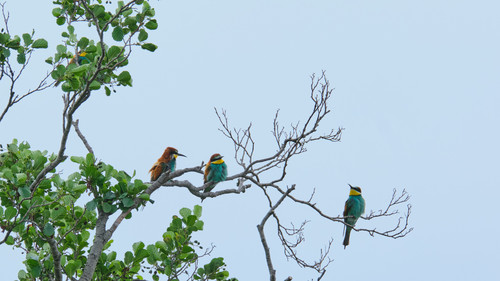
Recorded predators include eurasian badger, european bee-eater, spotted flycatcher and red-backed shrike. Source: GloBI.
Where does the common carder bee live?
People have recorded it in 49 countries; the most records come from United Kingdom, Germany, Russia, France and Austria. Records show where people have seen it, not its full range.
When is the common carder bee seen most?
In the northern hemisphere, the most records are made in July and the fewest in December. More people outdoors also means more records.
What are the common carder bee's closest relatives?
It shares the genus Bombus with rusty patched bumble bee, black and gold bumblebee, scarlet-tailed bumble bee and bombus bbombus bahiensisahiensis.
Sources and photo credits
- GBIF · Bombus pascuorum, 68,430 human observations
- GloBI · recorded interactions of Bombus pascuorum
- Wikidata · Common carder bee (Q267532)
- Common carder bee (Bombus pascuorum): olmagon, CC BY 4.0
- Common carder bee (Bombus pascuorum), Bergedorf, Hamburg, Germany: richyfourtytwo, CC BY 4.0
- Common carder bee (Bombus pascuorum), Шатурский р-н, Московская обл., Россия: Игорь Васильев, CC BY 4.0
- Common carder bee (Bombus pascuorum), Botanic, Dublin, Ireland: Duarte Frade, CC BY 4.0
- Common carder bee (Bombus pascuorum), Via Gentile da Fabriano, 9, 60125 Ancona AN, Italia: Gianni Del Bufalo bygdb, CC BY 4.0
- Common carder bee (Bombus pascuorum), Oulu, Finland: uusijani, CC0
- Common carder bee (Bombus pascuorum), Москва, Россия, 115142: Dmitry Ivanov, CC BY 4.0
- Common carder bee (Bombus pascuorum), 57, Лмс, Москва, Россия, 142161: Макарiй Игоревичъ Лоскутовъ, CC BY 4.0
- Common carder bee (Bombus pascuorum), Нуримановский р-н, Респ. Башкортостан, Россия: Полина Полежанкина, CC BY 4.0
- Tuberous comfrey: Patrick Hacker, CC BY 4.0
- Wild marjoram: Drepanostoma, CC BY 4.0
- Yarrow: Douglas Goldman, CC BY-SA 4.0
- Chicory: Sergey Basalaev, CC BY 4.0
- Borage: Eleftherios Katsillis, CC BY 4.0
- Rowan: Hans Kylberg, CC BY 4.0
- Klamath weed: Thomas Gyselinck, CC BY 4.0
- Red clover: Andreas Rockstein, CC BY-SA 4.0
- Creeping thistle: no rights reserved, uploaded by Ellyne Geurts, CC0
- Eurasian badger: caroline legg, CC BY 4.0
- European bee-eater: Sem Khatov, CC BY 4.0
- Spotted flycatcher: Marton Berntsen, CC BY-SA 4.0
- Red-backed shrike: SteveM4560, CC BY 4.0
- Rusty patched bumble bee: Michelle Orcutt, CC BY 4.0
- Black and gold bumblebee: Navin Sasikumar, CC BY 4.0
- Scarlet-tailed bumble bee: avocat, CC BY 4.0
Records show where people have seen and shared the common carder bee, not its full range, and some countries and months are recorded far more than others. The food web lists interactions that studies have recorded somewhere in the world (GloBI), not everything it eats in one place.
Checked 2026-11-21.