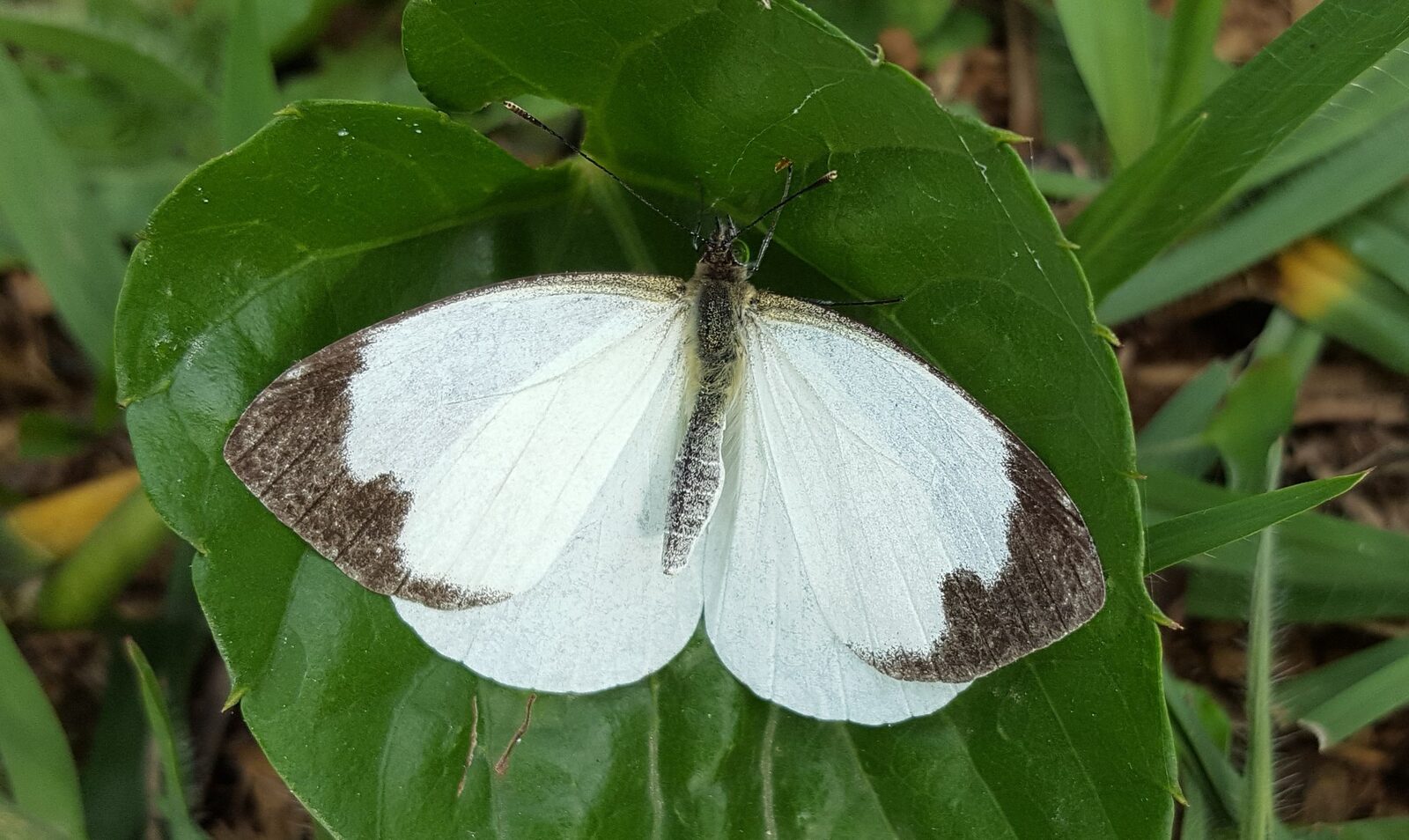
Common green-eyed white
Leptophobia aripa
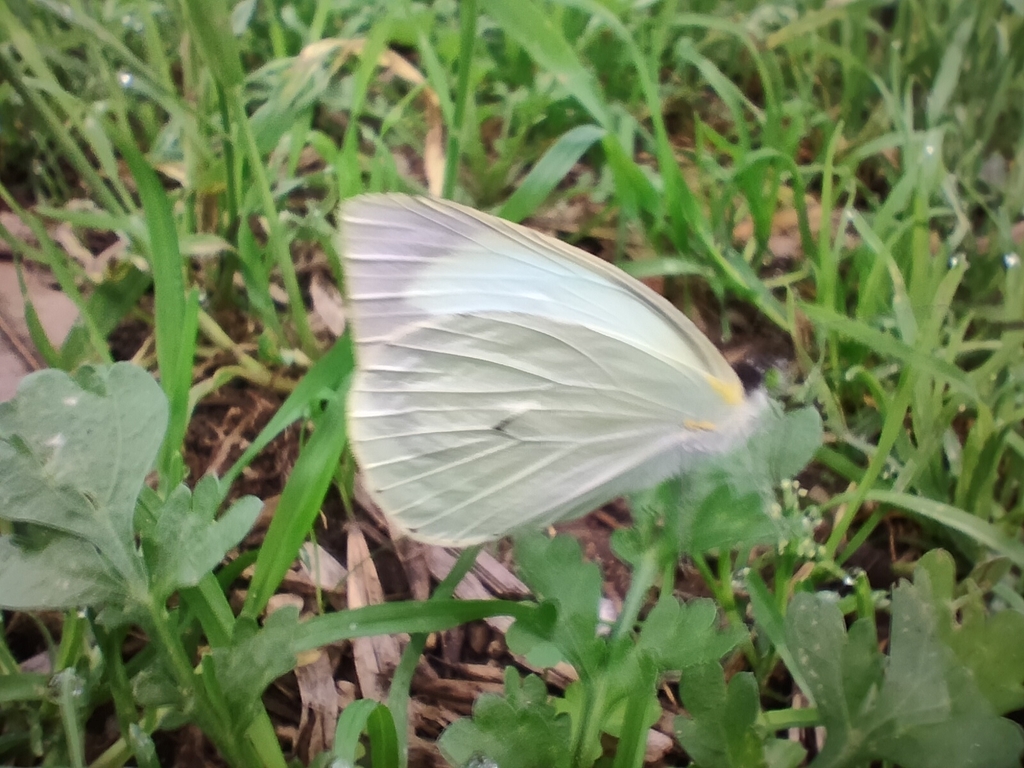
A white butterfly with green eyes, common in the Andes and Central America.
- Status
- IUCN Red List
- Eats
- cultivated radish, watercress, field mustard and 9 more
- Where
- 14 countries
On 4Planet Atlas it is among the wildlife people record most around Lima and Mexico City.
People have shared 5,433 records of the common green-eyed white with GBIF, from 14 countries, most of them from Mexico, Colombia and Peru. Records collected by GloBI show it eating 12 different kinds of animals and plants.
What the common green-eyed white eats, and what eats it
Studies have recorded it eating 12 kinds of animals and plants. Tap any of them to follow the food chain.
- Plants 12
Common green-eyed white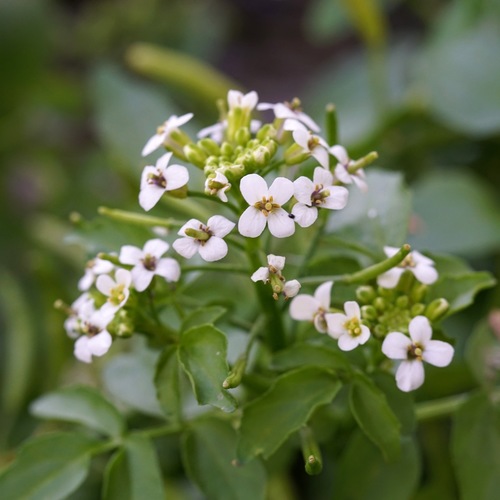
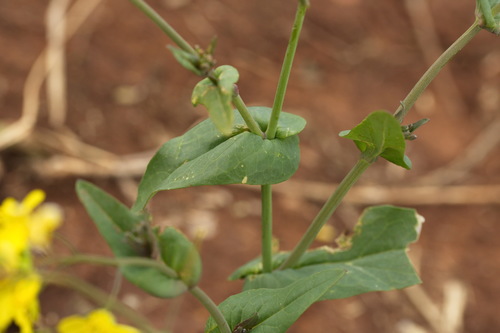
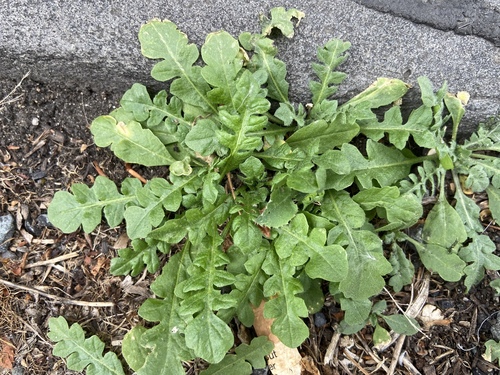

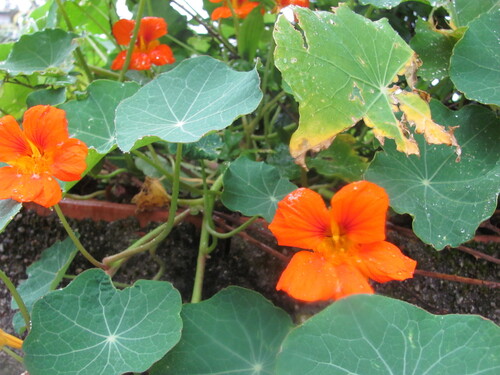
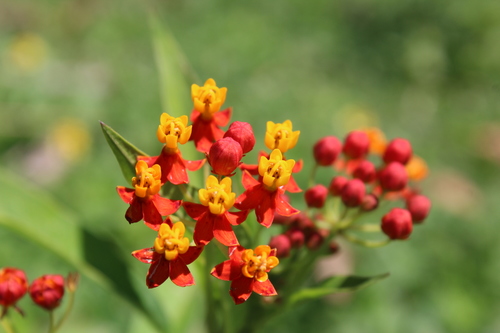

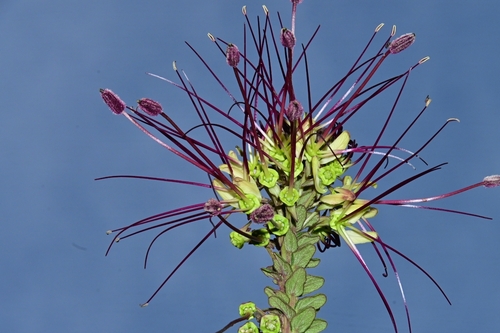
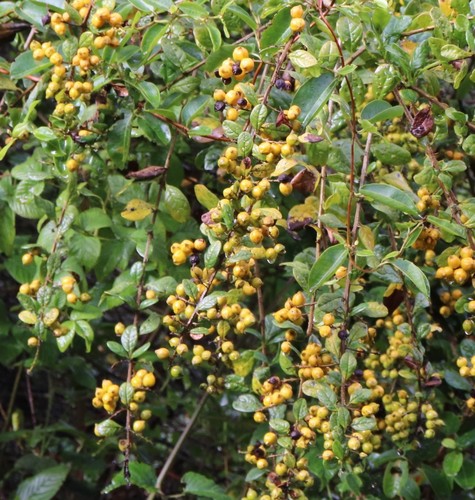
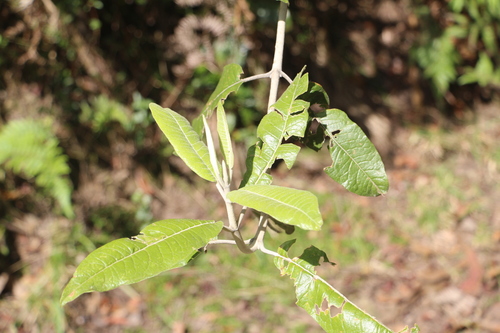
Records from studies worldwide, collected by GloBI. They include animals eaten as carrion, and they are not everything it eats in one place.
Where people see the common green-eyed white
People have shared 5,433 records from 14 countries.
Near a city: Lima, Mexico City.
Records show where people have seen it and shared it, not its full range. Country names open their page in Atlas.
When it is seen
Records per month in the northern hemisphere. More people outdoors also means more records.
Watch and listen
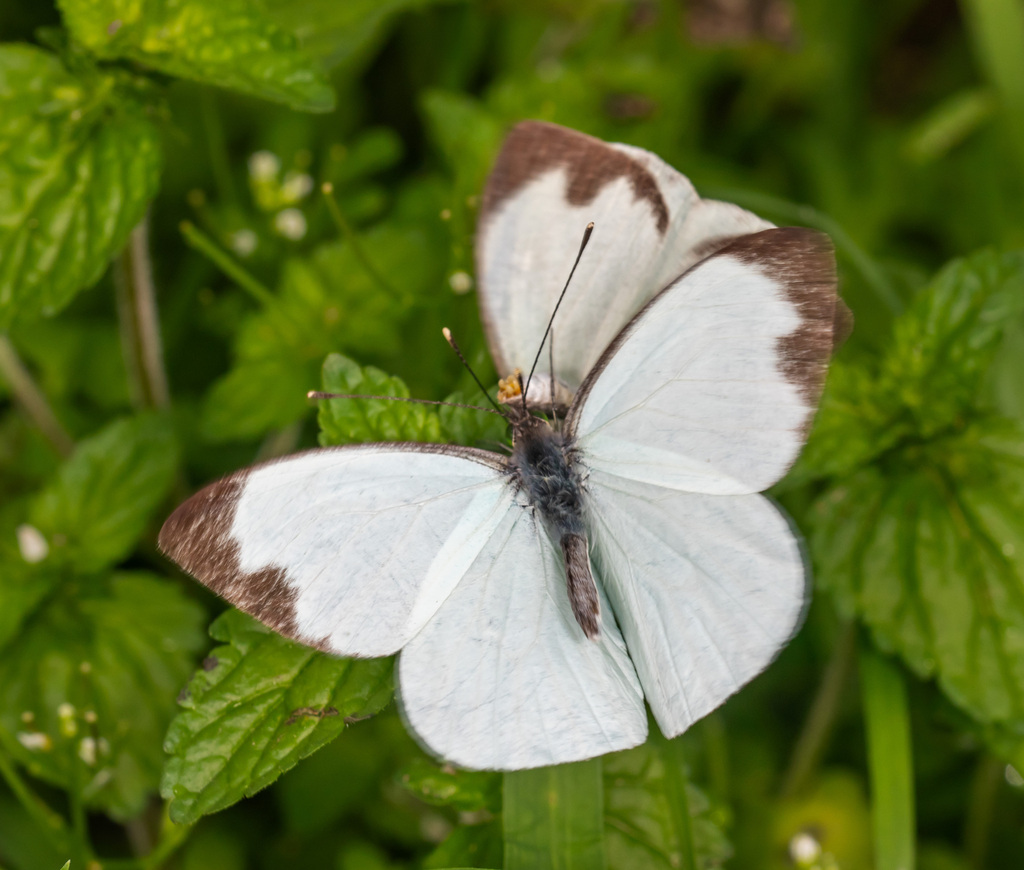
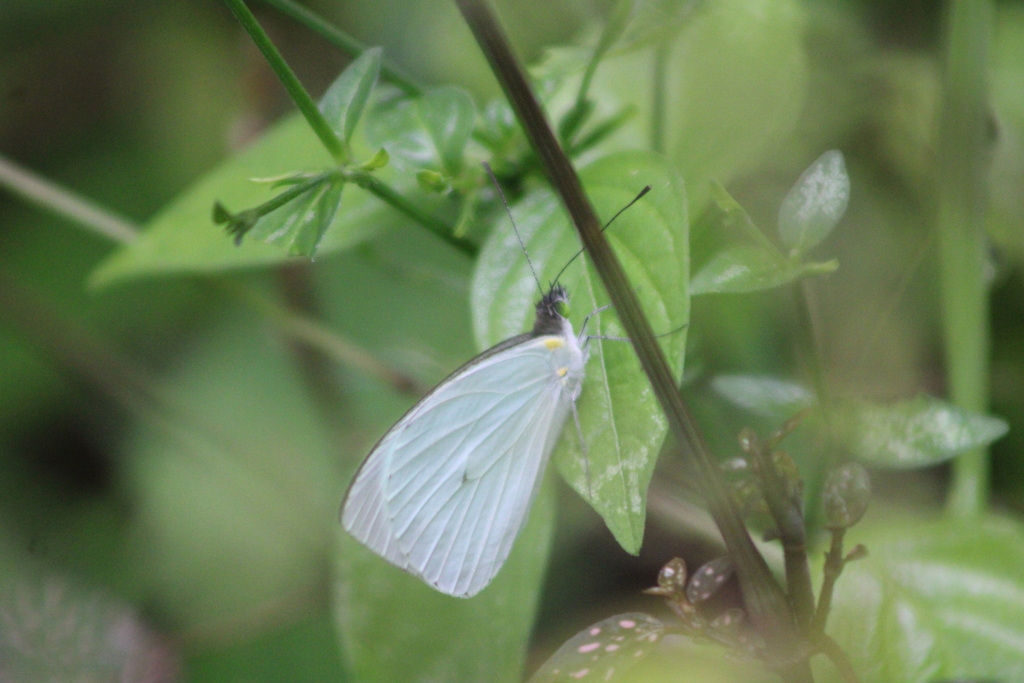
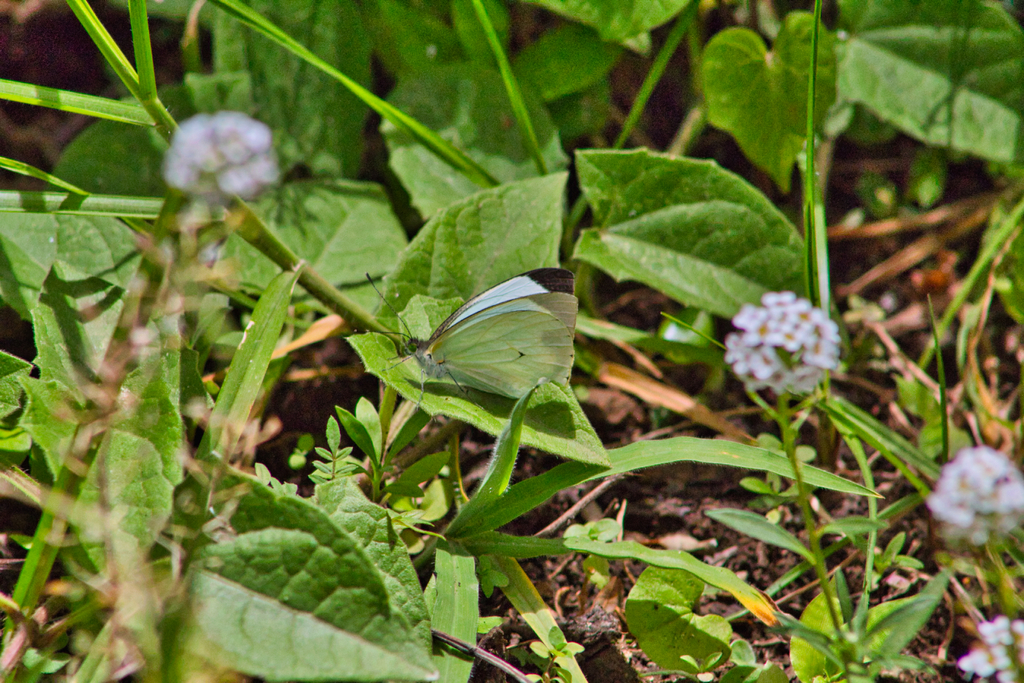
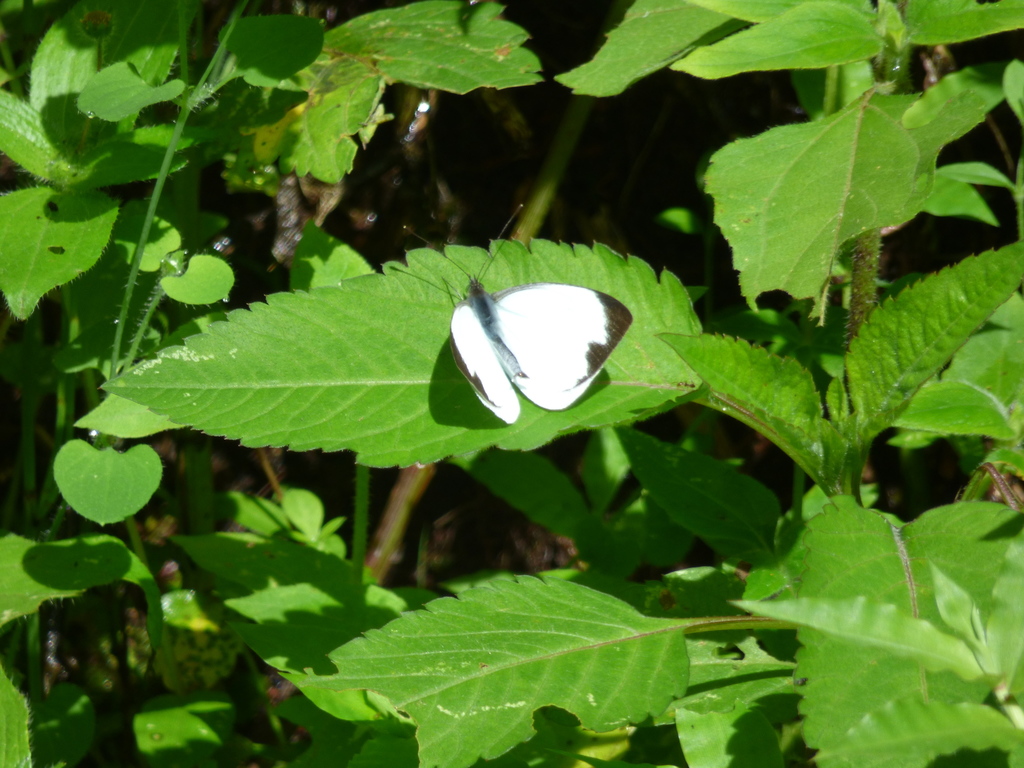
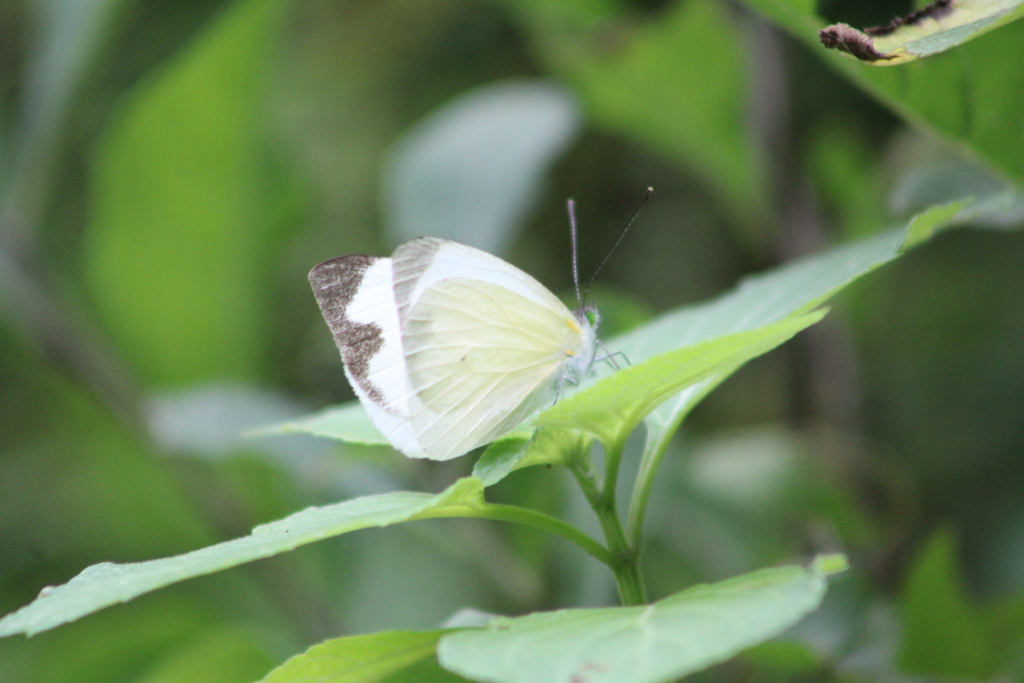
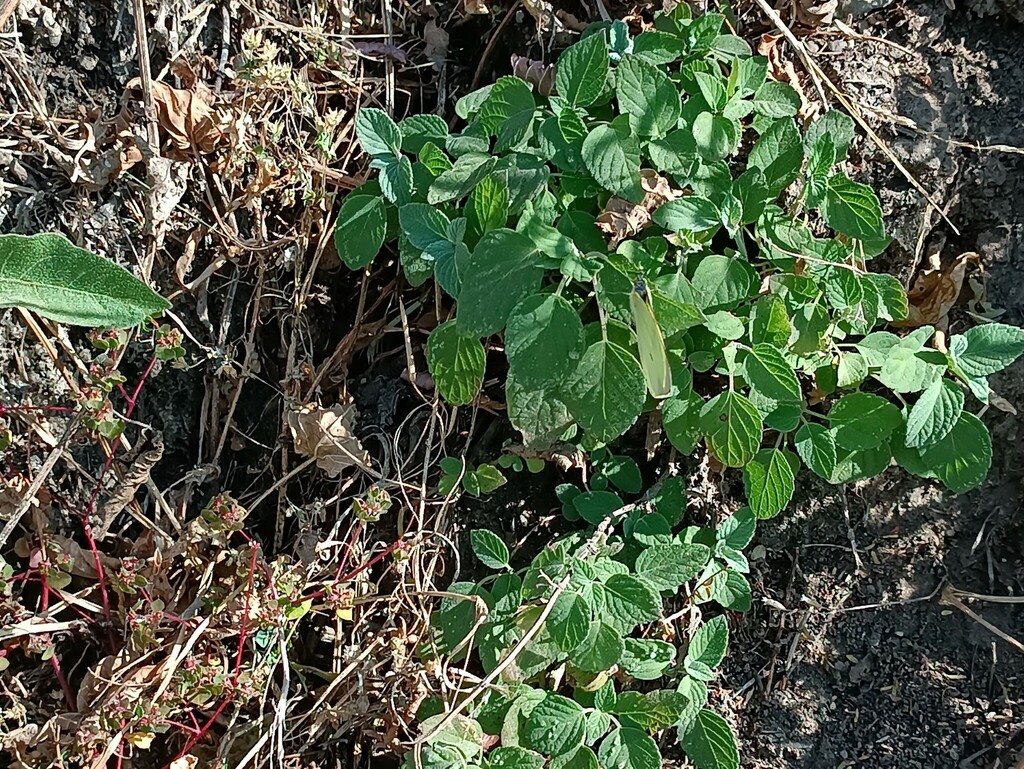
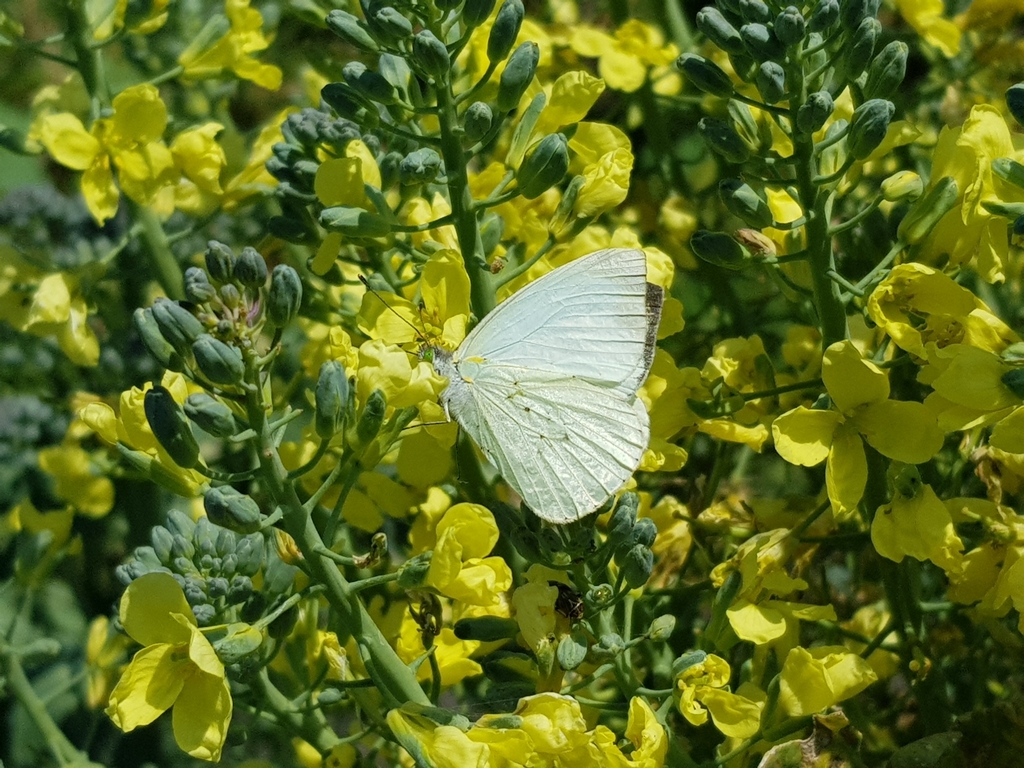
Seen a common green-eyed white?
Share your photo on iNaturalist. Other naturalists help confirm it, and the record goes to GBIF, where scientists use it and where the maps on this page come from.
Questions people ask
What does the common green-eyed white eat?
The common green-eyed white has been recorded eating 12 different kinds of animals and plants, most of them plants. The ones recorded most often are cultivated radish, watercress, field mustard, shepherd's-purse and common lantana; records include animals eaten as carrion. Source: GloBI.
Where does the common green-eyed white live?
People have recorded it in 14 countries; the most records come from Mexico, Colombia, Peru, Brazil and Costa Rica. Records show where people have seen it, not its full range.
When is the common green-eyed white seen most?
In the northern hemisphere, the most records are made in October and the fewest in June. More people outdoors also means more records.
Sources and photo credits
- GBIF · Leptophobia aripa, 5,433 human observations
- GloBI · recorded interactions of Leptophobia aripa
- Wikidata · Common green-eyed white (Q2672568)
- Common green-eyed white (Leptophobia aripa): alessandradalia, CC BY-SA 4.0
- Common green-eyed white (Leptophobia aripa), Filandia, Quindio, Colombia: portioid, CC BY 4.0
- Common green-eyed white (Leptophobia aripa), Segunda del Chorrillo, Barrio del Chorrillo, 40220 Taxco de Alarcón, Gro., México: José Belem Hernández Díaz, CC BY 4.0
- Common green-eyed white (Leptophobia aripa), Corazón de Jade: Abraham A. Gómez Landero, CC BY 4.0
- Common green-eyed white (Leptophobia aripa), Jardín, Antioquia, Colombia: Daniel van der Post, CC0
- Common green-eyed white (Leptophobia aripa), Segunda del Chorrillo, Barrio del Chorrillo, 40220 Taxco de Alarcón, Gro., México: José Belem Hernández Díaz, CC BY 4.0
- Common green-eyed white (Leptophobia aripa), San Miguel, Macuila, San Andrés Cholula, Pue., Mexico: Alessandra Aleotti, CC BY 4.0
- Common green-eyed white (Leptophobia aripa), Avenida México - 16 De Septiembre, San Miguel Xicalco, 14490 Ciudad de México, CDMX, México: Martín Sánchez Vilchis, CC BY-SA 4.0
- Common green-eyed white (Leptophobia aripa), Barrio de la Merced, San Cristóbal de las Casas, Chis., México: Abraham A. Gómez Landero, CC BY 4.0
- Watercress: Andrew Tree, CC BY 4.0
- Field mustard: Вячеслав Юсупов, CC BY 4.0
- Shepherd's-purse: Joss Carr, CC BY 4.0
- Common lantana: no rights reserved, uploaded by Dave Brown, CC0
- Nasturtium: zebedeugalinha, CC BY 4.0
- Bloodflower: Ricard Busquets Reverte, CC BY 4.0
- Garden rocket: Patrick Hacker, CC BY 4.0
- Cleome anomala: Joey Santore, CC BY 4.0
- Duranta mutisii: Luisa Matiz, CC BY 4.0
- Ageratina asclepiadea: Andrés Ramírez-Barrera, CC BY 4.0
Records show where people have seen and shared the common green-eyed white, not its full range, and some countries and months are recorded far more than others. The food web lists interactions that studies have recorded somewhere in the world (GloBI), not everything it eats in one place.
Checked 2026-11-22.