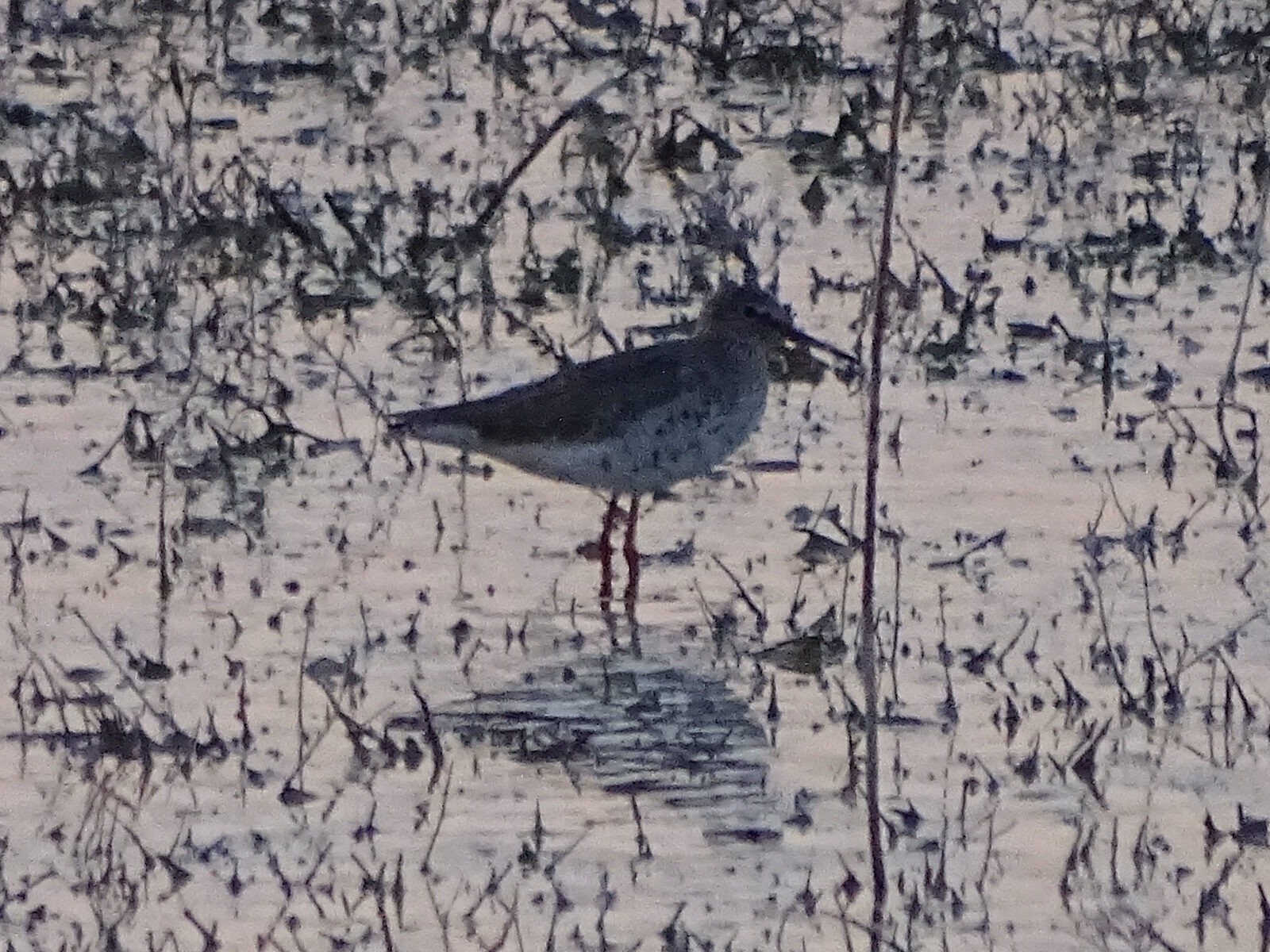
Common redshank
Tringa totanus
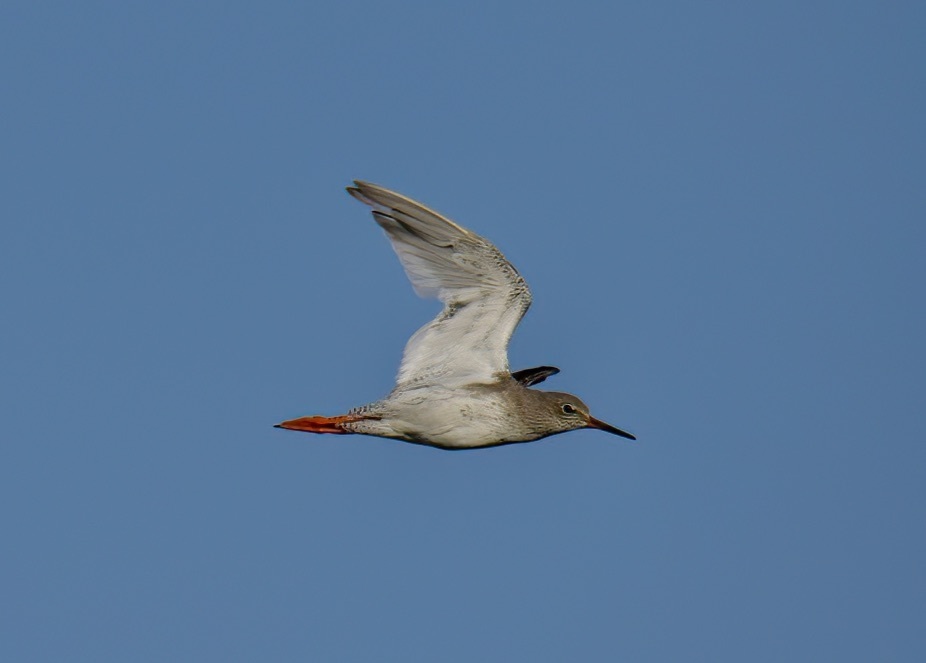
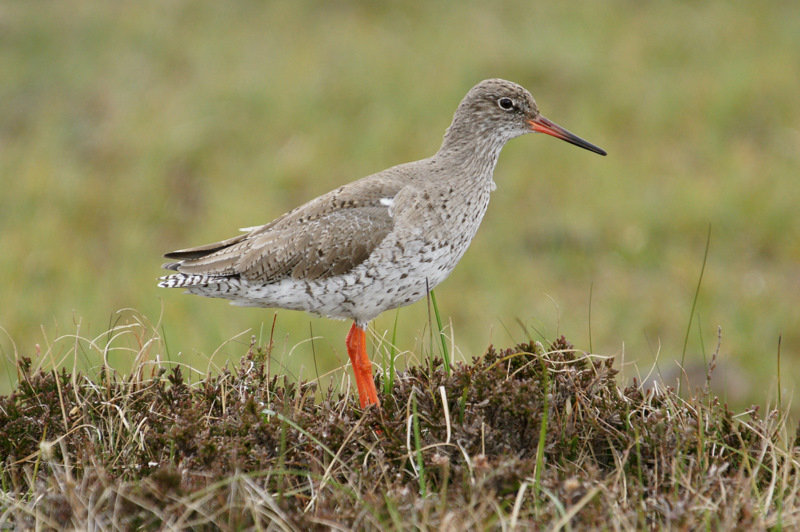
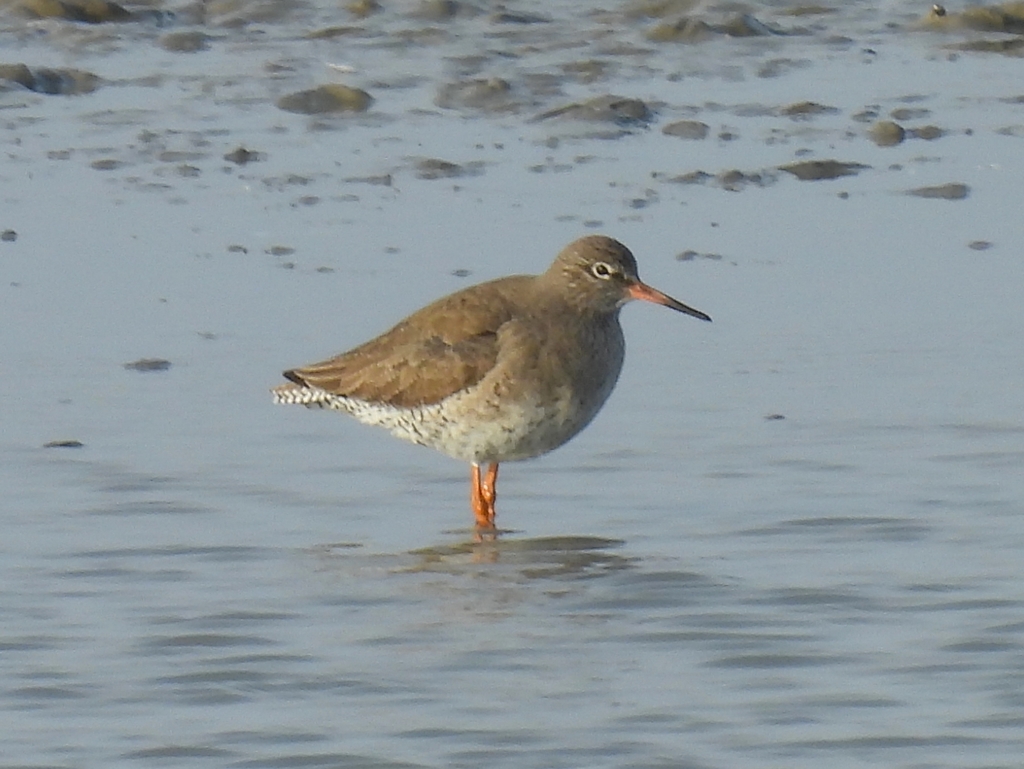
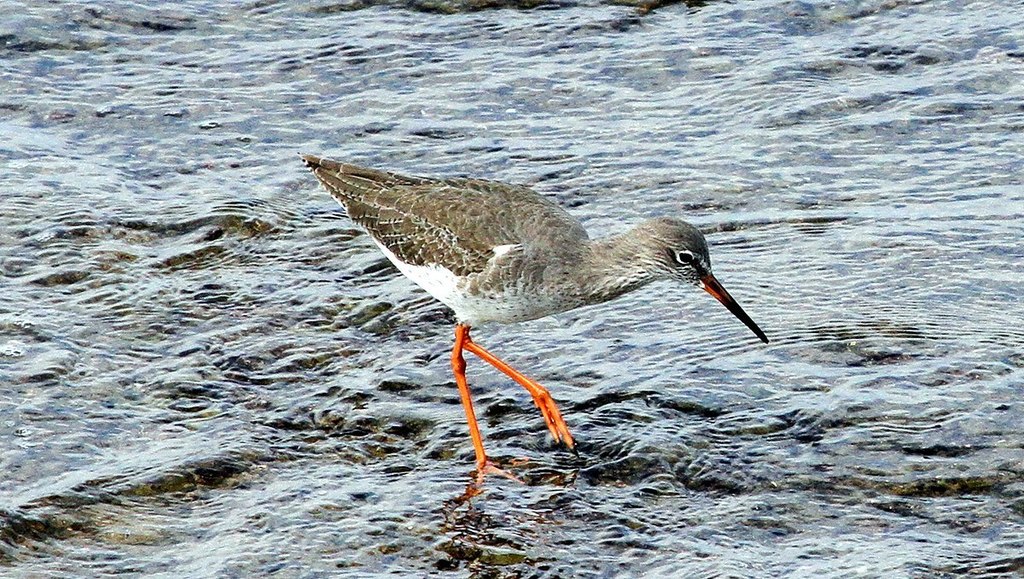
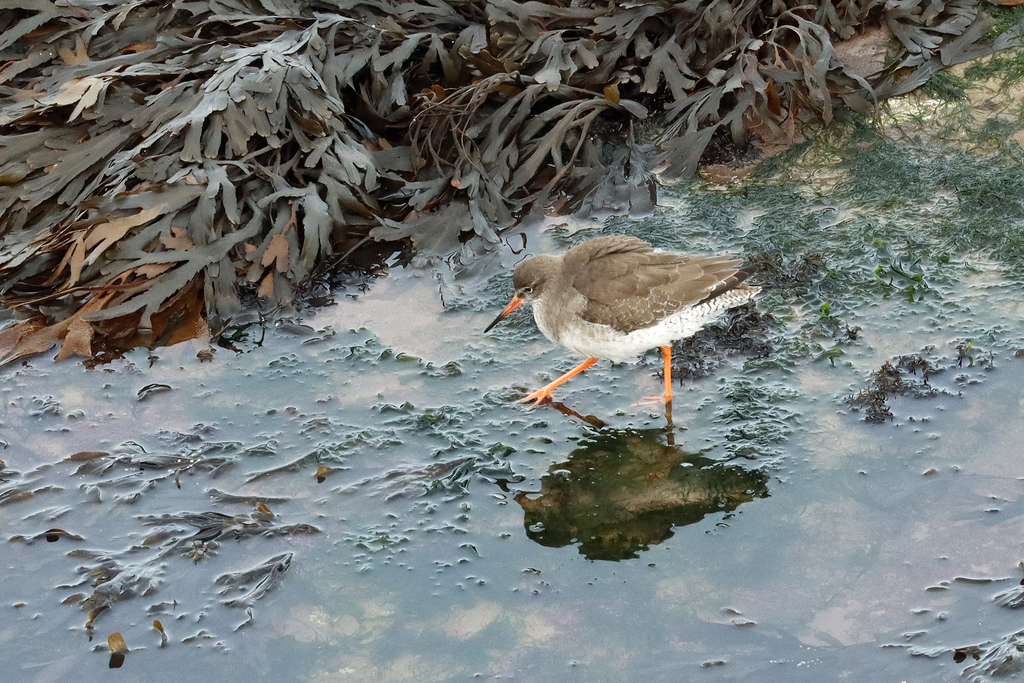
A wader with red legs and a loud, alarmed call.
- Status
- Least Concern IUCN Red List
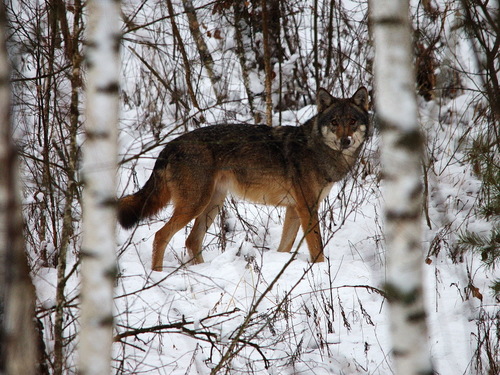
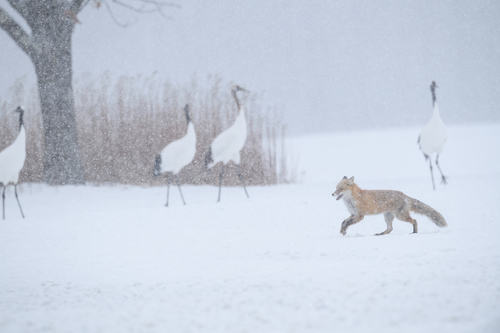
- Eaten by
- grey wolf, red fox, brown bear
- Where
- 147 countries
On 4Planet Atlas it is among the wildlife people record most around Algiers, Amsterdam and Ankara, and 29 more of the cities we cover.
People have shared 989,478 records of the common redshank with GBIF, from 147 countries, most of them from United Kingdom, Spain and India. Records collected by GloBI show it eating 325 different kinds of animals and plants, and being eaten by 32.
What the common redshank eats, and what eats it
Studies have recorded it eating 325 kinds of animals and plants, and 32 kinds of animals eating it. Tap any of them to follow the food chain.
- Insects 156
- Crustaceans 13
- Worms 13
- Shellfish 3
- Fish 2
- Earthworms 2
- Snails and slugs 2
Eaten by

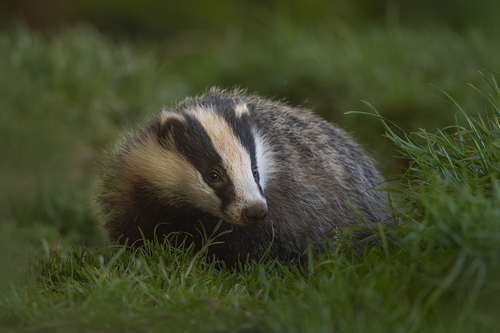
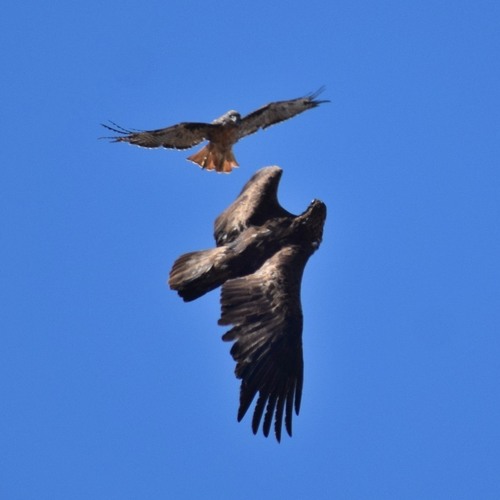
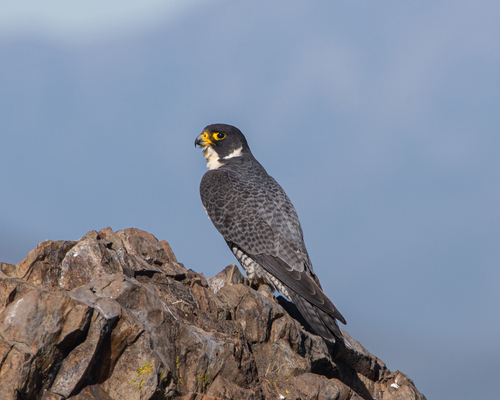
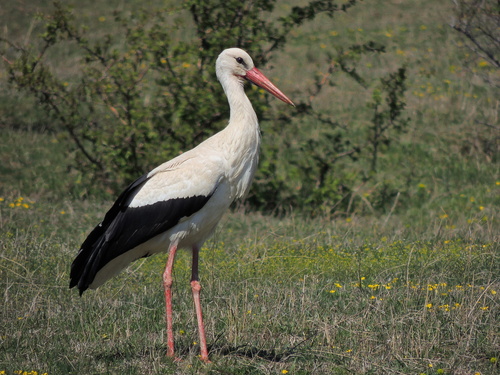 Common redshank
Records from studies worldwide, collected by GloBI. They include animals eaten as carrion, and they are not everything it eats in one place.
Where people see the common redshank
People have shared 989,478 records from 147 countries.
Near a city: Algiers, Amsterdam, Ankara, Astana, Athens, Baku, Bergen, Bratislava, Budapest, Copenhagen, Delhi, Dili, Dublin, Helsinki, Kyiv, Lisbon, London, Manama, Minsk, Mumbai, New Delhi, Ngerulmud, Nicosia, Oslo, Reykjavík, Stockholm, Tallinn, Tashkent, Tirana, Ulaanbaatar, Warsaw, Yerevan.
Records show where people have seen it and shared it, not its full range. Country names open their page in Atlas.
When it is seen
Records per month in the northern hemisphere. More people outdoors also means more records.
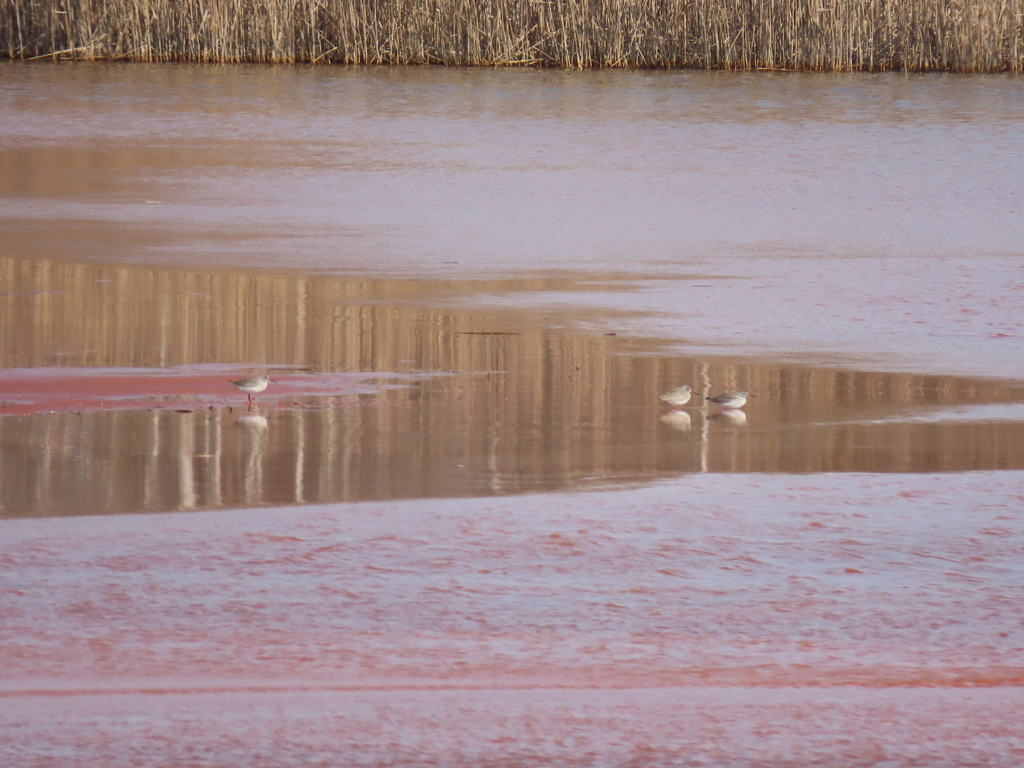
Watch and listen
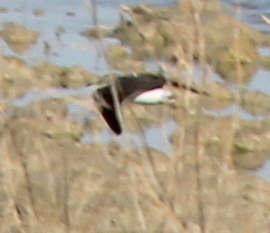
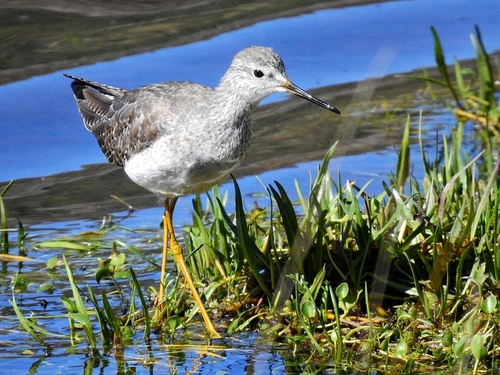
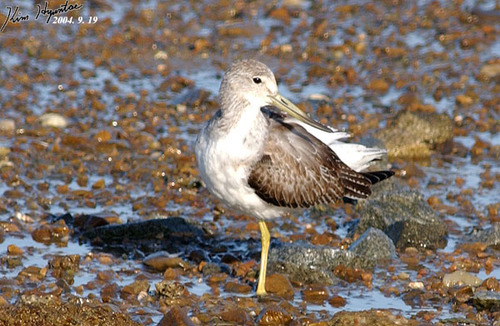
Its closest relatives
The other species of the genus Tringa.




Seen a common redshank?
Share your photo on iNaturalist. Other naturalists help confirm it, and the record goes to GBIF, where scientists use it and where the maps on this page come from.
Questions people ask
What does the common redshank eat?
The common redshank has been recorded eating 325 different kinds of animals and plants, most of them insects, crustaceans, worms and shellfish. The ones recorded most often are ; records include animals eaten as carrion. Source: GloBI.
What eats the common redshank?
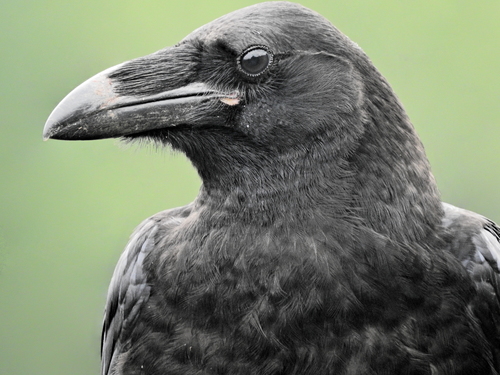
Recorded predators include grey wolf, red fox, brown bear, northern raven and eurasian badger. Source: GloBI.
Where does the common redshank live?
People have recorded it in 147 countries; the most records come from United Kingdom, Spain, India, Portugal and Taiwan. Records show where people have seen it, not its full range.
When is the common redshank seen most?
In the northern hemisphere, the most records are made in April and the fewest in June. More people outdoors also means more records.
What are the common redshank's closest relatives?
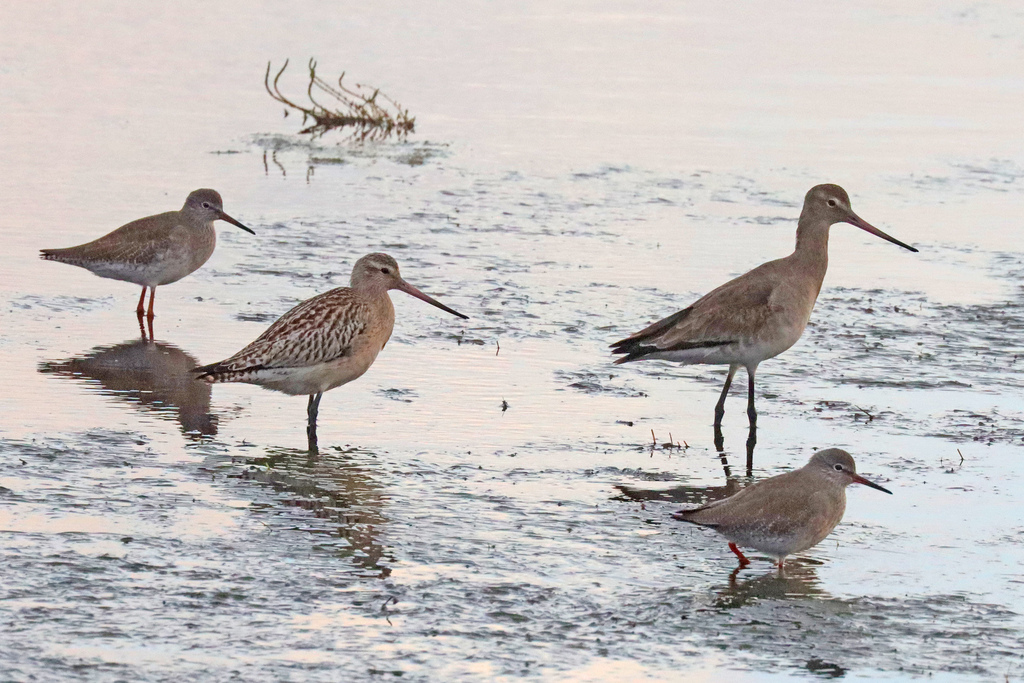
It shares the genus Tringa with common greenshank, green sandpiper, wood sandpiper, spotted redshank and marsh sandpiper.
Sources and photo credits
- GBIF · Tringa totanus, 989,478 human observations
- GloBI · recorded interactions of Tringa totanus
- Wikidata · Common redshank (Q18859)
- Common redshank (Tringa totanus): Patrick Hacker, CC BY 4.0
- Common redshank (Tringa totanus): Luiz Lapa, CC BY 4.0
- Common redshank (Tringa totanus): Mike Pennington, CC BY-SA 4.0
- Common redshank (Tringa totanus), Московский р-н, Тверь, Тверская обл., Россия: Дмитрий Кошелев, CC BY 4.0
- Common redshank (Tringa totanus), Newport, UK: Phil James, CC BY 4.0
- Common redshank (Tringa totanus), Afula, Israel: Dave Brown, CC0
- Common redshank (Tringa totanus), Tyne and Wear, UK: Roy Lowry, CC BY 4.0
- Common redshank (Tringa totanus), Olhão, Portugal: Roy Lowry, CC BY 4.0
- Common redshank (Tringa totanus), Las Palmas, Spain: Codrin Bucur, CC BY 4.0
- Grey wolf: Andrew Simon, CC BY 4.0
- Red fox: Morten Ross, CC BY 4.0
- Brown bear: Nathan Ruser, CC BY 4.0
- Northern raven: xulescu_g, CC BY-SA 4.0
- Eurasian badger: caroline legg, CC BY 4.0
- Golden eagle: Anne Parsons, CC0
- Peregrine falcon: Nicolás Villaseca Merino, CC BY-SA 4.0
- White stork: xulescu_g, CC BY-SA 4.0
- Common greenshank: JJ Harrison, CC BY-SA 4.0
- Green sandpiper: Jan Ebr & Ivana Ebrová, CC BY 4.0
- Wood sandpiper: Kim, Hyun-tae, CC BY 4.0
- Spotted redshank: Savi.odl, CC BY-SA 4.0
- Marsh sandpiper: egorbirder, CC BY 4.0
- Lesser yellowlegs: Esteban Poveda, CC BY 4.0
- Greater yellowlegs: no rights reserved, uploaded by Adam Jackson, CC0
- Nordmann’s greenshank: Kim, Hyun-tae, CC BY 4.0
Records show where people have seen and shared the common redshank, not its full range, and some countries and months are recorded far more than others. The food web lists interactions that studies have recorded somewhere in the world (GloBI), not everything it eats in one place.
Checked 2026-11-22.