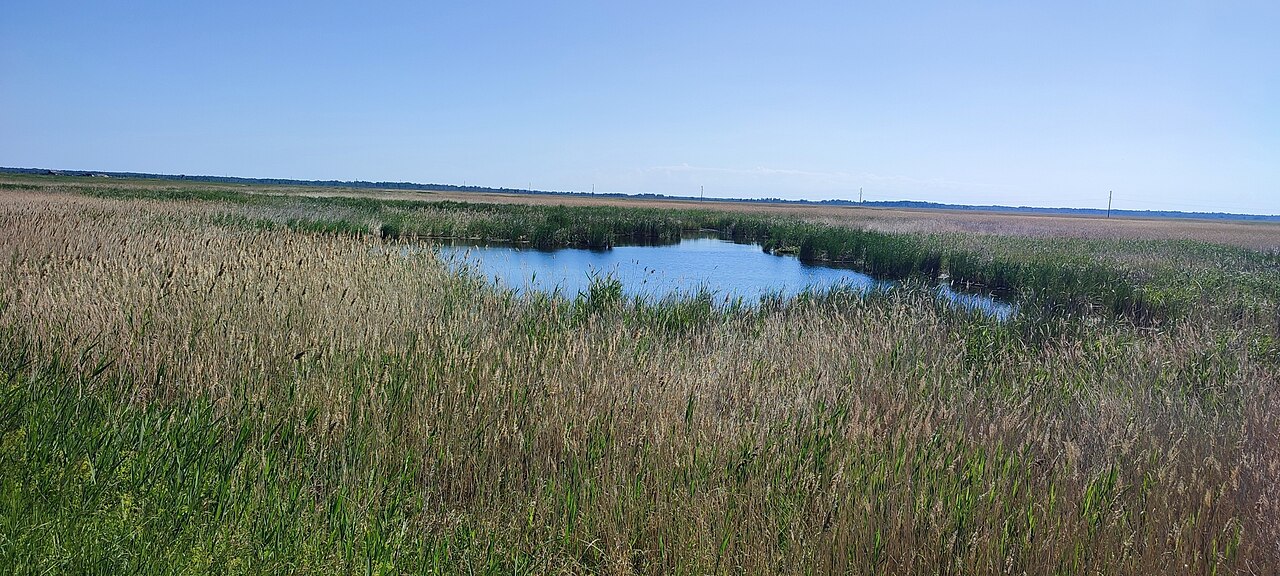
Common reed
Phragmites australis
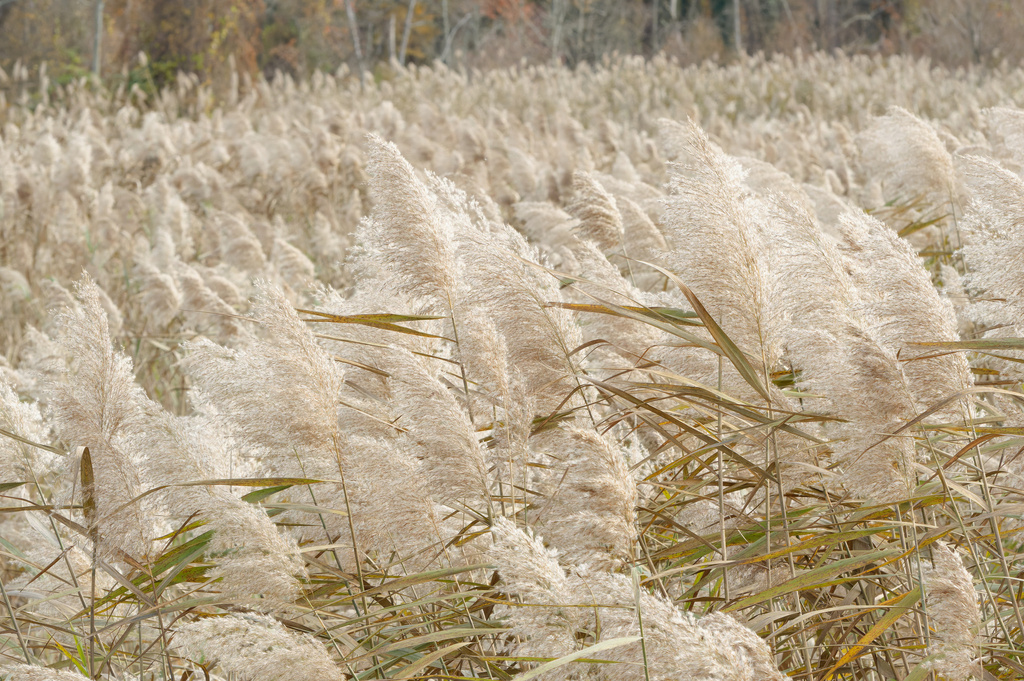
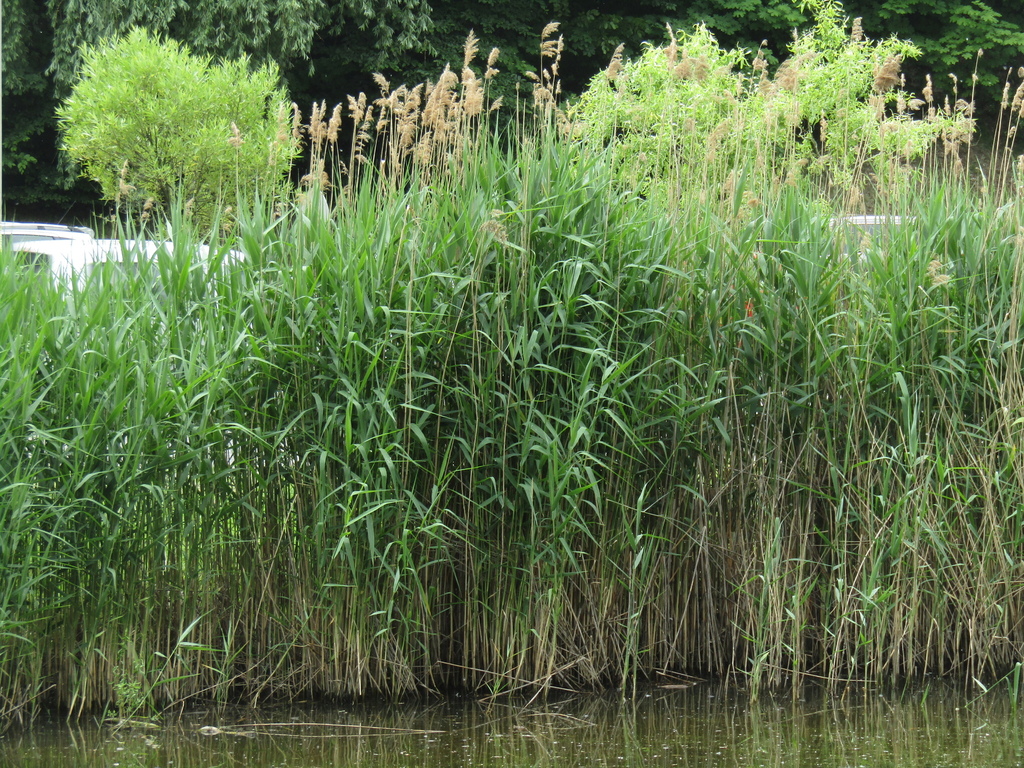
A tall grass that forms reedbeds; its feathery seed heads sway in the wind.
- Status
- Least Concern IUCN Red List
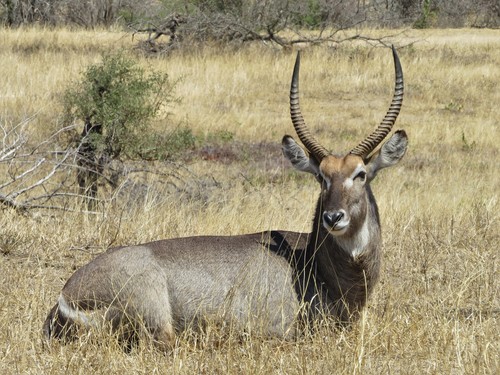
- Eaten by
- waterbuck
- Where
- 96 countries · wetlands
People have shared 99,500 records of the common reed with GBIF, from 96 countries, most of them from United States, Russia and Canada.
In the northern hemisphere, people record it most in August and least in December. It belongs to the genus Phragmites in the family Poaceae.
Habitats
What the common reed eats, and what eats it
Studies have recorded it eating 0 kinds of animals and plants, and 1 kinds of animals eating it. Tap any of them to follow the food chain.
Eaten by
 Common reed
Records from studies worldwide, collected by GloBI. They include animals eaten as carrion, and they are not everything it eats in one place.
Where people see the common reed
People have shared 99,500 records from 96 countries.
Records show where people have seen it and shared it, not its full range. Country names open their page in Atlas.
When it is seen
Records per month in the northern hemisphere. More people outdoors also means more records.
Watch and listen
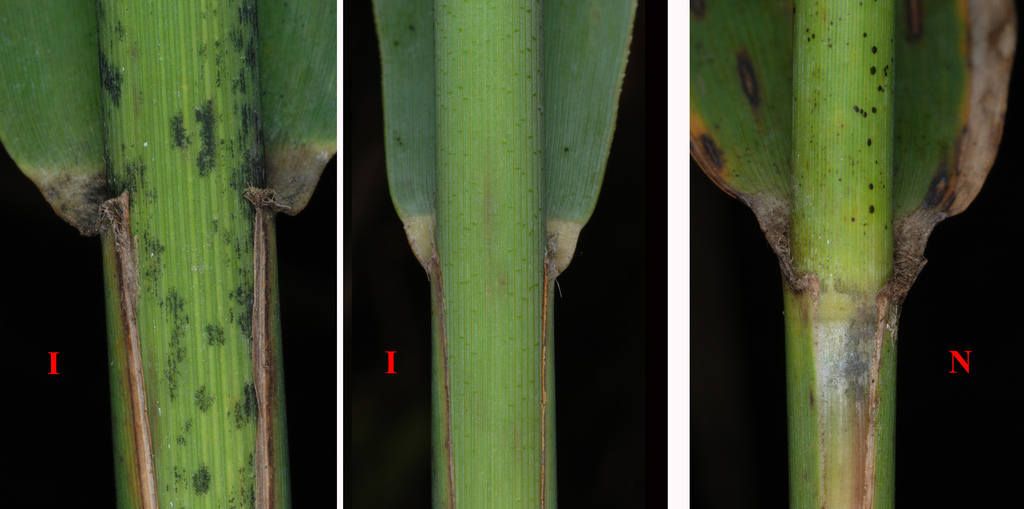
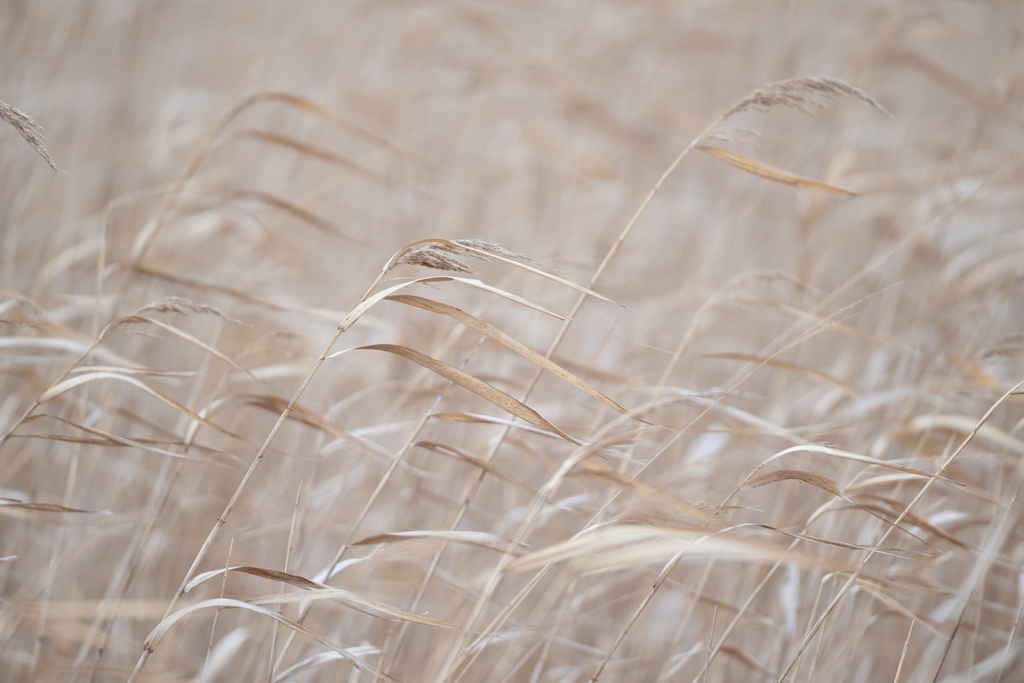
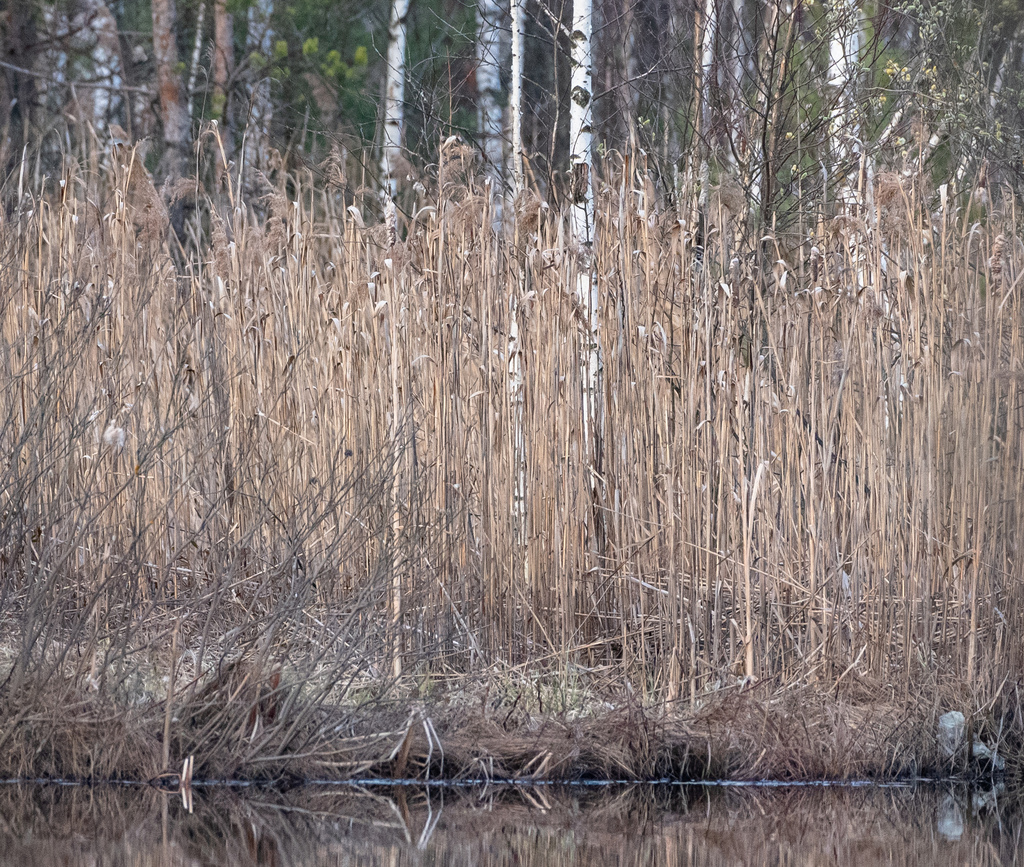
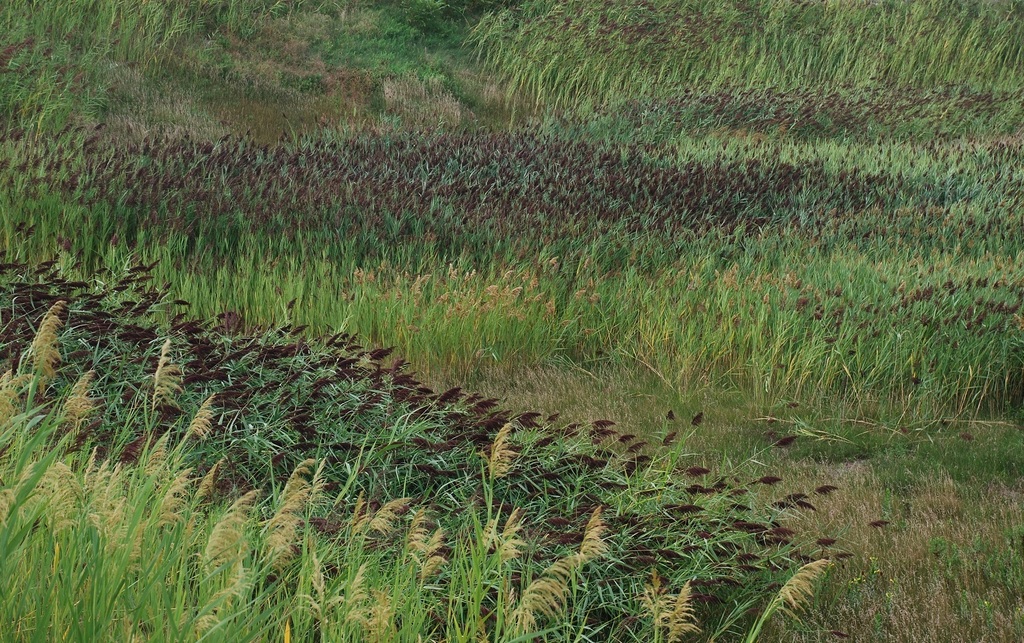
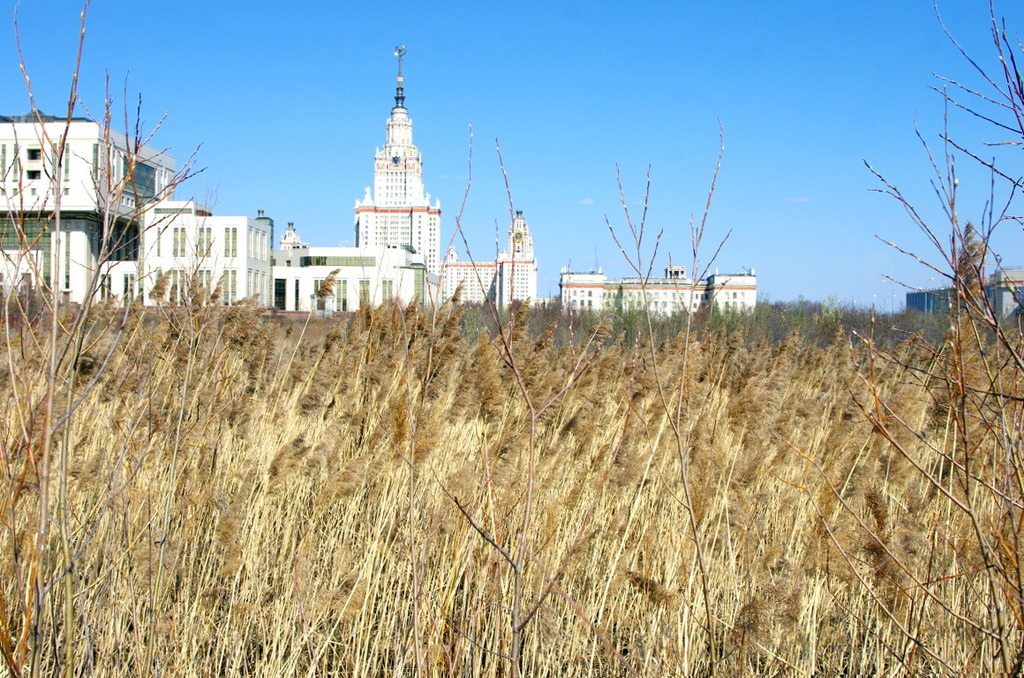
Seen a common reed?
Share your photo on iNaturalist. Other naturalists help confirm it, and the record goes to GBIF, where scientists use it and where the maps on this page come from.
Put this species on your site
The card names every source and links back here.
<iframe src="https://4planetatlas.com/place/embed/species/common-reed" title="Common reed (Phragmites australis), 4PLANET Species" width="100%" height="600" style="border:0;max-width:640px" loading="lazy"></iframe>
<p><a href="https://4species.com/common-reed">Common reed on 4PLANET Species</a></p>Explore next
What puts the common reed under pressure, what helps, and who works on it.
Questions people ask
What eats the common reed?
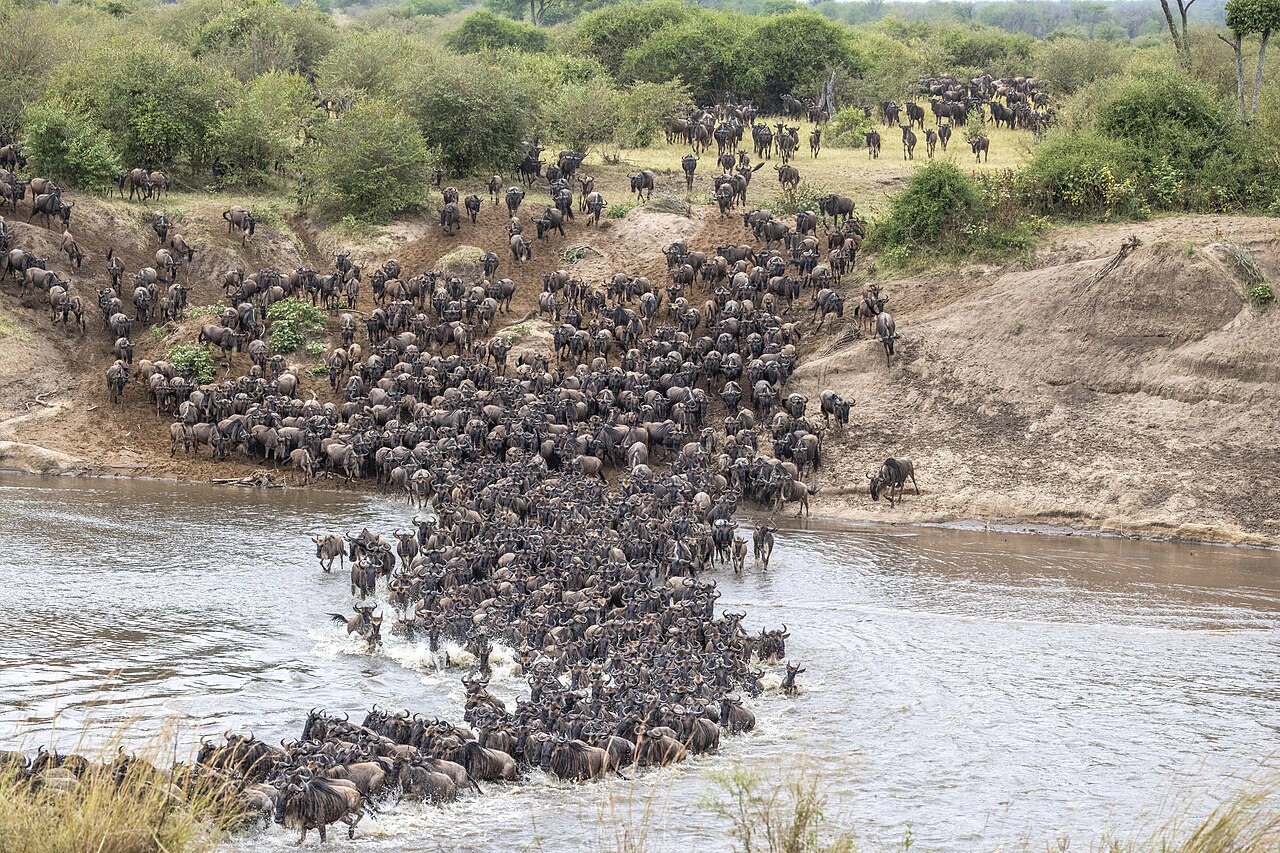
Recorded predators include waterbuck. Source: GloBI.
Where does the common reed live?
People have recorded it in 96 countries; the most records come from United States, Russia, Canada, United Kingdom and Ukraine. Records show where people have seen it, not its full range.
When is the common reed seen most?
In the northern hemisphere, the most records are made in August and the fewest in December. More people outdoors also means more records.
Sources and photo credits
- GBIF · Phragmites australis, 99,500 human observations
- GloBI · recorded interactions of Phragmites australis
- Wikidata · Common reed (Q28557)
- Common reed (Phragmites australis): Yurii Basov, CC BY 4.0
- Common reed (Phragmites australis): Donald Davesne, CC BY 4.0
- Common reed (Phragmites australis): Oleksandr Shynder, CC BY 4.0
- Common reed (Phragmites australis): Douglas Goldman, CC BY-SA 4.0
- Common reed (Phragmites australis), 日本、〒098-4116 北海道天塩郡豊富町西豊富: Saryu Mae 前 朝琉, CC BY 4.0
- Common reed (Phragmites australis), Балашиха, Московская обл., Россия: Stanislav Murashkin, CC BY 4.0
- Common reed (Phragmites australis), Thorold, ON, Canada: Douglas Goldman, CC BY-SA 4.0
- Common reed (Phragmites australis), Западный административный округ, Москва, Россия: Георгий Виноградов (Georgy Vinogradov), CC BY 4.0
- Waterbuck: Rafael Tosi, CC BY 4.0

Records show where people have seen and shared the common reed, not its full range, and some countries and months are recorded far more than others. The food web lists interactions that studies have recorded somewhere in the world (GloBI), not everything it eats in one place.
Checked 2026-11-22.