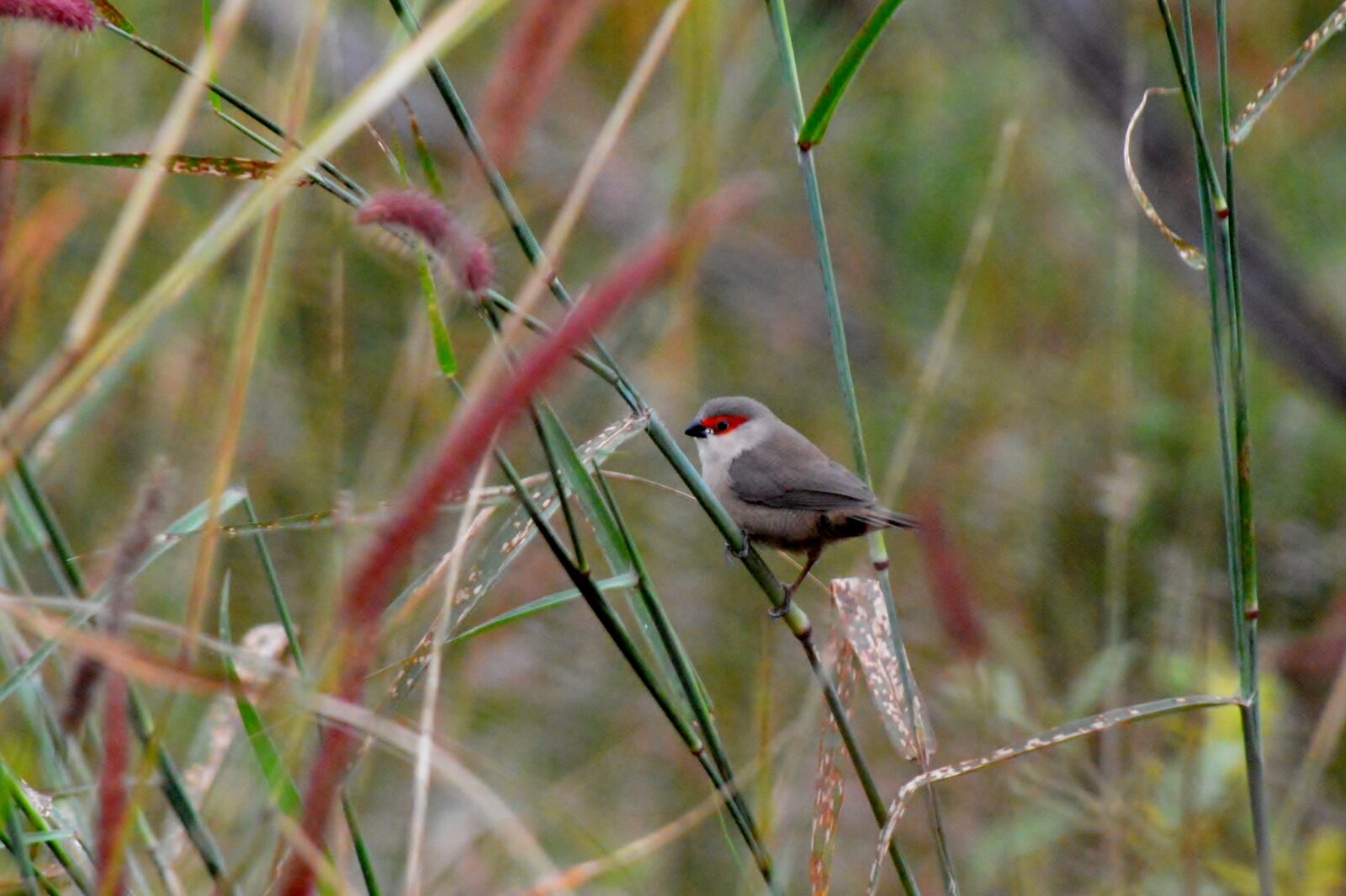
Common Waxbill
Estrilda astrild
- Status
- Least Concern IUCN Red List
- Eats
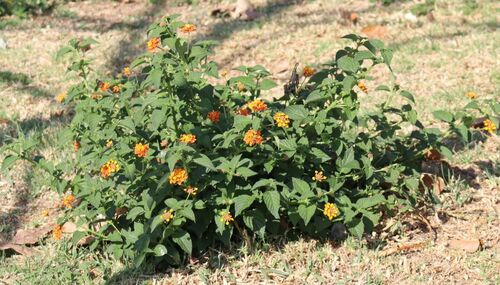
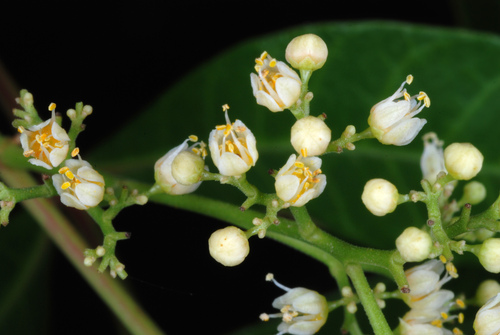
- common lantana, brazilian peppertree, golden dewdrops and 12 more
- Eaten by
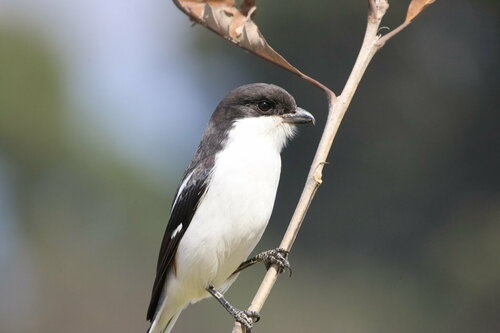
- common fiscal
- Where
- 62 countries
On 4Planet Atlas it is among the wildlife people record most around Bloemfontein, Brazzaville and Cape Town, and 30 more of the cities we cover.
People have shared 313,617 records of the Common Waxbill with GBIF, from 62 countries, most of them from Portugal, Spain and United States. Records collected by GloBI show it eating 15 different kinds of animals and plants, and being eaten by 1.
What the common Waxbill eats, and what eats it
Studies have recorded it eating 15 kinds of animals and plants, and 1 kinds of animals eating it. Tap any of them to follow the food chain.
- Plants 15
Eaten by
 Common Waxbill
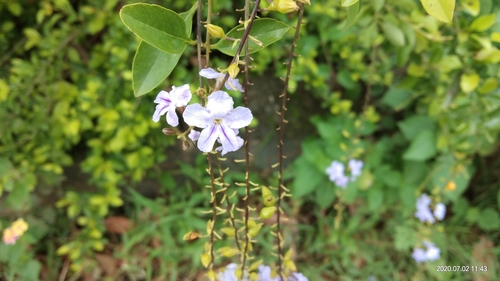

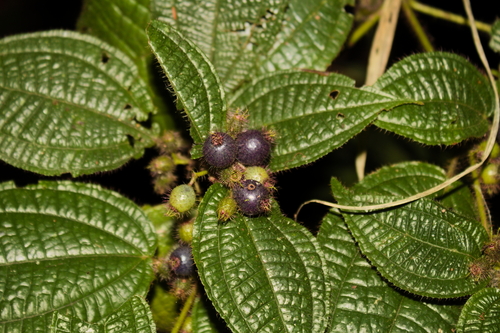
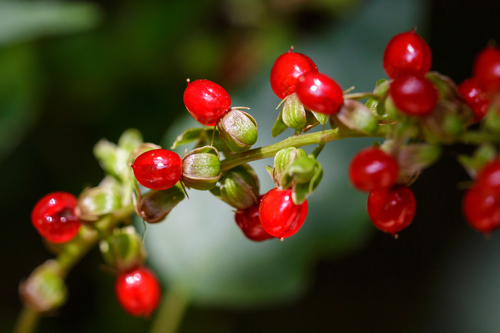
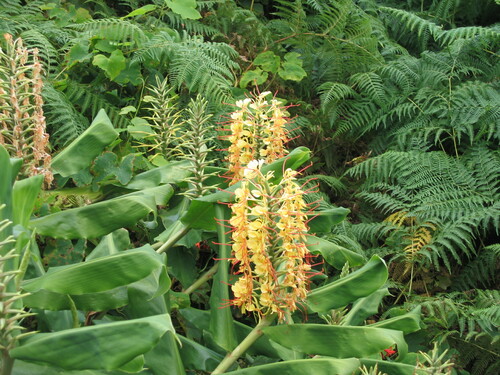
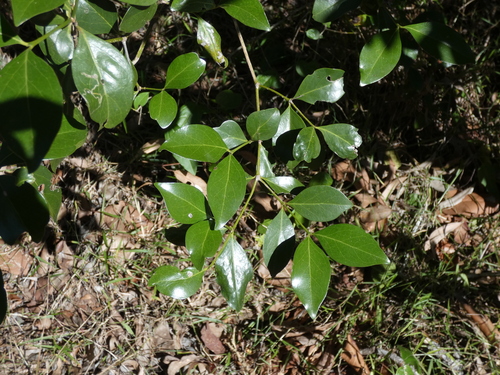
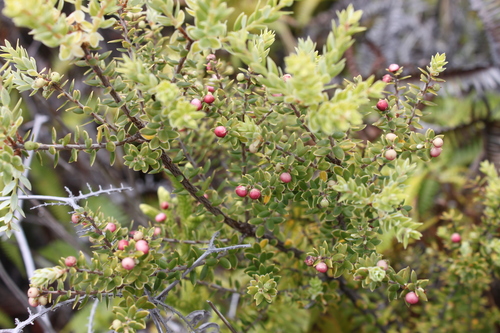
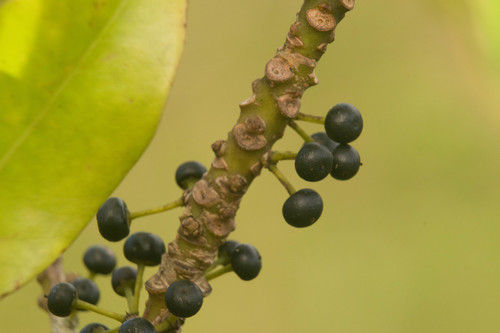
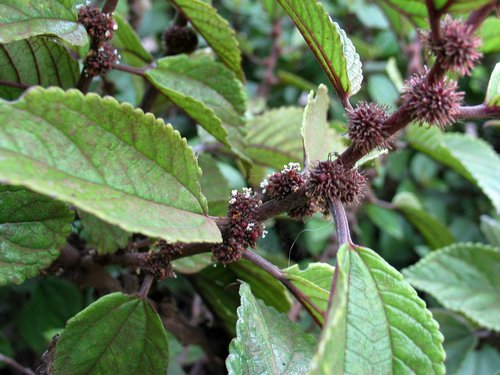

Records from studies worldwide, collected by GloBI. They include animals eaten as carrion, and they are not everything it eats in one place.
Where people see the common Waxbill
People have shared 313,617 records from 62 countries.
Near a city: Bloemfontein, Brazzaville, Cape Town, Castries, Dodoma, Gitega, Harare, Honolulu, Johannesburg, Juba, Kigali, Kinshasa, Libreville, Lilongwe, Lisbon, Lobamba, Luanda, Lusaka, Maputo, Maseru, Mbabane, Nairobi, Port Louis, Port of Spain, Port Vila, Praia, Pretoria, Rio de Janeiro, São Paulo, São Tomé, Victoria, Windhoek, Yaoundé.
Records show where people have seen it and shared it, not its full range. Country names open their page in Atlas.
When it is seen
Records per month in the northern hemisphere. More people outdoors also means more records.
Watch and listen
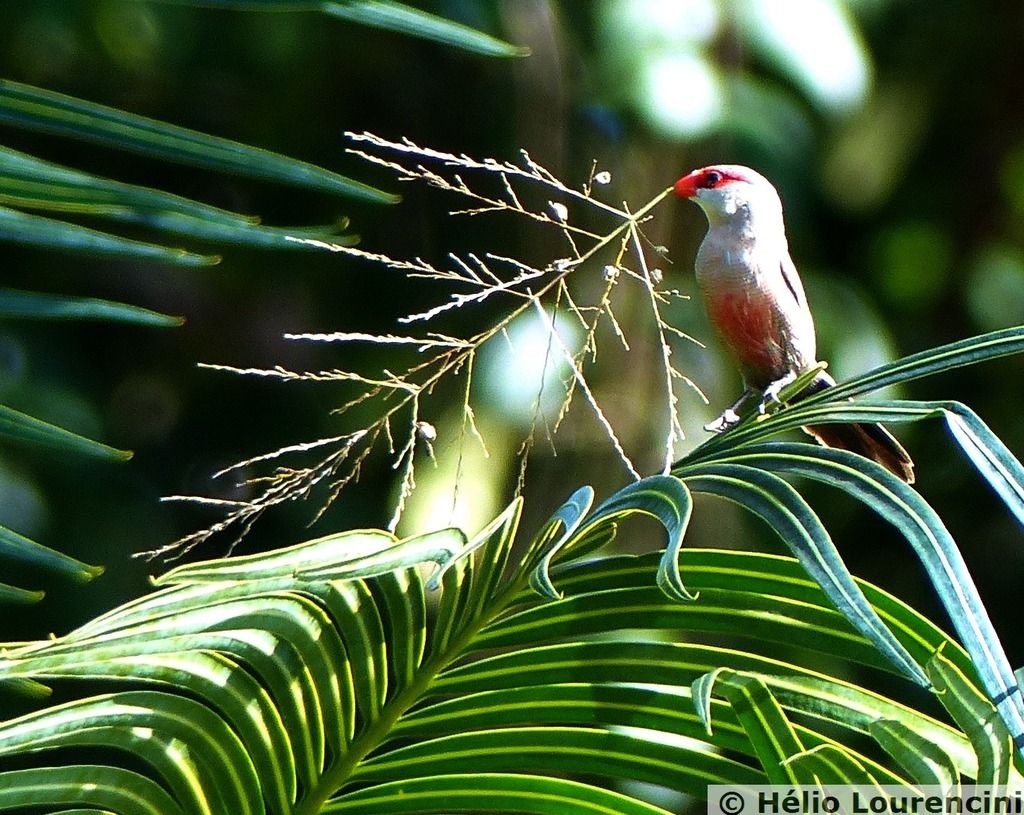
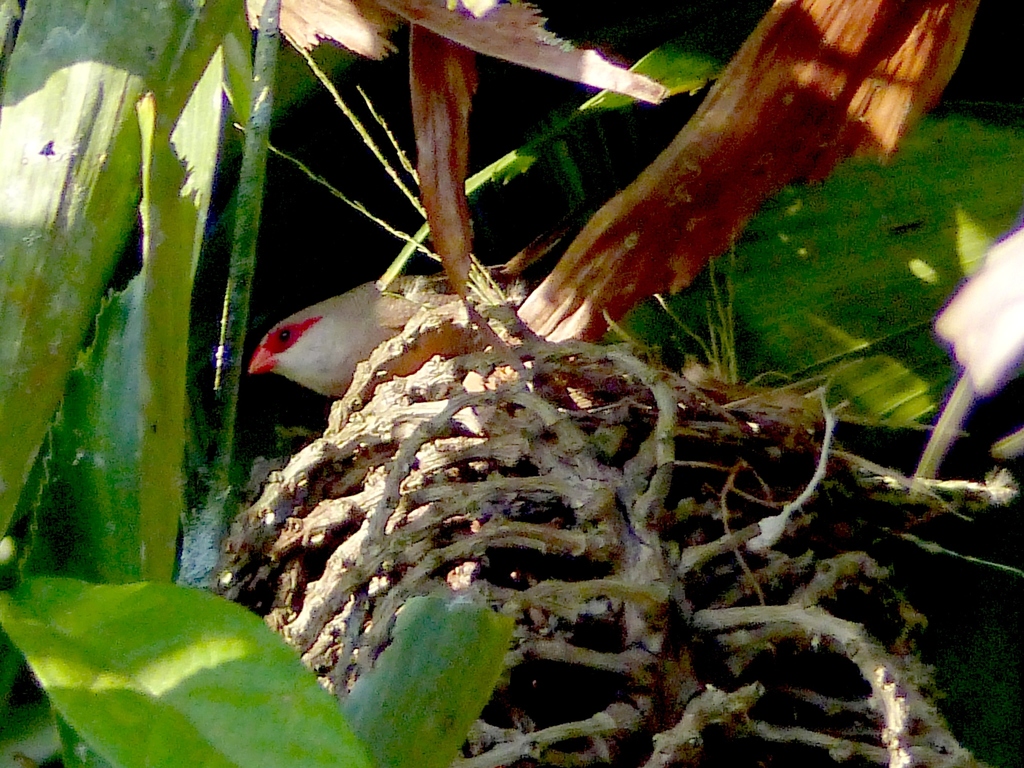
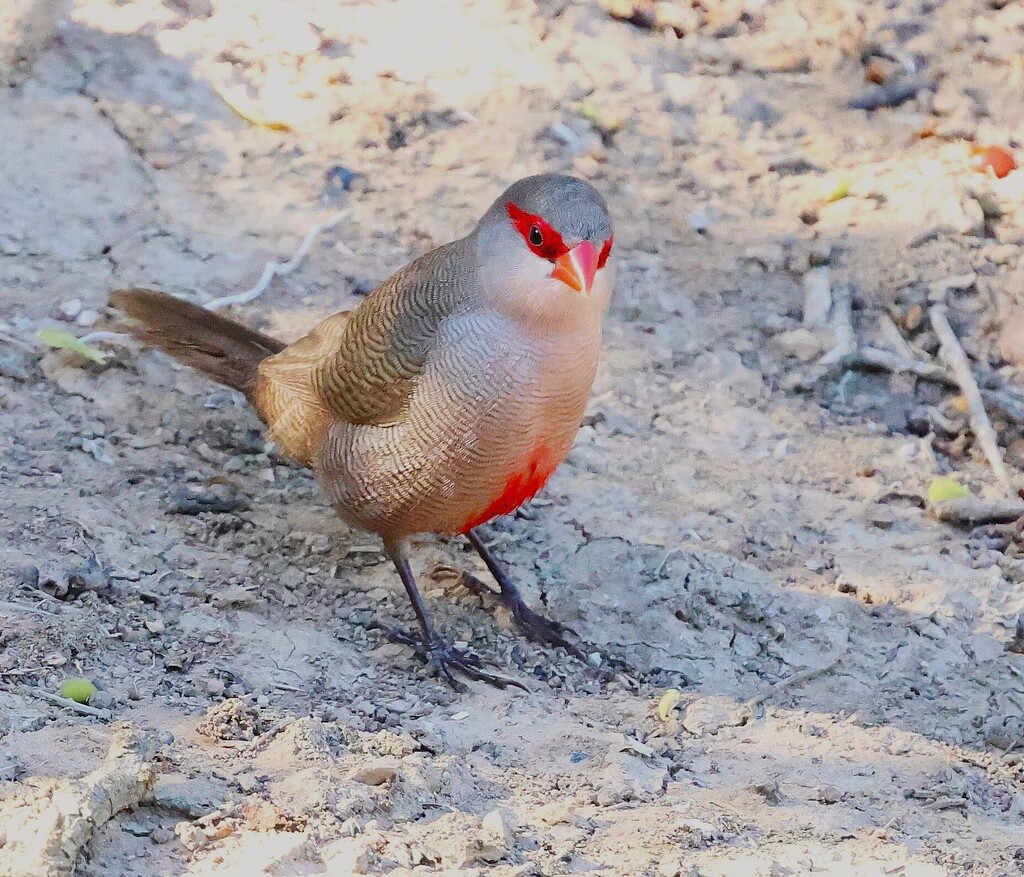
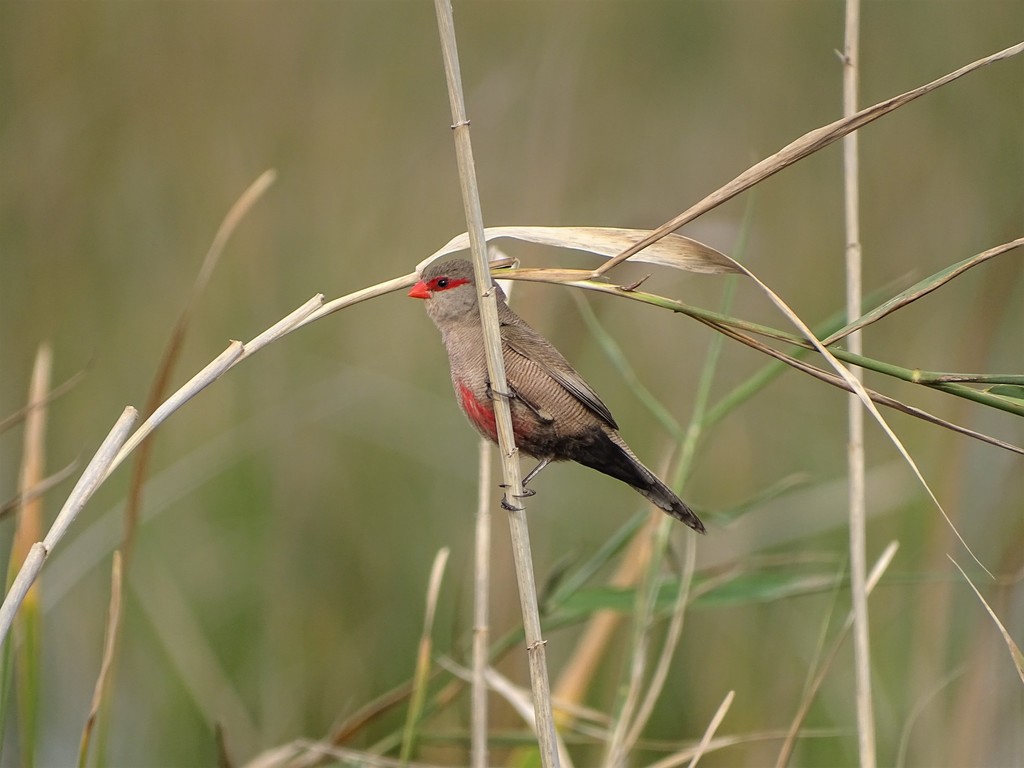
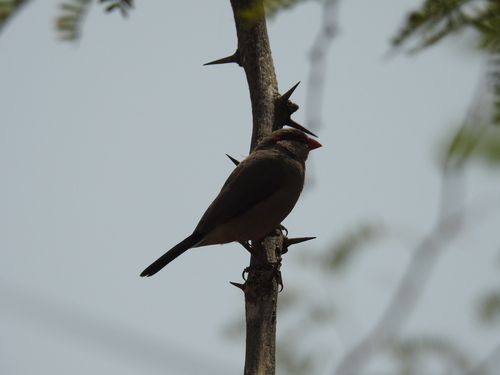
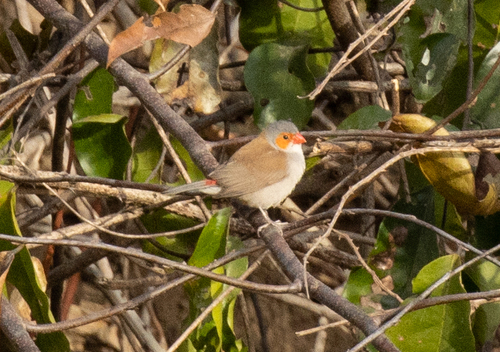
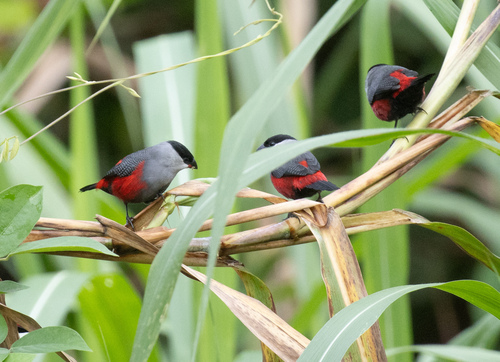
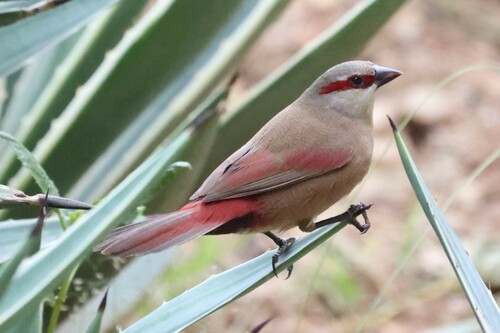
Its closest relatives
The other species of the genus Estrilda.

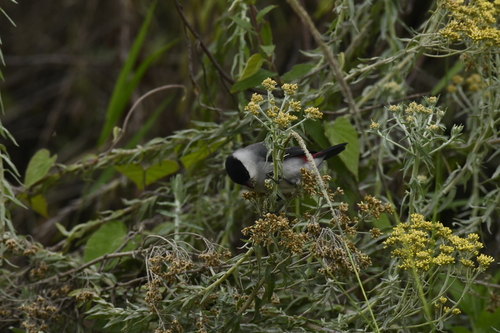
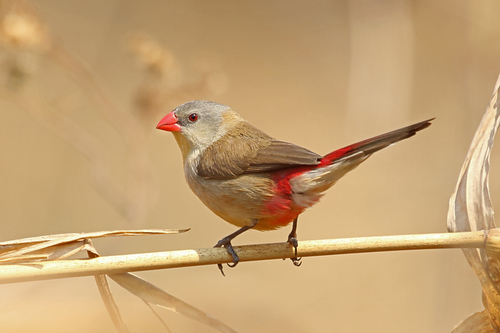
Seen a common Waxbill?
Share your photo on iNaturalist. Other naturalists help confirm it, and the record goes to GBIF, where scientists use it and where the maps on this page come from.
Put this species on your site
The card names every source and links back here.
<iframe src="https://4planetatlas.com/place/embed/species/common-waxbill" title="Common Waxbill (Estrilda astrild), 4PLANET Species" width="100%" height="600" style="border:0;max-width:640px" loading="lazy"></iframe>
<p><a href="https://4species.com/common-waxbill">Common Waxbill on 4PLANET Species</a></p>Questions people ask
What does the Common Waxbill eat?
The Common Waxbill has been recorded eating 15 different kinds of animals and plants, most of them plants. The ones recorded most often are common lantana, brazilian peppertree, golden dewdrops, roseleaf raspberry and koster's curse; records include animals eaten as carrion. Source: GloBI.
What eats the Common Waxbill?
Recorded predators include common fiscal. Source: GloBI.
Where does the Common Waxbill live?
People have recorded it in 62 countries; the most records come from Portugal, Spain, United States, Brazil and South Africa. Records show where people have seen it, not its full range.
When is the Common Waxbill seen most?
In the northern hemisphere, the most records are made in October and the fewest in June. More people outdoors also means more records.
What are the Common Waxbill's closest relatives?
It shares the genus Estrilda with black-rumped waxbill, orange-cheeked waxbill, black-headed waxbill, crimson-rumped waxbill and arabian waxbill.
Sources and photo credits
- GBIF · Estrilda astrild, 313,617 human observations
- GloBI · recorded interactions of Estrilda astrild
- Wikidata · Common Waxbill (Q583220)
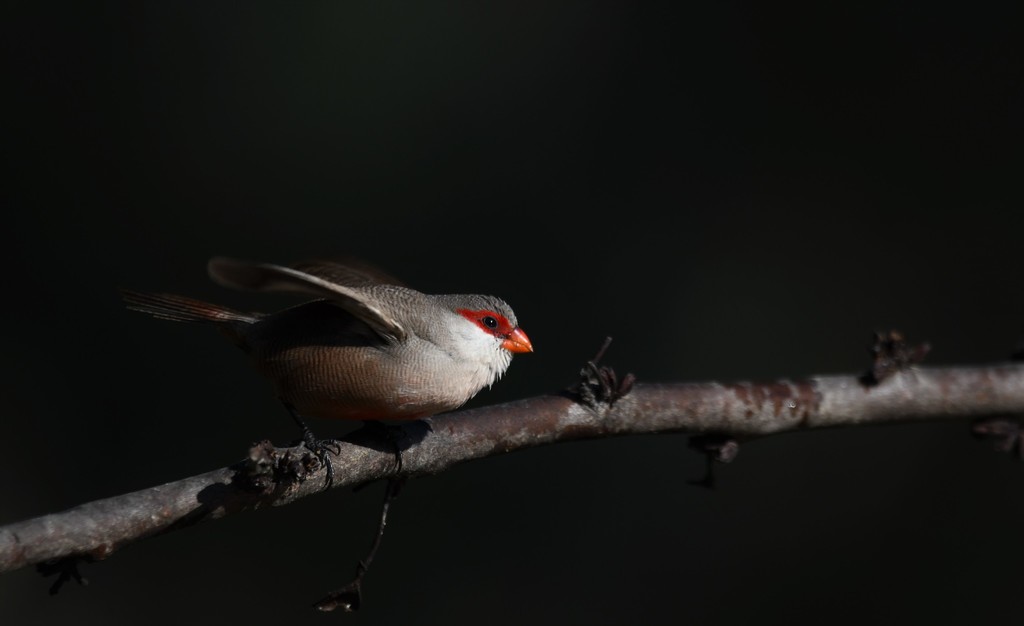
- Common Waxbill (Estrilda astrild): Douglas, CC BY 4.0
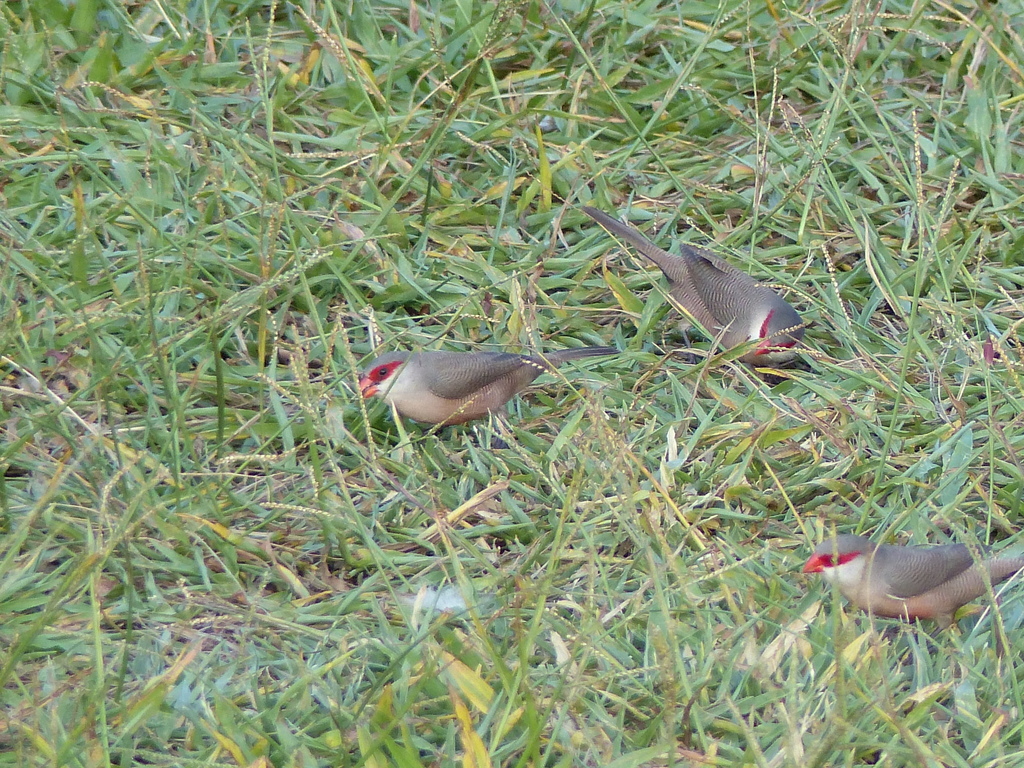
- Common Waxbill (Estrilda astrild), Santarém, Portugal: Paulo Martins, CC BY-SA 4.0
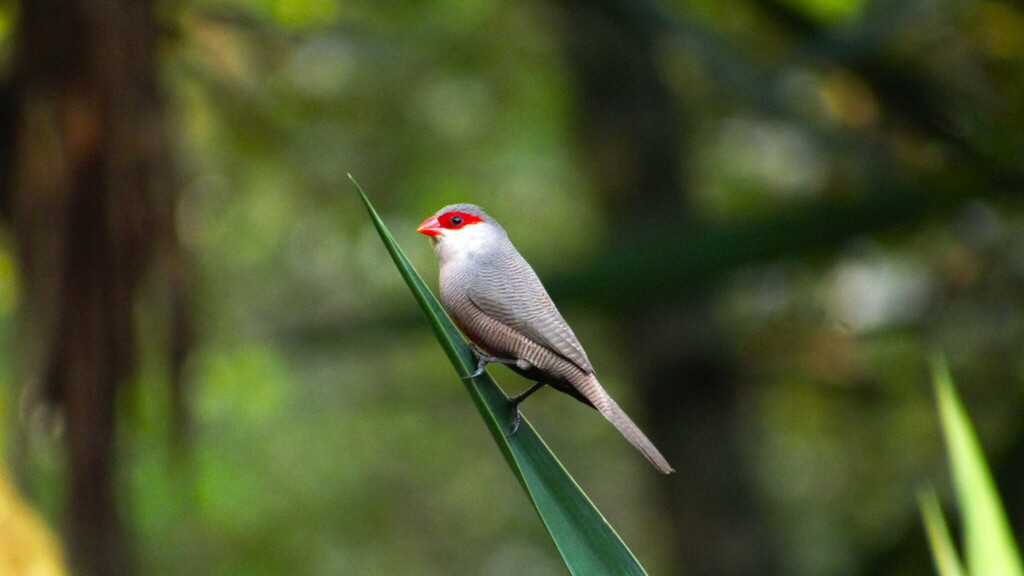
- Common Waxbill (Estrilda astrild), R. Mamede Simões, 111 - Boa Vista, Recife - PE, 50050-570, Brasil: Helio Lourencini, CC BY 4.0
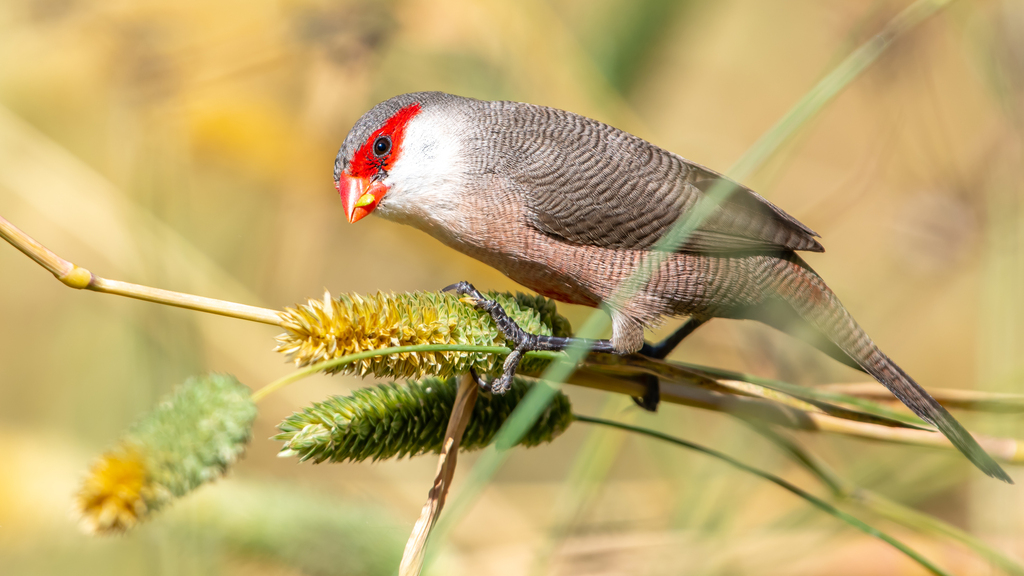
- Common Waxbill (Estrilda astrild), Barra da Tijuca, Rio de Janeiro - RJ, Brasil: Lucas Lopes, CC BY 4.0
- Common Waxbill (Estrilda astrild), El Parc i la Llacuna del Poblenou, Barcelona, Spain: Codrin Bucur, CC BY 4.0
- Common Waxbill (Estrilda astrild), Zona rural de Paudalho - Pernambuco: Helio Lourencini, CC BY 4.0
- Common Waxbill (Estrilda astrild), Zona rural de Paudalho - Pernambuco: Helio Lourencini, CC BY 4.0
- Common Waxbill (Estrilda astrild), Uitenhage Farms, Gqeberha, South Africa: Dave Brown, CC0
- Common Waxbill (Estrilda astrild), Wilderness National Lakes Area, Eden, Western Cape, South Africa: Shaun Swanepoel, CC BY 4.0
- Common lantana: no rights reserved, uploaded by Dave Brown, CC0
- Brazilian peppertree: Douglas Goldman, CC BY-SA 4.0
- Golden dewdrops: Swarochi Tathagath, CC BY 4.0
- Roseleaf raspberry: Alan Rockefeller, CC BY 4.0
- Koster's curse: Davidson Moreira, CC BY 4.0
- Rougeplant: Meghan Cassidy, CC BY-SA 4.0
- Kahila garland-lily: zebedeugalinha, CC BY 4.0
- Lamboto: Scott W. Gavins, CC BY 4.0
- Hawaiian heather: Floyd A. Reed, CC BY 4.0
- Kolea lau nui: Kevin Faccenda, CC BY 4.0
- Waimea mamaki: David Eickhoff, CC BY 4.0
- Guinea grass: no rights reserved, uploaded by 葉子, CC0
- Common fiscal: Paul Hoekman, CC BY 4.0
- Black-rumped waxbill: liam1294, CC BY 4.0
- Orange-cheeked waxbill: avocat, CC BY 4.0
- Black-headed waxbill: avocat, CC BY 4.0
- Crimson-rumped waxbill: Tommy Andriollo, CC BY 4.0
- Arabian waxbill: Jan Ebr & Ivana Ebrová, CC BY 4.0
- Black-crowned waxbill: Ahirbudhnyan M, CC BY 4.0
- Fawn-breasted waxbill: Nigel Voaden, CC BY-SA 4.0
Records show where people have seen and shared the Common Waxbill, not its full range, and some countries and months are recorded far more than others. The food web lists interactions that studies have recorded somewhere in the world (GloBI), not everything it eats in one place.
Checked 2026-11-27.