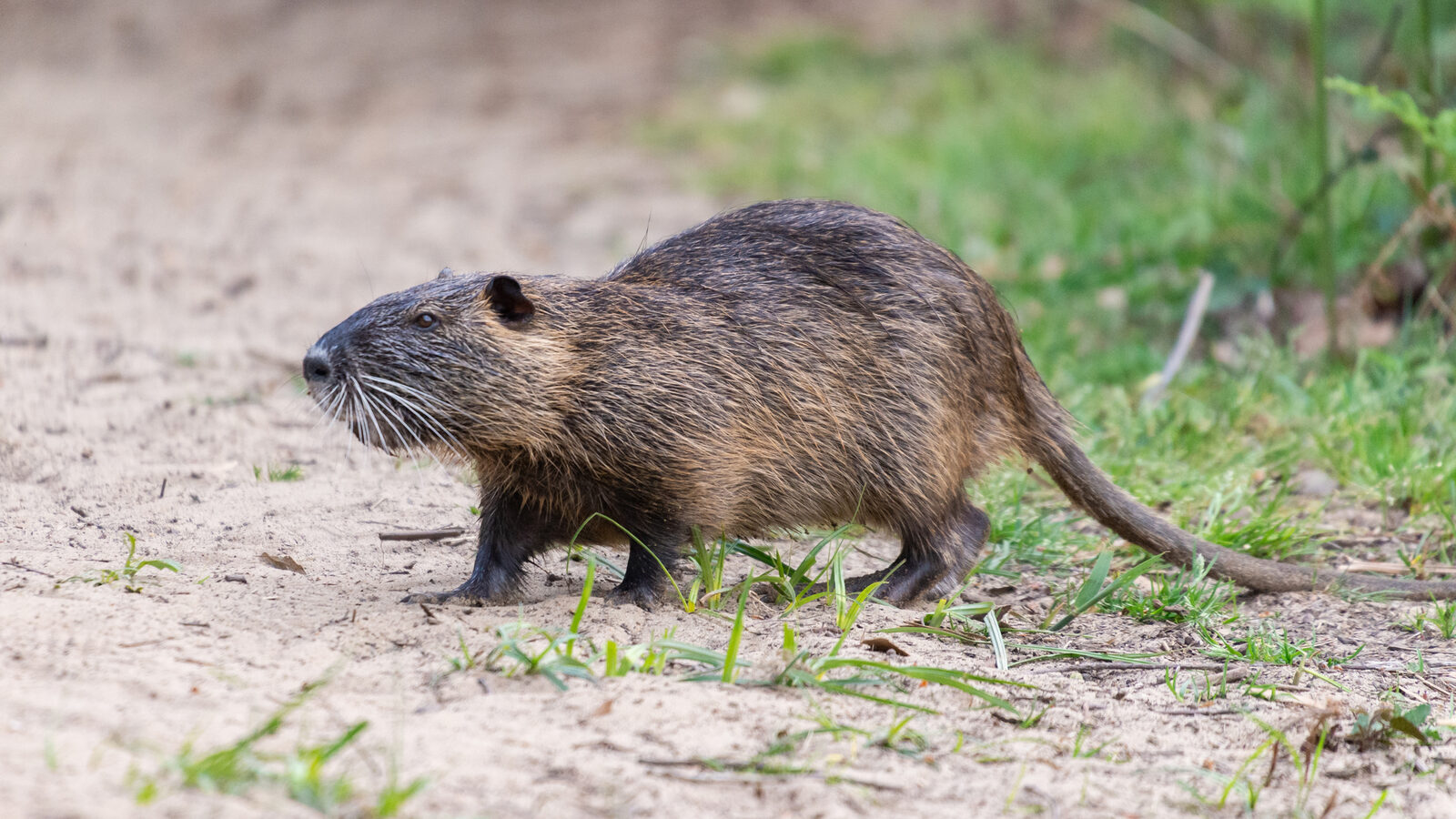
Coypu
Myocastor coypus
A large water rodent with orange front teeth.
- Status
- Least Concern IUCN Red List
- Eats
- tasteless water-pepper, raspberry, cloudberry and 223 more
- Eaten by
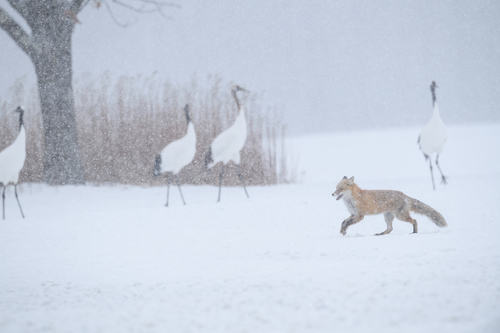
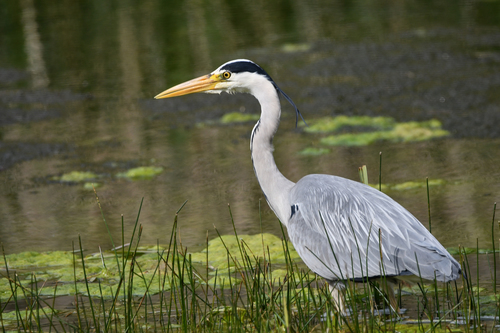
- grey wolf, red fox, grey heron
- Where
- 46 countries · wetlands
On 4Planet Atlas it is among the wildlife people record most around Paris, Prague and Rome.
People have shared 30,175 records of the coypu with GBIF, from 46 countries, most of them from United States, France and Germany. Records collected by GloBI show it eating 226 different kinds of animals and plants, and being eaten by 7.
Habitats
What the coypu eats, and what eats it
Studies have recorded it eating 226 kinds of animals and plants, and 7 kinds of animals eating it. Tap any of them to follow the food chain.
- Plants 205
- Spiders and mites 2
- Bacteria 2
- Fungi 1



 Coypu


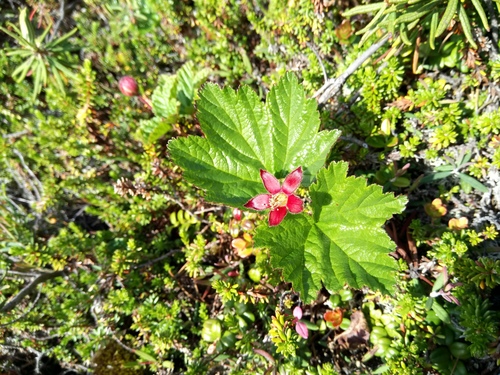
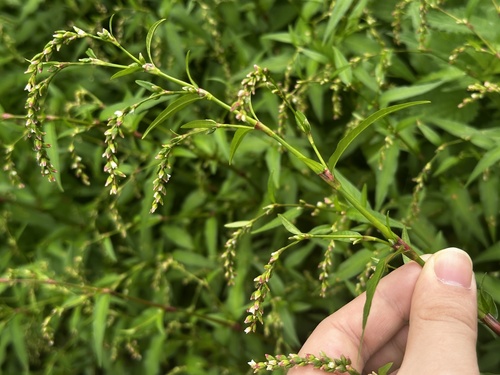
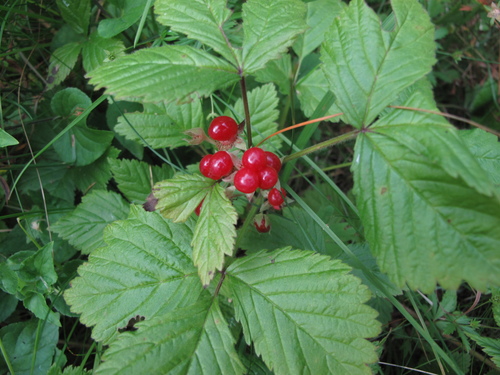
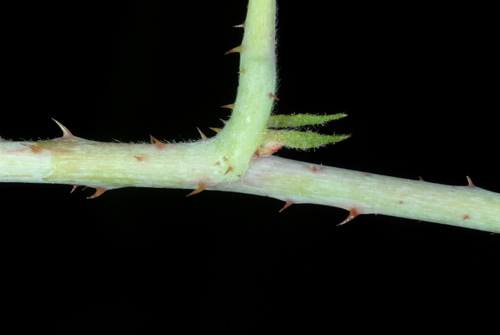


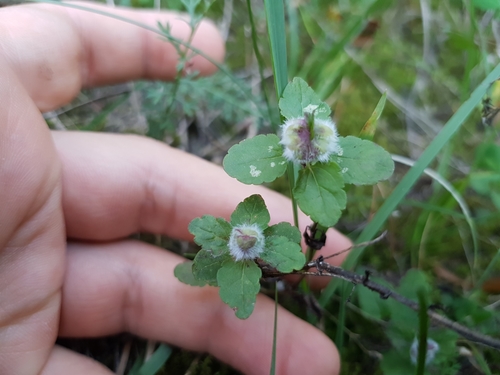

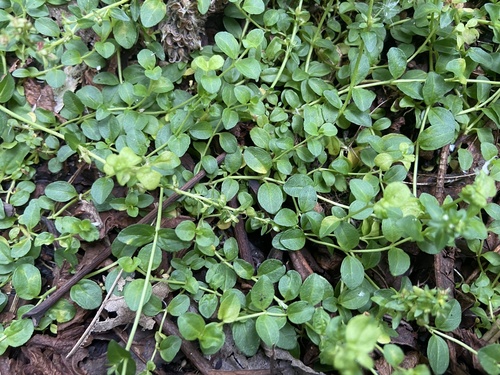
Records from studies worldwide, collected by GloBI. They include animals eaten as carrion, and they are not everything it eats in one place.
Where people see the coypu
People have shared 30,175 records from 46 countries.
Near a city: Paris, Prague, Rome.
Records show where people have seen it and shared it, not its full range. Country names open their page in Atlas.
When it is seen
Records per month in the northern hemisphere. More people outdoors also means more records.
Watch and listen
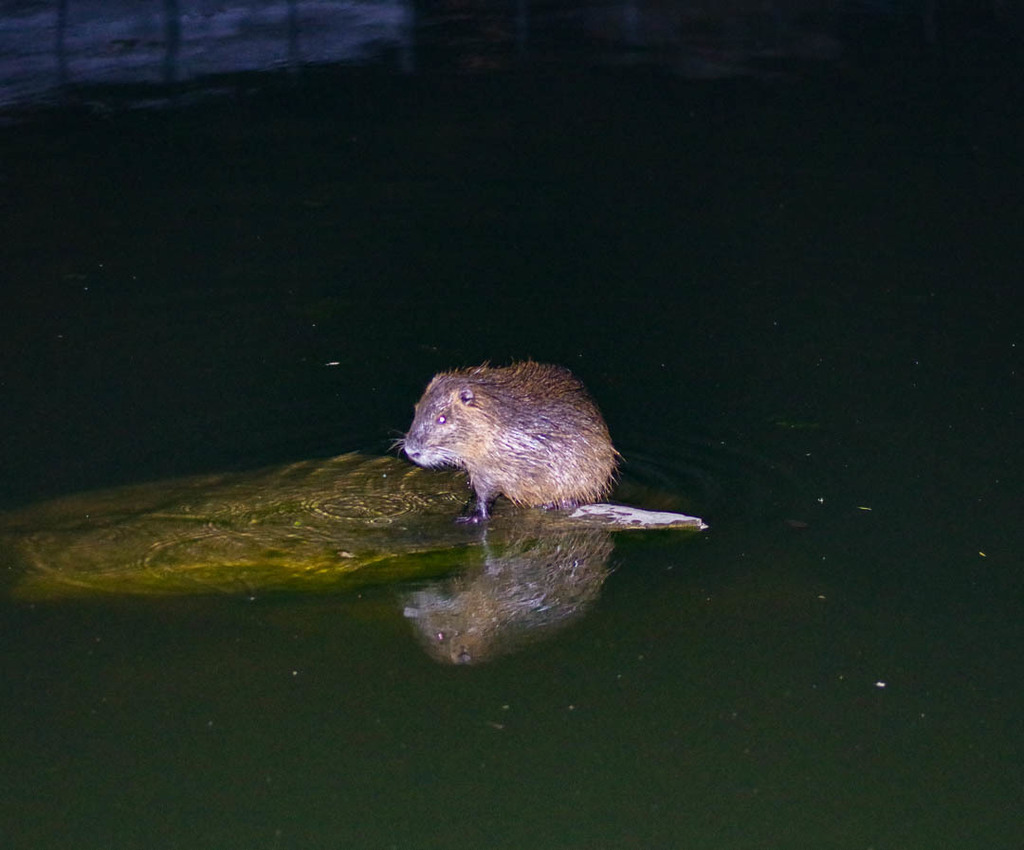
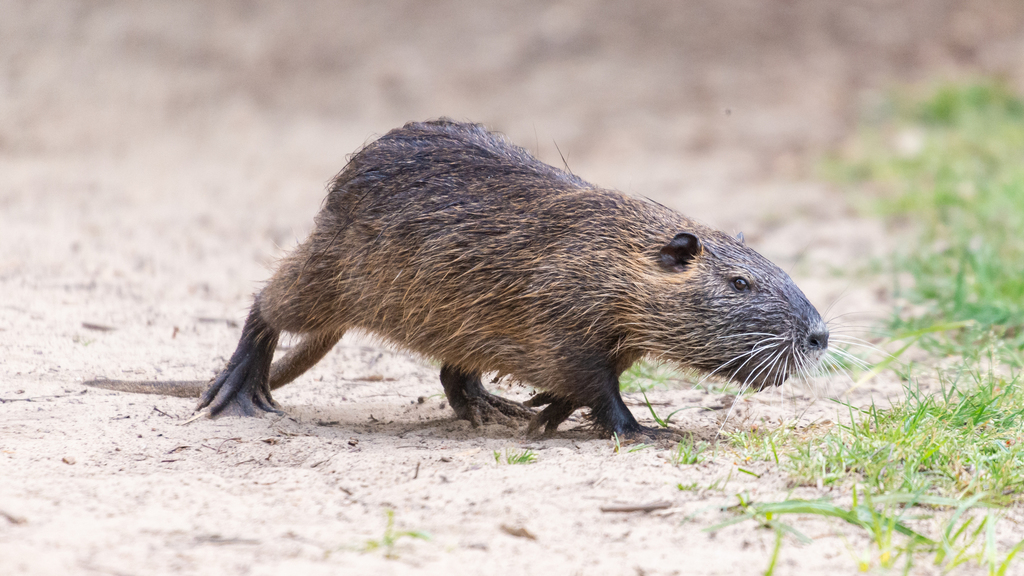
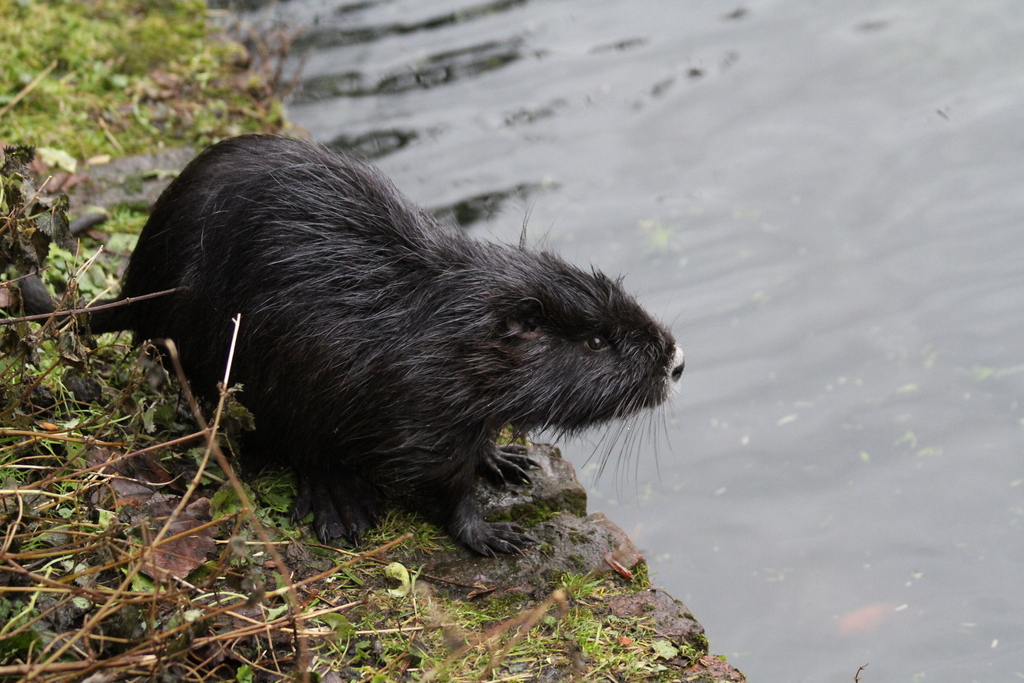
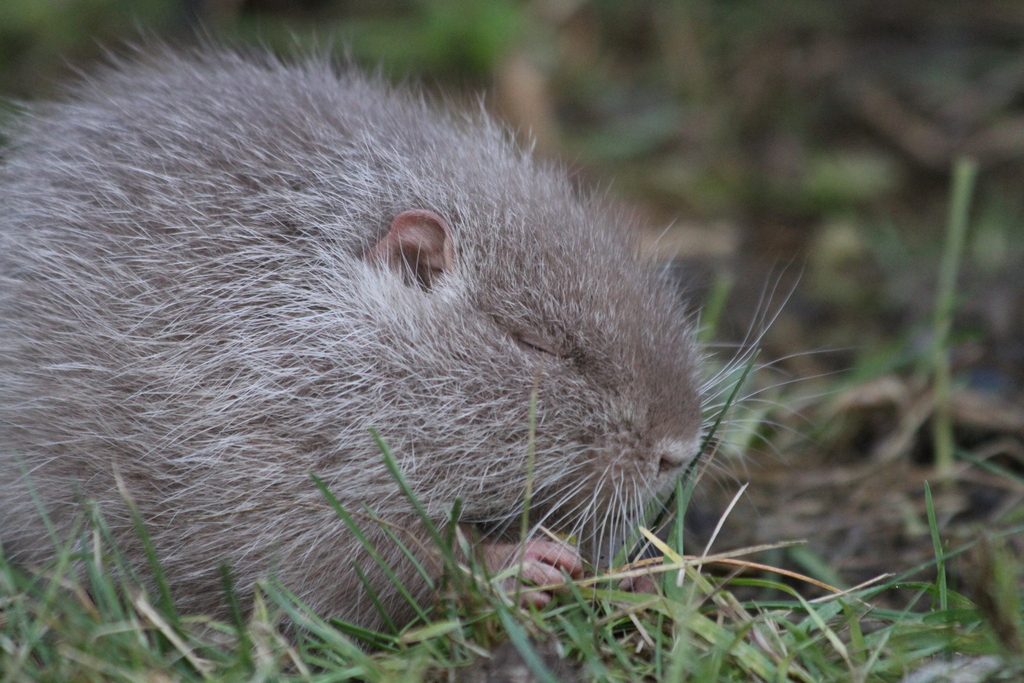
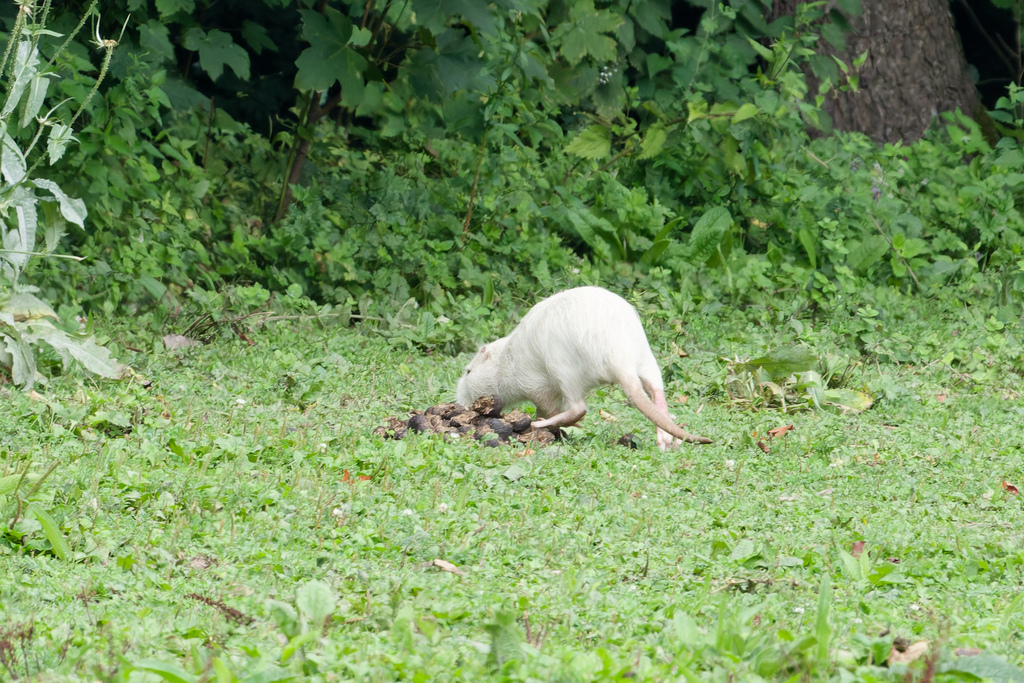
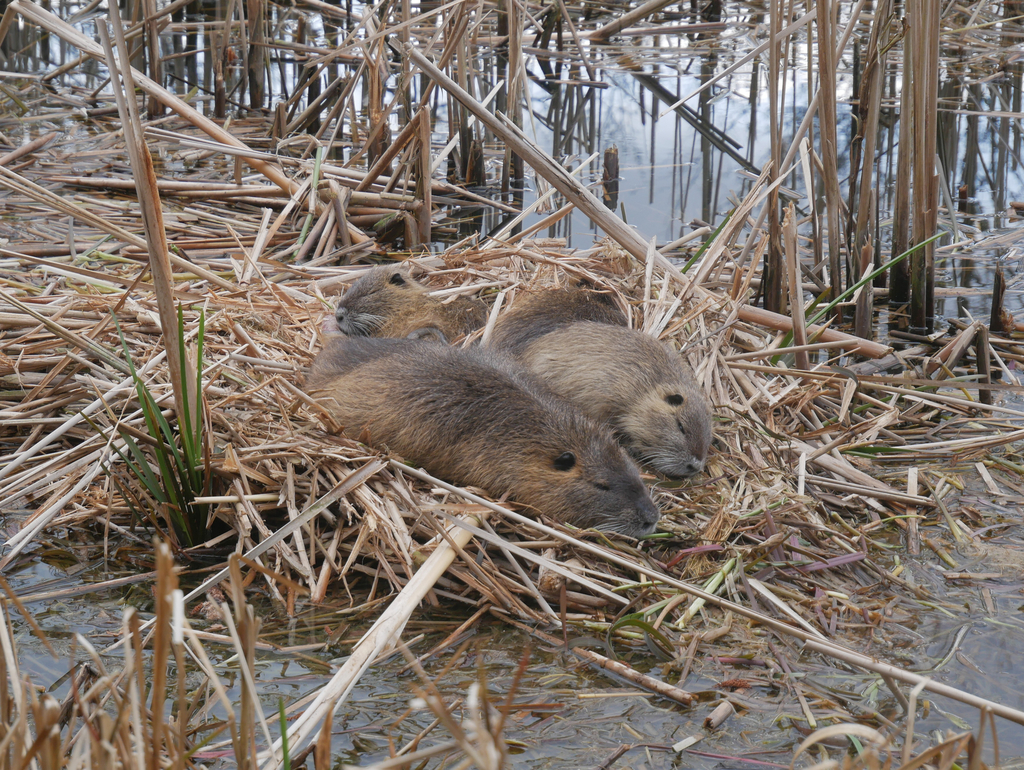
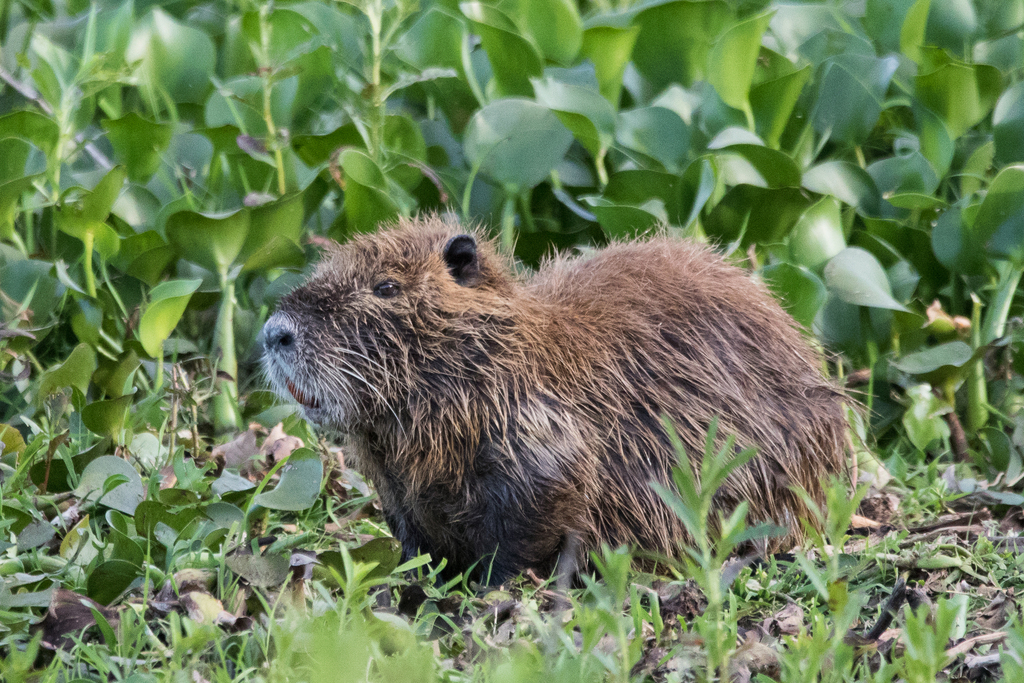
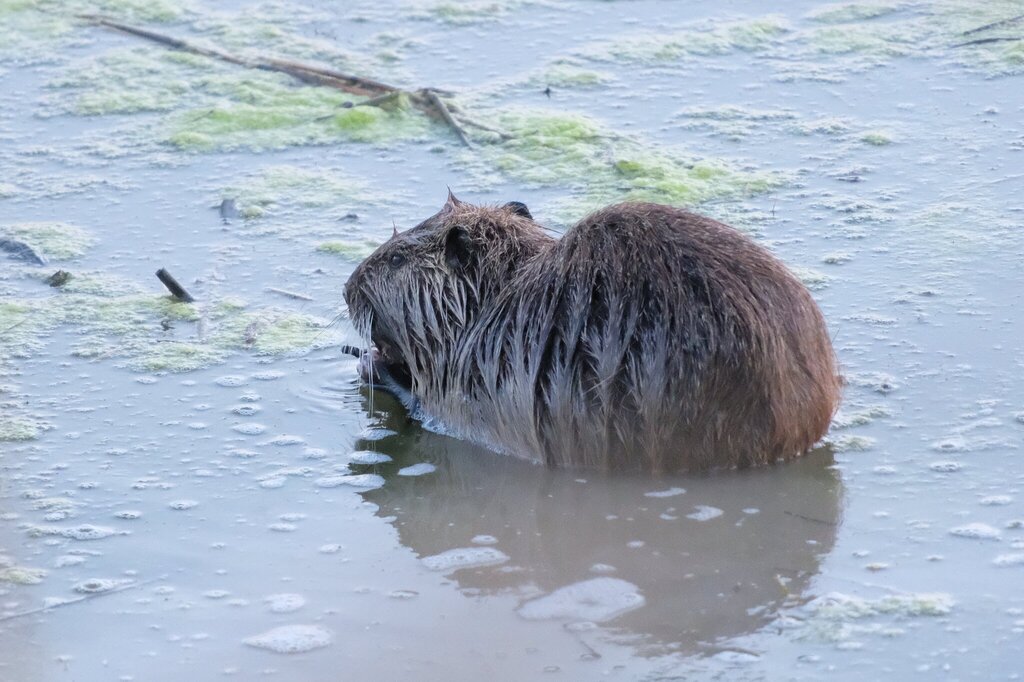
Seen a coypu?
Share your photo on iNaturalist. Other naturalists help confirm it, and the record goes to GBIF, where scientists use it and where the maps on this page come from.
Put this species on your site
The card names every source and links back here.
<iframe src="https://4planetatlas.com/place/embed/species/coypu" title="Coypu (Myocastor coypus), 4PLANET Species" width="100%" height="600" style="border:0;max-width:640px" loading="lazy"></iframe>
<p><a href="https://4species.com/coypu">Coypu on 4PLANET Species</a></p>Explore next
What puts the coypu under pressure, what helps, and who works on it.







Questions people ask
What does the coypu eat?
The coypu has been recorded eating 226 different kinds of animals and plants, most of them plants, spiders and mites, bacteria and fungi. The ones recorded most often are tasteless water-pepper, raspberry, cloudberry, water-pepper and stone bramble; records include animals eaten as carrion. Source: GloBI.
What eats the coypu?
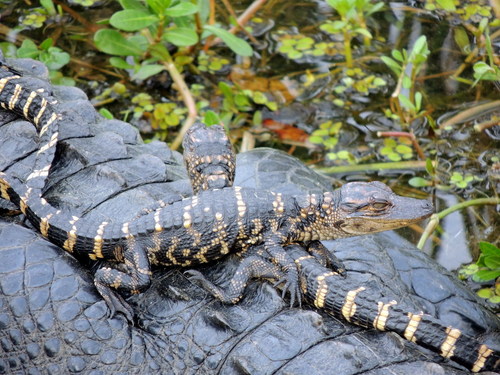
Recorded predators include grey wolf, red fox, grey heron, coyote and bald eagle. Source: GloBI.
Where does the coypu live?
People have recorded it in 46 countries; the most records come from United States, France, Germany, Italy and Argentina. Records show where people have seen it, not its full range.
When is the coypu seen most?
In the northern hemisphere, the most records are made in April and the fewest in November. More people outdoors also means more records.
Sources and photo credits
- GBIF · Myocastor coypus, 30,175 human observations
- GloBI · recorded interactions of Myocastor coypus
- Wikidata · Coypu (Q187704)
- Coypu (Myocastor coypus): euqirneto, CC BY 4.0
- Coypu (Myocastor coypus), Bouldin, Austin, TX 78704, USA: Michelle W. (鍾偉瑋), CC BY 4.0
- Coypu (Myocastor coypus), Labenne, Francia: euqirneto, CC BY 4.0
- Coypu (Myocastor coypus), 45 Mülheim an der Ruhr, Deutschland: tobijw, CC BY 4.0
- Coypu (Myocastor coypus), 45 Mülheim an der Ruhr, Deutschland: tobijw, CC BY 4.0
- Coypu (Myocastor coypus), Rosay, France: Donald Davesne, CC BY 4.0
- Coypu (Myocastor coypus), 29640 Schneverdingen, Deutschland: Christian Kahle, CC0
- Coypu (Myocastor coypus), Santa Maria, BR-RS, BR: Frank Thomas Sautter, CC0
- Coypu (Myocastor coypus), Okres Eisenstadt-okolí, Rakousko: Jan Vršovský, CC BY-SA 4.0
- Tasteless water-pepper: Paul Cook, CC BY 4.0
- Raspberry: Ole Husby, CC BY-SA 4.0
- Cloudberry: Aleksandr Novikov, CC BY 4.0
- Water-pepper: scallions, CC BY 4.0
- Stone bramble: Ole Husby, CC BY-SA 4.0
- European dewberry: Douglas Goldman, CC BY-SA 4.0
- Common speedwell: Barry Walter, CC BY 4.0
- Blackberry: Tony Rebelo, CC BY-SA 4.0
- Germander speedwell: Tomas Pocius, CC0
- Common field-speedwell: Timur Kalininsky, CC BY 4.0
- Thymeleaf speedwell: Joss Carr, CC BY 4.0
- Grey wolf: Andrew Simon, CC BY 4.0
- Red fox: Morten Ross, CC BY 4.0
- Grey heron: Frank Sengpiel, CC BY 4.0
- Coyote: avocat, CC BY 4.0
- Bald eagle: Daughter Dad, CC BY 4.0
- American alligator: no rights reserved, uploaded by Vijay Barve, CC0
- North American river otter: no rights reserved, uploaded by Adam Jackson, CC0
Records show where people have seen and shared the coypu, not its full range, and some countries and months are recorded far more than others. The food web lists interactions that studies have recorded somewhere in the world (GloBI), not everything it eats in one place.
Checked 2026-11-22.