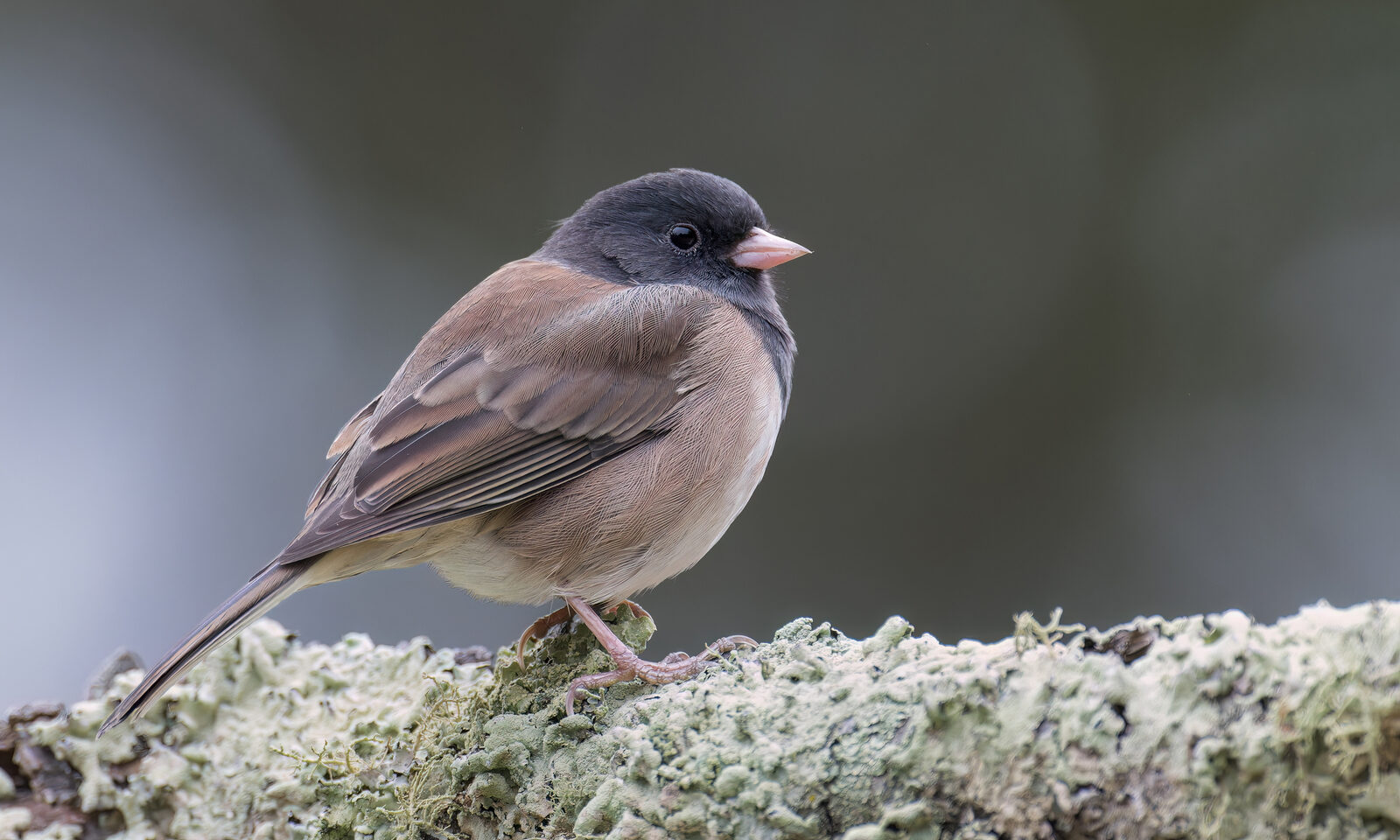
Dark-eyed junco
Junco hyemalis
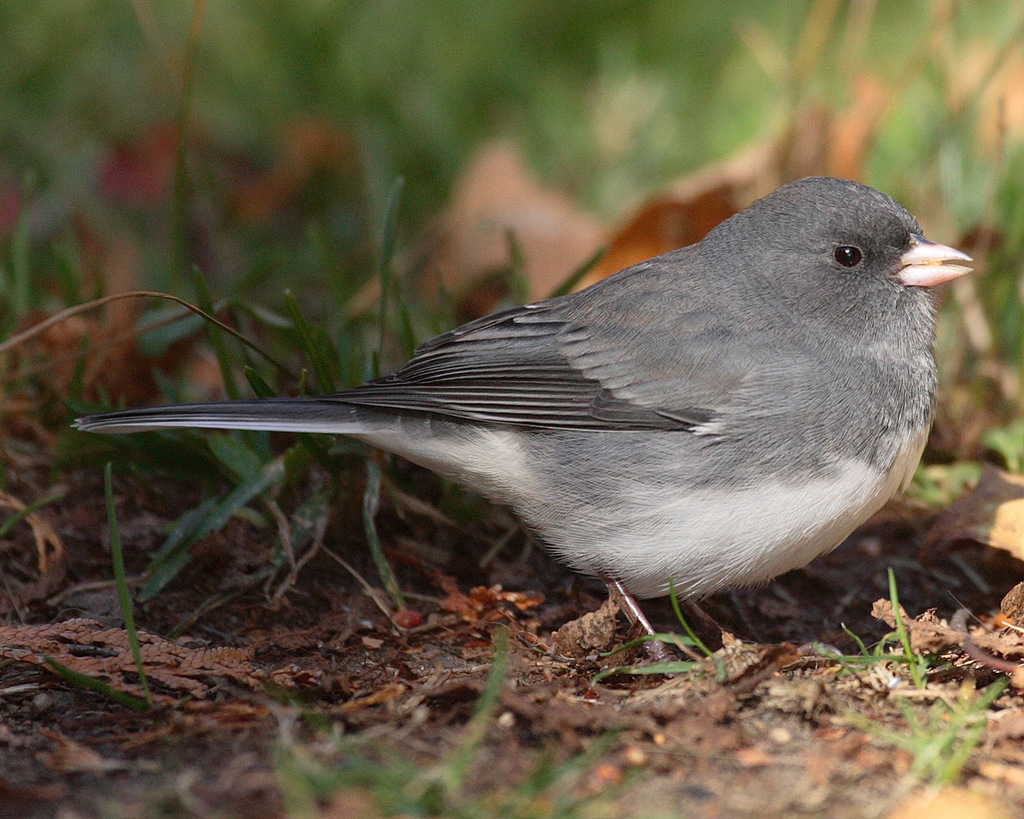
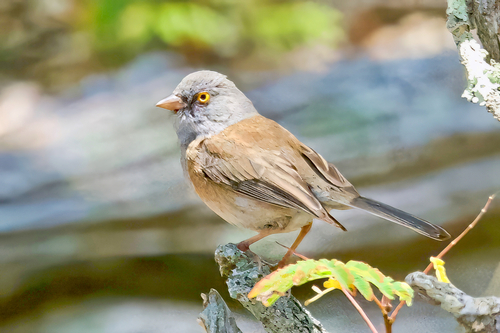
A grey sparrow with white outer tail feathers that flash when it flies.
- Status
- IUCN Red List
- Eats
- wild oat, timothy, poison ivy and 47 more
- Eaten by
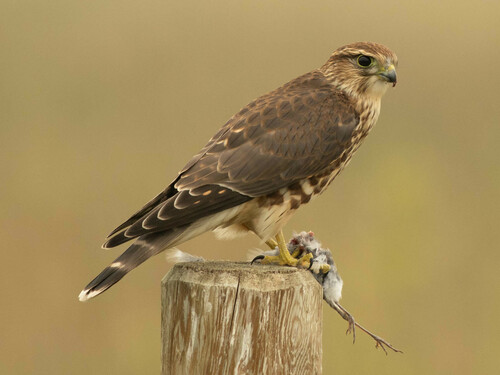
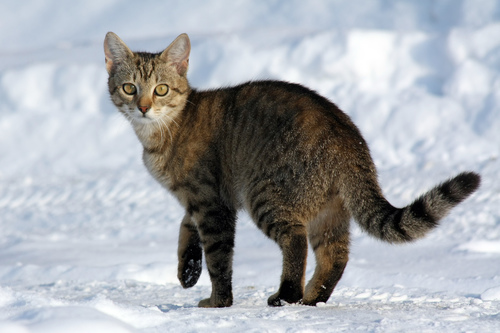
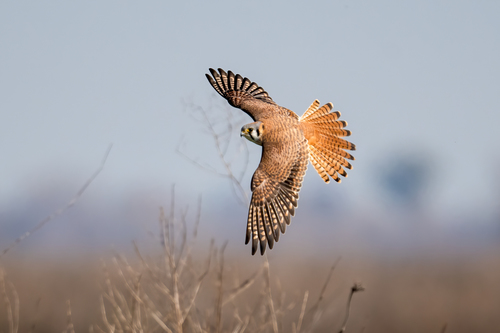
- merlin, cat, American kestrel
- Where
- 20 countries
On 4Planet Atlas it is among the wildlife people record most around New York, Ottawa and Toronto, and 2 more of the cities we cover.
People have shared 14,430,703 records of the dark-eyed junco with GBIF, from 20 countries, most of them from United States, Canada and Mexico. Records collected by GloBI show it eating 50 different kinds of animals and plants, and being eaten by 15.
What the dark-eyed junco eats, and what eats it
Studies have recorded it eating 50 kinds of animals and plants, and 15 kinds of animals eating it. Tap any of them to follow the food chain.
- Plants 39
- Insects 10
- Crustaceans 1
Eaten by



 Dark-eyed junco



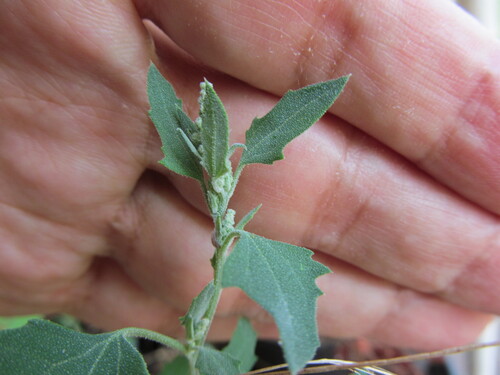
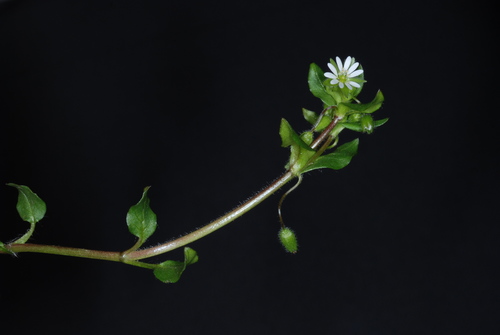
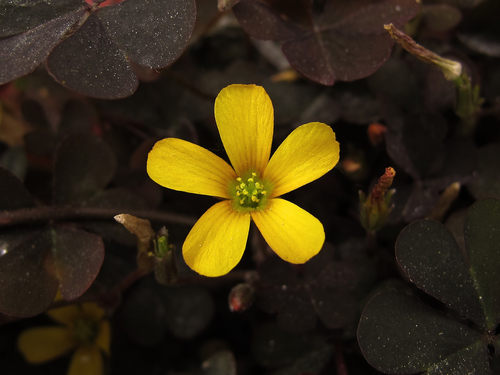


Records from studies worldwide, collected by GloBI. They include animals eaten as carrion, and they are not everything it eats in one place.
Where people see the dark-eyed junco
People have shared 14,430,703 records from 20 countries.
Near a city: New York, Ottawa, Toronto, Vancouver, Washington, D.C..
Records show where people have seen it and shared it, not its full range. Country names open their page in Atlas.
When it is seen
Records per month in the northern hemisphere. More people outdoors also means more records.
Watch and listen

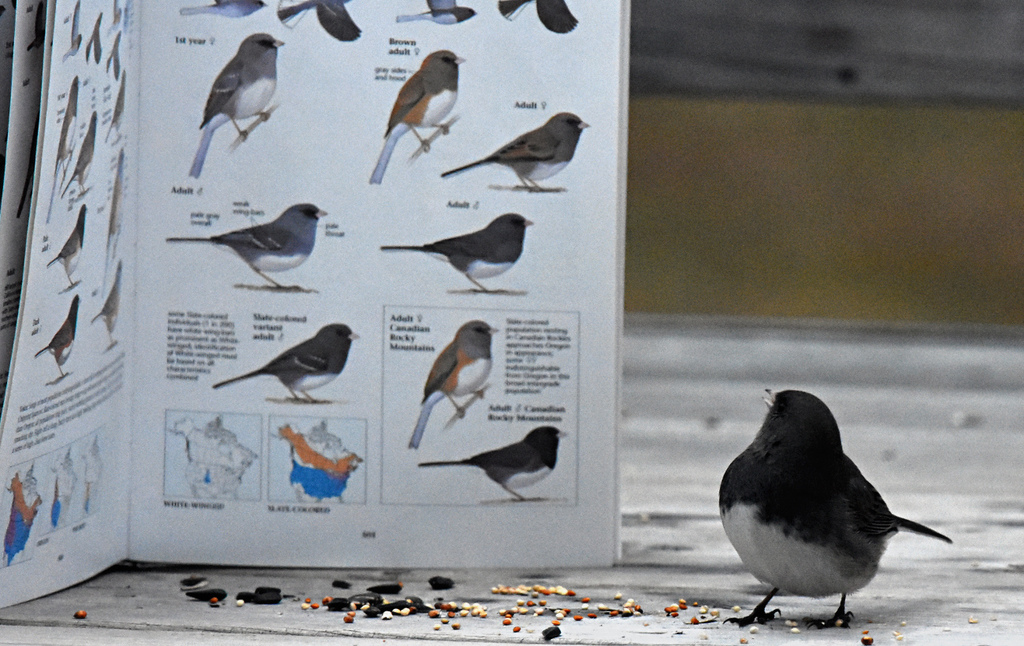
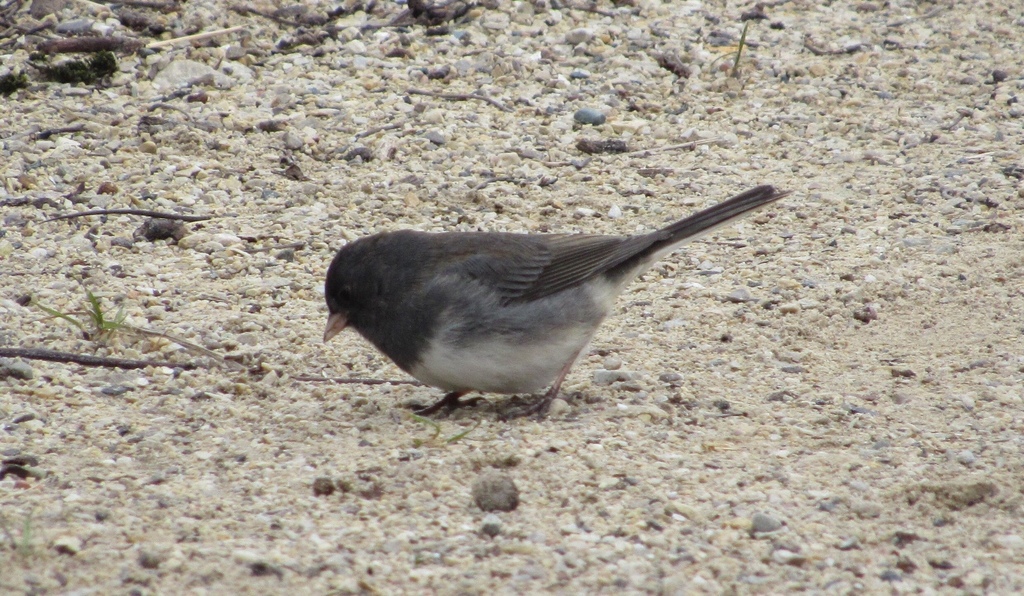
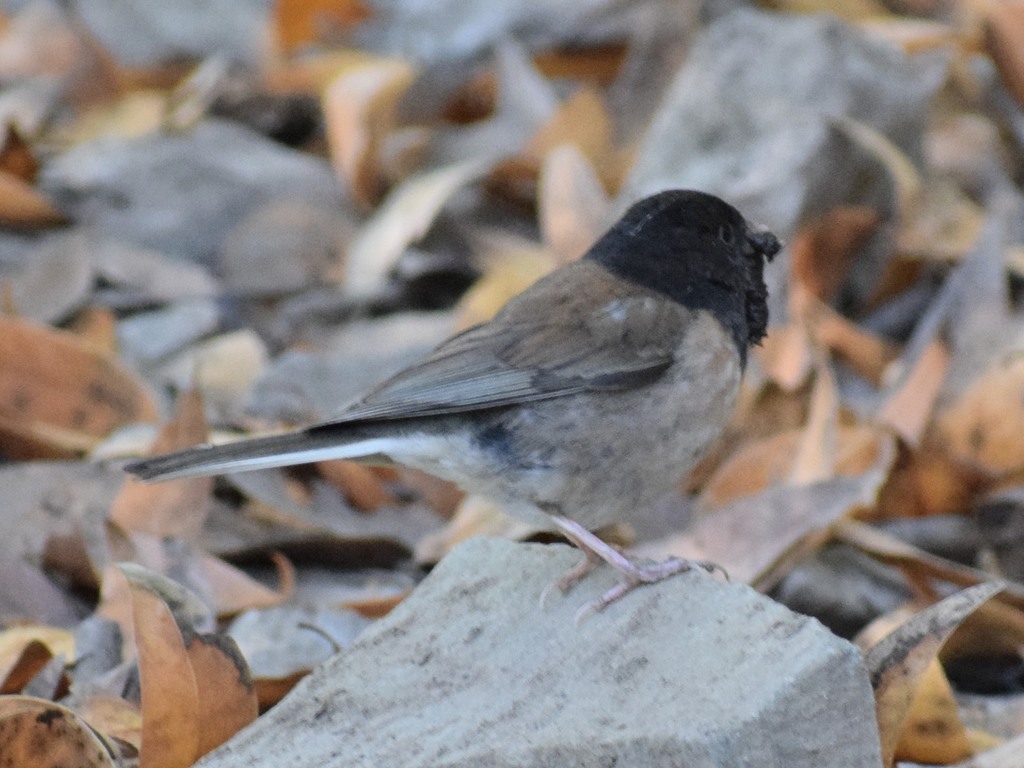
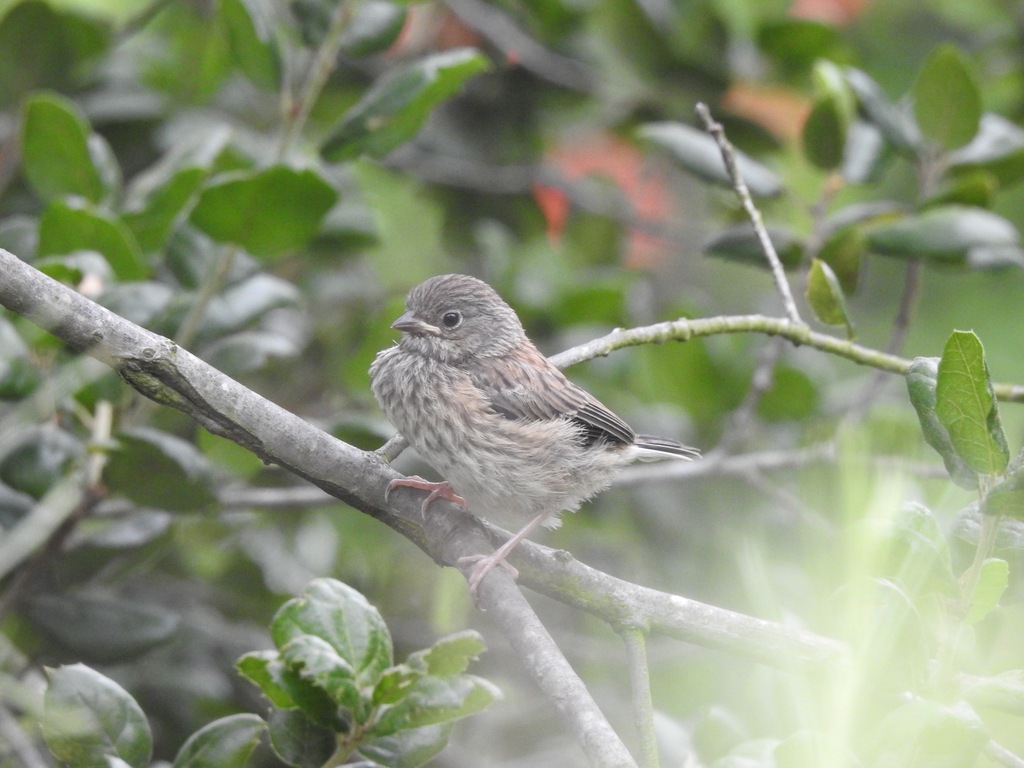
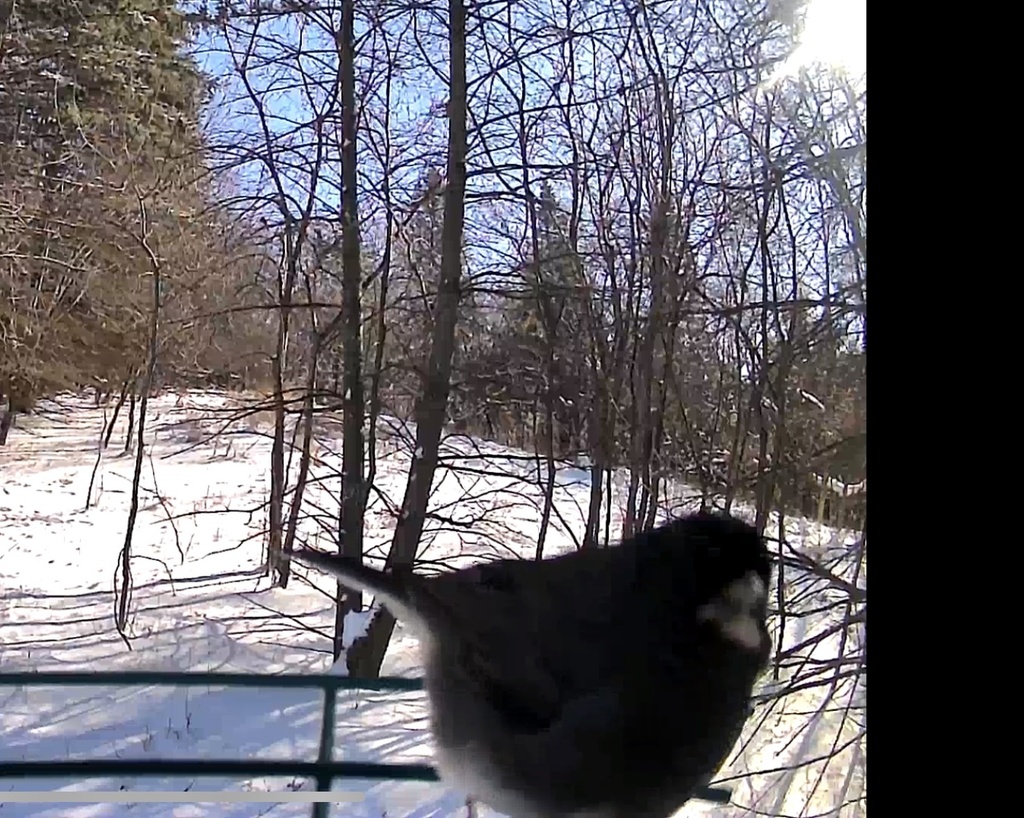
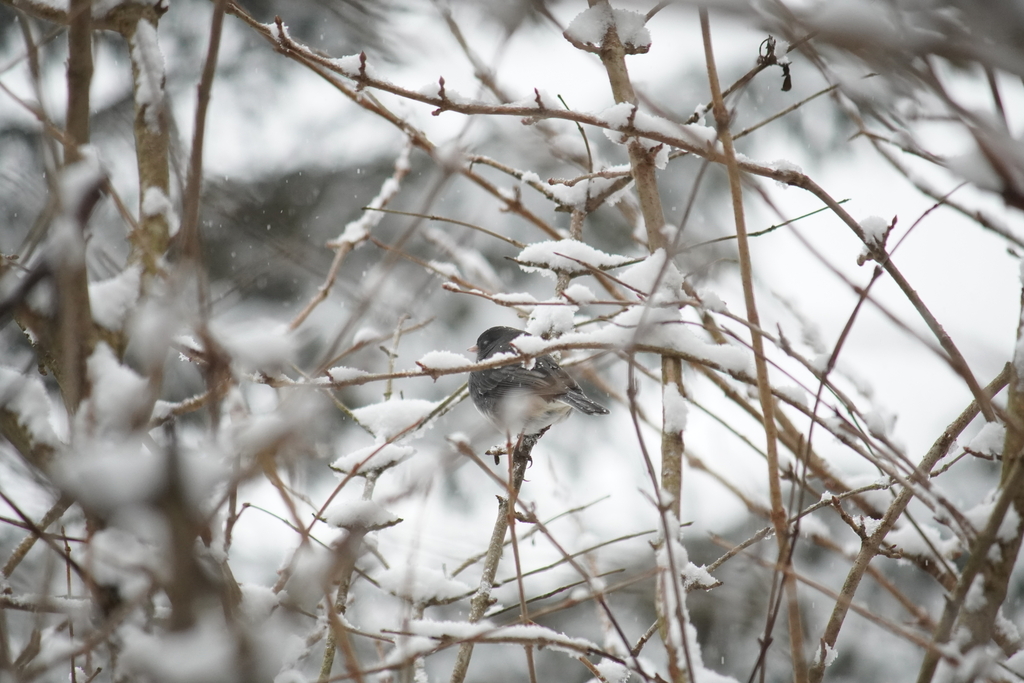
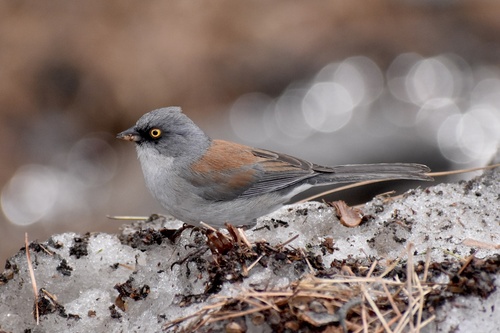
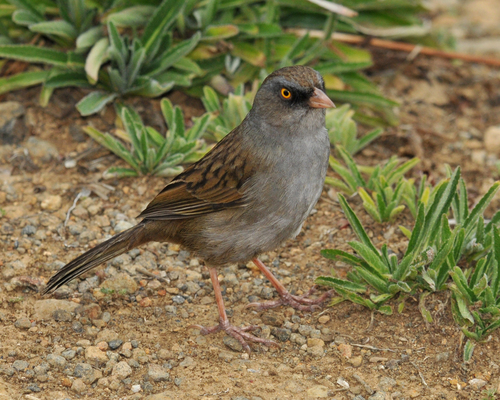
Its closest relatives
The other species of the genus Junco.

Seen a dark-eyed junco?
Share your photo on iNaturalist. Other naturalists help confirm it, and the record goes to GBIF, where scientists use it and where the maps on this page come from.
Questions people ask
What does the dark-eyed junco eat?
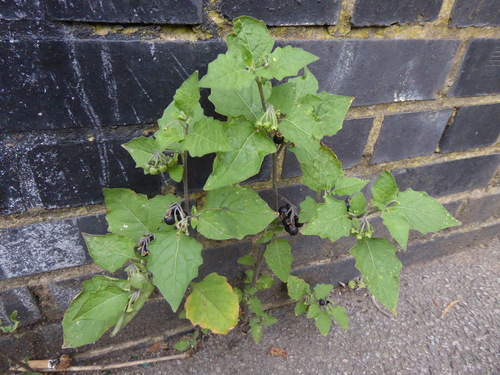
The dark-eyed junco has been recorded eating 50 different kinds of animals and plants, most of them plants, insects and crustaceans. The ones recorded most often are wild oat, timothy, poison ivy, pacific poison oak and common purslane; records include animals eaten as carrion. Source: GloBI.
What eats the dark-eyed junco?
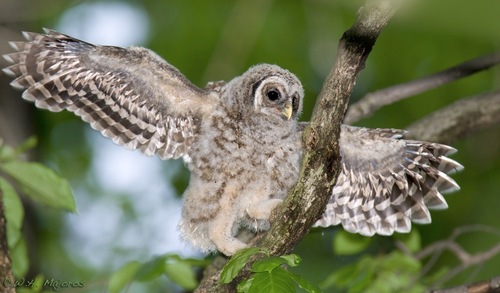
Recorded predators include merlin, cat, american kestrel, ringtail and canada jay. Source: GloBI.
Where does the dark-eyed junco live?
People have recorded it in 20 countries; the most records come from United States, Canada, Mexico, St. Pierre & Miquelon and United Kingdom. Records show where people have seen it, not its full range.
When is the dark-eyed junco seen most?
In the northern hemisphere, the most records are made in January and the fewest in August. More people outdoors also means more records.
What are the dark-eyed junco's closest relatives?
It shares the genus Junco with yellow-eyed junco, volcano junco, guadalupe junco and baird's junco.
Sources and photo credits
- Dark-eyed junco (Junco hyemalis): Becky Matsubara, CC BY 4.0
- Dark-eyed junco (Junco hyemalis): anonymous, CC BY-SA 4.0
- Dark-eyed junco (Junco hyemalis): Mykola Swarnyk, CC BY-SA 4.0
- Dark-eyed junco (Junco hyemalis), Sunbury County, NB, Canada: Jimmy Dee, CC BY-SA 4.0
- Dark-eyed junco (Junco hyemalis), Magic Hedge Bird Sanctuary, Chicago, IL, US: Riccardo Marchingiglio, CC BY 4.0
- Dark-eyed junco (Junco hyemalis), Sierra Azul Open Space Preserve, CA, US: Anne Parsons, CC0
- Dark-eyed junco (Junco hyemalis), Westwood, Los Angeles, CA, USA: Andy Kleinhesselink, CC0
- Dark-eyed junco (Junco hyemalis), Wisconsin, US: Dani Alba, CC BY 4.0
- Dark-eyed junco (Junco hyemalis), Richland County, OH, USA: Nick Chirico, CC BY 4.0
- Wild oat: no rights reserved, uploaded by Jesse Rorabaugh, CC0
- Timothy: Matt Lavin, CC BY-SA 4.0
- Poison ivy: Randy A Nonenmacher, CC BY 4.0
- Pacific poison oak: Franco Folini, CC BY 4.0
- Common purslane: Forest and Kim Starr, CC BY 4.0
- Black nightshade: jamie-aa, CC BY 4.0
- Fat-hen: zebedeugalinha, CC BY 4.0
- Common chickweed: Douglas Goldman, CC BY-SA 4.0
- Procumbent yellow-sorrel: jacinta lluch valero, CC BY-SA 4.0
- Alfilaria: Michael J. Papay, CC BY 4.0
- Common amaranth: Matt Lavin, CC BY-SA 4.0
- Merlin: no rights reserved, uploaded by Kathlin Simpkins, CC0
- Cat: Von.grzanka, CC BY-SA 4.0
- American kestrel: Jonathan Eisen, CC BY 4.0
- Ringtail: Brooke Smith, CC BY 4.0
- Canada jay: Owen Strickland, CC BY 4.0
- Barred owl: Bill Majoros, CC BY-SA 4.0
- Red-shouldered hawk: Jonathan Eisen, CC BY 4.0
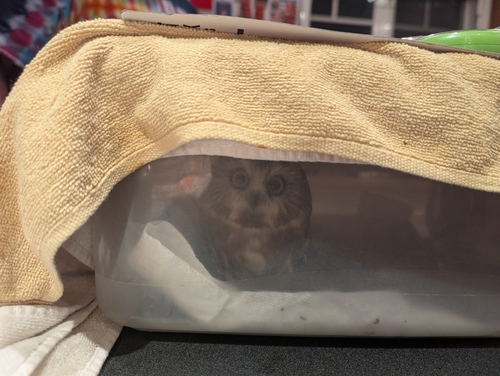
- Northern saw-whet owl: Matt Muir, CC BY 4.0
- Yellow-eyed junco: brendanboyd, CC BY 4.0
- Volcano junco: Roger Rittmaster, CC BY 4.0
- Guadalupe junco: Thibaud Aronson, CC BY-SA 4.0
- Baird's junco: Bill Levine, CC BY 4.0
Records show where people have seen and shared the dark-eyed junco, not its full range, and some countries and months are recorded far more than others. The food web lists interactions that studies have recorded somewhere in the world (GloBI), not everything it eats in one place.
Checked 2026-11-22.