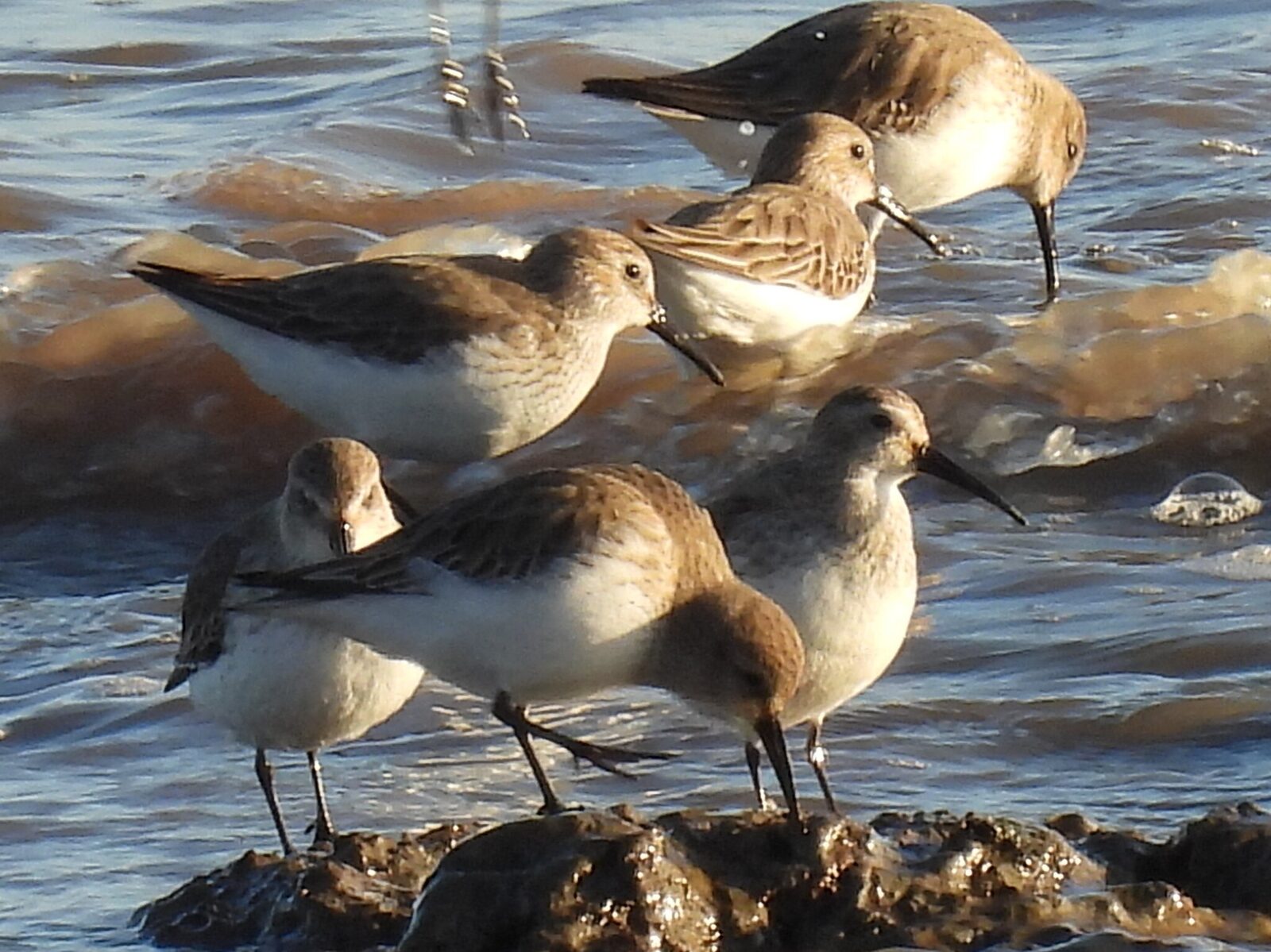
Dunlin
Calidris alpina
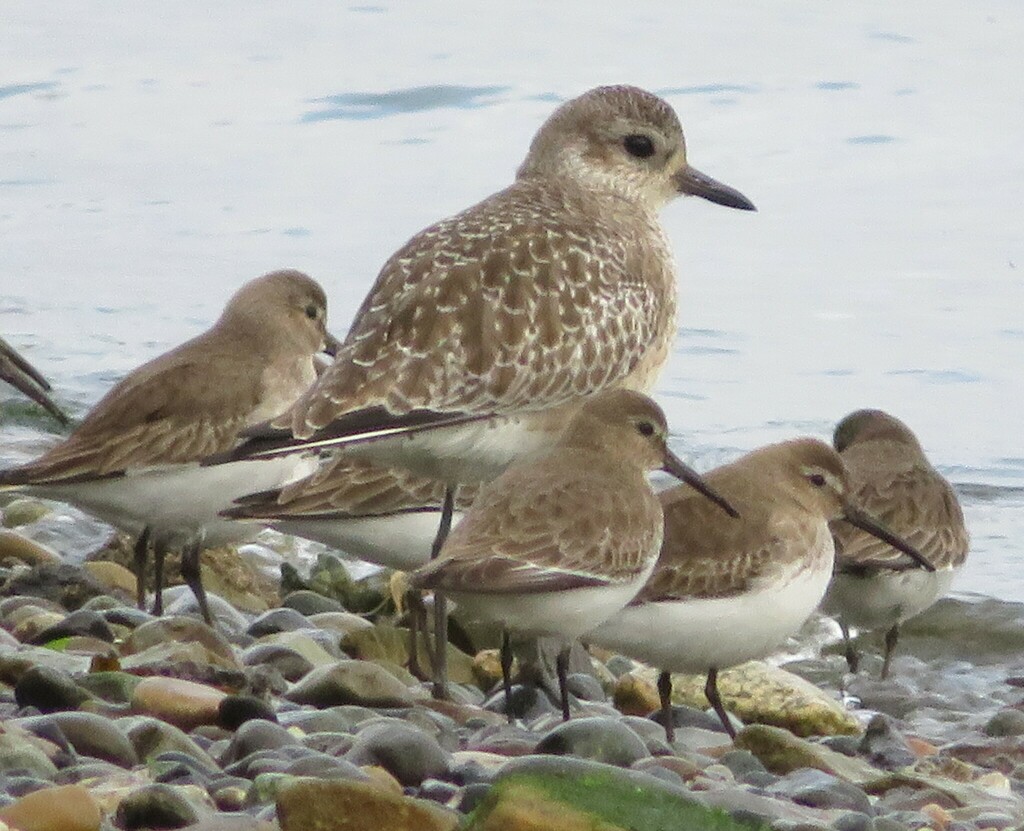
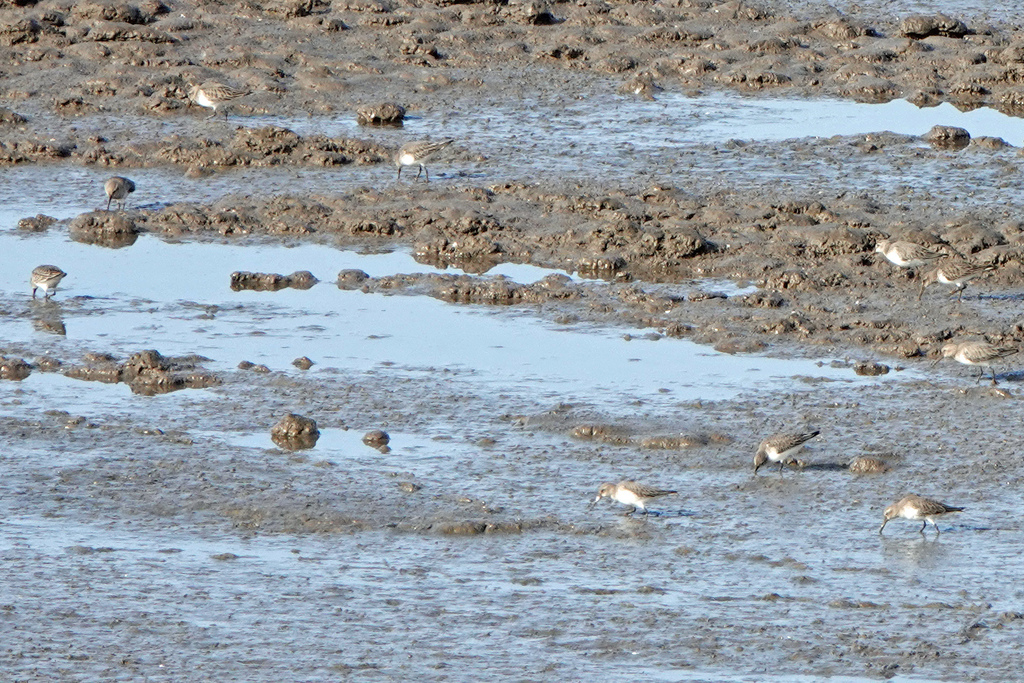
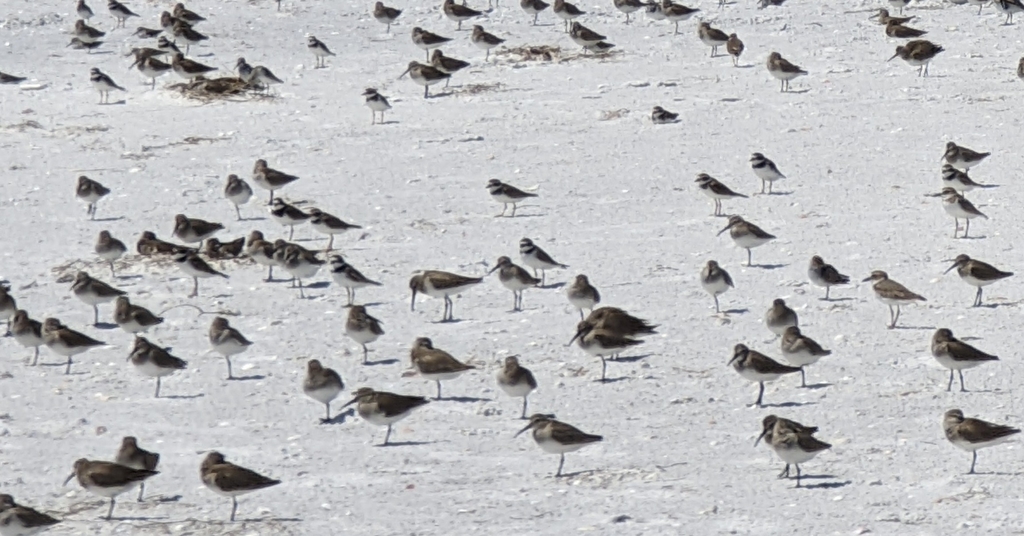
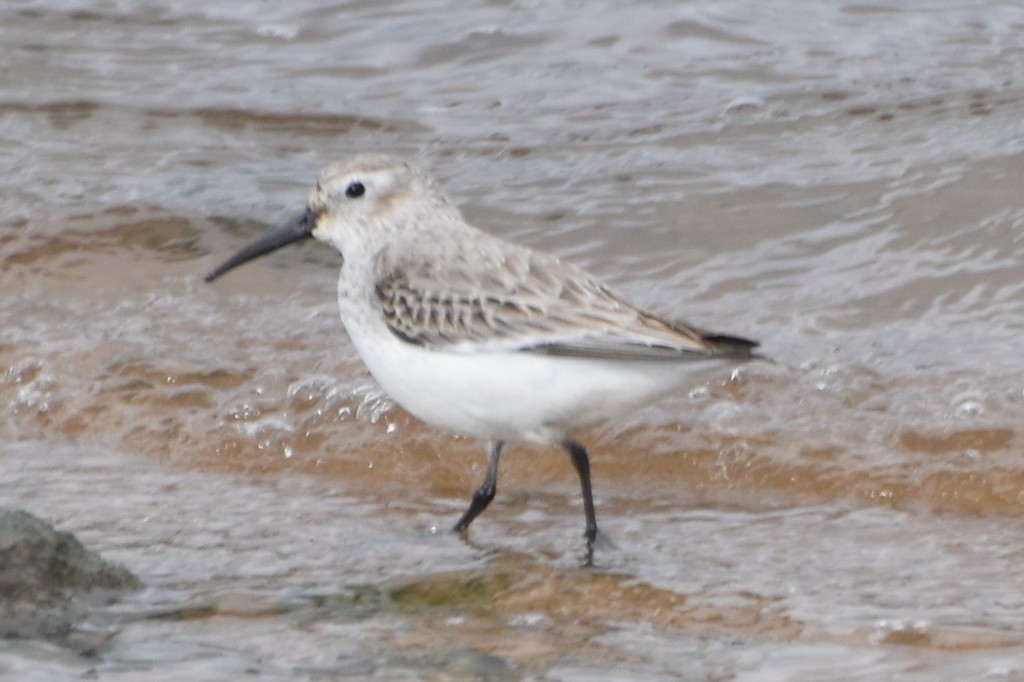
A small wader with a slightly drooping bill; in summer it has a black belly patch.
- Status
- Near Threatened IUCN Red List
- Eats
- common slipper shell and 1,456 more
- Eaten by
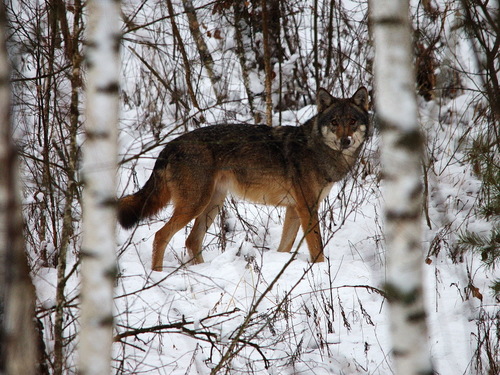
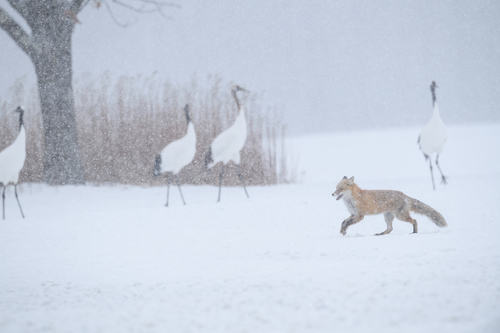
- grey wolf, red fox, brown bear
- Where
- 148 countries
On 4Planet Atlas it is among the wildlife people record most around Algiers, Athens and Baku, and 23 more of the cities we cover.
People have shared 1,709,478 records of the dunlin with GBIF, from 148 countries, most of them from United States, United Kingdom and Canada. Records collected by GloBI show it eating 1,457 different kinds of animals and plants, and being eaten by 36.
What the dunlin eats, and what eats it
Studies have recorded it eating 1,457 kinds of animals and plants, and 36 kinds of animals eating it. Tap any of them to follow the food chain.
- Insects 928
- Worms 14
- Shellfish 12
- Crustaceans 10
- Snails and slugs 6
- Fish 3
- Earthworms 2
Eaten by

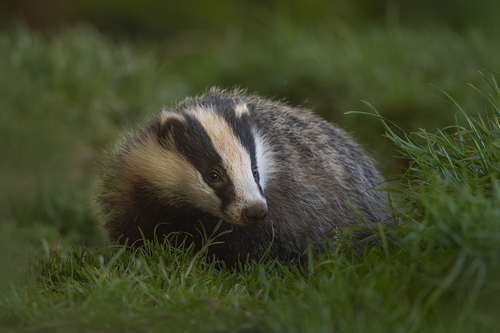
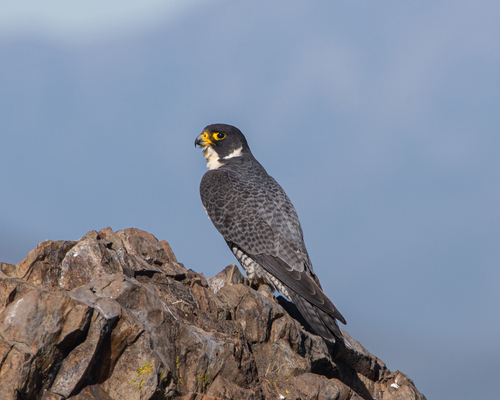
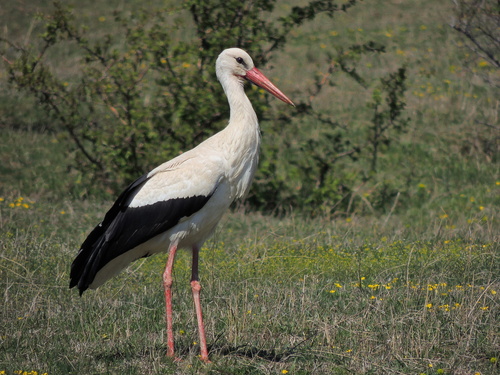 Dunlin

Records from studies worldwide, collected by GloBI. They include animals eaten as carrion, and they are not everything it eats in one place.
Where people see the dunlin
People have shared 1,709,478 records from 148 countries.
Near a city: Algiers, Athens, Baku, Bergen, Bratislava, Budapest, Cairo, Copenhagen, Dublin, Helsinki, Lisbon, Manama, Minsk, Nicosia, Oslo, Reykjavík, Riga, Seoul, Shanghai, Stockholm, Tallinn, Tirana, Tokyo, Valletta, Vancouver, Warsaw.
Records show where people have seen it and shared it, not its full range. Country names open their page in Atlas.
When it is seen
Records per month in the northern hemisphere. More people outdoors also means more records.
Watch and listen
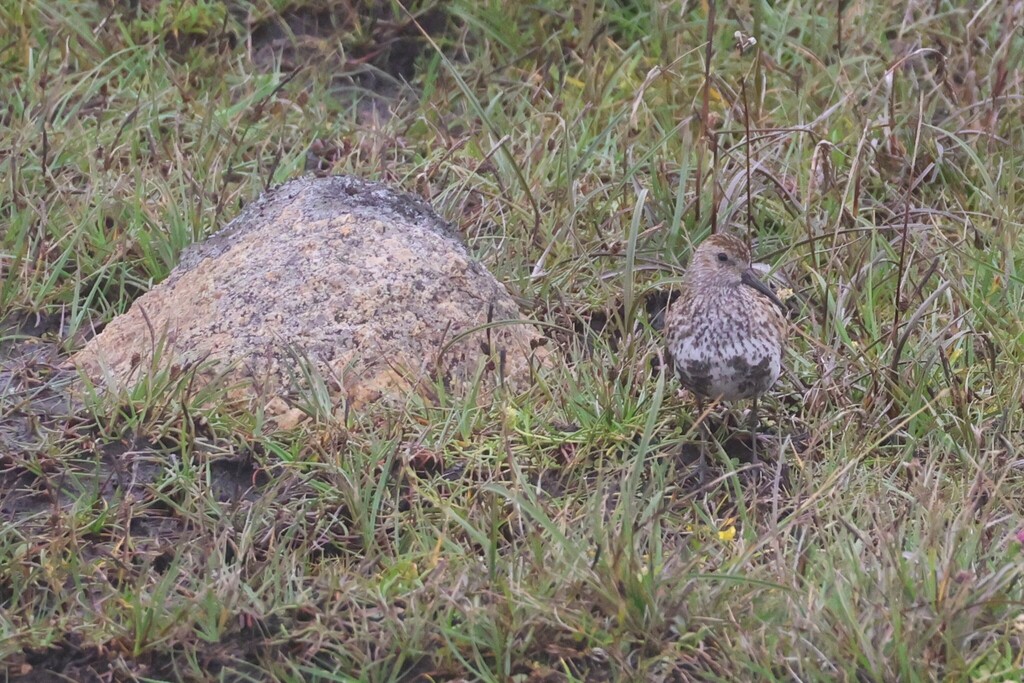
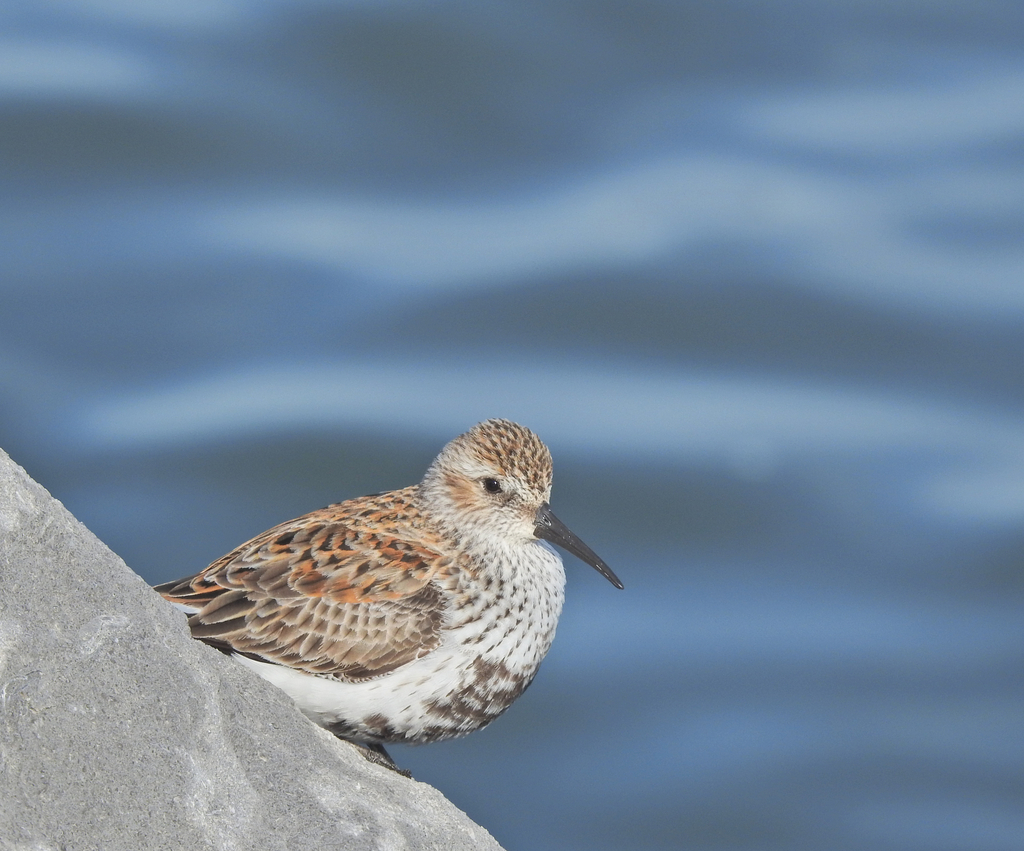
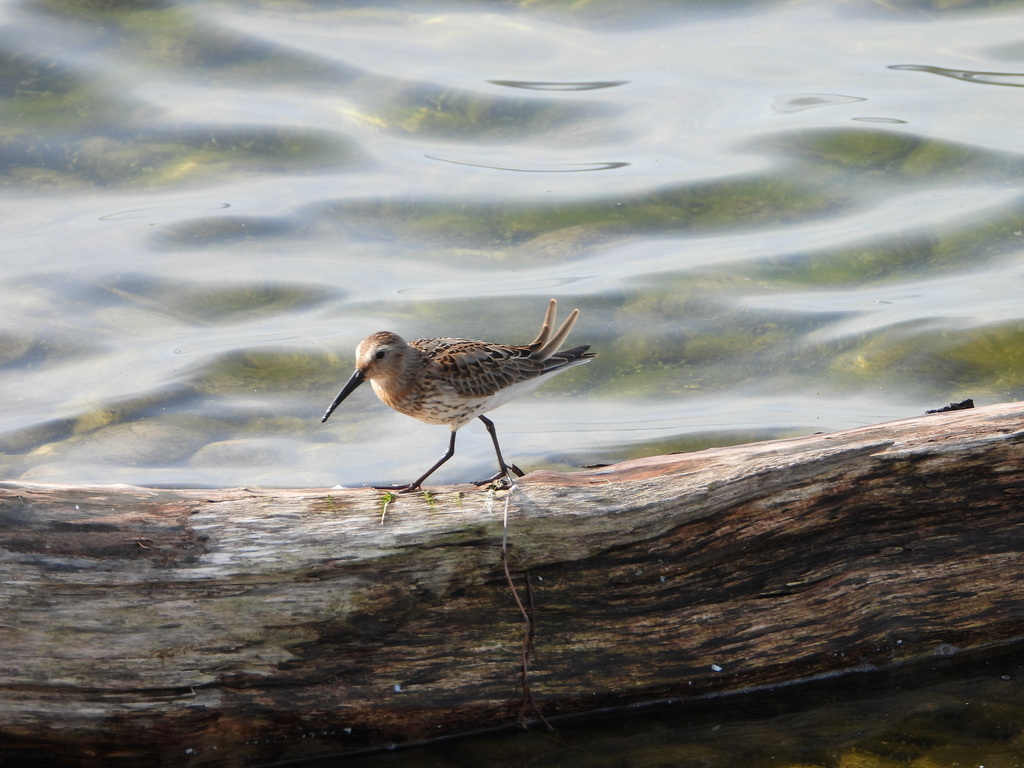
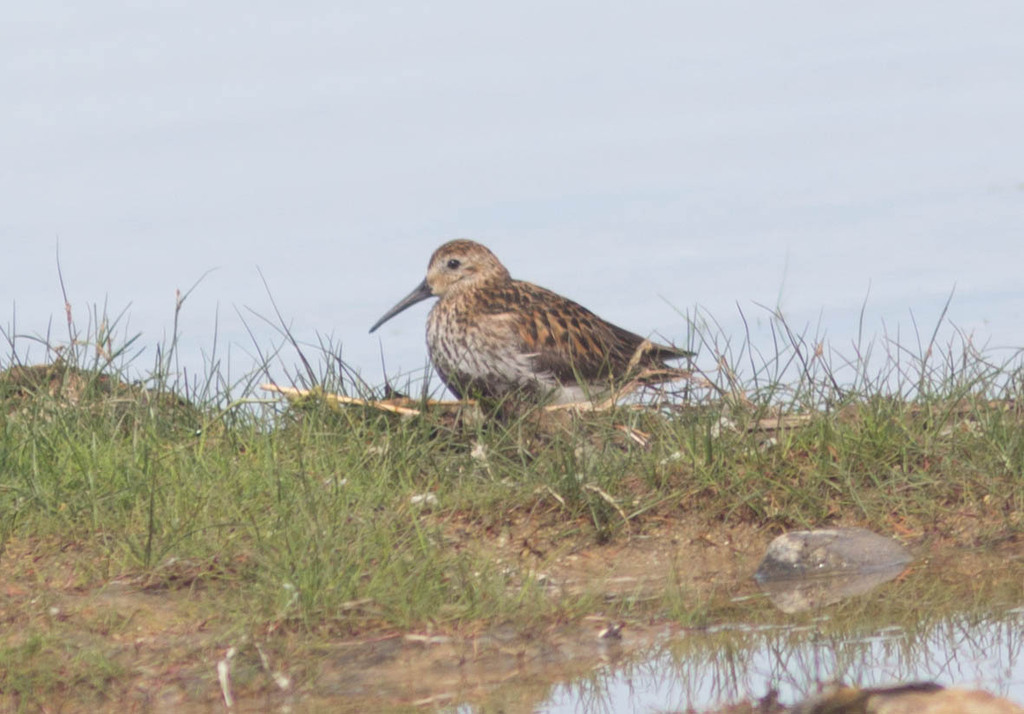
Its closest relatives
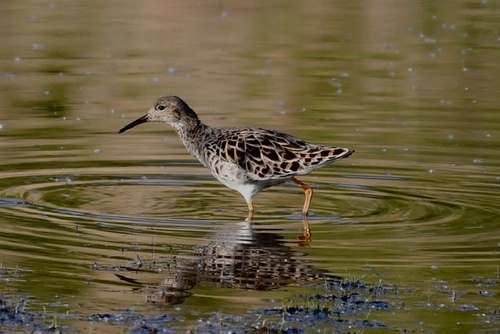
The other species of the genus Calidris.
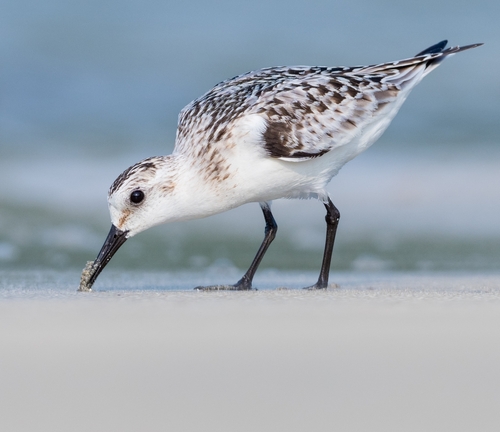
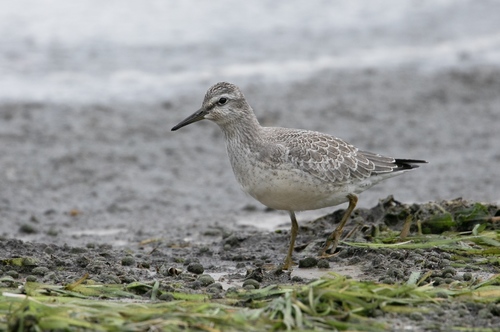

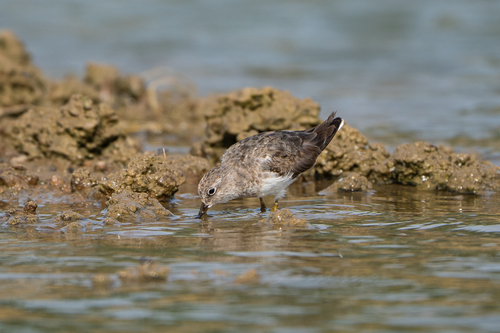
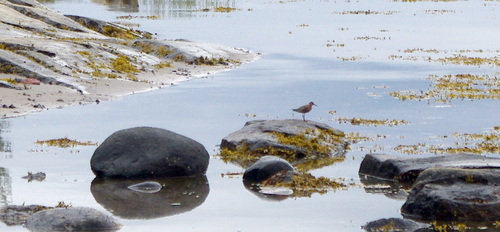
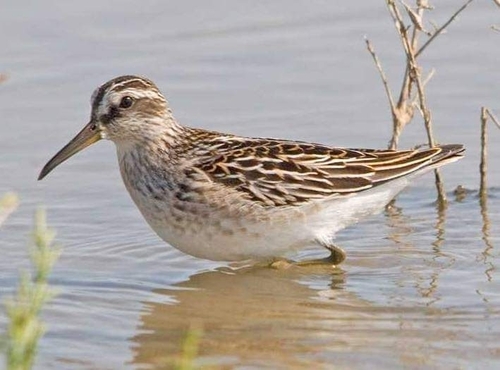
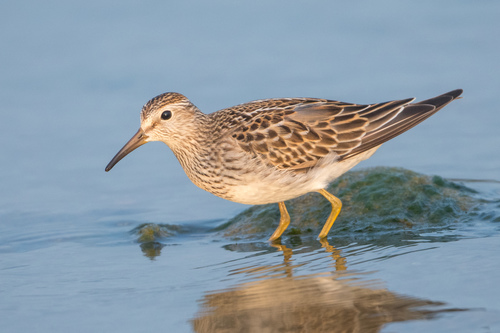
Seen a dunlin?
Share your photo on iNaturalist. Other naturalists help confirm it, and the record goes to GBIF, where scientists use it and where the maps on this page come from.
Questions people ask
What does the dunlin eat?
The dunlin has been recorded eating 1,457 different kinds of animals and plants, most of them insects, worms, shellfish and crustaceans. The ones recorded most often are common slipper shell; records include animals eaten as carrion. Source: GloBI.
What eats the dunlin?
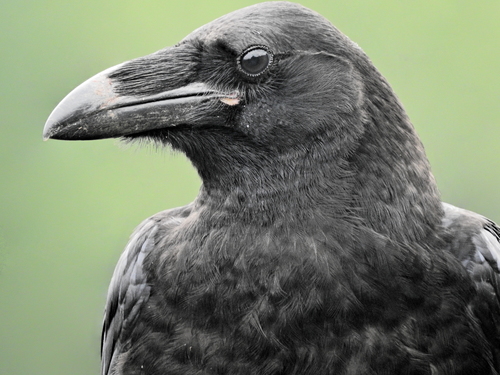
Recorded predators include grey wolf, red fox, brown bear, northern raven and eurasian badger. Source: GloBI.
Where does the dunlin live?
People have recorded it in 148 countries; the most records come from United States, United Kingdom, Canada, Spain and Portugal. Records show where people have seen it, not its full range.
When is the dunlin seen most?
In the northern hemisphere, the most records are made in May and the fewest in June. More people outdoors also means more records.
What are the dunlin's closest relatives?
It shares the genus Calidris with ruff, sanderling, red knot, little stint and temminck's stint.
Sources and photo credits
- GBIF · Calidris alpina, 1,709,478 human observations
- GloBI · recorded interactions of Calidris alpina
- Wikidata · Dunlin (Q26650)
- Dunlin (Calidris alpina): Phil James, CC BY 4.0
- Dunlin (Calidris alpina), Port Ludlow, WA, USA: sprcrkwild, CC BY 4.0
- Dunlin (Calidris alpina), Toraigh, Tír Chonaill, Éire: Fionn Ó Marcaigh, CC BY 4.0
- Dunlin (Calidris alpina), West-Vlaanderen, Vlaanderen, Belgium: Nicolás Tamargo, CC0
- Dunlin (Calidris alpina), Hard, Österreich: Thomas Ebner, CC BY 4.0
- Dunlin (Calidris alpina), Lääne, EE: Tero Linjama, CC0
- Dunlin (Calidris alpina), Shorefields: Roy Lowry, CC BY 4.0
- Dunlin (Calidris alpina), Pinellas County, FL, USA: Martyn Drabik-Hamshare, CC0
- Dunlin (Calidris alpina), Bridge of Don, UK: Sean B, CC0
- Common slipper shell: Ian Manning, CC BY 4.0
- Grey wolf: Andrew Simon, CC BY 4.0
- Red fox: Morten Ross, CC BY 4.0
- Brown bear: Nathan Ruser, CC BY 4.0
- Northern raven: xulescu_g, CC BY-SA 4.0
- Eurasian badger: caroline legg, CC BY 4.0
- Peregrine falcon: Nicolás Villaseca Merino, CC BY-SA 4.0
- White stork: xulescu_g, CC BY-SA 4.0
- Ruff: rober025, CC BY 4.0
- Sanderling: Marco Chan, CC BY 4.0
- Red knot: Paolo Zucca, CC BY 4.0
- Little stint: Imran Shah, CC BY-SA 4.0
- Temminck's stint: Srivatsan Ramkumar, CC BY 4.0
- Curlew sandpiper: Георгий Виноградов (Georgy Vinogradov), CC BY 4.0
- Broad-billed sandpiper: Alidz31, CC BY 4.0
- Pectoral sandpiper: Andrew Cannizzaro, CC BY 4.0
Records show where people have seen and shared the dunlin, not its full range, and some countries and months are recorded far more than others. The food web lists interactions that studies have recorded somewhere in the world (GloBI), not everything it eats in one place.
Checked 2026-11-22.