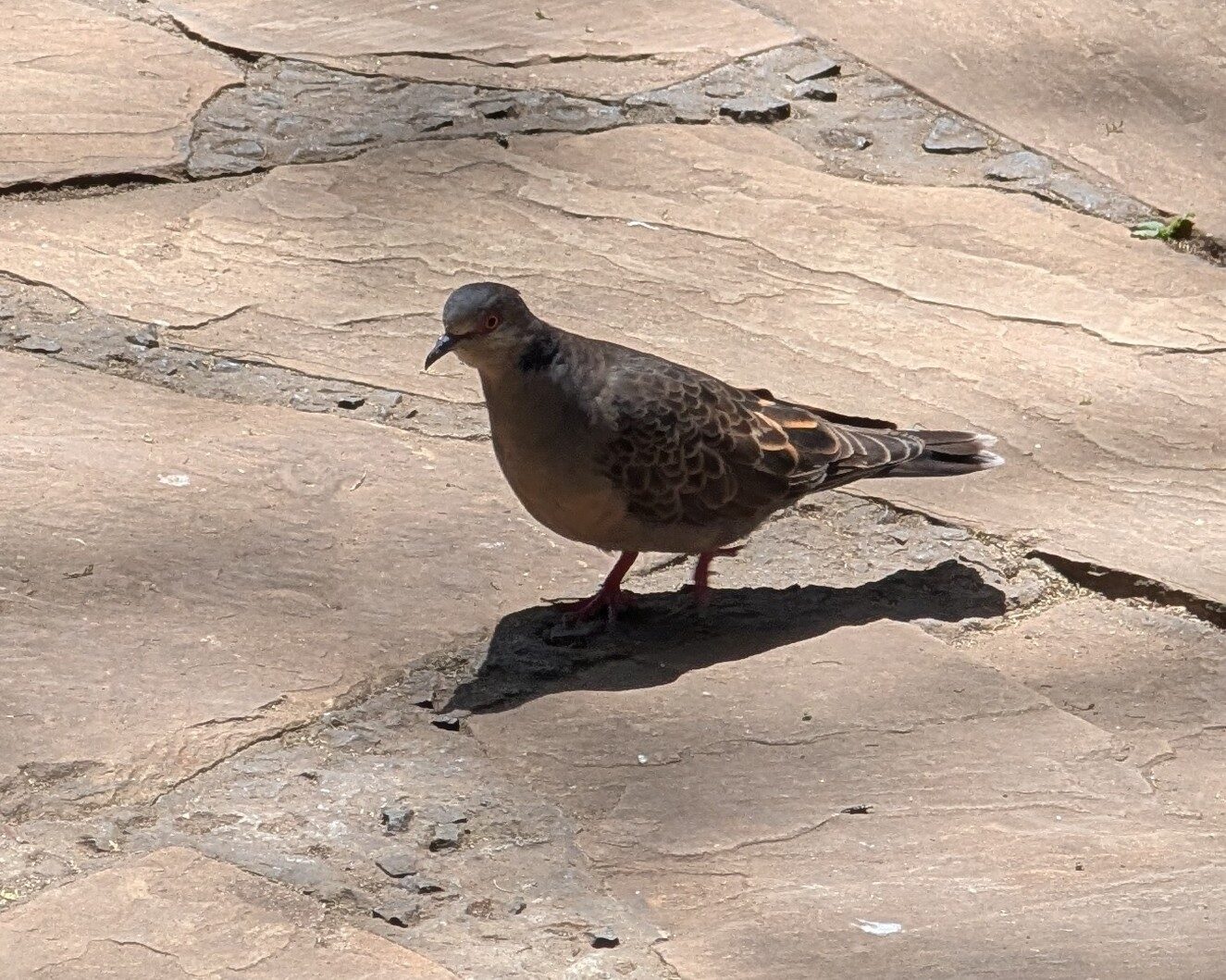
Dusky turtle dove
Streptopelia lugens
- Status
- Least Concern IUCN Red List
- Where
- 14 countries
On 4Planet Atlas it is among the wildlife people record most around Addis Ababa, Asmara and Gitega, and 2 more of the cities we cover.
People have shared 13,489 records of the dusky turtle dove with GBIF, from 14 countries, most of them from Ethiopia, Kenya and Tanzania.
In the southern hemisphere, people record it most in July and least in May. It belongs to the genus Streptopelia in the family Columbidae.
Where people see the dusky turtle dove
People have shared 13,489 records from 14 countries.
Near a city: Addis Ababa, Asmara, Gitega, Nairobi, Sanaa.
Records show where people have seen it and shared it, not its full range. Country names open their page in Atlas.
When it is seen
Records per month in the southern hemisphere. More people outdoors also means more records.
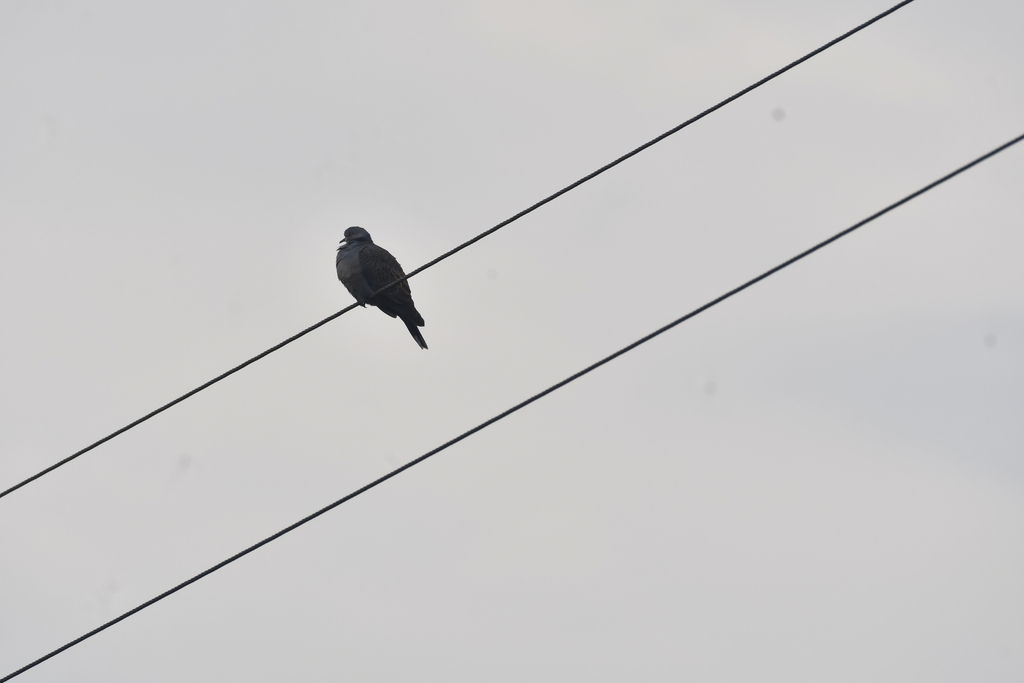
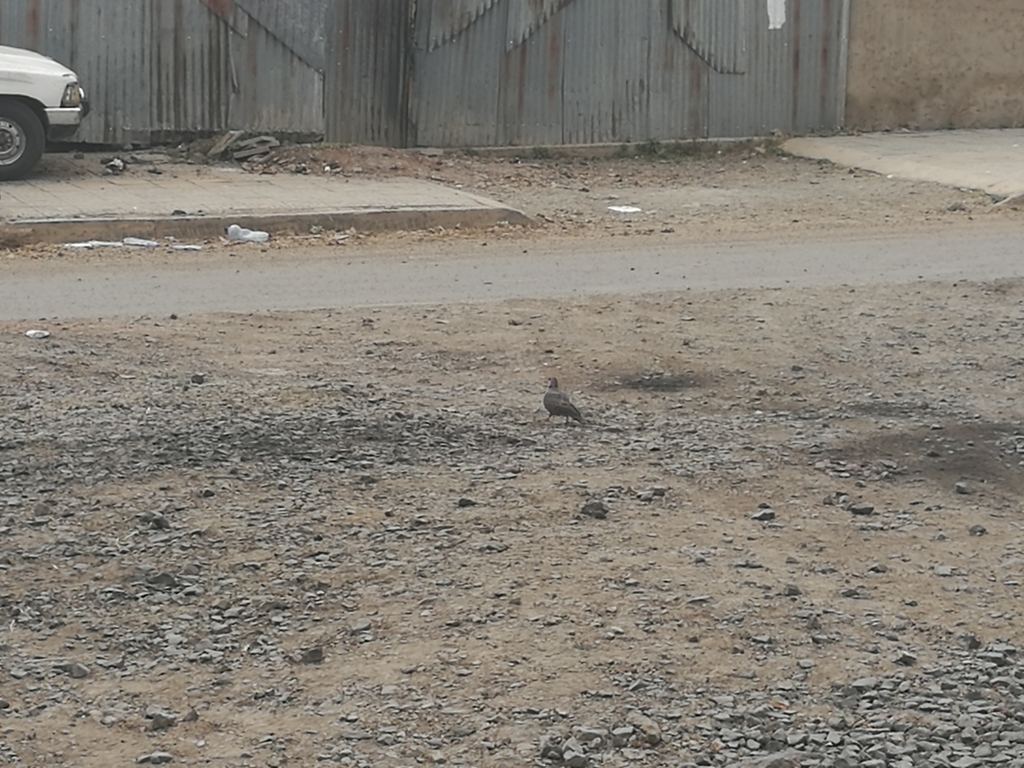
Watch and listen
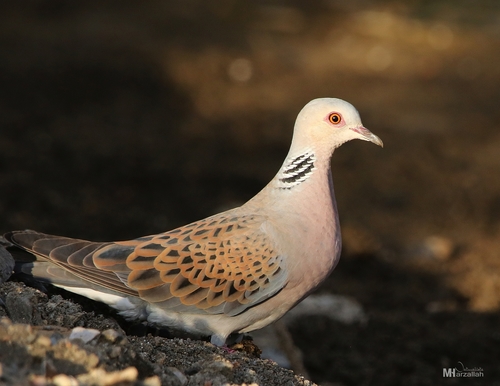
Its closest relatives
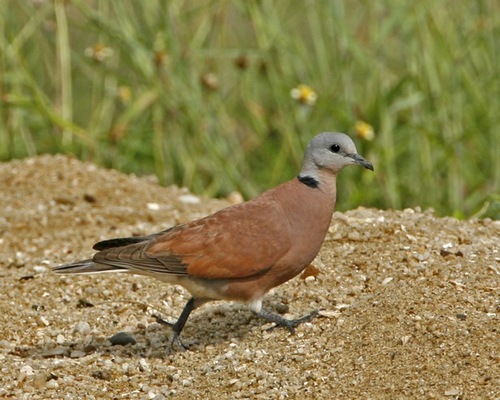
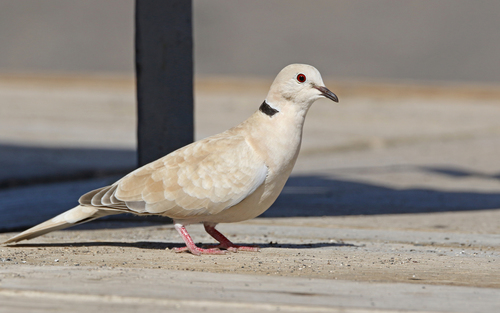
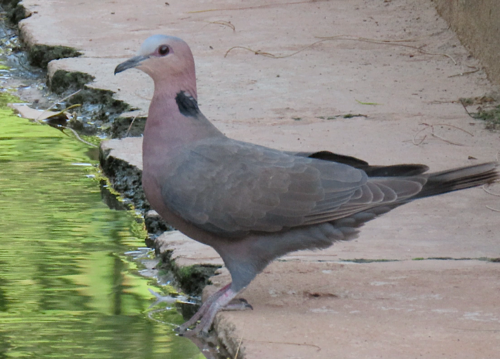
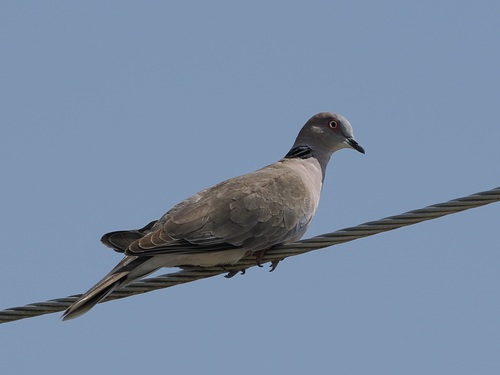
The other species of the genus Streptopelia.

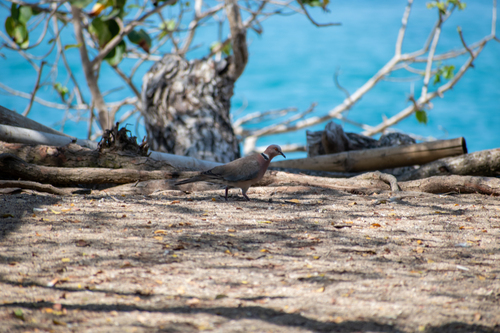
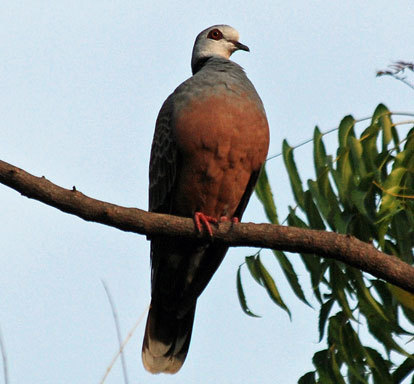
Seen a dusky turtle dove?
Share your photo on iNaturalist. Other naturalists help confirm it, and the record goes to GBIF, where scientists use it and where the maps on this page come from.
Put this species on your site
The card names every source and links back here.
<iframe src="https://4planetatlas.com/place/embed/species/dusky-turtle-dove" title="Dusky turtle dove (Streptopelia lugens), 4PLANET Species" width="100%" height="600" style="border:0;max-width:640px" loading="lazy"></iframe>
<p><a href="https://4species.com/dusky-turtle-dove">Dusky turtle dove on 4PLANET Species</a></p>Questions people ask
Where does the dusky turtle dove live?
People have recorded it in 14 countries; the most records come from Ethiopia, Kenya, Tanzania, Saudi Arabia and Uganda. Records show where people have seen it, not its full range.
When is the dusky turtle dove seen most?
In the southern hemisphere, the most records are made in July and the fewest in May. More people outdoors also means more records.
What are the dusky turtle dove's closest relatives?
It shares the genus Streptopelia with european turtle dove, oriental turtle dove, red collared dove, african collared dove and red-eyed dove.
Sources and photo credits
- GBIF · Streptopelia lugens, 13,489 human observations
- GloBI · recorded interactions of Streptopelia lugens
- Wikidata · Dusky turtle dove (Q1030039)
- Dusky turtle dove (Streptopelia lugens): Jono, CC BY 4.0
- Dusky turtle dove (Streptopelia lugens), HH97+MG, Kinigi, Rwanda: Ahirbudhnyan M, CC BY 4.0
- Dusky turtle dove (Streptopelia lugens), Addis Abeba, Addis Abeba, ET: Mattia Menchetti, CC BY 4.0
- European turtle dove: Mourad Harzallah, CC BY 4.0
- Oriental turtle dove: Kim, Hyun-tae, CC BY 4.0
- Red collared dove: Lip Kee Yap, CC BY-SA 4.0
- African collared dove: Christoph Moning, CC BY 4.0
- Red-eyed dove: Florin Feneru, CC BY 4.0
- Mourning collared dove: Jono, CC BY 4.0
- Sunda collared dove: sdash, CC BY 4.0
- Adamawa turtle dove: nigel.voaden.t21@btinternet.com, CC BY-SA 4.0
Records show where people have seen and shared the dusky turtle dove, not its full range, and some countries and months are recorded far more than others. The food web lists interactions that studies have recorded somewhere in the world (GloBI), not everything it eats in one place.
Checked 2026-11-28.