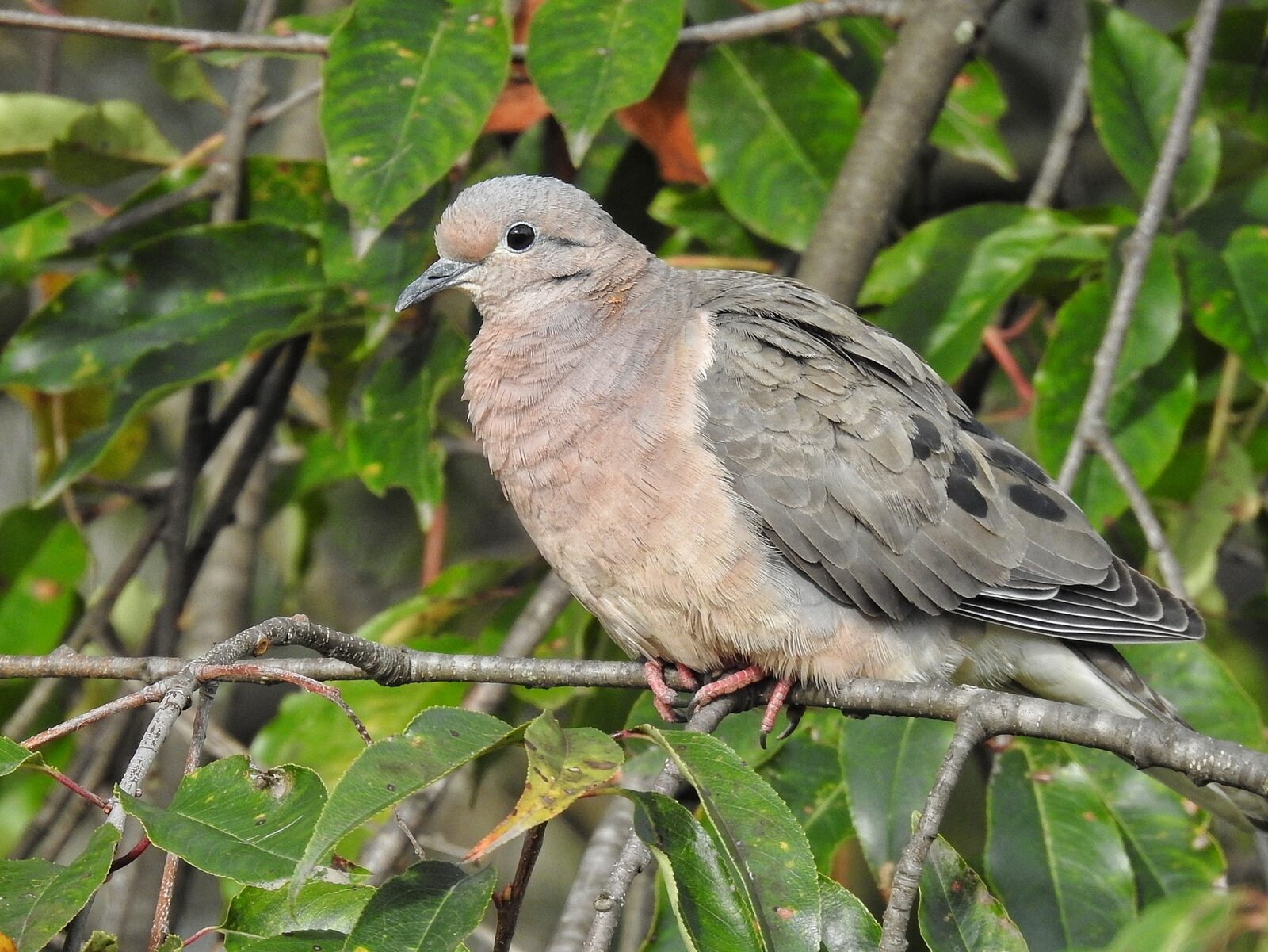
Eared dove
Zenaida auriculata
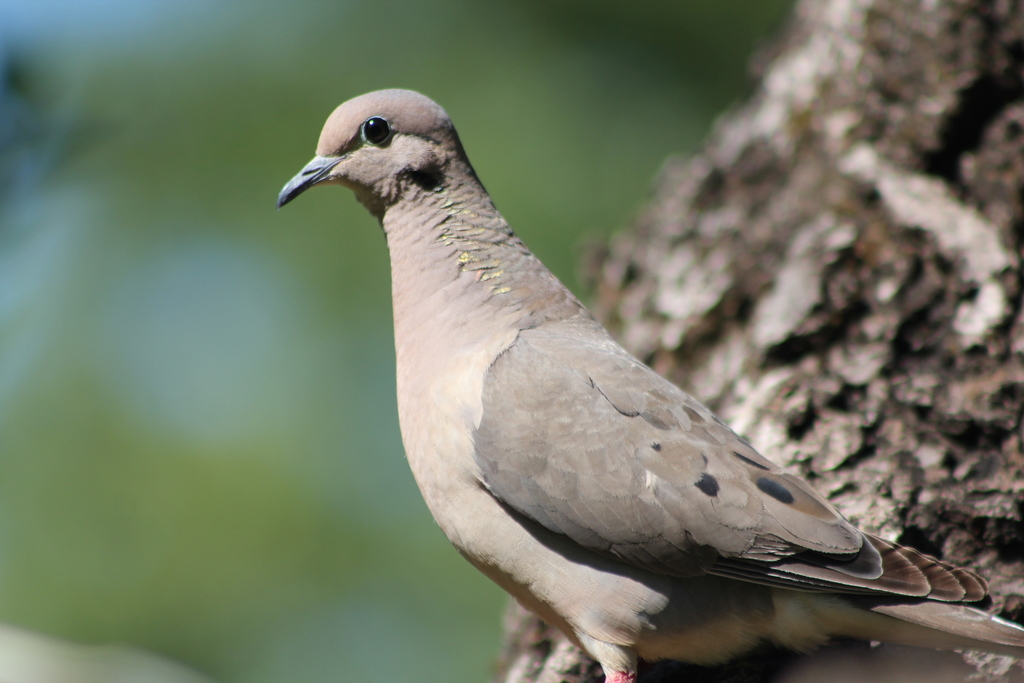
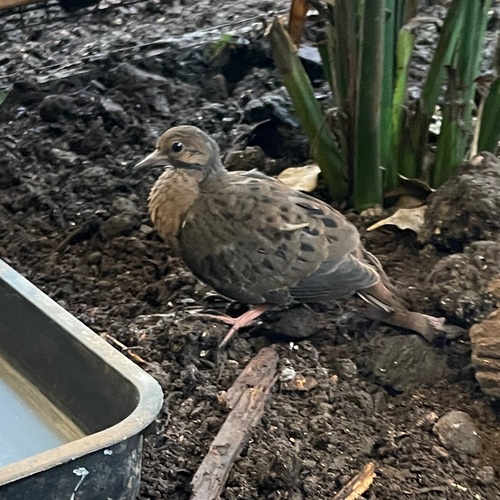
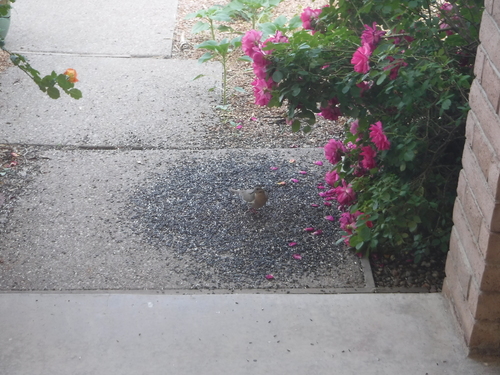
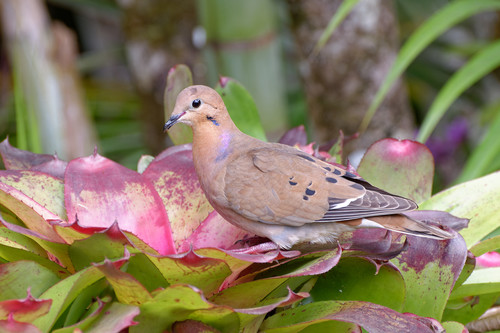
A brown dove with black spots on its wings, very common across South America.
- Status
- Least Concern IUCN Red List
- Eats
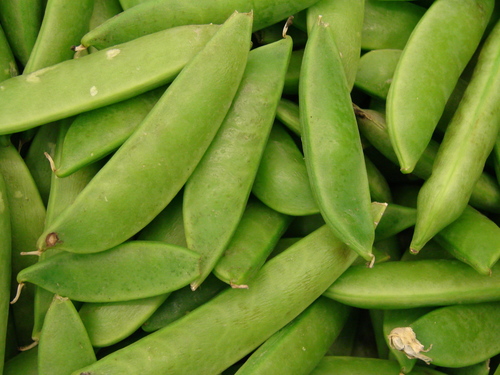
- alder, citharexylum subflavescens, garden pea and 87 more
- Eaten by
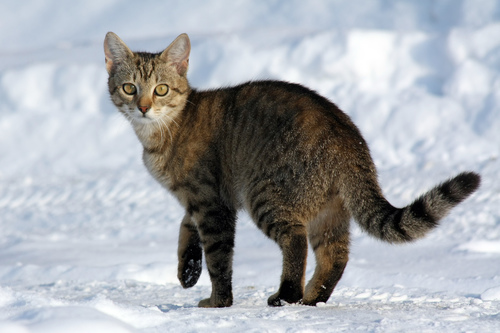
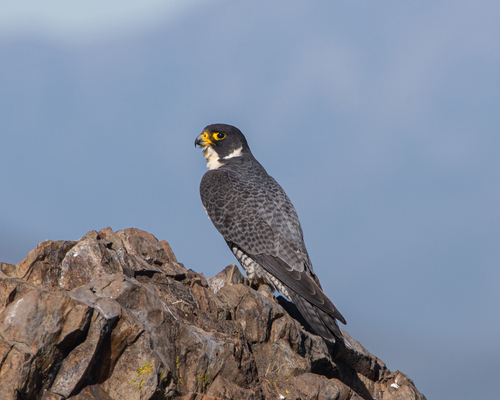
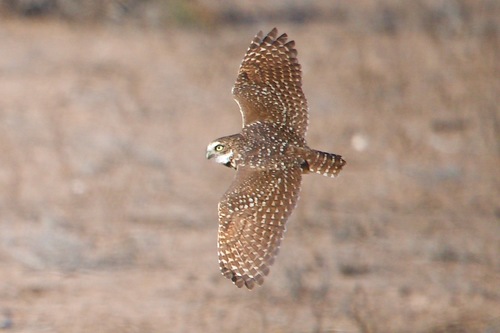
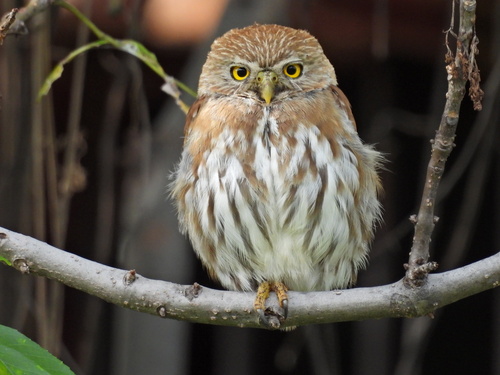
- cat, peregrine falcon, burrowing owl
- Where
- 26 countries · iguazú Falls
On 4Planet Atlas it is among the wildlife people record most around Bogotá, Bridgetown and Buenos Aires, and 5 more of the cities we cover.
People have shared 958,286 records of the eared dove with GBIF, from 26 countries, most of them from Argentina, Brazil and Colombia. Records collected by GloBI show it eating 90 different kinds of animals and plants, and being eaten by 12.
Habitats
What the eared dove eats, and what eats it
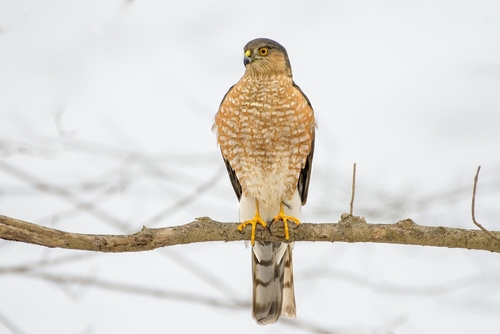
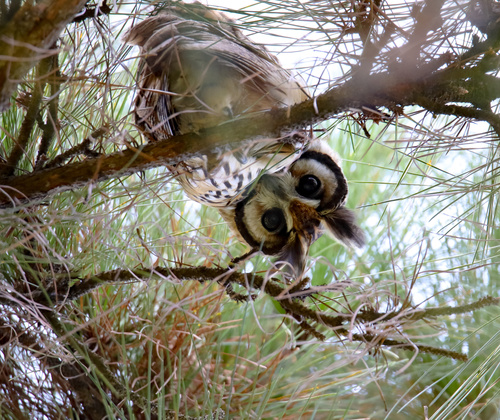
Studies have recorded it eating 90 kinds of animals and plants, and 12 kinds of animals eating it. Tap any of them to follow the food chain.
- Plants 84
Eaten by
 Eared dove





Records from studies worldwide, collected by GloBI. They include animals eaten as carrion, and they are not everything it eats in one place.
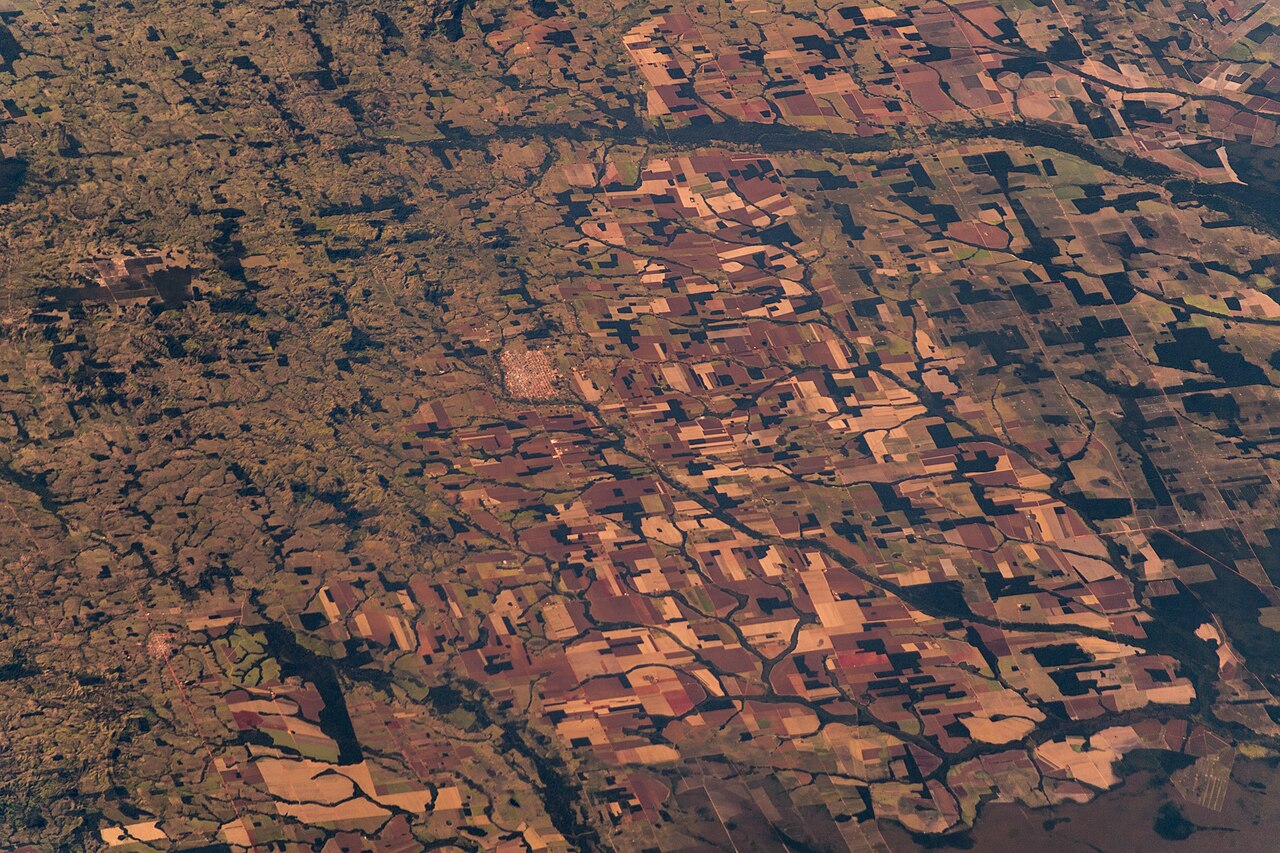
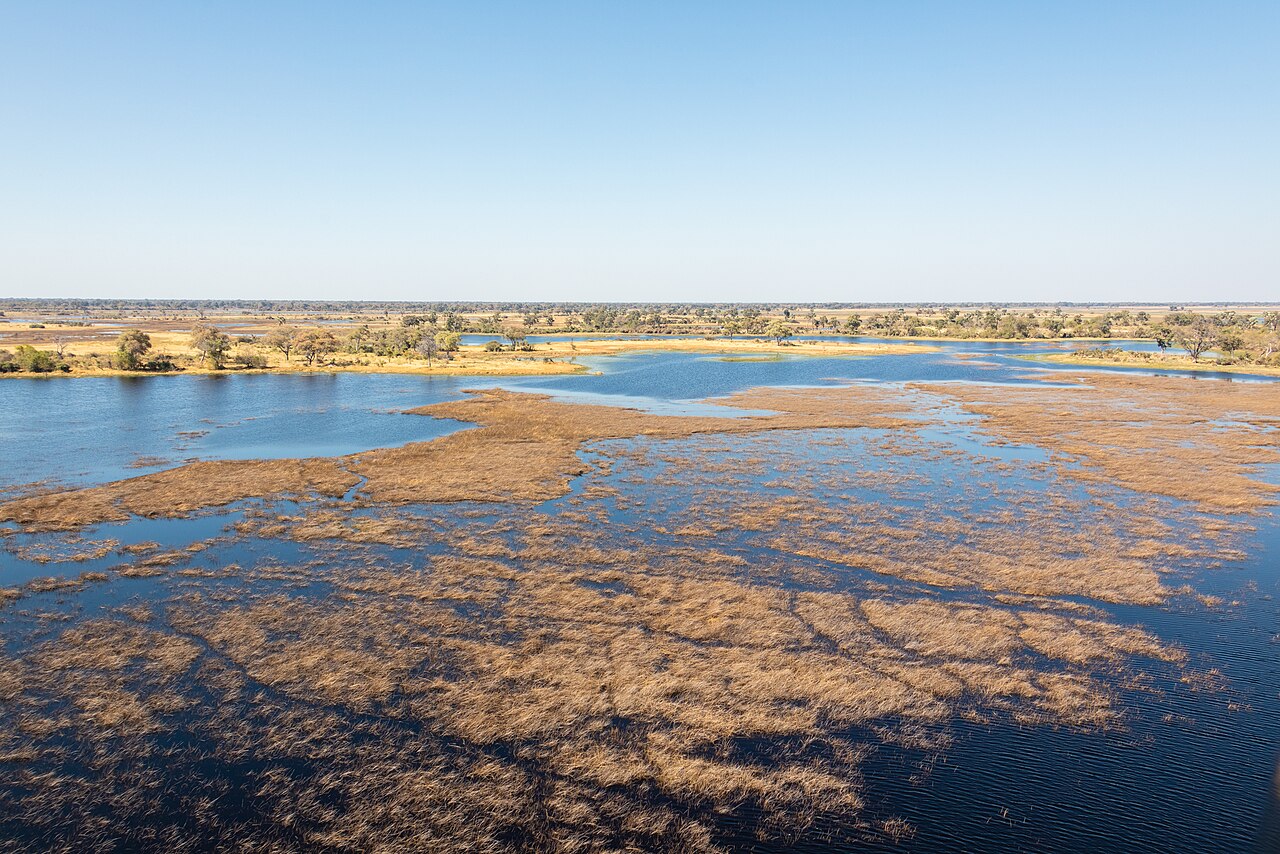
Where people see the eared dove
People have shared 958,286 records from 26 countries.
Near a city: Bogotá, Bridgetown, Buenos Aires, Lima, Montevideo, Quito, Santiago, São Paulo.
Records show where people have seen it and shared it, not its full range. Country names open their page in Atlas.
When it is seen
Records per month in the southern hemisphere. More people outdoors also means more records.
Watch and listen


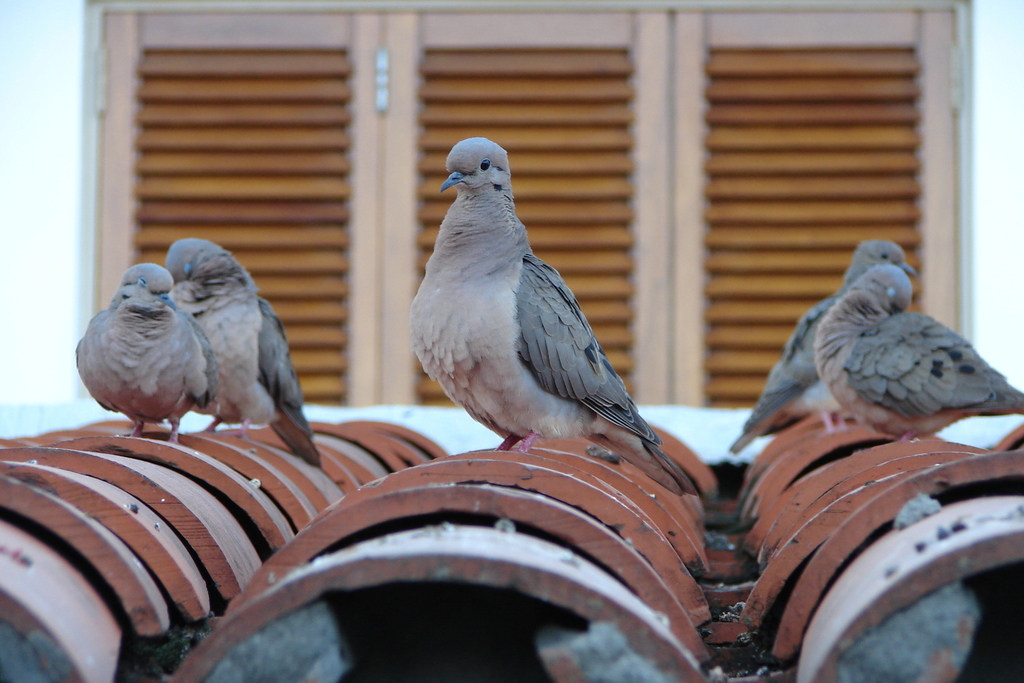
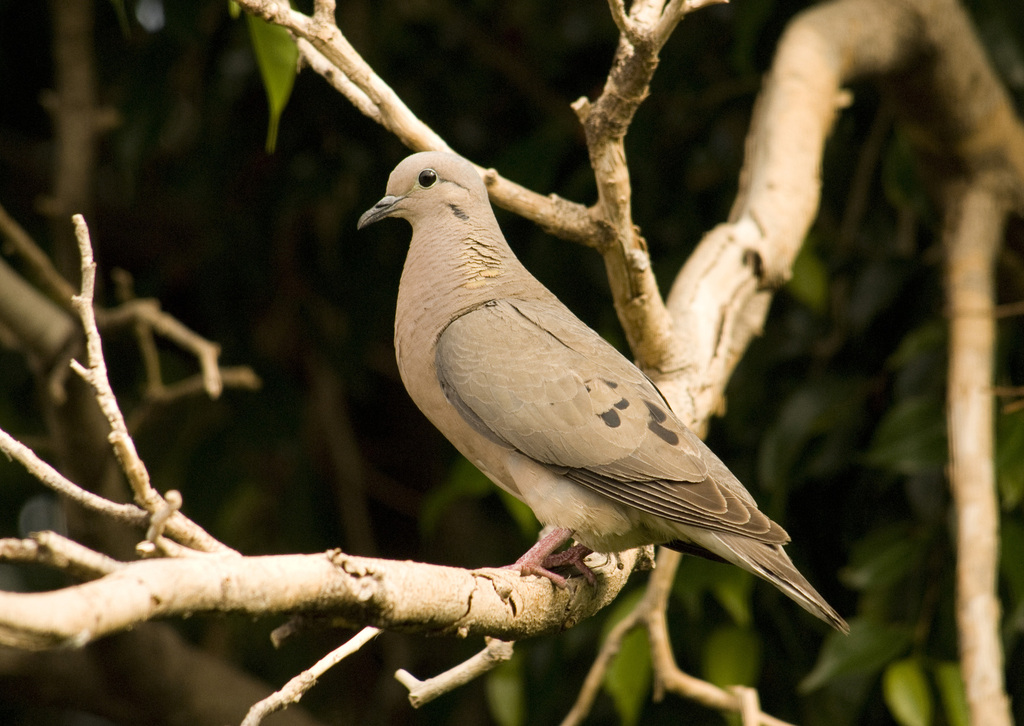
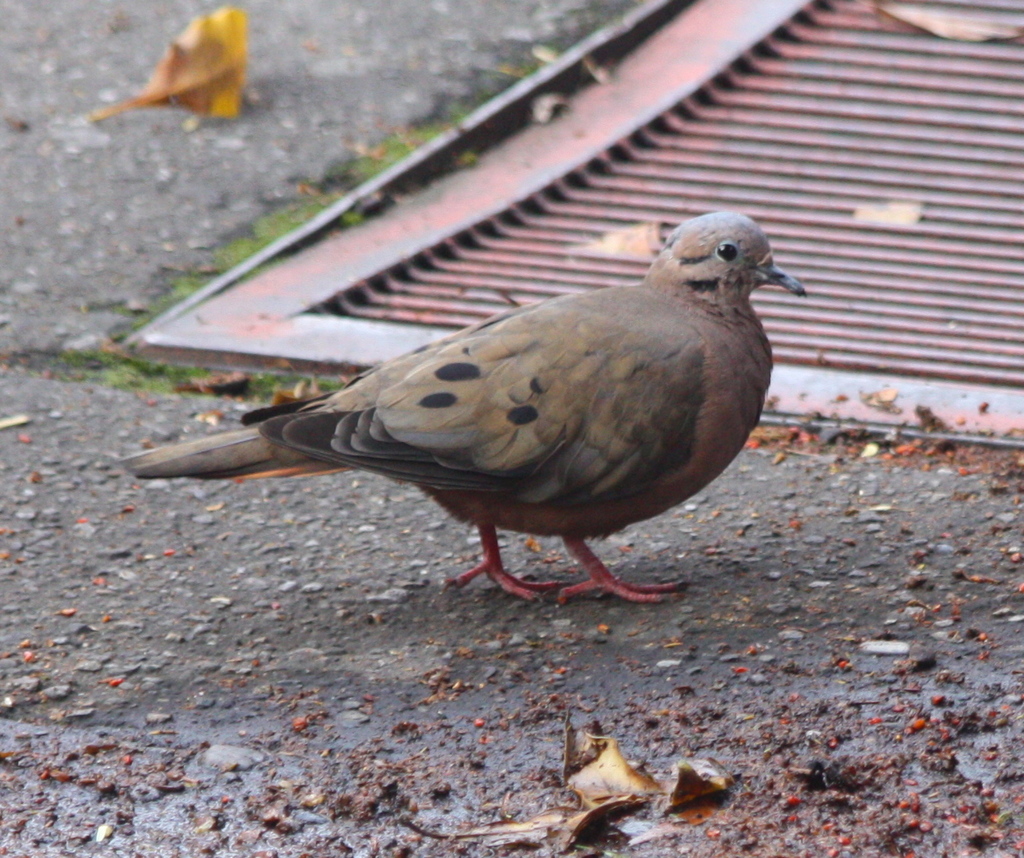
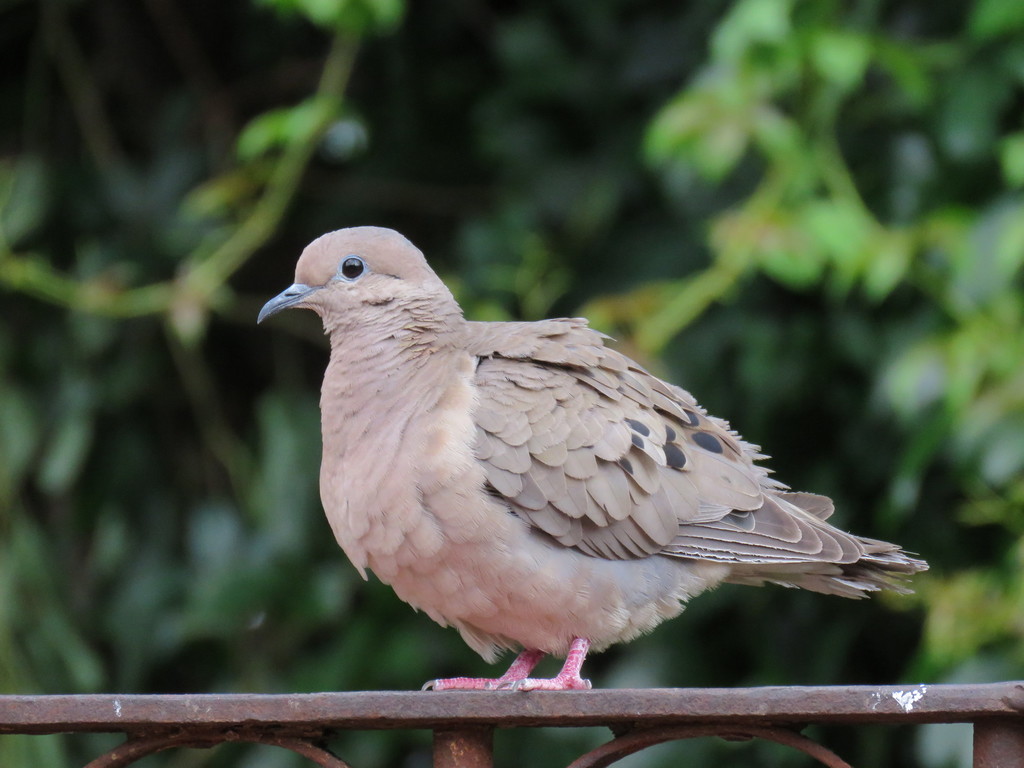
Its closest relatives
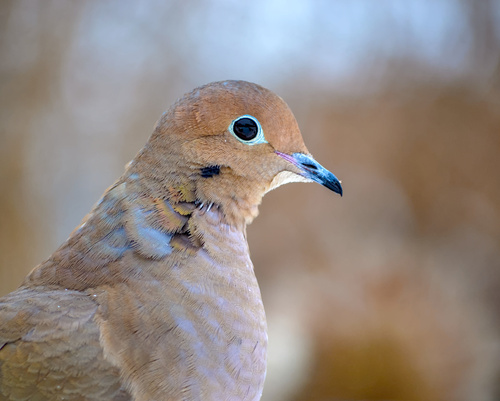
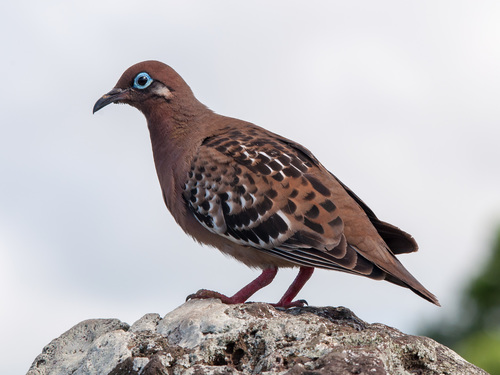
The other species of the genus Zenaida.

Seen a eared dove?
Share your photo on iNaturalist. Other naturalists help confirm it, and the record goes to GBIF, where scientists use it and where the maps on this page come from.
Explore next
What puts the eared dove under pressure, what helps, and who works on it.


Questions people ask
What does the eared dove eat?
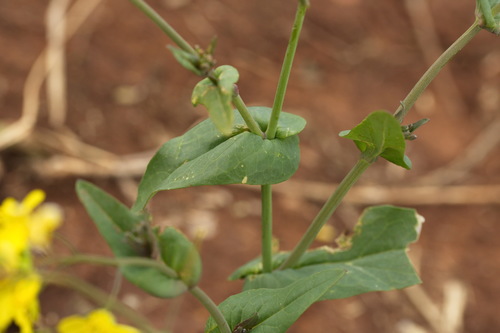
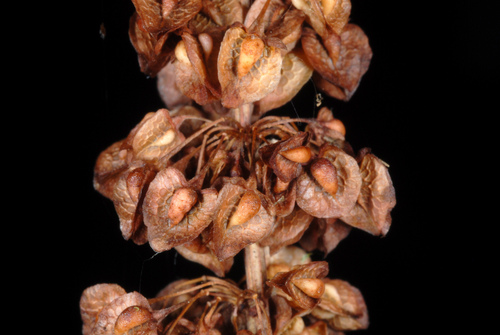
The eared dove has been recorded eating 90 different kinds of animals and plants, most of them plants. The ones recorded most often are alder, citharexylum subflavescens, garden pea, buckwheat and field mustard; records include animals eaten as carrion. Source: GloBI.
What eats the eared dove?
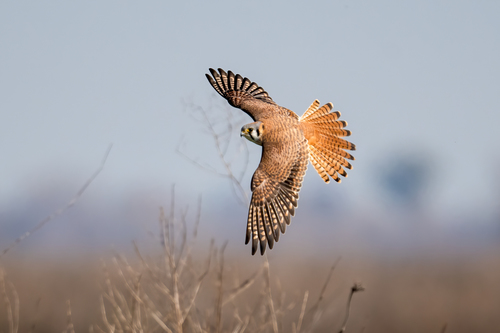
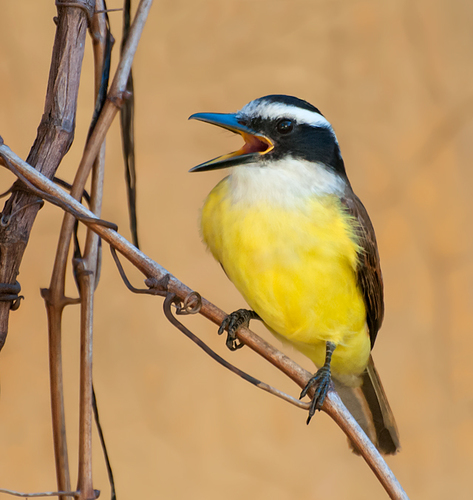
Recorded predators include cat, peregrine falcon, burrowing owl, american kestrel and great kiskadee. Source: GloBI.
Where does the eared dove live?
People have recorded it in 26 countries; the most records come from Argentina, Brazil, Colombia, Chile and Ecuador. Records show where people have seen it, not its full range.
When is the eared dove seen most?
In the southern hemisphere, the most records are made in October and the fewest in June. More people outdoors also means more records.
What are the eared dove's closest relatives?
It shares the genus Zenaida with mourning dove, galapagos dove, socorro dove, white-winged dove and zenaida dove.
Sources and photo credits
- GBIF · Zenaida auriculata, 958,286 human observations
- GloBI · recorded interactions of Zenaida auriculata
- Wikidata · Eared dove (Q1006452)
- Eared dove (Zenaida auriculata): Esteban Poveda, CC BY 4.0
- Eared dove (Zenaida auriculata): Juan Felipe Restrepo Mesa, CC BY 4.0
- Eared dove (Zenaida auriculata): no rights reserved, CC0
- Eared dove (Zenaida auriculata): Nicolas Olejnik, CC BY 4.0
- Eared dove (Zenaida auriculata): Nicolas Olejnik, CC BY 4.0
- Eared dove (Zenaida auriculata): Nicolas Olejnik, CC BY 4.0
- Eared dove (Zenaida auriculata): no rights reserved, CC0
- Eared dove (Zenaida auriculata): Nicolas Olejnik, CC BY 4.0
- Eared dove (Zenaida auriculata), José Marmol, Buenos Aires, Argentina: Romi Galeota Lencina, CC BY 4.0
- Alder: Frank R 1981, CC BY-SA 4.0
- Garden pea: Forest and Kim Starr, CC BY 4.0
- Buckwheat: Gilles San Martin, CC BY-SA 4.0
- Field mustard: Вячеслав Юсупов, CC BY 4.0
- Red clover: Andreas Rockstein, CC BY-SA 4.0
- Curled dock: Douglas Goldman, CC BY-SA 4.0
- Monterey pine: Forest and Kim Starr, CC BY 4.0
- Brazilian peppertree: Douglas Goldman, CC BY-SA 4.0
- Cat: Von.grzanka, CC BY-SA 4.0
- Peregrine falcon: Nicolás Villaseca Merino, CC BY-SA 4.0
- Burrowing owl: Bill Levine, CC BY 4.0
- American kestrel: Jonathan Eisen, CC BY 4.0
- Great kiskadee: Dario Sanches, CC BY-SA 4.0
- Sharp-shinned hawk: Troy B, CC BY 4.0
- Striped owl: Aitor, CC BY 4.0
- Ferruginous pygmy owl: Oscar Alejandro Morales Juárez, CC BY-SA 4.0
- Mourning dove: Timothy Lindsey, CC BY 4.0
- Galapagos dove: William Stephens, CC BY 4.0
- Socorro dove: B. Phalan, CC BY 4.0
- White-winged dove: Elliott Gordon, CC BY 4.0
- Zenaida dove: Donald Davesne, CC BY 4.0
- West peruvian dove: Manuel Vicente Miranda del Solar, CC BY 4.0
Records show where people have seen and shared the eared dove, not its full range, and some countries and months are recorded far more than others. The food web lists interactions that studies have recorded somewhere in the world (GloBI), not everything it eats in one place.
Checked 2026-11-21.