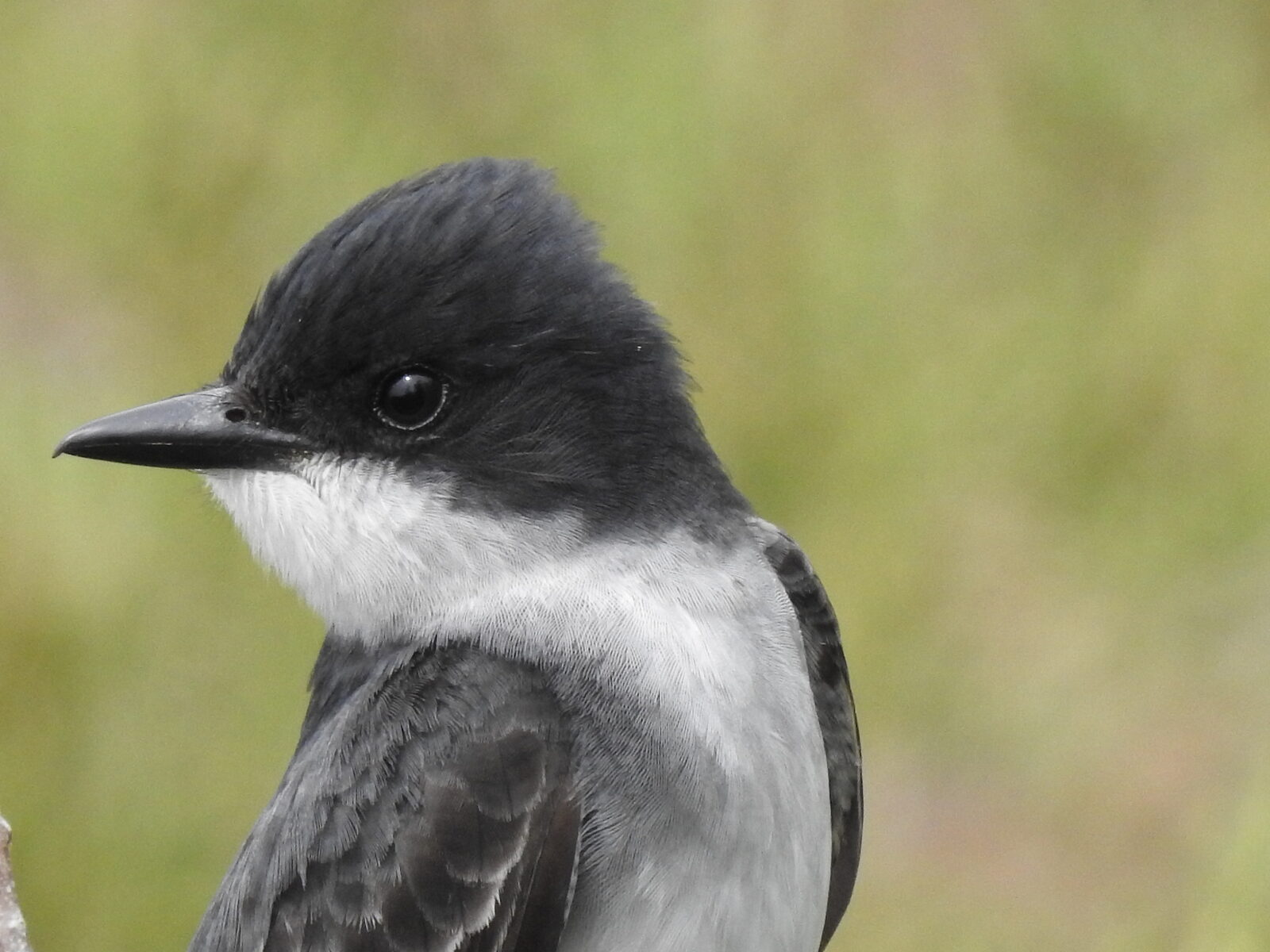
Eastern kingbird
Tyrannus tyrannus
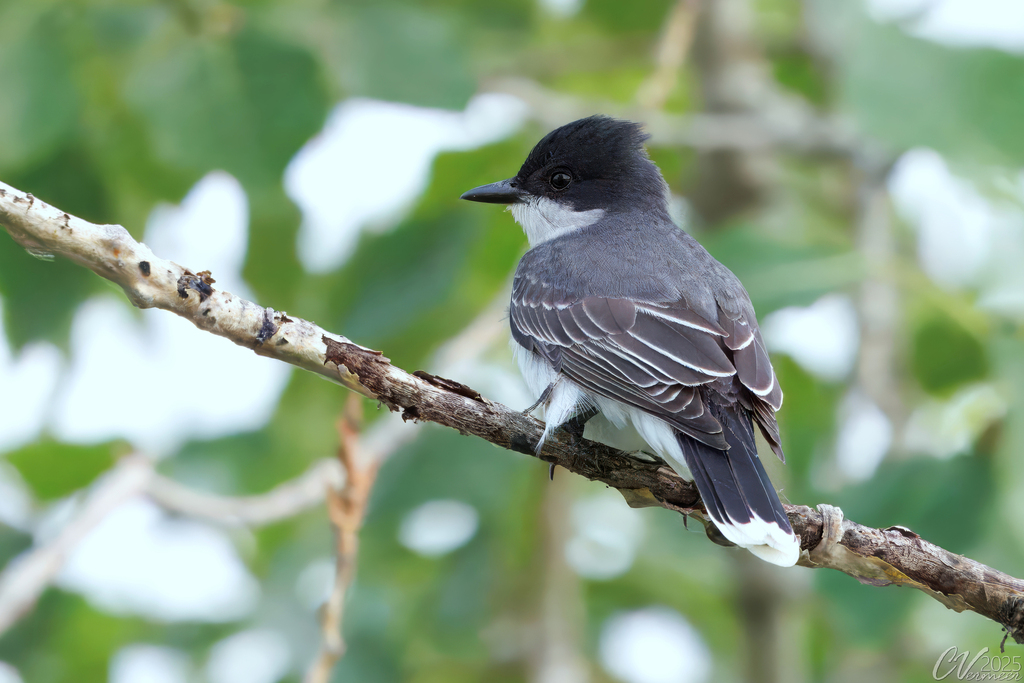
A black-and-white flycatcher with a white-tipped tail that chases larger birds away.
- Status
- Least Concern IUCN Red List
- Eats
- woodland strawberry, virginia creeper, eastern red-cedar and 363 more
- Where
- 37 countries
On 4Planet Atlas it is among the wildlife people record most around Bogotá, Lima and New York, and 3 more of the cities we cover.
People have shared 3,864,405 records of the eastern kingbird with GBIF, from 37 countries, most of them from United States, Canada and Colombia. Records collected by GloBI show it eating 366 different kinds of animals and plants, and being eaten by 1.
What the eastern kingbird eats, and what eats it
Studies have recorded it eating 366 kinds of animals and plants, and 1 kinds of animals eating it. Tap any of them to follow the food chain.
- Plants 211
- Insects 128
- Birds 1
Eastern kingbird


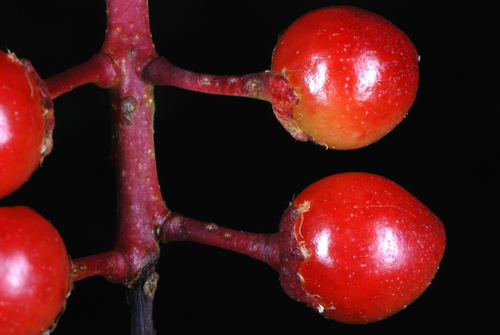
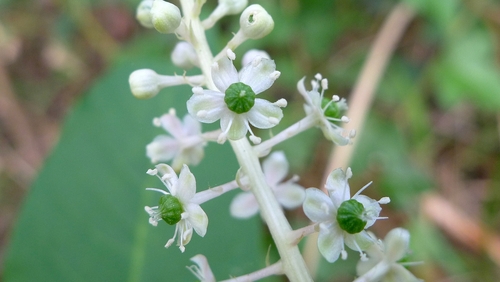


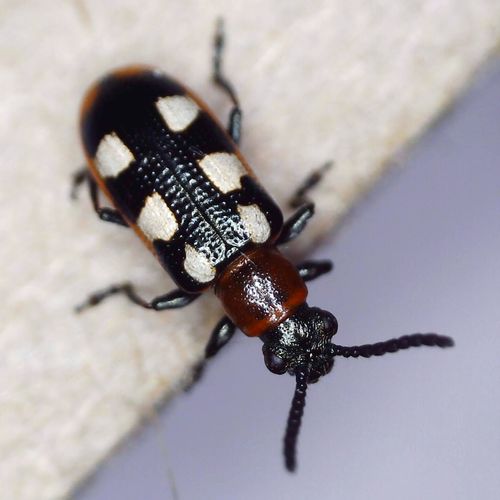
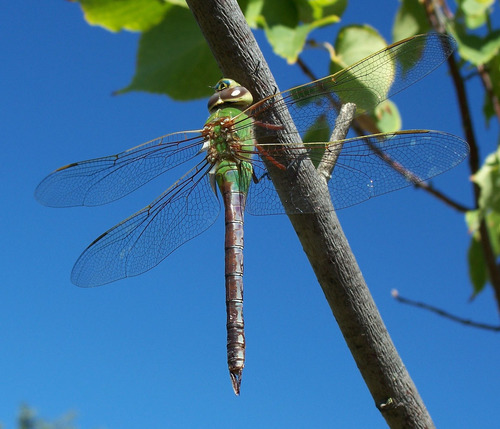
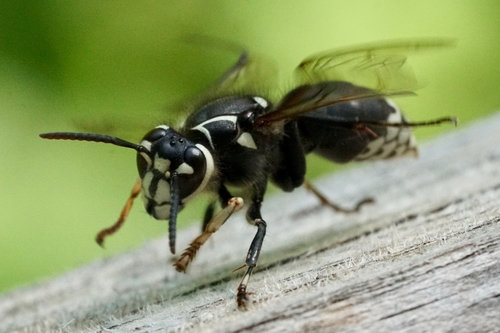

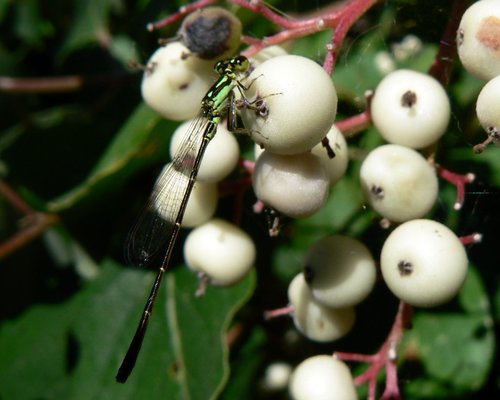
Records from studies worldwide, collected by GloBI. They include animals eaten as carrion, and they are not everything it eats in one place.
Where people see the eastern kingbird
People have shared 3,864,405 records from 37 countries.
Near a city: Bogotá, Lima, New York, Ottawa, Toronto, Washington, D.C..
Records show where people have seen it and shared it, not its full range. Country names open their page in Atlas.
When it is seen
Records per month in the northern hemisphere. More people outdoors also means more records.
Watch and listen
Its closest relatives
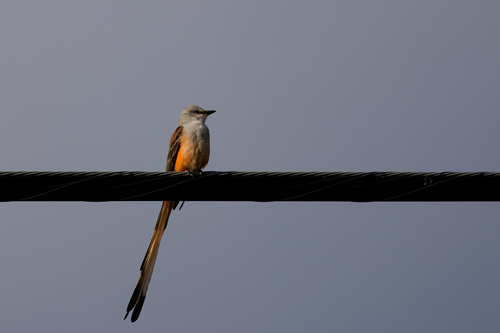
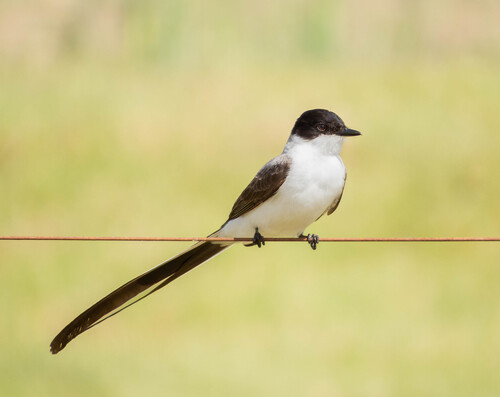
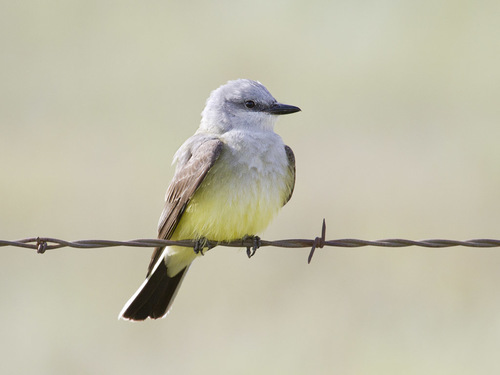
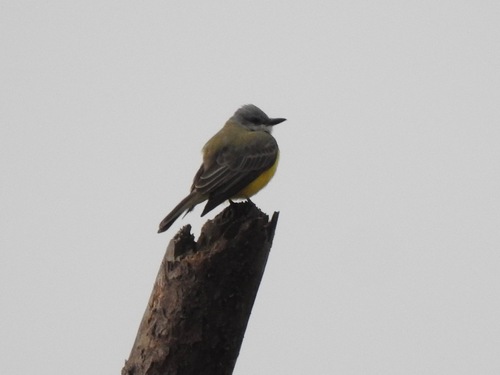
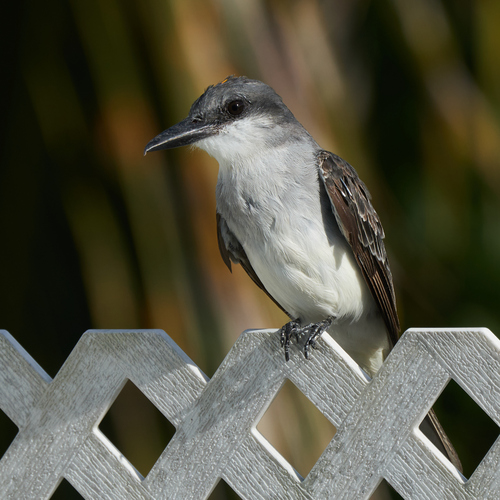
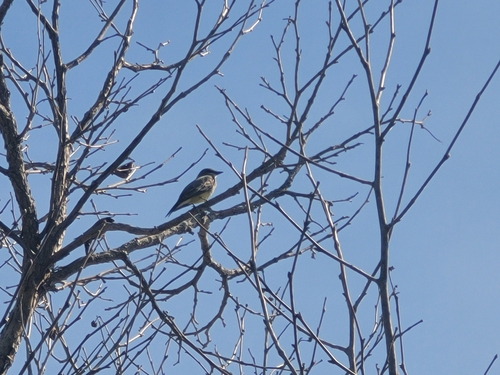
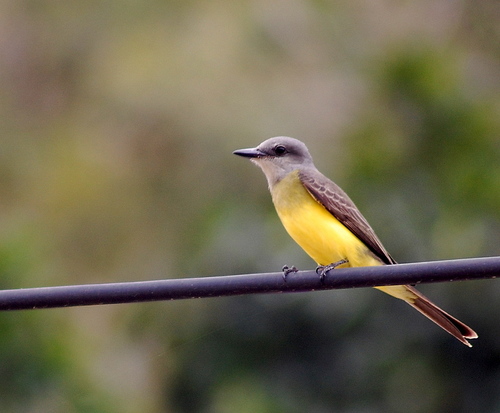
The other species of the genus Tyrannus.

Seen a eastern kingbird?
Share your photo on iNaturalist. Other naturalists help confirm it, and the record goes to GBIF, where scientists use it and where the maps on this page come from.
Questions people ask
What does the eastern kingbird eat?
The eastern kingbird has been recorded eating 366 different kinds of animals and plants, most of them plants, insects and birds. The ones recorded most often are woodland strawberry, virginia creeper, eastern red-cedar, black cherry and american pokeweed; records include animals eaten as carrion. Source: GloBI.
What eats the eastern kingbird?
Recorded predators include . Source: GloBI.
Where does the eastern kingbird live?
People have recorded it in 37 countries; the most records come from United States, Canada, Colombia, Costa Rica and Mexico. Records show where people have seen it, not its full range.
When is the eastern kingbird seen most?
In the northern hemisphere, the most records are made in May and the fewest in January. More people outdoors also means more records.
What are the eastern kingbird's closest relatives?
It shares the genus Tyrannus with scissor-tailed flycatcher, fork-tailed flycatcher, western kingbird, couch's kingbird and gray kingbird.
Sources and photo credits
- GBIF · Tyrannus tyrannus, 3,864,405 human observations
- GloBI · recorded interactions of Tyrannus tyrannus
- Wikidata · Eastern kingbird (Q1071571)
- Eastern kingbird (Tyrannus tyrannus): Laura Mae, CC BY 4.0
- Eastern kingbird (Tyrannus tyrannus), Ki l- Cona Park, Winnipeg, MB, Canada: Carol Ann Vermeer, CC BY 4.0
- Woodland strawberry: Douglas Goldman, CC BY-SA 4.0
- Virginia creeper: M. Whitson, CC BY 4.0
- Eastern red-cedar: Douglas Goldman, CC BY-SA 4.0
- Black cherry: Douglas Goldman, CC BY-SA 4.0
- American pokeweed: John Tann, CC BY 4.0
- Chokecherry: Douglas Goldman, CC BY-SA 4.0
- Sassafras: Douglas Goldman, CC BY-SA 4.0
- Common asparagus beetle: Barry Walter, CC BY 4.0
- Green darner: Eugene Zelenko, CC BY-SA 4.0
- Bald-faced hornet: Amy Schnebelin, CC BY 4.0
- Alternateleaf dogwood: John Abrams, CC BY 4.0
- Gray dogwood: Benny Mazur, CC BY 4.0
- Scissor-tailed flycatcher: Daughter Dad, CC BY 4.0
- Fork-tailed flycatcher: Guilherme Cameis Freda, CC BY-SA 4.0
- Western kingbird: Bill Bouton, CC BY-SA 4.0
- Couch's kingbird: Laura Mae, CC BY 4.0
- Gray kingbird: Glynn Morris, CC BY 4.0
- Cassin's kingbird: Alexander Antero Peñaflor, CC0
- White-throated kingbird: Dario Sanches, CC BY-SA 4.0
- Loggerhead kingbird: Laura Gooch, CC BY-SA 4.0
Records show where people have seen and shared the eastern kingbird, not its full range, and some countries and months are recorded far more than others. The food web lists interactions that studies have recorded somewhere in the world (GloBI), not everything it eats in one place.
Checked 2026-11-22.