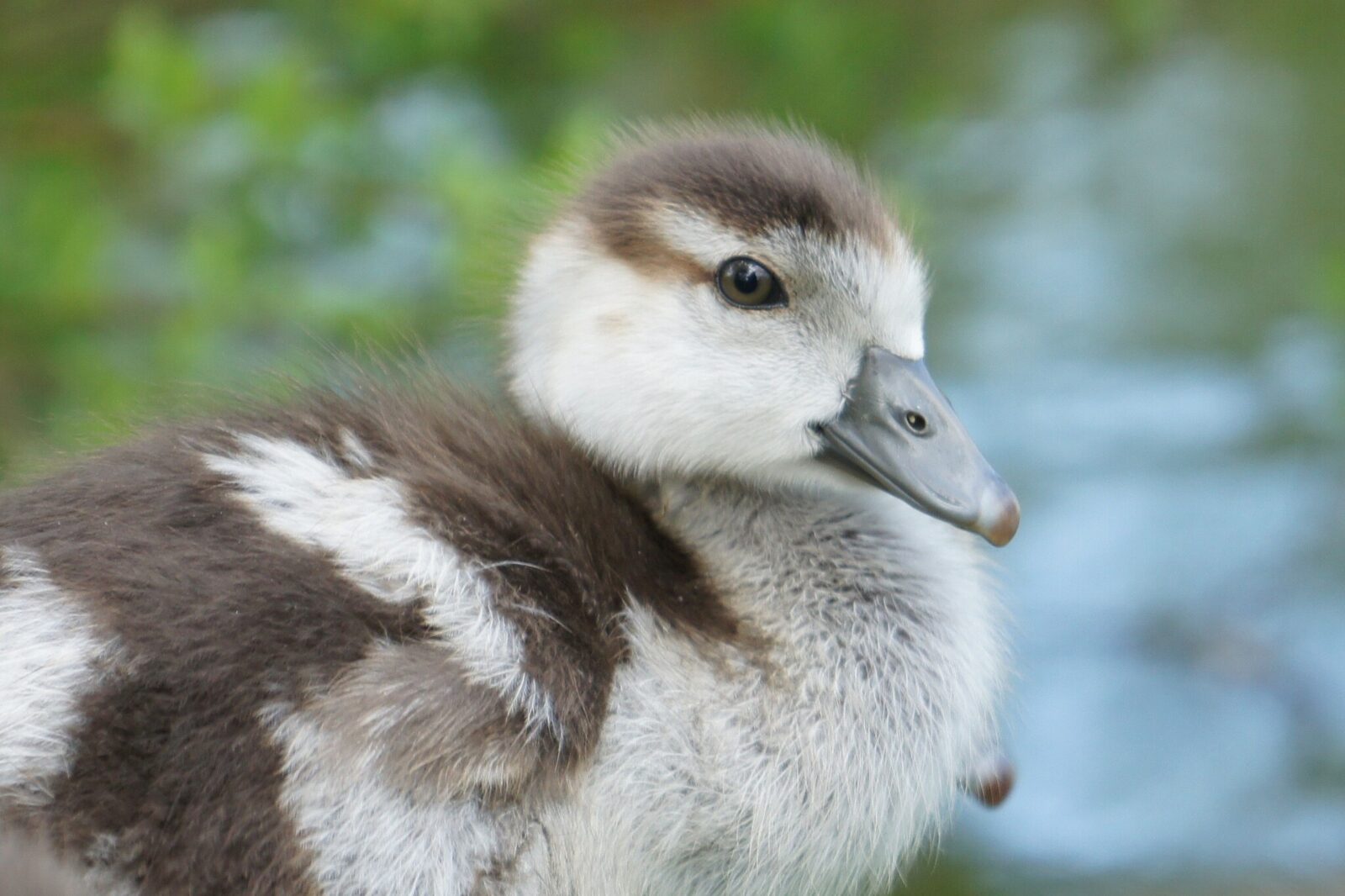
Egyptian goose
Alopochen aegyptiaca
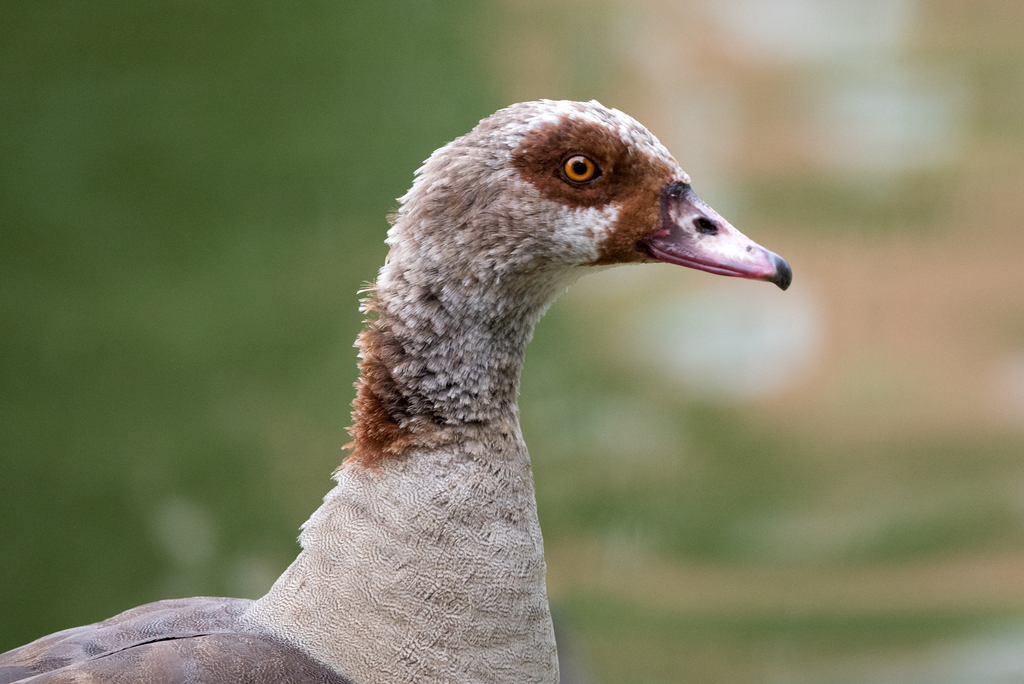
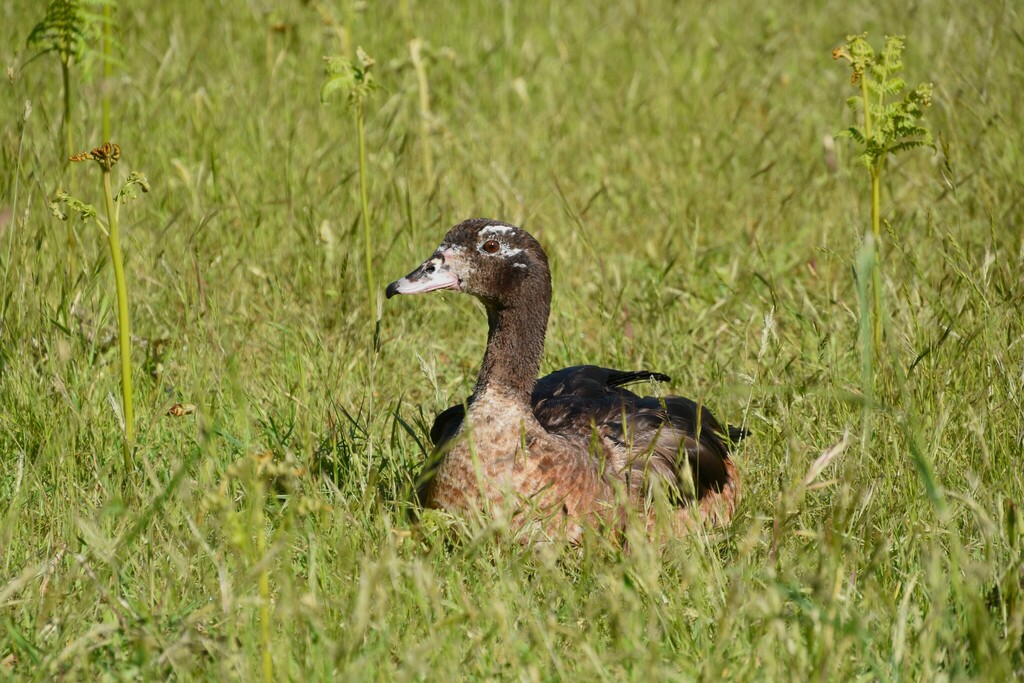
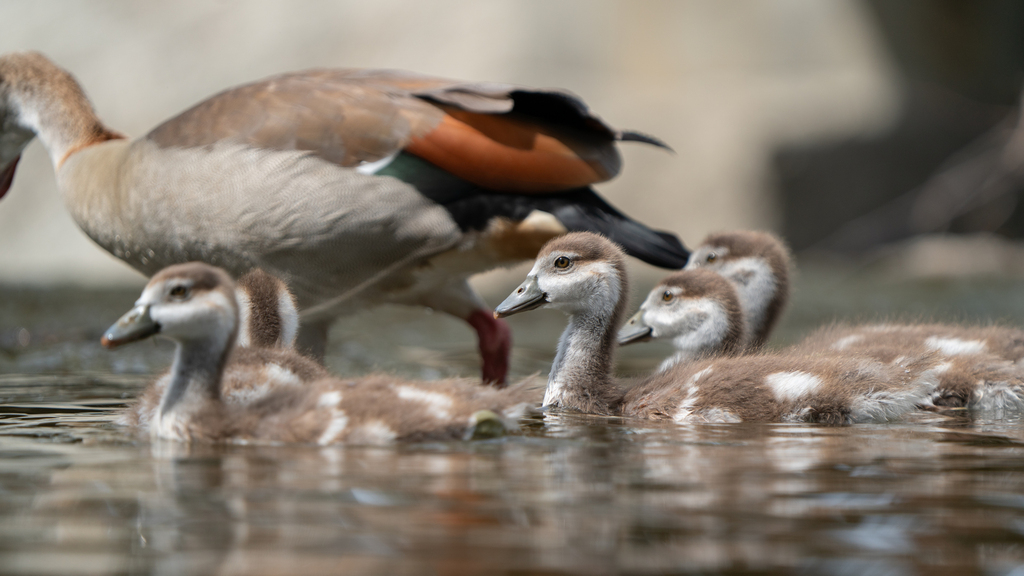
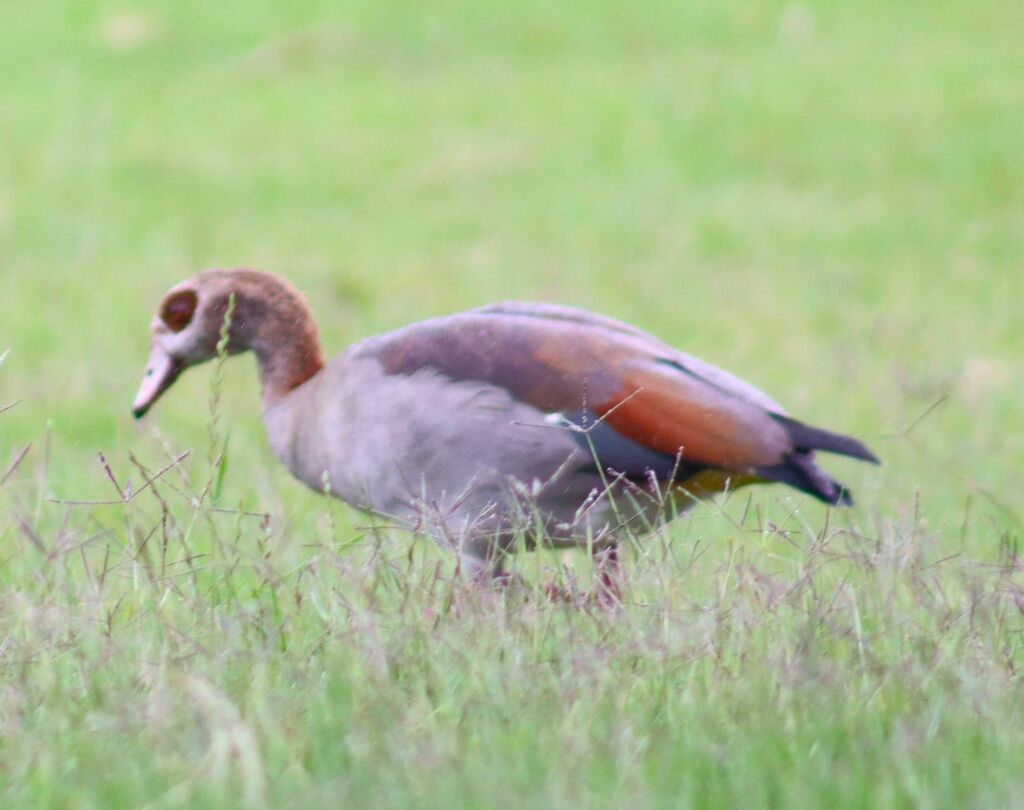
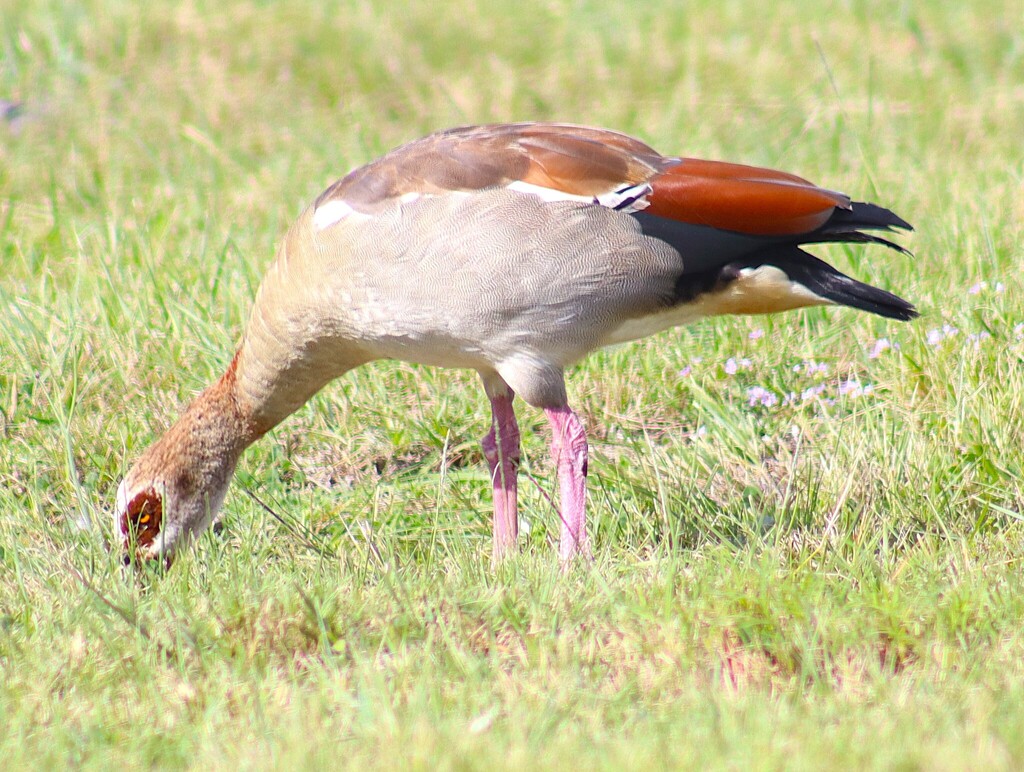
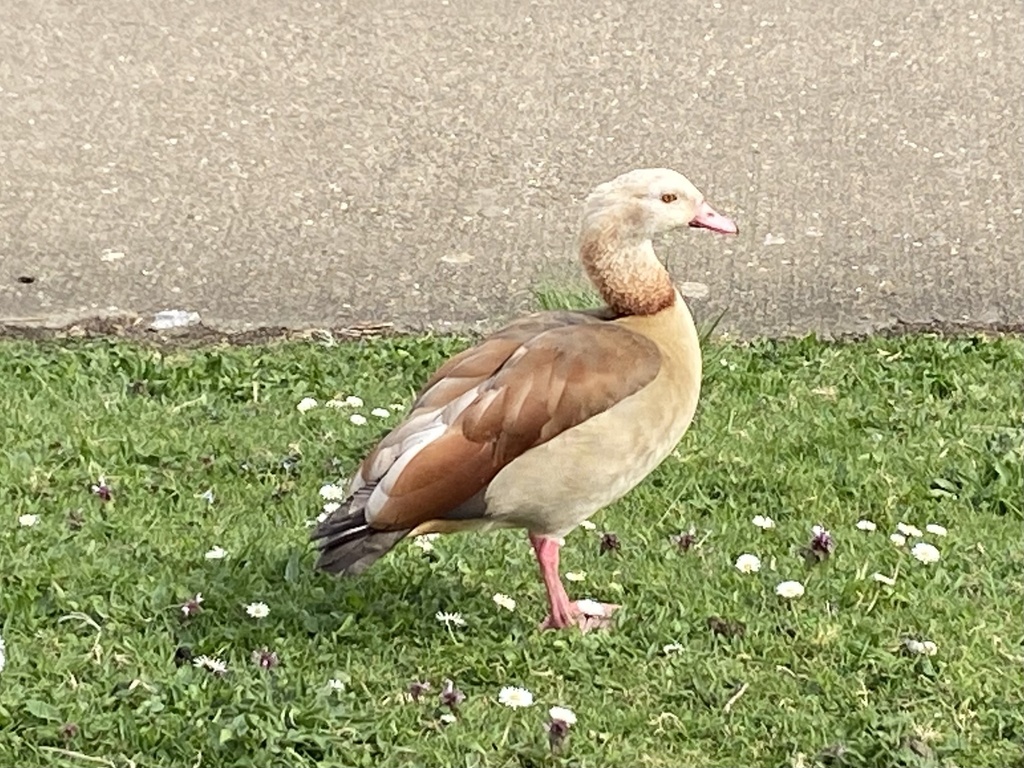
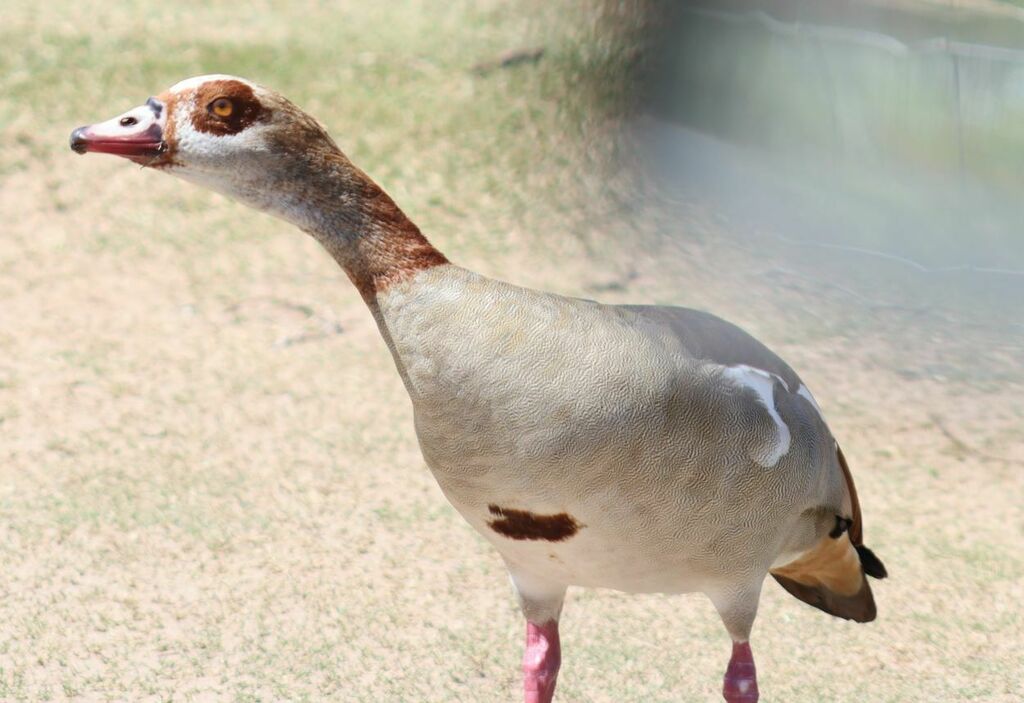
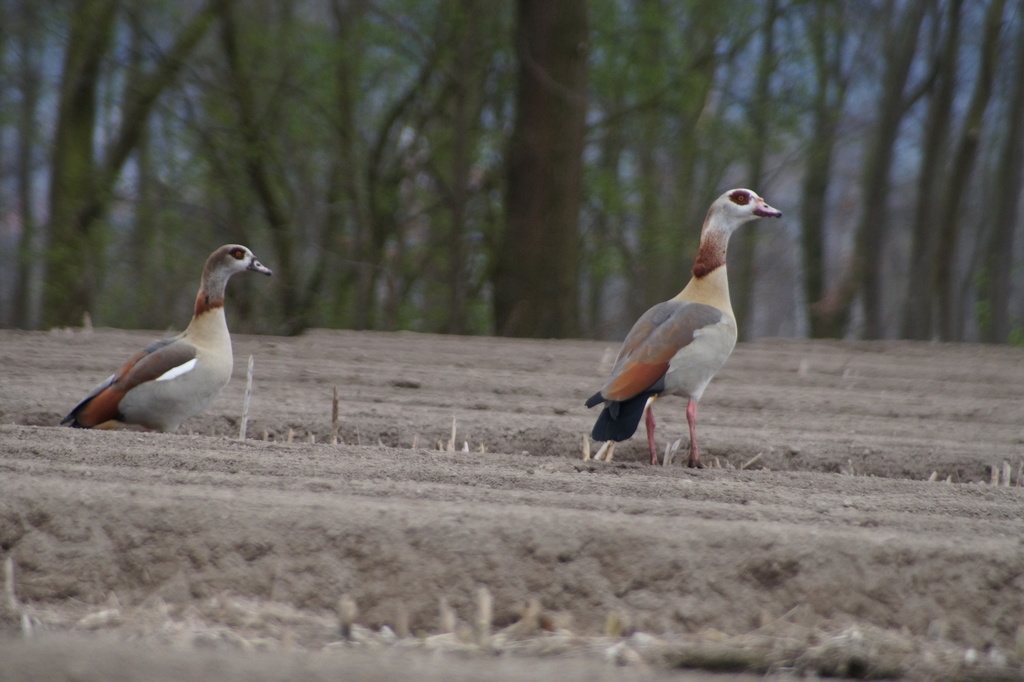
A goose-like duck with a brown eye patch, introduced to parts of Europe from Africa.
- Status
- Least Concern IUCN Red List
- Eats
- bermuda grass, wire grass, torpedo grass and 8 more
- Eaten by
- red fox, northern raven, golden eagle
- Where
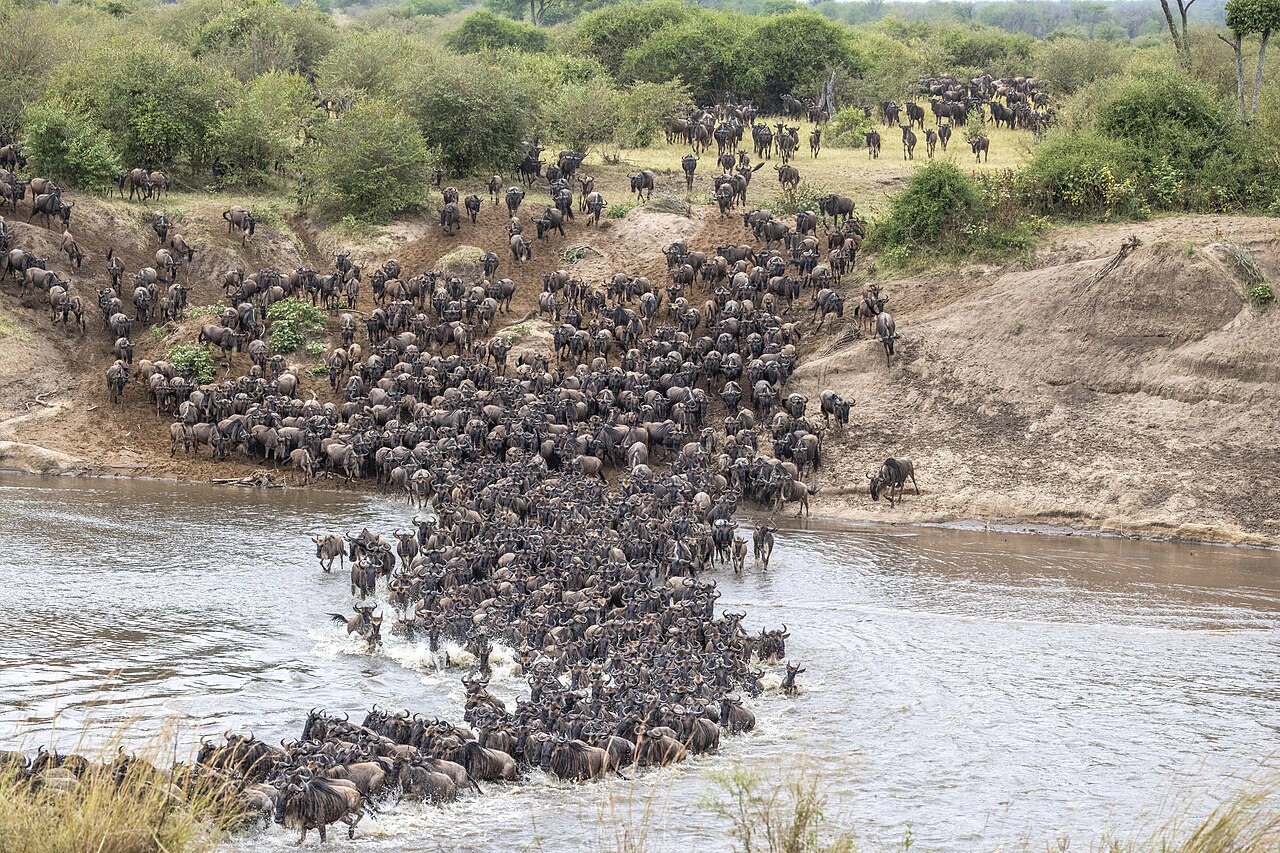
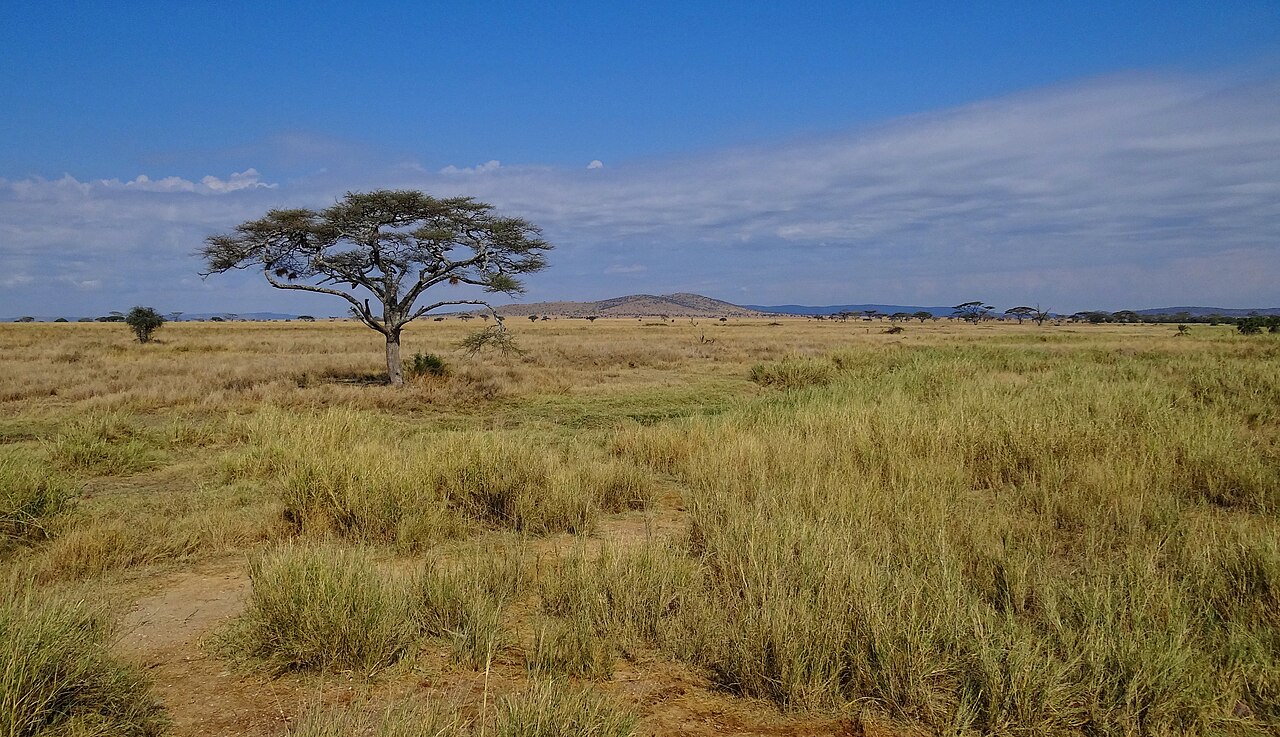
- 89 countries · serengeti, savannas
On 4Planet Atlas it is among the wildlife people record most around Addis Ababa, Amsterdam and Brussels, and 9 more of the cities we cover.
People have shared 838,406 records of the egyptian goose with GBIF, from 89 countries, most of them from United States, United Kingdom and South Africa. Records collected by GloBI show it eating 11 different kinds of animals and plants, and being eaten by 8.
Habitats
What the Egyptian goose eats, and what eats it
Studies have recorded it eating 11 kinds of animals and plants, and 8 kinds of animals eating it. Tap any of them to follow the food chain.
- Plants 11
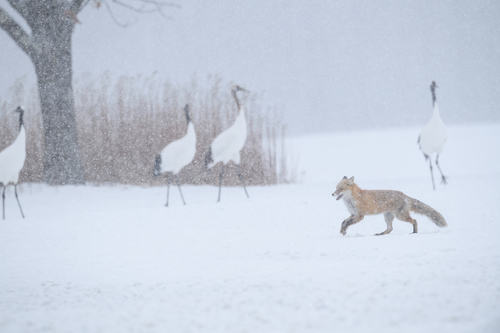
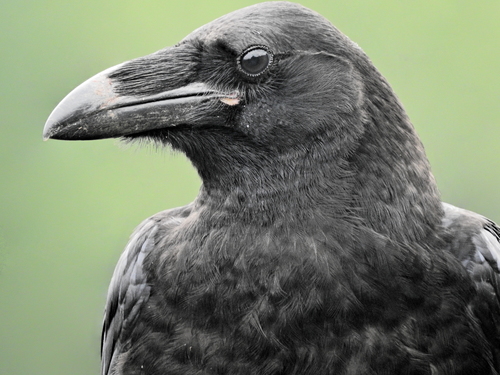
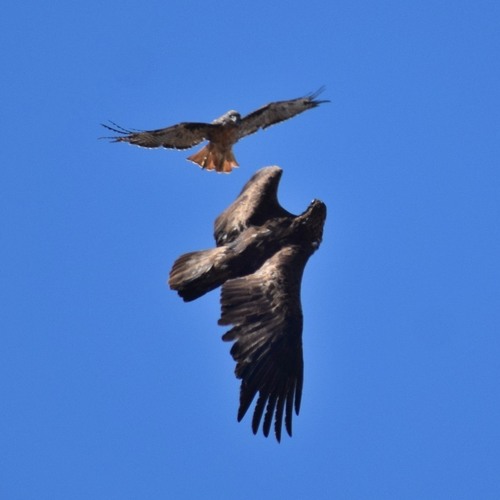
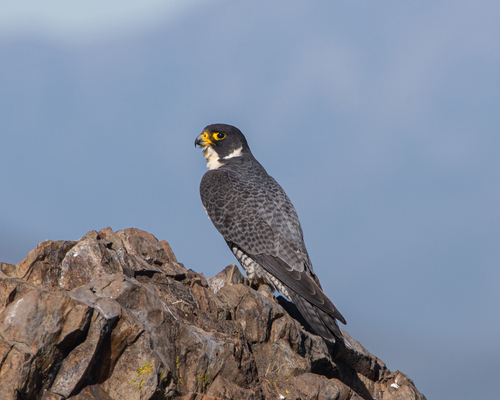
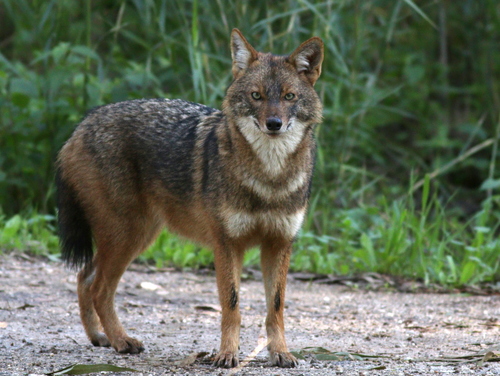
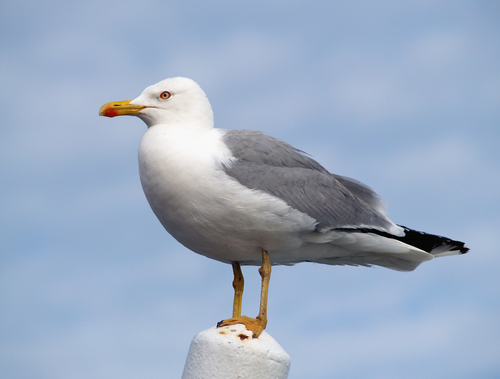 Egyptian goose

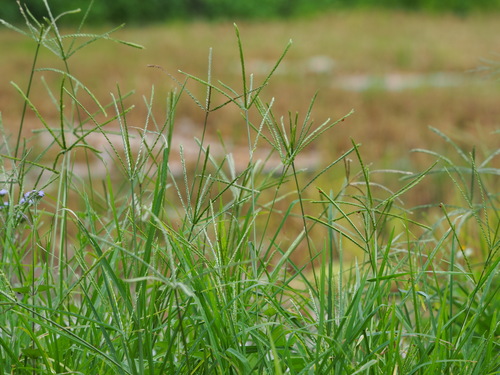

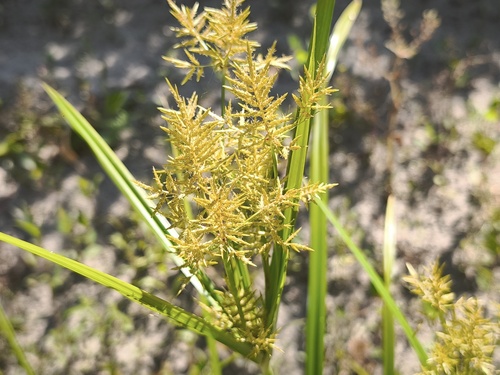
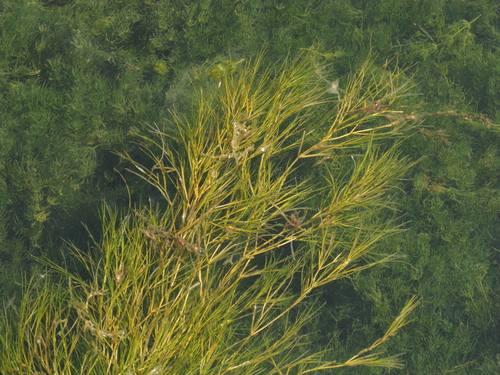
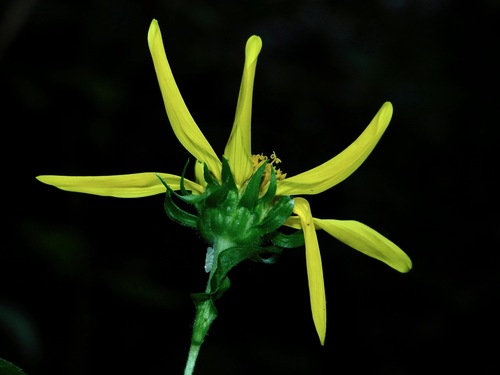
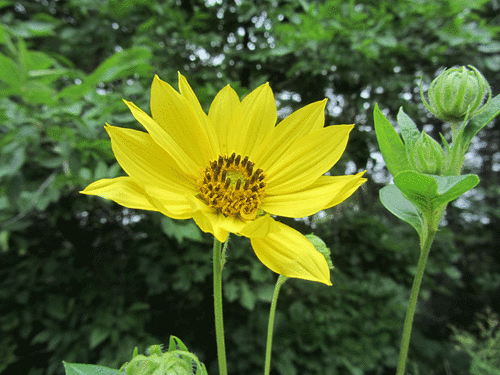
Records from studies worldwide, collected by GloBI. They include animals eaten as carrion, and they are not everything it eats in one place.
Where people see the Egyptian goose
People have shared 838,406 records from 89 countries.
Near a city: Addis Ababa, Amsterdam, Brussels, Cairo, Cape Town, Lisbon, London, Luxembourg City, Madrid, Nairobi, Prague, Pretoria.
Records show where people have seen it and shared it, not its full range. Country names open their page in Atlas.
When it is seen
Records per month in the northern hemisphere. More people outdoors also means more records.
Watch and listen
Its closest relatives
The other species of the genus Alopochen.

Seen a Egyptian goose?
Share your photo on iNaturalist. Other naturalists help confirm it, and the record goes to GBIF, where scientists use it and where the maps on this page come from.
Explore next
What puts the egyptian goose under pressure, what helps, and who works on it.



Questions people ask
What does the egyptian goose eat?
The egyptian goose has been recorded eating 11 different kinds of animals and plants, most of them plants. The ones recorded most often are bermuda grass, wire grass, torpedo grass, jerusalem artichoke and yellow nutsedge; records include animals eaten as carrion. Source: GloBI.
What eats the egyptian goose?
Recorded predators include red fox, northern raven, golden eagle, peregrine falcon and golden jackal. Source: GloBI.
Where does the egyptian goose live?
People have recorded it in 89 countries; the most records come from United States, United Kingdom, South Africa, Germany and Netherlands. Records show where people have seen it, not its full range.
When is the egyptian goose seen most?
In the northern hemisphere, the most records are made in April and the fewest in July. More people outdoors also means more records.
What are the egyptian goose's closest relatives?
It shares the genus Alopochen with mauritian shelduck and réunion shelduck.
Sources and photo credits
- GBIF · Alopochen aegyptiaca, 838,406 human observations
- GloBI · recorded interactions of Alopochen aegyptiaca
- Wikidata · Egyptian goose (Q274179)
- Egyptian goose (Alopochen aegyptiaca): Alex Press, CC BY 4.0
- Egyptian goose (Alopochen aegyptiaca): Pierre-Marie Epiney, CC BY-SA 4.0
- Egyptian goose (Alopochen aegyptiaca), La Coruña, España: Tristo, CC BY 4.0
- Egyptian goose (Alopochen aegyptiaca), Fullerton, CA, USA: jubileej, CC0
- Egyptian goose (Alopochen aegyptiaca), Linton Grange, Gqeberha, 6025, South Africa: Dave Brown, CC0
- Egyptian goose (Alopochen aegyptiaca), Parsons Vlei, Gqeberha, 6025, South Africa: Dave Brown, CC0
- Egyptian goose (Alopochen aegyptiaca), Waltham Forest, London, England, GB: Joss Carr, CC BY 4.0
- Egyptian goose (Alopochen aegyptiaca), Mount Pleasant, Gqeberha, 6070, South Africa: Dave Brown, CC0
- Egyptian goose (Alopochen aegyptiaca), 32339 Espelkamp, Deutschland: przese, CC BY 4.0
- Bermuda grass: Douglas Goldman, CC BY-SA 4.0
- Wire grass: no rights reserved, uploaded by 葉子, CC0
- Torpedo grass: Cheng-Tao Lin, CC BY 4.0
- Yellow nutsedge: arthur_haendler, CC BY 4.0
- Sago pondweed: Igor Balashov, CC BY 4.0
- Thinleaf sunflower: Michael J. Papay, CC BY 4.0
- Giant sunflower: Homer Edward Price, CC BY 4.0
- Red fox: Morten Ross, CC BY 4.0
- Northern raven: xulescu_g, CC BY-SA 4.0
- Golden eagle: Anne Parsons, CC0
- Peregrine falcon: Nicolás Villaseca Merino, CC BY-SA 4.0
- Golden jackal: Jan Ebr & Ivana Ebrová, CC BY 4.0
- Yellow-legged gull: Jörg Hempel, CC BY-SA 4.0
- Mauritian shelduck: Julian P. Hume, published with H. Glyn Young and Simon J. Tonge, bazı hakları saklıdır (CC BY-SA), CC BY-SA 4.0
Records show where people have seen and shared the egyptian goose, not its full range, and some countries and months are recorded far more than others. The food web lists interactions that studies have recorded somewhere in the world (GloBI), not everything it eats in one place.
Checked 2026-11-21.