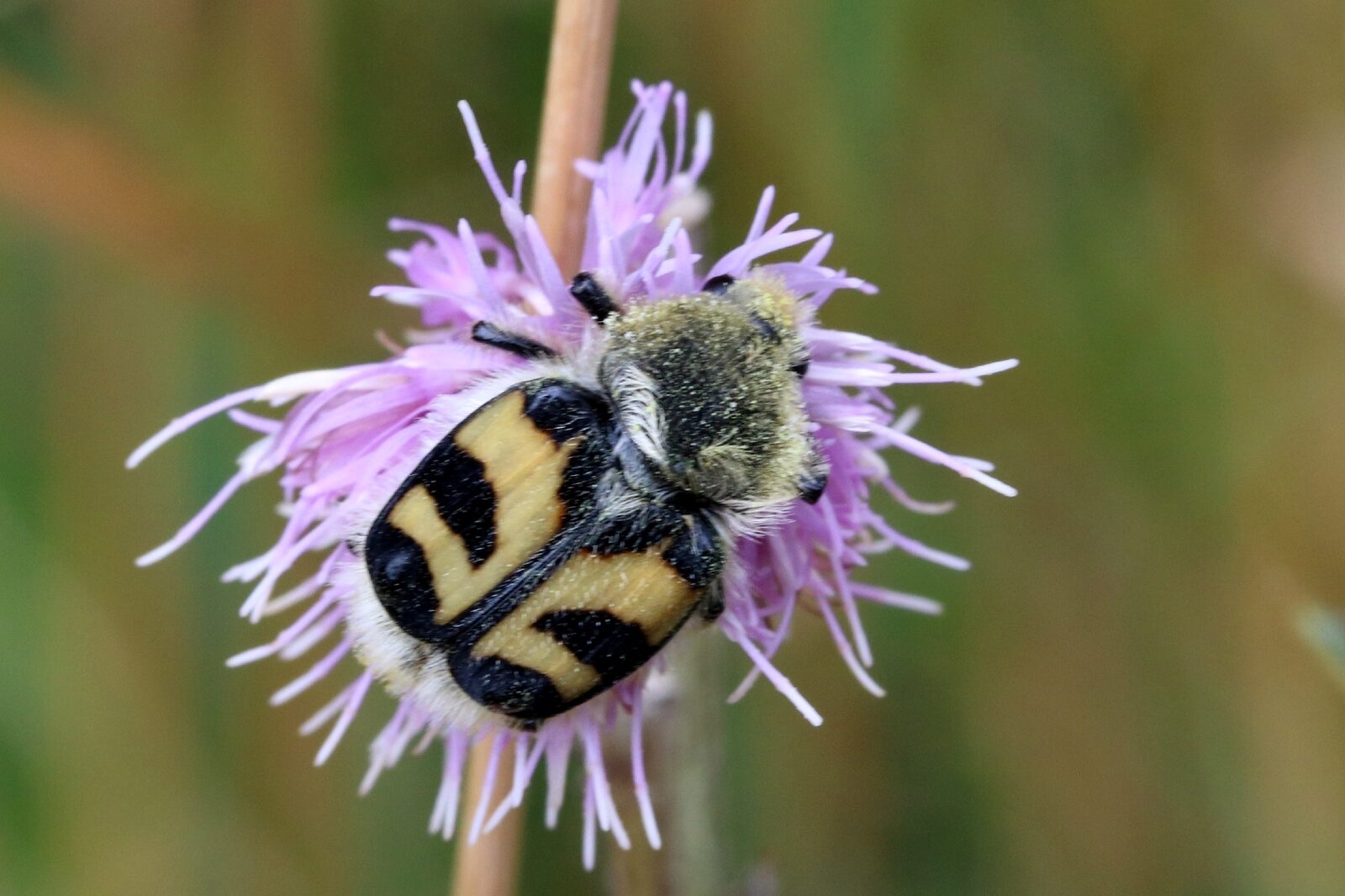
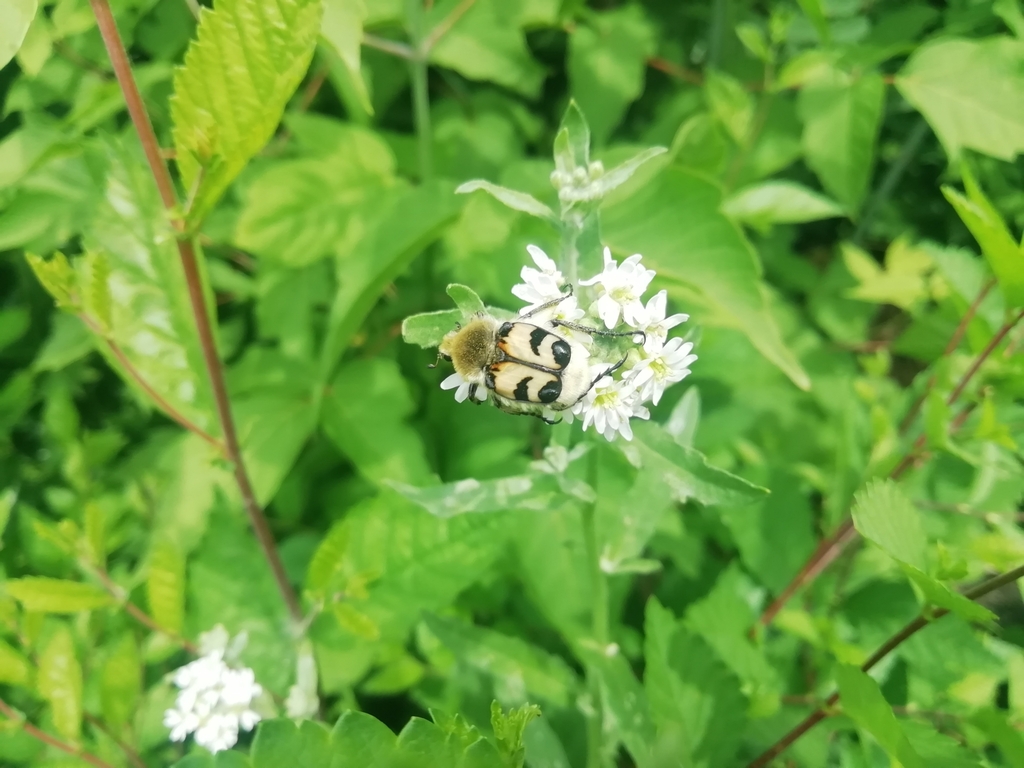
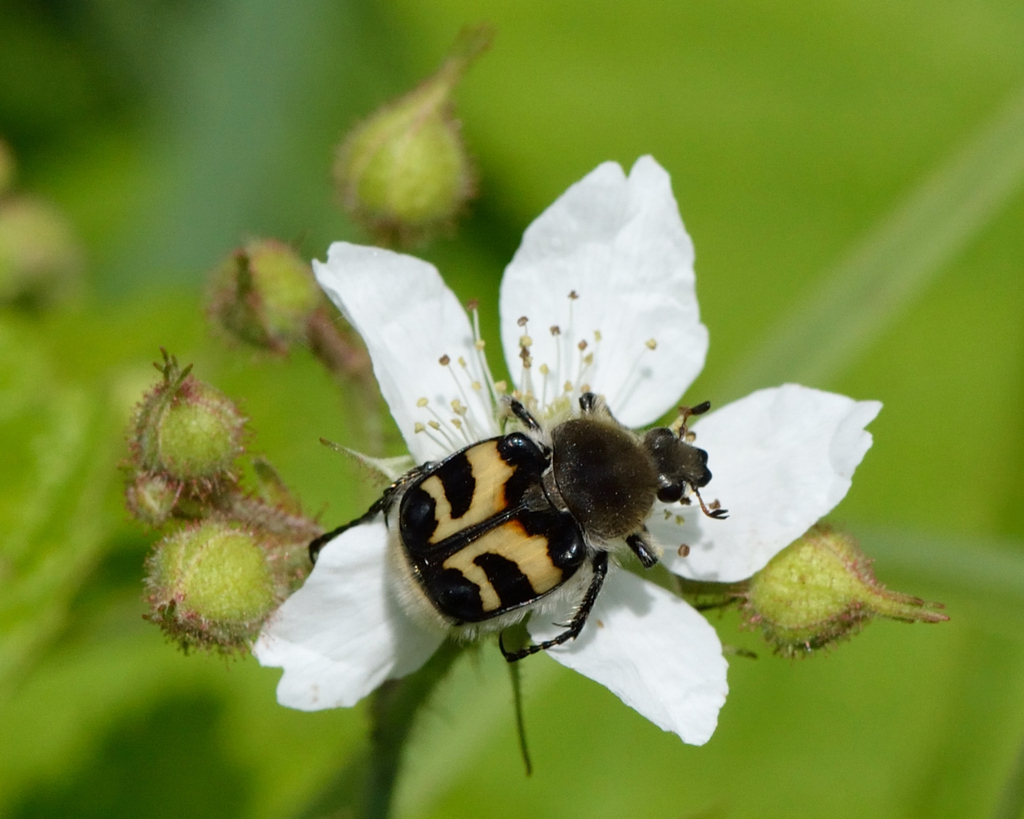
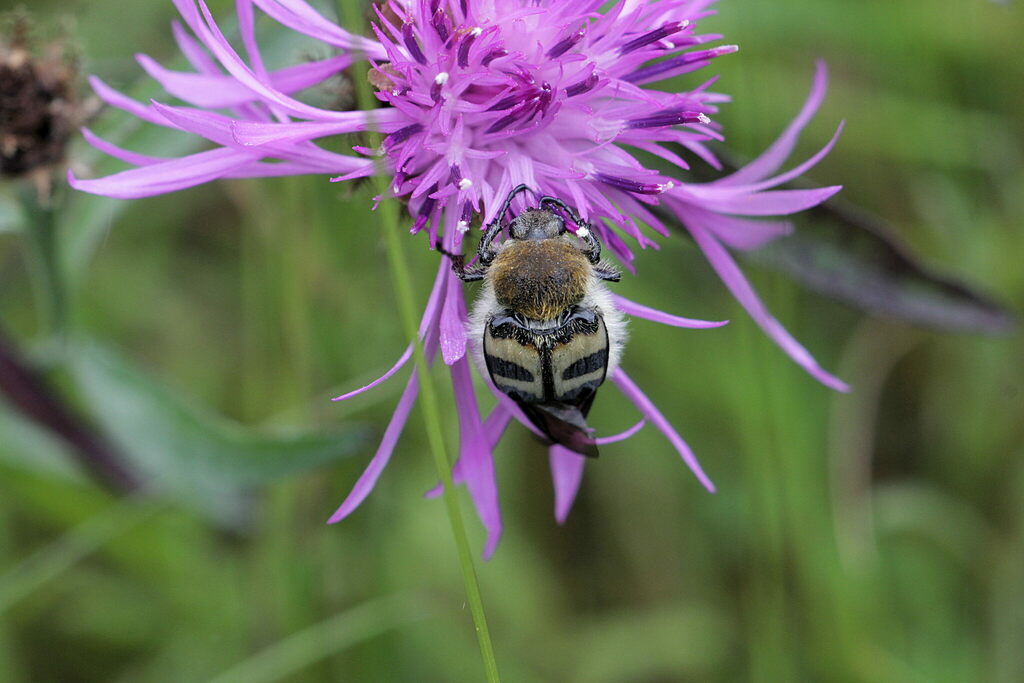
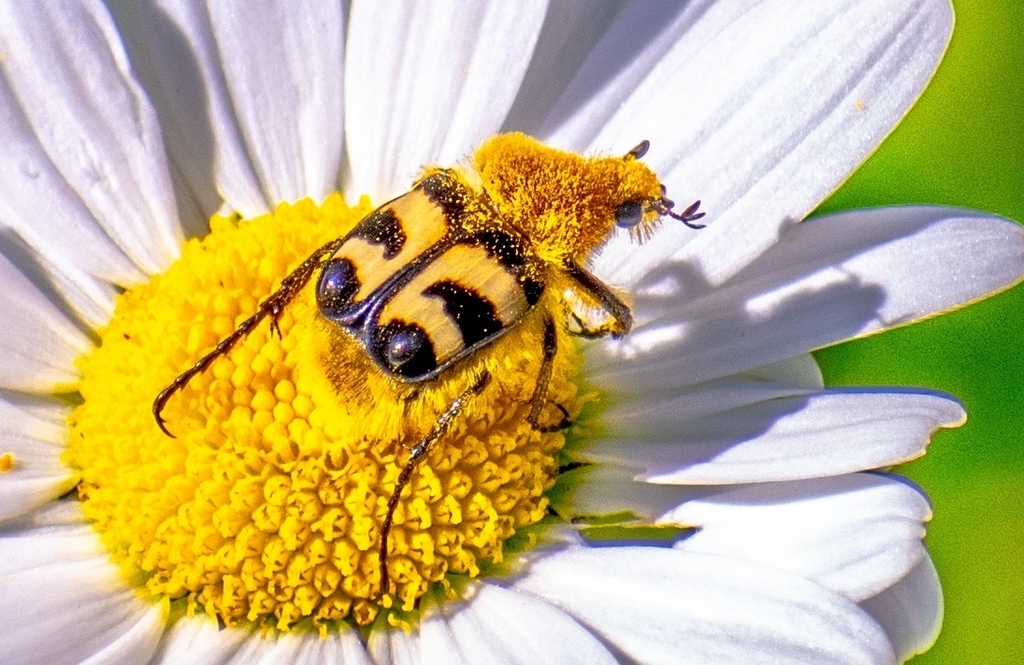
Eurasian bee beetle
Trichius fasciatus
- Status
- IUCN Red List
- Eats
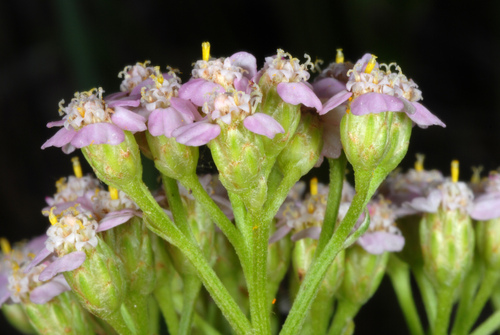
- yarrow, European aspen, cornflower and 47 more
- Eaten by
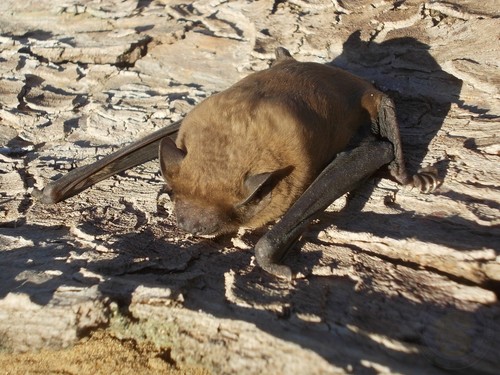
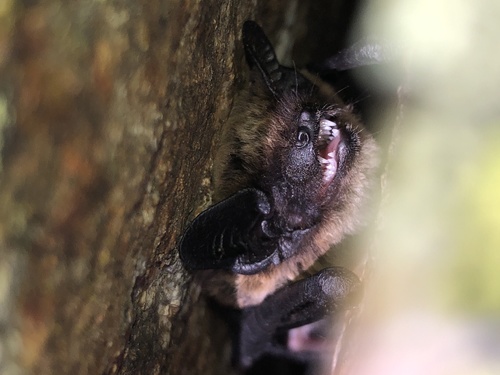
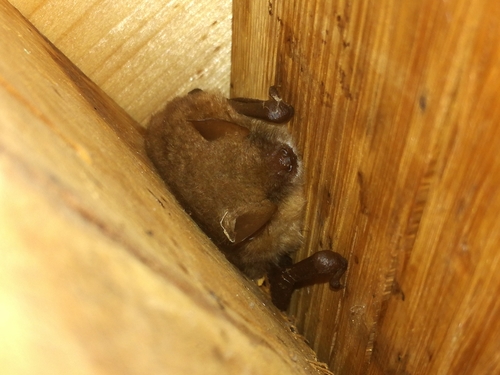
- greater horseshoe bat, serotine bat, barbastelle
- Where
- 35 countries
People have shared 10,218 records of the Eurasian bee beetle with GBIF, from 35 countries, most of them from Russia, Finland and Sweden. Records collected by GloBI show it eating 50 different kinds of animals and plants, and being eaten by 9.
In the northern hemisphere, people record it most in July and least in March. It belongs to the genus Trichius in the family Scarabaeidae.
What the Eurasian bee beetle eats, and what eats it
Studies have recorded it eating 50 kinds of animals and plants, and 9 kinds of animals eating it. Tap any of them to follow the food chain.
- Plants 49
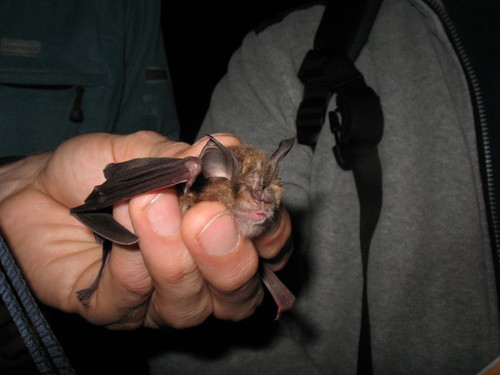
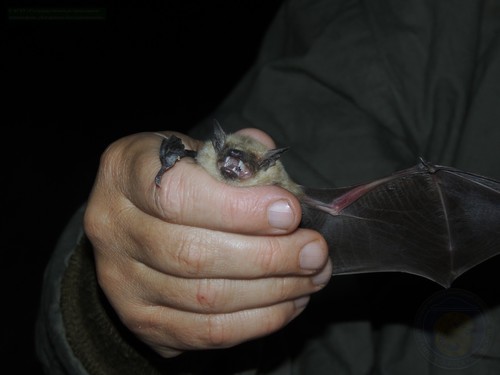
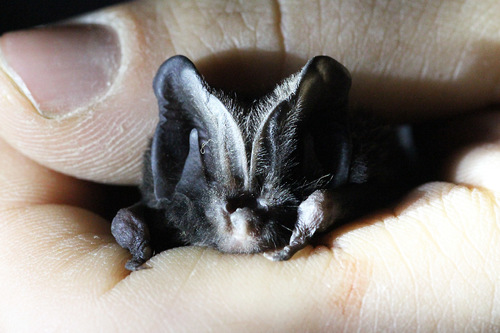
 Eurasian bee beetle
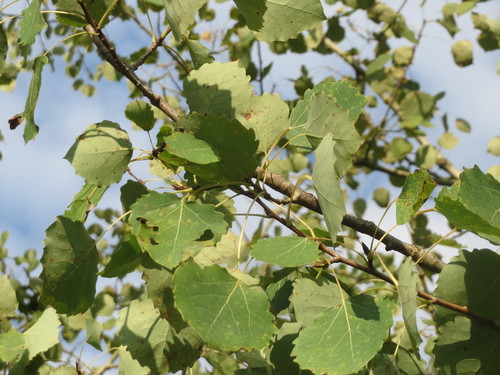

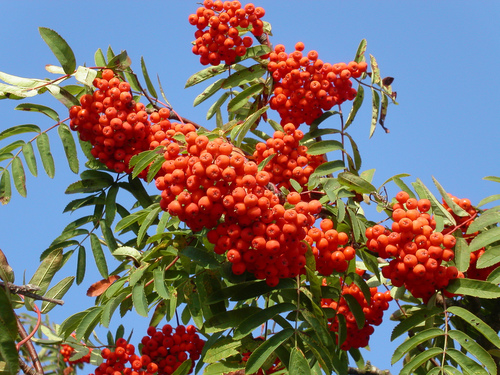
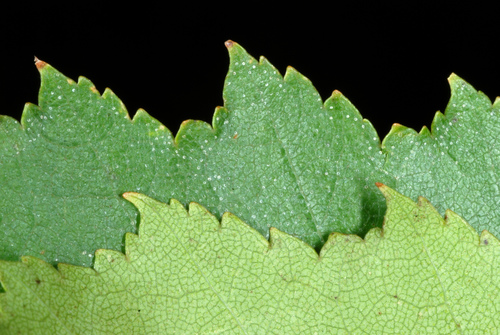
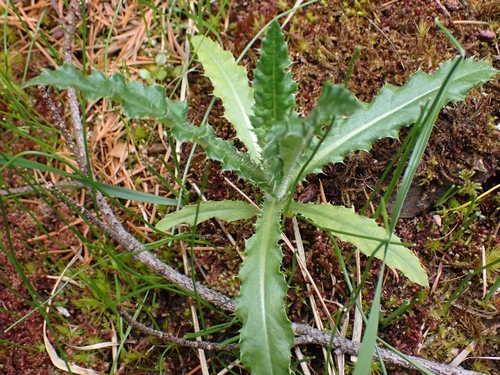
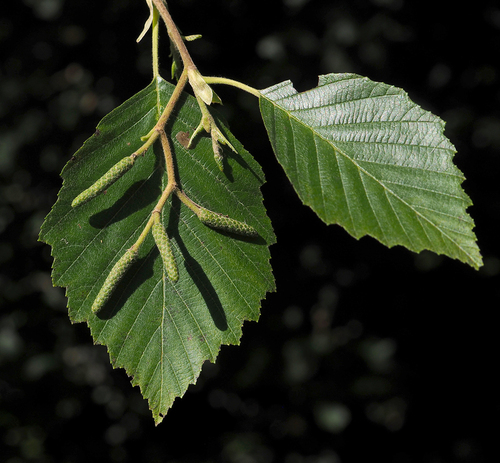
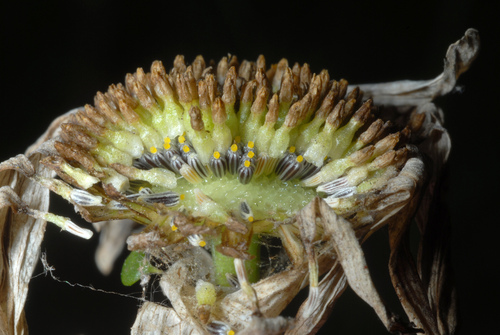
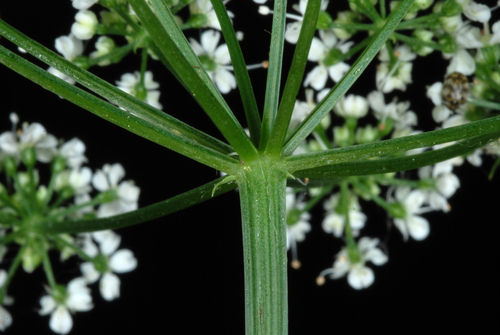
Records from studies worldwide, collected by GloBI. They include animals eaten as carrion, and they are not everything it eats in one place.
Where people see the Eurasian bee beetle
People have shared 10,218 records from 35 countries.
Records show where people have seen it and shared it, not its full range. Country names open their page in Atlas.
When it is seen
Records per month in the northern hemisphere. More people outdoors also means more records.
Watch and listen
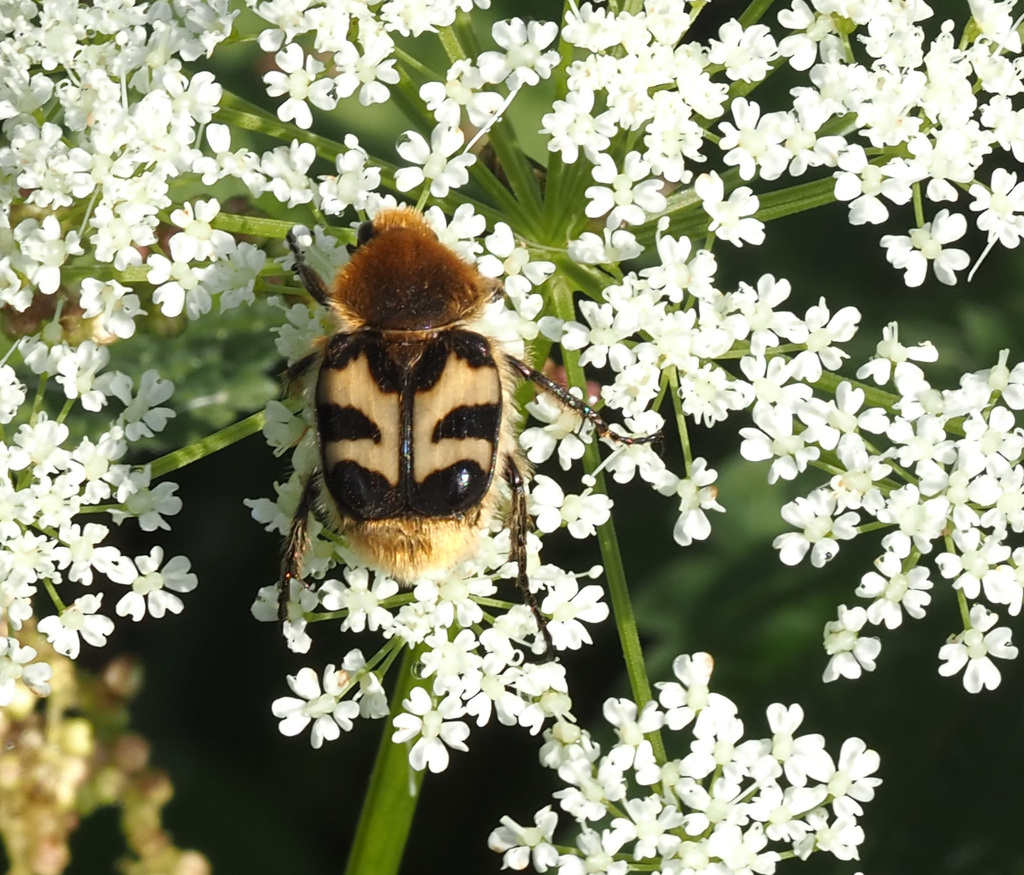
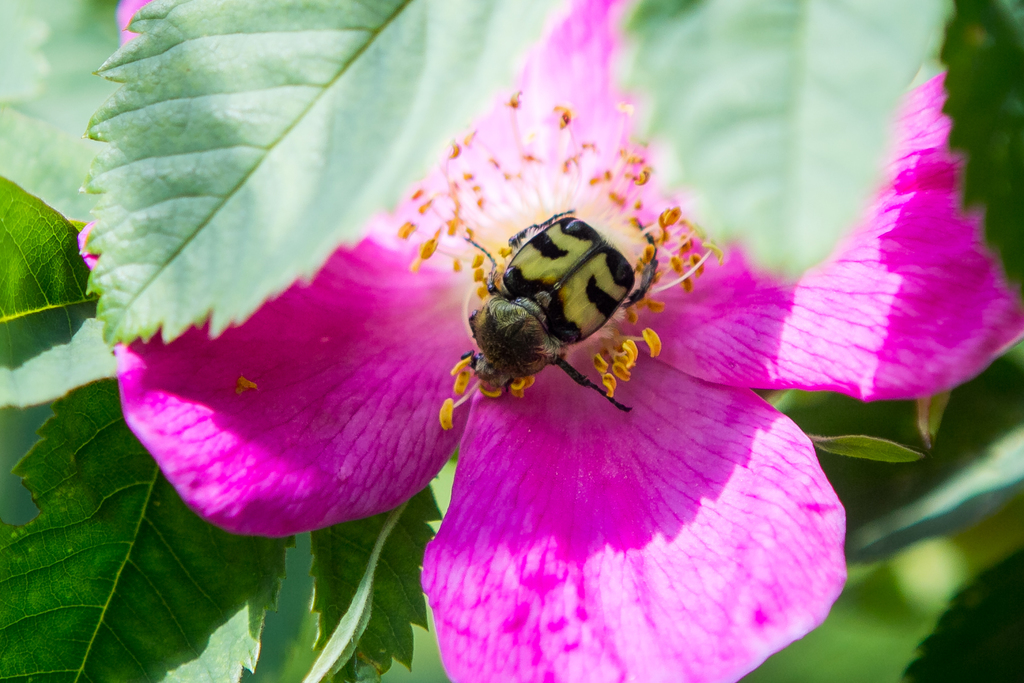
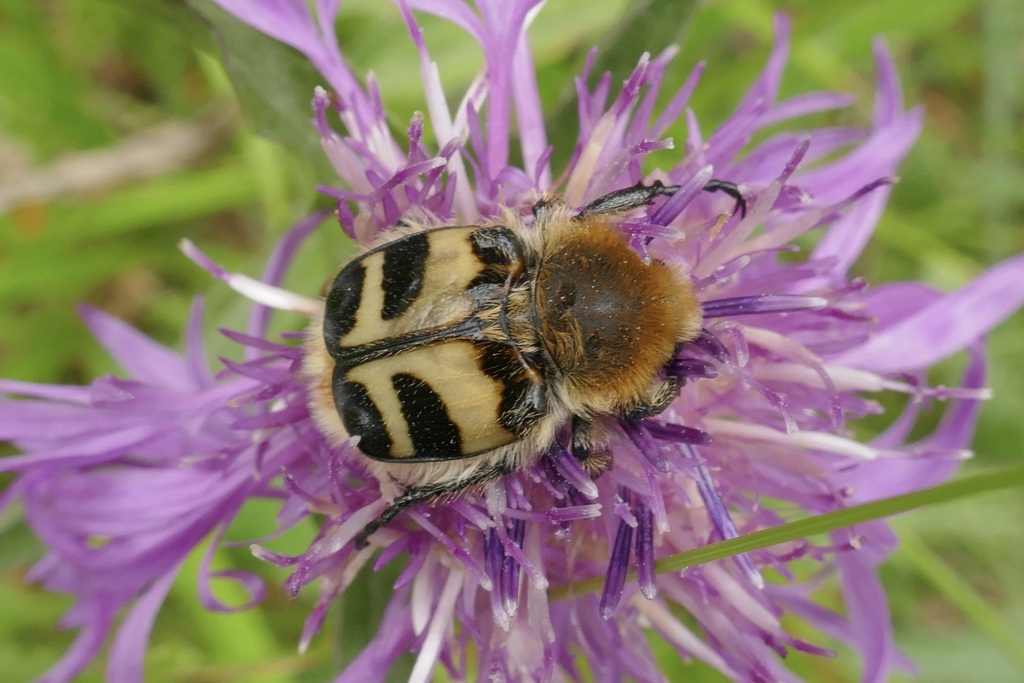
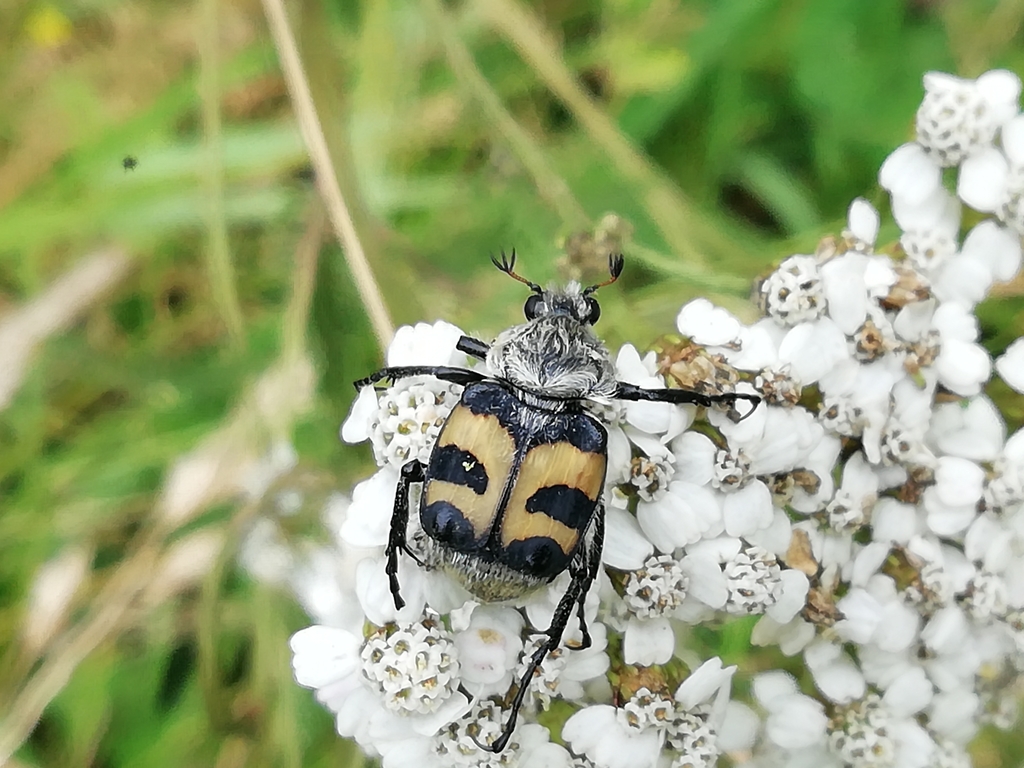
Its closest relatives
The other species of the genus Trichius.
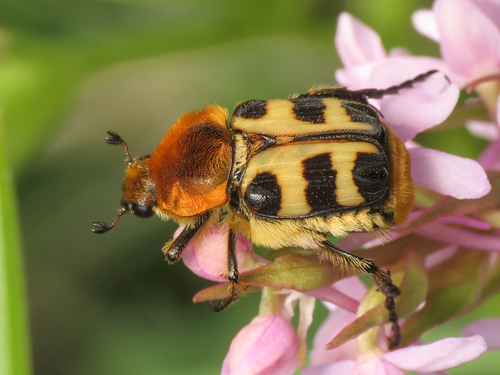
Seen an Eurasian bee beetle?
Share your photo on iNaturalist. Other naturalists help confirm it, and the record goes to GBIF, where scientists use it and where the maps on this page come from.
Put this species on your site
The card names every source and links back here.
<iframe src="https://4planetatlas.com/place/embed/species/eurasian-bee-beetle" title="Eurasian bee beetle (Trichius fasciatus), 4PLANET Species" width="100%" height="600" style="border:0;max-width:640px" loading="lazy"></iframe>
<p><a href="https://4species.com/eurasian-bee-beetle">Eurasian bee beetle on 4PLANET Species</a></p>Questions people ask
What does the Eurasian bee beetle eat?
The Eurasian bee beetle has been recorded eating 50 different kinds of animals and plants, most of them plants. The ones recorded most often are yarrow, european aspen, cornflower, rowan and beech; records include animals eaten as carrion. Source: GloBI.
What eats the Eurasian bee beetle?
Recorded predators include greater horseshoe bat, serotine bat, barbastelle, common noctule and savi's pipistrelle. Source: GloBI.
Where does the Eurasian bee beetle live?
People have recorded it in 35 countries; the most records come from Russia, Finland, Sweden, Austria and Germany. Records show where people have seen it, not its full range.
When is the Eurasian bee beetle seen most?
In the northern hemisphere, the most records are made in July and the fewest in March. More people outdoors also means more records.
What are the Eurasian bee beetle's closest relatives?
It shares the genus Trichius with french flower chafer.
Sources and photo credits
- GBIF · Trichius fasciatus, 10,218 human observations
- GloBI · recorded interactions of Trichius fasciatus
- Wikidata · Eurasian bee beetle (Q1387496)
- Eurasian bee beetle (Trichius fasciatus): Stefan Lanz, CC BY 4.0
- Eurasian bee beetle (Trichius fasciatus), Appuljärvi, Vehmaa, Suomi: Tero Linjama, CC0
- Eurasian bee beetle (Trichius fasciatus), Сармановский р-н, Респ. Татарстан, Россия: Safina Rezeda, CC BY 4.0
- Eurasian bee beetle (Trichius fasciatus), Октябрьский садовод, Алтайский край, Россия, 656906: Олег Кудров, CC BY 4.0
- Eurasian bee beetle (Trichius fasciatus), Юж. административный округ, Москва, Россия: Fyodor Pudovikov, CC BY 4.0
- Eurasian bee beetle (Trichius fasciatus), Florenville, Belgium: jfgodeau, CC BY-SA 4.0
- Eurasian bee beetle (Trichius fasciatus), Regensdorf, Switzerland: Gergely Nigg, CC BY 4.0
- Eurasian bee beetle (Trichius fasciatus), Stanzach, Austria: Barnaby Walters, CC BY 4.0
- Eurasian bee beetle (Trichius fasciatus), Респ. Алтай, Россия, 649245: Олег Кудров, CC BY 4.0
- Yarrow: Douglas Goldman, CC BY-SA 4.0
- European aspen: Andreas Rockstein, CC BY-SA 4.0
- Cornflower: Thomas Gyselinck, CC BY 4.0
- Rowan: Hans Kylberg, CC BY 4.0
- Beech: Marino Linić, CC0
- Black alder: Douglas Goldman, CC BY-SA 4.0
- European white birch: Douglas Goldman, CC BY-SA 4.0
- Creeping thistle: no rights reserved, uploaded by Ellyne Geurts, CC0
- Downy birch: София Р., CC BY 4.0
- Grey alder: Hladac, CC BY-SA 4.0
- Oxeye daisy: Douglas Goldman, CC BY-SA 4.0
- Goutweed: Douglas Goldman, CC BY-SA 4.0
- Greater horseshoe bat: Gilles San Martin, CC BY-SA 4.0
- Serotine bat: Konstantin Grebennikov, CC BY 4.0
- Barbastelle: Leonardo Ancillotto, CC BY 4.0
- Common noctule: Konstantin Grebennikov, CC BY 4.0
- Savi's pipistrelle: poblado_verde_en_acción, CC BY 4.0
- Geoffroy's bat: ivan_humljani, CC0
- French flower chafer: Emanuele Santarelli, CC BY-SA 4.0
Records show where people have seen and shared the Eurasian bee beetle, not its full range, and some countries and months are recorded far more than others. The food web lists interactions that studies have recorded somewhere in the world (GloBI), not everything it eats in one place.
Checked 2026-11-28.