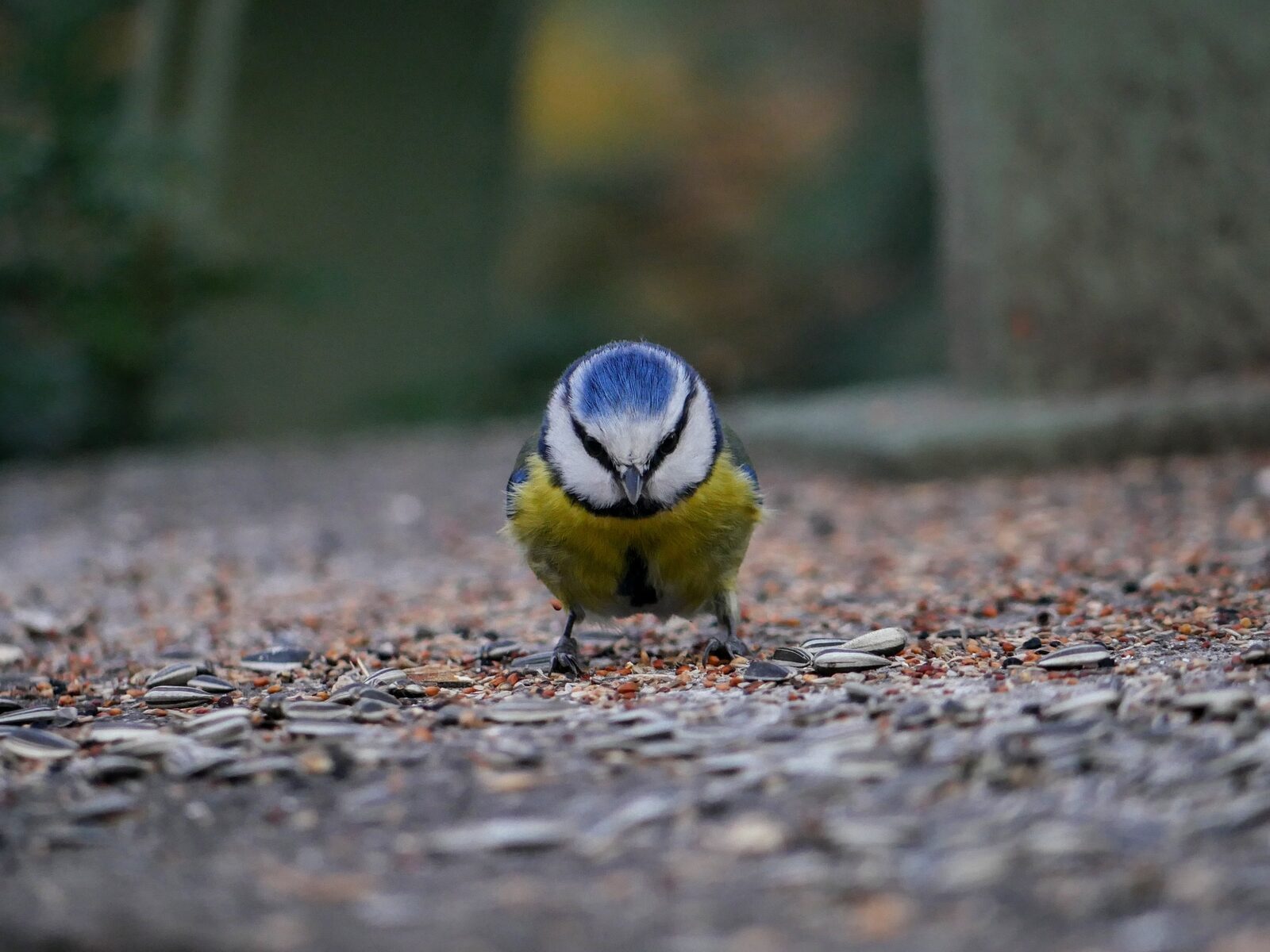
Eurasian blue tit
Cyanistes caeruleus
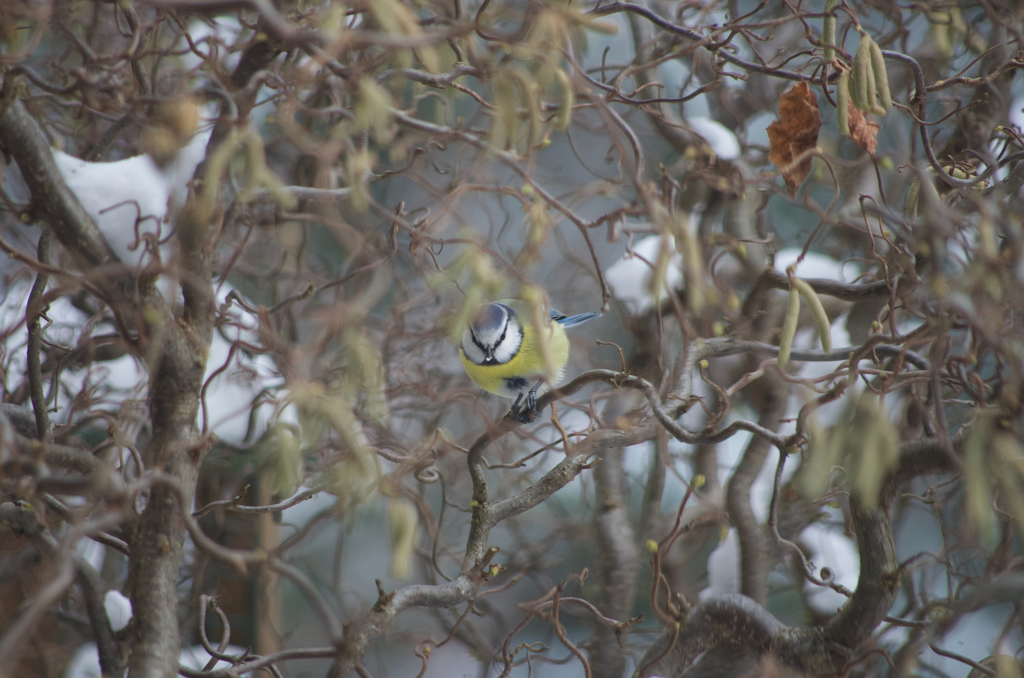
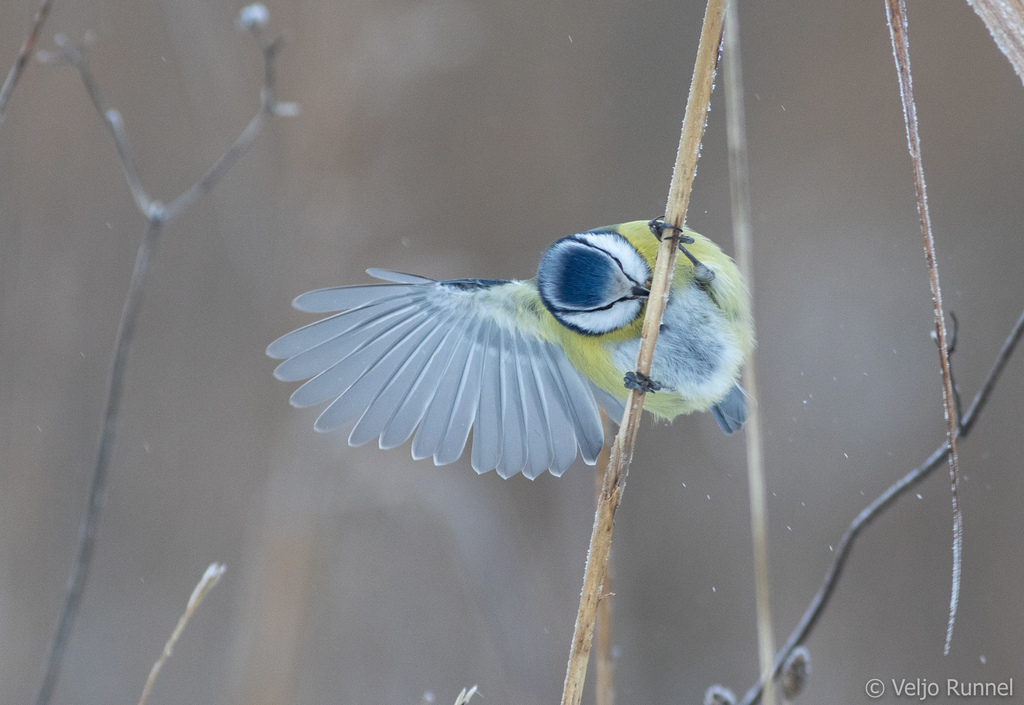
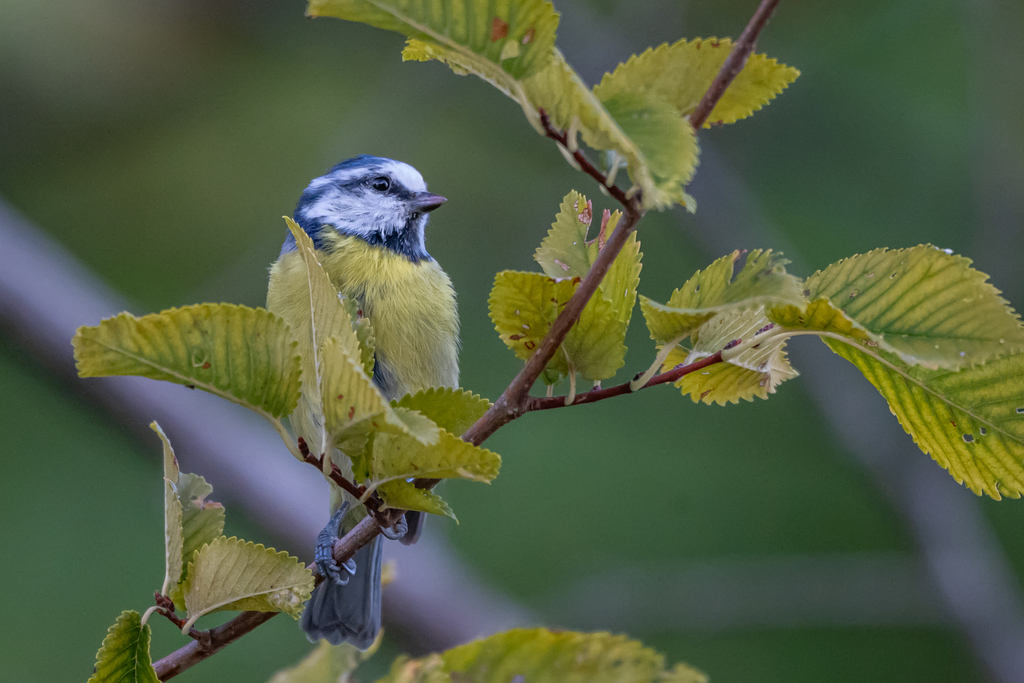
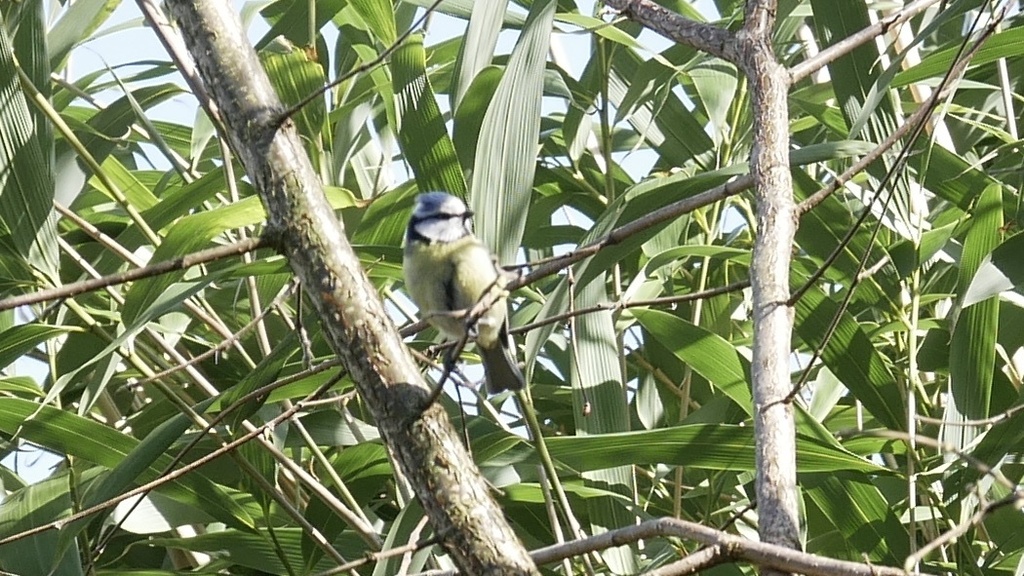
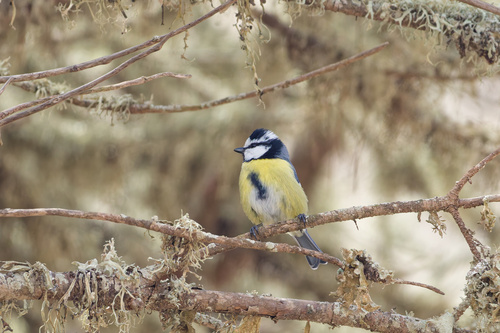
A small, acrobatic tit with a blue cap and yellow front that hangs upside down to pick insects from twigs.
- Status
- Least Concern IUCN Red List
- Eats
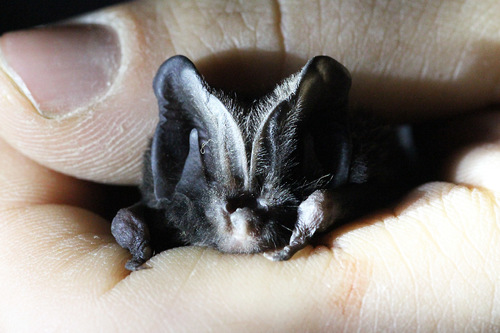
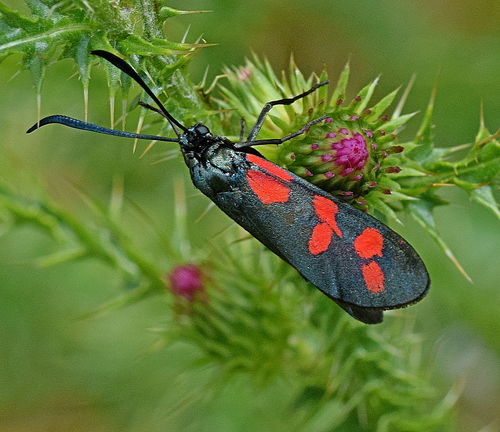
- dwarf elder, barbastelle, six-spot burnet and 3,925 more
- Eaten by
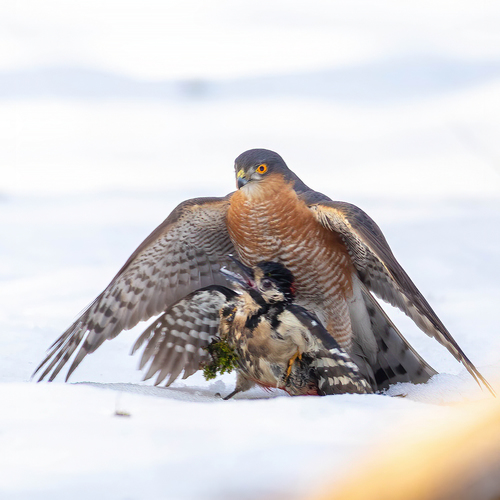
- northern raven, Eurasian magpie, Eurasian jay
- Where
- 61 countries
On 4Planet Atlas it is among the wildlife people record most around Amsterdam, Athens and Bergen, and 14 more of the cities we cover.
People have shared 3,180,942 records of the eurasian blue tit with GBIF, from 61 countries, most of them from United Kingdom, Spain and Germany. Records collected by GloBI show it eating 3,928 different kinds of animals and plants, and being eaten by 35.
What the Eurasian blue tit eats, and what eats it
Studies have recorded it eating 3,928 kinds of animals and plants, and 35 kinds of animals eating it. Tap any of them to follow the food chain.
- Plants 1,880
- Insects 1,581
- Snails and slugs 3
- Mammals 2
Eaten by

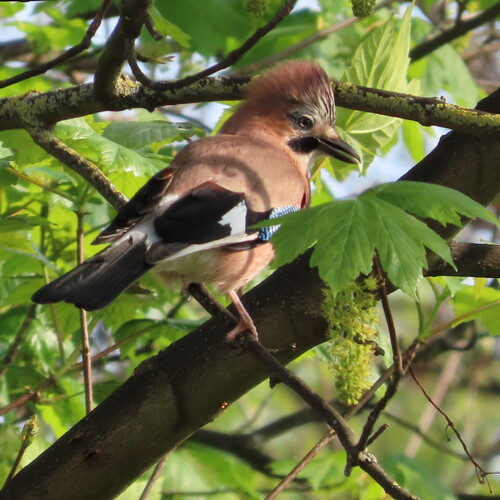
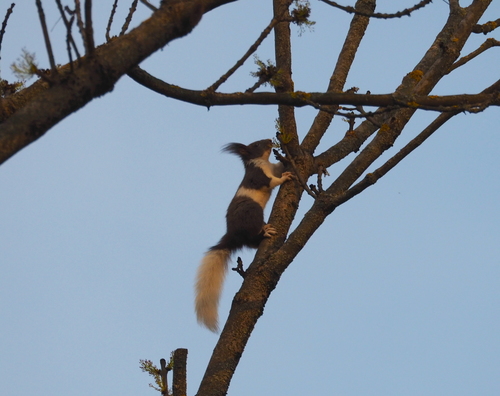
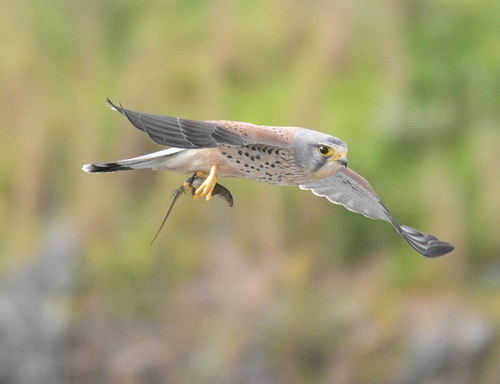
 Eurasian blue tit
Records from studies worldwide, collected by GloBI. They include animals eaten as carrion, and they are not everything it eats in one place.
Where people see the Eurasian blue tit
People have shared 3,180,942 records from 61 countries.
Near a city: Amsterdam, Athens, Bergen, Berlin, Brussels, Copenhagen, Helsinki, Lisbon, London, Madrid, Oslo, Paris, Prague, Rome, Stockholm, Vienna, Warsaw.
Records show where people have seen it and shared it, not its full range. Country names open their page in Atlas.
When it is seen
Records per month in the northern hemisphere. More people outdoors also means more records.
Watch and listen

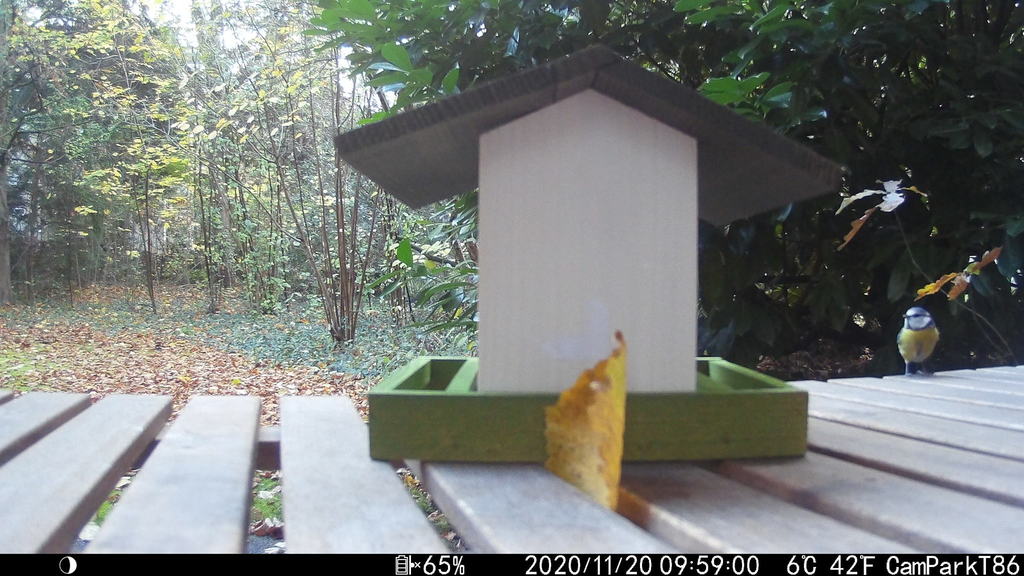
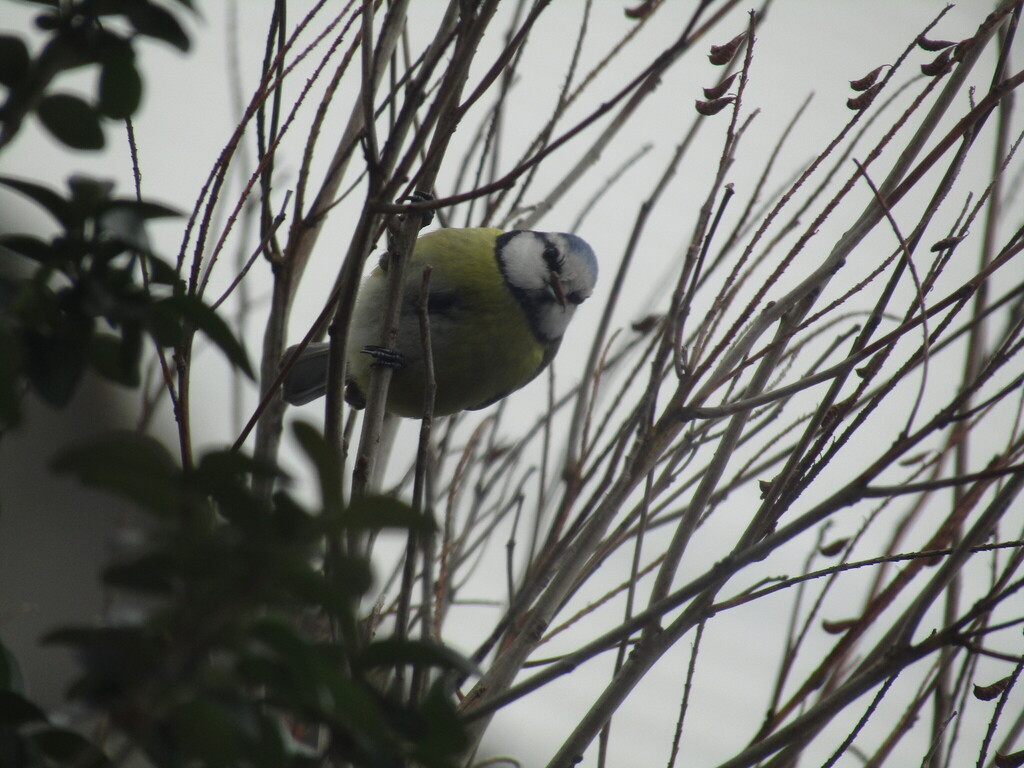
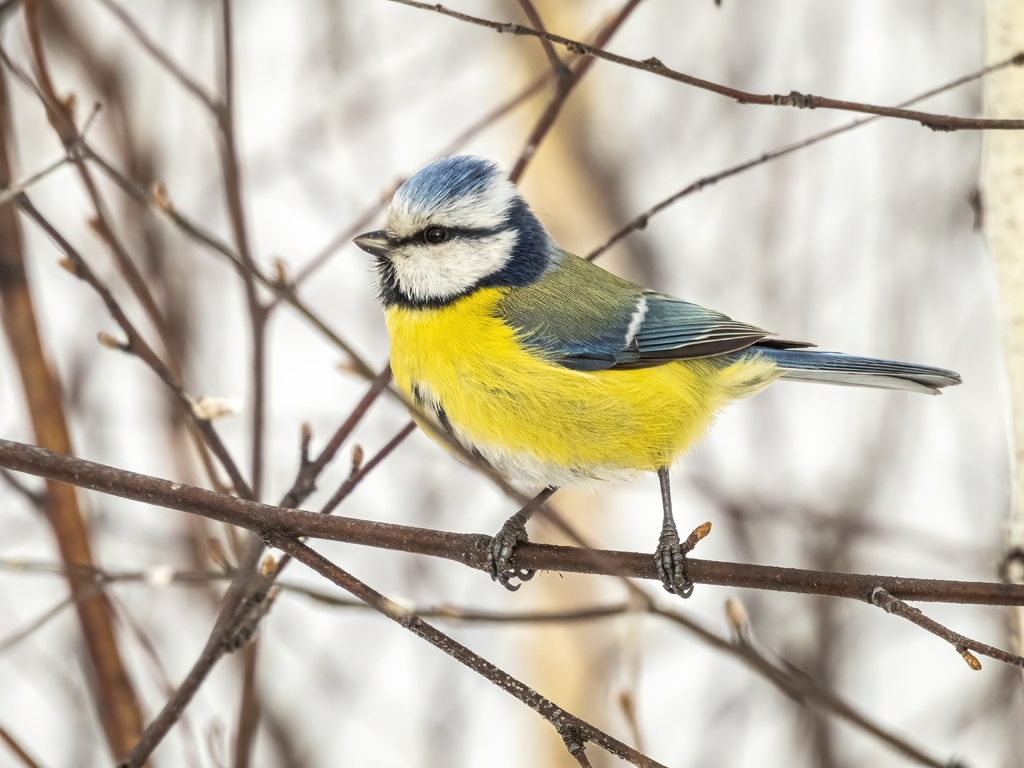
Its closest relatives
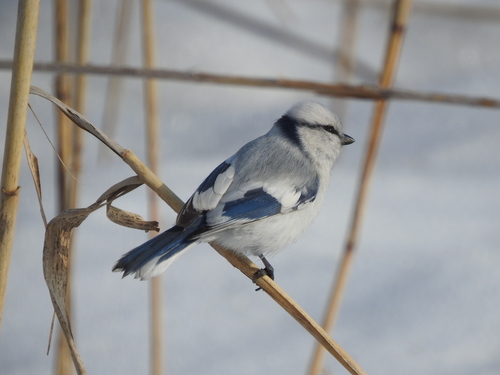
The other species of the genus Cyanistes.
Seen a Eurasian blue tit?
Share your photo on iNaturalist. Other naturalists help confirm it, and the record goes to GBIF, where scientists use it and where the maps on this page come from.
Questions people ask
What does the eurasian blue tit eat?
The eurasian blue tit has been recorded eating 3,928 different kinds of animals and plants, most of them plants, insects, snails and slugs and mammals. The ones recorded most often are dwarf elder, barbastelle, six-spot burnet, wood bluegrass and tasteless water-pepper; records include animals eaten as carrion. Source: GloBI.
What eats the eurasian blue tit?
Recorded predators include northern raven, eurasian magpie, eurasian jay, eurasian red squirrel and eurasian eagle-owl. Source: GloBI.
Where does the eurasian blue tit live?
People have recorded it in 61 countries; the most records come from United Kingdom, Spain, Germany, France and Portugal. Records show where people have seen it, not its full range.
When is the eurasian blue tit seen most?
In the northern hemisphere, the most records are made in April and the fewest in July. More people outdoors also means more records.
What are the eurasian blue tit's closest relatives?
It shares the genus Cyanistes with azure tit and african blue tit.
Sources and photo credits
- GBIF · Cyanistes caeruleus, 3,180,942 human observations
- GloBI · recorded interactions of Cyanistes caeruleus
- Wikidata · Eurasian blue tit (Q25404)
- Eurasian blue tit (Cyanistes caeruleus): Alexis Tinker-Tsavalas, CC BY 4.0
- Eurasian blue tit (Cyanistes caeruleus), Lindenweg, 4052 Basel, Switzerland: Codrin Bucur, CC BY 4.0
- Eurasian blue tit (Cyanistes caeruleus), Mihai Eminescu, București, Romania: Radu Teodoreanu, CC BY 4.0
- Eurasian blue tit (Cyanistes caeruleus), Soinaste, Tartu maakond, Eesti: Veljo Runnel, CC BY-SA 4.0
- Eurasian blue tit (Cyanistes caeruleus), Basel-Wettstein, 4058 Basel, Switzerland: Codrin Bucur, CC BY 4.0
- Eurasian blue tit (Cyanistes caeruleus), Wilhelm-Strater-Straße, Mönchengladbach, Nordrhein-Westfalen, DE: 2018-2026 SgobboVista. Inh.: Larissa und Sonja Sgobbo, CC BY 4.0
- Eurasian blue tit (Cyanistes caeruleus), Lindenweg 7, 4052 Basel, Switzerland: Codrin Bucur, CC BY 4.0
- Eurasian blue tit (Cyanistes caeruleus), 4292 Dobri dol, Bulgaria: SteveM4560, CC BY 4.0
- Eurasian blue tit (Cyanistes caeruleus), Карабаш, Челябинская обл., Россия: Евгений Маринкин, CC BY 4.0
- Barbastelle: Leonardo Ancillotto, CC BY 4.0
- Six-spot burnet: Kostas Zontanos, CC BY 4.0
- Northern raven: cello caruso-turiello, CC BY 4.0
- Eurasian jay: Helen Bovill, CC BY 4.0
- Eurasian red squirrel: carnifex, CC BY 4.0
- Common kestrel: Luis Ferreira, CC0
- Eurasian sparrowhawk: egorbirder, CC BY 4.0
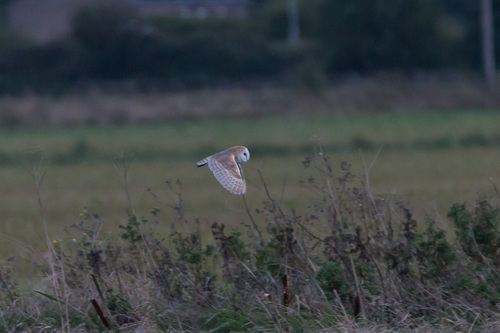
- Western barn owl: Nathan Mesnildrey, CC BY 4.0
- Azure tit: Ксения Волянская, CC BY 4.0
- African blue tit: Donald Davesne, CC BY 4.0
Records show where people have seen and shared the eurasian blue tit, not its full range, and some countries and months are recorded far more than others. The food web lists interactions that studies have recorded somewhere in the world (GloBI), not everything it eats in one place.
Checked 2026-11-20.