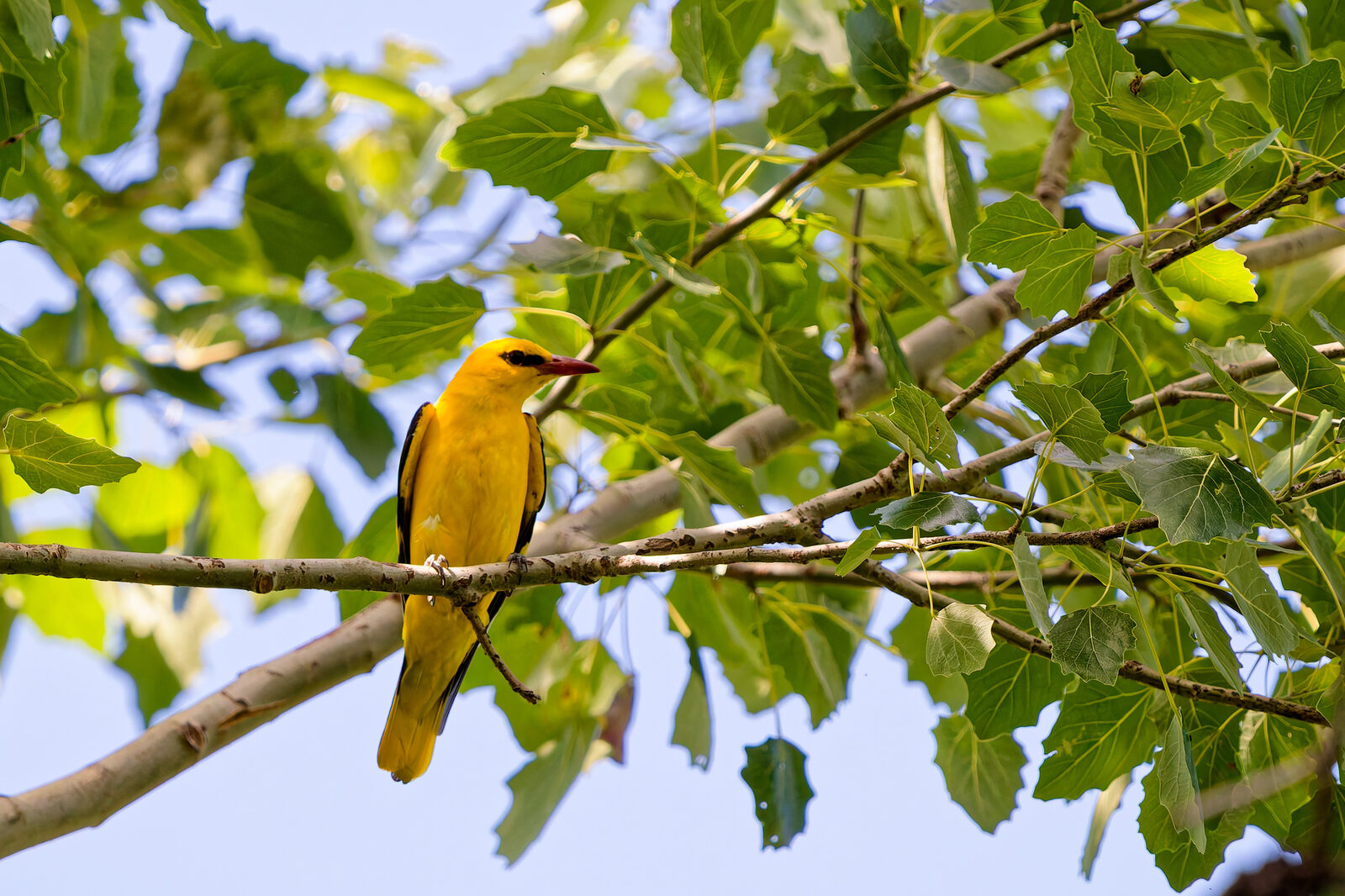
Eurasian golden oriole
Oriolus oriolus
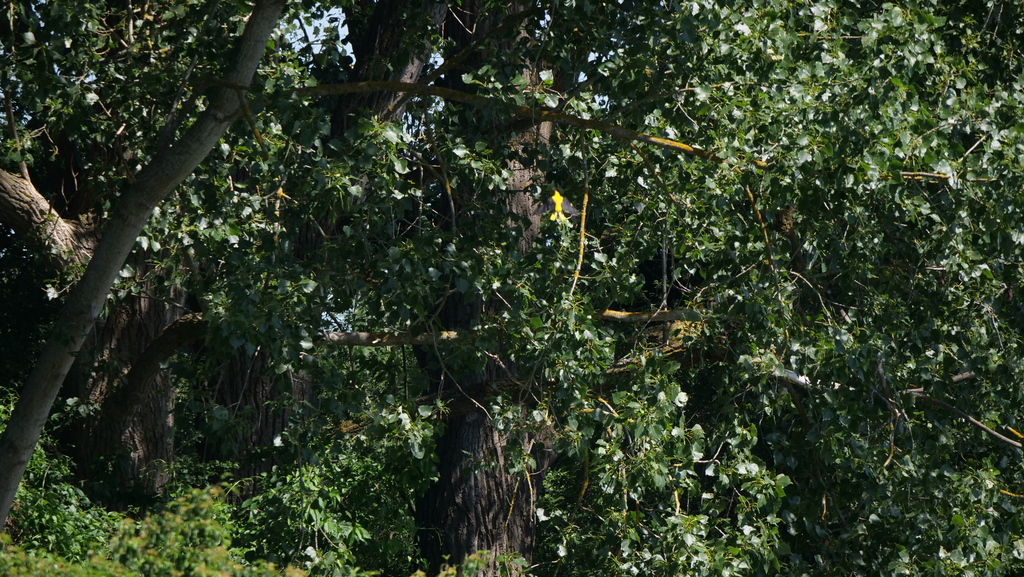
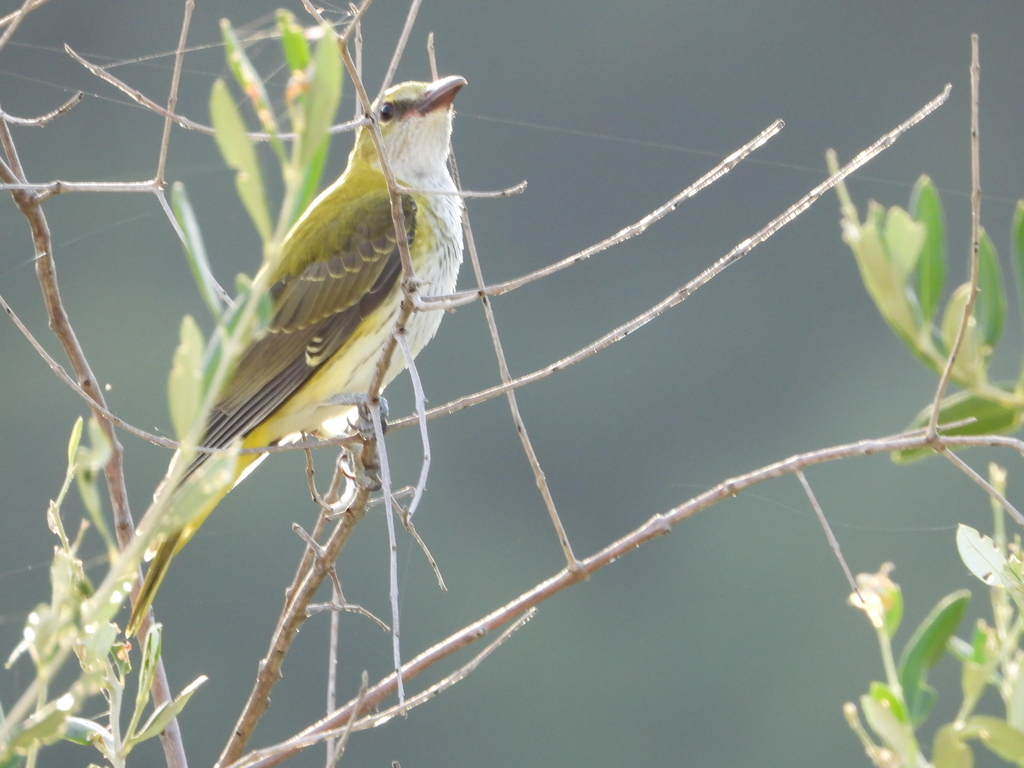
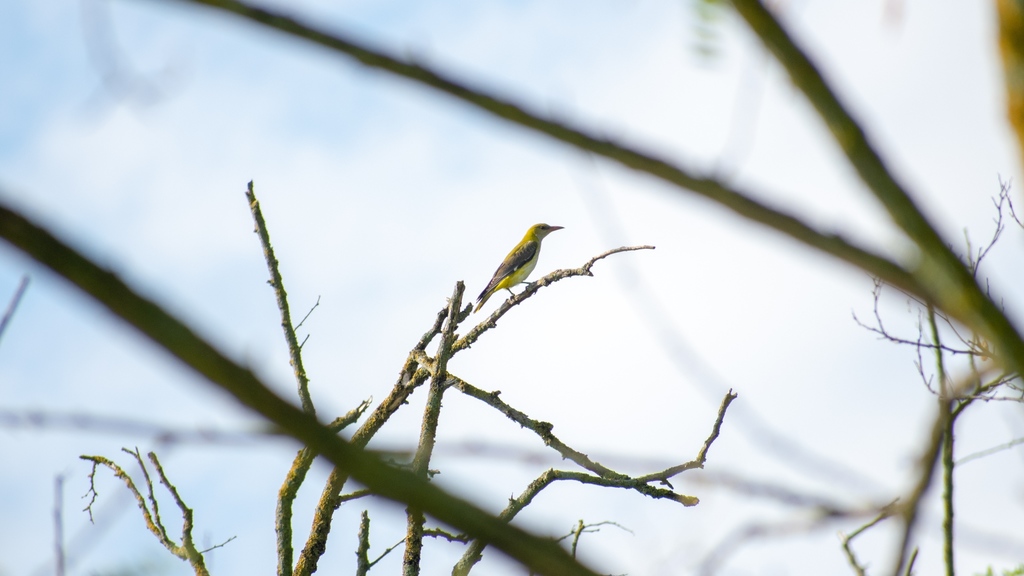
The male is bright golden yellow with black wings; it hides in leafy treetops.
- Status
- Least Concern IUCN Red List
- Eats
- dwarf elder, wood bluegrass, red nightshade and 3,971 more
- Eaten by
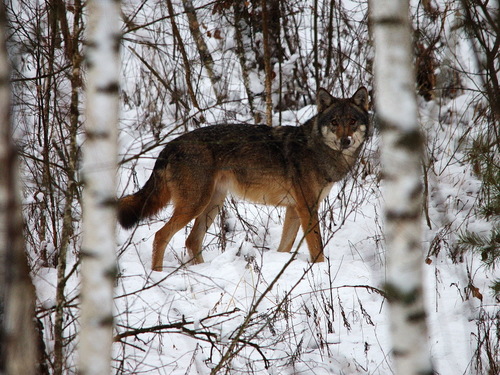
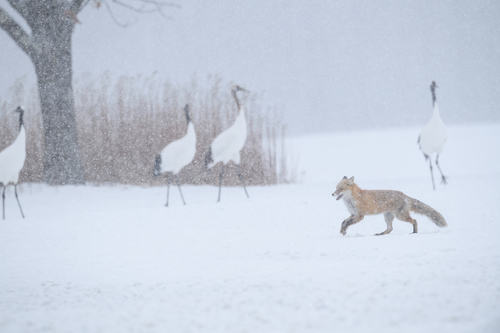
- grey wolf, red fox, Eurasian red squirrel
- Where
- 118 countries
On 4Planet Atlas it is among the wildlife people record most around Andorra la Vella, Ankara and Astana, and 24 more of the cities we cover.
People have shared 289,065 records of the eurasian golden oriole with GBIF, from 118 countries, most of them from Spain, Portugal and Poland. Records collected by GloBI show it eating 3,974 different kinds of animals and plants, and being eaten by 27.
What the Eurasian golden oriole eats, and what eats it
Studies have recorded it eating 3,974 kinds of animals and plants, and 27 kinds of animals eating it. Tap any of them to follow the food chain.
- Plants 1,867
- Insects 1,545
- Snails and slugs 4
Eaten by

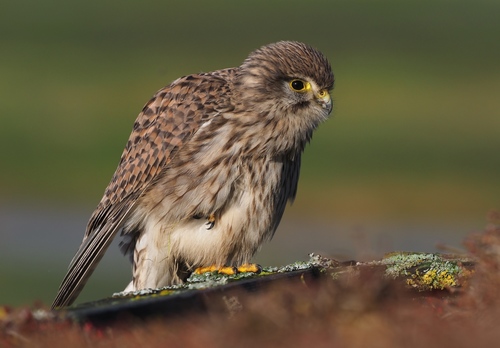
 Eurasian golden oriole

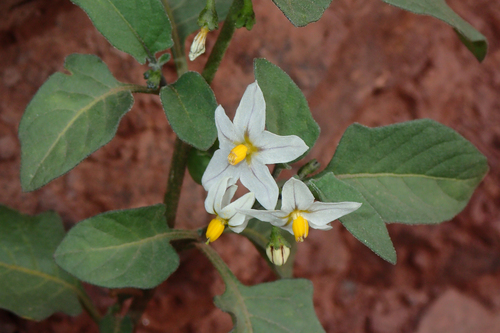


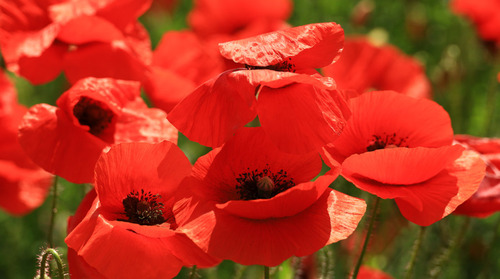

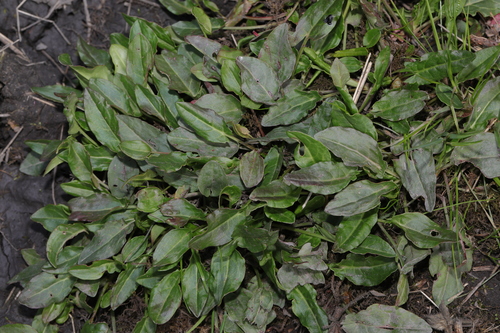
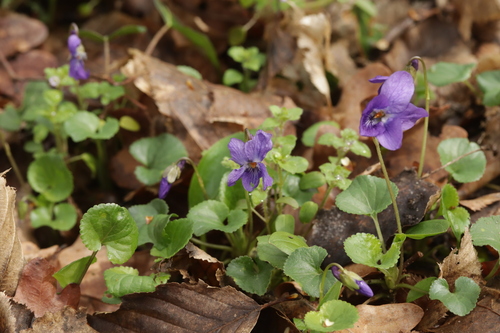

Records from studies worldwide, collected by GloBI. They include animals eaten as carrion, and they are not everything it eats in one place.
Where people see the Eurasian golden oriole
People have shared 289,065 records from 118 countries.
Near a city: Andorra la Vella, Ankara, Astana, Berlin, Bern, Bratislava, Bucharest, Budapest, Chișinău, Kyiv, Ljubljana, Madrid, Minsk, Podgorica, Prague, Riga, Rome, Sarajevo, Skopje, Sofia, Tbilisi, Tirana, Valletta, Vienna, Warsaw, Yerevan, Zagreb.
Records show where people have seen it and shared it, not its full range. Country names open their page in Atlas.
When it is seen
Records per month in the northern hemisphere. More people outdoors also means more records.
Watch and listen

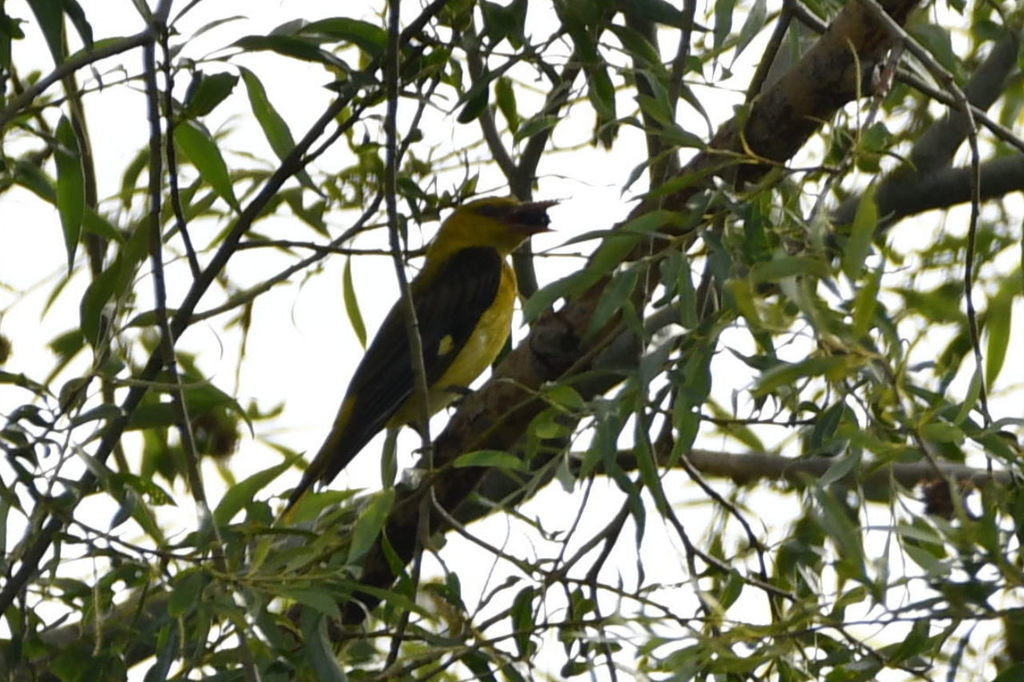
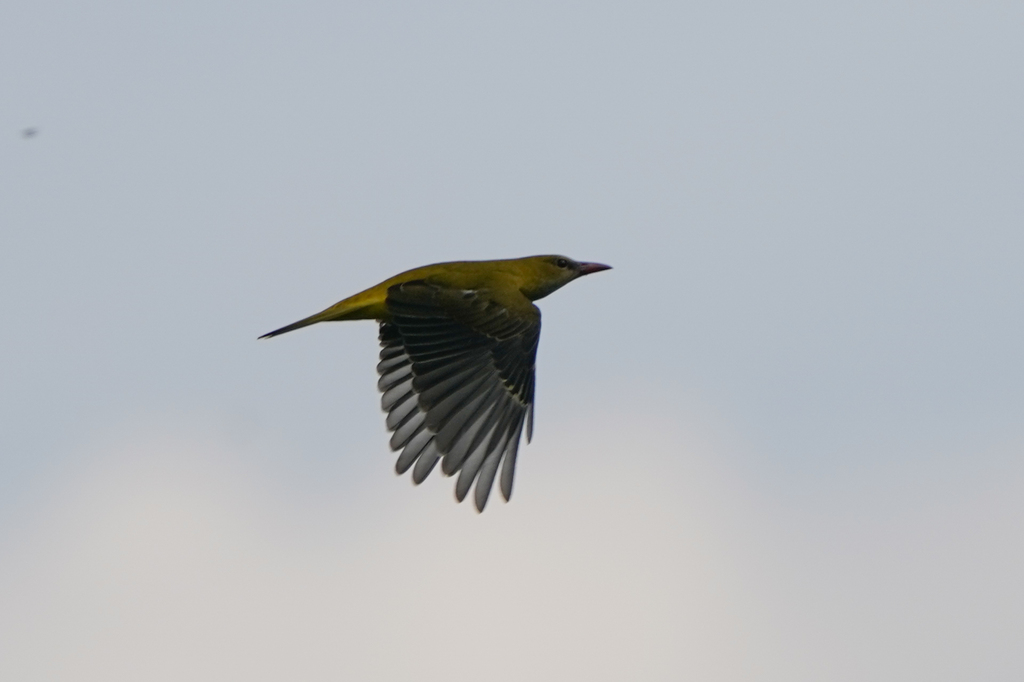
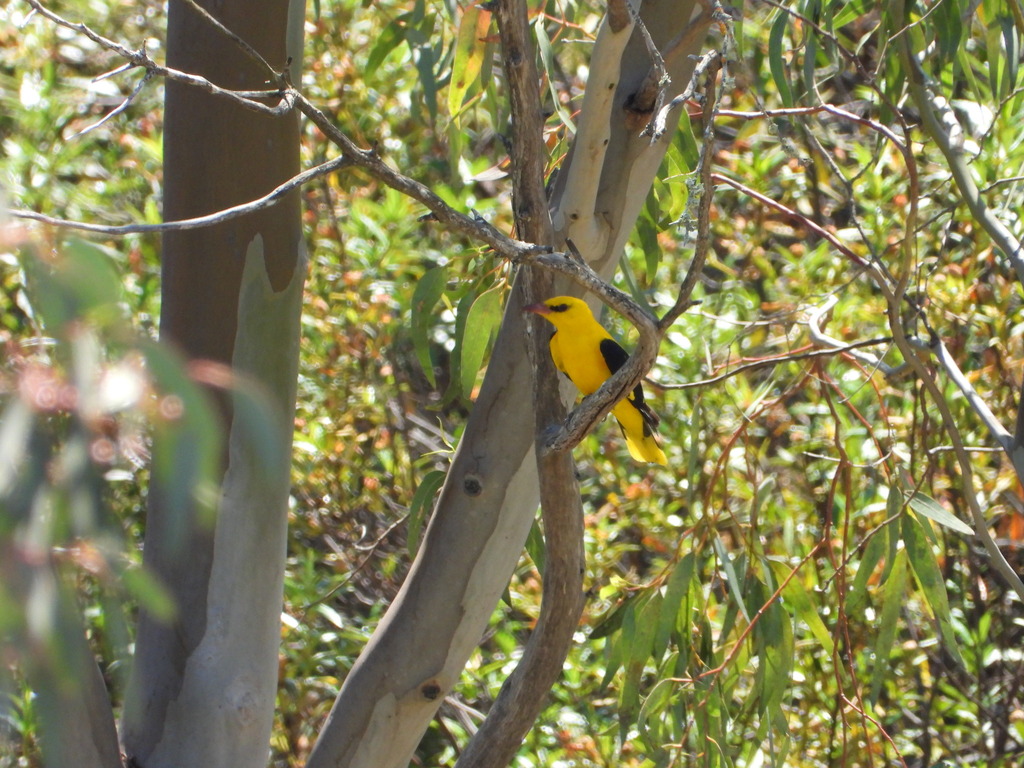
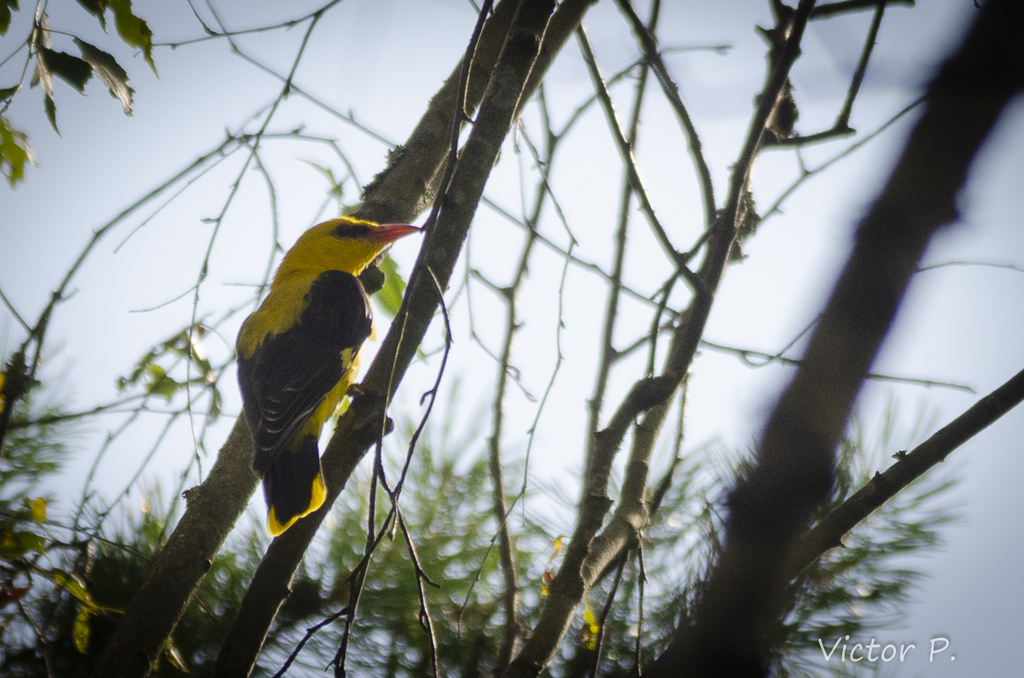
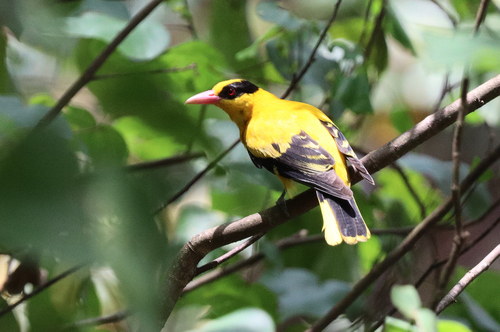
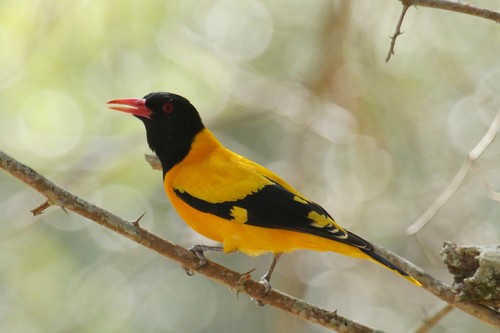
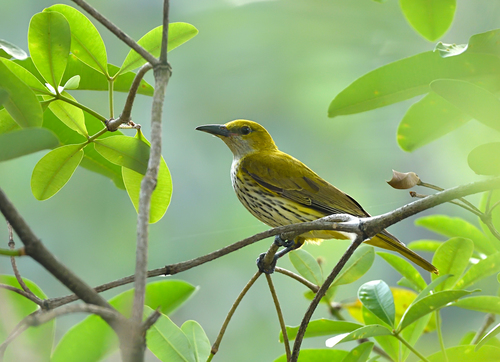
Its closest relatives
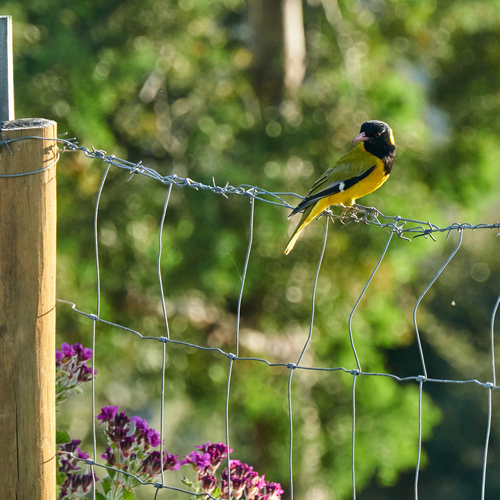
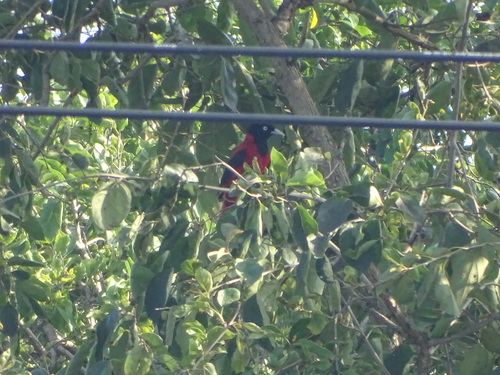
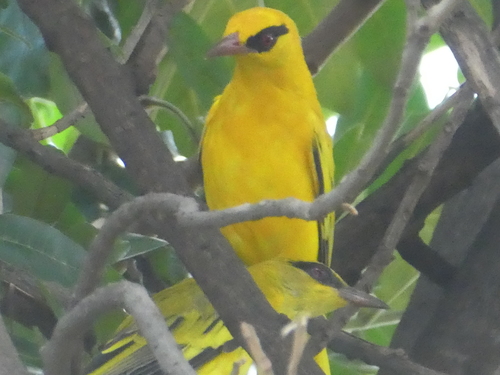
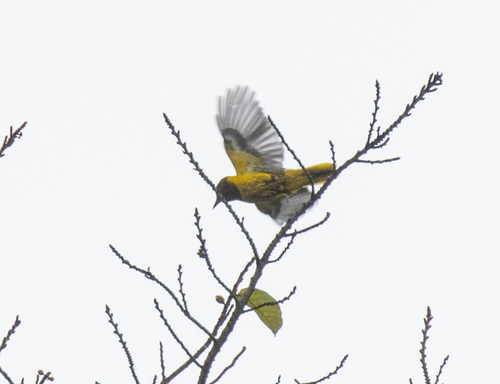
The other species of the genus Oriolus.

Seen a Eurasian golden oriole?
Share your photo on iNaturalist. Other naturalists help confirm it, and the record goes to GBIF, where scientists use it and where the maps on this page come from.
Questions people ask
What does the eurasian golden oriole eat?
The eurasian golden oriole has been recorded eating 3,974 different kinds of animals and plants, most of them plants, insects and snails and slugs. The ones recorded most often are dwarf elder, wood bluegrass, red nightshade, tasteless water-pepper and sweet cherry; records include animals eaten as carrion. Source: GloBI.
What eats the eurasian golden oriole?
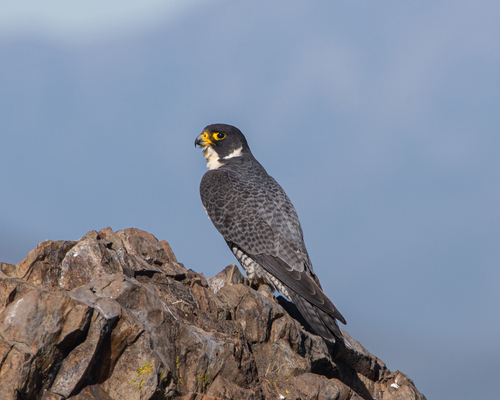
Recorded predators include grey wolf, red fox, eurasian red squirrel, peregrine falcon and eurasian eagle-owl. Source: GloBI.
Where does the eurasian golden oriole live?
People have recorded it in 118 countries; the most records come from Spain, Portugal, Poland, France and Germany. Records show where people have seen it, not its full range.
When is the eurasian golden oriole seen most?
In the northern hemisphere, the most records are made in May and the fewest in February. More people outdoors also means more records.
What are the eurasian golden oriole's closest relatives?
It shares the genus Oriolus with black-naped oriole, black-hooded oriole, indian golden oriole, são tomé oriole and black-headed oriole.
Sources and photo credits
- GBIF · Oriolus oriolus, 289,065 human observations
- GloBI · recorded interactions of Oriolus oriolus
- Wikidata · Eurasian golden oriole (Q25388)
- Eurasian golden oriole (Oriolus oriolus): Donsky, CC BY 4.0
- Eurasian golden oriole (Oriolus oriolus), Donaustadt, 1220 Wien, Österreich: carnifex, CC BY 4.0
- Eurasian golden oriole (Oriolus oriolus), 68 Oberhausen-Rheinhausen, Deutschland: Mattis, CC BY 4.0
- Eurasian golden oriole (Oriolus oriolus), La Spezia SP, Italia: Raffaele Maiorano, CC0
- Eurasian golden oriole (Oriolus oriolus), Abtei und Saaleaue bei Planena: Leonard Wägele, CC0
- Eurasian golden oriole (Oriolus oriolus), 38165 Lehre, Germany: Dr. Sven Gippner, CC BY 4.0
- Eurasian golden oriole (Oriolus oriolus), Alcoutim, Faro, Portugal: Duarte Frade, CC BY 4.0
- Eurasian golden oriole (Oriolus oriolus), Выборгский р-н, Ленинградская обл., Россия: Виктор, CC BY 4.0
- Eurasian golden oriole (Oriolus oriolus), Ásotthalom, 6783 Hungary: Gergely Nigg, CC BY 4.0
- Dwarf elder: Igor Balashov, CC BY 4.0
- Wood bluegrass: Douglas Goldman, CC BY-SA 4.0
- Red nightshade: Julien Renoult, CC BY 4.0
- Tasteless water-pepper: Paul Cook, CC BY 4.0
- Sweet cherry: hedera.baltica, CC BY-SA 4.0
- Common purslane: Forest and Kim Starr, CC BY 4.0
- Corn poppy: Radek Walkowiak, CC BY 4.0
- Coltsfoot: Ole Husby, CC BY-SA 4.0
- Garden sorrel: Stephen James McWilliam, CC0
- Sweet violet: Björn Sothmann, CC BY-SA 4.0
- Buckbean: Michael J. Papay, CC BY 4.0
- Grey wolf: Andrew Simon, CC BY 4.0
- Red fox: Morten Ross, CC BY 4.0
- Eurasian red squirrel: Rhododendrites, CC BY-SA 4.0
- Peregrine falcon: Nicolás Villaseca Merino, CC BY-SA 4.0
- Common kestrel: Frank Vassen, CC BY 4.0
- Eurasian sparrowhawk: Stanislav Murashkin, CC BY 4.0
- Black-naped oriole: Eric Lopes, CC BY-SA 4.0
- Black-hooded oriole: Alastair Rae, CC BY-SA 4.0
- Indian golden oriole: Sunny Joseph, CC BY 4.0
- São tomé oriole: Thibaud Aronson, CC BY-SA 4.0
- Black-headed oriole: Glynn Morris, CC BY 4.0
- Maroon oriole: 雲一百香果, CC BY 4.0
- African golden oriole: datadan, CC BY 4.0
- Green-headed oriole: avocat, CC BY 4.0
Records show where people have seen and shared the eurasian golden oriole, not its full range, and some countries and months are recorded far more than others. The food web lists interactions that studies have recorded somewhere in the world (GloBI), not everything it eats in one place.
Checked 2026-11-22.