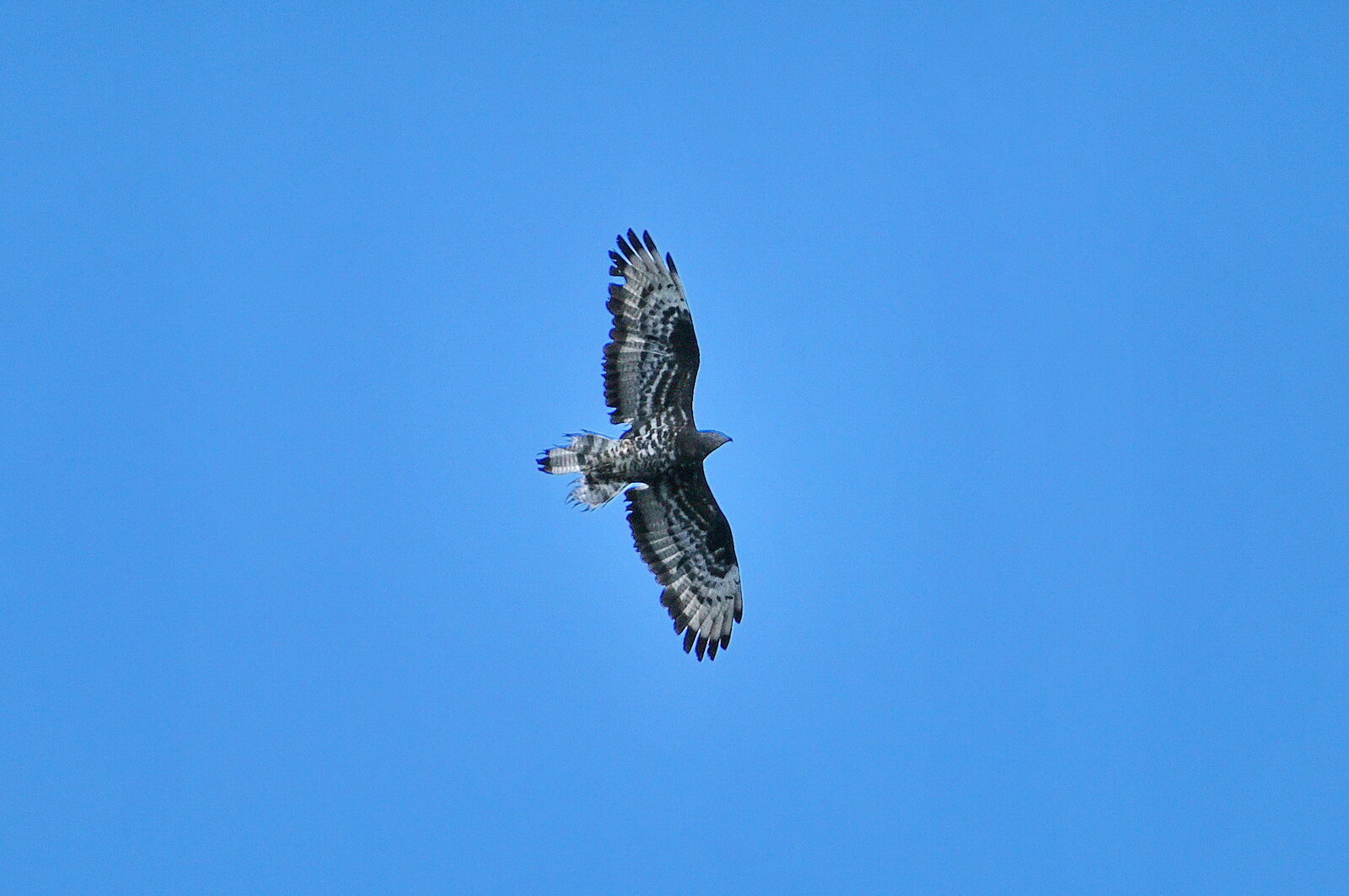
European honey buzzard
Pernis apivorus
A raptor that digs out wasp and bee nests to eat the larvae.
- Status
- Least Concern IUCN Red List
- Eats
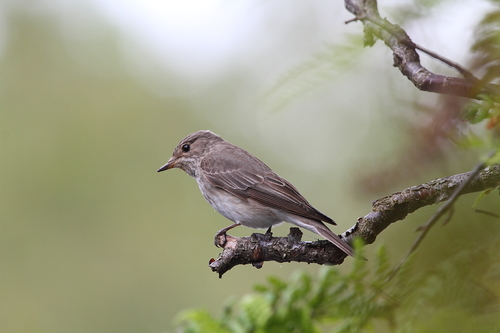
- common blackbird, Eurasian jay, grey partridge and 125 more
- Where
- 114 countries
On 4Planet Atlas it is among the wildlife people record most around Andorra la Vella, Chișinău and Copenhagen, and 8 more of the cities we cover.
People have shared 165,498 records of the european honey buzzard with GBIF, from 114 countries, most of them from Spain, Israel and France. Records collected by GloBI show it eating 128 different kinds of animals and plants, and being eaten by 5.
What the European honey buzzard eats, and what eats it
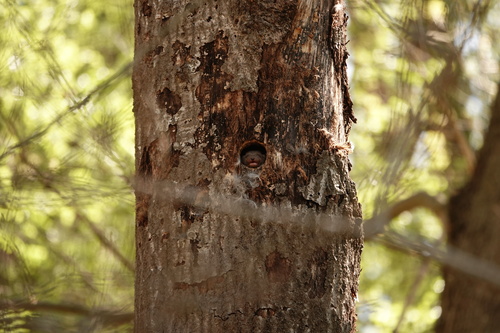
Studies have recorded it eating 128 kinds of animals and plants, and 5 kinds of animals eating it. Tap any of them to follow the food chain.
- Reptiles 88
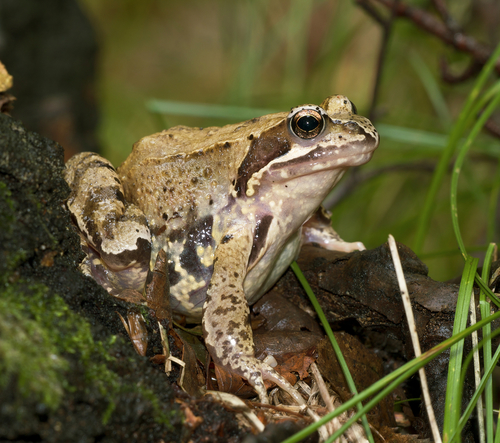
- Amphibians 17
- Birds 9
- Mammals 9
- Insects 2

 European honey buzzard
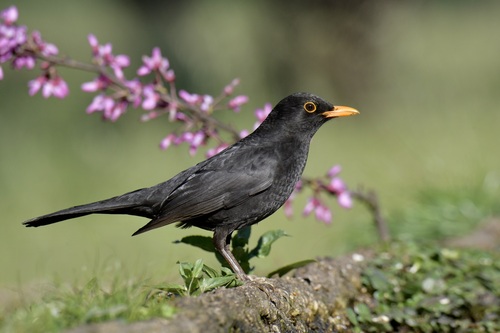
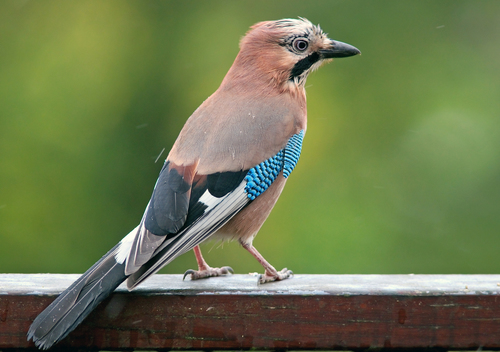

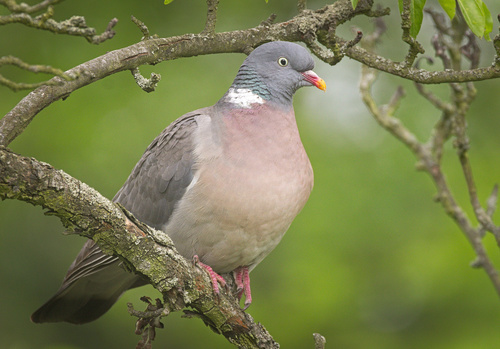
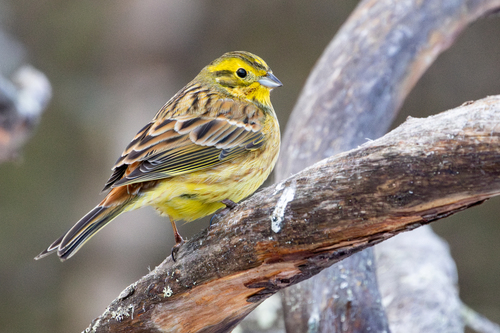
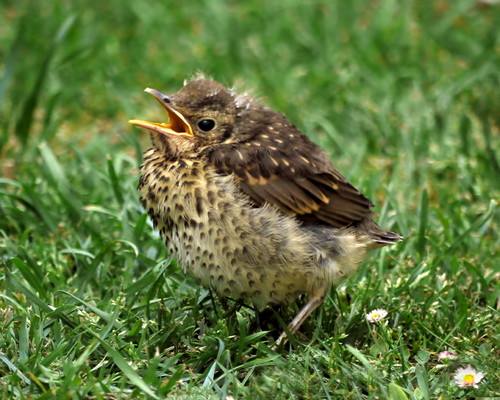
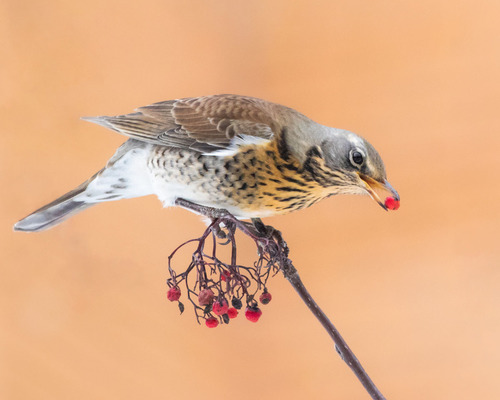
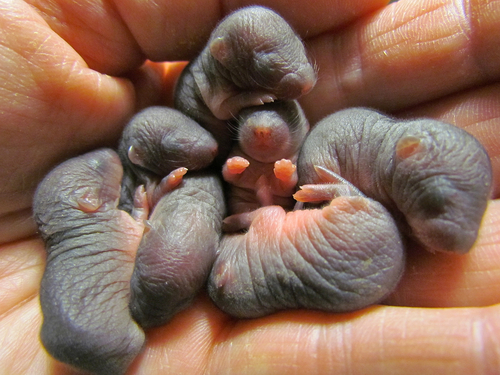
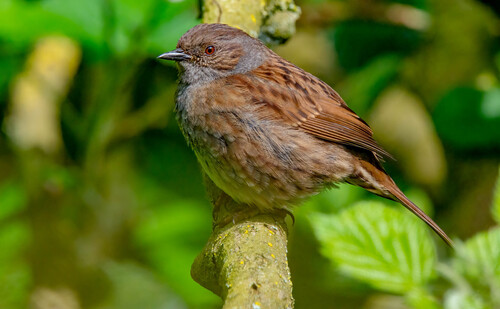
Records from studies worldwide, collected by GloBI. They include animals eaten as carrion, and they are not everything it eats in one place.
Where people see the European honey buzzard
People have shared 165,498 records from 114 countries.
Near a city: Andorra la Vella, Chișinău, Copenhagen, Ljubljana, Moscow, Podgorica, Sarajevo, Stockholm, Tbilisi, Valletta, Yerevan.
Records show where people have seen it and shared it, not its full range. Country names open their page in Atlas.
When it is seen
Records per month in the northern hemisphere. More people outdoors also means more records.
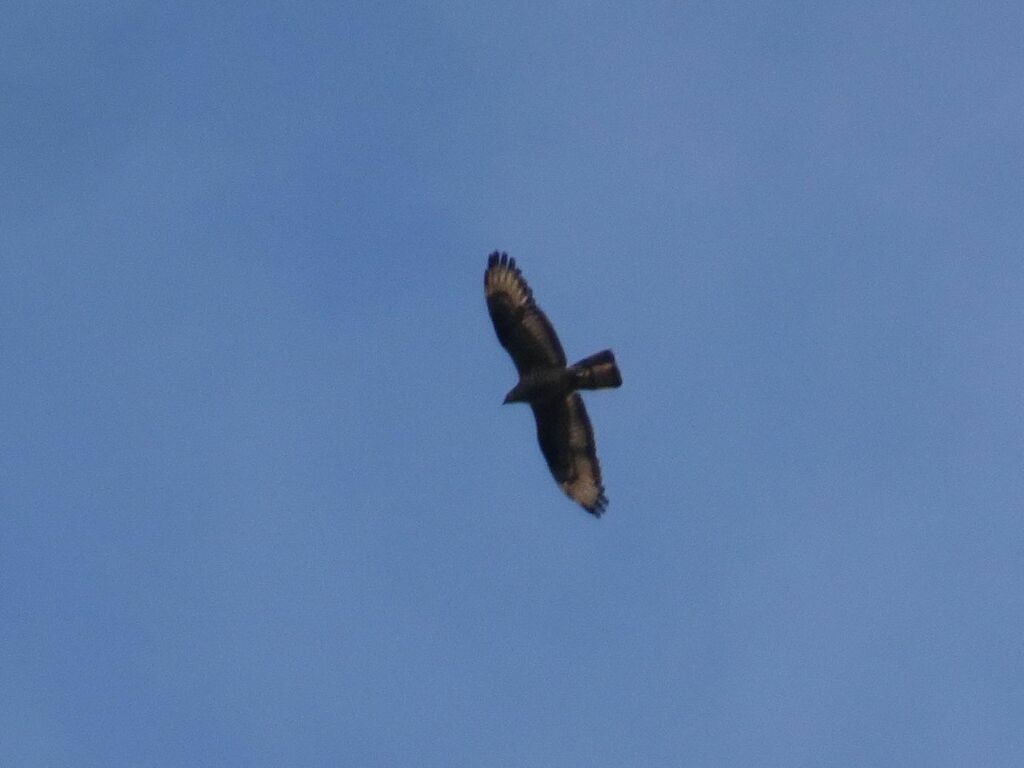
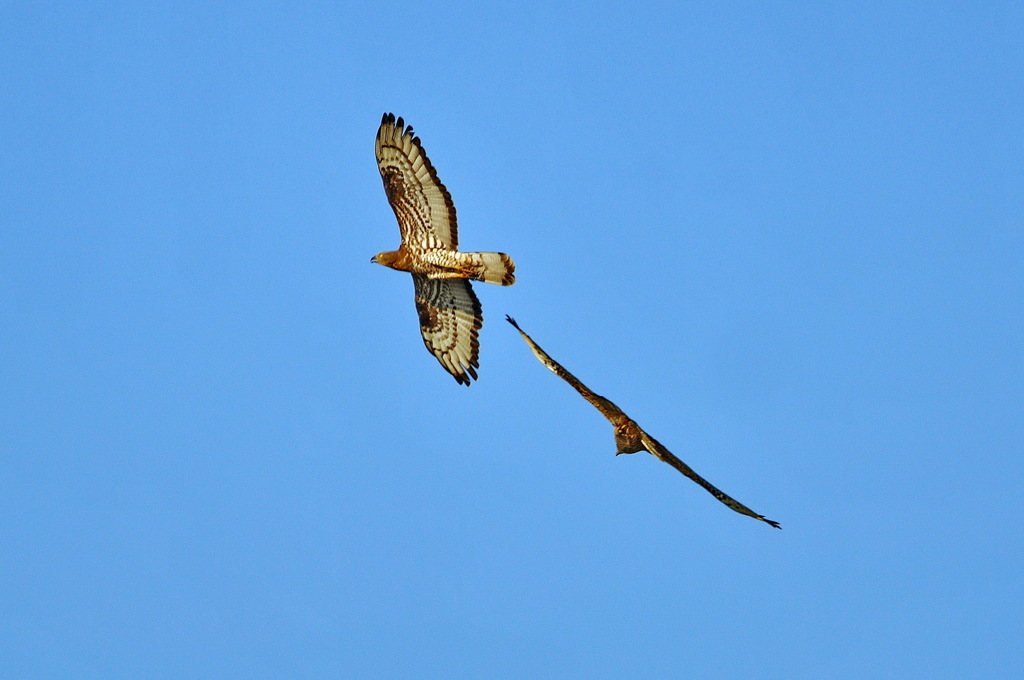
Watch and listen
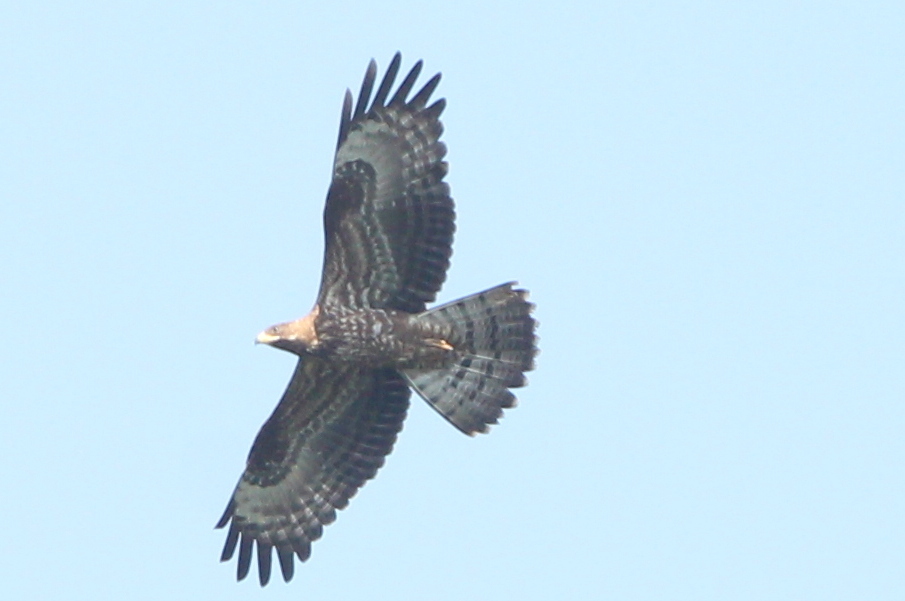
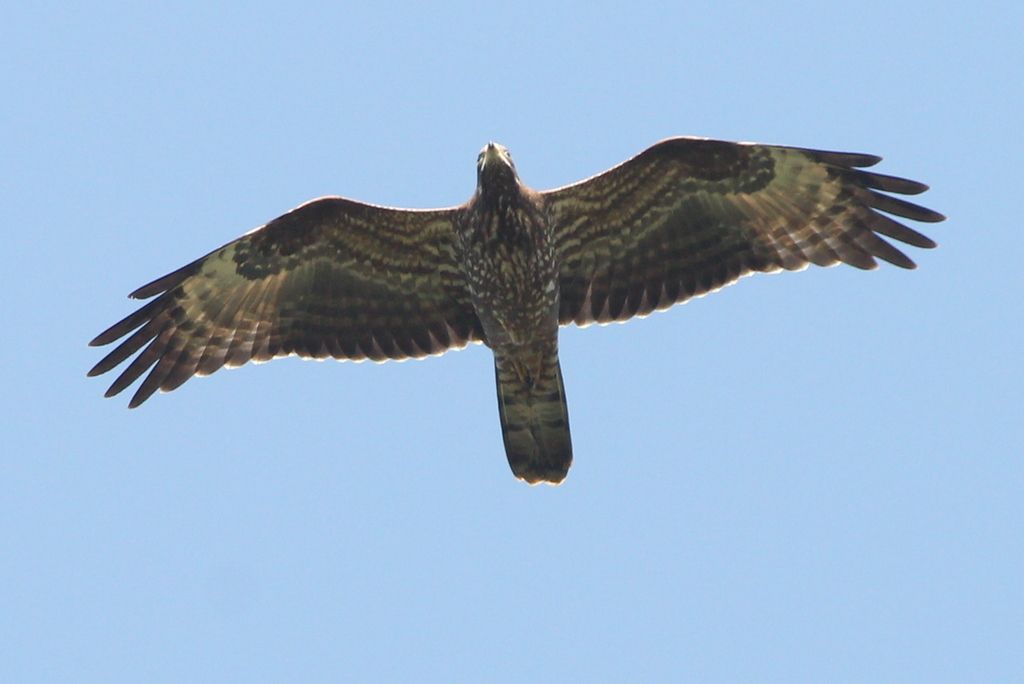
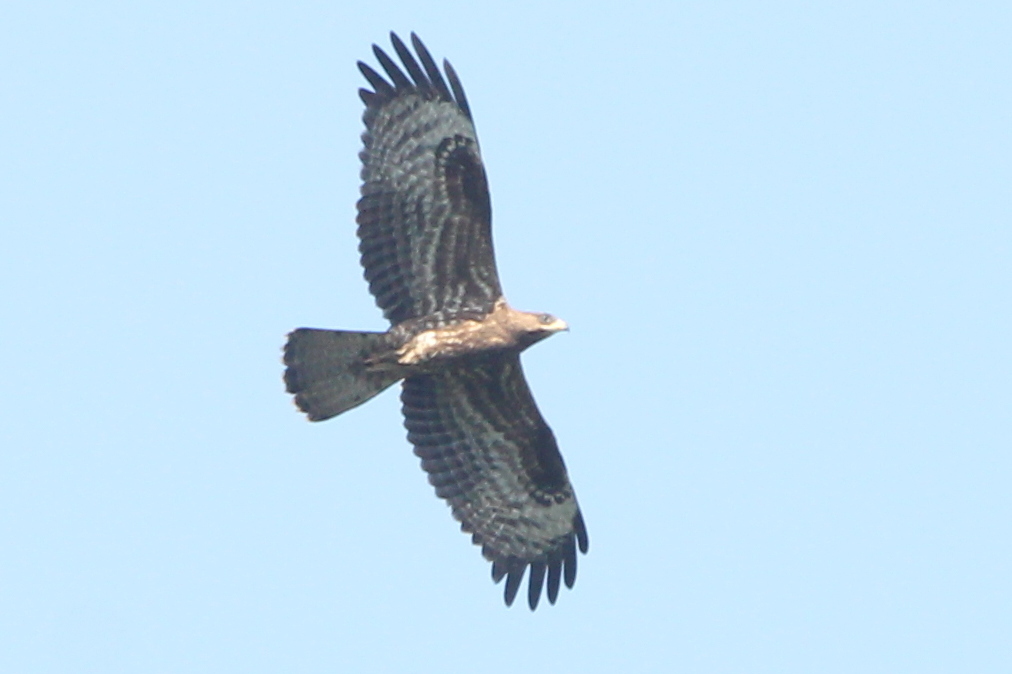
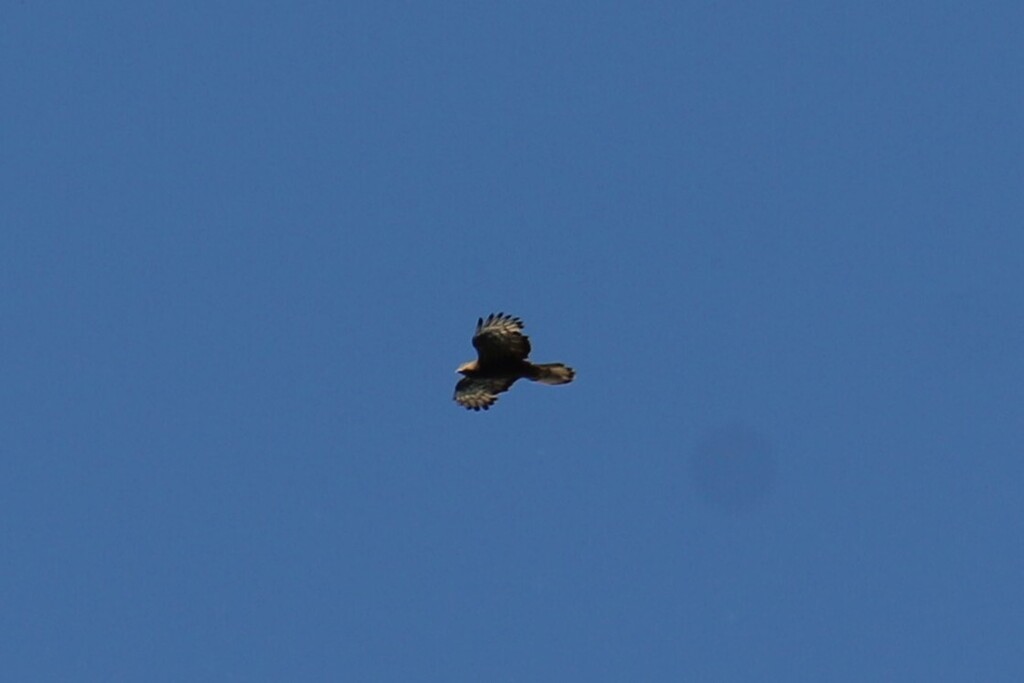
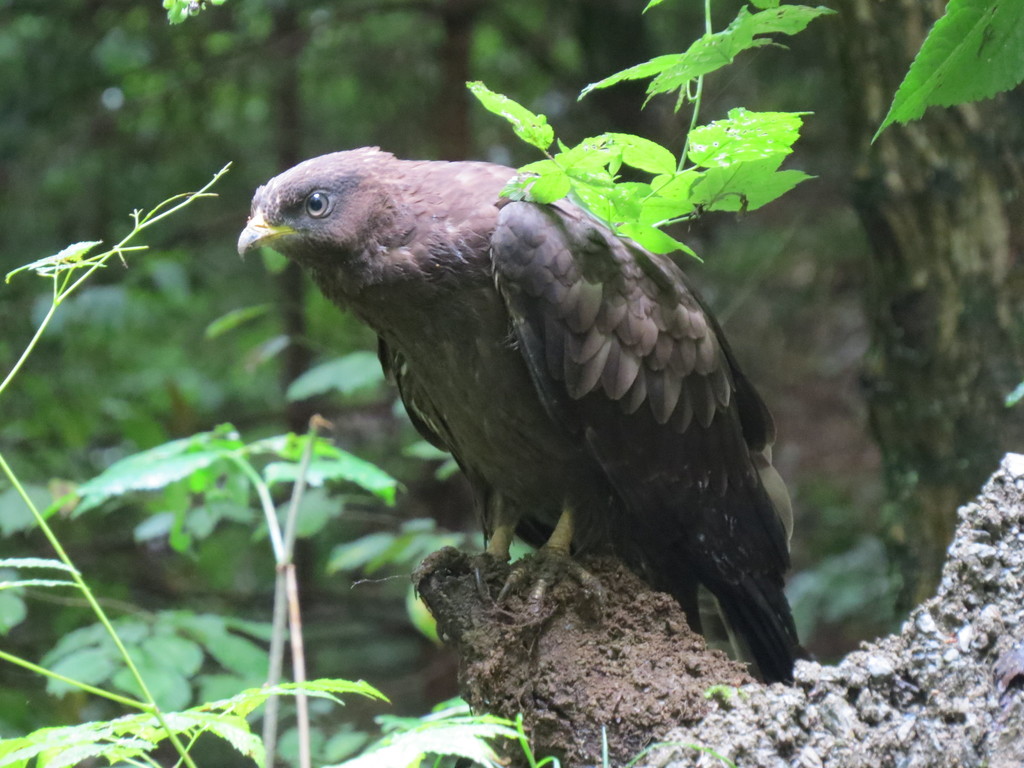
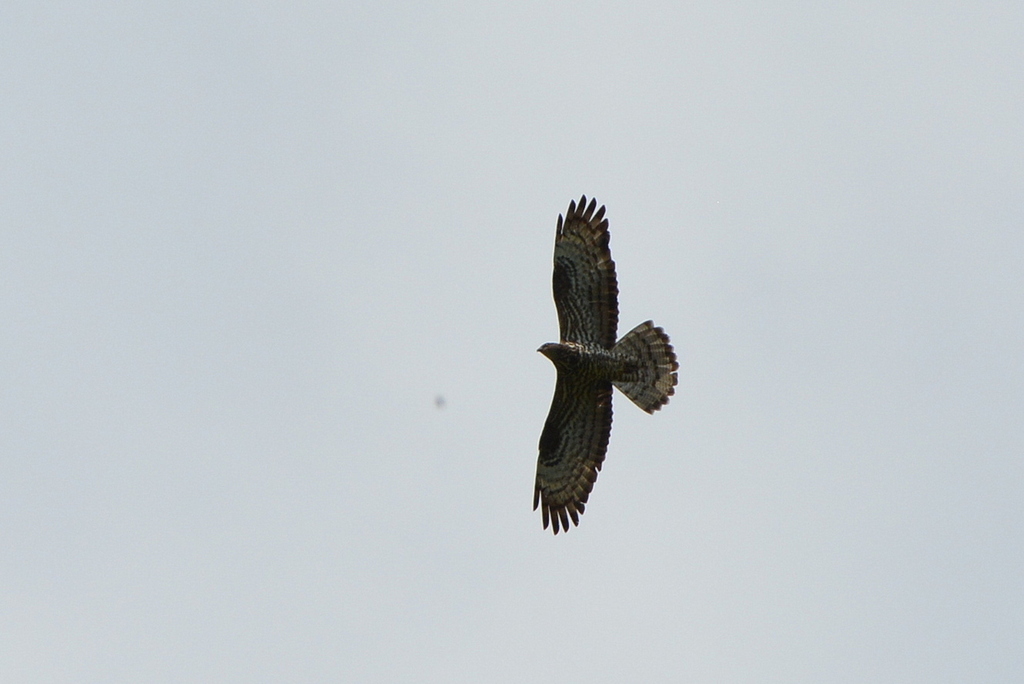
Its closest relatives
The other species of the genus Pernis.
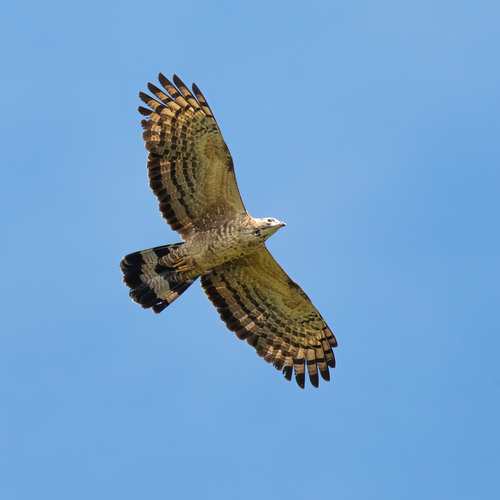
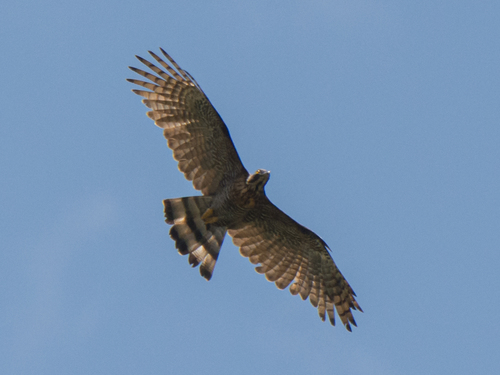
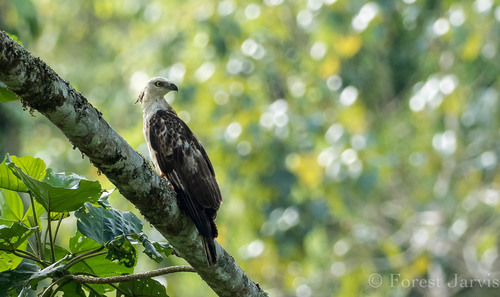
Seen a European honey buzzard?
Share your photo on iNaturalist. Other naturalists help confirm it, and the record goes to GBIF, where scientists use it and where the maps on this page come from.
Questions people ask
What does the european honey buzzard eat?
The european honey buzzard has been recorded eating 128 different kinds of animals and plants, most of them reptiles, amphibians, birds and mammals. The ones recorded most often are common blackbird, eurasian jay, grey partridge, common wood pigeon and yellowhammer; records include animals eaten as carrion. Source: GloBI.
What eats the european honey buzzard?
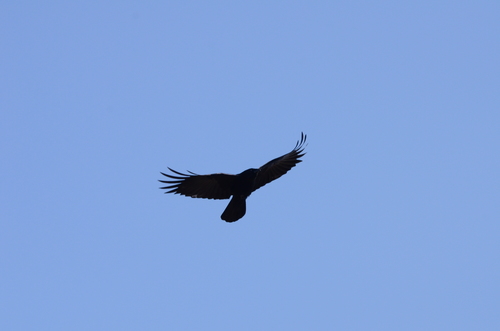
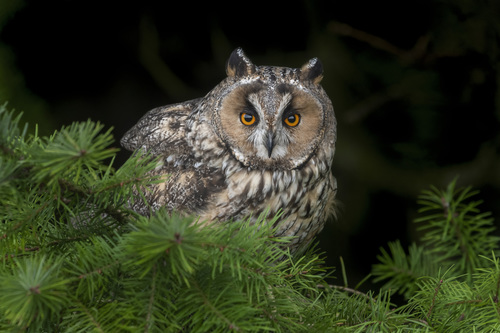
Recorded predators include northern raven, eurasian eagle-owl, european pine marten, carrion crow and long-eared owl. Source: GloBI.
Where does the european honey buzzard live?
People have recorded it in 114 countries; the most records come from Spain, Israel, France, Italy and Portugal. Records show where people have seen it, not its full range.
When is the european honey buzzard seen most?
In the northern hemisphere, the most records are made in September and the fewest in January. More people outdoors also means more records.
What are the european honey buzzard's closest relatives?
It shares the genus Pernis with crested honey buzzard, barred honey buzzard and philippine honey buzzard.
Sources and photo credits
- GBIF · Pernis apivorus, 165,498 human observations
- GloBI · recorded interactions of Pernis apivorus
- Wikidata · European honey buzzard (Q170466)
- European honey buzzard (Pernis apivorus): Viktor N. Chekan, CC BY 4.0
- European honey buzzard (Pernis apivorus), 01330 Birieux, France: Thomas Koffel, CC BY 4.0
- European honey buzzard (Pernis apivorus), Приозерский р-н, Ленинградская обл., Россия: Viktor N. Chekan, CC BY 4.0
- European honey buzzard (Pernis apivorus), Kobuleti Municipality, Georgia: Jan Ebr & Ivana Ebrová, CC BY 4.0
- European honey buzzard (Pernis apivorus), Kobuleti Municipality, Georgia: Jan Ebr & Ivana Ebrová, CC BY 4.0
- European honey buzzard (Pernis apivorus), Kobuleti Municipality, Georgia: Jan Ebr & Ivana Ebrová, CC BY 4.0
- European honey buzzard (Pernis apivorus), North Ostrobothnia, FI-OU, FI: Pyry Liedes, CC BY 4.0
- European honey buzzard (Pernis apivorus), Mariatrost, Graz, Österreich: Johannes Schuster, CC BY 4.0
- European honey buzzard (Pernis apivorus), Frýdštejn, Česko: Pavel Kacl, CC BY 4.0
- Common blackbird: Luiz Lapa, CC BY 4.0
- Eurasian jay: Luc Viatour, CC BY-SA 4.0
- Grey partridge: Christoph Moning, CC BY 4.0
- Common wood pigeon: hedera.baltica, CC BY-SA 4.0
- Yellowhammer: Diego González Dopico, CC BY 4.0
- Song thrush: Sid Mosdell, CC BY 4.0
- Fieldfare: Михаил Голомысов, CC BY 4.0
- European mole: Audrey, CC BY 4.0
- Dunnock: peterichman, CC BY-SA 4.0
- Spotted flycatcher: Marton Berntsen, CC BY-SA 4.0
- Common frog: Jörg Hempel, CC BY-SA 4.0
- Northern raven: xulescu_g, CC BY-SA 4.0
- European pine marten: Bartosz Sarnowski, CC BY 4.0
- Carrion crow: Charlotte Kirchner, CC BY 4.0
- Long-eared owl: caroline legg, CC BY 4.0
- Crested honey buzzard: egorbirder, CC BY 4.0
- Barred honey buzzard: William Stephens, CC BY 4.0
- Philippine honey buzzard: Forest Botial-Jarvis, CC BY 4.0
Records show where people have seen and shared the european honey buzzard, not its full range, and some countries and months are recorded far more than others. The food web lists interactions that studies have recorded somewhere in the world (GloBI), not everything it eats in one place.
Checked 2026-11-22.