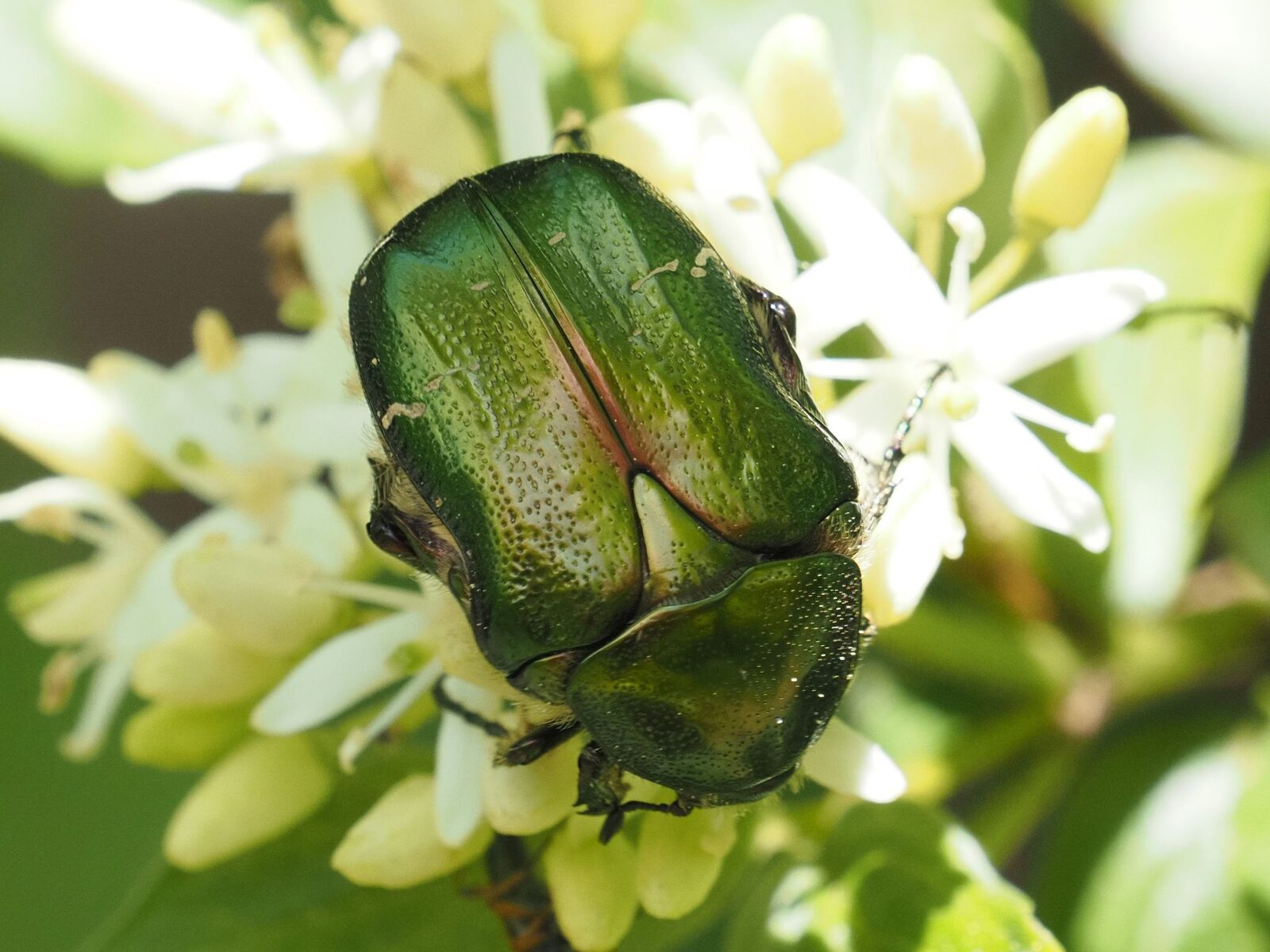
European rose chafer
Cetonia aurata
- Status
- IUCN Red List
- Eats
- elder, raspberry, salix alba and 178 more
- Eaten by
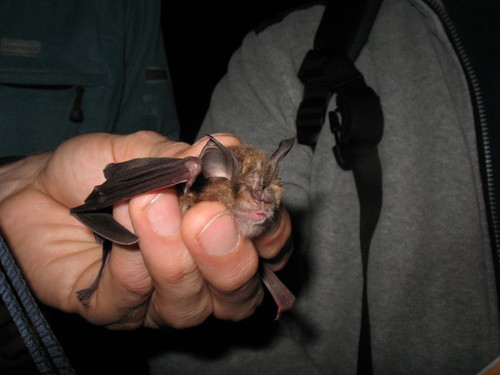
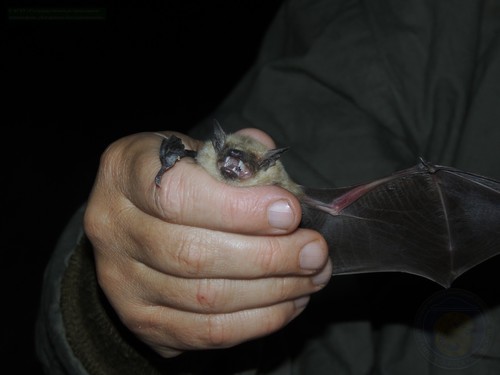
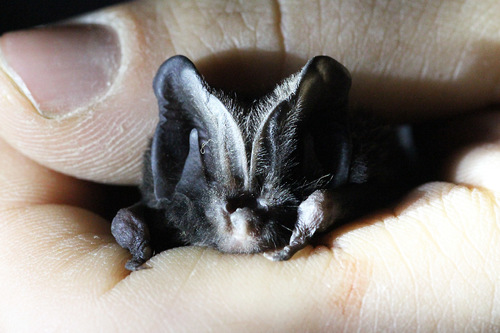
- greater horseshoe bat, serotine bat, barbastelle
- Where
- 48 countries
On 4Planet Atlas it is among the wildlife people record most around Kyiv, Podgorica and Sarajevo, and 1 more of the cities we cover.
People have shared 47,573 records of the European rose chafer with GBIF, from 48 countries, most of them from Germany, Russia and France. Records collected by GloBI show it eating 181 different kinds of animals and plants, and being eaten by 9.
What the European rose chafer eats, and what eats it
Studies have recorded it eating 181 kinds of animals and plants, and 9 kinds of animals eating it. Tap any of them to follow the food chain.
- Plants 178
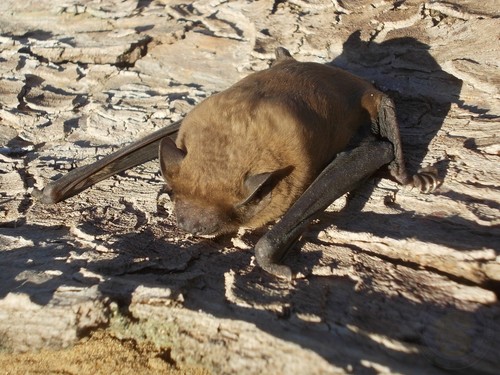
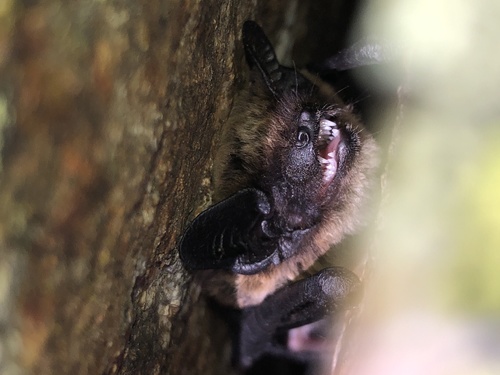
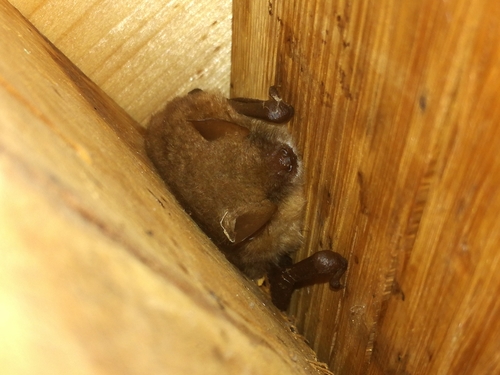 European rose chafer
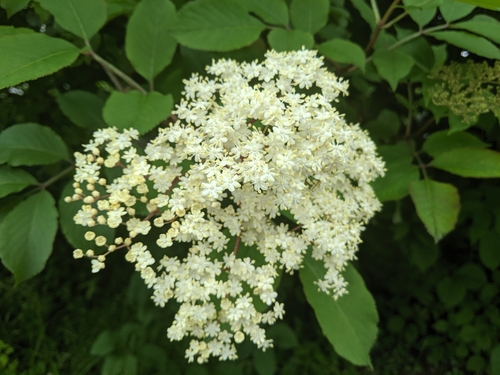
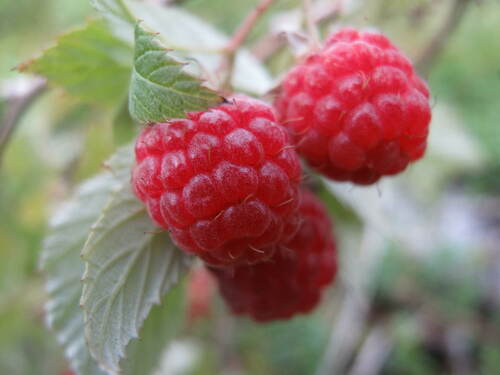
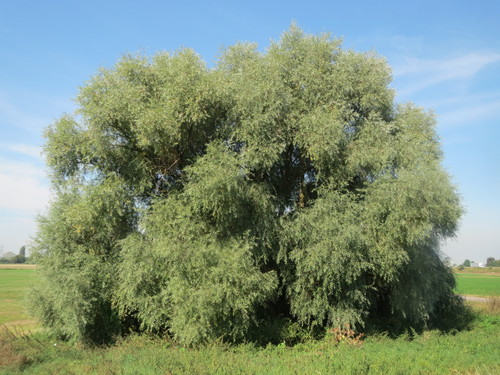
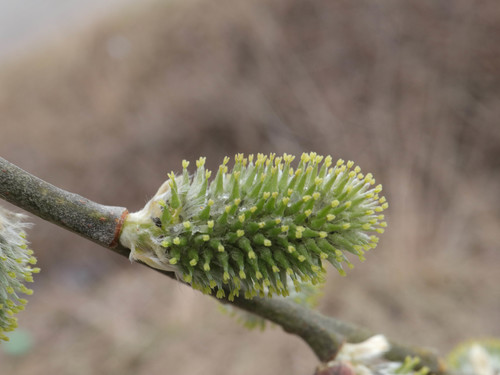
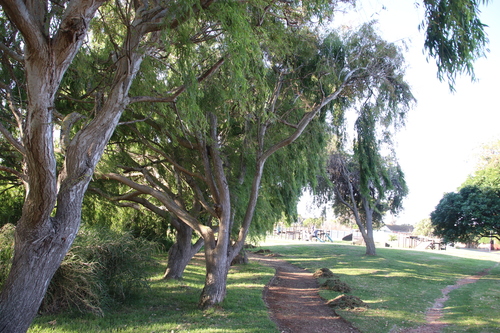
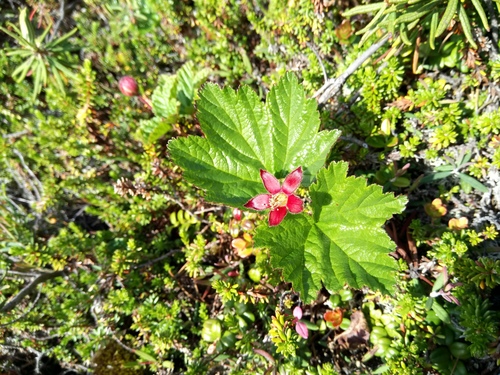
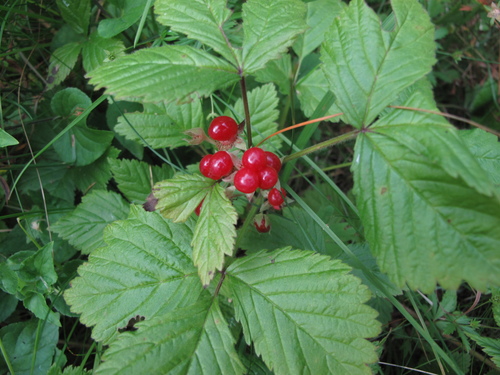
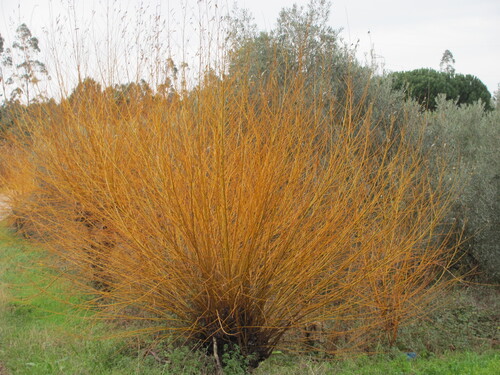

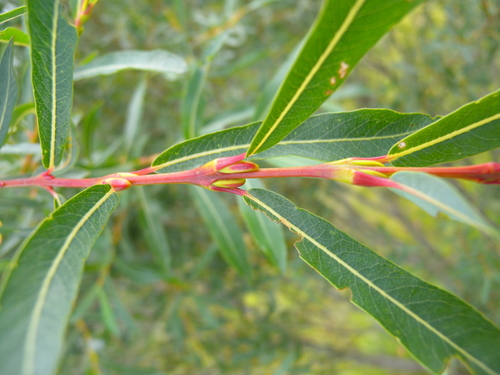
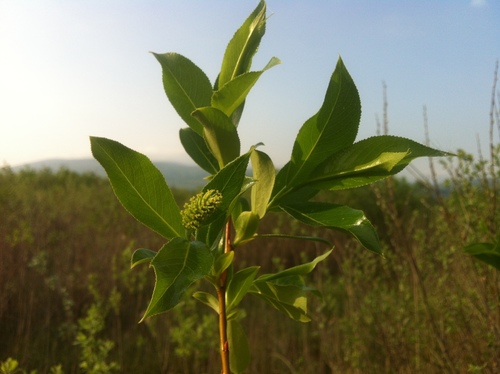
Records from studies worldwide, collected by GloBI. They include animals eaten as carrion, and they are not everything it eats in one place.
Where people see the European rose chafer
People have shared 47,573 records from 48 countries.
Near a city: Kyiv, Podgorica, Sarajevo, Vienna.
Records show where people have seen it and shared it, not its full range. Country names open their page in Atlas.
When it is seen
Records per month in the northern hemisphere. More people outdoors also means more records.
Watch and listen
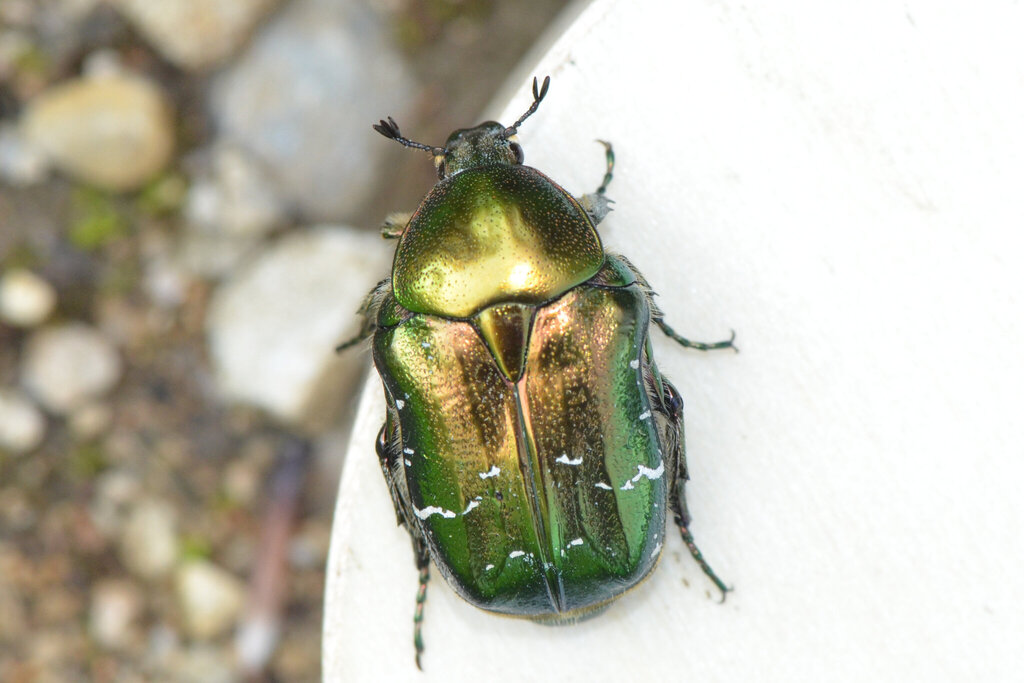
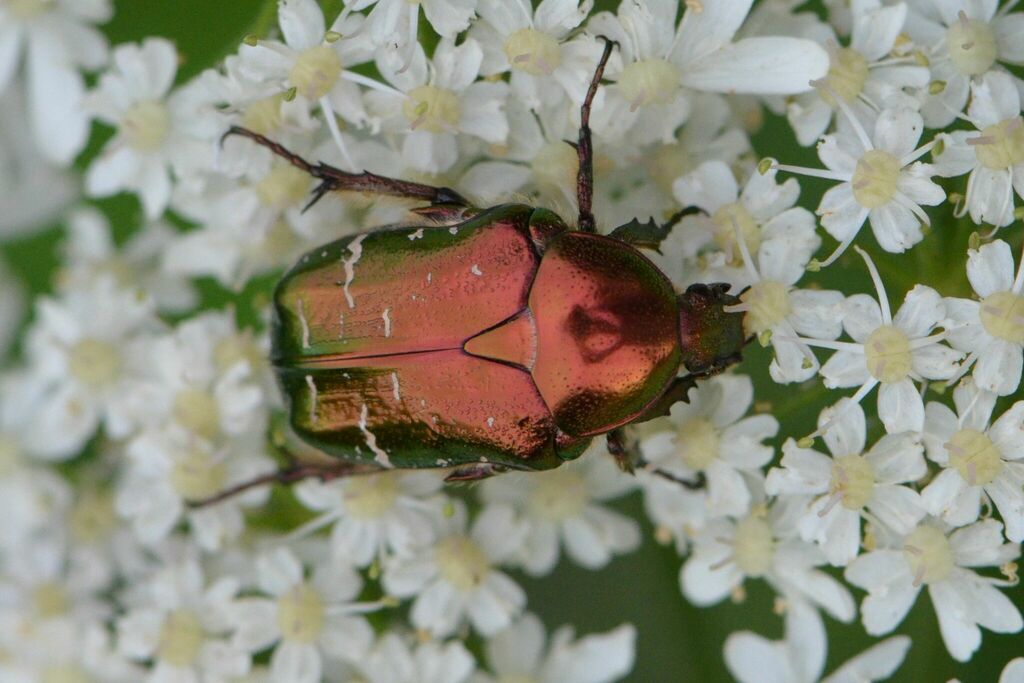
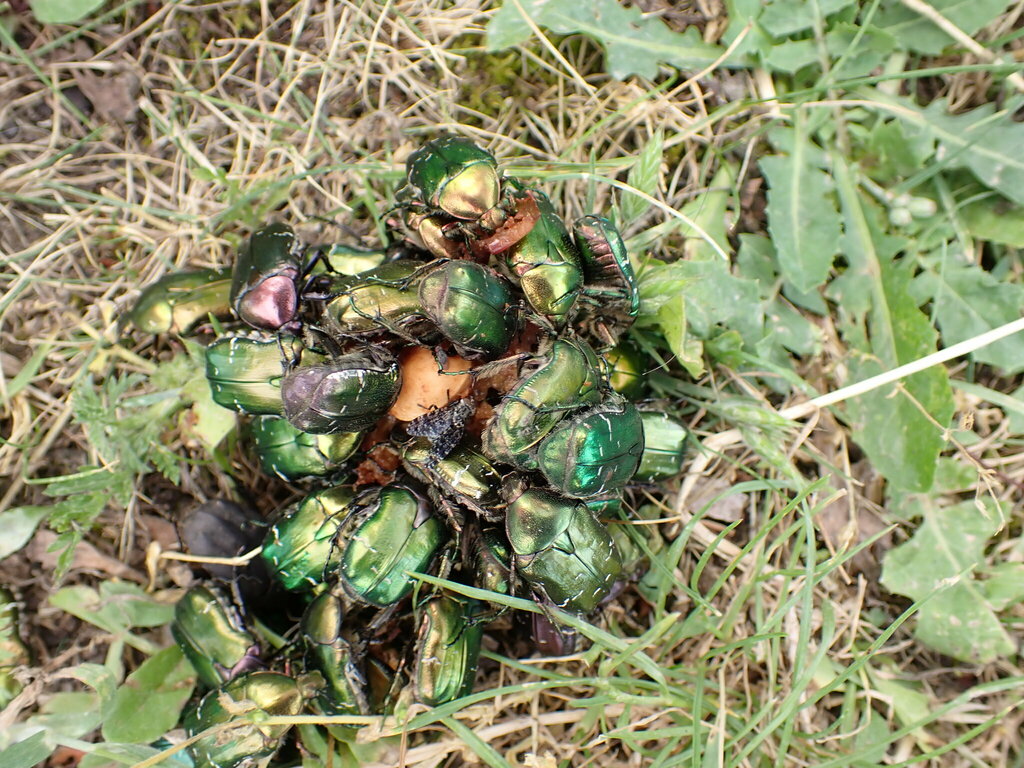
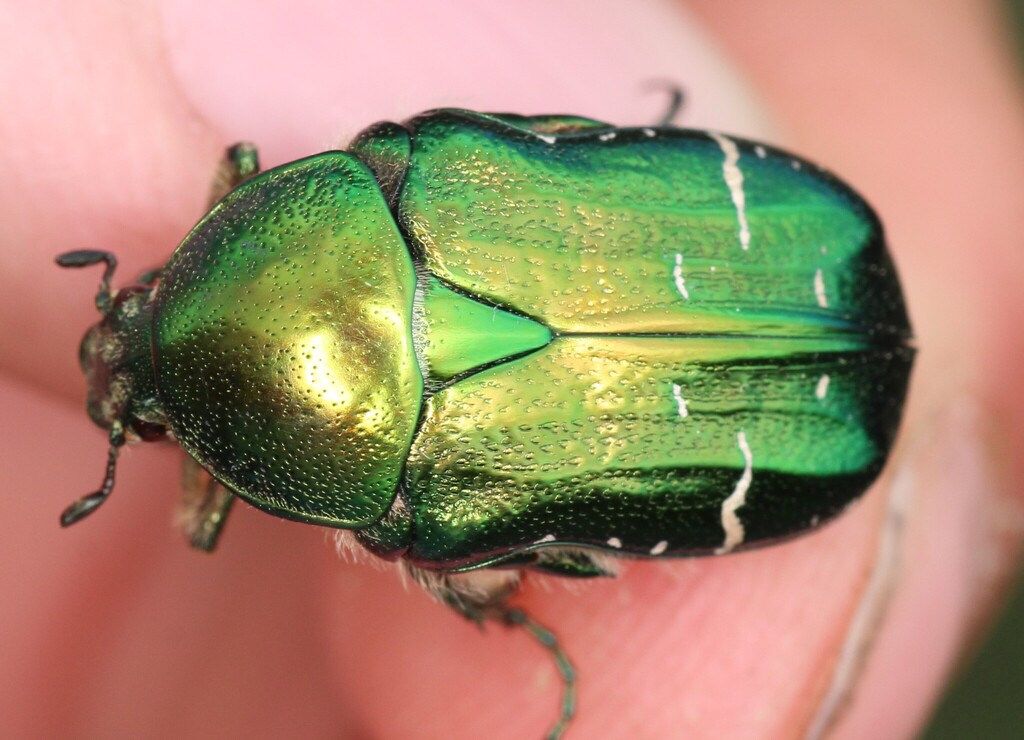
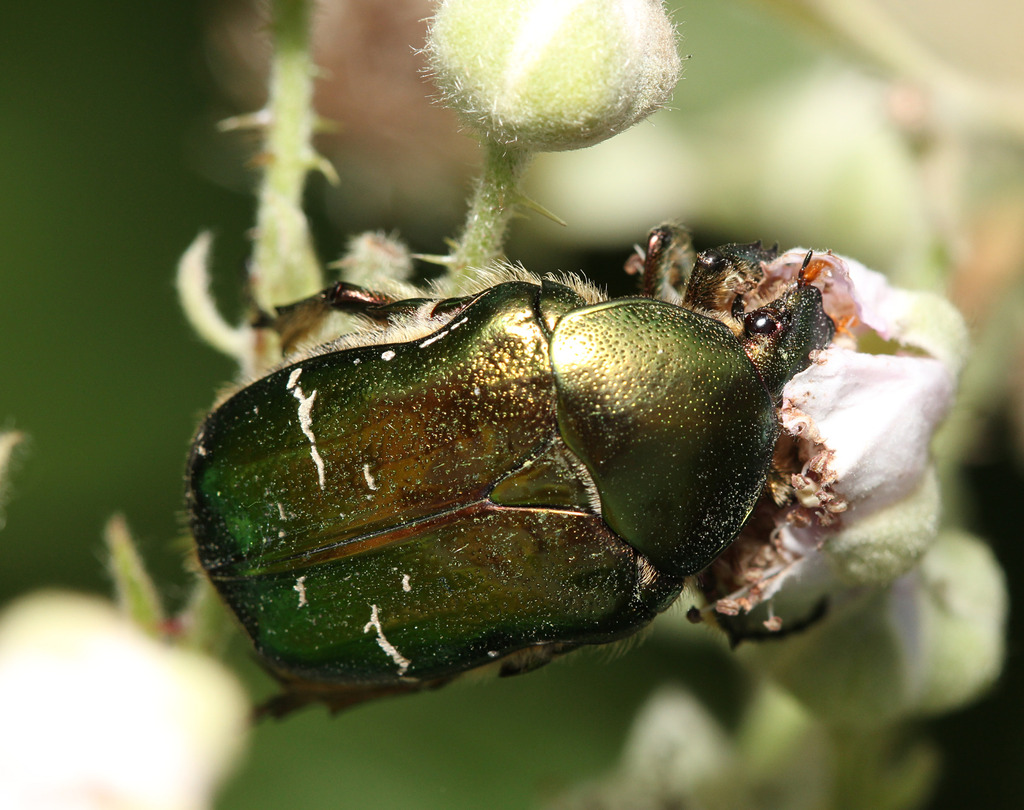
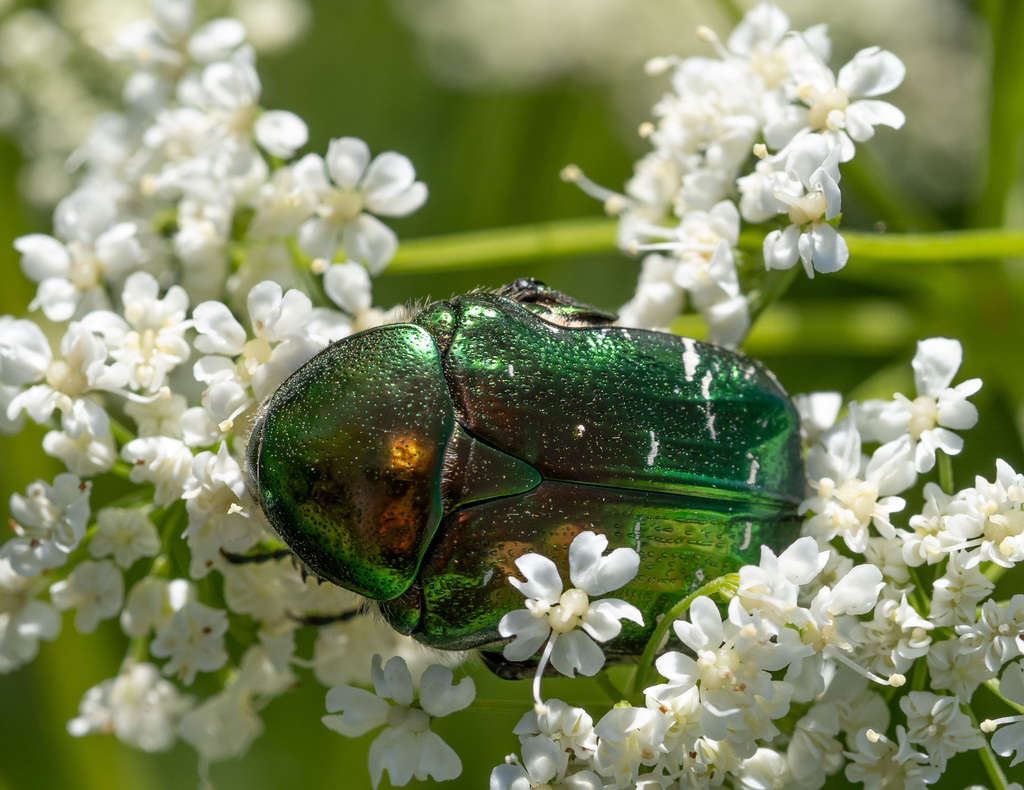
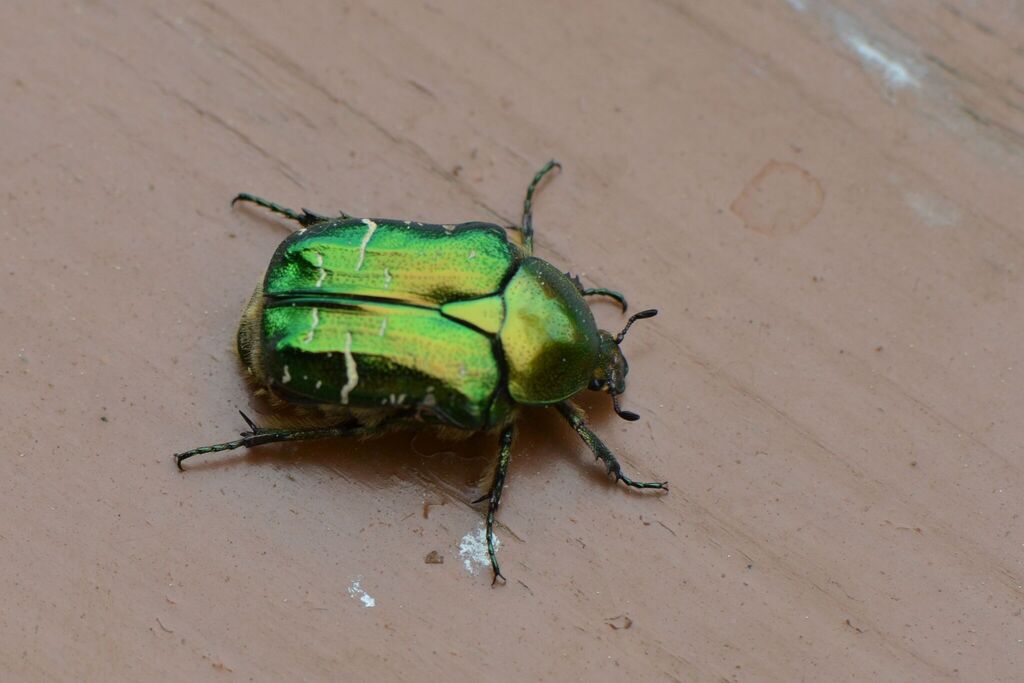
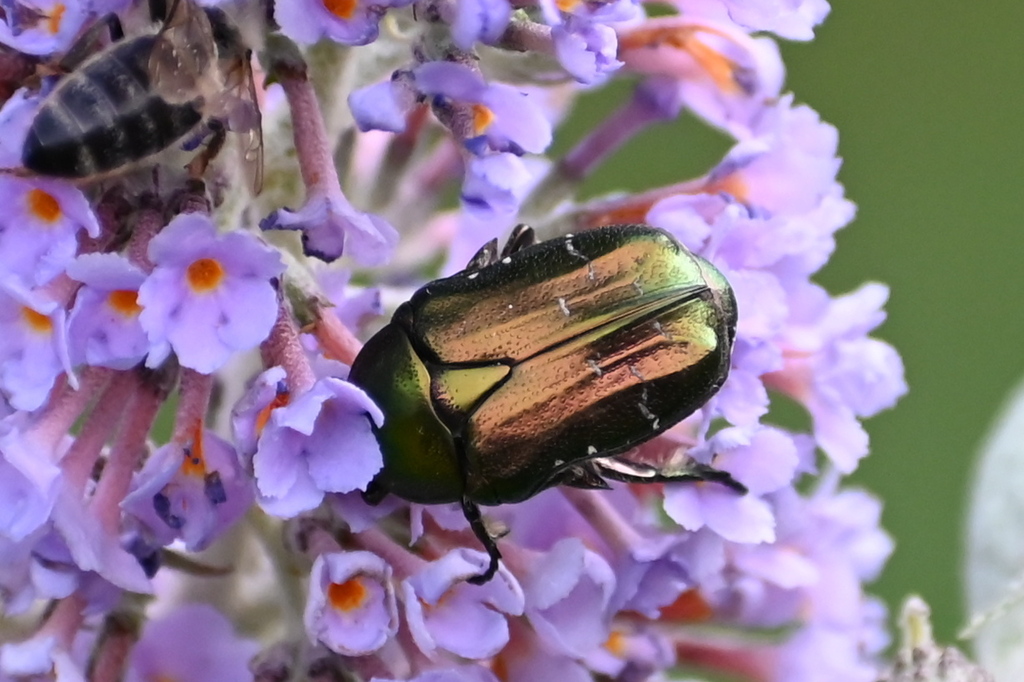
Seen an European rose chafer?
Share your photo on iNaturalist. Other naturalists help confirm it, and the record goes to GBIF, where scientists use it and where the maps on this page come from.
Put this species on your site
The card names every source and links back here.
<iframe src="https://4planetatlas.com/place/embed/species/european-rose-chafer" title="European rose chafer (Cetonia aurata), 4PLANET Species" width="100%" height="600" style="border:0;max-width:640px" loading="lazy"></iframe>
<p><a href="https://4species.com/european-rose-chafer">European rose chafer on 4PLANET Species</a></p>Questions people ask
What does the European rose chafer eat?
The European rose chafer has been recorded eating 181 different kinds of animals and plants, most of them plants. The ones recorded most often are elder, raspberry, salix alba, goat willow and weeping willow; records include animals eaten as carrion. Source: GloBI.
What eats the European rose chafer?
Recorded predators include greater horseshoe bat, serotine bat, barbastelle, common noctule and savi's pipistrelle. Source: GloBI.
Where does the European rose chafer live?
People have recorded it in 48 countries; the most records come from Germany, Russia, France, Austria and Italy. Records show where people have seen it, not its full range.
When is the European rose chafer seen most?
In the northern hemisphere, the most records are made in May and the fewest in December. More people outdoors also means more records.
Sources and photo credits
- GBIF · Cetonia aurata, 47,573 human observations
- GloBI · recorded interactions of Cetonia aurata
- Wikidata · European rose chafer (Q731970)
- European rose chafer (Cetonia aurata): Michael Knapp, CC BY 4.0
- European rose chafer (Cetonia aurata), 5072 Oeschgen, Schweiz: Ruebezahl, CC0
- European rose chafer (Cetonia aurata), 5072 Oeschgen, Schweiz: Ruebezahl, CC0
- European rose chafer (Cetonia aurata), 83131 Montferrat, France: Louis Aureglia, CC BY 4.0
- European rose chafer (Cetonia aurata), Punat, Croatie: Bastien Le Mort, CC BY 4.0
- European rose chafer (Cetonia aurata), Germany: Jonas V., CC BY 4.0
- European rose chafer (Cetonia aurata), Paldiski, Harjumaa, Viro: Tero Linjama, CC0
- European rose chafer (Cetonia aurata), 5070 Frick, Schweiz: Ruebezahl, CC0
- European rose chafer (Cetonia aurata), 267 18 Hlásná Třebaň-Karlštejn, Česko: Pavel Kacl, CC BY 4.0
- Elder: Attila Oláh, CC BY 4.0
- Raspberry: Ole Husby, CC BY-SA 4.0
- Salix alba: Andreas Rockstein, CC BY-SA 4.0
- Goat willow: no rights reserved, uploaded by Tero Linjama, CC0
- Weeping willow: Tony Rebelo, CC BY-SA 4.0
- Cloudberry: Aleksandr Novikov, CC BY 4.0
- Stone bramble: Ole Husby, CC BY-SA 4.0
- Basket willow: zebedeugalinha, CC BY 4.0
- European dewberry: Douglas Goldman, CC BY-SA 4.0
- Blackberry: Tony Rebelo, CC BY-SA 4.0
- Purple willow: MurielBendel, CC BY-SA 4.0
- Laurel willow: Mirko Ubović, CC0
- Greater horseshoe bat: Gilles San Martin, CC BY-SA 4.0
- Serotine bat: Konstantin Grebennikov, CC BY 4.0
- Barbastelle: Leonardo Ancillotto, CC BY 4.0
- Common noctule: Konstantin Grebennikov, CC BY 4.0
- Savi's pipistrelle: poblado_verde_en_acción, CC BY 4.0
- Geoffroy's bat: ivan_humljani, CC0
Records show where people have seen and shared the European rose chafer, not its full range, and some countries and months are recorded far more than others. The food web lists interactions that studies have recorded somewhere in the world (GloBI), not everything it eats in one place.
Checked 2026-11-25.