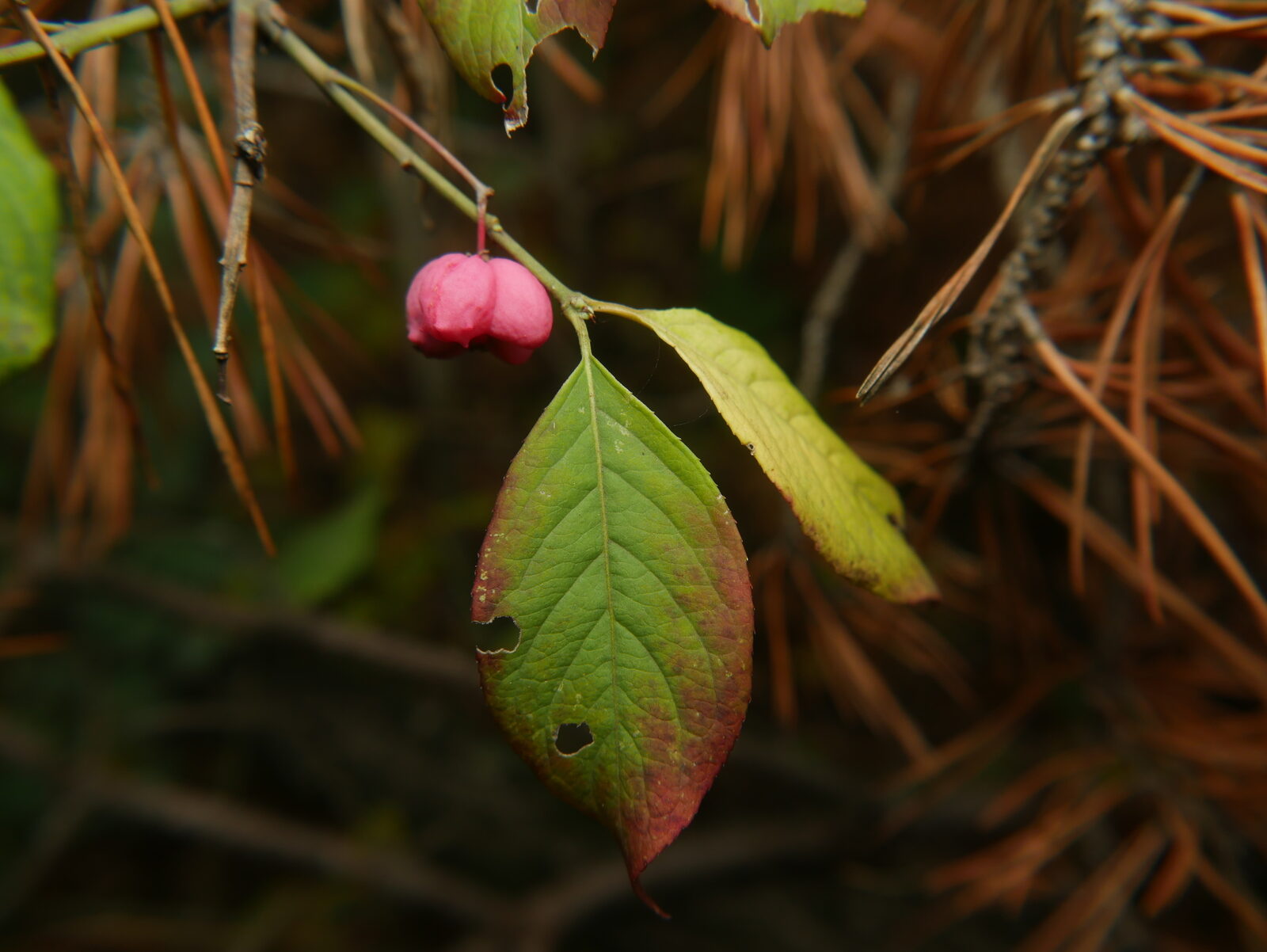
European spindletree
Euonymus europaeus
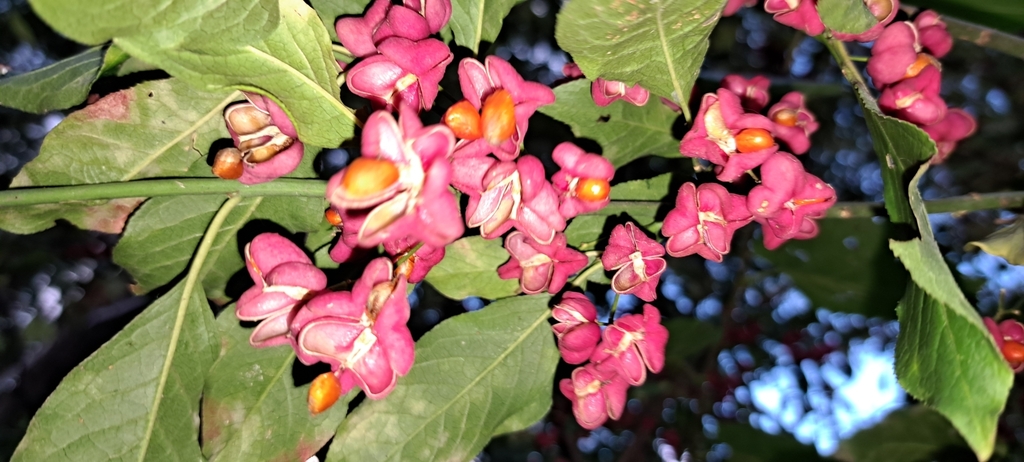
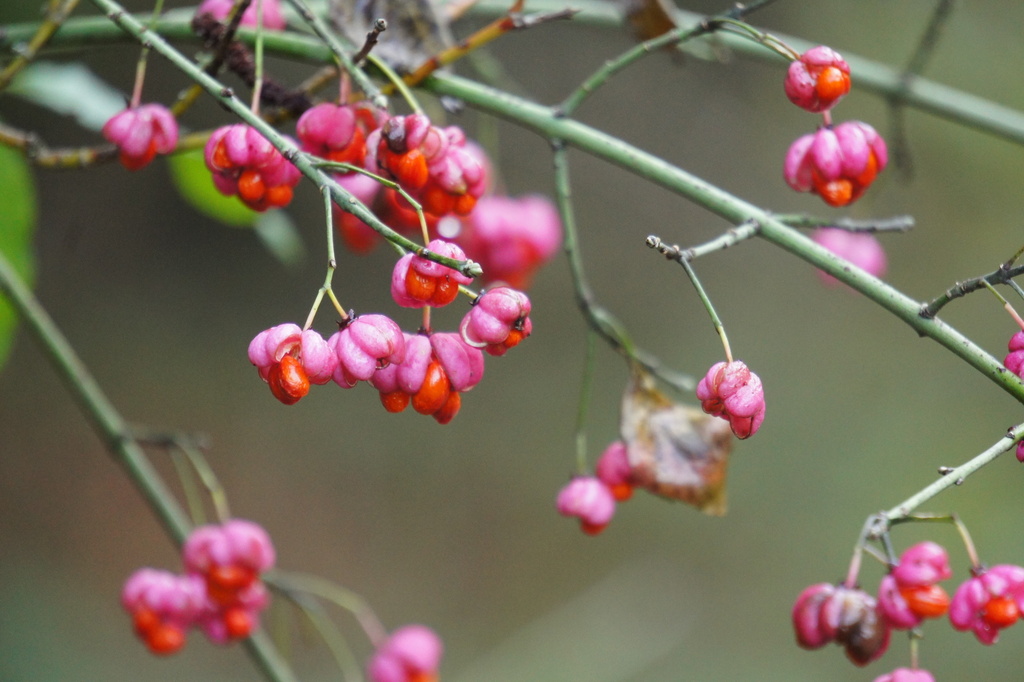
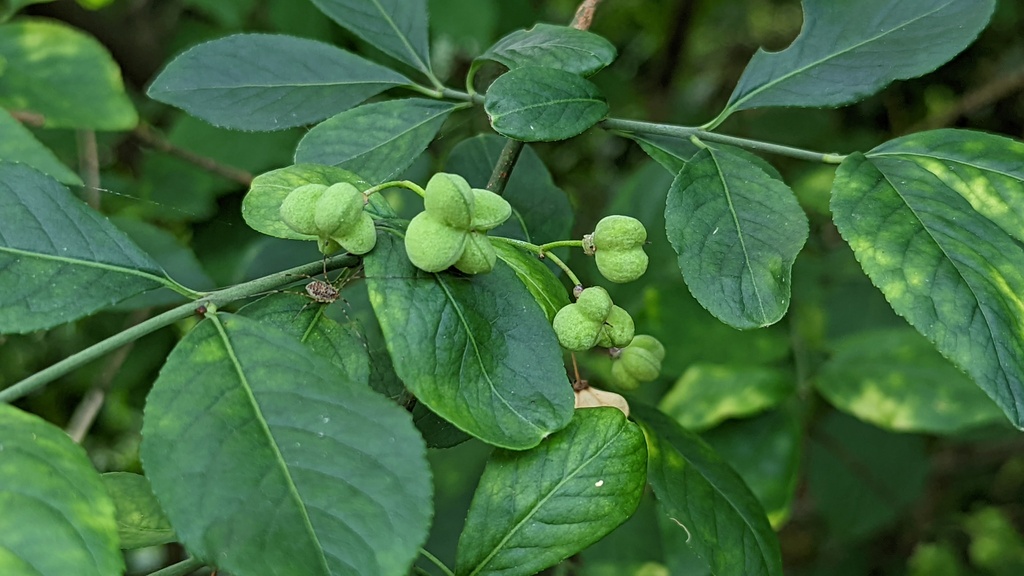
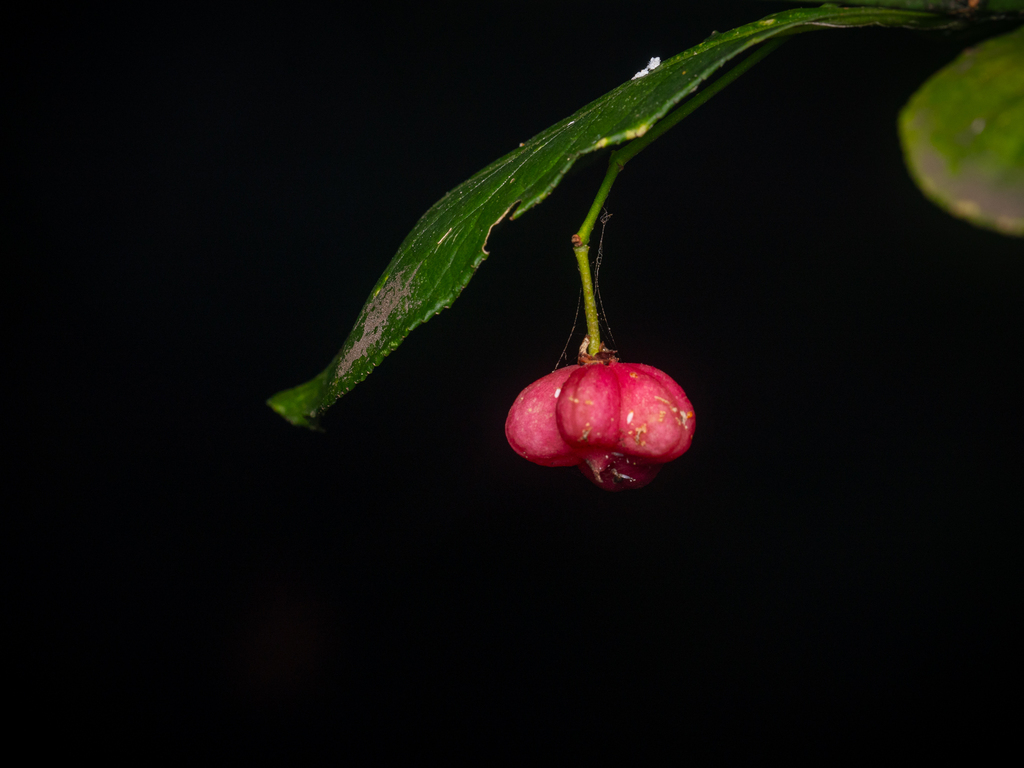
A shrub known for its pink fruits that open to show bright orange seeds in autumn.
- Status
- Least Concern IUCN Red List
- Where
- 46 countries
People have shared 30,781 records of the European spindletree with GBIF, from 46 countries, most of them from Germany, United Kingdom and Austria.
In the northern hemisphere, people record it most in October and least in February. It belongs to the genus Euonymus in the family Celastraceae.
Where people see the European spindletree
People have shared 30,781 records from 46 countries.
Records show where people have seen it and shared it, not its full range. Country names open their page in Atlas.
When it is seen
Records per month in the northern hemisphere. More people outdoors also means more records.
Watch and listen
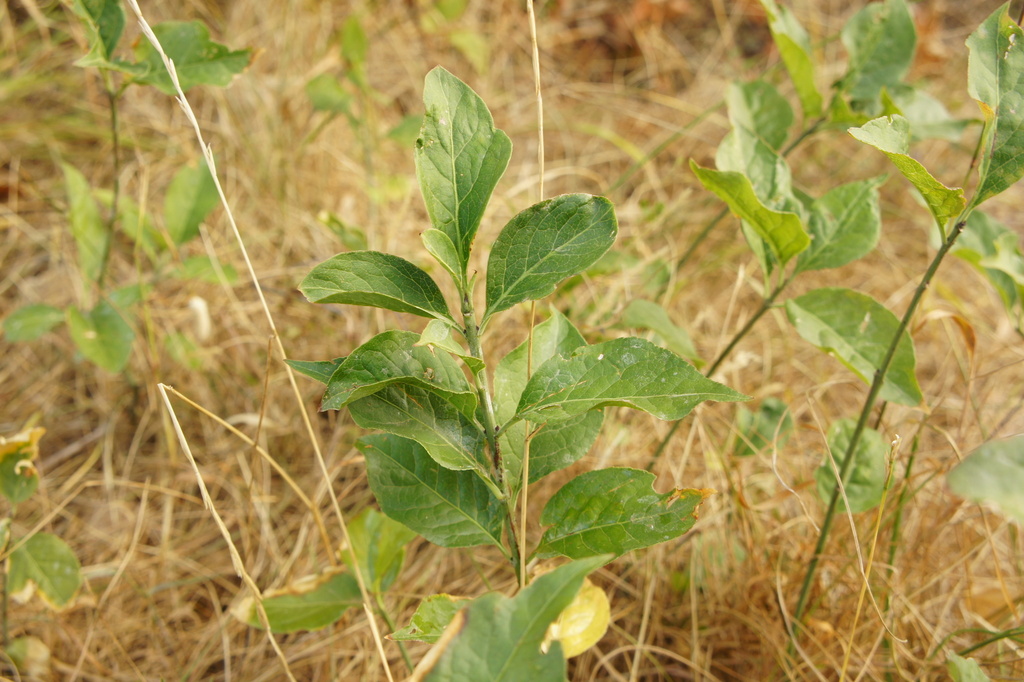
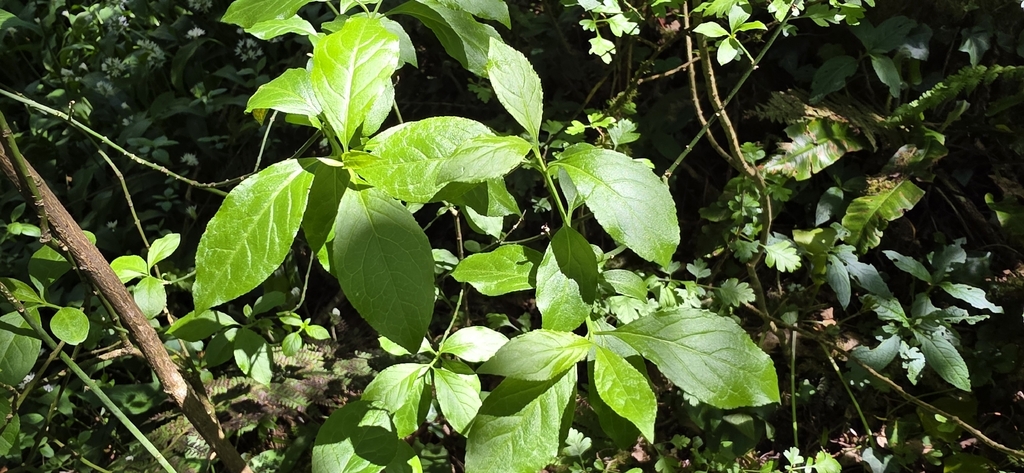
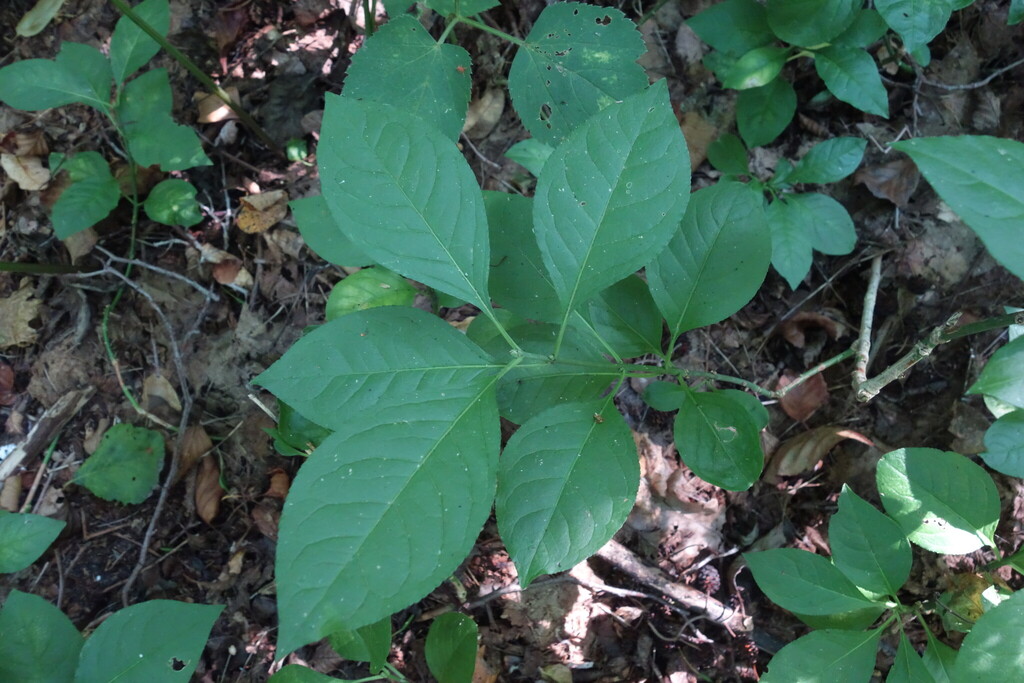
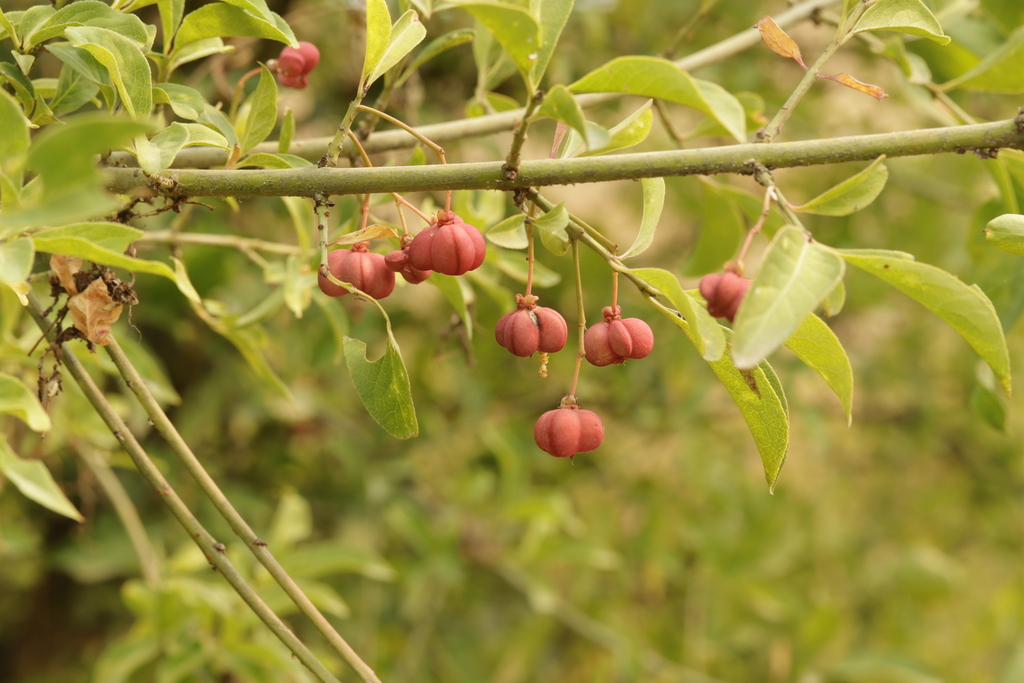
Seen an European spindletree?
Share your photo on iNaturalist. Other naturalists help confirm it, and the record goes to GBIF, where scientists use it and where the maps on this page come from.
Put this species on your site
The card names every source and links back here.
<iframe src="https://4planetatlas.com/place/embed/species/european-spindletree" title="European spindletree (Euonymus europaeus), 4PLANET Species" width="100%" height="600" style="border:0;max-width:640px" loading="lazy"></iframe>
<p><a href="https://4species.com/european-spindletree">European spindletree on 4PLANET Species</a></p>Questions people ask
Where does the European spindletree live?
People have recorded it in 46 countries; the most records come from Germany, United Kingdom, Austria, Russia and Italy. Records show where people have seen it, not its full range.
When is the European spindletree seen most?
In the northern hemisphere, the most records are made in October and the fewest in February. More people outdoors also means more records.
Sources and photo credits
- GBIF · Euonymus europaeus, 30,781 human observations
- GloBI · recorded interactions of Euonymus europaeus
- Wikidata · European spindletree (Q161379)
- European spindletree (Euonymus europaeus): Alexis Tinker-Tsavalas, CC BY 4.0
- European spindletree (Euonymus europaeus), Comuna Ibănești, România: Liviu Chiriac, CC0
- European spindletree (Euonymus europaeus), NT Box Hill, Surrey, UK: Alex Press, CC BY 4.0
- European spindletree (Euonymus europaeus), Schiermonnikoog, Friesland, Netherlands: Michel Langeveld, CC BY 4.0
- European spindletree (Euonymus europaeus), NT Denbies Hillside, Surrey, UK: Alex Press, CC BY 4.0
- European spindletree (Euonymus europaeus), Parkmill, Swansea SA3 2EQ, UK: Barry Stewart, CC BY 4.0
- European spindletree (Euonymus europaeus), Gribanovskiy rayon, Voronezh, Russia: Aleksei Baushev, CC BY 4.0
- European spindletree (Euonymus europaeus), Rhein-Kreis Neuss, Nordrhein-Westfalen, Germany: Björn Sothmann, CC BY-SA 4.0
- European spindletree (Euonymus europaeus), Bezirk Charlottenburg-Wilmersdorf, Berlin, Deutschland: Alexis Tinker-Tsavalas, CC BY 4.0
Records show where people have seen and shared the European spindletree, not its full range, and some countries and months are recorded far more than others. The food web lists interactions that studies have recorded somewhere in the world (GloBI), not everything it eats in one place.
Checked 2026-11-22.