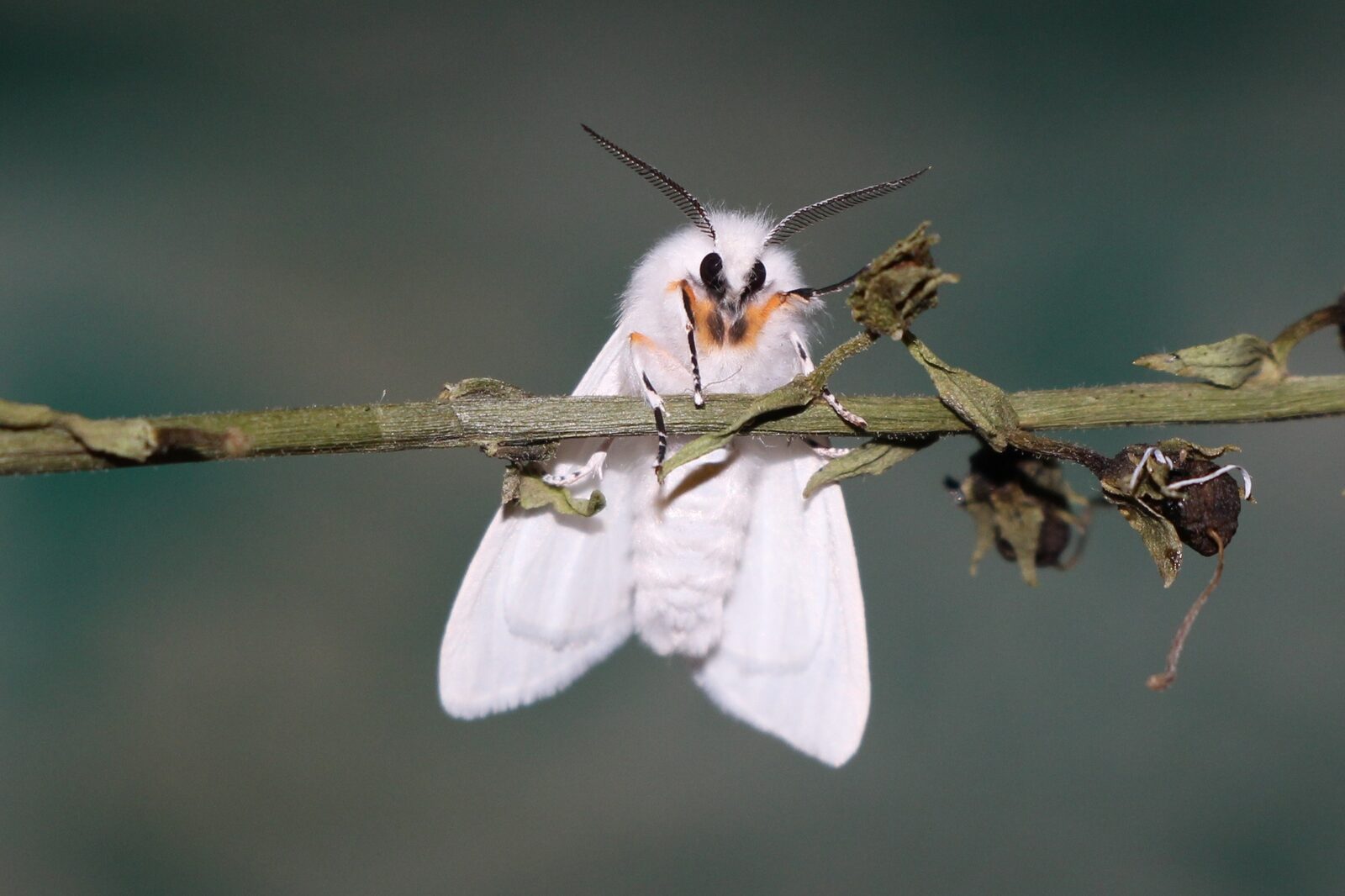
Fall Webworm Moth
Hyphantria cunea
- Status
- IUCN Red List
- Eats
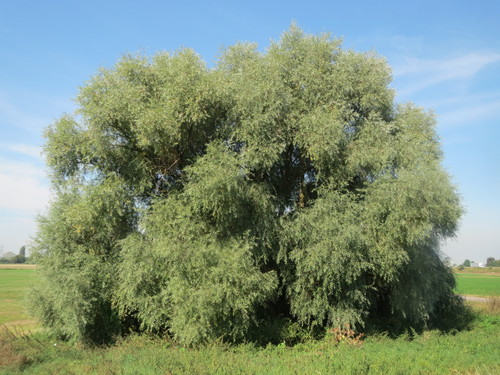
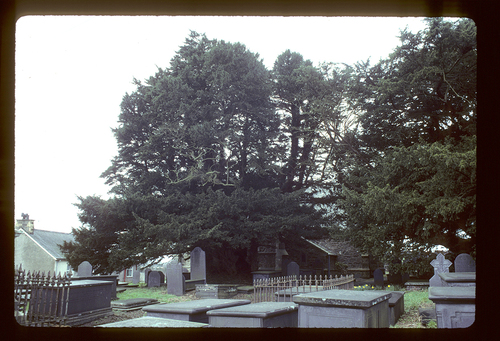
- salix alba, english yew, rowan and 332 more
- Eaten by
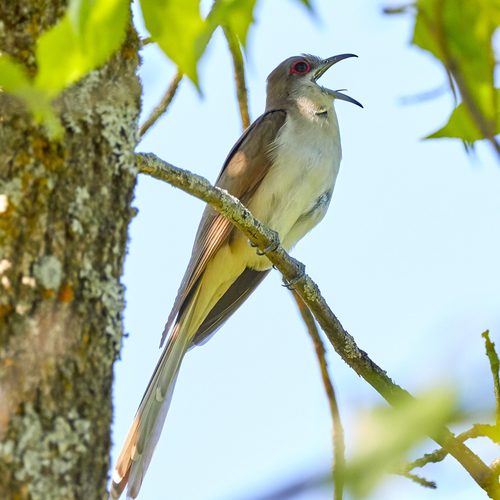
- black-billed cuckoo
- Where
- 28 countries
People have shared 47,774 records of the Fall Webworm Moth with GBIF, from 28 countries, most of them from United States, Canada and Italy. Records collected by GloBI show it eating 335 different kinds of animals and plants, and being eaten by 1.
In the northern hemisphere, people record it most in August and least in January. It belongs to the genus Hyphantria in the family Erebidae.
What the fall Webworm Moth eats, and what eats it
Studies have recorded it eating 335 kinds of animals and plants, and 1 kinds of animals eating it. Tap any of them to follow the food chain.
- Plants 328
Eaten by
 Fall Webworm Moth
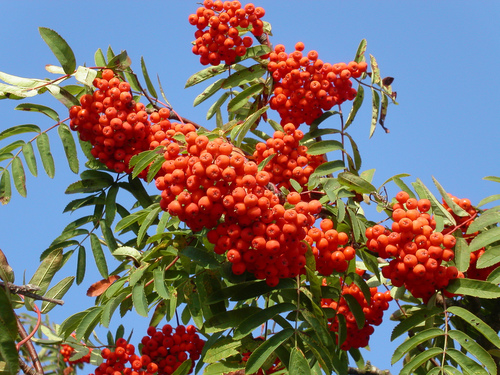
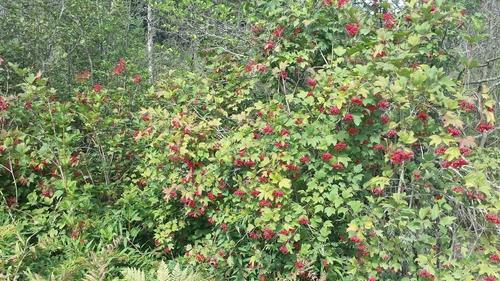
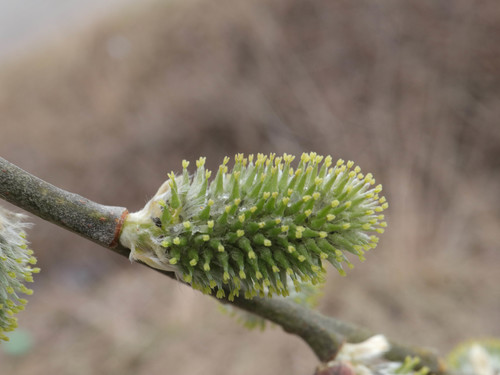
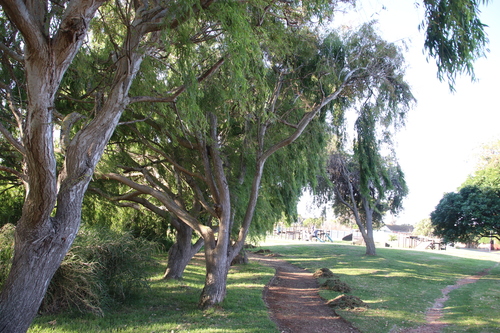
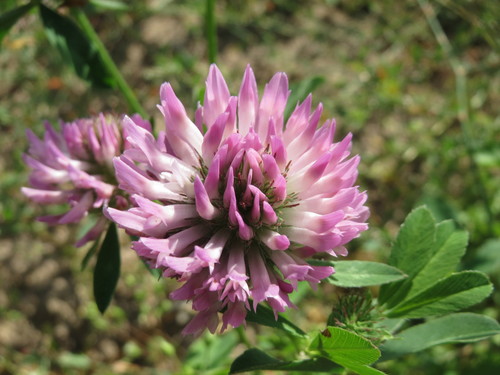

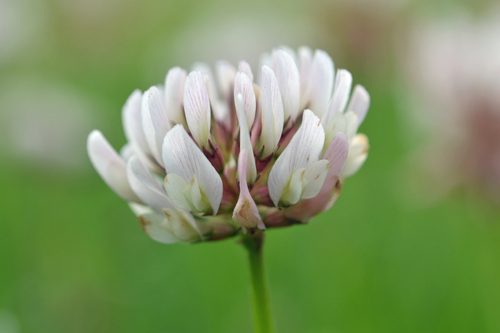
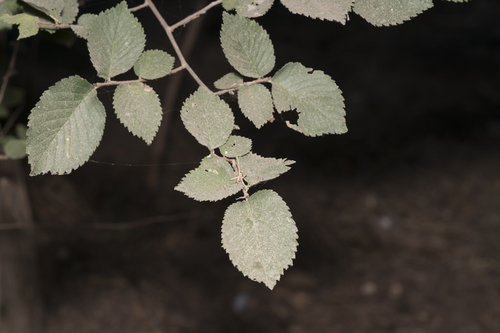

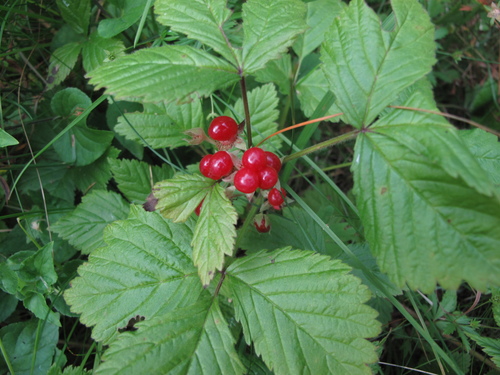
Records from studies worldwide, collected by GloBI. They include animals eaten as carrion, and they are not everything it eats in one place.
Where people see the fall Webworm Moth
People have shared 47,774 records from 28 countries.
Records show where people have seen it and shared it, not its full range. Country names open their page in Atlas.
When it is seen
Records per month in the northern hemisphere. More people outdoors also means more records.
Watch and listen
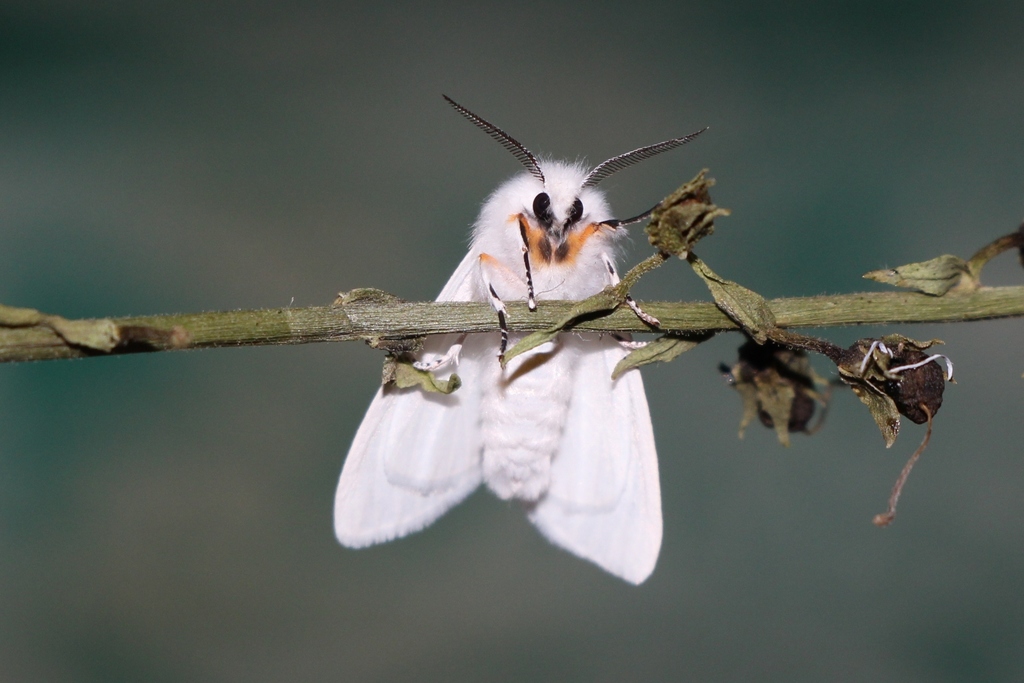
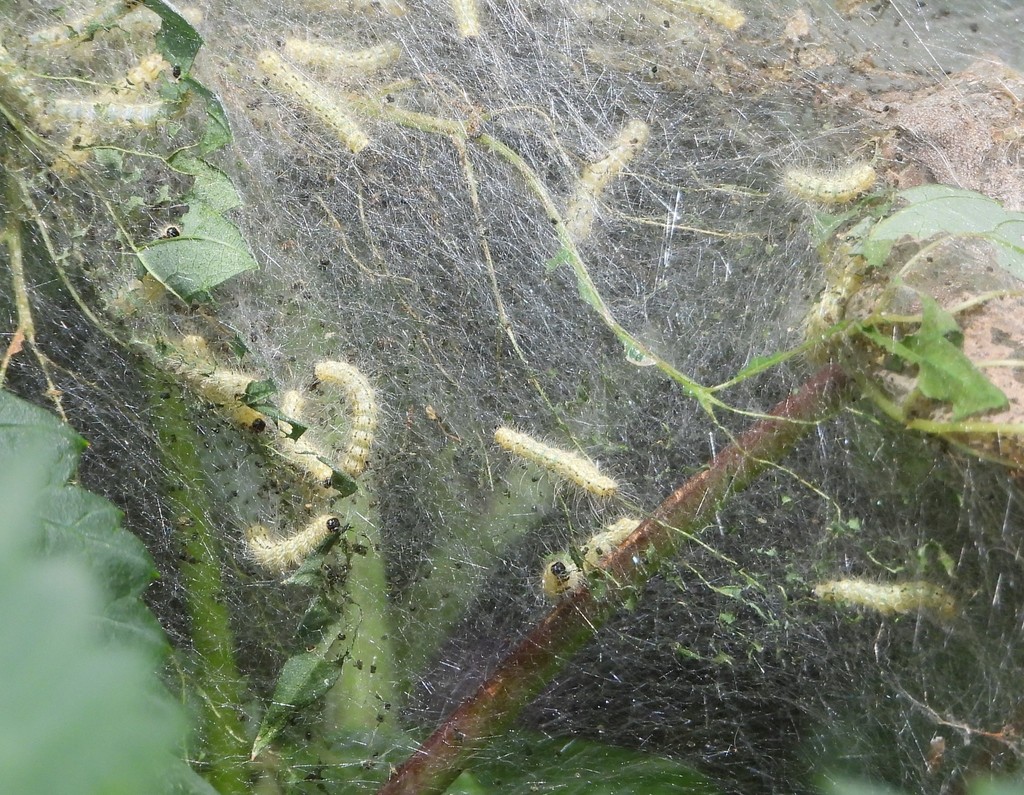
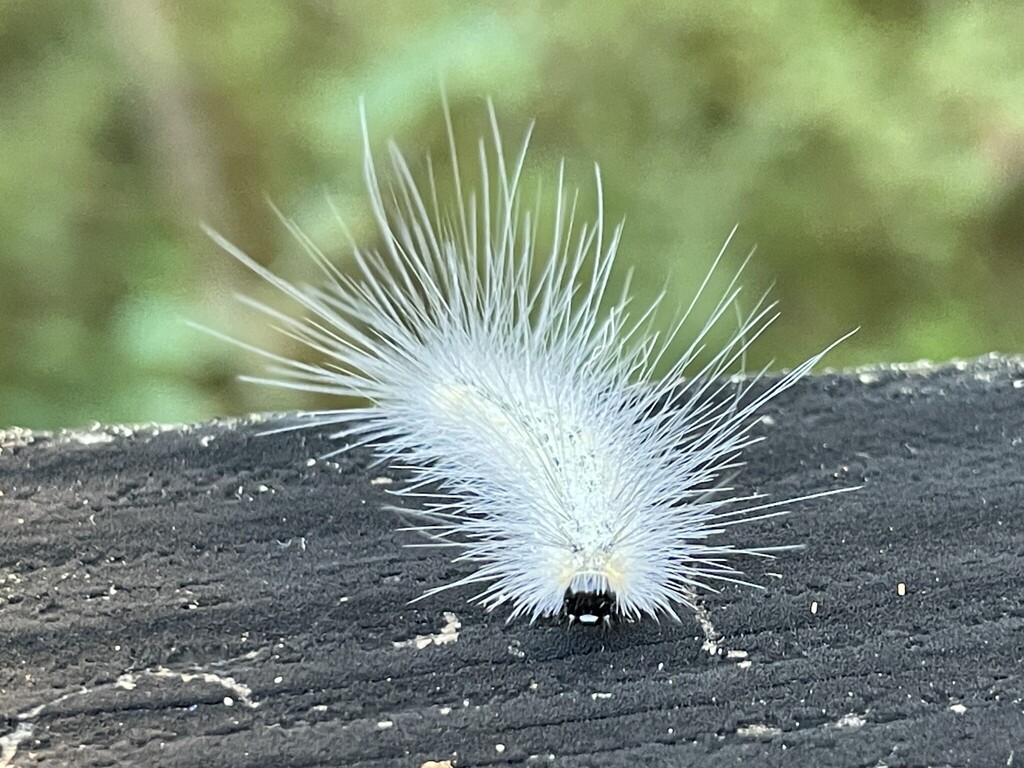
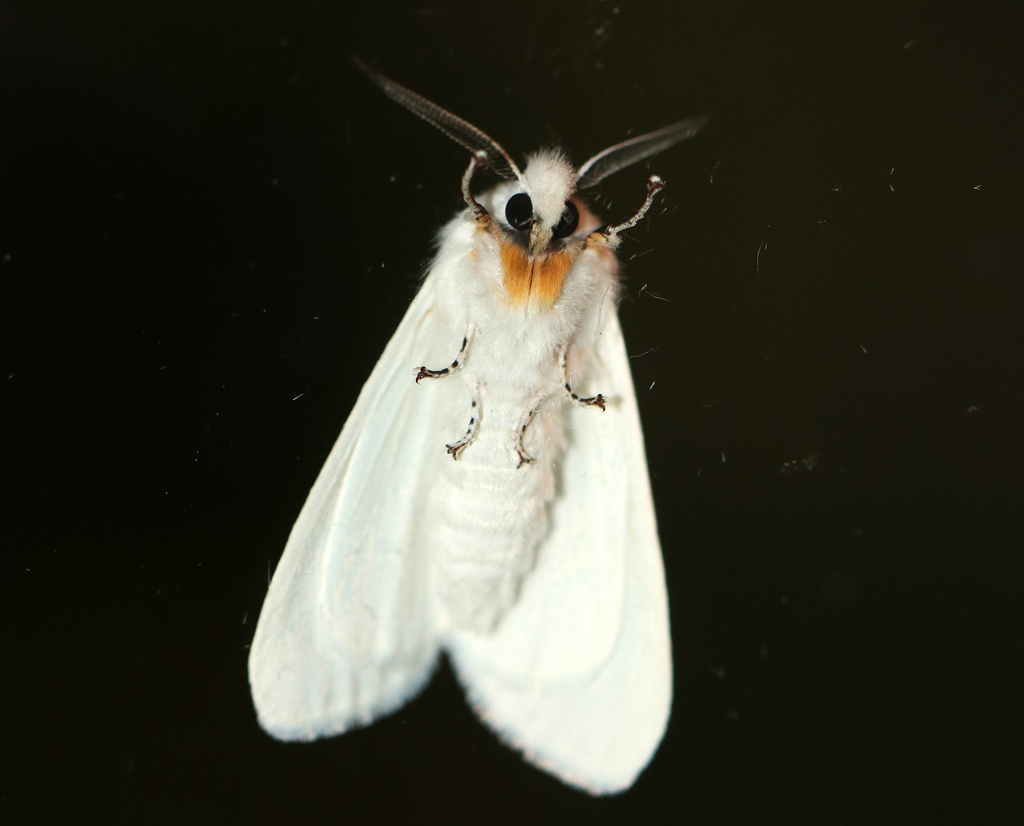
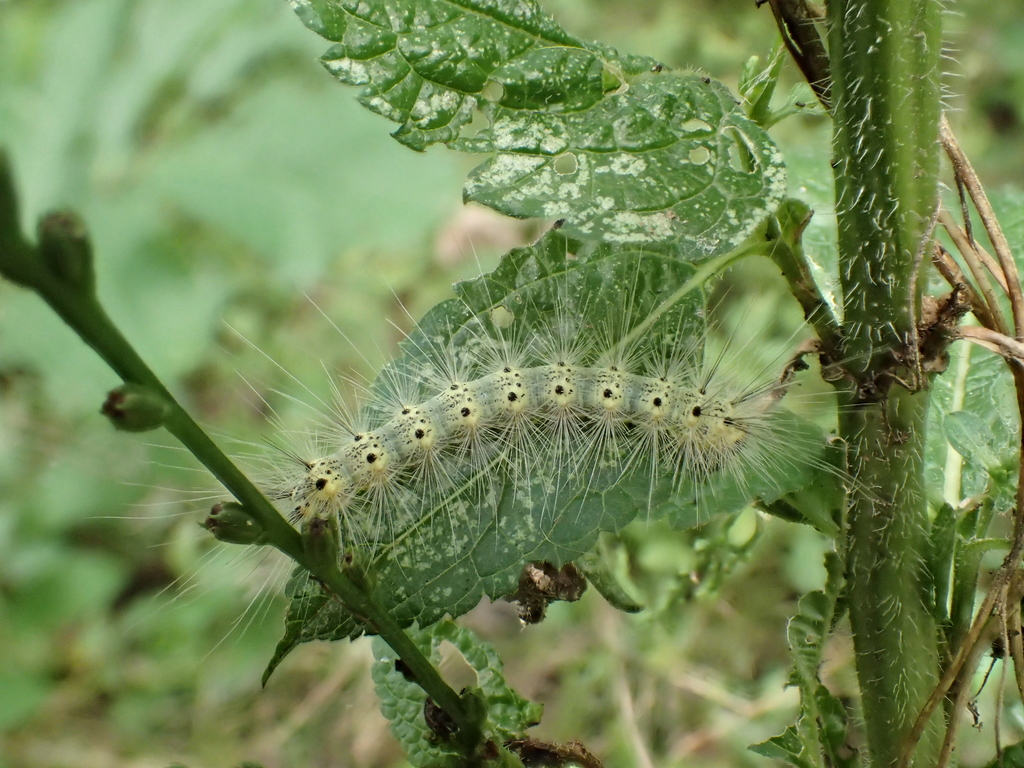
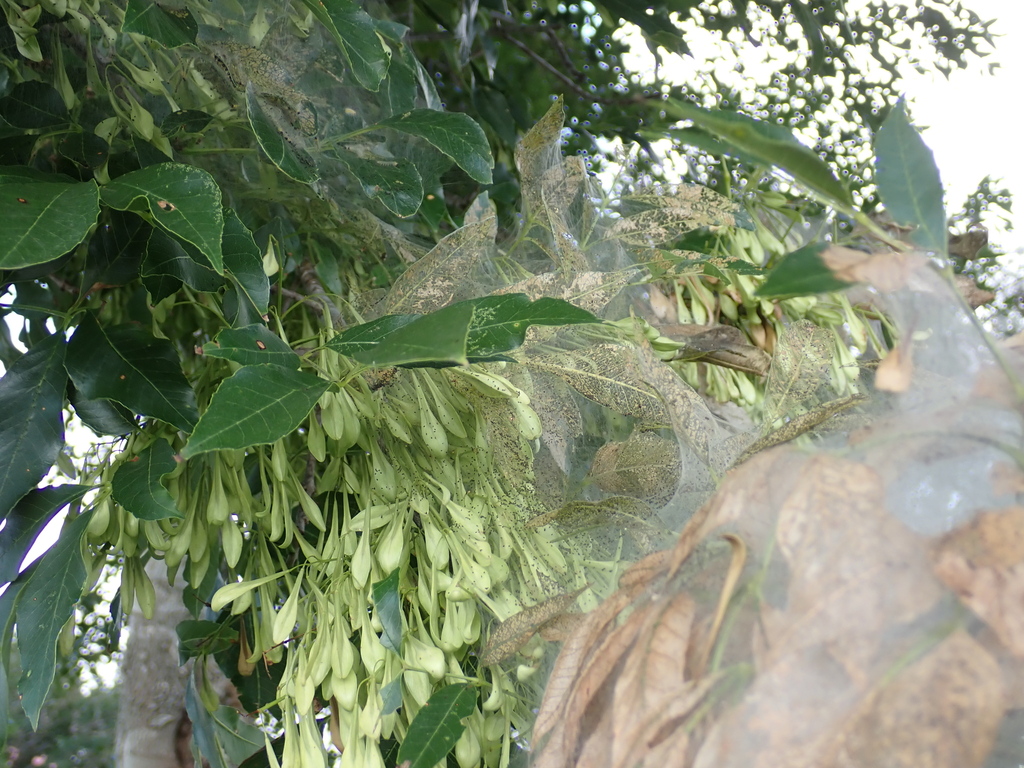
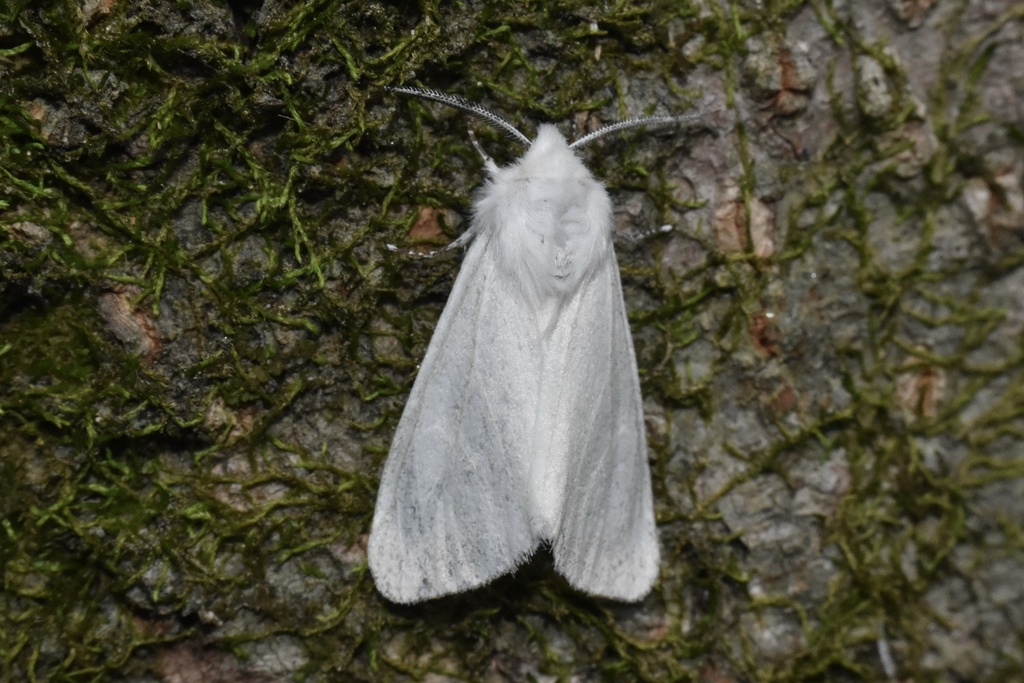
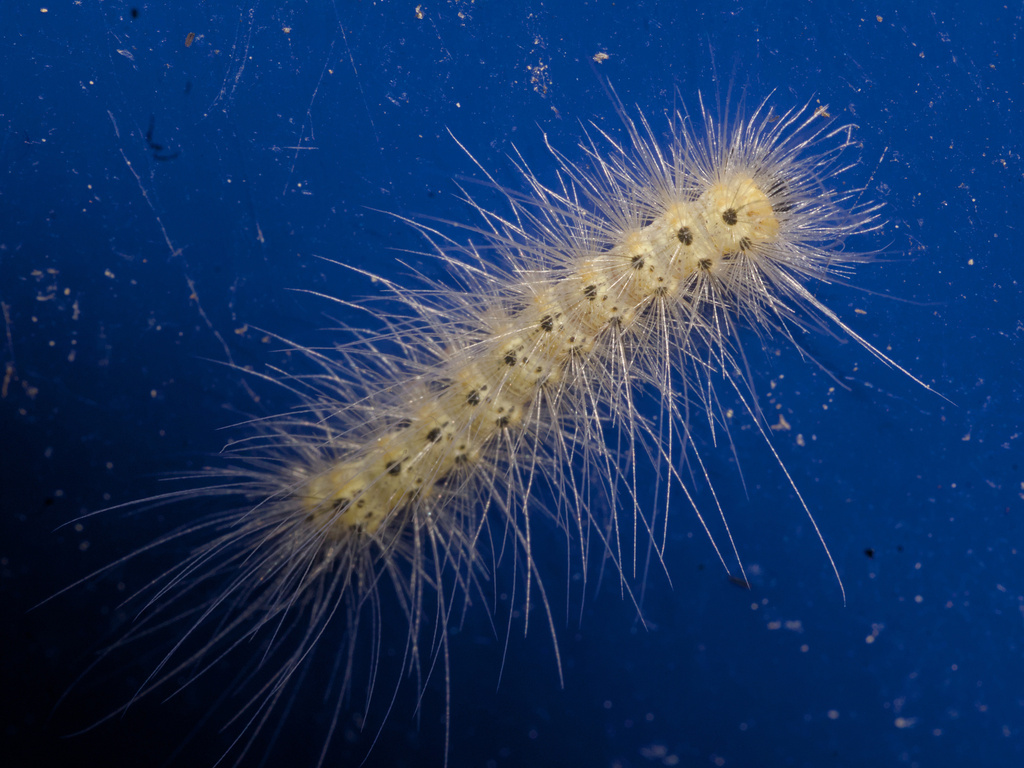
Seen a fall Webworm Moth?
Share your photo on iNaturalist. Other naturalists help confirm it, and the record goes to GBIF, where scientists use it and where the maps on this page come from.
Put this species on your site
The card names every source and links back here.
<iframe src="https://4planetatlas.com/place/embed/species/fall-webworm-moth" title="Fall Webworm Moth (Hyphantria cunea), 4PLANET Species" width="100%" height="600" style="border:0;max-width:640px" loading="lazy"></iframe>
<p><a href="https://4species.com/fall-webworm-moth">Fall Webworm Moth on 4PLANET Species</a></p>Questions people ask
What does the Fall Webworm Moth eat?
The Fall Webworm Moth has been recorded eating 335 different kinds of animals and plants, most of them plants. The ones recorded most often are salix alba, english yew, rowan, guelder rose and goat willow; records include animals eaten as carrion. Source: GloBI.
What eats the Fall Webworm Moth?
Recorded predators include black-billed cuckoo. Source: GloBI.
Where does the Fall Webworm Moth live?
People have recorded it in 28 countries; the most records come from United States, Canada, Italy, South Korea and Ukraine. Records show where people have seen it, not its full range.
When is the Fall Webworm Moth seen most?
In the northern hemisphere, the most records are made in August and the fewest in January. More people outdoors also means more records.
Sources and photo credits
- GBIF · Hyphantria cunea, 47,774 human observations
- GloBI · recorded interactions of Hyphantria cunea
- Wikidata · Fall Webworm Moth (Q1333342)
- Fall Webworm Moth (Hyphantria cunea): no rights reserved, uploaded by Liubov Ilminska, CC0
- Fall Webworm Moth (Hyphantria cunea), Дзензелівка, Черкаська область, Україна, 20141: Liubov Ilminska, CC0
- Fall Webworm Moth (Hyphantria cunea), Provincia di Biella, Italia: Simone Bocca, CC BY-SA 4.0
- Fall Webworm Moth (Hyphantria cunea), S. Peachtree Creek Trail, North Decatur, GA, USA: Engers, CC BY 4.0
- Fall Webworm Moth (Hyphantria cunea), New Milford, CT, USA: Christine Young, CC BY 4.0
- Fall Webworm Moth (Hyphantria cunea), Riverview, Columbus, OH, USA: Kristen Diesburg, CC BY 4.0
- Fall Webworm Moth (Hyphantria cunea), Texas, US: dhasdf, CC BY 4.0
- Fall Webworm Moth (Hyphantria cunea), Georgia, US: northerly, CC BY 4.0
- Fall Webworm Moth (Hyphantria cunea), Northgate Park, Durham, NC, USA: Kevin Anderson, CC BY 4.0
- Salix alba: Andreas Rockstein, CC BY-SA 4.0
- English yew: Douglas Goldman, CC BY-SA 4.0
- Rowan: Hans Kylberg, CC BY 4.0
- Guelder rose: Tom Norton, CC BY 4.0
- Goat willow: no rights reserved, uploaded by Tero Linjama, CC0
- Weeping willow: Tony Rebelo, CC BY-SA 4.0
- Red clover: Andreas Rockstein, CC BY-SA 4.0
- Littleleaf linden: Alreadyexist, CC BY-SA 4.0
- White clover: Conall, CC BY 4.0
- Small-leaved elm: Eleftherios Katsillis, CC BY 4.0
- Wych elm: Andreas Taeger, CC BY 4.0
- Stone bramble: Ole Husby, CC BY-SA 4.0
- Black-billed cuckoo: no rights reserved, uploaded by David Bird, CC0
Records show where people have seen and shared the Fall Webworm Moth, not its full range, and some countries and months are recorded far more than others. The food web lists interactions that studies have recorded somewhere in the world (GloBI), not everything it eats in one place.
Checked 2026-11-27.