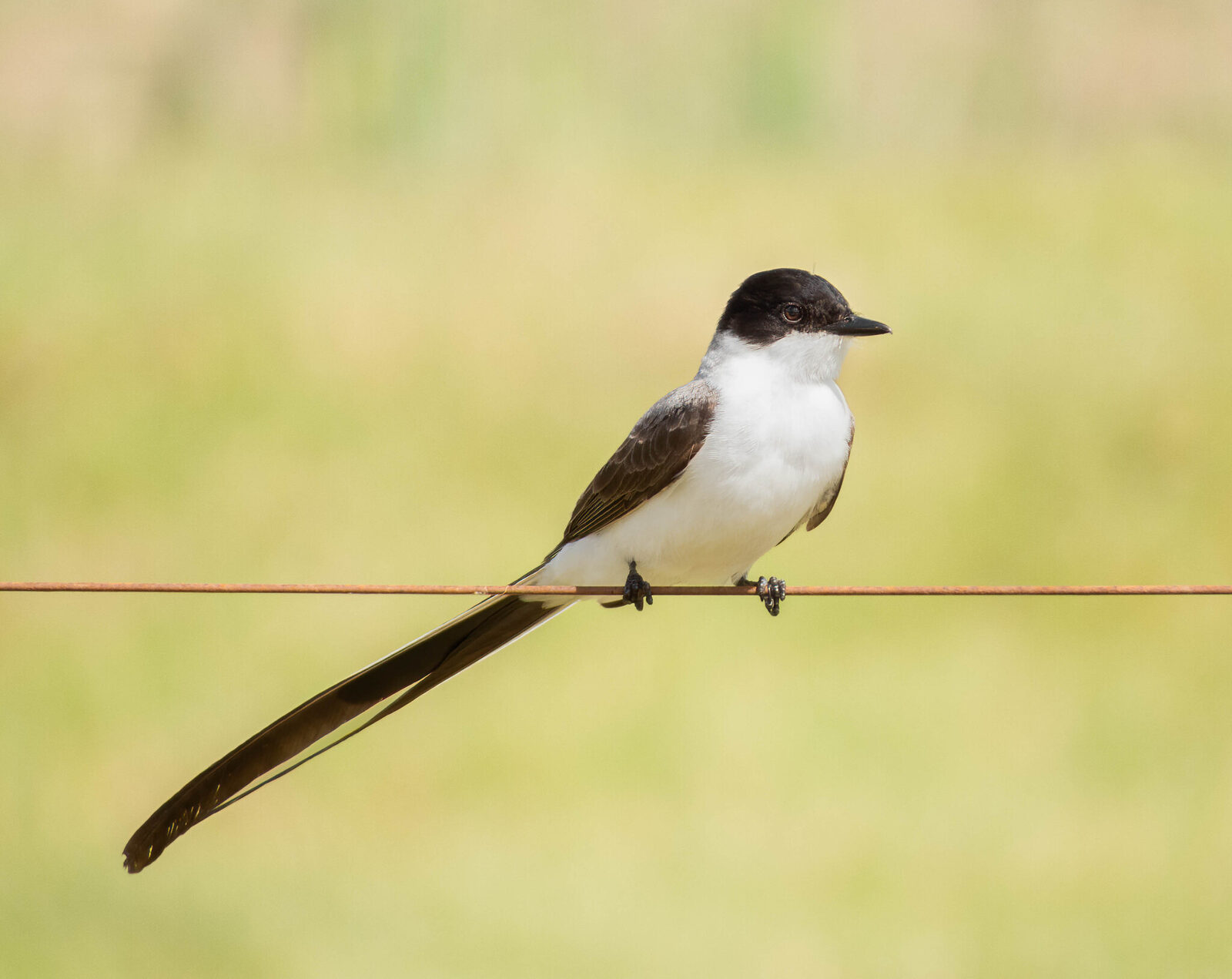
Fork-tailed flycatcher
Tyrannus savana
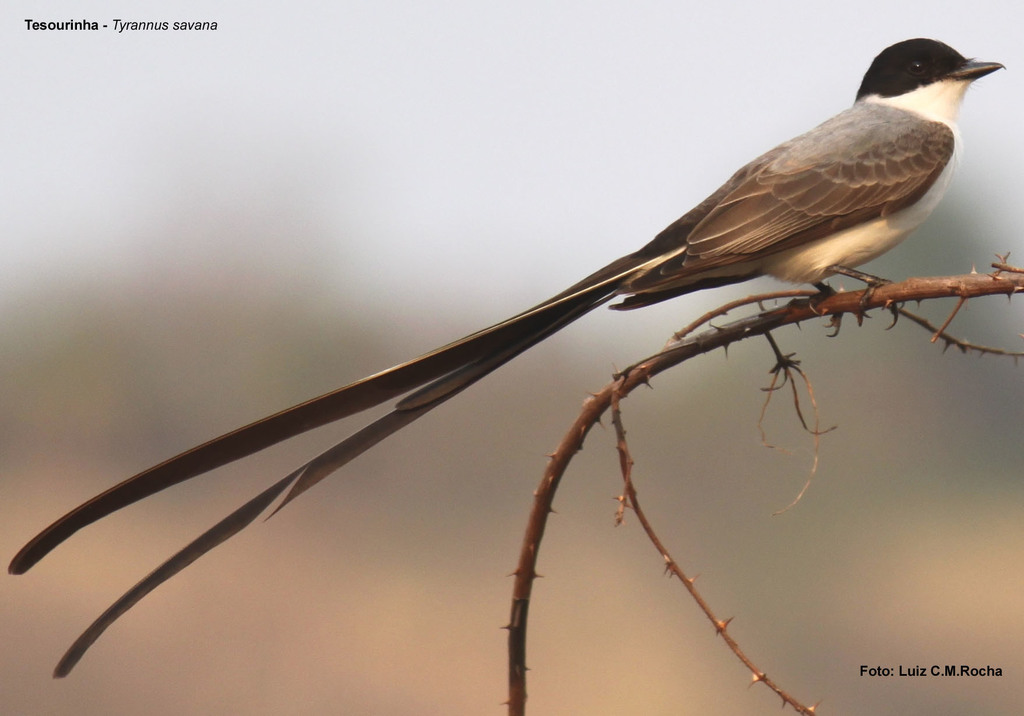
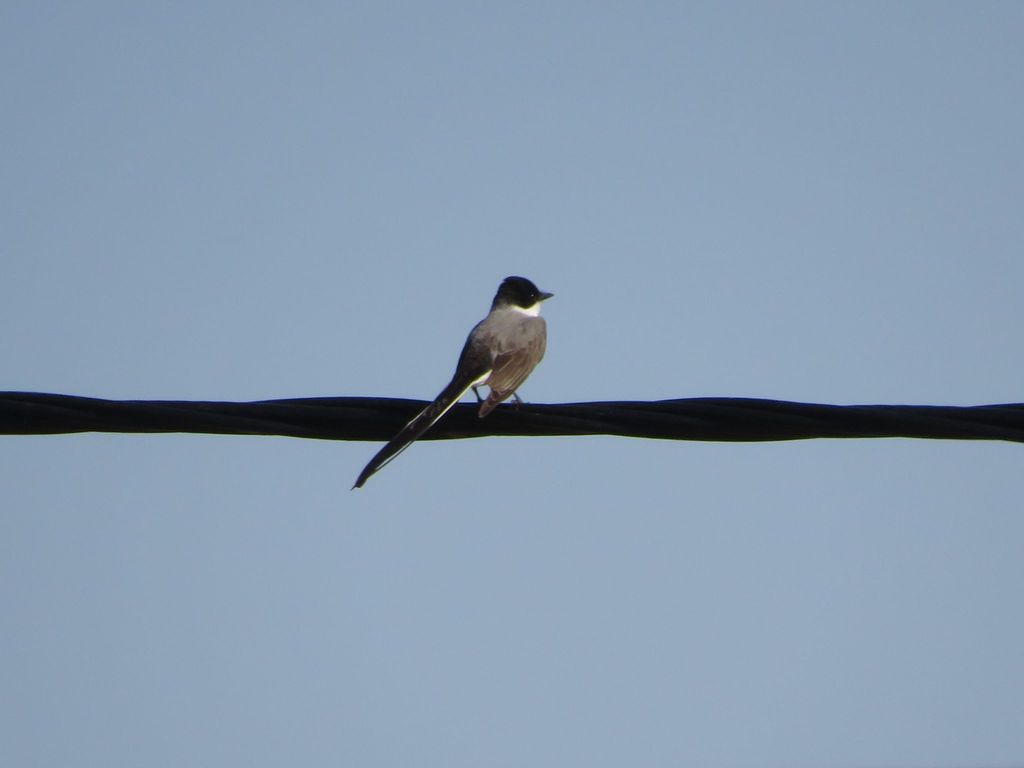
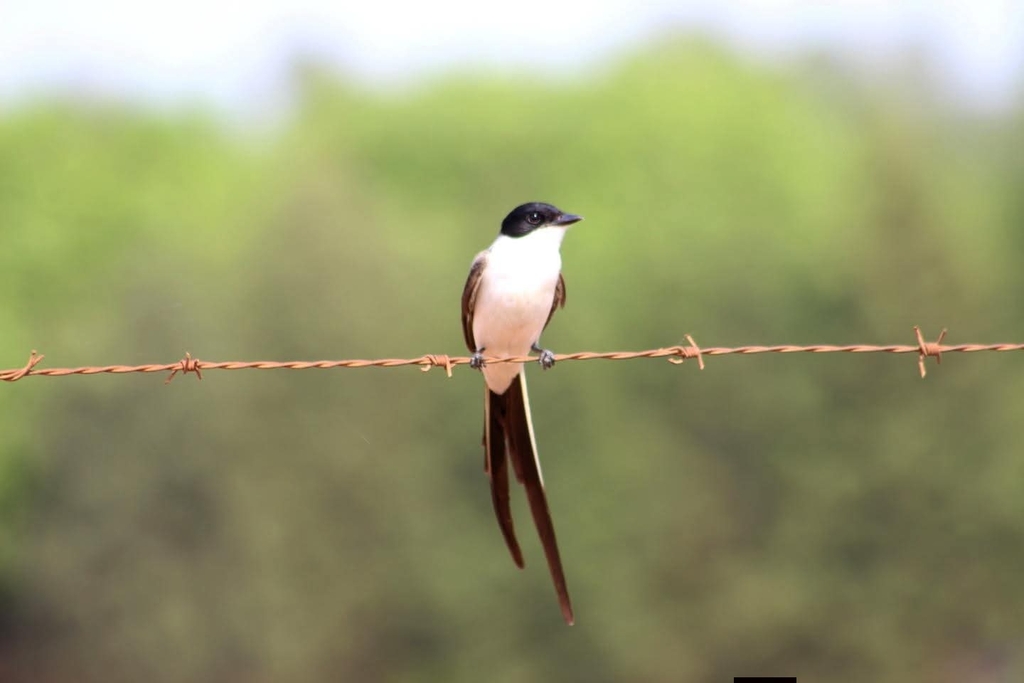
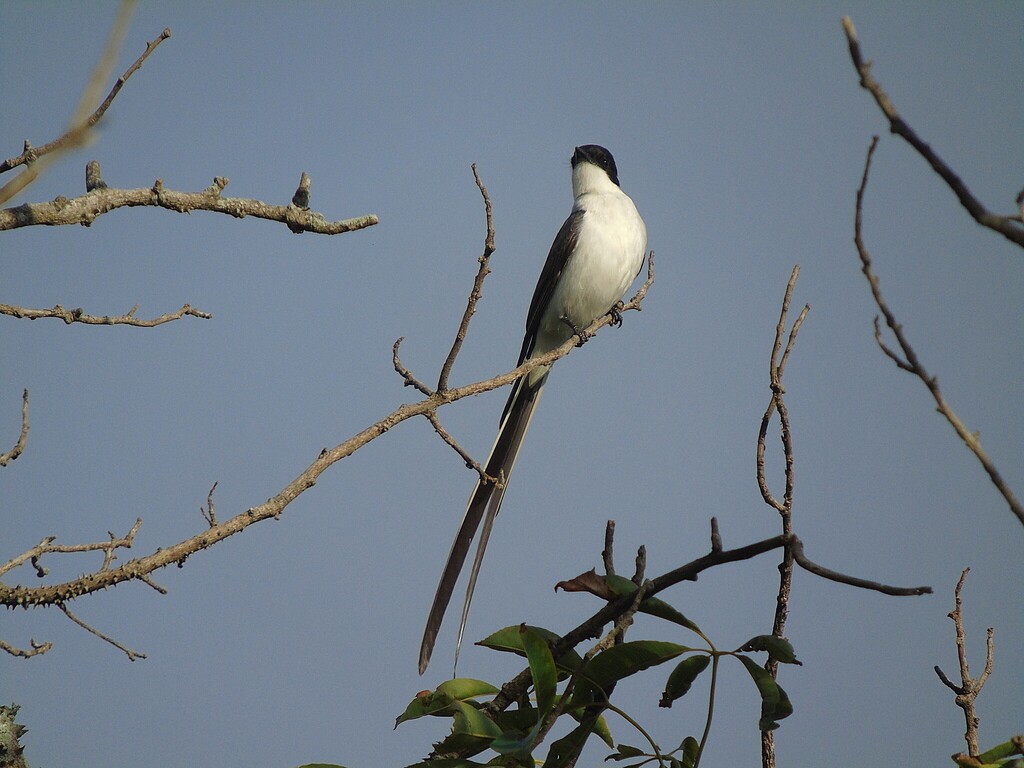
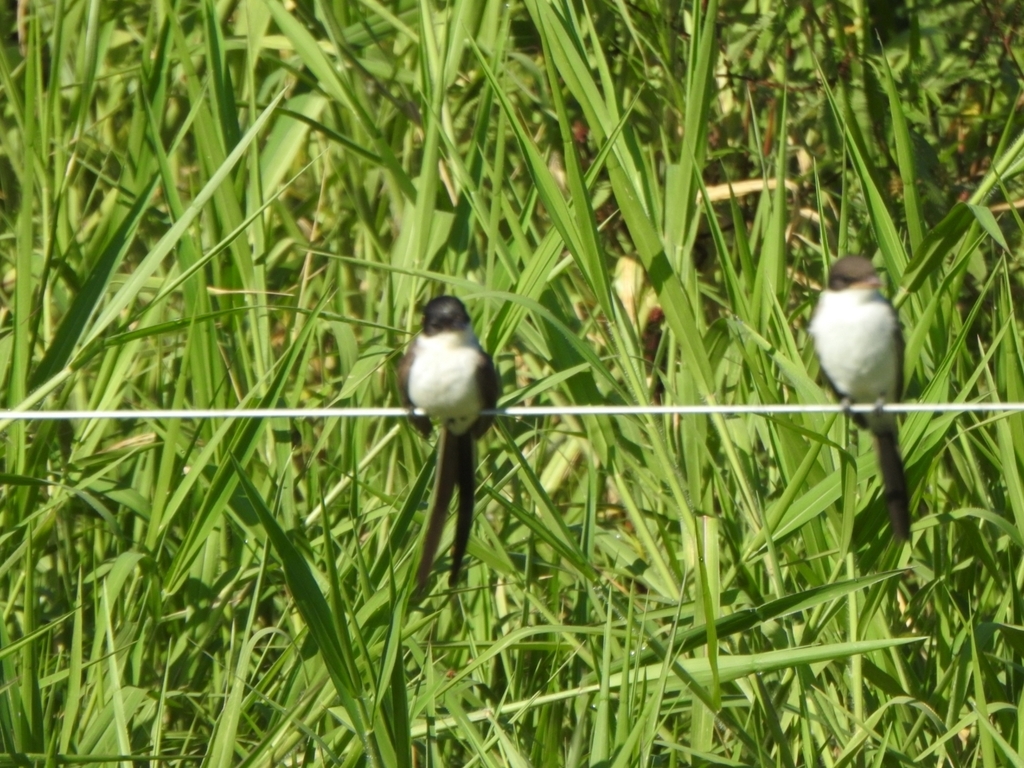
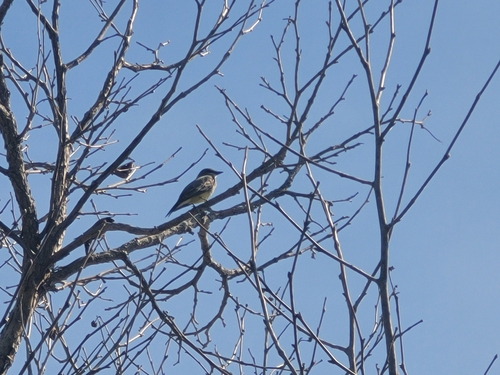
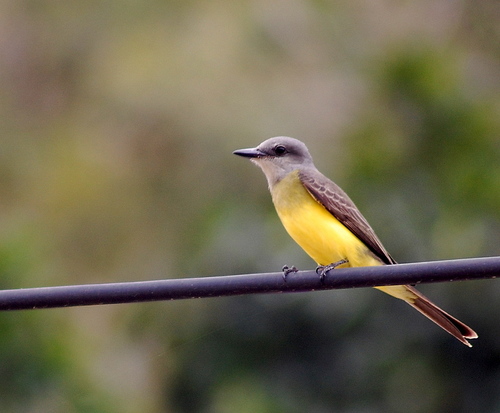
A grey and white flycatcher with an extraordinarily long, forked tail.
- Status
- Least Concern IUCN Red List
- Eats
- miconia albicans, old fustic, ficus cestrifolia and 173 more
- Where
- 37 countries
On 4Planet Atlas it is among the wildlife people record most around Belmopan, Brasília and Buenos Aires, and 2 more of the cities we cover.
People have shared 247,555 records of the fork-tailed flycatcher with GBIF, from 37 countries, most of them from Argentina, Brazil and Colombia. Records collected by GloBI show it eating 176 different kinds of animals and plants.
What the fork-tailed flycatcher eats, and what eats it
Studies have recorded it eating 176 kinds of animals and plants. Tap any of them to follow the food chain.
- Plants 172
- Insects 1
- Spiders and mites 1
Fork-tailed flycatcher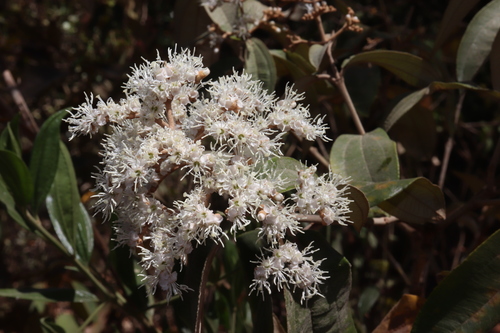
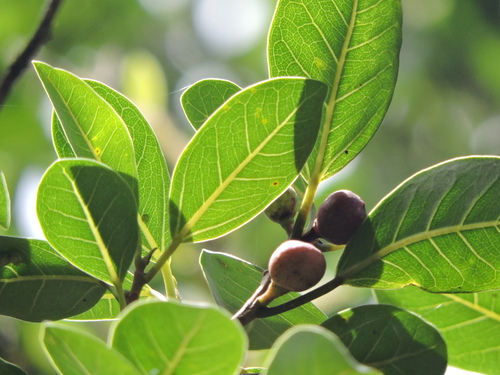

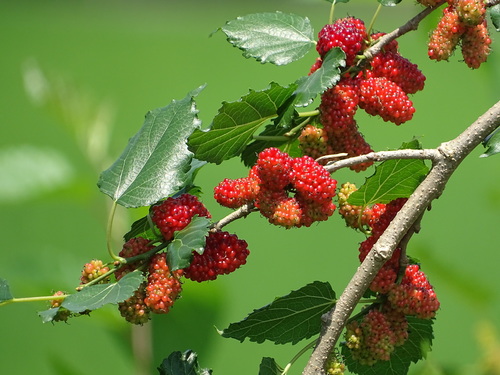
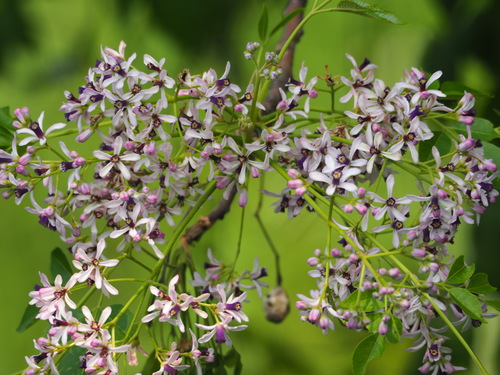
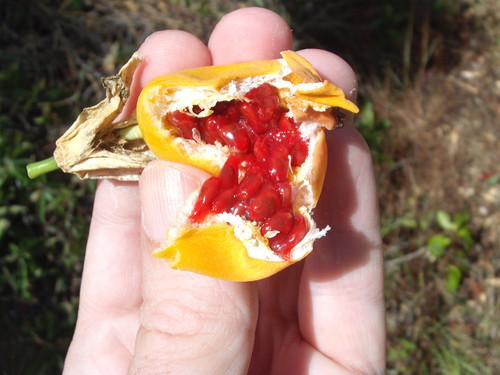
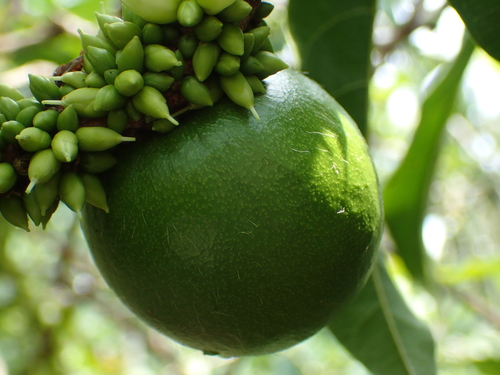

Records from studies worldwide, collected by GloBI. They include animals eaten as carrion, and they are not everything it eats in one place.
Where people see the fork-tailed flycatcher
People have shared 247,555 records from 37 countries.
Near a city: Belmopan, Brasília, Buenos Aires, Montevideo, São Paulo.
Records show where people have seen it and shared it, not its full range. Country names open their page in Atlas.
When it is seen
Records per month in the southern hemisphere. More people outdoors also means more records.
Watch and listen
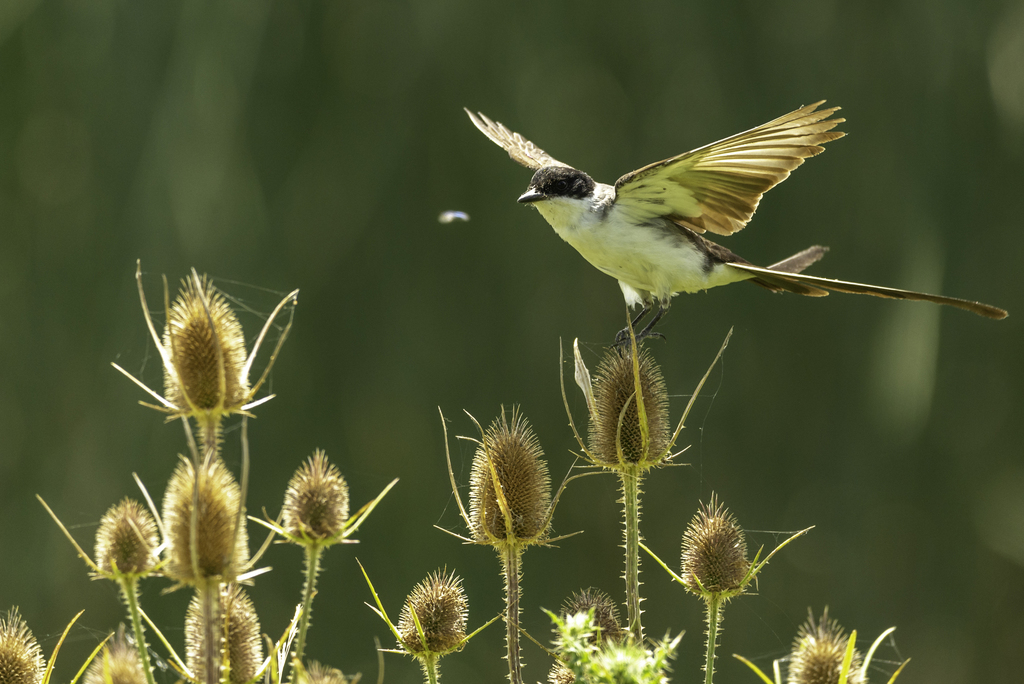
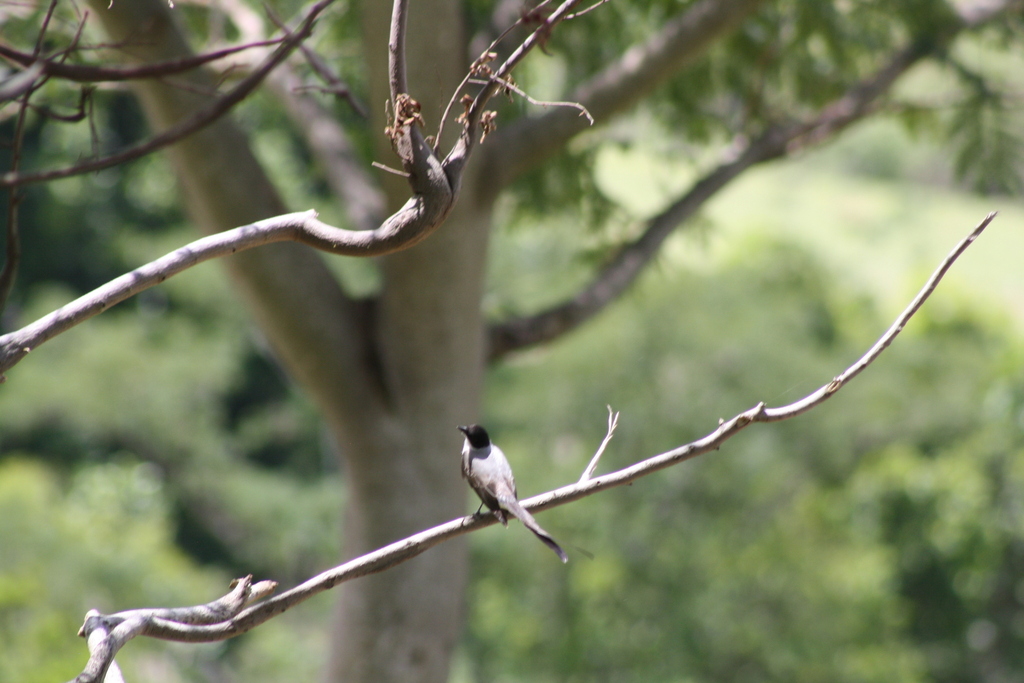
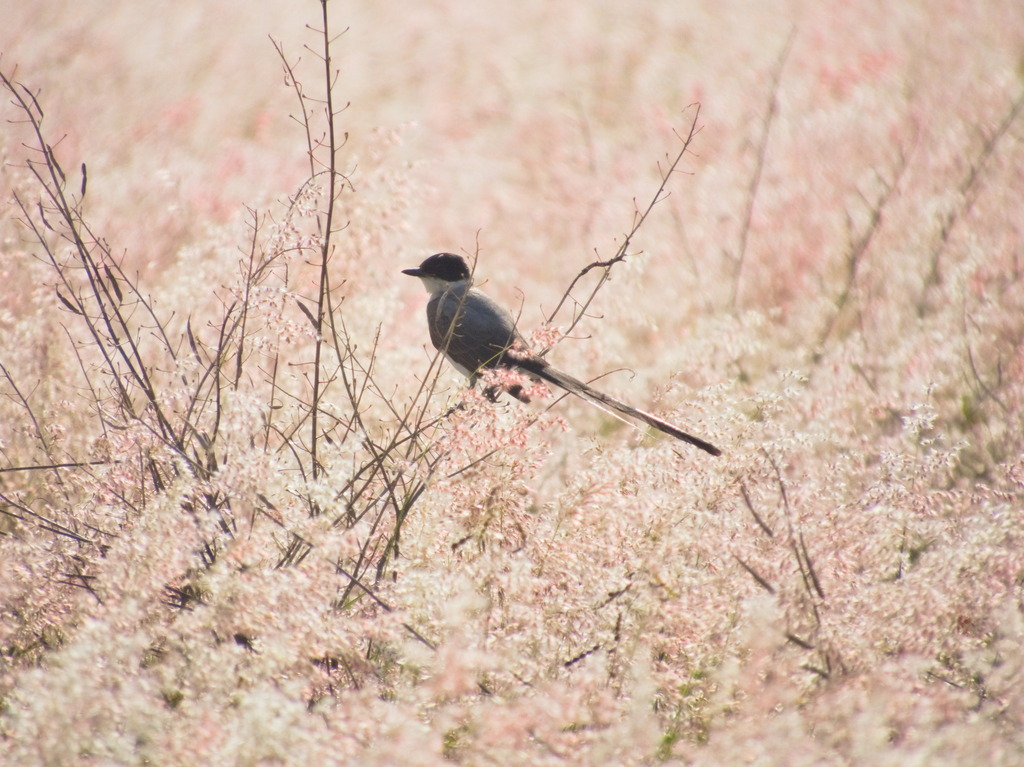
Its closest relatives
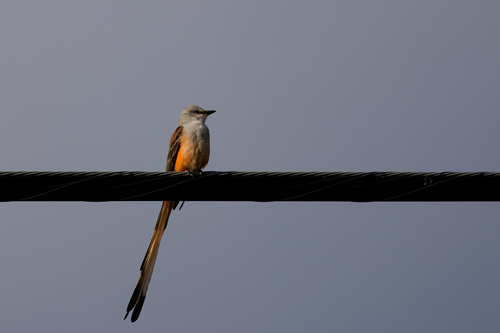
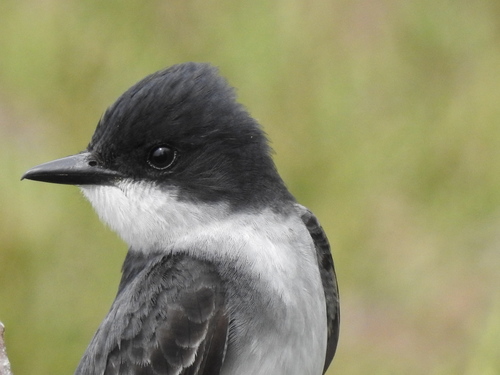
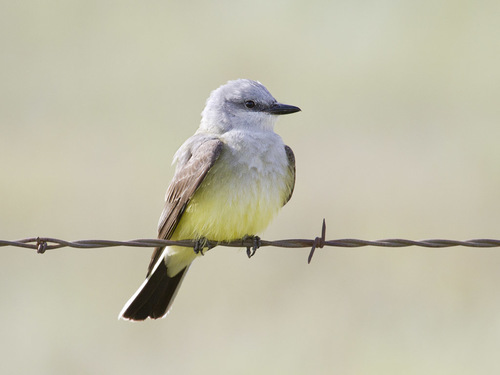
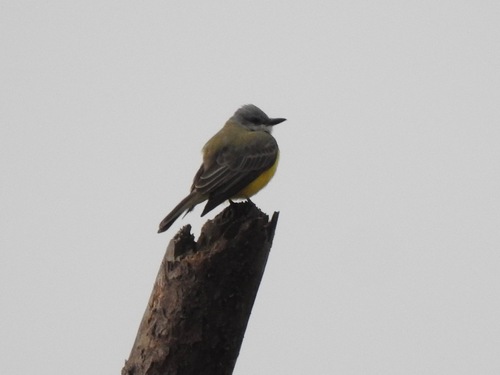
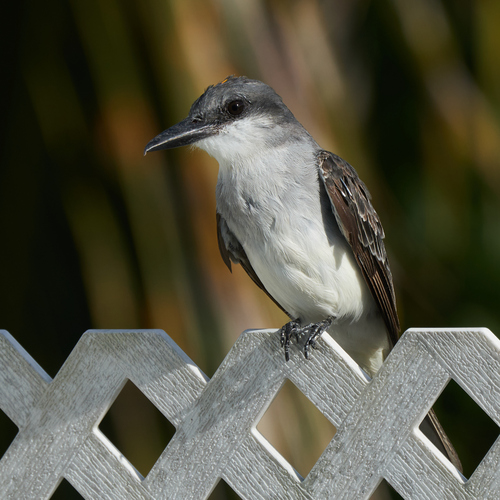
The other species of the genus Tyrannus.

Seen a fork-tailed flycatcher?
Share your photo on iNaturalist. Other naturalists help confirm it, and the record goes to GBIF, where scientists use it and where the maps on this page come from.
Questions people ask
What does the fork-tailed flycatcher eat?
The fork-tailed flycatcher has been recorded eating 176 different kinds of animals and plants, most of them plants, insects and spiders and mites. The ones recorded most often are miconia albicans, old fustic, ficus cestrifolia, ouratea spectabilis and castorbean; records include animals eaten as carrion. Source: GloBI.
Where does the fork-tailed flycatcher live?
People have recorded it in 37 countries; the most records come from Argentina, Brazil, Colombia, Panama and Uruguay. Records show where people have seen it, not its full range.
When is the fork-tailed flycatcher seen most?
In the southern hemisphere, the most records are made in October and the fewest in June. More people outdoors also means more records.
What are the fork-tailed flycatcher's closest relatives?
It shares the genus Tyrannus with scissor-tailed flycatcher, eastern kingbird, western kingbird, couch's kingbird and gray kingbird.
Sources and photo credits
- GBIF · Tyrannus savana, 247,555 human observations
- GloBI · recorded interactions of Tyrannus savana
- Wikidata · Fork-tailed flycatcher (Q1078611)
- Fork-tailed flycatcher (Tyrannus savana): Guilherme Cameis Freda, CC BY-SA 4.0
- Fork-tailed flycatcher (Tyrannus savana): Luiz Carlos Rocha, CC BY-SA 4.0
- Fork-tailed flycatcher (Tyrannus savana), Gualeguaychú, Entre Ríos, Argentina: Ezequiel Vera, CC BY 4.0
- Fork-tailed flycatcher (Tyrannus savana), Americana: Eduardo Gomyde, CC BY-SA 4.0
- Fork-tailed flycatcher (Tyrannus savana), Parque Maciel, Campos dos Goytacazes - RJ, Brasil: Gabriel Jovêncio Ribeiro, CC BY 4.0
- Fork-tailed flycatcher (Tyrannus savana), Posadas, Misiones, Argentina: Cecilia Fer Díaz, CC BY 4.0
- Fork-tailed flycatcher (Tyrannus savana), San Vicente, Buenos Aires, Argentina: Luciano Massa, CC BY 4.0
- Fork-tailed flycatcher (Tyrannus savana), Estação Astrobiológica, Ipeúna, SP: Ronaldo Pedrão, CC BY 4.0
- Fork-tailed flycatcher (Tyrannus savana), Rio das Pedras - SP, 13390-000, Brasil: Miguel A. Paixão, CC BY 4.0
- Miconia albicans: alejandrozab, CC BY 4.0
- Ficus cestrifolia: Fabrício Mil Homens Riella, CC BY 4.0
- Castorbean: no rights reserved, uploaded by natalie, CC0
- White mulberry: no rights reserved, uploaded by 葉子, CC0
- White cedar: no rights reserved, uploaded by 葉子, CC0
- Blue passionflower: Stephen Thorpe, CC BY 4.0
- Abiu: no rights reserved, uploaded by 葉子, CC0
- Brazilian peppertree: Douglas Goldman, CC BY-SA 4.0
- Scissor-tailed flycatcher: Daughter Dad, CC BY 4.0
- Eastern kingbird: Laura Mae, CC BY 4.0
- Western kingbird: Bill Bouton, CC BY-SA 4.0
- Couch's kingbird: Laura Mae, CC BY 4.0
- Gray kingbird: Glynn Morris, CC BY 4.0
- Cassin's kingbird: Alexander Antero Peñaflor, CC0
- White-throated kingbird: Dario Sanches, CC BY-SA 4.0
- Loggerhead kingbird: Laura Gooch, CC BY-SA 4.0
Records show where people have seen and shared the fork-tailed flycatcher, not its full range, and some countries and months are recorded far more than others. The food web lists interactions that studies have recorded somewhere in the world (GloBI), not everything it eats in one place.
Checked 2026-11-21.